

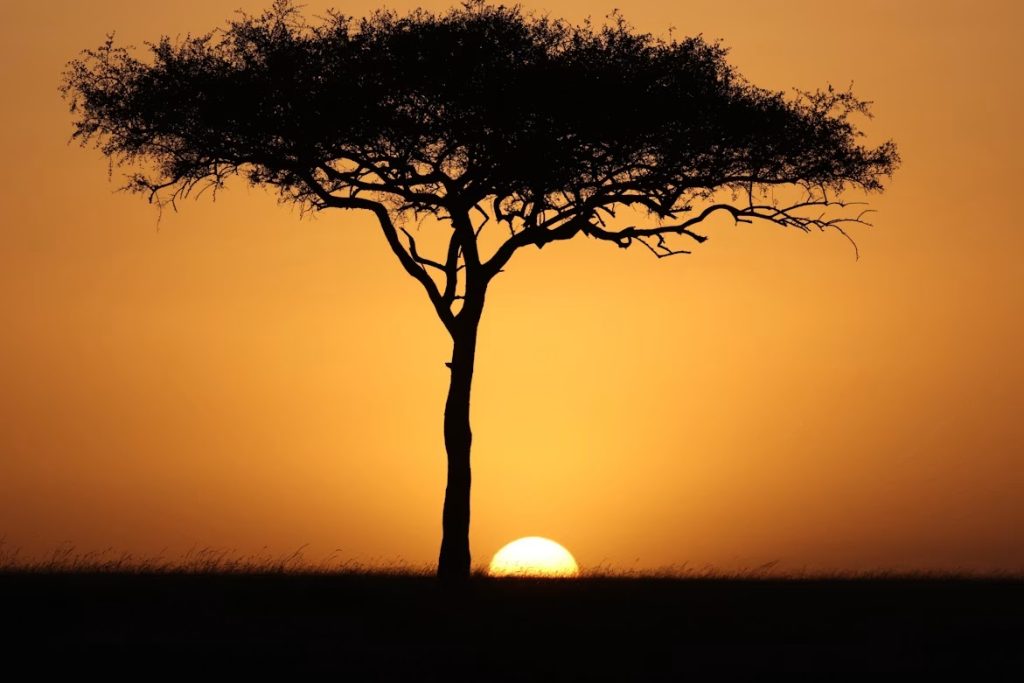
Sibiloi National Park sits on the remote northeastern shore of Lake Turkana, and its real claim to fame isn’t wildlife at all — it’s what lies buried in the ground. This is where paleontologist Richard Leakey’s team unearthed “1470,” a 2-million-year-old fossilised skull that reshaped scientific understanding of human evolution, part of the Koobi Fora fossil deposits that have contributed more to that story than any other site on the continent. Picture standing on semi-desert plains flanked by volcanic formations, a petrified forest underfoot, knowing you’re walking through the same ground where some of humanity’s earliest ancestors once lived. Sense of Adventure arranges Sibiloi as a genuine expedition-style add-on for travellers drawn to Kenya’s deepest history, not just its wildlife.
Walk the Ground Where Human Origins Were Found
A genuine expedition destination — message us to talk through what a Sibiloi/Lake Turkana trip involves.
Why Sibiloi Matters More for Science Than for Safari
Established in 1973 and UNESCO-listed in 1997 as part of the Lake Turkana National Parks World Heritage Site, Sibiloi covers 1,570 km² of semi-desert plains on Lake Turkana’s northeastern shore, near the Ethiopian border. Its Koobi Fora fossil deposits date back roughly two million years, and in 1972 Richard Leakey’s team discovered a fossilised Homo habilis skull there — evidence that reshaped the scientific timeline of human evolution. The landscape itself, flanked by volcanic formations including Mount Sibiloi, holds a petrified forest as further evidence of the region’s dramatically different ancient climate. The park sees genuinely few visitors compared to Kenya’s southern circuit, both because of its remoteness and because its appeal is scientific and historical as much as it is about wildlife sightings — a different kind of safari altogether.
This wasn’t a wildlife trip in the normal sense — it was walking across ground where our guide could point out exactly where some of the oldest human fossils on the planet were found. My kids still talk about the petrified forest more than any lion sighting we’ve had.
— Sense of Adventure guest, Northern Kenya expedition
The 6 Things That Make Sibiloi Genuinely Unique
The Koobi Fora Fossil Deposits — a two-million-year window into human evolution
Koobi Fora, within Sibiloi, has produced fossil evidence — including an elephant fossil dating back 1.7 million years — that has contributed more to understanding human evolution than any other single site in Africa.
The “1470” Skull Discovery — Richard Leakey’s 1972 find
In 1972, renowned paleontologist Richard Leakey’s team unearthed a 2-million-year-old fossilised skull known as “1470,” providing key evidence for the existence of Homo habilis and reshaping scientific understanding of human origins.
A Petrified Forest — evidence of a dramatically different ancient climate
Near Mount Sibiloi, the remains of a petrified forest sit in what is now semi-desert — a striking physical reminder of how much this landscape has changed over geological time.
UNESCO World Heritage Status — part of the Lake Turkana National Parks site
Sibiloi was listed as a UNESCO World Heritage Site in 1997 as part of the broader Lake Turkana National Parks designation, recognising both its paleontological and ecological significance.
A Genuinely Remote Setting — northern Kenya near the Ethiopian border
Sibiloi sits in Kenya’s far north near the Ethiopian border, on Lake Turkana’s shore — this is expedition-style travel, not a standard safari circuit stop, and should be planned with realistic expectations about distance and logistics.
Best Arranged as a Custom Trip — not a fixed package, but genuinely bookable
Given its remoteness, a Sibiloi visit is planned as a tailor-made itinerary around logistics, timing and guide arrangements specific to the northern circuit — message us and we’ll talk through exactly what that involves for your dates.
What Realistic Access Looks Like — flight or overland, both need real lead time
Most visitors reach Sibiloi by light aircraft to an airstrip near the park, since the overland route across northern Kenya’s remote roads takes considerably longer and needs proper 4×4 and fuel planning — either way, this is a trip that rewards booking well ahead rather than a last-minute add-on.
Plan the Logistics Properly
Sibiloi rewards real planning — tell us your interest level and we’ll map out a realistic itinerary.
Sibiloi National Park Facts
- Location: northeastern shore of Lake Turkana, northern Kenya, near the Ethiopian border.
- Size: 1,570 km², established in 1973.
- UNESCO status: listed in 1997 as part of the Lake Turkana National Parks World Heritage Site.
- Key site: the Koobi Fora fossil deposits, with finds dating back roughly 2 million years.
- Famous discovery: the “1470” Homo habilis skull, found by Richard Leakey’s team in 1972.
- Landscape: semi-desert plains, volcanic formations and a petrified forest near Mount Sibiloi.
Planning a Northern Kenya Expedition
Sibiloi is often combined with the nearby Central Island and South Island national parks for a full Lake Turkana circuit. This is genuinely specialist, custom-arranged travel rather than a standard package — message us on WhatsApp to talk through realistic timing and logistics for your interests.
A Trip That Reaches Back Two Million Years
For travellers who want Kenya’s deepest history, not just its wildlife. Message us to plan a Sibiloi/Lake Turkana expedition.
Frequently Asked Questions
What is Sibiloi National Park famous for?
Sibiloi National Park is famous for the Koobi Fora fossil deposits, where paleontologist Richard Leakey’s team discovered a 2-million-year-old Homo habilis skull in 1972 — one of the most significant finds in the study of human evolution.
Where is Sibiloi National Park located?
Sibiloi National Park is located on the northeastern shore of Lake Turkana in northern Kenya, near the Ethiopian border, within a remote semi-desert landscape.
Is Sibiloi National Park a UNESCO World Heritage Site?
Yes — Sibiloi National Park was listed as a UNESCO World Heritage Site in 1997 as part of the broader Lake Turkana National Parks designation, recognising both its fossil sites and ecological significance.
What can you see at Sibiloi National Park besides fossils?
Beyond the Koobi Fora fossil sites, Sibiloi features a petrified forest near Mount Sibiloi and semi-desert plains flanked by volcanic formations — a genuinely unique landscape shaped by dramatic climate change over geological time.
Is Sibiloi National Park easy to visit?
No — Sibiloi is a remote, expedition-style destination in northern Kenya requiring real logistical planning, not a standard safari circuit stop. It is best arranged as a custom itinerary with realistic timing built around the journey.