Safari rooming list is the document that tells every hotel, lodge and camp who sleeps where on each night of a group safari. A good one lists passport names, room types, sharing pairs, singles, staff rooms, dietary and medical notes and arrival details, and it is sent in versions to fixed deadlines so each property can prepare.
Sense of Adventure is a Nairobi-based safari company and Kenya DMC licensed by Kenya’s Tourism Regulatory Authority (TRA1/47/C01/77087). We handle groups for travel agents, tour operators, wholesalers and group organisers, and this guide shows how to prepare a safari rooming list for your clients, step by step, so check-in is quick and nobody arrives to the wrong room.
✅ Safari Rooming List: The Quick Answer
- What it is: one table per group showing every traveller, room, bed type and night, shared with each property and your ground operator.
- Core columns: passport name, gender, age band, room code, room type, sharing partner, diet, medical or mobility note and flight details.
- Room types: doubles, twins, triples, family tents and singles vary from camp to camp, so the list must match what each property actually has.
- Versions: a provisional list at confirmation, an update at final payment and a final list by the supplier deadline, usually a few weeks before arrival.
- Name checks: names must match passports, the Kenya eTA, the Kenyan inbound insurance and flight tickets.
- Trade support: we check your draft against every camp’s room stock and return an itemised group quote within 24 hours.
🛏 Building a group rooming list for your clients right now?
Send us the group size, the room mix and your route. Our trade desk will check it against each camp’s rooms and return a costed group proposal within 24 hours.
What a Safari Rooming List Is and Why Camps Need One
A safari rooming list is the single source of truth for accommodation on a group trip: it turns a booking for “12 rooms” into named beds, night by night.
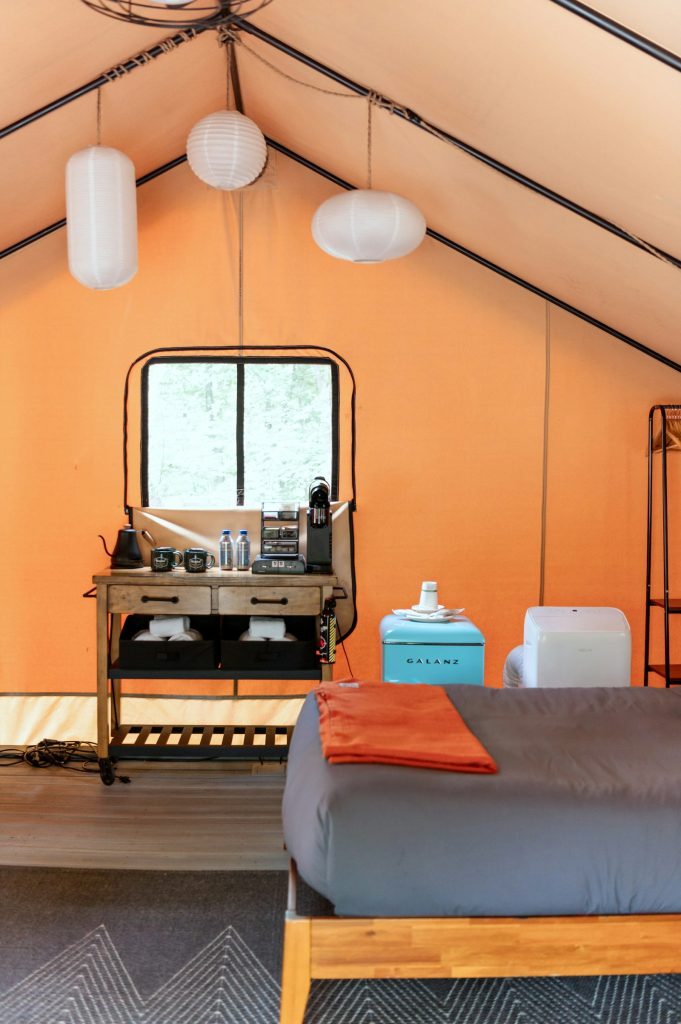
Hotels in Nairobi and lodges near the parks use the safari rooming list to pre-assign rooms, print welcome cards and lay out keys. Tented camps use it for something more basic: deciding which tents to set up as doubles or twins, how many extra beds to bring in and where to seat the group at dinner. Many smaller camps change bed configurations by hand, so they need the safari rooming list before the group leaves Nairobi, not at reception.
For your agency, the safari rooming list is also a control document. It is where you see who has paid a single supplement, which children need family tents and whether staff rooms are covered. Our Kenya group ground handling guide explains the wider group process; this article goes deeper into the safari rooming list itself.
Who uses the list
- Each hotel, lodge and camp: room set-up, check-in, meal planning and housekeeping.
- Your ground operator: vehicle seating, airport meet and greet, park entry lists and on-trip support.
- Your tour leader: a printed copy for every night, used for head counts and late changes.
How to Prepare a Safari Rooming List in 9 Steps
You prepare a safari rooming list by collecting traveller data once, checking it against each property’s rooms, and then issuing dated versions to every supplier.
- Collect passport data: full names exactly as printed, nationality, date of birth and passport expiry for every traveller.
- Ask for sharing preferences: who shares with whom, bed type wanted and who has paid for a single room.
- Record children’s ages: exact ages on the travel dates, because camp child policies depend on them.
- Add staff: tour leader, photographer, group escort and any other non-paying roles that need a bed.
- Gather notes: diets, allergies, medical and mobility needs, celebrations and quiet-room requests.
- Check against room stock: confirm each camp has enough twins, doubles, triples and family units for your mix.
- Number the rooms: give each room a simple code (R01, R02) that stays the same at every property.
- Issue a dated version: name the file with the group code, version number and date, and send it to your ground operator.
- Update to deadlines: send changes as new versions, highlight what changed, and confirm the final safari rooming list in writing.
Expert tip from our Nairobi operations team: keep one master safari rooming list for the whole trip and let your ground operator split it by property. When agents keep separate lists for each camp, small differences creep in and the wrong version often reaches the wrong lodge.
The Columns Every Safari Rooming List Needs
A complete safari rooming list has about a dozen columns, and each one answers a question a camp would otherwise have to ask by email.
| Column | What to enter | Why the camp needs it |
|---|---|---|
| Room code | R01, R02 and so on, the same at every stop | Quick cross-checks between properties and vehicles |
| Passport name | Surname, then given names, exactly as on the passport | Registration, park entry and emergency records |
| Gender and age band | F or M; adult, teen or child with exact age | Sharing rules and child policies |
| Room type | Double, twin, triple, family or single | Bed set-up before arrival |
| Sharing with | Room code or name of the partner | Avoids split couples and mismatched twins |
| Nights | Check-in and check-out dates per property | Partial stays and split groups |
| Diet | Vegetarian, vegan, Jain, halal, gluten-free or none | Kitchen planning, often days ahead in remote camps |
| Allergy or medical note | Short, factual note agreed with the traveller | Kitchen safety and first-aid awareness |
| Mobility | Ground floor, near the main area, no steps | Tent or room allocation |
| Flights | Arrival and departure flight and time | Transfers, early check-in and late check-out |
| Occasion | Birthday, anniversary or honeymoon | Small touches the camp can prepare |
| Status | Confirmed, provisional or cancelled | Release of unsold rooms on time |
Keep medical notes short and factual, and share only what the traveller has agreed to share. A safari rooming list travels through several inboxes, so personal health detail beyond what a kitchen or guide needs should stay with the tour leader.
Room Types in Kenyan Camps and Lodges
Room types decide whether a safari rooming list works, because a camp can only offer the beds it has, and tented camps have far less flexibility than city hotels.
| Room type | Typical set-up | Points to check before you build the list |
|---|---|---|
| Double | One large bed for a couple | Some tents are fixed doubles and cannot be split |
| Twin | Two single beds | Number of twin-capable tents is often limited |
| Triple | Twin plus an extra bed, or three singles | Not every camp offers triples; space can be tight |
| Family tent or suite | Two rooms or two tents sharing a deck | Usually few per camp; child age rules apply |
| Single | Double or twin room for one person | Single supplement; limited numbers in peak months |
| Staff or guide room | Separate quarters or a standard room | Confirm who provides it and on which nights |
Many camps in the Masai Mara and the conservancies have between 10 and 25 tents, and only some are twins or family units. A group of 20 that wants eight twins may find a camp has only five. Build the safari rooming list after checking the actual room mix, not before, and keep a second camp in mind for larger groups. Our guide to safari peak season allocations explains how to hold that space early.
Children and family units
Child policies are set by each property: some camps have minimum ages, some limit children to family tents, and some require an adult in every tent with a child. Record exact ages on the safari rooming list, because a child who turns twelve before travel can change both the room type and the price.
⛺ Not sure the camps have the twins and family tents you need?
Tell us your room mix and dates. We will check the room stock at each camp on your route and suggest swaps before the list goes final.
Singles, Sharing Requests and Staff Rooms
Singles and sharing requests cause most rooming problems, so settle them in writing before the safari rooming list is final.
Single rooms and supplements
Most camps charge a single supplement when one person uses a room, and some limit the number of singles they release in peak months. Mark every single clearly on the safari rooming list and make sure the traveller has accepted the supplement in your own terms. For how supplements interact with group size and pricing, see our guide to FIT and GIT safaris in Kenya.
Share requests between travellers who do not know each other
Some group members ask to share with a stranger to avoid a supplement. Pair them only with written consent from both, and note on the safari rooming list what happens if one cancels: the other usually moves to a single and pays the difference, unless your terms say otherwise.
Tour leaders, escorts and driver-guides
List every staff member on the safari rooming list, even if their bed is free or provided elsewhere. Many camps house driver-guides in separate quarters, but this varies, and city hotels usually need a standard room. State who pays for each staff bed, and keep the tour leader’s room close to the group so late-night issues reach the right person.

Matching Names to Passports, eTA and Insurance
Every name on the safari rooming list should match the traveller’s passport character for character, because the same name also appears on the eTA, the insurance certificate, flight tickets and park records.
Most visitors need an approved Electronic Travel Authorisation from the official Kenya eTA portal. Since 5 October 2026, most visitors staying less than 12 months must also hold Kenyan Government-provided inbound travel health insurance, bought during the eTA application or, for travellers who already hold an eTA, on the government’s eCitizen insurance portal. It lasts 90 days, allows multiple entries and cannot be replaced by a foreign policy. The premium was about US$44 plus fees at the time of writing; check the eTA portal for the current amount.
- Use passport order: surname first, then given names, with no nicknames.
- Keep middle names: if they are on the passport, keep them on the list.
- Flag name changes: recent marriage or a new passport means the eTA and tickets must match the new document.
- Add a preferred name column: if a traveller uses another name, add it separately for welcome cards.
Clients should still hold their own travel insurance, and every Sense of Adventure safari includes complimentary AMREF Flying Doctors emergency evacuation cover. Before your clients book, we talk you through the route and current travel conditions.
Dietary, Medical and Mobility Notes
Notes on the safari rooming list let remote camps order and prepare food days in advance, so collect them at booking rather than on arrival.
Camps far from towns often receive supplies only a few times a week. A vegan or gluten-free guest who is flagged on the safari rooming list three weeks ahead gets proper meals; one who mentions it at dinner may get a plate of vegetables. Use clear, standard words for diets and avoid vague notes such as “special food”.
- Diets: vegetarian, vegan, Jain, halal, kosher-style, gluten-free, lactose-free.
- Allergies: name the allergen and whether trace amounts matter.
- Mobility: limited walking, no steps, or a room close to the main area; tented camps can be spread out.
- Sleep needs: light sleepers, snorers to be roomed apart, or travellers who need power for a medical device.
Expert tip from our Nairobi operations team: ask every traveller to confirm their own line of the safari rooming list before the final version goes out. A two-minute check by the traveller catches misspelt names, missed allergies and wrong sharing pairs that no office review would spot.
Multi-Camp Itineraries and Split Properties
On a multi-stop safari, one safari rooming list must work at every property, even when the group splits between two camps on some nights.
Keep the same room codes and sharing pairs at every stop, so a couple in R04 in Nairobi is still R04 at Lake Naivasha and in the Mara. When a group is larger than one camp, split it by natural sub-groups, such as families or vehicle groups, and add a column showing which property each room uses on each night. Plan group dinners and briefings at one property where you can, and confirm transfers between the two camps in advance.
Linking rooms to vehicles
A pop-up roof Land Cruiser usually seats six or seven guests, each at a window. Group sharing pairs into the same vehicle on the safari rooming list, so couples and families ride together and luggage loads match the vehicle. Our Kenya safari transport guide for tour operators covers vehicle types, and scheduled light aircraft usually limit luggage to soft bags of about 15 kg per person.
Deadlines and Versions: When to Send Each Safari Rooming List
A safari rooming list is sent in stages, and each version is due by a date set in your supplier contract, so put every deadline in one calendar.
| Stage | Typical timing | What the list should show |
|---|---|---|
| Provisional | At booking confirmation | Number of rooms by type, known names, children’s ages |
| Update | At final payment, often 60 to 90 days out in peak months | Most names, sharing pairs, singles, diets |
| Final | By the supplier deadline, commonly two to four weeks before arrival | Every name, room, diet, medical and mobility note, flights |
| On-trip copy | Day before arrival at each property | Any last changes, highlighted |
These are typical timings, not fixed rules; every camp and hotel sets its own terms. Unsold rooms in a group block are usually released back to the property on a fixed date, so a late safari rooming list can cost rooms you meant to keep. Our guide to safari payment terms for travel agents explains how deposits and balances line up with these dates.
Naming and version control
Name each file with the group code, the word “rooming”, the version number and the date, for example GRP27-MARA rooming v3 2027-06-01. Highlight changed cells in each new version and send a short note listing what changed. Ask every property to reply to confirm they have loaded the latest safari rooming list.
📆 Twin and family tents go first in busy months
The best camps book early in July to October and over the festive season. Send us your dates and provisional room count, and we will check space and hold deadlines in writing.
Late Changes, Upgrades and No-Shows
Late changes are normal on group trips, and a clear process keeps them from turning into lost rooms or extra charges.
- Name changes: many suppliers allow them until a set date, but the new traveller also needs a matching eTA, insurance and ticket.
- Cancellations: a cancelled traveller may leave a partner in a single room; agree in advance who pays the supplement.
- Upgrades: requests for suites or family units on arrival depend on availability and cost, so confirm them in writing first.
- Delayed arrivals: mark late flights on the safari rooming list so the camp holds the room and keeps a meal.
- No-shows: camps usually charge for rooms not cancelled in time, so tell your ground operator the moment you know.
Cancellation charges and name-change rules differ by supplier and season. For how terms usually run, see our client guide to safari cancellation policies, and mirror your supplier terms in your own booking conditions.
Common Safari Rooming List Mistakes to Avoid
Most safari rooming list problems come from a handful of avoidable mistakes made early in the booking.
- Assuming twins: asking for “twins” without checking how many twin-capable tents each camp has.
- Nicknames: using “Bob” or “Kate” instead of passport names, which breaks the match with the eTA and tickets.
- Forgotten staff: leaving the tour leader or escort off the list, then finding no room on arrival.
- Several live versions: sending updates from different people without version numbers.
- Diets on arrival: sharing dietary needs at check-in, too late for camps with weekly supplies.
- Missing children’s ages: listing “child” without an age, when camp rules depend on the exact year.
How We Handle Your Safari Rooming List
As your Kenya ground operator, we take your safari rooming list, check it against every property and keep each supplier on the latest version until the group flies home.
- Brief: you send group size, dates, route and a provisional room mix.
- Room check: we confirm each camp’s twins, doubles, triples, family units and singles before quoting.
- Quote: an itemised group quote within 24 hours, with park fees on separate lines and B2B net or commissionable terms confirmed in writing.
- List management: we split your master list by property, send each version and collect written confirmations.
- Operation: meet and greet at JKIA or Wilson Airport, pop-up roof Land Cruisers seated by sharing pairs, and real-time updates when anything changes.
Our guide to requesting a safari quote from a DMC lists the details that speed up a group proposal, and the B2B trade partners portal shows trips you can sell under your own brand. For student groups, our guide to Kenya educational group tours covers supervision and rooming for young travellers. You can verify our licence with the Tourism Regulatory Authority and check national park rules with the Kenya Wildlife Service.
Safari Rooming List FAQs
What is a safari rooming list?
It is a table that shows which traveller sleeps in which room on each night of a group safari. It lists passport names, room types, sharing pairs, singles, staff rooms, diets and medical notes, and it is shared with every hotel, lodge and camp and with the ground operator.
When should the final rooming list be sent to a safari camp?
Send it by the deadline in the supplier contract, which is commonly two to four weeks before arrival. Send a provisional list at confirmation and an update at final payment, so each camp can set up beds, order food and plan staff rooms in good time.
What information should a group rooming list include?
Include a room code, full passport name, gender and age band, room type, sharing partner, nights at each property, diet, allergy or medical note, mobility needs, flight details, any occasion and the booking status. Keep medical notes short and share only what the traveller agrees to.
Do safari camps have enough twin rooms for groups?
Not always. Many Masai Mara and conservancy camps have 10 to 25 tents, and only some are twins or family units. Check the actual room mix at each camp before you finalise sharing pairs, and keep a second camp in mind for larger groups.
Why must rooming list names match passports?
The same names appear on the Kenya eTA, the Kenyan inbound insurance, flight tickets and park records. A nickname or missing middle name can cause delays at check-in or at park gates, so use names exactly as printed in each passport.
Should tour leaders and guides appear on the rooming list?
Yes. List every staff member, even if their bed is free or provided in separate quarters. State who pays for each staff bed and on which nights, and keep the tour leader close to the group so late-night issues reach the right person.
What happens if someone cancels after the rooming list is final?
Tell your ground operator at once. The camp may charge for the room under its cancellation terms, and a partner left alone may move to a single with a supplement. Agree in your own terms who pays before the group travels.
🗂 Hand Your Group Logistics to a Nairobi Team
Kenya-based ground operator. Real local knowledge. Transparent trade pricing. Send us your next group brief and draft safari rooming list, and we will check every camp’s rooms, share our written trade terms and return a costed group programme under your brand.
💬 Share Our Group Brief📋 Unlock Group Trade Terms✉ Email Our Rooming Draft
Call or WhatsApp: +254 799 160 081 · Email: reservations@senseofadventure.co.ke
Related Trade Guides
- › Kenya DMC for Travel Agents: B2B Rates and Ground Handling
- › Kenya Group Ground Handling: 9 Steps to Plan Large Groups
- › Safari Peak Season Allocations: Securing Kenya Camp Space
- › JKIA Meet and Greet: Airport Handling for Tour Operators
- › FIT and GIT Safaris in Kenya: Planning and Pricing
Official licensing & park resources: Tourism Regulatory Authority ↗ · Kenya Wildlife Service ↗