
Ol Donyo Sabuk National Park packs a surprising amount into a small footprint northeast of Nairobi — a 2,145-metre forested mountain whose summit area looks out over the Athi Plains, the pineapple and coffee country around Thika and, on exceptionally clear days, as far as Mount Kenya and Kilimanjaro. Its Swahili name, Kilimambogo, means “buffalo hill”, a nod to the buffalo herds that still roam its slopes, while near the top lie the graves of Sir William Northrup McMillan, the American-born settler who hosted Theodore Roosevelt on his Juja estate in 1909. Picture reaching that viewpoint on a relaxed day trip from Nairobi, no long safari commitment required. Sense of Adventure treats Ol Donyo Sabuk as one of the best under-the-radar day trips near the capital.
✅ Ol Donyo Sabuk National Park Quick Answer
- Where: Machakos County, northeast of Nairobi beyond Thika, about 1.5 to 2 hours by road.
- What you’ll see: a forested mountain, buffalo, bushbuck, colobus monkeys, birds and wide views.
- Hike or drive: hike to the top with a KWS ranger (three to four hours up and down) or drive most of the way.
- History: the graves of Sir William Northrup McMillan and his household near the summit.
- Combine with: Fourteen Falls on the Athi River, just down the road.
- Price: our private Ol Donyo Sabuk and Fourteen Falls day trip starts at USD 150 per adult sharing, entry fees and picnic lunch included.
Free day in Nairobi? Climb the buffalo mountain and see Fourteen Falls.
A Mountain With Views Across Central Kenya
Ol Donyo Sabuk means “big mountain” in Maa, the Maasai language, while the Swahili name Kilimambogo means “buffalo hill”. Established in 1967, Ol Donyo Sabuk National Park is one of Kenya’s smallest parks, centred on a forested 2,145-metre summit that you can reach by vehicle or on foot.
Clear-day views stretch across the Athi Plains, Thika’s pineapple fields and the Aberdare Range, and in exceptional conditions both Mount Kenya and Kilimanjaro can appear on the horizon. Haze often hides the distant peaks, so treat them as a bonus rather than a promise.
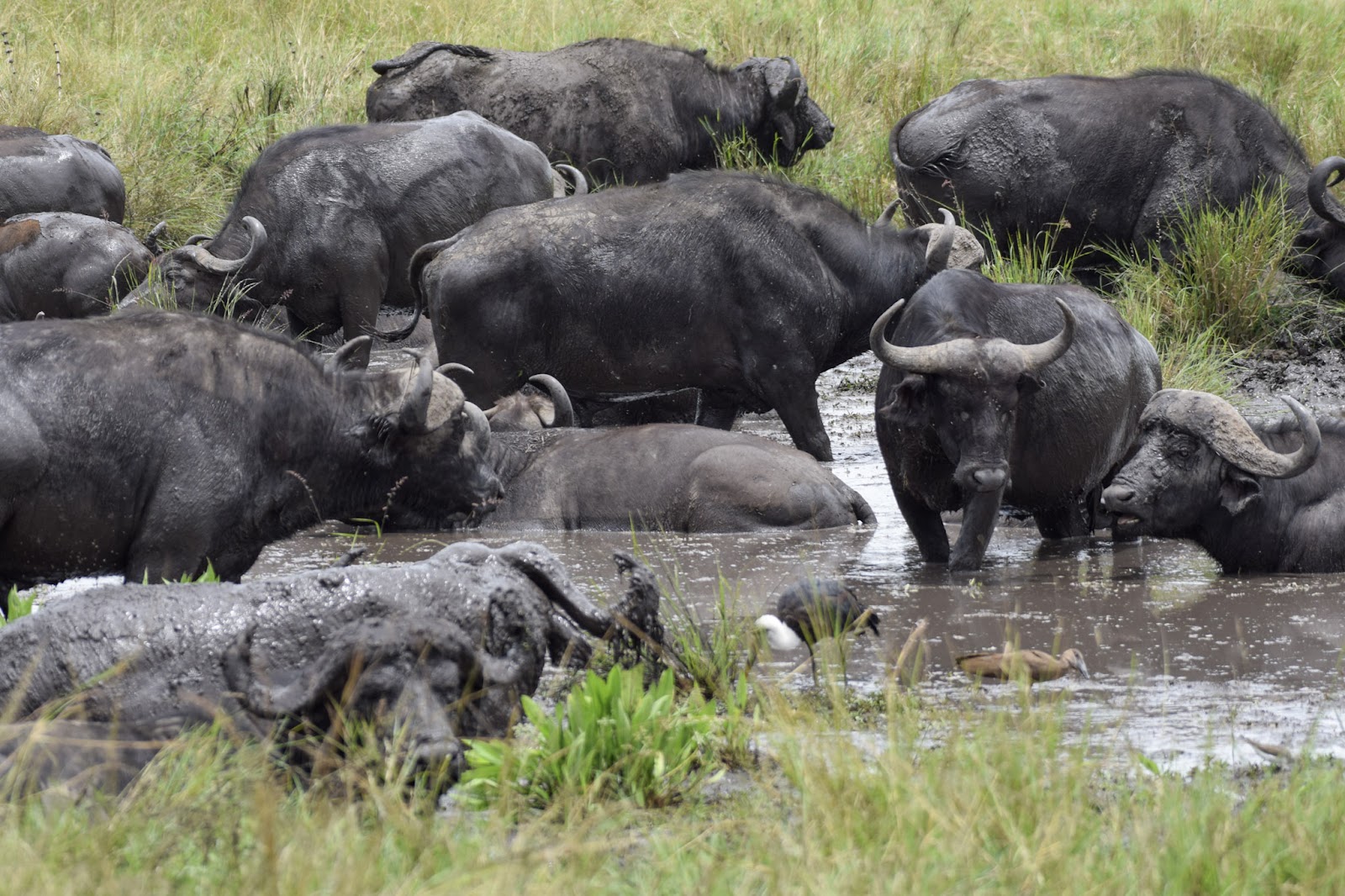
The summit trail climbs through forest that hosts buffalo, which makes the walk part of the experience rather than just a way to reach the view.
The 7 Things That Make Ol Donyo Sabuk National Park Worth a Day
Wide Summit Views — landmarks visible on a clear day
The 2,145-metre summit area offers wide views across the Athi Plains, Thika’s pineapple fields and the Aberdare Range, with Mount Kenya and Kilimanjaro visible on exceptionally clear days.
Resident Buffalo Herds — the mountain’s namesake wildlife
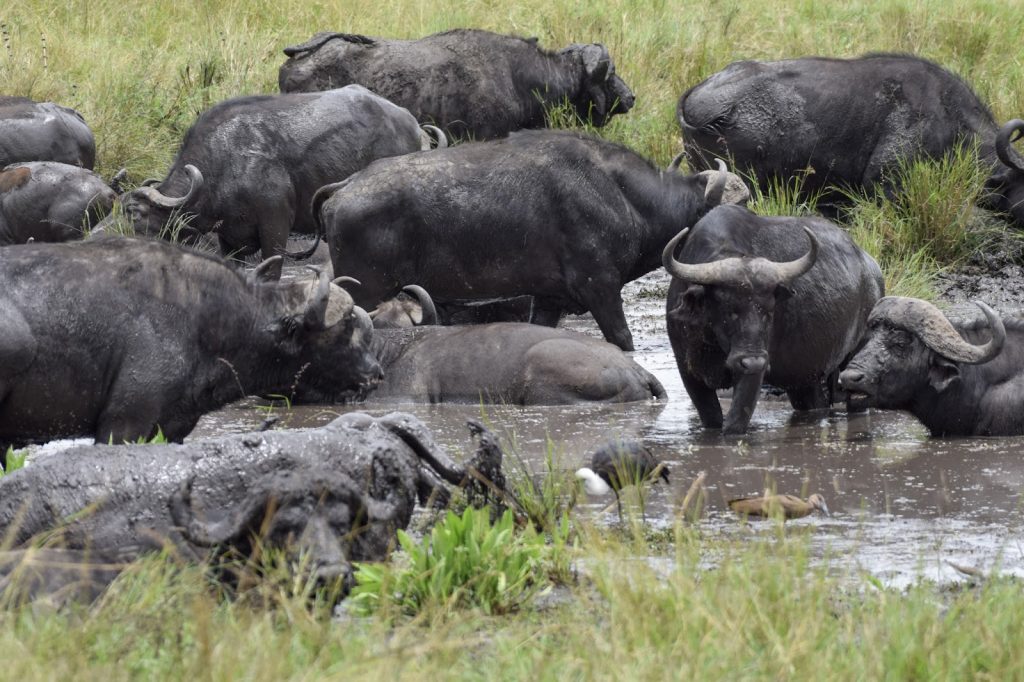
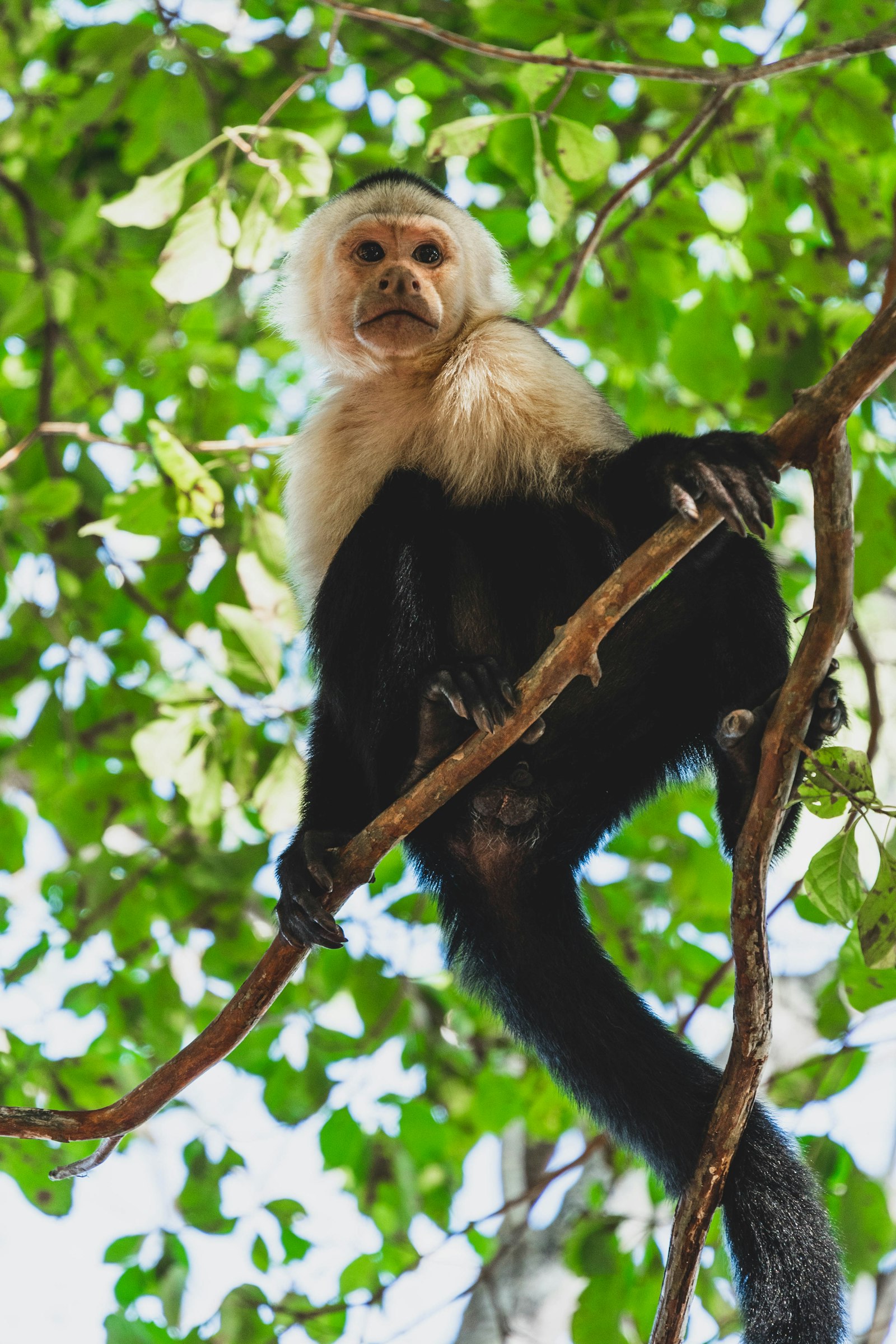
The name Kilimambogo refers directly to the buffalo herds that roam the forested slopes — a genuine wildlife presence despite the park’s small size and closeness to Nairobi. Bushbuck and colobus monkeys live in the forest too.
The McMillan Graves — a settler who hosted Theodore Roosevelt
Near the summit lie the graves of Sir William Northrup McMillan, an American-born settler and hunter, his wife Lady Lucie and members of their household. McMillan famously hosted former US President Theodore Roosevelt on his Juja estate during Roosevelt’s 1909 safari.
Close to Nairobi — a genuine half-day or day trip
The park’s proximity to Nairobi makes it one of the most accessible mountain-and-views day trips near the capital, requiring none of the multi-day commitment of a full safari.
A Notable Local Historical Connection — the birthplace link to Tom Mboya
Tom Mboya, one of the leading figures of Kenya’s independence era, was born in 1930 at Kilima Mbogo, where his father worked on a sisal estate — an extra layer of Kenyan political history tied to the area.
Pairs Naturally With a Nairobi Stay — an easy add-on to a city day
Ol Donyo Sabuk works well alongside a wider Nairobi City & Wildlife Day Tour for travellers with an extra day free before or after their main safari.
Fourteen Falls Nearby — a natural waterfall stop on the same route
Fourteen Falls on the Athi River sits close to Ol Donyo Sabuk and is commonly combined with it as part of the same day trip — a natural waterfall stop that pairs well with the mountain’s summit views without adding significant travel time.
Hike or Drive? Choosing How to Reach the Summit
The big decision on any Ol Donyo Sabuk National Park visit is how to get to the top. Both options work, and the right one depends on your fitness, time and who you are travelling with.
Hiking in Ol Donyo Sabuk National Park
Hiking to the summit takes about three to four hours up and down. Because buffalo live in the forest, walks are always escorted by a Kenya Wildlife Service ranger, who keeps a safe distance from animals and knows the trail. The path is steady rather than technical, but it is a real climb, so wear good shoes and carry water.
Driving most of the way
A track winds up the mountain to near the summit, and a 4×4 can drive most of the way in dry weather. This suits families, older travellers and anyone short on time. The track can become slippery after heavy rain, so your driver may adjust the plan on the day.
Many guests do both: drive up, then walk a short section near the top to the McMillan graves and viewpoints.
Not Sure Whether to Hike or Drive?
Tell us your group’s ages and fitness and we will recommend the right summit plan, with a ranger booked if you want to walk.
A Sample Ol Donyo Sabuk National Park Day Trip
This is how our private day trip usually runs. Times are approximate and we adjust them to your hotel and pace.
- 7:00 – pick-up from your Nairobi hotel.
- 8:30 – arrive at Fourteen Falls, about 65 km from Nairobi via Thika, for a guided walk to the viewpoints.
- 10:00 – enter Ol Donyo Sabuk National Park and hike or drive up the mountain, looking for buffalo, bushbuck and colobus.
- 12:30 – picnic lunch with a view.
- 14:00 – visit the McMillan graves near the summit.
- 17:00 – back in Nairobi, with an optional stop at Chania and Thika Falls on the way.
Book it as our Ol Donyo Sabuk and Fourteen Falls day trip, and read our Fourteen Falls guide for more on the waterfall.
Ol Donyo Sabuk National Park Cost and Fees
Our private Ol Donyo Sabuk and Fourteen Falls day trip costs from USD 150 per adult sharing. That includes a private 4×4 with a driver-guide, Nairobi hotel pick-up and drop-off, Ol Donyo Sabuk and Fourteen Falls entry fees, a picnic lunch and bottled water. Tips, drinks and personal expenses are extra.
If you visit independently, Kenya Wildlife Service park fees are paid online through eCitizen before you arrive, and a ranger escort is needed for hiking. Check current KWS rates, as fees were revised in October 2025. Our Kenya national parks entrance fees guide explains the system.
Hold Your Date for the Buffalo Mountain
Weekend dates and school holidays are popular with Nairobi families. Send your preferred day and group size and we will confirm a written price and pick-up time.
Best Time to Visit Ol Donyo Sabuk National Park
Ol Donyo Sabuk National Park is open all year. The dry months from June to October and January to February bring the clearest views and the easiest track up the mountain.
Fourteen Falls is fullest during and just after the rains, roughly April to June and November to December, so there is a trade-off: bigger falls in the wet months, clearer summit views in the dry ones. The summit can be cool and misty in any season, so bring a light jacket.
What to Bring
- Comfortable walking shoes with good grip for the forest trail.
- A light jacket for the cooler summit.
- Water and snacks for the climb.
- Sunscreen, a hat and insect repellent.
- Binoculars for birds and distant views, and a camera.
- Small Kenyan shilling notes for tips.
Ol Donyo Sabuk National Park Facts
- Location: Machakos County, northeast of Nairobi beyond Thika, about 1.5 to 2 hours by road.
- Established: 1967; summit reaches 2,145 m.
- Name meaning: “big mountain” in Maa; the Swahili name Kilimambogo means “buffalo hill”.
- Wildlife: buffalo herds, bushbuck, colobus monkeys and forest birds.
- History: graves of settler Sir William Northrup McMillan, his wife Lady Lucie and members of their household lie near the summit.
- Views: clear-day panoramas take in the Athi Plains and Aberdare Range, with Mount Kenya and Kilimanjaro on exceptional days.
Adding Ol Donyo Sabuk to a Nairobi Stay
Ol Donyo Sabuk pairs naturally with a Nairobi City & Wildlife Day Tour or a Nairobi National Park half-day safari for travellers with extra time around a main trip. Message us and we’ll add it to either itinerary.
Keen walkers can make a weekend of it with our Ngong Hills hike guide, and you can browse all our day trips from Nairobi. For official park information, visit the Kenya Wildlife Service and Magical Kenya.
Trade the City for the Buffalo Mountain
A forest climb, a waterfall and big views, back in Nairobi by evening. Tell us your date and we will plan your Ol Donyo Sabuk National Park day.
Frequently Asked Questions
What is Ol Donyo Sabuk National Park known for?
Ol Donyo Sabuk National Park is known for its forested 2,145-metre mountain with wide views over the Athi Plains, its buffalo herds that give it the name Kilimambogo, colobus monkeys, and the graves of the settler Sir William Northrup McMillan and his household near the summit.
How far is Ol Donyo Sabuk from Nairobi?
Ol Donyo Sabuk National Park lies northeast of Nairobi beyond Thika, about 1.5 to 2 hours by road depending on traffic. Fourteen Falls, roughly 65 km from Nairobi, is on the way, which makes the two an easy and popular day trip combination.
Why is Ol Donyo Sabuk also called Kilimambogo?
Kilimambogo is the Swahili name for the mountain, combining “kilima” (hill) and “mbogo” (buffalo), after the buffalo herds that roam its forested slopes. Ol Donyo Sabuk itself comes from the Maa language of the Maasai and means “big mountain”.
What views can you see from Ol Donyo Sabuk?
On a clear day, the summit area of Ol Donyo Sabuk looks out across the Athi Plains, Thika’s pineapple fields and the Aberdare Range. On exceptionally clear days Mount Kenya and Kilimanjaro can also be seen, though haze often hides them, especially later in the day.
Who is buried at Ol Donyo Sabuk National Park?
Near the summit lie the graves of Sir William Northrup McMillan, an American-born settler who hosted Theodore Roosevelt on his Juja estate in 1909, together with his wife Lady Lucie and members of their household. Guides share their story on the way to the graves.
Can you hike Ol Donyo Sabuk?
Yes. You can hike to the summit of Ol Donyo Sabuk with a Kenya Wildlife Service ranger escort, which is required because buffalo live in the forest. The walk takes about three to four hours up and down. Alternatively, a 4×4 can drive most of the way in dry weather.
How much does an Ol Donyo Sabuk day trip cost?
Our private Ol Donyo Sabuk and Fourteen Falls day trip costs from USD 150 per adult sharing. The price includes a private 4×4 with driver-guide, Nairobi hotel pick-up, entry fees, a picnic lunch and water. Larger groups share the vehicle, which lowers the cost per person.