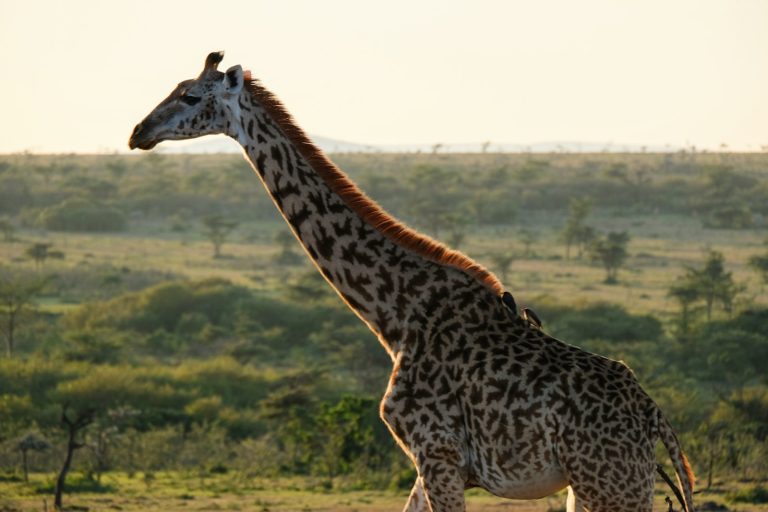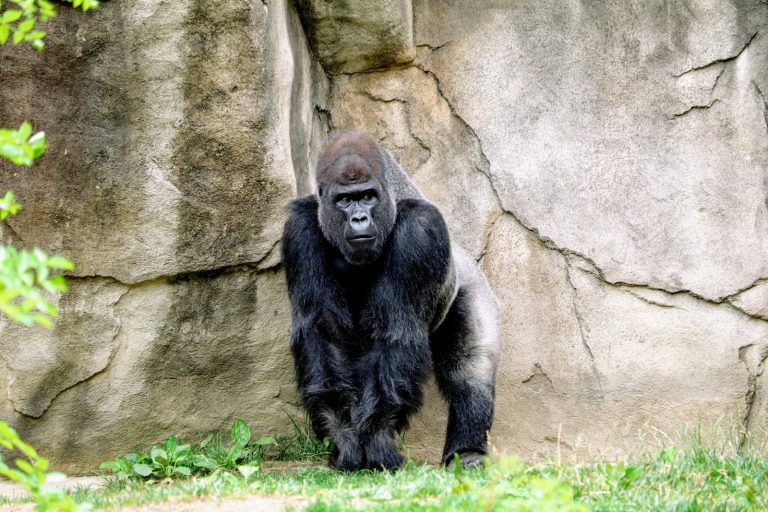

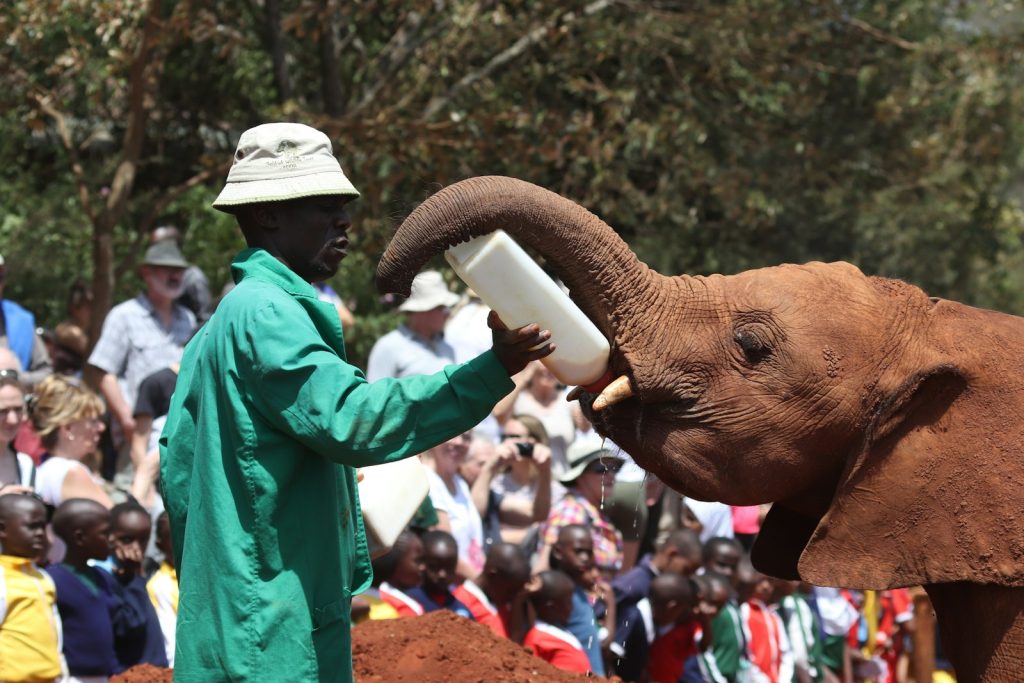
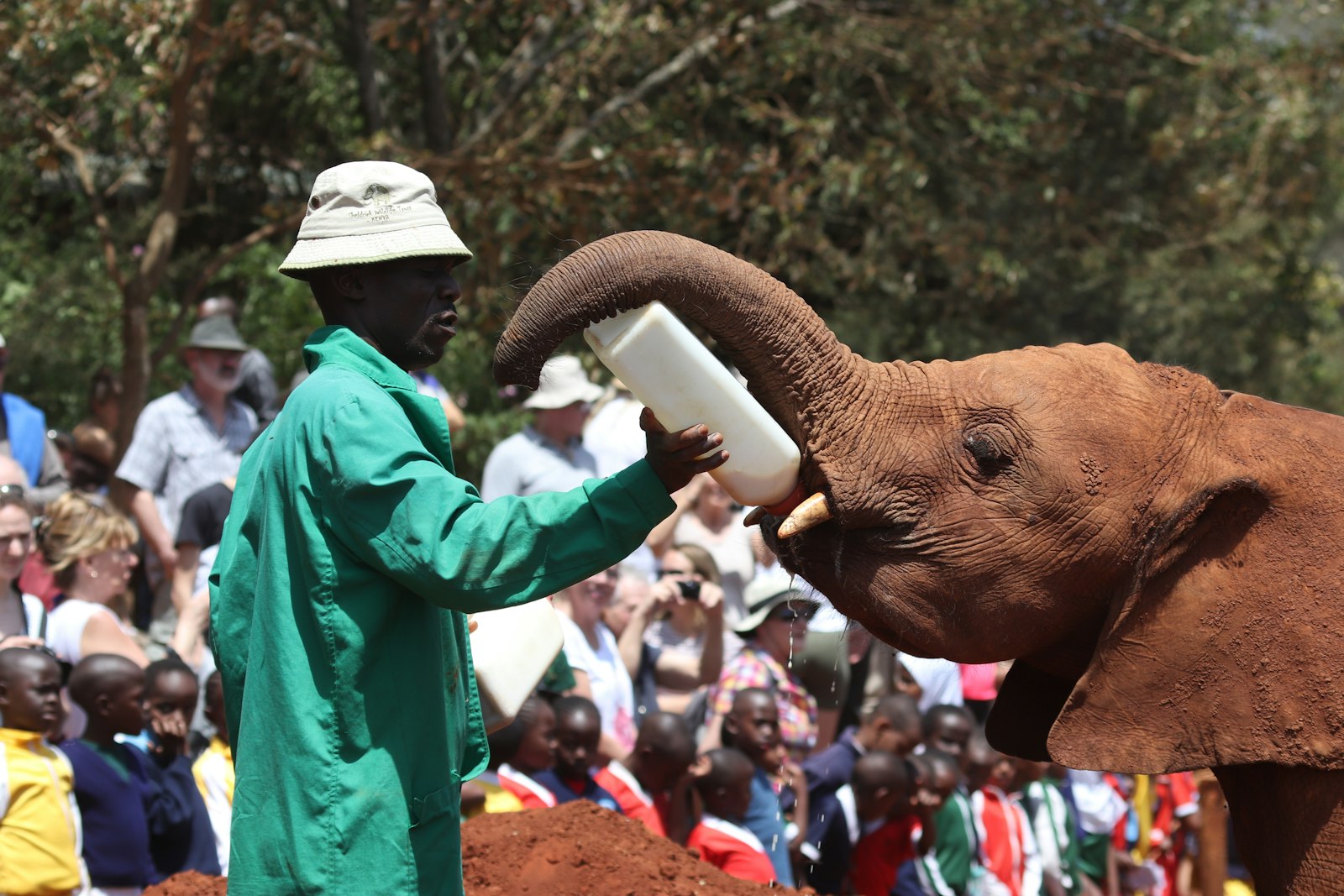
Kenya donor trips for US nonprofits work best when the visit is built around the field work first and the safari second, so your board members and major donors see exactly what their gifts do and still come home with the wildlife memories they hoped for. Done well, a week in Kenya can turn a supporter who writes an annual check into a lifelong advocate. Done badly, it becomes an expensive vacation that wears out your field team and blurs the line between a gift and a holiday.
Sense of Adventure is a licensed Kenyan tour operator and DMC based in Nairobi. We plan private ground arrangements for American groups, from church teams to family foundations, and we know how much quieter, slower and more personal a donor visit needs to be than a standard safari. This guide is written for development directors, executive directors and trip leads at American charities. It covers seven planning steps, realistic costs from our live trip pages, a sample eight-day program and the US tax questions your donors will ask.
🌿 Kenya Donor Trips for US Nonprofits: Quick Answer
- Best group size: 6 to 12 guests, so briefings stay personal and the group fits in two or three private safari vehicles.
- Best length: 7 to 10 days on the ground, with two or three site-visit days and the rest on safari.
- Best timing: the drier months, roughly late June to October and January to February, when roads and field sites are easiest to reach.
- Money: keep the trip cost and the charitable gift completely separate, on separate invoices and receipts.
- Tax: the IRS allows no deduction for travel with a significant element of personal pleasure, so most donor trips are not deductible; ask a tax adviser.
- Paperwork: every traveler needs a Kenya eTA from USD 30 plus Kenya’s mandatory travel health insurance, USD 44 per traveler, bought with the eTA.
What Are Kenya Donor Trips for US Nonprofits?
A donor trip, sometimes called a site visit, a stewardship trip or a vision trip, is a small, invitation-only journey that lets supporters see a program in person. In Kenya, most of these trips are linked to conservation: wildlife protection, community conservancies, anti-poaching work, habitat restoration or education programs in the villages around the parks. Many also include health, water or school projects, because conservation in Kenya is closely tied to the communities who share land with the wildlife.
What makes Kenya donor trips for US nonprofits different from a normal safari is the purpose. Every day has to earn its place: a briefing that explains the problem, a field visit that shows the work, a conversation with the people doing it and enough time in the bush for guests to feel why it matters. If you want the bigger picture before you plan, our guide to wildlife conservation in Kenya explains how sanctuaries, conservancies and communities fit together.
Who Should Go on a Nonprofit Donor Trip to Kenya?
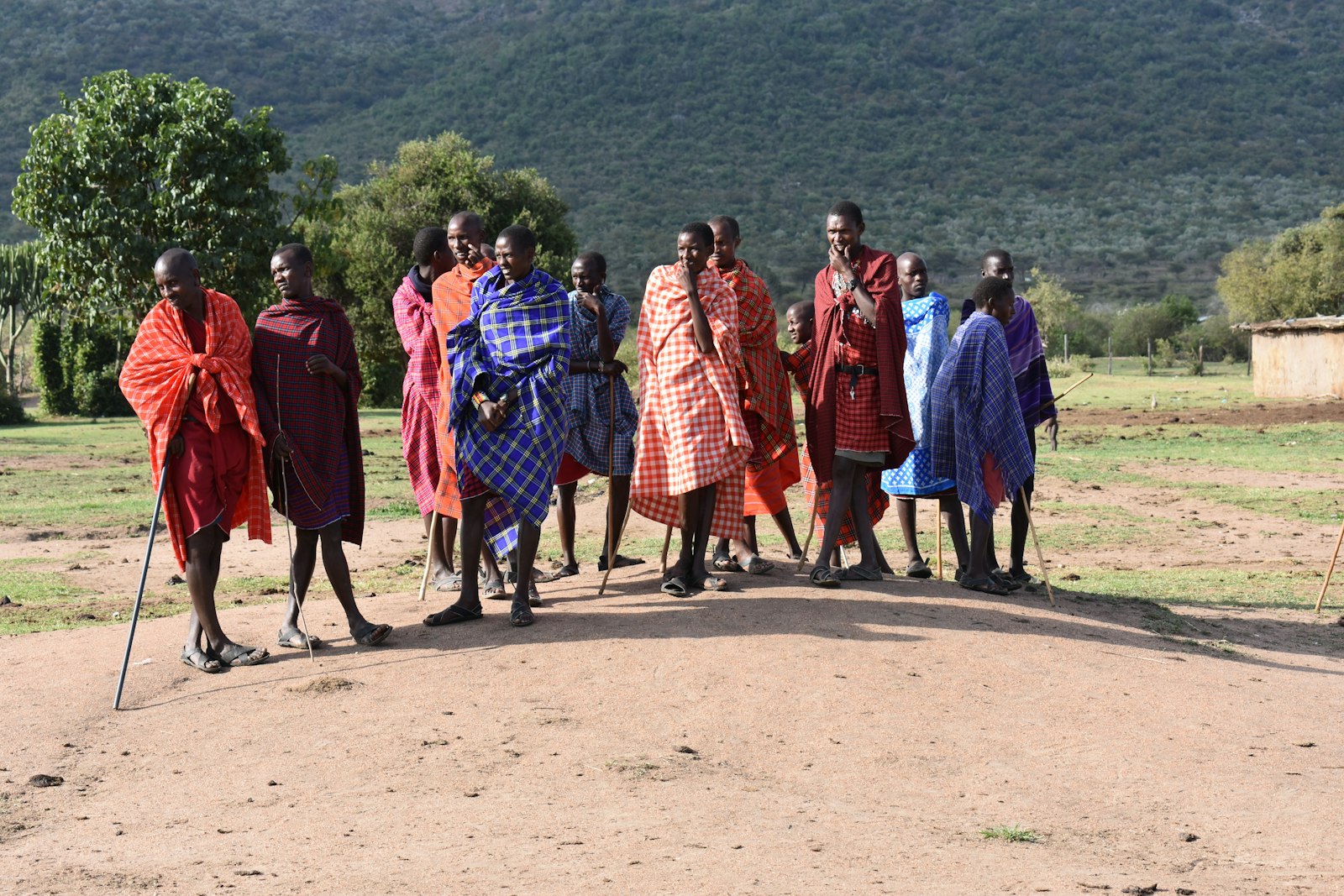
The best groups are small and chosen with care. A typical guest list includes two or three board members, four to eight major or prospective donors, a staff host from your US office and, where possible, someone from your field program to travel with the group. Couples are common, and some foundations bring adult children who will one day take over the family giving.
Keep the group to about 12 guests. Field sites are small, rangers and community members have real work to do, and a convoy of five vehicles turns a conversation into a crowd. Kenya donor trips for US nonprofits that cap numbers also travel more smoothly: one guide per vehicle, easy rooming and simple decisions. If you need to host more people, split them into two departures a week apart rather than one large group.
How Do You Plan Kenya Donor Trips for US Nonprofits? 7 Steps
These seven steps follow the order we use when an American charity asks us to handle the ground. Start nine to twelve months out if you are traveling in the peak season from July to October, and six months out for other months.
1. Agree the purpose with your field partner before you invite anyone
Your Kenyan partner, not the travel plan, decides what guests can see. Ask them which days suit a visit, how many people a site can host, what guests should and should not photograph, and whether any meeting needs community consent first. Agree a clear goal for the trip, such as deepening the commitment of current donors, introducing a new campaign or thanking a lead gift, because that goal shapes the guest list, the program and the follow-up.
2. Pick the season and the length
Kenya has two main dry seasons, roughly late June to October and January to February. Field roads are easier and wildlife viewing is strong in both. The long rains, usually around April and May, can make rural sites hard to reach. For American guests, seven to ten days on the ground is the sweet spot: long enough for two or three visit days and three or four safari days, short enough for busy board members to commit. Remember that the flight alone takes most of a day each way; our guide to beating jet lag on a Kenya safari explains why a gentle first day pays off.
3. Build the program around the field work, not the other way round
Put the site visits in the middle of the trip, once guests have rested, and keep each one to a morning or an afternoon. Patrol schedules, school timetables and community meetings come first; game drives fill the gaps. A good rhythm is one visit day followed by one pure safari day. Build in a welcome briefing in Nairobi, a mid-trip check-in and a closing dinner where your field team can speak to the group without a rush.
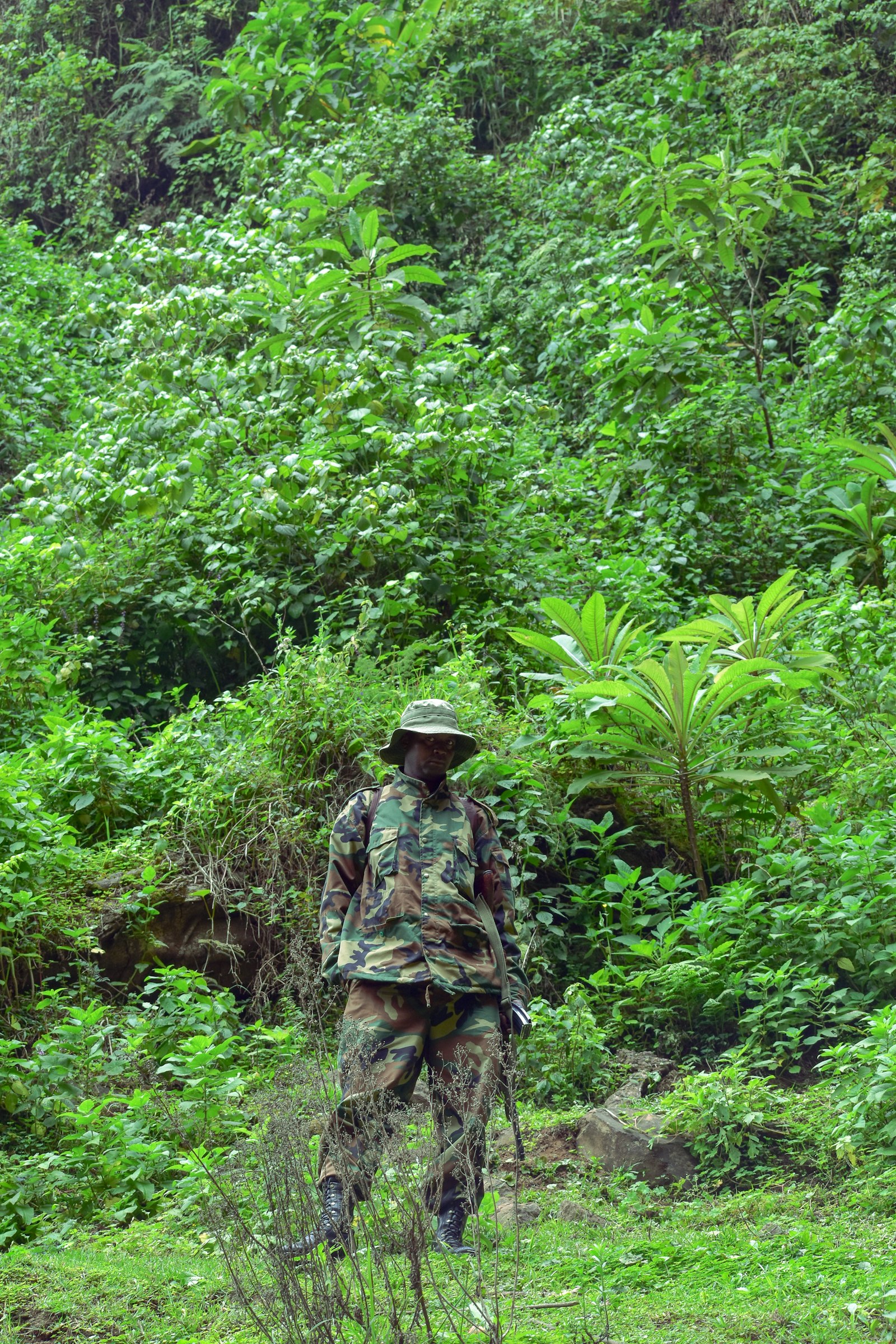
Be clear with guests about conduct. Photos of people need permission, gifts to individuals should go through your partner rather than being handed out, and visits to homes or schools are by invitation only. Our checklist for a responsible safari covers the same principles in more detail.
🐘 Planning a site visit for your board or major donors?
Send us your field partner’s location, your preferred month and the number of guests. We will sketch a draft program that fits visit days around game drives and return an itemized ground quote within 24 hours.
💬 Sketch Our Donor Visit Program✉ Email Our Field Partner Details
4. Keep the trip cost and the gift completely separate
This is the step that protects your organization. Guests should pay for their own trip, either to you or directly to the ground operator, on an invoice that shows only travel costs. Any gift to the program should be made separately, on its own receipt, and never bundled into a single “trip and donation” price. Mixing the two confuses donors at tax time and makes it harder to report the trip honestly to your board. When we quote a donor trip, we itemize the ground costs per person so your finance team can see exactly what is travel.
Agree in writing who pays for staff and field-partner places, and who carries the risk if a guest cancels. Deposits and balances follow our normal terms, explained in our guide to safari deposits and payment plans. Many US travelers on high-value trips also look at Cancel For Any Reason insurance, which is worth raising early because it usually has to be bought soon after the first payment.
5. Handle documents, insurance and consent forms early
Each guest needs a passport valid for at least six months with blank pages, a Kenya eTA from USD 30 on the official Kenya eTA portal and Kenya’s mandatory travel health insurance, USD 44 per traveler, which the portal asks for during the same application. Our guide to Kenya mandatory travel insurance explains what it covers. Collect names exactly as they appear on passports, plus dietary needs, medical notes and emergency contacts, at least eight weeks before departure. If guests will do any hands-on volunteer work rather than visiting, ask your field partner to confirm with Kenya’s immigration department whether a permit or pass is needed for that activity.
6. Plan the ground logistics around your guests
Donor groups usually mix ages and energy levels, so comfort matters. We use private 4×4 Land Cruisers with pop-up roofs, reclining seats and charging ports, with a maximum of six guests per vehicle and ideally four or five on a donor trip so everyone has a window. For field sites far apart, a light-aircraft hop can replace a long road day; for sites within a few hours of Nairobi, road travel keeps costs down and lets guests see rural Kenya. Most groups fly in on different routes, so we set a shared welcome evening in Nairobi. The Kenya Airways nonstop from JFK is the simplest option for guests who can route through New York.
Choose lodges that suit the message. Many donors prefer community-owned or conservancy-based camps, where the bed-night fee itself supports land and wildlife; our guide to community conservancy lodges in Kenya explains how that money flows. For a private, close-knit group, an exclusive-use safari house can double as a meeting space.
7. Close the loop after the visit
The trip does not end at the airport. Within two weeks, send each guest a short report from your field partner, a few approved photos and one clear way to stay involved. Ask guests what moved them most and use it in your next appeal, with their permission. Thank the rangers, teachers and community hosts formally through your partner. The best Kenya donor trips for US nonprofits are judged by what happens in the twelve months after the visit, not by the photos from the game drive.
How Much Does a Donor Trip to Kenya Cost per Person?
Ground costs depend on the season, the lodges and how much flying you add. The trips below are live on our site and give a realistic starting point. Each is private and can be adjusted to include site-visit days. Prices are per person sharing and exclude international flights, the eTA and insurance.
| Trip on our site | Length | How it fits a donor visit | From price |
|---|---|---|---|
| One-day rhino sanctuary safari from Nairobi | 1 day | A first taste of conservation work on the day after arrival | From USD 380 per person sharing |
| Masai Mara and Lake Nakuru camping safari | 4 days | A short safari after a separate field week | From USD 750 per person sharing |
| Amboseli and Masai Mara safari | 7 days | Two classic ecosystems, easy to add visit days to | From USD 1,650 per person sharing |
| Kenya Highlights Safari | 9 days | Northern rangelands, rhino country and the Mara | From USD 2,350 per person sharing |
| Laikipia and Masai Mara walking safari | 7 days | Conservancy walks with time to meet field teams | From USD 4,200 per person sharing |
| Luxury fly-in safari to the Mara, Laikipia and Lamu | 12 days | Top-end private conservancies for a leadership circle | From USD 8,900 per person sharing |
Add a little for field transfers on visit days, extra meeting space and any guide time beyond a standard safari. Park and conservancy fees change with the season, so we confirm them in every quote. Staff hosts are usually priced like any other guest. If you would like to understand the wider budget, our Kenya safari guide for Americans covers flights, money and tipping.
📋 Need a per-guest budget your finance committee can approve?
Tell us your guest count, preferred lodge style and how many visit days you need. We will send a line-by-line ground budget per person, with travel costs kept clearly apart from any gift.
💬 Get a Board-Ready Budget✉ Email for an Itemized Ground Cost
Can Donors Deduct the Cost of a Charity Trip to Kenya?
This is the question every development director hears, and the honest answer is usually no. Under IRS rules in Publication 526, Charitable Contributions, a volunteer can deduct unreimbursed travel expenses only if there is no significant element of personal pleasure, recreation or vacation in the travel, and the charity work must be real and substantial throughout the trip. A donor visit that includes game drives and safari lodges will rarely meet that test for guests.
There is a second question for the organization itself. Treasury Regulation 1.513-7 says the IRS looks at the facts of each tour to decide whether a nonprofit’s travel program is substantially related to its exempt purpose; if it is not, income from the tours can be taxed as unrelated business income. A short, purpose-led site visit is very different from a regular members’ vacation program, but your accountant should review how you structure, price and describe the trip.
This is general information, not tax or legal advice. Ask your organization’s tax adviser and encourage guests to speak to their own adviser before they assume any part of a trip is deductible.
What Does a Sample 8-Day Donor Visit Look Like?
This outline suits a conservation program in Laikipia with a Masai Mara finish. We adjust it for programs on the coast, in southern Kenya or around Nairobi.
| Day | Plan |
|---|---|
| Day 1 | Arrive in Nairobi, meet-and-greet at the airport, rest, welcome dinner and briefing from your staff host. |
| Day 2 | Drive north to Laikipia; afternoon game drive and an informal evening with the field team. |
| Day 3 | Site visit morning with rangers or researchers; afternoon game drive. |
| Day 4 | Community or school visit by invitation; free afternoon at camp. |
| Day 5 | Fly to the Masai Mara; afternoon game drive. |
| Day 6 | Full safari day in a Mara conservancy, with an optional meeting with community landowners. |
| Day 7 | Sunrise drive, closing dinner and debrief with your field partner. |
| Day 8 | Fly to Nairobi; day room and evening departure to the United States. |
For a shorter introduction, some groups spend one day at a rhino sanctuary near Nairobi; the story of the last two northern white rhinos shows why that visit leaves such an impression.
How Is a Donor Trip Different From a Mission Trip or a Group Safari?
A mission trip is mainly about serving, usually for a week with a church team, and often ends with a short safari; our guide to the mission trip safari in Kenya covers that format. A private group safari is about the shared holiday, and our page on private group safaris in Kenya explains how we run those. Kenya donor trips for US nonprofits sit in between: guests do not work, but every day is shaped by a cause, and the main audience is the people whose support keeps that cause running. That is why we plan them with your field partner, at a slower pace and with more time for conversation. For how we approach low-impact travel on every trip, see our sustainability page.
More US-focused routes and planning tools are on our Kenya safari packages from the USA page. For background reading before you brief your board, Magical Kenya, the official tourism site, gives a good overview of the parks and regions.
Kenya Donor Trips for US Nonprofits: FAQs
🌍 Show Your Supporters the Work They Make Possible
Licensed Nairobi DMC. Private Land Cruisers. Programs built around your field partner. Share your cause, your month and your guest list size, and we will plan a donor visit that respects the field team and inspires your supporters.
💬 Plan Our Supporter Journey🇺🇸 Browse US-Ready Safari Routes
Call or WhatsApp: +254 799 160 081 · Email: reservations@senseofadventure.co.ke