Dining on safari in Kenya is usually generous and fresh. Most lodges and camps serve full board: a cooked breakfast, lunch, afternoon tea and a two- or three-course dinner, with filtered water provided. Vegetarian meals are easy, and vegan, gluten-free, halal and allergy-friendly food is possible when you tell your operator well before you travel.
Sense of Adventure is a TRA-licensed private safari company based at Mountain Mall on Thika Road, Nairobi. We pass your dietary needs to every camp before you arrive, so meals are one less thing to think about. This guide explains what dining on safari looks like, the Kenyan dishes worth trying, how special diets work, what drinks cost and how to make the most of bush meals.
Dining on safari: the quick answer
- Meal plan: full board is standard at most lodges and camps.
- Style: buffets at larger lodges, set menus or plated meals at smaller camps.
- Special diets: vegetarian is easy; vegan, gluten-free, halal and allergies need notice.
- Drinks: included at some camps, charged at others; check your plan.
- Water: drink filtered or bottled water, not tap water.
Vegan, gluten-free, halal or a serious allergy? Tell us now and we will brief every kitchen.
Share my dietary needsWhat Dining on Safari Is Really Like
Dining on safari follows the rhythm of game drives: early coffee, a hearty brunch or breakfast, a light lunch, afternoon tea and a relaxed dinner.
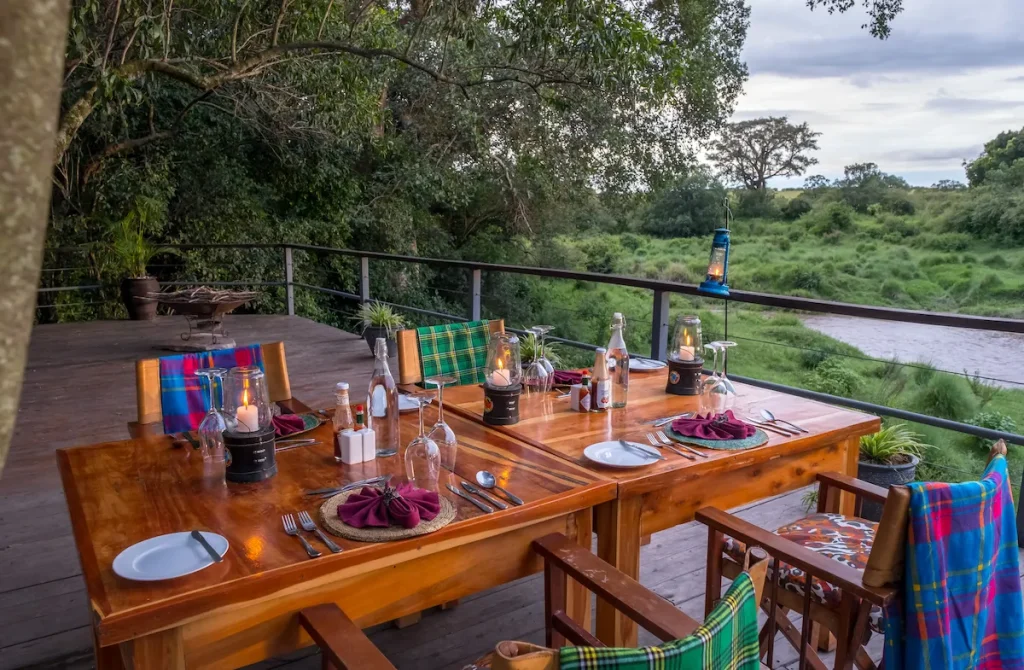
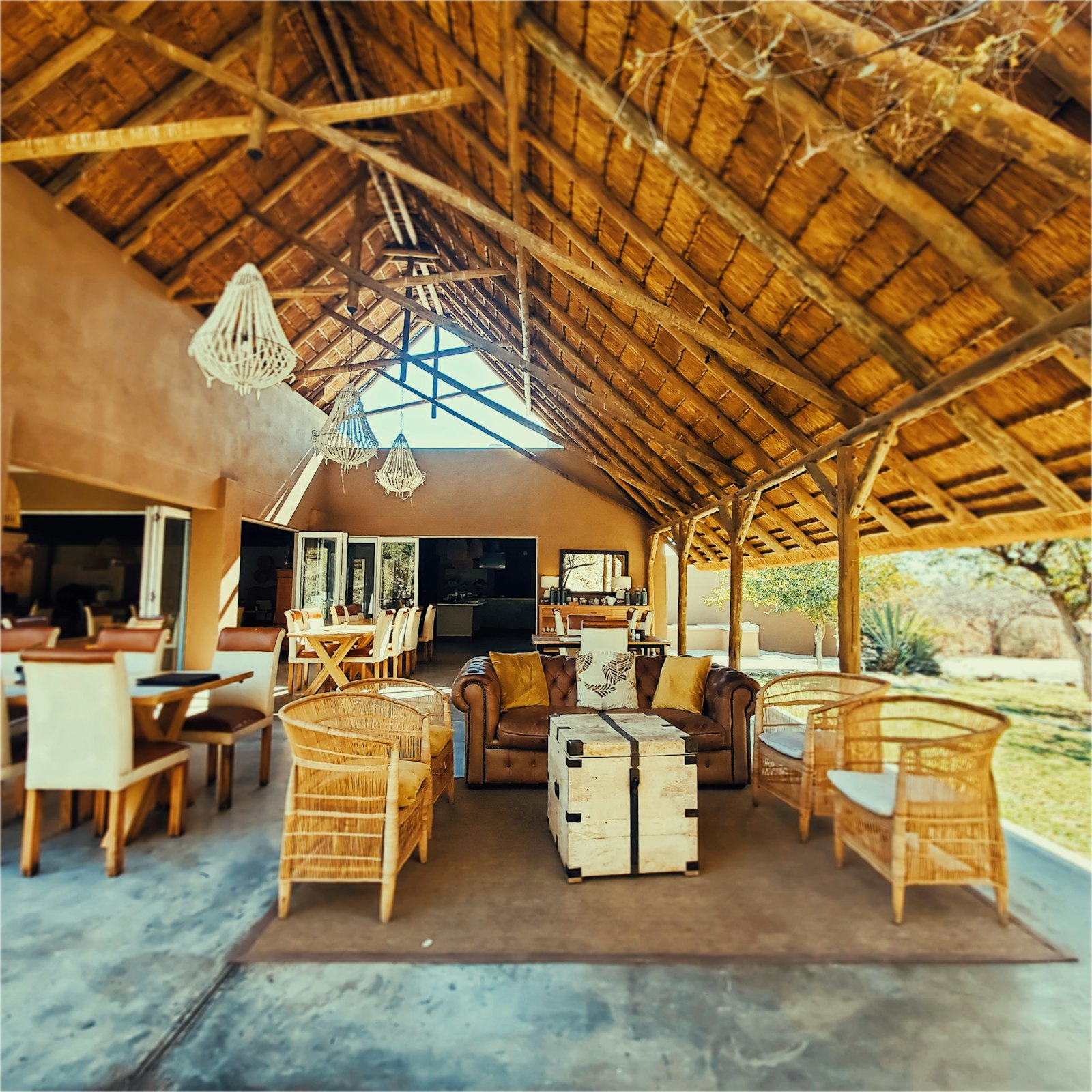
Remote camps cook fresh each day, often baking their own bread and using vegetables from local farms or their own gardens. Larger lodges may serve buffets, while smaller camps usually offer set menus with choices or plated meals. Many camps serve dinner at a shared table, which is a lovely way to swap sightings with other guests. If you prefer to dine privately, ask; most camps are happy to arrange it.
How Camps Cook for Dining on Safari
Behind the scenes, dining on safari is a feat of planning. Remote camps receive supplies by road or light aircraft, often weekly, and store them in cold rooms powered by solar or generators. Chefs bake bread and pastries daily and plan menus around what arrives fresh. Many camps grow herbs and vegetables, and some buy from nearby community farms, which supports local families. This is why advance notice of special diets matters so much.
| Time | Meal | What to expect |
|---|---|---|
| Around 6 am | Wake-up coffee or tea | Hot drinks and biscuits before the morning drive |
| Mid-morning | Breakfast or brunch | Eggs, fruit, cereals, breads; sometimes a bush breakfast |
| Around 1 pm | Lunch | Salads, light mains, local dishes |
| Around 4 pm | Afternoon tea | Cakes, snacks and tea before the evening drive |
| Sunset | Sundowner | Drinks and small bites at a viewpoint, where offered |
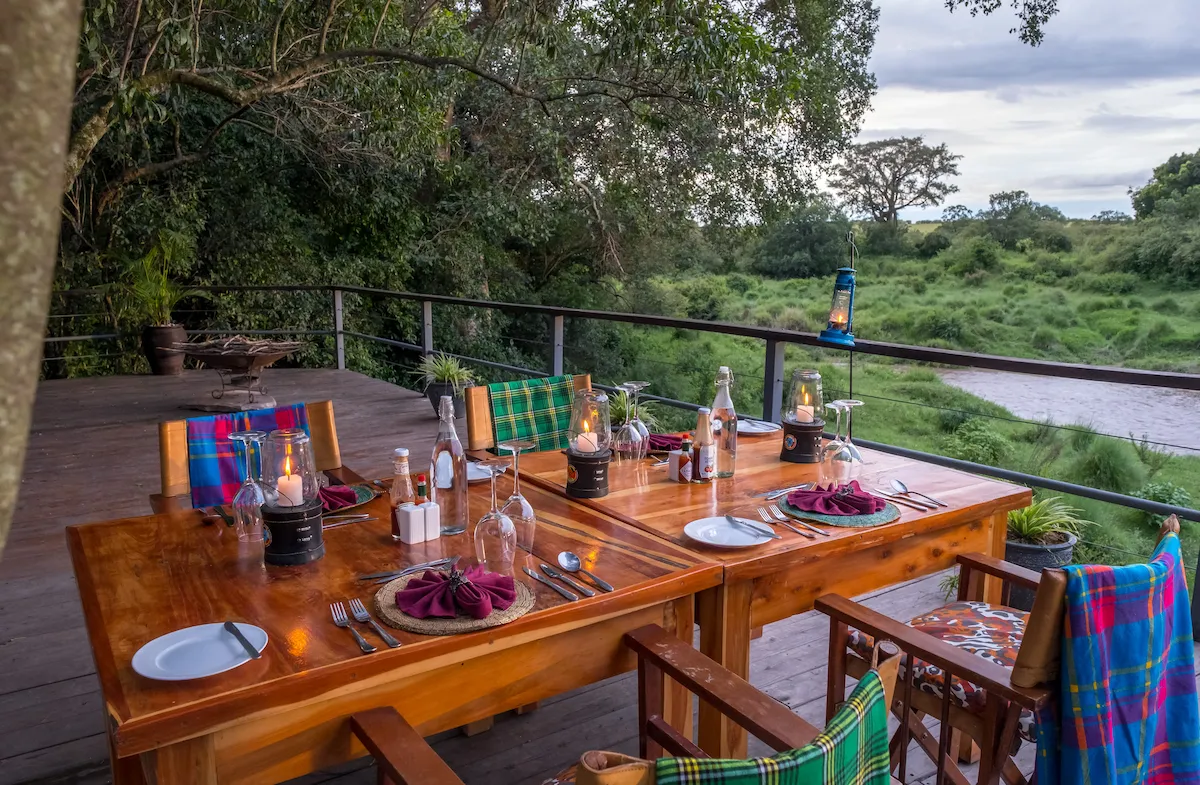
| Evening | Dinner | Two or three courses, often by lantern or firelight |
Meal Plans: Full Board and All-Inclusive
Your meal plan decides what dining on safari includes, so check it before you compare quotes.
| Plan | Usually includes | Usually extra |
|---|---|---|
| Full board | Breakfast, lunch, dinner, tea and coffee, drinking water | Alcohol, soft drinks, premium items |
| All-inclusive | Meals plus local drinks, often house wine and beer | Premium spirits, champagne, cellar wines |
| Fully inclusive or game package | Meals, drinks and activities such as game drives | Premium drinks, some special experiences |
| Bed and breakfast | Breakfast only | Other meals, usually in towns |
Definitions vary between camps, so we list exactly what is included in your quote. If drinks are extra, many camps run a bar tab you settle at the end of your stay.
Kenyan Dishes to Try on Safari
Dining on safari usually mixes international dishes with Kenyan favourites, and many camps will cook local food on request.
- Ugali: a firm maize-meal staple eaten with stews and greens.
- Sukuma wiki: sautéed collard greens, often with onion and tomato.
- Nyama choma: grilled meat, a favourite at celebrations.
- Chapati: soft, layered flatbread with coastal and Indian influences.
- Pilau: spiced rice, especially popular on the coast.
- Githeri: a hearty mix of maize and beans.
- Mandazi: lightly sweet fried dough, perfect with tea.
- Samaki: fish, often tilapia from the lakes, fried or cooked in a coconut curry on the coast.
- Kachumbari: a fresh tomato, onion and chilli salad served with grilled meat.
Kenya grows excellent tea and coffee, so morning drinks are a treat. Read our Kenya coffee farm tours guide, or join our Nairobi Food Tour before or after your safari. Learn more about Kenyan culture on Magical Kenya.
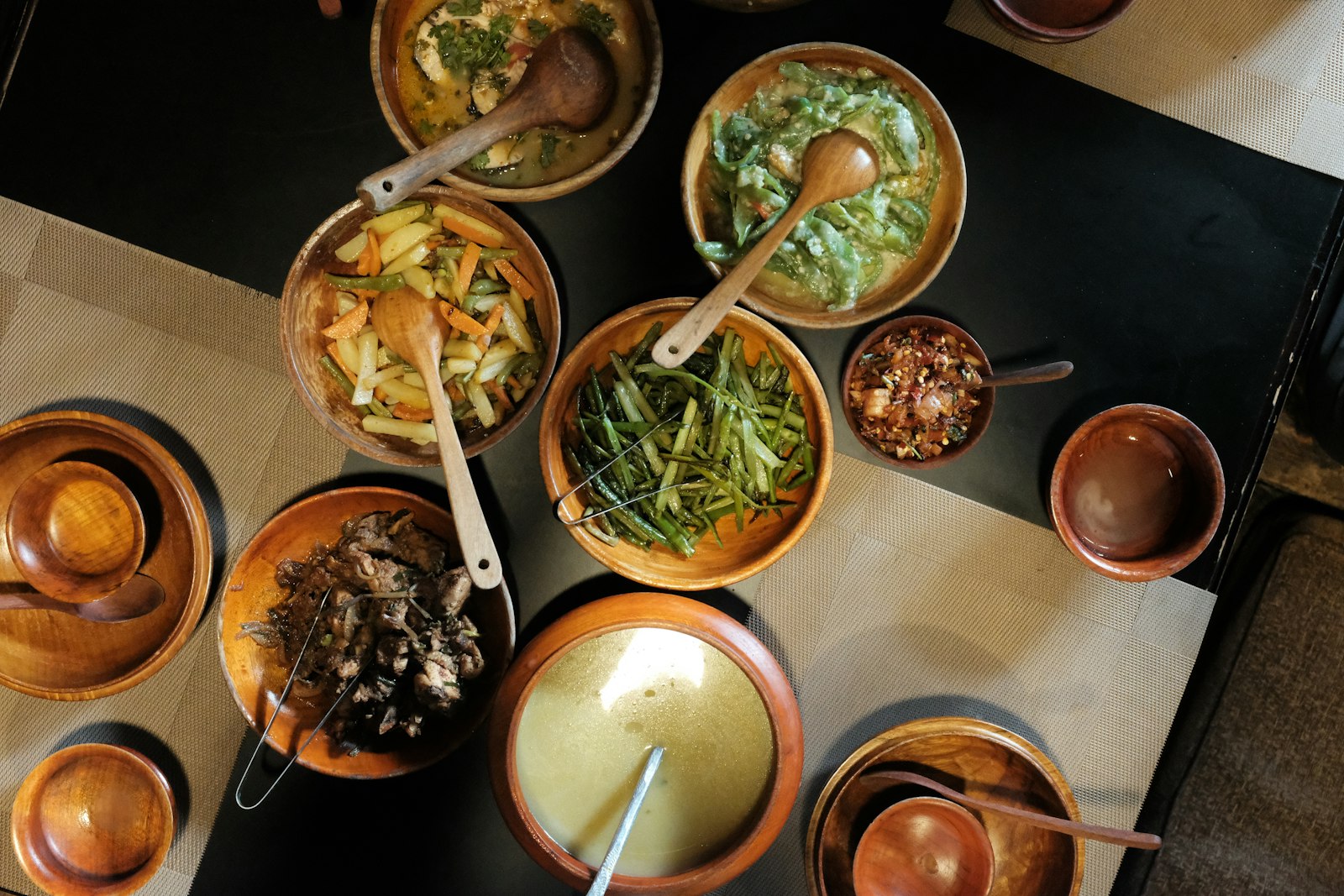
Vegetarian and Vegan Dining on Safari
Vegetarian dining on safari is straightforward, and vegan meals are very achievable with notice.
Kenyan home cooking uses plenty of beans, lentils, greens, rice, maize and vegetables, so meat-free dishes come naturally to most kitchens. Vegans should mention dairy, eggs, butter and honey specifically, because baked goods and sauces often contain them. Remote camps order supplies in advance, sometimes by road or air from Nairobi, so early notice gives the chef time to plan varied meals rather than repeating the same dish.
Expert tip from our Nairobi team
When you share a special diet, give us three things: what you cannot eat, how strict it is, and two or three dishes you love. Chefs at remote camps cook far better meals from a clear brief than from a single word like “vegan”.
Allergies, Gluten-Free, Halal and Kosher
Most special diets can be managed when dining on safari, but the more specific the need, the earlier you should tell us, ideally when you first enquire.
| Diet | How easy it is | What to do |
|---|---|---|
| Vegetarian | Easy almost everywhere | Mention it at booking |
| Vegan | Achievable with notice | List dairy, egg and honey limits |
| Gluten-free | Widely possible | Say whether it is coeliac or a preference |
| Halal | Available at many lodges, especially larger ones | Ask for confirmation for each camp |
| Kosher | Limited; often sealed meals or vegetarian options | Raise it at the very start of planning |
| Severe allergies | Possible with care | Carry medication and a written allergy card |
For serious allergies, carry two adrenaline auto-injectors if prescribed, and remember that remote camps can be hours from a hospital. Our emergency evacuation cover adds peace of mind. Check health guidance on NHS Fit for Travel.
Want camps known for great food?
Tell us your diet and tastes, and we will suggest camps whose kitchens handle them well, and confirm it in writing.
Dining on Safari on Game Drives and Travel Days
Not every meal happens at the camp table, so it helps to know how dining on safari works when you are out all day.
On full-day game drives, especially in the Masai Mara during the migration months, camps pack a picnic lunch or a cool box so you can stay near the action. Expect sandwiches, salads, cold meats, fruit and something sweet, eaten in the shade of the vehicle or a tree. Your guide picks a safe, open spot with a good view, often near a river or a sighting.
On road transfers between parks, lunch is usually at a lodge or a roadside restaurant in a town on the way, or a packed lunch if the drive is long. Light aircraft transfers are short, so you often arrive in time for lunch at the next camp. Our typical day on safari guide shows how meals fit around game drives.
Snacks and Extras Worth Packing
Camps feed you well, but a few small extras make long drives easier. Pack a refillable bottle, hand sanitiser and wet wipes, because there are no taps in the bush. If you have favourite snacks, energy bars or a particular brand of tea, bring them, as remote camps cannot always source specific products. Travellers with diabetes or a strict diet should carry their own emergency snacks on every drive, since a sighting can keep you out longer than planned. These simple habits make dining on safari more relaxed for everyone in the vehicle.
Dining Etiquette at Safari Camps
- Dress: smart-casual is fine everywhere; nobody expects formal wear, but bring a warm layer for cool evenings.
- Timing: meals follow the drives, so tell the camp if you plan to go out early or return late.
- After dark: at unfenced camps, a staff member walks you to and from dinner; wait for your escort.
- Tipping: many camps have a shared tip box for kitchen and camp staff; your quote notes any guidance.
- Celebrations: mention a birthday or anniversary in advance, as many camp chefs enjoy baking a cake for the occasion.
- Feedback: tell the manager early if something does not suit you, so the chef can adjust.
Bush Breakfasts, Sundowners and Bush Dinners
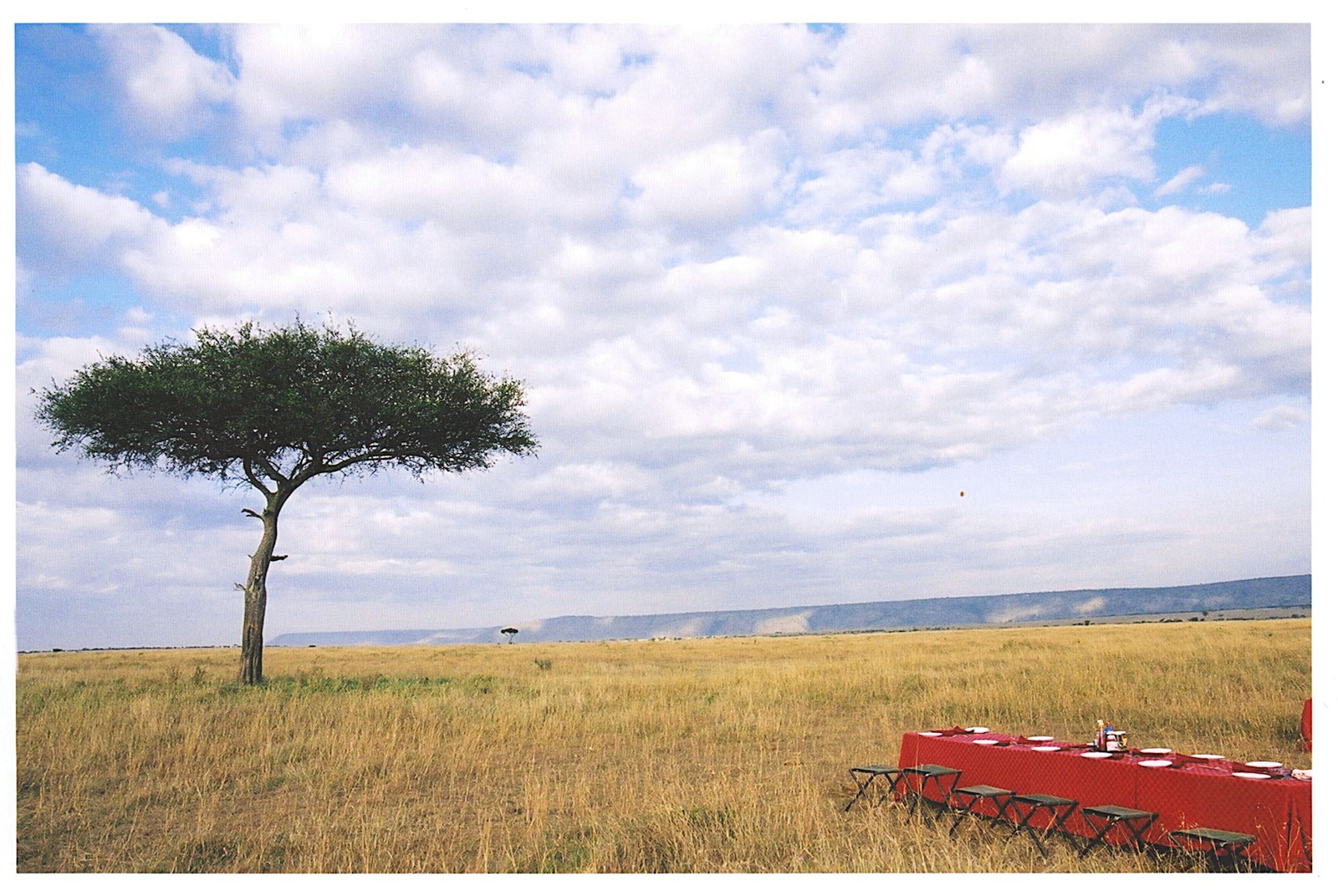
Dining on safari is at its most memorable when the table moves into the bush.
Many camps offer a bush breakfast after an early drive, sundowner drinks at a viewpoint and, on special occasions, a lantern-lit bush dinner. Whether they are included depends on the camp and your plan; some offer them as standard, others for an extra charge. In national parks and reserves, park rules govern where you may leave the vehicle, so sundowners and bush meals are often held on conservancy land or at designated sites. Our best sundowner spots in Kenya guide has ideas.
Drinks, Water and Food Hygiene
Healthy dining on safari starts with filtered or bottled water, which camps provide, and freshly prepared food.
- Water: camps provide filtered or bottled water, often in refillable bottles to cut plastic.
- Tap water: do not drink it unless the camp confirms it is treated.
- Salads and fruit: well-run camps wash produce in treated water; if in doubt, choose peeled fruit.
- Alcohol: local beers such as Tusker, South African wines and gin are widely available.
- Heat: drink regularly on game drives; keep a bottle in the vehicle.
- Chai: Kenyan tea is often served as chai, brewed with milk and sugar, so ask for it plain if you prefer.
Kenya banned single-use plastic bags in 2017, and many camps have dropped plastic bottles too. Bring a reusable bottle if you can, and your dining on safari will leave a lighter footprint.
Dining on Safari With Children
For families, dining on safari is easy: most family-friendly camps offer simple children’s meals and earlier dinner times on request.
Pasta, rice, chicken, chips and fruit are easy for camp kitchens, and many chefs enjoy cooking for young guests. Bring any special snacks or formula your children rely on, because remote camps cannot always source specific brands. Read our safari with infants and family safari Kenya 2027 guides for more.
Book a bush dinner to remember
Special-occasion bush dinners book early in peak season. Share your dates and we will add one to your written quote.
Coastal Food After Your Safari
If you finish with a beach stay, dining on safari gives way to the Swahili cooking of the Kenyan coast.
Coastal kitchens use coconut, tamarind, cardamom and fresh seafood. Look out for pilau and biryani, fish or prawns in coconut sauce, mahamri (a lightly spiced fried bread, often flavoured with coconut and cardamom) and viazi karai, potatoes fried in a spiced batter. Fresh mango, passion fruit and coconut water are everywhere in season. Our cultural tours in Kenya page covers Swahili heritage on the coast.
Religious Observance and Fasting
If you are fasting or observing religious dietary rules, tell us early. Many camps can arrange an early breakfast before dawn or a later evening meal with notice, and some can set aside a quiet place for prayer. As with all special requests, we confirm the details with each camp in writing before you travel, so dining on safari works around your needs rather than the other way round.
Planning Great Dining on Safari With Us
We plan dining on safari as carefully as we match parks to your wildlife wishes.
Explore a luxury Kenya safari, where private chefs and wine lists are more common, or a private Kenya safari built around your pace. For a special occasion, see our Celebration Safari or Masai Mara Honeymoon Safari. Park fees are explained in our Kenya national parks entrance fees 2026 guide, and entry information is in the UK government’s Kenya travel advice.
Dining on Safari Checklist
- Tell us your diet and allergies when you enquire.
- Check what your meal plan includes, especially drinks.
- Ask which bush meals are included and which are extra.
- Bring a reusable water bottle and any special snacks.
- Carry allergy medication and a written allergy card.
Dining on Safari FAQs
What food do you eat on a Kenya safari?
Most lodges and camps serve full board: a cooked breakfast, a light lunch, afternoon tea and a two- or three-course dinner. Menus mix international dishes with Kenyan favourites such as ugali, sukuma wiki, chapati, pilau and grilled meats. Many camps bake their own bread and use fresh local vegetables.
Can vegetarians and vegans eat well on safari?
Yes. Vegetarian meals are easy because Kenyan cooking uses plenty of beans, lentils, greens and vegetables. Vegan food is very achievable with notice; mention dairy, eggs, butter and honey specifically. Remote camps order supplies in advance, so early notice helps the chef plan varied and interesting meals.
Are drinks included on safari?
It depends on the meal plan. Full board usually includes meals, tea, coffee and drinking water, while alcohol and soft drinks are extra. All-inclusive plans often add house wine, local beer and spirits, with premium brands charged. Check your quote, as definitions vary from camp to camp.
Is it safe to drink the water on safari?
Drink the filtered or bottled water your camp provides, and avoid tap water unless the camp confirms it is treated. Well-run camps wash fruit and salads in treated water. Keep a bottle with you on game drives, as the sun and dry air can dehydrate you quickly.
Can safari camps cater for food allergies?
Usually, yes, with clear advance notice. Explain exactly what you cannot eat and how severe the reaction is. Carry your medication, including adrenaline auto-injectors if prescribed, and a written allergy card. Remember that remote camps can be several hours from a hospital, so travel insurance with evacuation cover is wise.
Is halal food available on safari in Kenya?
Halal food is available at many lodges, especially larger properties, and on the coast. Smaller camps can often arrange it with notice, sourcing meat from Nairobi. Ask for confirmation for each camp on your route. Kosher meals are harder to arrange and are best raised at the very start of planning.
Delicious days in the bush
We brief every kitchen on your needs and match camps to your tastes. Sense of Adventure is a TRA-licensed Nairobi safari company.
Kenya-based experts. Real local knowledge. Transparent pricing.