Kiambethu Tea Farm is a family-run tea estate in the cool green hills of Limuru, about 30 km northwest of Nairobi, and one of the most relaxing half-day trips you can take from the city. The farm has been in the same family for more than a century and played a part in the very beginning of Kenya’s tea industry. A visit combines a lively talk on the history of tea, a walk through the bushes, a stroll in old indigenous forest where colobus monkeys live and a home-cooked lunch in a beautiful garden. For busy visitors, delegates, families and anyone on a short stay, Kiambethu Tea Farm is a gentle, memorable way to see a different side of Kenya.
Short on Time in Nairobi?
A tea farm visit fits neatly into a free morning or afternoon. Tell us your dates.
What Is Kiambethu Tea Farm?
Kiambethu Tea Farm sits on the edge of the Limuru highlands at around 2,200 metres above sea level. The climate here is cool, damp and often misty, which is exactly what tea plants love. The farm was settled in 1910 by A. B. McDonell, who later became one of the first people to grow tea commercially in Kenya. Today his descendants still live on the farm and welcome small groups of visitors to share its story.
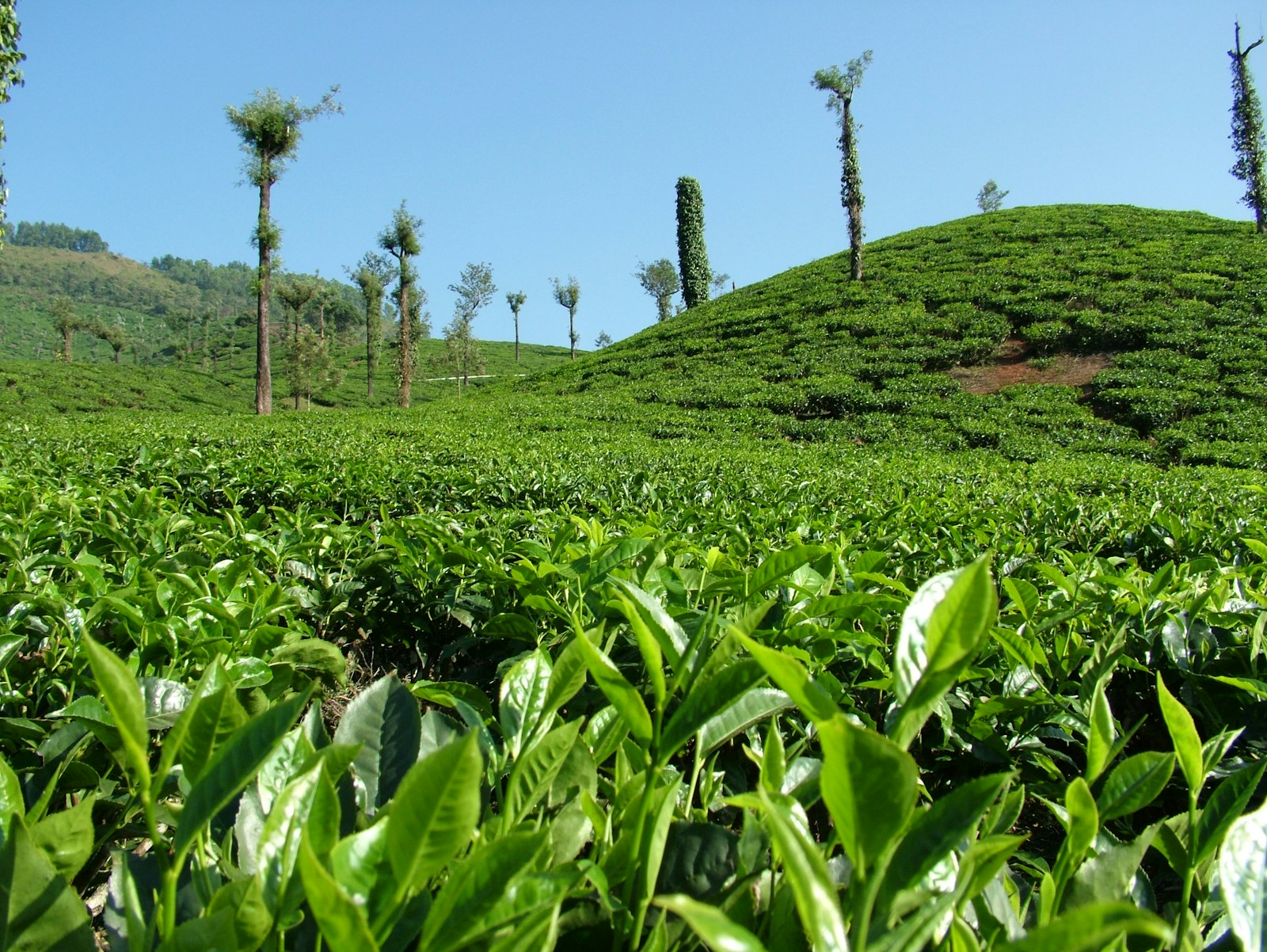
Unlike the giant estates in Kericho, Kiambethu Tea Farm is small and personal. You are hosted in a family home rather than a factory visitor centre. The setting feels more like a country garden than a commercial plantation, with lawns, flowerbeds, old trees and views over neat rows of tea rolling down the hillside. That intimate feel is why many visitors say the tea farm is one of their favourite experiences near Nairobi.
6 Highlights of a Kiambethu Tea Farm Visit
1. Kenya’s Tea Pioneers
The McDonell family were among the first to grow tea commercially in Kenya, and their descendants still run the farm today.
2. A Talk on the Veranda
Your visit opens with a relaxed talk on the history of tea in Kenya and how it is grown, picked and processed.
3. Walk Through the Tea
Stroll between neat rows of tea bushes and see how pickers select only the top two leaves and a bud.
4. Indigenous Forest
A guided walk through a patch of old forest brings you close to colobus monkeys, birds and medicinal plants.
5. Lunch in the Garden
A home-cooked lunch is served in the family’s garden, with views over the tea and plenty of fresh tea to drink.
6. Close to the City
Limuru is only about 30 km from central Nairobi, so the visit fits easily into a half day.
Book the Kiambethu Tea Farm Tour
Private transfer, guided tea talk, forest walk and garden lunch. From $120 per person.
A Short History of Tea in Kenya
Tea is not native to Kenya. The first tea plants were introduced in the early 1900s, and Limuru was one of the earliest places where the crop was grown. By the 1920s, commercial planting had begun in the highlands, and the industry grew quickly in the decades that followed. After independence, smallholder farmers joined the industry in large numbers, and today hundreds of thousands of small farms grow tea alongside the big estates.
Kenya is now one of the largest exporters of black tea in the world. Most of it is made by the CTC method (crush, tear, curl), which produces the strong, quick-brewing tea used in tea bags across Europe and the Middle East. Kenyan tea is valued in blends for its bright colour and brisk flavour. At Kiambethu Tea Farm, you hear this story from people whose family was part of it from the start, which makes the history feel personal rather than academic. If you want to read more about the industry, see this overview of tea production in Kenya.
What Happens on the Tour
Arrival and welcome
You arrive in the late morning and are welcomed with a cup of tea, of course. The group gathers on the veranda or in the garden, and the host introduces the farm, the family and the plan for the visit.
The tea talk
The heart of the visit is a talk about tea. You learn how tea plants are propagated from cuttings, how long they take to mature, why altitude and rainfall matter and how bushes are pruned to keep them at waist height for picking. The talk also covers how green leaf becomes black tea in the factory: withering, cutting, fermenting and drying. Questions are welcome, and the hosts are happy to talk about everything from tea auctions in Mombasa to how climate change is affecting farmers.
Walking through the tea
Next you walk out into the fields. Up close, the bushes form a flat, dense table of leaves. Pickers move along the rows taking only the top two leaves and a bud, which produce the best tea. Seeing this by hand gives you a new respect for the cup you drink at home.
The forest walk
Kiambethu Tea Farm protects a patch of indigenous forest, and a guided walk takes you along a path beneath tall trees. The forest is home to black and white colobus monkeys, which are often seen leaping between branches, as well as many forest birds. Your guide also points out trees and plants that local people have long used for medicine, building and food.
Lunch in the garden
The visit ends with a generous home-cooked lunch, usually served buffet-style in the garden when the weather allows. Expect fresh salads, vegetables from the farm, a hot main dish and dessert, with plenty of tea. It is a lovely, unhurried meal, and many visitors linger over it before heading back to Nairobi.

Who Is Kiambethu Tea Farm Best For?
Visitors with a free morning
Because the farm is so close to Nairobi, it is ideal for people with only half a day to spare. You can leave your hotel around 9am and be back by mid-afternoon, leaving time for dinner or an evening meeting.
Conference delegates and business travellers
Delegates attending events at the UN complex in Gigiri, the Kenyatta International Convention Centre or hotels in Westlands often have a free day before or after their programme. Kiambethu Tea Farm is calm and low-effort, needs no special clothing or fitness and offers good conversation about Kenya’s economy and history over lunch. It is also an easy outing to share with colleagues.
State guests, dignitaries and spouse programmes
For visiting officials and their partners, a tea farm visit is an elegant, culturally rich choice. It is private, quiet and easy to secure, and it gives guests insight into one of Kenya’s most important export industries. We can arrange a private visit, coordinate timings with protocol staff and adjust the lunch for dietary needs.
International schools
Teachers use tea farms to explore geography, economics and history. Students can discuss why tea grows in the highlands, how global trade works and how farming has shaped Kenya since colonial times. The forest walk adds biology and conservation, and the setting is safe and well supervised.
Families and budget travellers
Children enjoy spotting monkeys and running on the lawns, while adults relax over lunch. Sharing a vehicle keeps the cost reasonable, and the price includes a full meal, so it represents good value for a half-day outing.
Getting to Kiambethu Tea Farm
The farm lies off the Limuru road, northwest of Nairobi. From Westlands or Gigiri, the drive takes about 45 minutes in light traffic, but it can take up to 1.5 hours at busy times. The final approach is on small country roads through tea and vegetable farms, and directions are not always obvious, so a driver who knows the area makes the trip much easier.
Visits must be booked in advance and run on set days of the week, so it is best to plan ahead rather than turn up. We handle the booking, collect you from your hotel, and wait while you enjoy the farm before driving you back.
Best Time to Visit
Kiambethu Tea Farm can be visited all year. The highlands are green in every season, but the weather is cooler and mistier than Nairobi. The long rains from about April to June and the short rains around November can make the forest path muddy, while the dry months from July to October and January to March usually bring the clearest views. Whenever you go, bring a warm layer, as mornings in Limuru can be chilly even when Nairobi is warm.
What to bring to Kiambethu Tea Farm
- A warm layer, as Limuru is cool and often misty.
- Comfortable walking shoes for the forest path.
- A light rain jacket in the wet months.
- A camera for the tea fields and monkeys.
- Cash for tea or souvenirs you may want to buy.
- Your questions about tea, farming and Kenyan history.
Combining Kiambethu Tea Farm with Other Sights
The farm pairs well with other stops on the northwest side of Nairobi. On the way, you can see the Great Rift Valley viewpoint on the old Naivasha road, which offers a dramatic view down into the valley. Coffee lovers may want to compare tea with coffee by adding a coffee estate visit on another day; read our Kenya coffee farm tours guide for ideas. If you have a full day, you could also combine the tea farm with a visit to the Giraffe Centre in Karen on the way back, although that makes for a longer drive through the city.
Kiambethu Tea Farm and Responsible Travel
Small, family-run experiences like Kiambethu Tea Farm keep tourism money in the local community. The farm employs local staff, buys from nearby suppliers and protects its patch of indigenous forest at a time when much of the highland forest has been cleared. By visiting, you help support that work. Please stay on the paths in the forest, keep noise down near the monkeys and ask before photographing workers in the fields.
How Tea Is Grown in the Highlands
Tea thrives on the slopes around Limuru because of a rare mix of conditions: deep red volcanic soils, regular rainfall spread across the year, cool nights and strong equatorial sunshine. These conditions let the bushes produce new shoots almost all year round, which is why Kenyan farms can pick every week or two rather than in short seasons as in some other countries.
A tea bush left alone would grow into a tree several metres tall. On the farm, bushes are pruned every few years to keep them low and flat, forming what pickers call the plucking table. Each new flush of leaves is picked by hand, then carried to a collection point and taken to a factory within hours, because fresh leaf begins to change as soon as it is picked. At the factory, the leaf is withered to soften it, cut and rolled, left to oxidise, which turns it from green to copper, and then dried to make the black tea you know. Seeing the fields and hearing this process explained at the farm makes a simple cup of tea feel far more interesting.
Tea Etiquette and Kenyan Chai
While the tea on the farm is usually served the British way, most Kenyans drink their tea as chai: black tea boiled with milk, water and plenty of sugar, sometimes spiced with ginger or cardamom. Chai is served at breakfast, mid-morning and in the afternoon, at roadside kiosks, offices and homes across the country. If you are invited into a Kenyan home, you will almost certainly be offered a cup, and accepting it is a polite way to start a visit. Asking your guide about chai on the drive back is a good way to continue the conversation from the farm.
A Sample Half-Day Itinerary
- 9:00am: pick-up from your Nairobi hotel or residence.
- 10:00am: optional stop at a viewpoint over the Limuru hills.
- 11:00am: welcome tea and the history talk at Kiambethu Tea Farm.
- 12:00pm: walk through the tea and the indigenous forest.
- 1:00pm: lunch in the garden.
- 2:30pm: drive back to Nairobi, arriving around 3:30–4pm.
Visiting on a Layover
If you have a long daytime layover at Jomo Kenyatta International Airport, Kiambethu Tea Farm is possible but needs careful planning. The farm is on the opposite side of the city from the airport, so the drive can take 1.5 hours or more each way. You would need at least 10 hours between flights and a valid entry permit. For shorter layovers, a closer option such as Nairobi National Park is usually better. Read our Nairobi layover guide for more advice.
Is Kiambethu Tea Farm Worth It?
If you enjoy history, gardens, good food and relaxed conversation, the answer is a clear yes. Kiambethu Tea Farm is not a thrill ride or a game drive; it is a quiet, personal visit that shows you how one of Kenya’s biggest industries began and how it works today. It is perfect for people who want a break from wildlife viewing or a calm outing between meetings, and it is one of the most popular half-day trips for delegates and visiting families. Paired with the friendly hosts and lovely lunch, it often becomes one of the highlights of a short stay in Nairobi.
Kiambethu Tea Farm: Quick Reference
- Location: Limuru, about 30 km northwest of central Nairobi.
- Drive: 45 minutes to 1.5 hours, depending on traffic.
- Visit length: around 3–4 hours including lunch.
- Booking: required in advance; visits run on set days.
- Best for: culture, history, gardens and a relaxed lunch.
- Tour price: from US$120 per person with private transfer.
Planning Your Visit
Book your visit on our Kiambethu Tea Farm Tour page, or browse all our day trips from Nairobi. For more ideas, see our guide to the best day trips from Nairobi.
Tea, Forest and Lunch in One Morning
Message us and we will fit Kiambethu Tea Farm around your meetings, flights or school programme.
Frequently Asked Questions
Where is Kiambethu Tea Farm?
Kiambethu Tea Farm is in Limuru, in the highlands about 30 km northwest of central Nairobi. The drive usually takes 45 minutes to 1.5 hours.
Do I need to book Kiambethu Tea Farm in advance?
Yes. Visits run on set days and must be booked ahead. We arrange the booking and transport for you.
What does the Kiambethu Tea Farm tour include?
It usually includes a talk on the history of tea in Kenya, a walk through the tea, a guided forest walk and a home-cooked lunch in the garden.
How long does a visit take?
Plan on about 3 to 4 hours at the farm. With travel, the trip fits comfortably into a morning and early afternoon.
Is Kiambethu Tea Farm suitable for children and school groups?
Yes. Older children and school groups enjoy the forest walk and the farming story. Contact us to plan a group visit.
Can I visit Kiambethu Tea Farm on a layover?
With a long daytime layover and a valid visa or eTA, yes. Allow at least 10 hours between flights to be safe.