Swahili phrases are optional on a Kenya safari, because guides, camp staff and lodge teams across the country speak good English, but a handful of words does something a translation app never will. It shows respect, and it turns a polite guide relationship into a warmer one. You do not need fluency: five or six words, used from your first morning to your last, are enough to make a difference.
This guide gives you the Swahili phrases that matter most on safari, grouped by when you will use them: greetings, thanks, game-drive talk, animal names, meals, markets and goodbyes. Each has a simple pronunciation guide, and the sections on etiquette explain when to use which word, so you can speak with confidence rather than worry about getting it wrong.
✅ Swahili Phrases for Safari: Quick Answer
- Do you need Swahili? No. English is widely spoken in safari camps, lodges and vehicles.
- Learn first: Jambo or Habari (hello), Asante sana (thank you very much), Karibu (welcome), Tafadhali (please).
- On game drives: Twende (let’s go), Pole pole (slowly), Tazama! (look!), Simama (stop).
- Big Five: Simba (lion), Tembo (elephant), Chui (leopard), Nyati or Mbogo (buffalo), Kifaru (rhino).
- Pronunciation: say every letter; vowels sound like “ah, eh, ee, oh, oo”, and the stress falls on the second-last syllable.
- Etiquette: greet before you ask anything, and greet elders with Shikamoo.
Want a short voice note so you can hear these words said properly before you fly?
Send Me a Voice NoteWhy a Few Swahili Words Go a Long Way
English is spoken fluently by guides, camp staff and lodge reception throughout Kenya, so Swahili is optional on safari. What it adds is warmth. A greeting on the first morning, and a real “asante” after every good sighting, is what a guide notices and remembers across days of similar requests from visiting groups.
Five or six words, used consistently, do more for the relationship than a perfectly pronounced sentence used once. Swahili phrases also help in places where English is thinner: a roadside curio stop, a village shop, or a chat with the askari who walks you to your tent after dinner. Even a clumsy attempt at Swahili phrases is usually met with a smile and a gentle correction.
How to Pronounce Swahili Phrases Correctly
Swahili is one of the easiest languages for English speakers to pronounce, because it is written almost exactly as it sounds. Once you know four simple rules, you can read any of the Swahili phrases in this guide aloud with confidence.
- Vowels are always the same: a as in “father”, e as in “bed”, i as in “see”, o as in “more”, u as in “moon”.
- Say every letter: there are no silent letters, so “asante” is a-SAN-te, not “a-sant”.
- Stress the second-last syllable: ha-BA-ri, ka-RI-bu, tu-ta-o-NA-na.
- Two vowels together are both spoken: “kwaheri” is kwa-HE-ri, and “chui” is CHU-i.
Common sounds that catch visitors out
“Ng'” with an apostrophe, as in ng’ombe (cow), is the “ng” sound in “singer”, said at the start of a word. “Dh” sounds like the “th” in “this”, and “th” like the “th” in “think”. The letter r is lightly rolled. Do not worry about perfection: Kenyans hear Swahili spoken with many accents, and effort counts far more than accuracy.
Essential Swahili Phrases for Your Safari
If you only learn six Swahili phrases, make them these. They cover almost every friendly exchange you will have in camp and on the road.
Jambo / Habari: “Hello” or “how are things?”
“Jambo” is the classic, friendly greeting used with visitors throughout Kenya; “Habari” (literally “news?”) works just as well and often gets a warmer response, since it is what Kenyans say to each other. The usual reply is “Nzuri” (good).
Asante / Asante Sana: “Thank you” / “thank you very much”
Use it after every good sighting, every meal, every small kindness. It costs nothing and is remembered.
Karibu: “Welcome”
You will hear “karibu” dozens of times a day: at camp, at a shop, at a village visit. Reply with “asante” and you have completed a small, correct exchange. “Karibu tena” means “welcome again”.
Twende: “Let’s go”
A single word that captures the rhythm of a game drive: watch, then twende, on to whatever is next.
Tazama!: “Look!”
A handy word when you spot something first. Say it quietly near animals, and point gently so your guide can follow your eye.
Hakuna Matata: “No worries”
Kenyans use it exactly as it sounds: reassurance that something small is not a problem, not just a phrase from a film. You will also hear “hakuna shida” (no problem).
Swahili Greetings: Morning, Evening and Elders
Greetings matter more in Kenya than in many Western countries. It is polite to greet someone before asking a question, even a quick one such as where the bathroom is. These Swahili phrases cover the greetings you will hear most often.
| Swahili | Say it | Meaning and use |
|---|---|---|
| Habari ya asubuhi? | ha-BA-ri ya a-su-BU-hi | Good morning (literally “news of the morning?”); reply “Nzuri” |
| Habari ya mchana? | ha-BA-ri ya m-CHA-na | Good afternoon |
| Habari ya jioni? | ha-BA-ri ya ji-O-ni | Good evening, perfect at the campfire |
| Mambo? / Sasa? | MAM-bo / SA-sa | Casual “what’s up?” with people your age; reply “Poa” (cool) |
| Shikamoo | shi-ka-MO-o | Respectful greeting to an elder; they answer “Marahaba” |
| Hujambo? / Sijambo | hu-JAM-bo / si-JAM-bo | “How are you?” / “I am fine”, the fuller form of Jambo |
| Jina langu ni… | JI-na LAN-gu ni | My name is… |
| Unaitwa nani? | u-na-IT-wa NA-ni | What is your name? |
| Ninatoka… | ni-na-TO-ka | I come from… (add your country) |
Swahili phrases for greeting elders and hosts
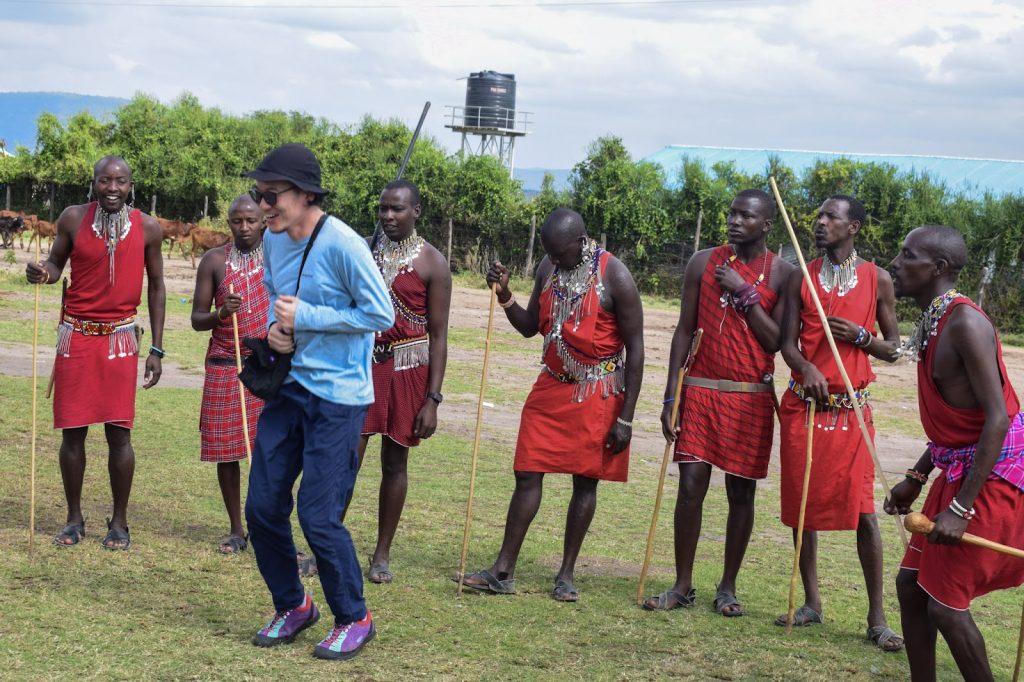
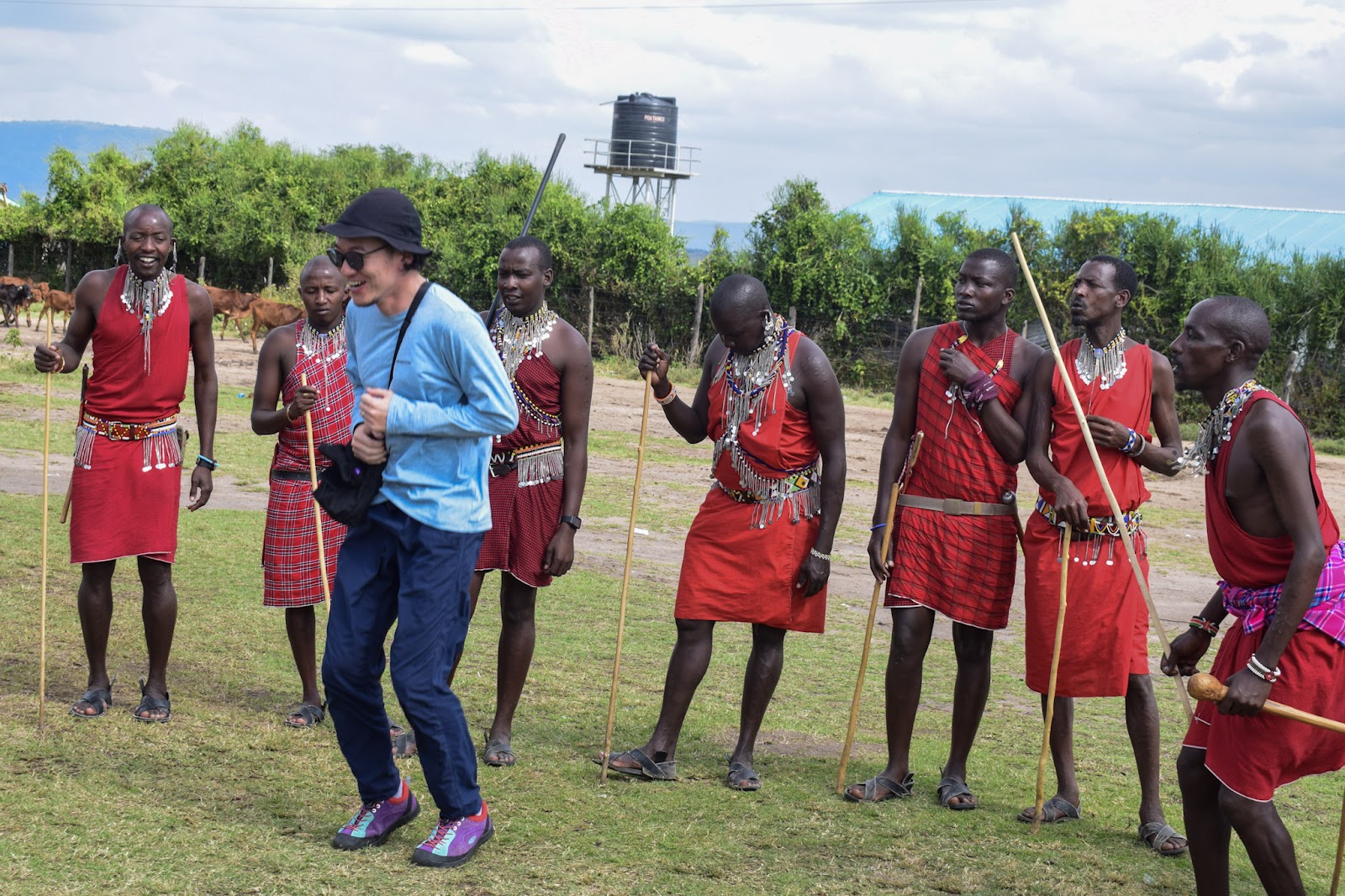
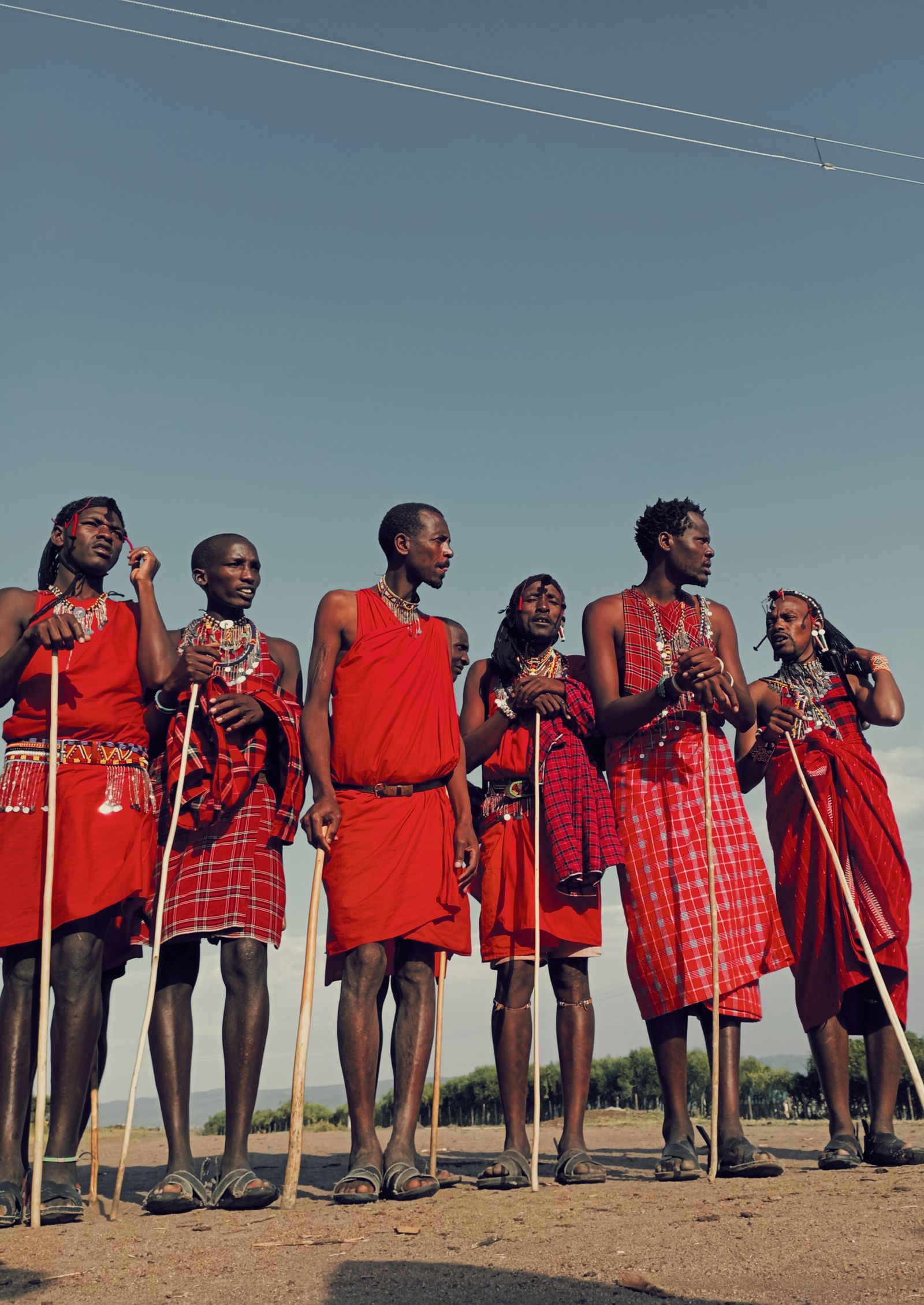
On a village or community visit, greet older people with “Shikamoo” and wait for “Marahaba” in return. Guides and younger staff will be delighted if you use it with a senior camp manager or a grandmother at a homestead. In Maasai areas you may also hear Maa greetings such as “Supa”; ask your guide to teach you the right reply.
Swahili Phrases for the Game Drive
Game drives have their own small vocabulary. Using a few of these Swahili phrases in the vehicle helps your guide know what you want, and it is fun to hear them repeated back over the radio between vehicles.
- Simama (si-MA-ma): stop. Useful when you spot something your guide has not.
- Pole pole (PO-le PO-le): slowly, gently. Ideal for rough tracks or when you want time with a sighting.
- Haraka (ha-RA-ka): quickly; you will rarely need it on safari.
- Kushoto / kulia (ku-SHO-to / ku-LI-a): left / right.
- Mbele / nyuma (m-BE-le / NYU-ma): ahead / behind.
- Iko wapi? (I-ko WA-pi): where is it?
- Karibu sana (ka-RI-bu SA-na): very close; guides use “karibu” for “near” as well as “welcome”.
- Nzuri sana (n-ZU-ri SA-na): very good, great.
- Sawa (SA-wa): OK, all right; perhaps the most useful word in Kenya.
How guides use Swahili on the radio
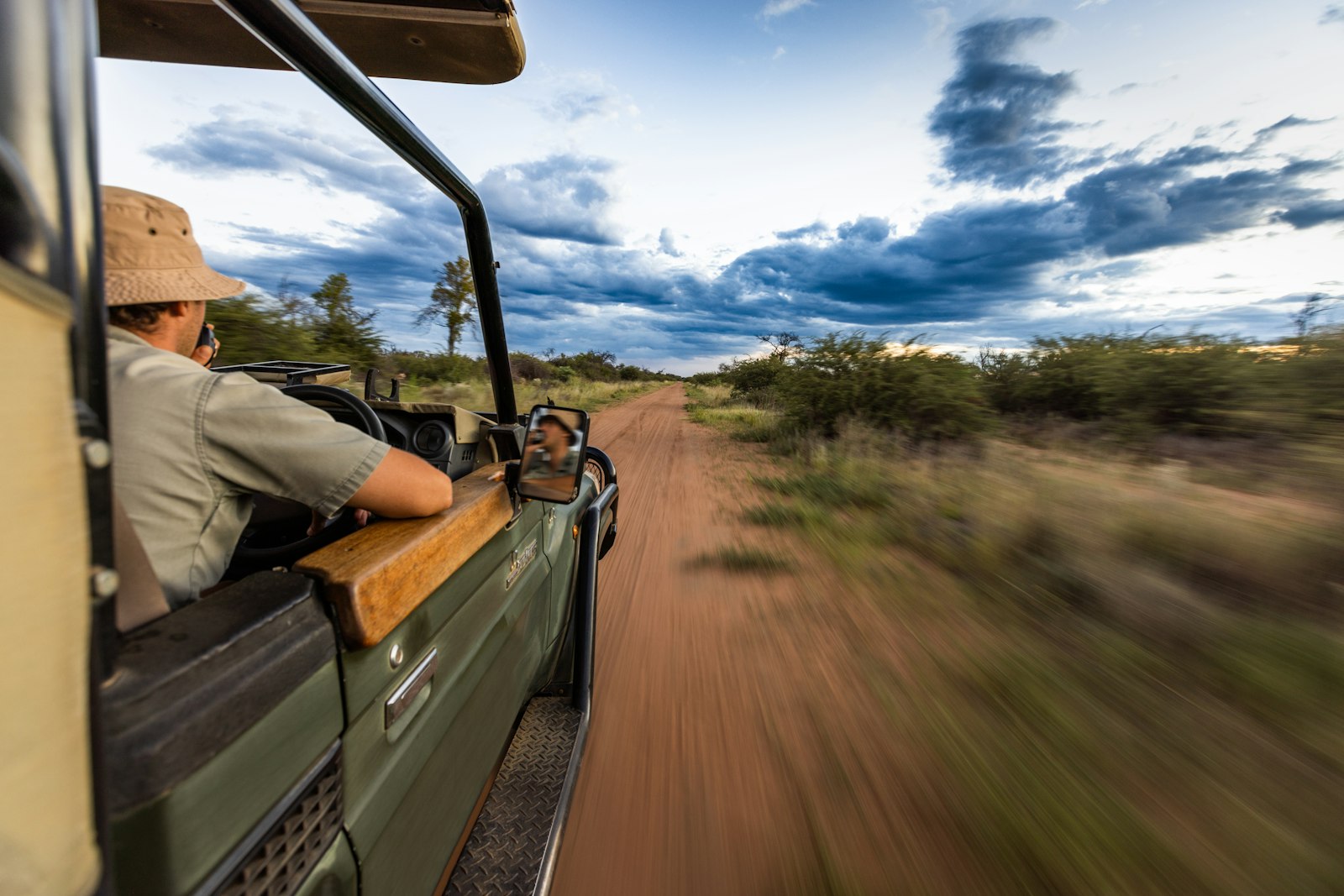
Kenyan guides often talk to each other in Swahili, or in their own community language, to share sightings. If you hear “simba” or “chui” crackle over the radio, you know why the vehicle has suddenly turned. A good guide will translate for you, and many enjoy teaching guests new Swahili phrases as you go. Our article on what makes a good safari guide explains the other qualities worth looking for.
Would You Like a Guide Who Loves Teaching Swahili?
Tell us you want to learn as you go, and we will match your private safari with a patient guide who enjoys sharing language and culture with guests.
Big Five (and More) Animal Names in Swahili
Animal names are the Swahili phrases most visitors remember long after they fly home. Many are already familiar: “Simba” is the lion of a famous film, and “safari” itself is the Swahili word for a journey.
- Simba: Lion, the name most visitors already half-know before they arrive.
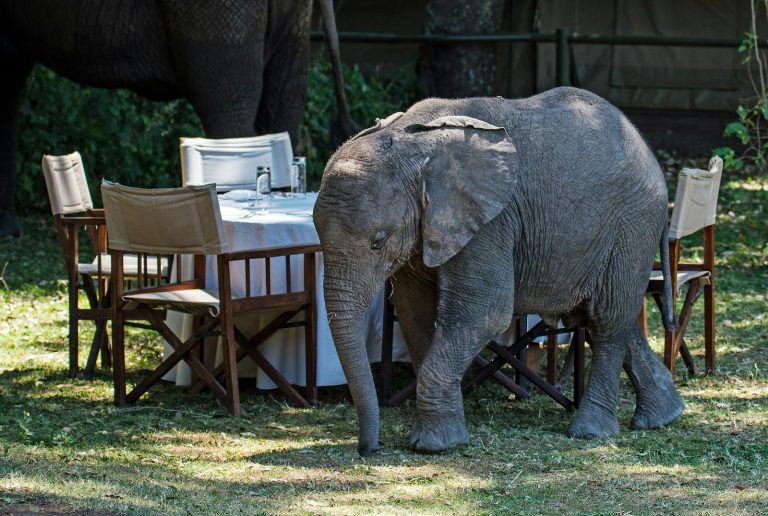
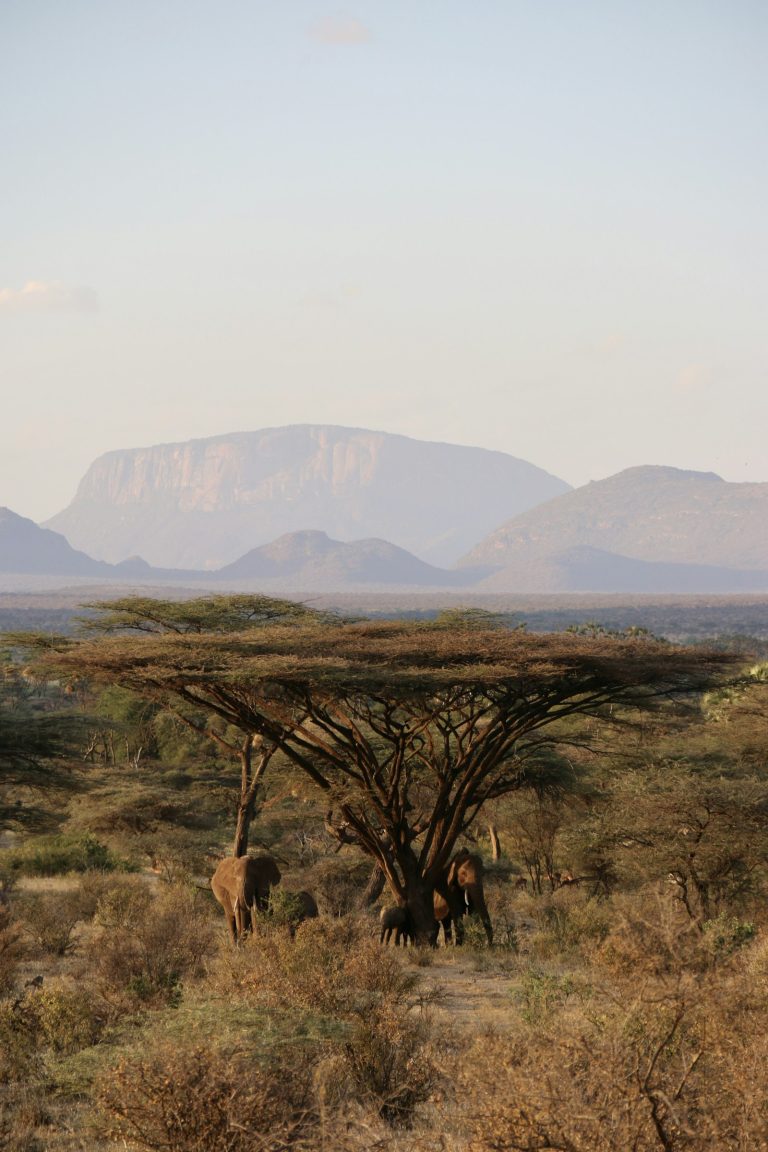
- Tembo (or Ndovu): Elephant.
- Chui: Leopard, the shyest and hardest to spot of the Big Five.
- Mbogo (or Nyati): African buffalo.
- Kifaru: Rhino.
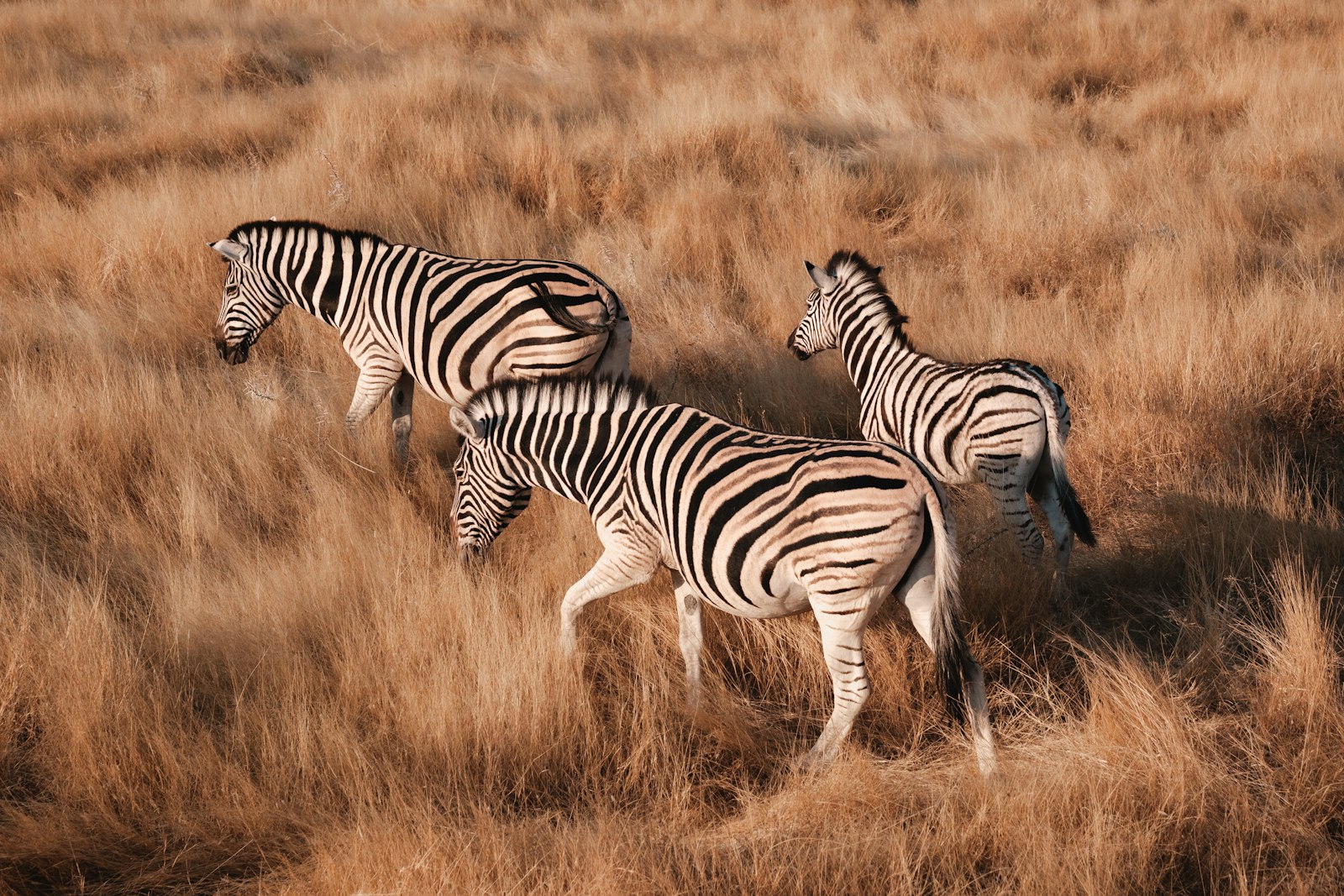
- Duma, Twiga, Kiboko, Punda Milia: Cheetah, giraffe, hippo and zebra, four more names you will hear guides use constantly on a game drive.
More Swahili animal names to listen for
| Swahili | English | Where you are likely to hear it |
|---|---|---|
| Nyumbu | Wildebeest | Masai Mara, especially during the migration months |
| Fisi | Hyena | Most savannah parks, often at dawn |
| Mamba | Crocodile | Mara River crossings and Tsavo rivers |
| Swala | Antelope or gazelle (general) | Everywhere; “swala tomi” is a Thomson’s gazelle |
| Nyani / Tumbili | Baboon / vervet monkey | Around camps and picnic sites; guard your breakfast |
| Ngiri | Warthog | Open grassland, tails up as they run |
| Mbuni | Ostrich | Mara plains, Tsavo and Amboseli |
| Mbweha | Jackal | Often near a kill, waiting their turn |
| Ndege | Bird (also “aeroplane”) | On birding stops and at the airstrip |
| Nyoka | Snake | Rarely seen, but worth knowing |
Not sure which of these animals you are most likely to meet? Our guide to whether you will see the Big Five in Kenya explains the odds park by park.
Swahili Phrases for Camp, Meals and Everyday Needs
Away from the vehicle, a few practical Swahili phrases make camp life smoother and are a kind way to thank the staff who look after you.
- Tafadhali (ta-fa-DHA-li): please.
- Samahani (sa-ma-HA-ni): excuse me, sorry.
- Pole (PO-le): sorry for your trouble; said when someone is tired, unwell or has had bad luck.
- Ndiyo / Hapana (n-DI-yo / ha-PA-na): yes / no.
- Maji (MA-ji): water. “Maji baridi” is cold water, “maji moto” hot water.
- Chakula (cha-KU-la): food. “Chakula kitamu” means “delicious food”, a lovely compliment for the chef.
- Chai (CHA-i): tea, usually sweet and milky in Kenya.
- Kahawa (ka-HA-wa): coffee.
- Choo kiko wapi? (CHO-o KI-ko WA-pi): where is the toilet?
- Rafiki (ra-FI-ki): friend.
- Lala salama (LA-la sa-LA-ma): sleep well; a warm way to say goodnight to the askari who walks you to your tent.
Words you will hear about you
You may hear “mzungu” (m-ZU-ngu), a common and usually neutral word for a foreign visitor, often used by children who are curious and happy to wave. Smile and wave back. You may also be asked “Unazungumza Kiswahili?” (Do you speak Swahili?). A cheerful “Kidogo tu!” (just a little!) always gets a laugh.
Swahili Phrases for Shopping and Markets
Curio markets and roadside stalls are where Swahili phrases really pay off, as a friendly greeting before talking prices sets a relaxed tone. Bargaining is normal at markets but not in fixed-price shops or lodge boutiques.
- Bei gani? (BE-i GA-ni): how much is it?
- Ni ghali sana (ni GHA-li SA-na): it is very expensive.
- Punguza kidogo (pun-GU-za ki-DO-go): reduce the price a little.
- Nataka hii (na-TA-ka HI-i): I want this one.
- Sitaki, asante (si-TA-ki a-SAN-te): I don’t want it, thank you; polite and firm.
- Pesa (PE-sa): money. Shillings are “shilingi”.
Keep small shilling notes for markets; our Kenya currency and money guide explains what to carry. When you thank your guide and camp team at the end of a trip, “asante sana kwa kila kitu” (thank you very much for everything) is a perfect line to say alongside your tip.
Swahili Numbers 1 to 10
Numbers are among the most practical Swahili phrases to know, handy at markets and fun for counting lions in a pride. Guides often use them when sharing sightings.
| Number | Swahili | Number | Swahili |
|---|---|---|---|
| 1 | Moja | 6 | Sita |
| 2 | Mbili | 7 | Saba |
| 3 | Tatu | 8 | Nane |
| 4 | Nne | 9 | Tisa |
| 5 | Tano | 10 | Kumi |
Saying Goodbye in Swahili
The last Swahili phrases of your trip are often the most heartfelt. Use them at the airstrip, at your final camp, or when your guide drops you at the airport in Nairobi.
- Kwaheri (kwa-HE-ri): goodbye. To a group, say “kwaherini”.
- Tutaonana (tu-ta-o-NA-na): see you again.
- Safari njema (sa-FA-ri N-JE-ma): have a good journey; you will hear this when you leave.
- Usiku mwema (u-SI-ku MWE-ma): good night.
- Mungu akubariki (MUN-gu a-ku-ba-RI-ki): God bless you; a common, warm farewell.
Ready to Say “Twende” for Real?
The guides and camps that suit language-curious travellers book early in busy months. Share your dates and we will send a written quote for a safari with a cultural visit included.
Request My Written QuoteSwahili Etiquette Tips for Respectful Travel
Knowing Swahili phrases is one half; using them with the right manners is the other. These simple habits will be noticed and appreciated.
- Greet first, always. Start with “habari” or “jambo” before any question or request.
- Use your right hand to give or receive money, food or gifts.
- Ask before photographing people: “Naomba kupiga picha?” (May I take a photo?). Accept “hapana” with a smile.
- Slow down. “Pole pole” is a way of life; rushing a conversation can feel rude.
- Laugh at yourself. If a word comes out wrong, a smile and “samahani” fixes it.
- Learn a name. Using your guide’s name with “asante” makes thanks personal.
Swahili has deep roots on the East African coast and is now spoken across the region. UNESCO marks World Kiswahili Language Day on 7 July each year, and Kenya’s tourism board, Magical Kenya, has more on the country’s cultures and coast.
How to Learn Swahili Phrases Before You Fly
You do not need a course. Two or three short sessions in the weeks before your trip are plenty to learn the Swahili phrases in this guide.
- Start with six words: jambo, habari, asante sana, karibu, tafadhali and kwaheri.
- Add the Big Five and practise by naming animals in nature documentaries.
- Listen before you speak: a free language app or online audio helps you hear the vowels.
- Write your favourite Swahili phrases on a cheat sheet on your phone or in your safari notebook.
- Practise on arrival: try your first “habari” on your driver at the airport in Nairobi.
Put These Phrases to Use
The best place to try out your Swahili phrases is on an actual game drive. Our Kenya safari packages put you alongside guides who are always happy to teach a few more words along the way, especially during a Maasai cultural visit where language and tradition go hand in hand.
If you would like the guide to yourselves, a private Kenya safari gives you time to chat and learn at your own pace. Short on time? A Kenya safari from Nairobi or one of our Masai Mara safari packages will give you plenty of chances to practise.
Karibu Kenya: Let’s Plan Your Safari
Bring your new Swahili phrases and we will bring the guides, camps and cultural visits where you can use them. Our Nairobi team replies personally.
Frequently Asked Questions
Do I need to speak Swahili on a Kenya safari?
No. English is widely spoken by guides, camp staff and lodge teams across Kenya, so Swahili is optional. Learning a handful of Swahili phrases, such as jambo, asante sana and karibu, simply adds warmth to your interactions and is appreciated by the people looking after you.
What does “Jambo” mean?
“Jambo” is a simple, friendly greeting meaning “hello”, commonly used with visitors throughout Kenya. It is a shortened form of “hujambo?” (how are you?). Among themselves, Kenyans more often say “habari?”, meaning “news?”, which is answered with “nzuri” (good).
What is the Swahili word for “thank you”?
“Asante” means thank you, and “asante sana” means thank you very much. It is arguably the single most useful word on any game drive. To thank someone for everything at the end of your trip, say “asante sana kwa kila kitu”.
What are the Big Five called in Swahili?
The Big Five in Swahili are simba (lion), tembo or ndovu (elephant), chui (leopard), nyati or mbogo (buffalo) and kifaru (rhino). Guides also use duma (cheetah), twiga (giraffe), kiboko (hippo) and punda milia (zebra) all the time, so these are worth learning too.
Is “Hakuna Matata” actually used in Kenya?
Yes. It is a real, commonly used Swahili phrase meaning “no worries”, not just a line from a film. You will also hear “hakuna shida” (no problem) and “sawa” (OK) in everyday conversation, in camps and on the road.
How do I greet an older person in Swahili?
Say “Shikamoo”, a respectful greeting for elders, and they will usually reply “Marahaba”. It is especially appreciated on village visits and with senior camp staff. With people your own age, a relaxed “Mambo?” or “Sasa?” works, and the reply is “Poa”.
Is Swahili hard to pronounce?
No. Swahili is written as it sounds, with five consistent vowel sounds and no silent letters. Stress usually falls on the second-last syllable, as in ka-RI-bu. Kenyans are used to many accents, so a friendly attempt at Swahili phrases is always welcome, even if it is not perfect.