Wangari Maathai Green Belt Movement is the grassroots tree-planting organisation the Kenyan scientist Wangari Maathai founded in 1977. It paid rural women to grow and plant seedlings, helped plant tens of millions of trees and grew into a campaign for democracy. In 2004 she became the first African woman to win the Nobel Peace Prize.
Sense of Adventure is a TRA-licensed private safari company based at Mountain Mall on Thika Road, Nairobi. Our guides share her story on Nairobi city and forest tours, because her legacy shapes the green spaces you walk through. This guide explains who she was, how the movement worked, the battles she fought and how you can see her legacy on a trip to Kenya.
Wangari Maathai Green Belt Movement: See the Legacy in Nairobi
Add her story to a private Nairobi day, with Karura Forest, the city centre and a guide who knows the history.
Wangari Maathai Green Belt Movement: The Short Answer
The Wangari Maathai Green Belt Movement linked tree planting to clean water, firewood, income for women and, later, political freedom.
Maathai saw that rural women in Kenya were walking further for firewood and water as forests and soils disappeared. Her answer was simple: help women plant trees. That practical idea grew into one of Africa’s best-known environmental movements. The Nobel Committee awarded her the 2004 Peace Prize for her contribution to sustainable development, democracy and peace.
| Wangari Maathai Green Belt Movement: key facts | Detail |
|---|---|
| Born | 1 April 1940, Nyeri, central Kenya |
| Education | First woman in East and Central Africa to earn a doctorate, University of Nairobi, 1971 |
| Founded | Green Belt Movement, 1977, under the National Council of Women of Kenya |
| Trees planted | Over thirty million by 2004, according to the Nobel Prize biography |
| Nobel Peace Prize | 2004, the first African woman to receive it |
| Public office | MP for Tetu and Assistant Minister for Environment |
| Died | 25 September 2011, Nairobi |
Who Was Wangari Maathai?
Wangari Maathai was a Kenyan biologist, professor, environmentalist and politician who used tree planting to change lives and challenge power.
Early Life and Education
She was born in 1940 in Nyeri, in the green highlands below the Aberdares and Mount Kenya. She studied biology in the United States, earning degrees in Kansas and Pittsburgh. In 1971 she received her doctorate from the University of Nairobi, becoming the first woman in East and Central Africa to do so, according to the Green Belt Movement biography.
Scientist and Professor
Maathai taught veterinary anatomy at the University of Nairobi. In 1976 she became the first woman to chair the department, and the next year the first woman associate professor there. Through her work with the National Council of Women of Kenya, she began to see the link between environmental damage and the hardships rural women faced.
Politician and Author
From 2002 to 2007 she was Member of Parliament for Tetu, in Nyeri, and served as Assistant Minister for Environment and Natural Resources. She wrote several books, including her memoir Unbowed and The Challenge for Africa. She died in Nairobi in 2011, aged 71.
How the Wangari Maathai Green Belt Movement Worked
The Wangari Maathai Green Belt Movement turned conservation into paid community work, led mainly by women.
Tree Nurseries Run by Women
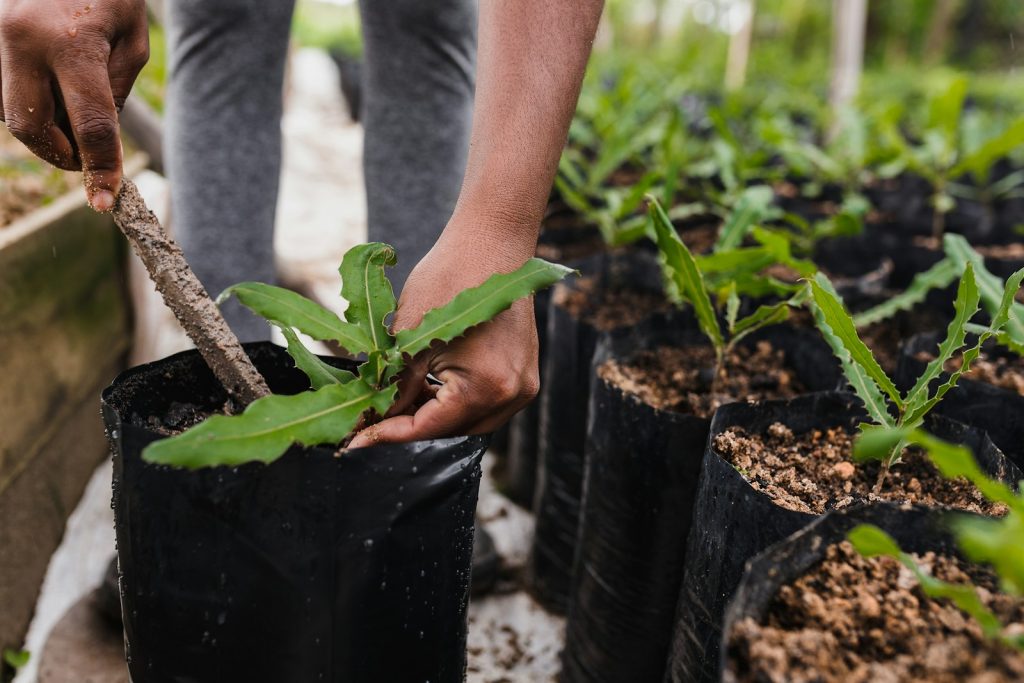
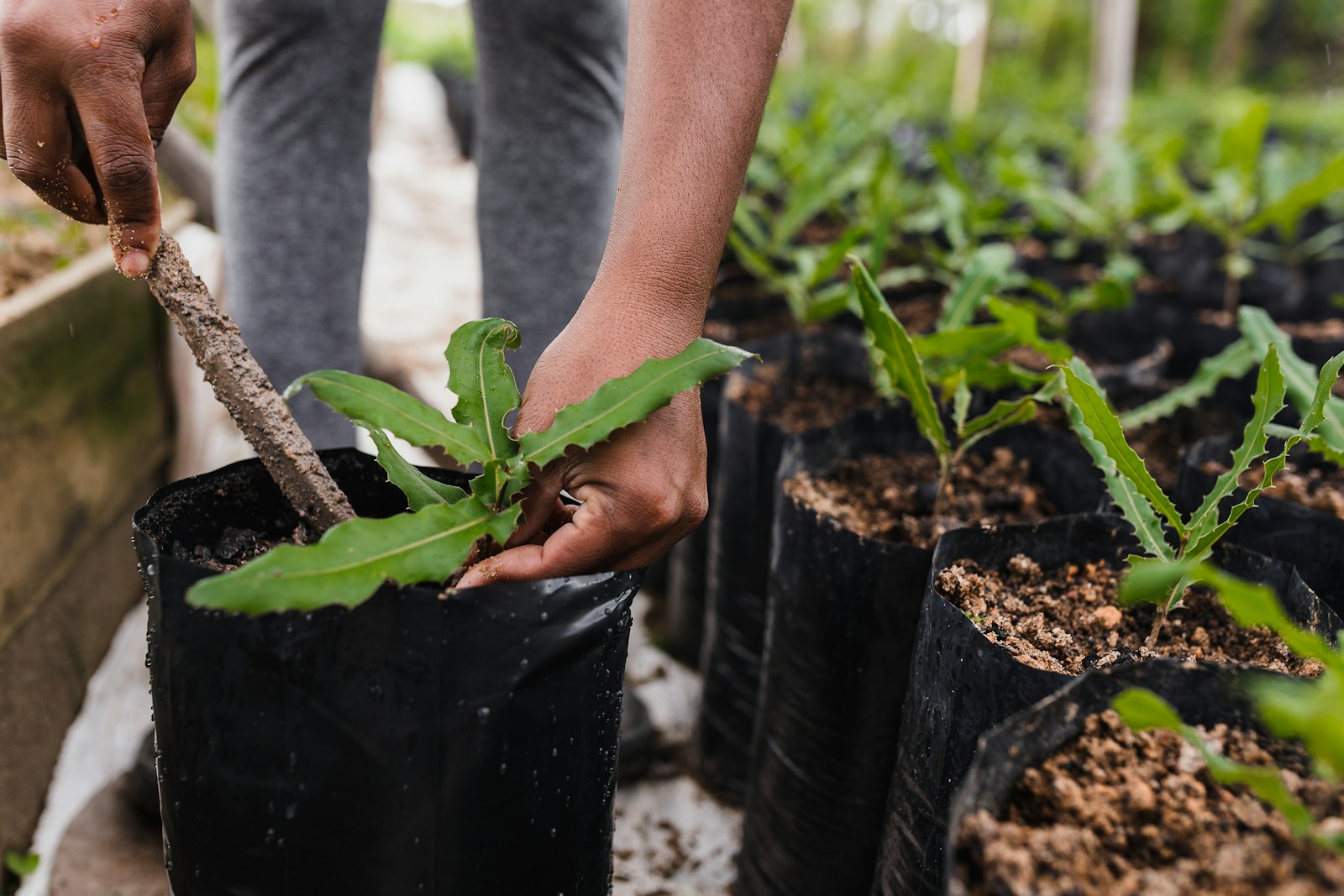
In the Wangari Maathai Green Belt Movement, women’s groups set up nurseries, collected seeds from local trees and raised seedlings. The seedlings were planted on farms, school grounds and public land. Women received a small payment for seedlings that survived, which made conservation a source of income rather than an extra burden.
Why the Wangari Maathai Green Belt Movement Planted Trees
Trees hold soil in place, protect rivers and springs and provide firewood, fodder and fruit. Planting them helped families directly. Kenya’s highland forests, such as the Aberdares and Mount Kenya, are water towers that feed major rivers, so forest loss affects millions of people downstream.
Civic Education
The Wangari Maathai Green Belt Movement also ran education seminars. Participants discussed why their land was degraded and who made decisions about it. That question led many people from tree planting to wider calls for good governance, which is why the movement became political.

Walk Where the Wangari Maathai Green Belt Movement Made History
Our private Nairobi tours can include Karura Forest, the city centre and the National Museum, with a guide who tells the story well.
The Battles That Made Her Famous
Maathai faced arrest, beatings and public insults for defending public land and political prisoners, and she won several key fights.
Uhuru Park, 1989
In 1989 she led a campaign against a planned 60-storey media complex in Uhuru Park, Nairobi’s central public park. She challenged it in court and drew international attention. In early 1990 the plan was dropped. Today you pass Uhuru Park on a city tour, and many Nairobi residents still credit her for its survival.
The Mothers of Political Prisoners, 1992
In 1992 she joined mothers of political prisoners on a hunger strike in Uhuru Park. Police broke up the protest and she was injured. Within months, a number of the prisoners were released. The episode showed how the Wangari Maathai Green Belt Movement story had grown into a story about human rights.
Karura Forest, 1998 to 1999
In 1998 she discovered that parts of Karura Forest had been allocated for private development. When she and supporters tried to plant trees there, they were attacked. The attack drew condemnation at home and abroad, and in 1999 the government stopped the allocation of public land. She later became a trustee of the forest’s education trust.
The Nobel Peace Prize and Her Global Influence
The 2004 Nobel Peace Prize made her the first African woman to win the award and put environmental protection on the peace agenda.
The Norwegian Nobel Committee recognised that peace depends on how people manage shared resources such as land, water and forests. It was a new way of thinking about peace at the time. After the prize, Maathai spoke around the world on climate change, forests and women’s rights.
In 2010 she helped found the Wangari Maathai Institute for Peace and Environmental Studies with the University of Nairobi. The Wangari Maathai Green Belt Movement continues today, working on forest restoration, livelihoods, climate adaptation and advocacy.
| Year | Milestone in the Wangari Maathai Green Belt Movement story |
|---|---|
| 1971 | Doctorate from the University of Nairobi |
| 1977 | Green Belt Movement founded |
| 1989 to 1990 | Campaign that stopped a tower block in Uhuru Park |
| 1992 | Hunger strike with mothers of political prisoners |
| 1998 to 1999 | Fight to protect Karura Forest |
| 2002 | Elected MP for Tetu |
| 2004 | Nobel Peace Prize |
| 2010 | Wangari Maathai Institute founded |
| 2011 | Died in Nairobi, aged 71 |
Where to See Her Legacy in Kenya
You can see the Wangari Maathai Green Belt Movement legacy in Nairobi’s green spaces, in the central highlands where she grew up, and in the wider conservation story you meet on safari.
Karura Forest
Karura is one of the largest urban forests in Africa, with walking and cycling trails, a waterfall and caves. Our guide to Karura Forest in Nairobi covers trails and practical details, and our Karura Forest guided walk and cycle tour makes it easy to visit with a naturalist.
Uhuru Park and the City Centre
Uhuru Park sits beside the central business district. Our Nairobi city tour covers landmarks, the KICC rooftop and the story of Kenya’s independence, and your guide can explain the park’s history along the way.
Nyeri and the Central Highlands
Nyeri lies about two to three hours north of Nairobi, on the way to the Aberdares and Mount Kenya. A safari north through the highlands passes the landscapes that shaped her. Read our guide to the Aberdare Big Five for the forest park nearby.
Expert tip from our Nairobi team
Visit Karura Forest early in the morning, when it is cool, quiet and full of birdsong, and wear proper walking shoes because some trails are muddy after rain. Combine it with the National Museum on the same day for wider context on Kenya’s history. If you are travelling with children, a short tree-planting or nature activity can make the story real; ask us what is available when you book.
Visiting Nairobi With Her Story in Mind
The easiest way to explore the Wangari Maathai Green Belt Movement legacy is a private half-day or full day in Nairobi, before or after your safari.
A Sample Day
- Morning: guided walk in Karura Forest to the waterfall.
- Midday: lunch in the leafy suburbs north of the city.
- Afternoon: the Nairobi National Museum or a city tour past Uhuru Park.
- Evening: back to your hotel or onward to the airport.
Who This Suits
This kind of day suits families, school and university groups, delegates in Nairobi for meetings, and anyone interested in conservation or women’s history. Group organisers can see our 10-day educational trip to Kenya. More options are on our Nairobi day tours page.
Add a Safari
The Wangari Maathai Green Belt Movement taught that people and nature depend on each other. You see that idea in practice on safari, where community conservancies share income from tourism with local people. Pair your Nairobi day with a private Kenya safari, and check park costs in our Kenya national parks entrance fees for 2026 guide.
Before You Travel
Check the latest UK government travel advice for Kenya, or your own government’s advice, before you book and again before you fly. The official Magical Kenya tourism site is useful for wider planning.
Wangari Maathai Green Belt Movement FAQs
Who was Wangari Maathai?
Wangari Maathai was a Kenyan biologist, professor, environmentalist and politician, born in Nyeri in 1940. She founded the Green Belt Movement in 1977, served as an MP and Assistant Minister for Environment, and in 2004 became the first African woman to win the Nobel Peace Prize. She died in Nairobi in 2011.
What is the Green Belt Movement?
The Wangari Maathai Green Belt Movement is a Kenyan grassroots organisation founded in 1977. It helps communities, especially women, plant trees, protect forests and improve livelihoods. Women’s groups ran tree nurseries and were paid for seedlings that survived, and the movement later added civic education and advocacy for good governance.
How many trees has the Green Belt Movement planted?
The Nobel Prize biography says the movement had helped plant over thirty million trees by the time Maathai won the prize in 2004. Planting has continued since, so the total is now higher. The movement has also spread its model to other African countries and works on wider forest restoration.
Why did Wangari Maathai win the Nobel Peace Prize?
She won the 2004 Nobel Peace Prize for her contribution to sustainable development, democracy and peace. The committee recognised that peace depends on fair management of land, water and forests, and that her tree planting and her campaigns for democracy and human rights were part of the same work.
How did Wangari Maathai save Karura Forest?
In 1998 she discovered parts of Karura Forest had been allocated for private development. She and supporters tried to plant trees there and were attacked. The incident caused national and international outrage, and in 1999 the government stopped the allocation of public land. Karura is now a popular protected forest.
Can I visit places linked to Wangari Maathai in Nairobi?
Yes. You can walk in Karura Forest, which she fought to protect, and pass Uhuru Park, where she stopped a tower block in 1989, on a city tour. The National Museum adds wider history. A private guide can link these places into a half-day or full day in Nairobi.
Bring the Wangari Maathai Green Belt Movement Story to Life
Kenya-based experts. Real local knowledge. Transparent pricing.
Sense of Adventure is a TRA-licensed Nairobi safari company. Tell us your dates and we will plan a Nairobi day and safari that brings the Wangari Maathai Green Belt Movement story to life. Email: reservations@senseofadventure.co.ke