Why Kenyan runners dominate distance running comes down to several factors working together, not one secret. Most elite runners come from the Rift Valley highlands, live and train at around 2,000 to 2,500 metres, grow up active, run on soft hilly roads, have strong role models and benefit from decades of coaching. Research also points to very efficient running economy.
Sense of Adventure is a TRA-licensed private safari company based at Mountain Mall on Thika Road, Nairobi. We arrange trips to Iten and the western highlands for runners, clubs and curious travellers. This guide sets out what the research actually says, separates fact from myth and shows how you can see Kenya’s running culture for yourself, alongside a premium safari.
✅ Why Kenyan Runners Dominate Distance Running: Quick Answer
- ✅ Most elite Kenyan runners come from Kalenjin communities in the Rift Valley highlands.
- ✅ Training towns such as Iten and Eldoret sit at around 2,000 to 2,500 metres.
- ✅ Studies by Henrik Larsen link their success to excellent running economy and slender lower legs.
- ✅ Active rural childhoods, group training and visible role models all play a part.
- ✅ Genetics may contribute, but research has not found a single “running gene”.
- ✅ You can watch dawn training in Iten and add Lake Nakuru, Kakamega or the Masai Mara.
Watch the dawn runs in Iten
We arrange transfers and a local guide in the running heartland as an add-on to your safari.
Why Kenyan Runners Dominate Distance Running: The Short Answer
The best answer to why Kenyan runners dominate distance running is that environment, biology, culture and coaching all reinforce each other.
No study has found a single explanation. Scientists who have worked with Kenyan athletes describe a mix of altitude, an active rural childhood, an efficient running style, a diet based on simple carbohydrates, strong economic motivation and a training system that finds and develops talent. Remove any one piece and the picture weakens.
| Why Kenyan runners dominate distance running | What the evidence suggests |
|---|---|
| Altitude | Living and training high may help endurance, but many high places produce no champions |
| Running economy | Studies found Kalenjin runners used less energy at a given pace, linked to slender lower legs |
| Active childhood | Many elite runners walked or ran long distances to school |
| Culture and role models | Success is visible, respected and life-changing for families |
| Coaching and camps | Schools, coaches and camps such as those in Iten develop talent early |
| Genetics | A possible factor, but research has not settled how much it matters |
Where Kenya’s Champions Come From
To understand why Kenyan runners dominate distance running, start with geography: most elite runners come from the highlands on either side of the Rift Valley, especially among the Kalenjin communities.
The Kalenjin Highlands
A 2004 review led by Yannis Pitsiladis, published as The dominance of Kenyans in distance running, noted that the Kalenjin, a small share of Kenya’s population, produce most of the country’s top runners. Towns such as Iten, Eldoret, Kaptagat and Kapsabet sit in this region, at altitudes that suit endurance training.
A Story Decades in the Making
Kenyan runners have been at the top of world athletics since the 1960s. Generations of Olympic and world medallists have built a tradition that young athletes grow up inside. When people ask why Kenyan runners dominate distance running, the length of that tradition is part of the answer.
Altitude and Environment
Environment is a big clue to why Kenyan runners dominate distance running: high altitude, cool temperatures and soft, hilly roads give them an ideal natural training environment.
Living High
At 2,000 metres and above, the air holds less oxygen per breath. Over time the body adapts, and many coaches believe this helps endurance at lower altitude races. Yet altitude alone cannot explain why Kenyan runners dominate distance running, because many high places around the world produce few champions.
Hills and Dirt Roads
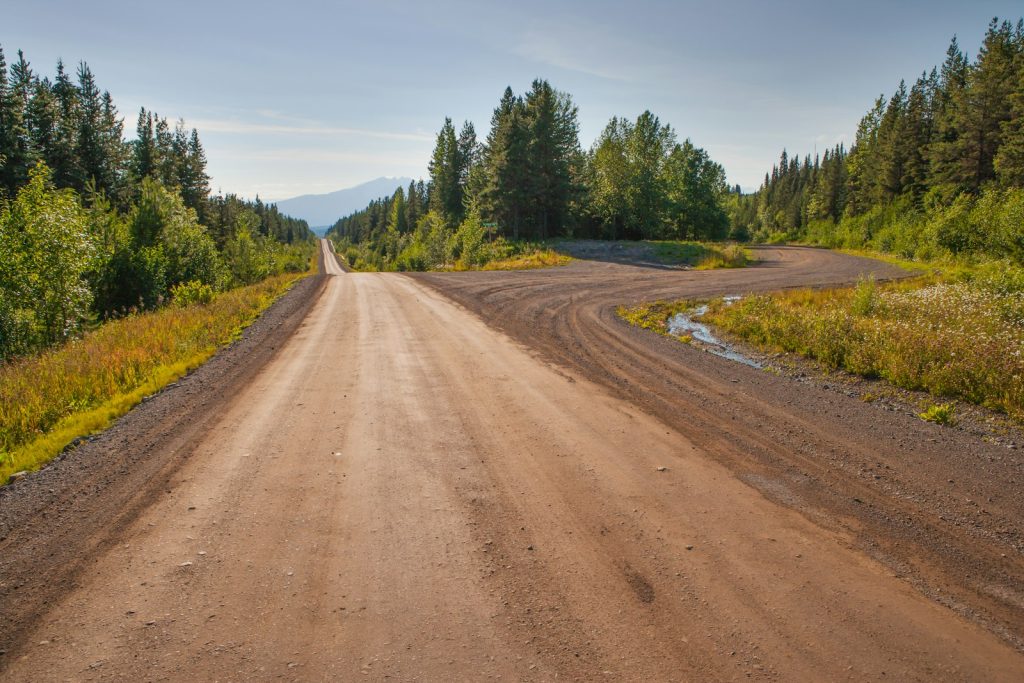
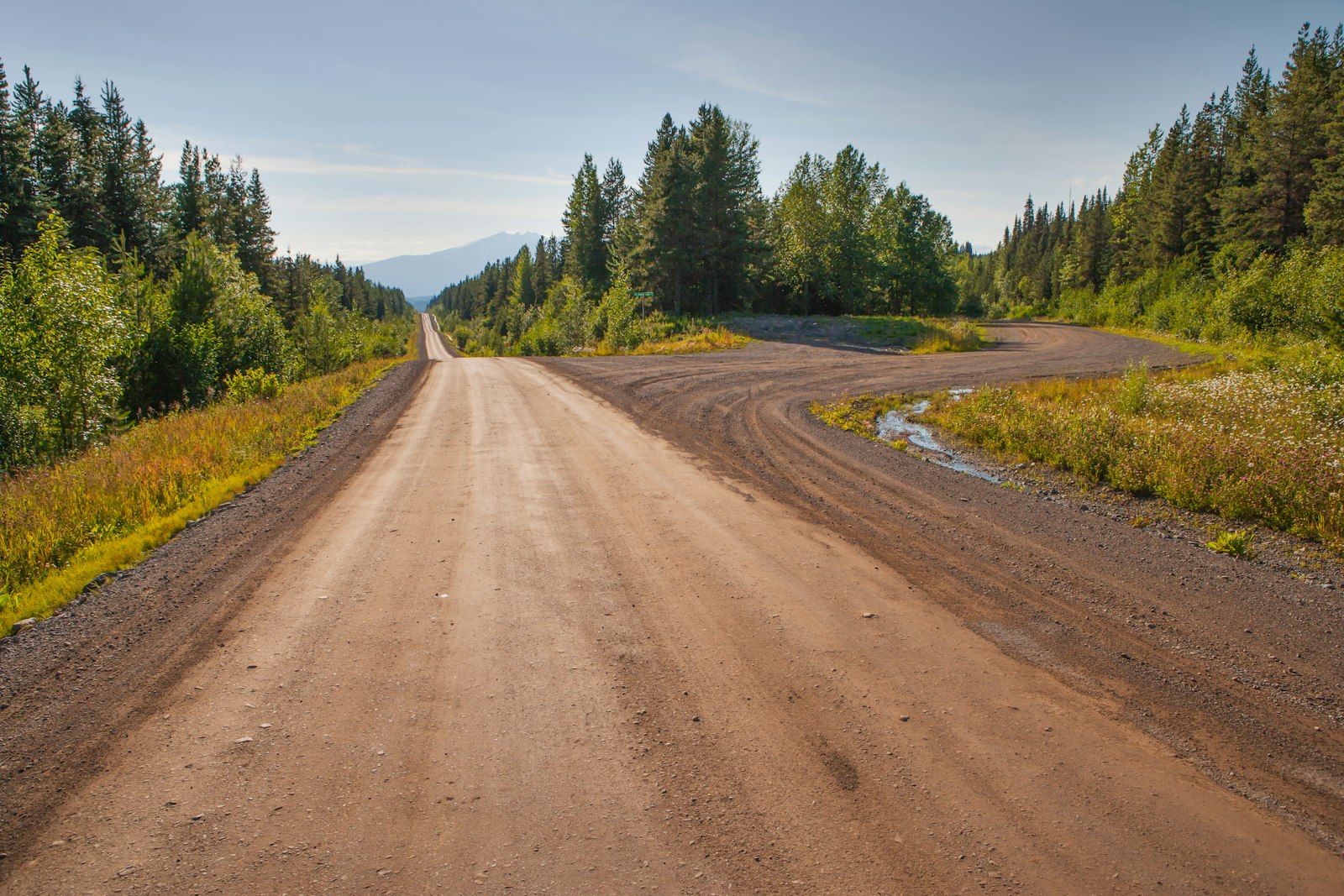
The roads around towns like Iten are red earth, rolling and often steep. Soft surfaces reduce impact on joints, and hills build strength without the gym. Training groups run on these roads every morning, which you can watch if you visit.
Simple, High-Carbohydrate Food
The traditional highland diet is built on staples such as ugali, a maize porridge, with vegetables, beans, milk and some meat. Research on elite Kenyan runners has noted a diet high in carbohydrates, which suits heavy endurance training.
Body and Biology: What the Science Says
Studies point to excellent running economy rather than a dramatically higher aerobic capacity, but the role of genetics is still debated.
Running Economy and Slender Legs
Danish researcher Henrik Larsen compared Kalenjin and Danish runners and boys. In his summary for Play the Game, he reported that elite and untrained Kalenjin both ran more economically than Danish counterparts, and that thinner lower legs were linked to better economy. Lighter legs take less energy to swing.
Efficiency Explains Why Kenyan Runners Dominate Distance Running
The same work found that elite Kalenjin and Danish runners had similarly high maximum oxygen uptake, and similar muscle fibre make-up. After 12 weeks of training, Kalenjin village boys ran 5,000 m faster than Danish boys with similar fitness, probably thanks to better economy. That is a key clue to why Kenyan runners dominate distance running.
What About Genes?
Some researchers suspect a genetic contribution, given how concentrated talent is in certain communities. But the 2004 review concluded that how genes interact with altitude, childhood activity and training was still unresolved. No single gene has been shown to explain Kenyan success.
Culture, Childhood and Motivation
Culture explains much of why Kenyan runners dominate distance running: an active rural childhood, visible role models and the life-changing rewards of success give Kenyan athletes powerful motivation.
Running and Walking to School
In rural highland areas, many children cover long distances on foot every day. Researchers have recorded that many elite Kenyan runners travelled to school this way. Years of daily activity build a strong aerobic base before formal training even starts.
Role Models Next Door
In Kenya’s running towns, champions are neighbours, not distant celebrities. Prize money from races abroad has built homes, farms and businesses. Young runners see proof every day that hard work can transform a family’s future, which explains a great deal about why Kenyan runners dominate distance running.
A Group Training Culture
Kenyan athletes usually train in groups. Dozens of runners share a morning session, pushing each other on hills and long runs. That environment raises standards for everyone and teaches race tactics, another reason why Kenyan runners dominate distance running.
Coaching, Schools and Camps
Coaching is another reason why Kenyan runners dominate distance running, built over decades by schools, coaches, camps and international race opportunities.
St Patrick’s High School, Iten
The Irish teacher Brother Colm O’Connell arrived at St Patrick’s in Iten in 1976 and coached generations of champions there. World Athletics later awarded Iten a Heritage Plaque recognising the school’s role. Read our guide to Iten, Kenya, the Home of Champions.
Training Camps
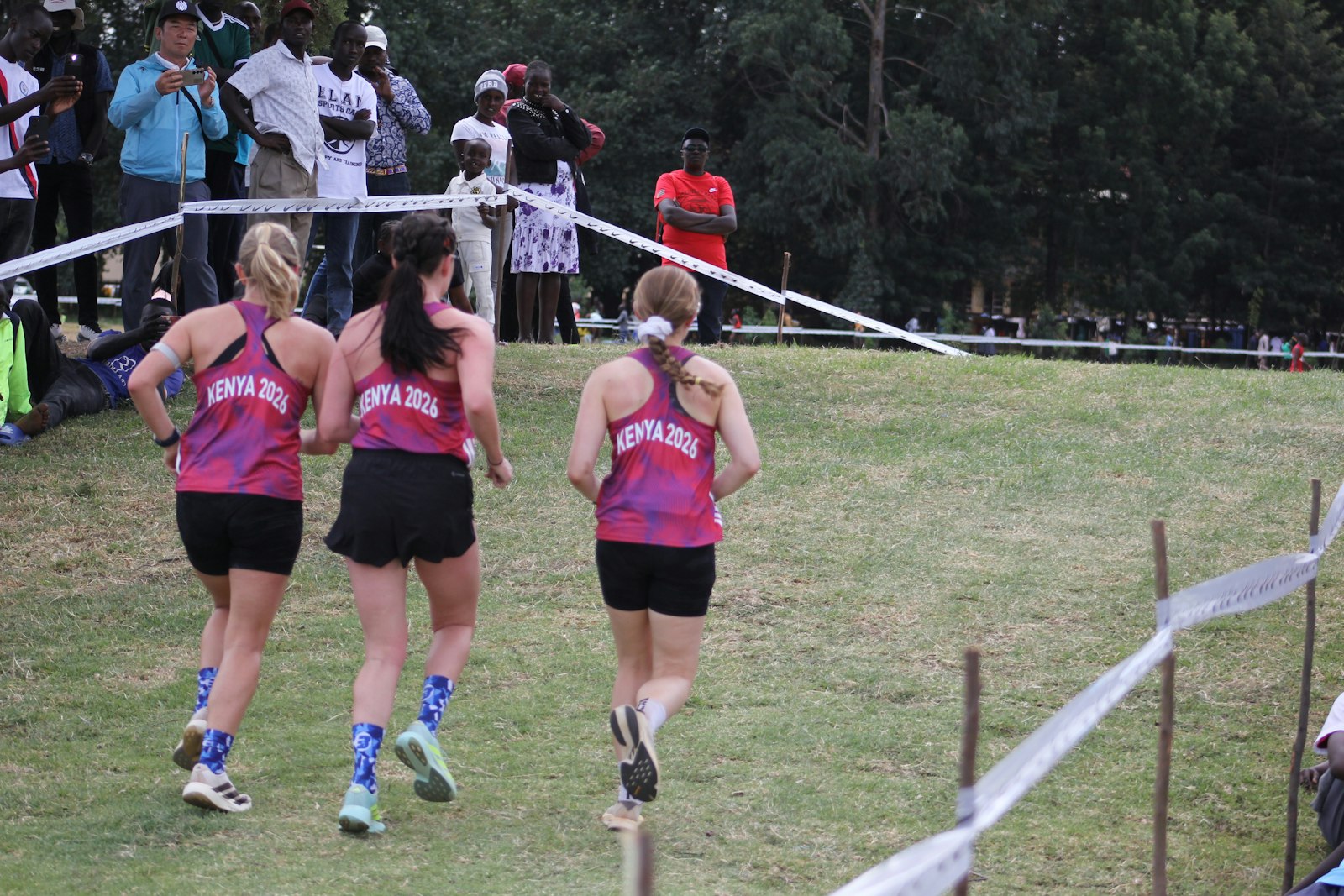
Camps around Iten, Eldoret and Kaptagat house athletes, provide coaching and link runners with races abroad. Some also welcome international runners, which is how many visitors experience Kenyan training first-hand.
Expert tip from our Nairobi team
If you are a runner hoping to train in Kenya, plan at least five nights at altitude and treat the first two days as easy. Watch an elite session before joining any group run, and ask before you photograph athletes. Pair your stay with a few days of safari at the end, when your legs need a rest. We can arrange transfers, lodges and the safari, while the camps handle coaching.
Myths About Kenyan Runners
Some popular explanations are oversimplified or wrong, so it helps to separate myth from evidence.
| Myth | Reality |
|---|---|
| Kenyans win only because of altitude | Altitude helps, but many high places produce no champions |
| All Kenyans are natural runners | Elite runners come mainly from specific highland communities |
| It is all genetic | Research has not settled the role of genes; environment and training matter greatly |
| Kenyan runners do not need to train hard | Elite groups train very hard, often twice a day |
| Running barefoot is the secret | Most elite athletes train in modern shoes; childhood activity matters more than footwear |
Understanding these points makes the question of why Kenyan runners dominate distance running more interesting, not less. Success is earned through effort inside a supportive environment.
Visit Kenya’s Running Heartland
You can see why Kenyan runners dominate distance running first-hand in Iten and the surrounding highlands, about an hour’s flight and a short drive from Nairobi.
Getting There
Fly from Nairobi to Eldoret, then drive up to Iten, or travel by road via Nakuru in a long day. We provide private transfers with a guide who knows the area. See our guide to Iten for practical details.
What You Can Do
- Watch dawn training groups on the dirt roads around Iten.
- Join an easy group run through a training camp, if you run.
- Visit the escarpment viewpoints over the Kerio Valley.
- Learn the history of the town and its famous school.
Combine With a Safari
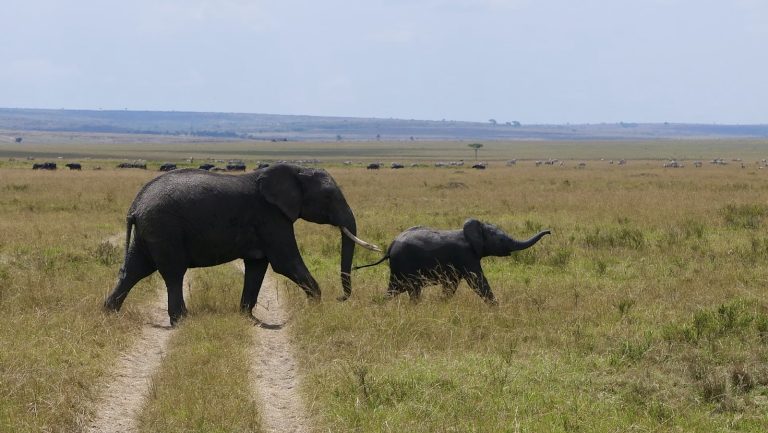
Add Lake Nakuru for rhinos on the way, Kakamega Forest for rainforest birds, or the Masai Mara for big cats. Our 8-day Kenya birding tour already links the Rift Valley lakes and Kakamega. For park costs, see our Kenya national parks entrance fees for 2026.
Lake Nakuru, Kakamega or the Mara after Iten?
Tell us how many days you have and we will suggest the safari that fits best around your running days.

Before You Travel
Check the latest UK government travel advice for Kenya, or your own government’s advice, before you book. Clubs and travel agents planning running groups can see our Kenya DMC services, and independent travellers can start with a private Kenya safari.
Planning a Running Trip to Kenya’s Highlands
A trip built around why Kenyan runners dominate distance running works best with enough time at altitude and a clear plan for the safari that follows.
Best Time to Go
The drier months, roughly January to February and June to October, are the most reliable for running on dirt roads, which turn muddy and slippery in heavy rain. Mornings in Iten are cool all year because of the altitude. If you hope to see a particular camp or training group, ask us early, as elite runners often travel abroad for races.
How Long to Stay
Plan at least five nights at altitude if you want to train, with the first two days kept easy. Visitors who simply want to watch training and see the town can manage with two nights. Three or four days on safari afterwards gives tired legs a rest and adds wildlife to the story.
Acclimatising at Altitude
At around 2,400 metres, even fit runners feel the thinner air. Drink plenty of water, sleep well, keep early runs slow and conversational, and use strong sunscreen, because the sun is intense at this height. Anyone with a heart or lung condition should take medical advice before training at altitude.
A Typical Morning in Iten
Training groups usually head out soon after dawn, while it is cool. You may see dozens of runners pass in a tight pack on the red dirt roads, with a lighter session later in the day. After breakfast there is time for a viewpoint over the Kerio Valley, and afternoons are for rest, just as they are for the athletes.
What It Costs
Iten stays, camp fees and transfers vary with your dates and plans, so we quote that part of the trip in writing. For the safari afterwards, our 8-day Kenya birding tour through the Rift Valley lakes, Kakamega and the Masai Mara starts from USD 2,050 per adult sharing, and our park fees guide lists current entry costs.
Etiquette Around Training Groups
Elite athletes are at work, not on show. Watch from the roadside, do not run alongside a group unless you are invited, and ask before taking photos. Eating at local cafés and staying at local camps is a better way to support the community than handing out money.
Hold my dates in the running heartland
Send your dates, group size and running goals and we will reply with a written quote for Iten and your safari.
Why Kenyan Runners Dominate Distance Running FAQs
Why are Kenyan runners so good at distance running?
Why Kenyan runners dominate distance running comes down to several factors together: living and training at altitude, an active rural childhood, efficient running economy linked to slender lower legs, a carbohydrate-rich diet, strong role models and financial motivation, and decades of coaching and camps. No single factor, including genetics, explains it on its own.
Which part of Kenya do the best runners come from?
Most elite Kenyan distance runners come from the highlands on either side of the Rift Valley, especially Kalenjin communities. Towns such as Iten, Eldoret, Kaptagat and Kapsabet are famous training centres, sitting at roughly 2,000 to 2,500 metres above sea level with cool weather and soft, hilly roads.
Is it genetics that makes Kenyan runners fast?
Genetics may play a role, but research has not settled how much. A 2004 review by Pitsiladis and colleagues found the interaction between genes, altitude, childhood activity and training unresolved. Studies by Henrik Larsen point instead to better running economy, which could reflect both body build and lifelong activity.
Does altitude explain Kenyan running success?
Altitude helps but does not explain it alone. Living and training above 2,000 metres challenges the body to adapt to lower oxygen levels, which many coaches believe aids endurance. However, many high-altitude places around the world produce few champions, so culture, training and economy matter just as much.
Can I train with Kenyan runners?
Yes, within limits. Training camps in Iten and nearby towns host international runners and arrange coached sessions and group runs. Do not join elite sessions uninvited, ask before taking photos and build up slowly at altitude. A private operator can arrange transfers, accommodation and a safari around your training block.
What is Iten and why is it famous?
Iten is a small town in Elgeyo-Marakwet County, at about 2,400 metres, known as the Home of Champions. Its St Patrick’s High School and the coach Brother Colm O’Connell helped produce many Olympic and world champions, and World Athletics awarded the town a Heritage Plaque in 2019.
When is the best time to visit Iten?
The drier months, roughly January to February and June to October, are best for running on Iten’s dirt roads. Mornings are cool all year because the town sits at about 2,400 metres. Elite athletes often travel to races abroad, so ask early if you hope to see a particular group train.
How many days should I spend in Iten?
If you want to train, plan at least five nights at altitude and keep the first two days easy. If you only want to watch dawn training and see the town, two nights is enough. Many visitors then add three or four days of safari to rest their legs.
Can non-runners enjoy a trip to Kenya’s running heartland?
Yes. Watching a dawn training group is memorable even if you never run, and the Kerio Valley views are spectacular. Non-runners can add birding in Kakamega Forest, rhinos at Lake Nakuru or big cats in the Masai Mara, so the trip works well for mixed groups and families.
Experience Why Kenyan Runners Dominate Distance Running
Sense of Adventure is a TRA-licensed Nairobi safari company. Tell us your dates and we will plan Iten, the Rift Valley highlands and a private safari afterwards, with transfers and lodges handled for you.
Prefer email? Write to reservations@senseofadventure.co.ke
Related Safari Guides
- Iten Kenya Home of Champions: 9 Things to Know
- Kakamega Forest National Reserve Guide
- Lake Nakuru Safari: Rhinos and Flamingos
- Kenya Safari From Nairobi
- Private Kenya Safari Packages
On the safari part of your trip, Lake Nakuru and Kenya’s other national parks follow Kenya Wildlife Service (KWS) rules: stay in your vehicle except at marked points, keep to the tracks and never feed wildlife.