
A Kenya birding tour is the most rewarding way to meet the country’s birdlife, because Kenya has recorded more than 1,100 bird species and this eight-day route is built to find as many as possible. You begin on the Rift Valley lakes of Naivasha, Nakuru and Baringo, continue to Kakamega Forest, Kenya’s last remnant of Guineo-Congolian rainforest, and finish on the grasslands of the Masai Mara. A specialist bird guide travels with you in a private 4×4 Land Cruiser with a pop-up roof, and the price starts from USD 2,050 per adult sharing.
Why Choose a Kenya Birding Tour?
Birding in Kenya works best when you cover several habitats, because each one holds a different set of birds. A general safari spends most of its time on big game, and the birds are a bonus. On this tour the birds come first, and the big game becomes the bonus. Your guide plans each day around the best sites and the best light, listens for calls before you see anything and carries a spotting scope for distant waterbirds and perched raptors.
The route works for serious listers and for relaxed birdwatchers alike. Because it also passes through Lake Nakuru National Park and the Masai Mara, it suits partners who enjoy wildlife but do not want to spend every hour with binoculars.
- Three habitats: Rift Valley lakes, Guineo-Congolian rainforest and open savannah.
- Specialist guide: a bird guide who knows the calls, the sites and the species you most want to see.
- Big numbers: keen birders typically record 300 to 450 species on an eight-day route through these habitats, depending on season and effort.
- Migrants: from November to March, Palearctic migrants from Europe join the resident birds.
- Small groups: a private vehicle, with no shared minibuses and no rushing.
Kenya Birding Tour Route at a Glance
- Day 1: Nairobi to Lake Naivasha
- Day 2: Lake Nakuru National Park
- Day 3: Lake Baringo
- Day 4: Baringo to Kakamega Forest
- Day 5: Kakamega Forest
- Day 6: Kakamega to the Masai Mara
- Day 7: Masai Mara
- Day 8: Masai Mara to Nairobi
The tour covers seven nights. Most days include a long morning of birding while the air is cool and the birds are active, a pause in the middle of the day and a shorter session in the late afternoon. The longest transfers are the drive west to Kakamega and the drive south to the Masai Mara, and both include roadside birding stops.
Day-by-Day Kenya Birding Tour Itinerary
Days 1 to 3: The Rift Valley Lakes
Day 1, Nairobi to Lake Naivasha. Drive into the Great Rift Valley and stop to bird along the escarpment, where the view across the valley floor is worth a pause on its own. In the afternoon take a boat ride on Lake Naivasha for fish eagles, kingfishers and herons. Hippos often surface close to the boat, so the lake is a good first test of your binoculars and your camera.
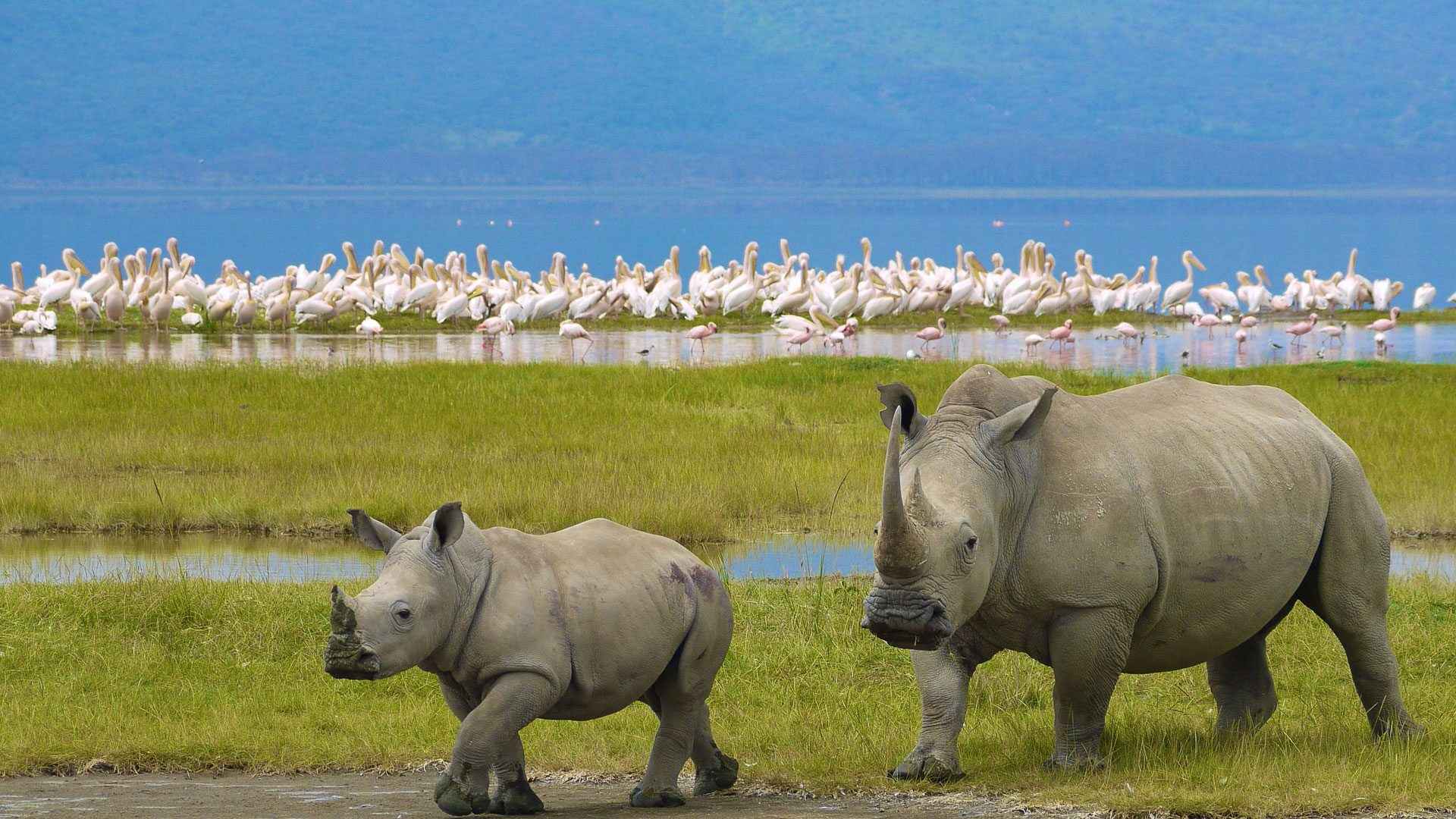
Day 2, Lake Nakuru. Spend a full day in Lake Nakuru National Park looking for flamingos, pelicans, raptors and woodland species, plus rhinos on the grassland. The shoreline is the main draw for birders, while the acacia woodland and the escarpment add songbirds and birds of prey. Read more about the park in our Lake Nakuru safari guide.
Day 3, Lake Baringo. Drive to Lake Baringo for cliff and lakeshore birding, including a boat trip and a guided walk for owls and nightjars. The mix of water, rock faces and thorn scrub means a very different species list from the day before.
Days 4 to 5: Kakamega Forest
Day 4, Baringo to Kakamega Forest. Drive west to Kakamega Forest, birding on the way. In the evening take a walk at the forest edge, when the light softens and the canopy comes alive.
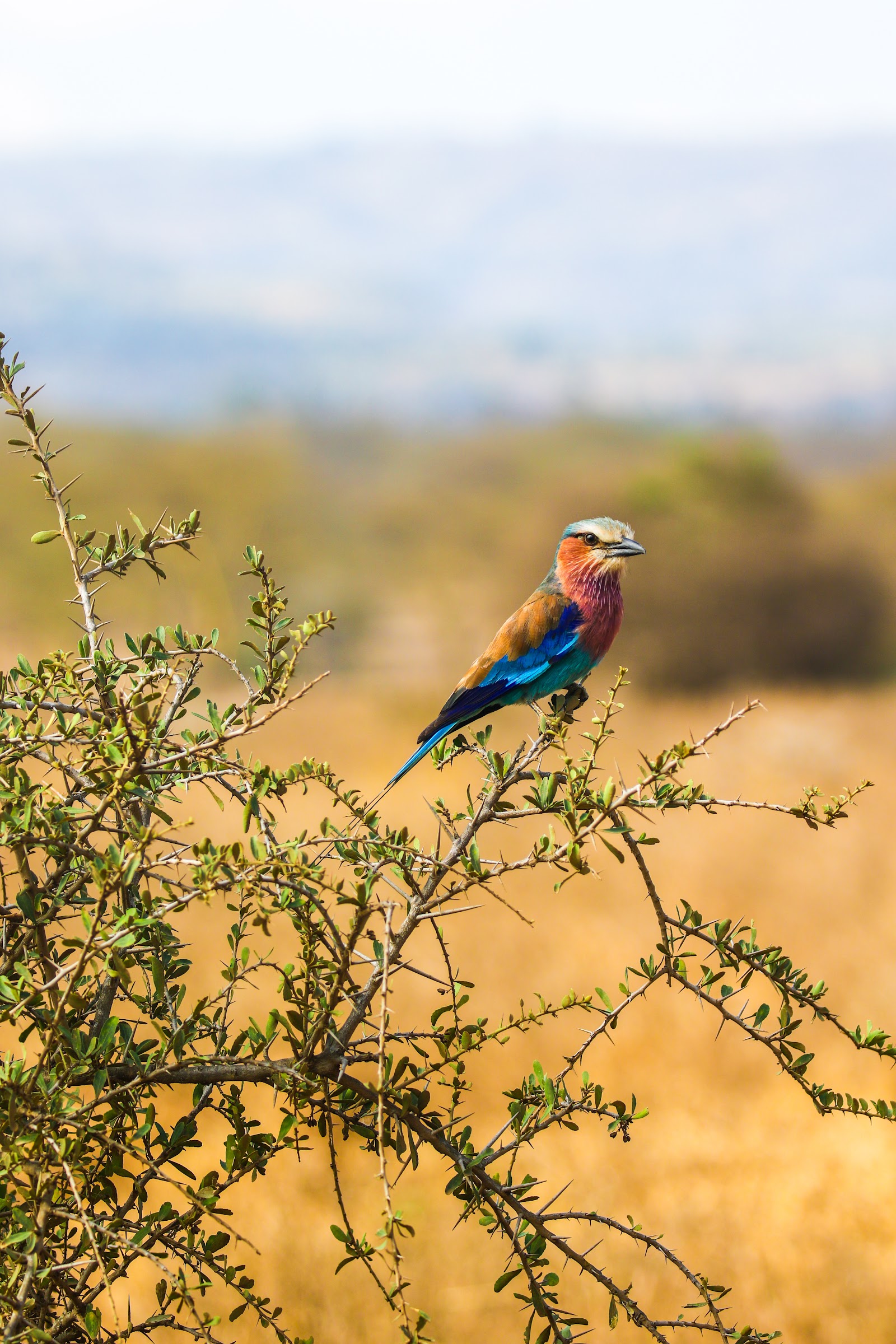
Day 5, a full day in Kakamega. Spend the day on forest trails looking for turacos, hornbills and other West African species found nowhere else in Kenya. Forest birding is slower and more patient than savannah birding, and your guide will use calls to bring birds into view. This is the day many birders remember most.
Days 6 to 8: The Masai Mara
Day 6, Kakamega to the Masai Mara. A long drive south to the Masai Mara, with roadside birding stops. Bring snacks and keep binoculars at hand, because open farmland and wetlands along the way often produce good sightings.
Day 7, Masai Mara. A game drive focused on grassland birds, raptors and bustards, with lions and elephants along the way. The open plains make it easy to scan for birds on the ground and in the air. Our Masai Mara safari page explains the reserve in more detail.
Day 8, Masai Mara to Nairobi. Enjoy a final morning of birding in the Mara, then return to Nairobi by flight or road for your onward journey.

Birds and Wildlife on a Kenya Birding Tour
Every stop on this itinerary offers a different set of birds. Here is what to look for in each habitat.
Rift Valley lakes: waterbirds and raptors
Lakes Naivasha, Nakuru and Baringo each hold different birds. Naivasha is the place for fish eagles, kingfishers and herons. Nakuru is known for flamingos and pelicans, with raptors and woodland species in the surrounding park. Baringo adds cliff birds and, after dark, owls and nightjars. Boat trips on two of the lakes get you much closer to the birds than you could manage from the shore.
Kakamega Forest: West African species
Kakamega is Kenya’s last remnant of Guineo-Congolian rainforest, and it holds turacos, hornbills and other birds that you will not find anywhere else in the country. Many Kenya birding tour itineraries skip it because it lies far from the main safari circuit, which is exactly why it is worth the journey.
Masai Mara: grassland birds and big game
The Mara’s open plains are good for raptors and bustards, and the same game drive can include lions and elephants. Non-birding companions usually enjoy this part of the trip the most, and birders are rarely bored either.
Accommodation and Pace on the Tour
You stay in lodges and camps chosen for their position next to good birding habitat, on a full-board basis while on safari. Early starts are normal because birds are most active just after dawn, so expect early breakfasts and a relaxed pause in the middle of the day. Drives are a mix of short hops between lakes and longer transfers to Kakamega and the Mara. You can browse the style of stays we use on our Kenya lodges and camps page.
Best Time for a Kenya Birding Tour
Birding is good all year in Kenya, but the season changes what you see. The headline months are November to March, when Palearctic migrants from Europe join the resident species.
- January to March: hot, mostly dry weather with migrants still present and good visibility.
- April to May: the long rains bring green landscapes, fewer visitors and some muddy roads.
- June to October: the dry season, with easy driving and clear skies. Migrants are largely away, but resident birds are active.
- November to December: the short rains and the return of Palearctic migrants. The rains also bring many birds into breeding plumage.
How Much Does a Kenya Birding Tour Cost?
This Kenya birding tour starts from USD 2,050 per adult sharing. The final price depends on the season, the accommodation and your group size. Birding clubs and larger groups benefit from sharing vehicles and the lead guide. For a wider budgeting guide, read how much an African safari costs.
What Is Included and Not Included
- Private 4×4 safari Land Cruiser with a pop-up roof and a window seat for every guest
- Professional English-speaking driver-guide (German, Italian or French on request)
- Specialist bird guide
- Accommodation as listed in the itinerary
- Meals as listed, full board while on safari
- All park, reserve and conservancy entry fees
- Airport and hotel transfers
- Bottled drinking water in the vehicle
Not included: international flights, the Kenya eTA (about USD 30 per person), travel insurance, tips and gratuities, drinks, personal expenses and optional activities not listed as included.
Photography on a Kenya Birding Tour
Bird photography rewards patience and a long lens. A lens of 400 mm or more helps with small and distant birds, and a monopod or beanbag steadies the camera from the vehicle window. Early morning and late afternoon give the best light, while the boat trips offer low angles over the water. In the forest, light is dim and birds move quickly, so a fast lens and a high ISO setting help. Your guide will position the vehicle for the sun and for a clean background, and will tell you when a bird is likely to stay put.
What to Pack for a Kenya Birding Tour
- Good binoculars, a field guide to the birds of East Africa and a notebook or app for your list.
- Neutral clothing in khaki, olive or brown, plus a warm layer for early mornings.
- A wide-brimmed hat, sunglasses and high-factor sunscreen.
- Waterproof jacket for rain in the forest.
- Closed, comfortable walking shoes for forest trails.
- Insect repellent and any malaria prevention recommended by your doctor.
- A camera with a telephoto lens, spare batteries and memory cards.
Visas, Health and Safety
Most visitors need a Kenya eTA before arrival, so apply online ahead of your trip and check the current rules for your nationality. Malaria is present in much of Kenya, so speak to your doctor about prevention, and take out travel insurance that covers medical evacuation. For official information, see Magical Kenya and the Kenya Wildlife Service for park rules.
Kenya Birding Tour FAQs
How many species can I see on a Kenya birding tour?
Keen birders typically record 300 to 450 species on an eight-day route through these habitats, depending on season and effort.
When is the best time for birding in Kenya?
November to March is excellent, when Palearctic migrants from Europe join the resident species. The rains also bring many birds into breeding plumage.
Is the guide a specialist birder?
Yes. You travel with a guide who specialises in birds, knows the calls and carries a scope. Tell us your target species before the trip.
Is this tour suitable for non-birding partners?
Yes. The route includes big game in Lake Nakuru and the Masai Mara, boat rides and forest walks, so non-birders enjoy it too.
Can a birding club book this as a group?
Yes. Birding clubs of up to 12 people are ideal, with two vehicles and a lead bird guide. We can tailor the route to your target list. If you prefer a fully tailored trip, see our private Kenya safari options.
A Typical Day on a Kenya Birding Tour
Birding days follow the rhythm of the birds. You wake early, usually before sunrise, with tea or coffee before you head out while the air is cool and the birds are most active. The first two or three hours are the most productive, with dawn choruses in the forest, waterbirds feeding on the lakes and raptors waiting for the first thermals.
By mid-morning you return for a full breakfast or move to the next site. The middle of the day is quieter for birds and hotter for people, so it is a good time for lunch, a rest, a swim where there is a pool and time to update your checklist. In the late afternoon you go out again for a second session in softer light, and on some evenings you add a short walk for owls and nightjars. Dinner is usually early, and many guests spend the evening comparing lists with their guide.
Who Is This Kenya Birding Tour For?
The tour is designed for birdwatchers and birding clubs, and it is popular with visitors from the UK, the Netherlands, Germany, Belgium and Scandinavia. It suits both experienced listers who want a long species total and relaxed birders who simply enjoy good company, good guiding and beautiful places. The route is gentle enough for most fitness levels, although the forest trails at Kakamega can be uneven and damp, and some of the days begin very early.
Non-birding partners are welcome too. The boat rides, the rhinos at Lake Nakuru and the big game of the Masai Mara give them plenty to enjoy, and they can choose to rest while the keen birders go out again in the afternoon.
Safari Etiquette and Responsible Birding
Good birding manners protect the birds and improve your chances of a sighting. Keep your voice low, move slowly and let your guide lead on the trail. Never play recorded calls to draw a bird out, especially in the breeding season or at sites where birds are already under pressure from visitors. Stay in the vehicle in the national parks and the Masai Mara unless your guide tells you it is safe to step out, and never feed or approach wildlife.
- Keep a respectful distance from nests, and do not disturb roosting owls or nightjars.
- Take all litter back with you, including used batteries and wrappers.
- Follow the rules of each park and reserve, which are set out by the Kenya Wildlife Service.
- Ask before photographing local people.
Practical Information for Your Kenya Birding Tour
Money and tipping
Kenya’s currency is the Kenyan shilling, but US dollars are widely accepted at lodges and camps. Tips are not included in the price. It is customary to tip your driver-guide, bird guide and camp staff for good service, and we can suggest a sensible amount before you travel.
Electricity and connectivity
Kenya uses the three-pin UK-style plug at 240 volts, so bring an adaptor if your devices use another standard, and a power bank for long days in the field. Mobile coverage is good in towns and patchy in remote areas, so do not rely on it for maps or bird apps. Download your field guide and checklist before you leave home.
Language, time and altitude
English and Swahili are the main languages, and your guides speak excellent English. Kenya is on East Africa Time, three hours ahead of UTC. Nairobi lies at about 1,800 metres above sea level, so you may notice the altitude on your first day, and drinking plenty of water helps.
Some travellers ask whether they should combine this itinerary with a classic safari. If you would like to add another park or extend your stay, we can build a tailored route, and you can see the range of options on our Kenya safari from Nairobi page.
Book Your Kenya Birding Tour
Send us your dates, group size and target species by WhatsApp or email, and we will reply with a written, itemised quote and a suggested route. A deposit secures your lodges and vehicle, and we send final documents and packing advice before you travel. You can also compare more routes on our Kenya safari packages page.
Overview
Kenya has recorded over 1,100 bird species, and this Kenya birding tour visits three very different habitats to see as many as possible. You start at the Rift Valley lakes of Naivasha, Nakuru and Baringo, continue to Kakamega Forest, Kenya’s last remnant of Guineo-Congolian rainforest, and finish in the grasslands of the Masai Mara.
You travel with a specialist bird guide who knows the calls and the best sites. From November to March, Palearctic migrants from Europe add to the resident species.
Best for: Specialist / small group. Popular with: Birdwatchers and birding clubs from the UK, the Netherlands, Germany, Belgium and Scandinavia. Best time: November–March (with Palearctic migrants).
Price is from USD 2,050 per adult sharing; the final cost depends on season, accommodation and group size.
Plan your trip
Our guides: Migratory Birds of Kenya, Kakamega Forest National Reserve and Birds of the Masai Mara.
Official information: Nature Kenya, the East Africa Natural History Society; Kenya Wildlife Service (park rules and fees).
Ready to go? Book this trip on WhatsApp and we’ll take it from there.
Highlights
- Specialist bird guide throughout
- Lake Baringo, Nakuru and Naivasha
- Kakamega's rainforest species
- Masai Mara grassland birds and big game
- Palearctic migrants from November to March


