

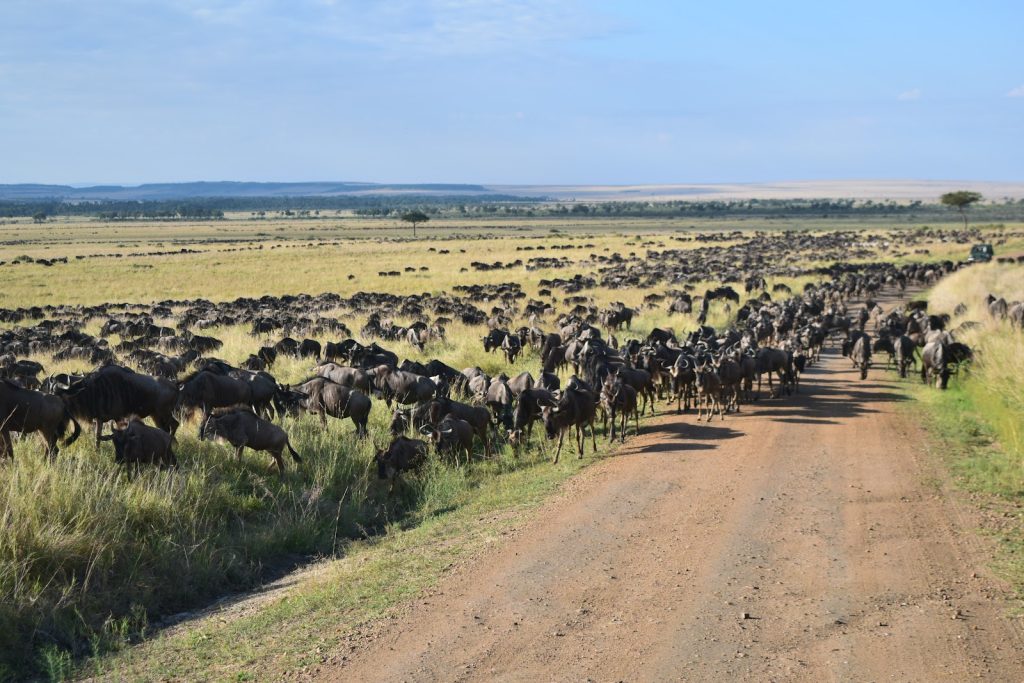
Great Migration 2027 is best planned around a typical window rather than a fixed date. In most years the wildebeest herds reach Kenya’s Masai Mara between July and August, the Mara River crossings peak from August to September, and the herds start heading back towards Tanzania in October. Nobody can promise a crossing on a particular day, so the smart plan is to book early and stay long enough to give the herds time.
Sense of Adventure is a licensed safari operator based in Nairobi (TRA licence TRA1/47/C01/77087). As we write, on 28 October 2026, the Great Migration 2027 season is roughly eight to twelve months away, which is exactly when the best camps begin to fill. This guide explains when and where to go, how the river crossings really work, Kenya versus Tanzania, how many days you need, where to stay, what we can and cannot say about 2027 costs, and how to book.
Table of Contents
✅ Great Migration 2027: The Quick Answer
- When: in a typical year the herds are in the Masai Mara from about July or August to October, with crossings most frequent in August and September. The exact timing can shift by several weeks.
- Where: the Masai Mara in Kenya and the northern Serengeti in Tanzania, on either side of the Mara River.
- Crossings: never guaranteed. Four or more days in the Mara gives you a much better chance, but still not a promise.
- How long: at least three full days in the Mara; four or five is better.
- Cost: our listed trips run from USD 590 to USD 4,600 per person. The Mara reserve fee is USD 200 per adult per day from July to December 2026; the 2027 schedule is unconfirmed.
- Booking: many months ahead. Popular riverside camps tend to fill first for August and September.
🦓 Planning for the Great Migration 2027?
Tell us your dates, group size and budget, and we will tell you honestly what is realistic. 💬 WhatsApp Us Now
When Is the Great Migration 2027 and Where Will the Herds Be?
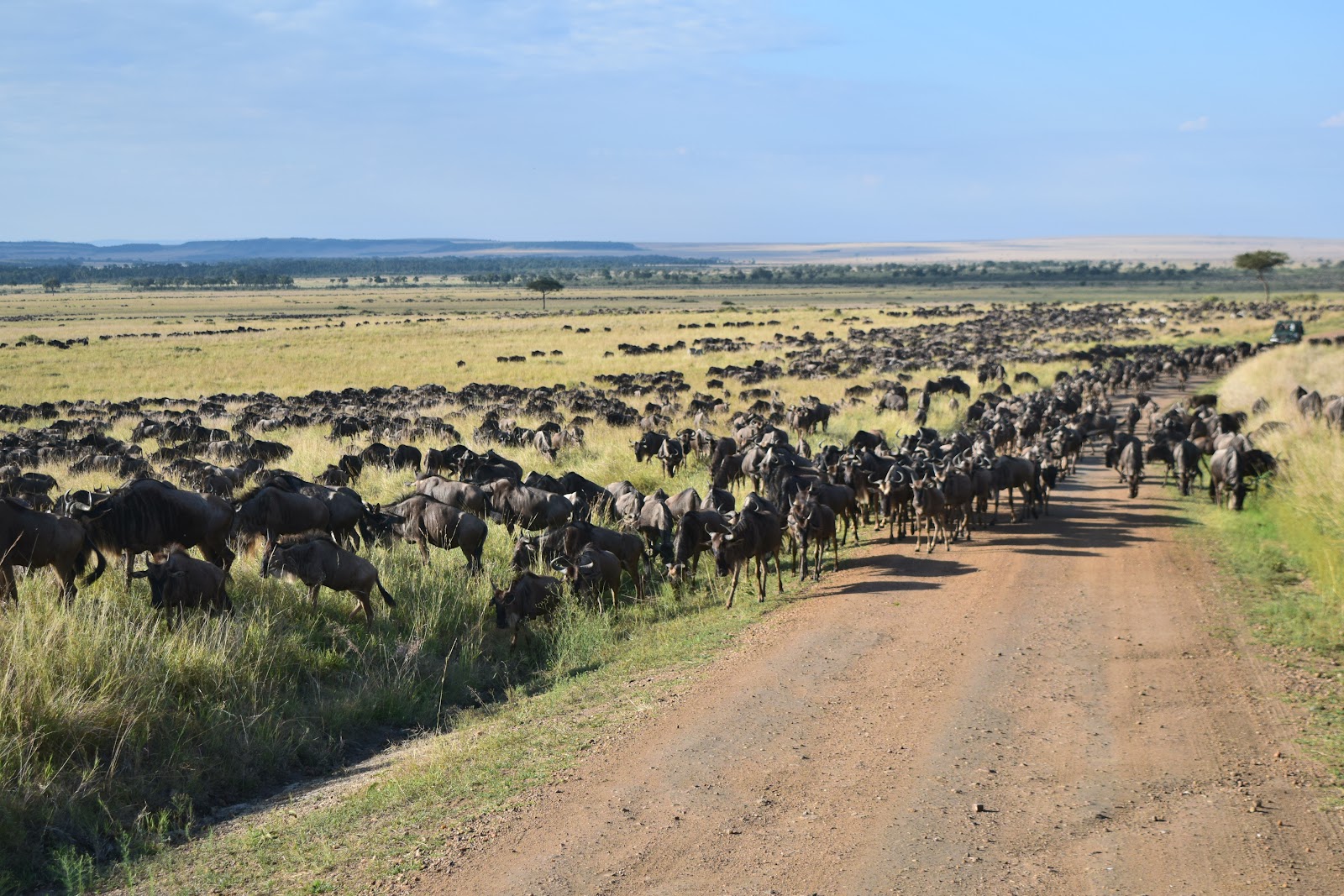
The Great Migration 2027 will follow the same yearly circle as every other year, and the herds will be in Kenya’s Masai Mara for only part of it, usually from July or August to October. The rest of the year they live in Tanzania’s Serengeti.
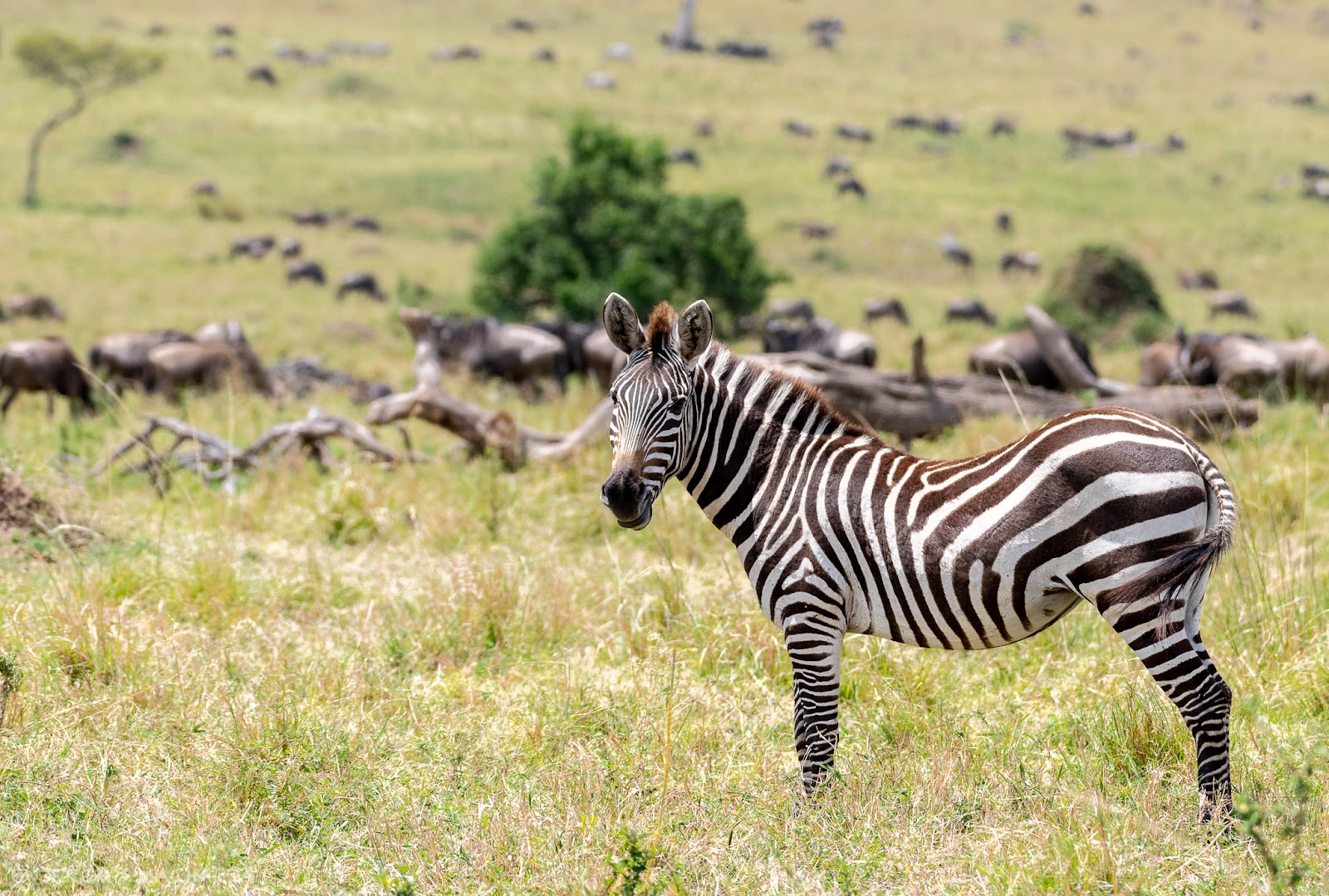
The migration is a continuous loop of roughly 1.3 million wildebeest, with plains zebra and Thomson’s gazelle travelling alongside (source: National Geographic on tracking the migration across the Serengeti). The animals follow the rain and the fresh grass it brings, not a calendar. That is why National Geographic notes the schedule can shift by several weeks every year, and why our guide on whether the Great Migration is guaranteed exists.
It is too early for anyone to publish reliable arrival dates for 2027. Rainfall in the Serengeti over the coming months will decide whether the herds reach the Mara River a little early, on time or late. What we can give you is the typical pattern, an honest read of the odds and a way to plan around the uncertainty.
Where the Herds Usually Are Month by Month
In a typical year the herds spend January to March on the southern Serengeti plains, move north and west from April to June, reach the Mara River around July, graze the Masai Mara until about October, and then drift south again.
| Months | Where the herds usually are | What it means for your plan |
|---|---|---|
| January to March | Southern Serengeti and Ndutu, Tanzania | Calving season; no river crossings |
| April to June | Central and western Serengeti, Grumeti area | Long rains, then herds heading north; smaller Grumeti crossings possible in Tanzania |
| July | Northern Serengeti, first herds entering the Mara | Early Mara River crossings are possible |
| August to September | Masai Mara and northern Serengeti | Peak herd numbers and the most frequent crossings |
| October | Mara, then moving south | Late-season crossings, often fewer vehicles |
| November to December | Heading south through Tanzania | Herds mostly out of Kenya |
This table is a summary. For a fuller month-by-month comparison of the two parks, read our guide to the Masai Mara or Serengeti by month, and for the animals themselves see our Great Migration Kenya guide.
What happens during calving season in Tanzania?
Calving season is when most wildebeest calves are born on the short-grass plains of the southern Serengeti and Ndutu, in a few weeks around late January and February. National Geographic describes several thousand calves a day at the peak. It is a spectacle of its own, with lions, cheetahs and hyenas hunting on open ground, but it happens in Tanzania, not Kenya. See our Serengeti calving season guide if that is the experience you want.

Best Months for Mara River Crossings: The Honest Odds
August and September are usually the best months for Mara River crossings, because the largest herds are in the Mara and the pressure on the river is highest, but no month gives a guaranteed crossing.
Here is how we describe each part of the season, using wording that matches what the herds really do:
- July: the first herds arrive, so crossings are possible and crowds are lighter, but numbers in Kenya are still building and it depends on the year.
- August and September: our usual advice for the best chance. The herds are at peak density, but camps and crossing points are also at their busiest.
- October: crossings often continue as the herds head south, with fewer vehicles at the river. National Geographic reports that crossings along the Mara and Sand Rivers can run from July to early November in some years.
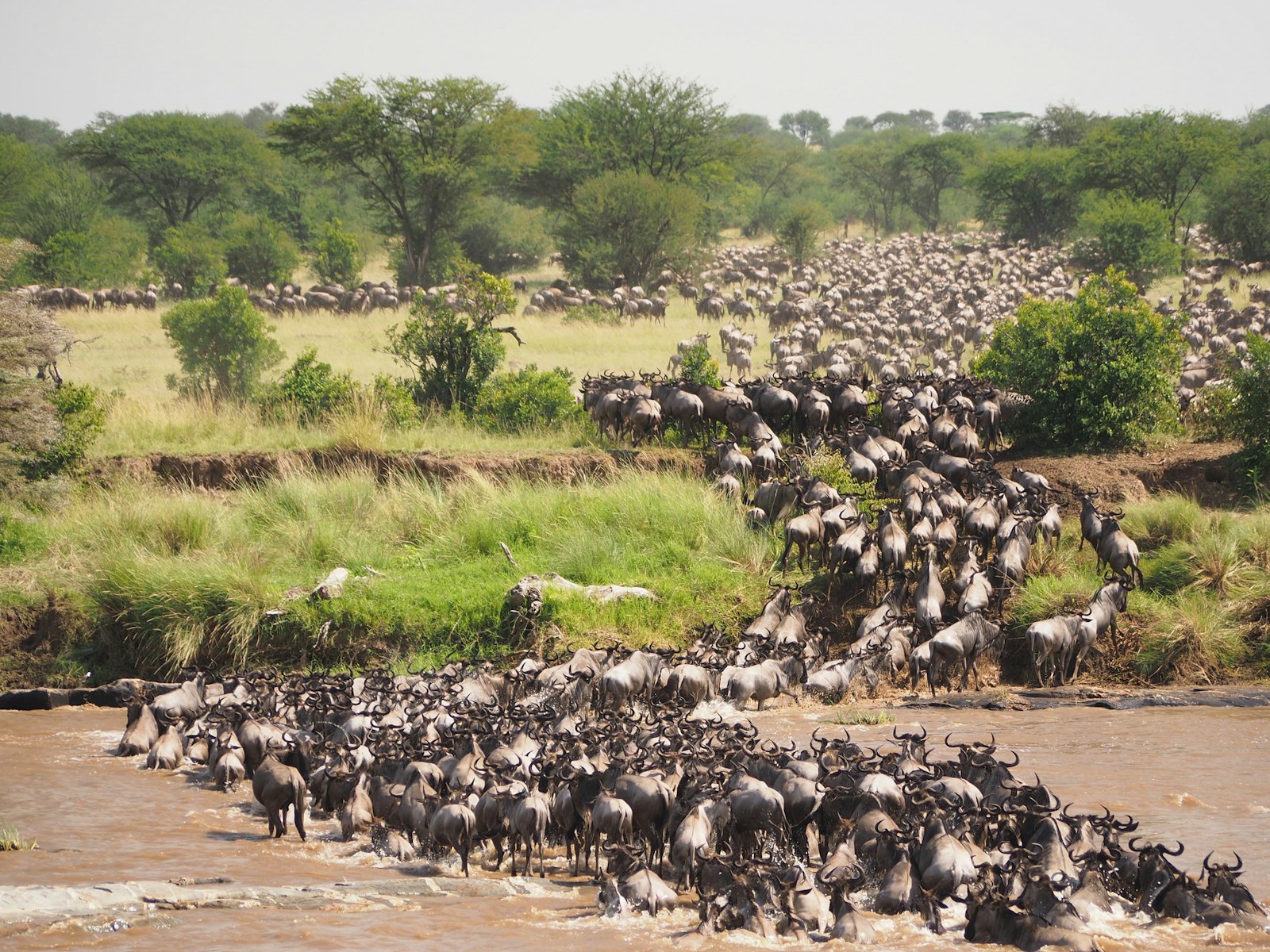
The honest part: herds can stand on the riverbank for hours or even days, turn back, and cross later or somewhere else. In the National Geographic story, the writer waited up to four hours for one crossing, and the guide’s longest wait was 12 hours. Many of our guests who spend four or more days in the Mara in peak season see at least one crossing, but some do not, and nobody can promise it. Our Great Migration river crossing guide covers the river in more detail.
Kenya or Tanzania for the Great Migration 2027?
For the Great Migration 2027 between July and October, Kenya is usually the easier and often better-value choice, while Tanzania is the better choice for calving season from January to March.
| Question | Masai Mara, Kenya | Serengeti, Tanzania |
|---|---|---|
| Best migration months | July to October | Most of the year, including calving from January to March |
| Size | Compact, so herds are concentrated | Huge, so herds are more spread out |
| Getting there from Nairobi | About 5.5 to 6 hours by road, or roughly an hour by light aircraft | Usually a flight or long drive via Arusha, plus a separate visa |
| Cost | Often lower for the same standard | Park and concession fees are generally higher |
| Crowds at crossings | Busier, because it is easy to reach and has many camps | Often quieter, with fewer camps per square kilometre |
The Kenya side is busier at crossings largely because it is compact and close to Nairobi, which means more camps and more vehicles in the same stretch of river. That is not a reason to avoid it, but it is a reason to choose your camp and guide carefully. Our guide to avoiding Masai Mara crowds shows how. For the price differences between the two countries, read Kenya vs Tanzania safari cost. If you have ten days or more, you can see both banks of the river on one trip, as explained in our Kenya and Tanzania safari guide.
How Many Days Do You Need to See the Herds?
You need at least three full days in the Masai Mara to see the herds well, and four or five days gives you a far better chance of a river crossing.
The reason is simple: crossings are about waiting. A short trip leaves little room for the herds to change their minds. A longer stay gives you several attempts at the river, plus time to watch the big cats that follow the herds. Our general guidance is below, and our guide on how many days you need for a Kenya safari covers the wider picture.
- Two nights: possible, but you risk missing a crossing, and travel time eats into the first and last day.
- Three to four nights: a sensible minimum, with decent chances of seeing the herds and a crossing in peak season.
- Five nights or more: best for crossings, photography and a calmer pace, because you can wait for the herds without rushing.
- Ten days or more: enough to combine the Mara with the northern Serengeti or with Amboseli.
Even with five nights, a crossing is not certain. If seeing one is the only thing that matters to you, tell us, and we will explain the risks plainly before you pay a deposit.
Where to Stay: Reserve, Conservancy or Mobile Camp?
The best place to stay for the herds is a camp that can reach the main Mara River crossing points quickly, whether that is inside the reserve, in a private conservancy next to it, or in a seasonal mobile camp.
- Inside the reserve: camps near the river put you closest to crossings. They tend to book first for August and September.
- Private conservancies: they limit vehicle numbers and usually allow night drives and walks, and you can still drive into the reserve for a crossing. They suit guests who want quieter sightings between river visits. Conservancies set their own fees, which camps often include in their rates.
- Mobile and seasonal camps: some camps move to follow the herds during the season and give a more authentic bush feel.
We deliberately do not claim that one named camp is the best, because the right choice depends on dates, budget and where the herds are that year. Browse our Kenya safari lodges and camps to see what is available, read Masai Mara reserve vs conservancies for the rules, and see where to stay in the Masai Mara by region for the geography.
Is a balloon safari worth adding?
A sunrise balloon flight is a popular add-on in the Mara because it shows you the scale of the plains from above. It costs extra and depends on the weather, and it does not improve your chances of seeing a crossing. Read our Masai Mara hot air balloon safari guide and ask for a current price in your quote.
Great Migration 2027 Costs and Park Fees
A Great Migration 2027 safari costs more than the same trip in the green season, because camp rates and Masai Mara reserve fees are higher from July, and the 2027 fee schedule has not been confirmed.
One figure is confirmed for 2026. The Masai Mara National Reserve is run by Narok County, and Kenyan media report that non-resident adults pay USD 200 per day from July to December 2026, up from USD 100 from January to June (source: K24 report on the new Mara fees). We could not confirm the schedule for July to December 2027, so we will not guess. Ask for the current fee in your quote, and check the Kenya Wildlife Service site for national park fees, which are set separately.
Camp rates for peak migration months are set camp by camp, and we have not found one published rule that applies everywhere, so we will not invent a percentage. What we can say is that August and September camps usually charge peak rates, and the lower-cost options are camping safaris, shorter stays and the shoulder months of July and October. For wider budgeting, see how much a Masai Mara safari costs. The real starting prices of our own trips are in the itinerary table below.
How to Book the Great Migration 2027 and How Far Ahead
Book the Great Migration 2027 many months ahead, because camps near the river commonly fill early for August and September, and our trip pages suggest 9 to 12 months ahead for the best choice.
We will not invent dates for when particular camps sell out, because that varies by camp and by year. What we can say is that the smallest and best-located camps usually go first, family rooms are limited, and flights into Nairobi are tighter in peak season. Our guide on how far in advance to book a Kenya safari explains the logic. Here is the simple process:
- Pick a window: August and September for the best chance, July or October if you prefer fewer vehicles or want flexibility.
- Choose a style: camping, mid-range tented camp, conservancy or a two-country route.
- Get a written quote: it should list camps, nights, park fees, inclusions and exclusions.
- Confirm with a deposit: this holds your camp and vehicle. See our guide to deposits and payment plans.
- Prepare to travel: apply for your eTA, arrange insurance and book flights once your dates are firm.
📅 Ask Us What Is Open for the Great Migration 2027
Send your dates and we will reply with real options, or an honest no. ✉ Send Us Your Dates on WhatsApp
Sample Great Migration 2027 Itineraries From Real Trips
These real Sense of Adventure trips are good starting points for a Great Migration 2027 safari, and each can usually be adapted to your dates, subject to availability.
| Trip | Length | Route | Listed from |
|---|---|---|---|
| Masai Mara and Lake Nakuru Camping Safari | 4 days | Masai Mara and Lake Nakuru | USD 590 per person |
| Kenya Group Safari | 6 days | Masai Mara, Lake Nakuru and Naivasha | USD 1,390 |
| Great Migration Safari, Masai Mara | 5 days | Masai Mara, timed for the herds | USD 1,450 |
| Great Migration Photographic Safari | 5 days | Masai Mara with a photographic guide | USD 2,400 |
| Kenya and Tanzania Classic Safari | 10 days | Masai Mara, Serengeti and Ngorongoro Crater | USD 3,500 |
| Great Migration Safari Kenya and Tanzania | 12 days | Masai Mara, northern Serengeti and Ngorongoro Crater | USD 4,600 |
For a river-focused trip, the Great Migration Safari puts four nights in the Mara, which fits our advice on days. If photography is the priority, the photographic safari adds a specialist guide and long hours in good light. If you want both banks of the river, the 10-day and 12-day routes cross into Tanzania. Compare all of them on our Great Migration safari packages page.
What to Expect at a Crossing and 9 Tips to Improve Your Odds
At a crossing, expect a long wait followed by a few loud, chaotic minutes: herds mass on the bank, often turn back several times, and then one animal commits and the rest follow into the water, past crocodiles.
Patience is the main skill. Most sightings begin with hours of watching, and the herds cannot be hurried. Good guides keep vehicles at a respectful distance, never drive into or block a herd, and follow reserve rules, because pressure from vehicles can stop a crossing or put animals at risk. Our article on whether safari tourism is ethical explains what responsible viewing looks like. Not every crossing is gentle: some animals are lost to crocodiles, strong currents or exhaustion, which is part of how nature works.
Here are nine practical tips to improve your odds, none of which is a guarantee:
- Aim for August or September if a crossing is your priority, and accept that it will be busy.
- Stay at least four nights in the Mara so the herds have time to move.
- Choose a camp near the river or in a conservancy with access to the reserve.
- Take full-day game drives with a picnic lunch so you can wait at the water.
- Use a private vehicle so you decide how long to wait.
- Trust your guide. Guides share herd information by radio and read the animals’ behaviour.
- Be flexible on dates; July and October can be calmer and still rewarding.
- Book early so you have a choice of camps near the river.
- Enjoy everything else. Lions, cheetahs, hyenas and vultures follow the herds, so even days without a crossing can be exceptional.
Packing and Entry Rules for the Migration
Pack light, neutral layers for cool mornings and dusty afternoons, and check Kenya’s entry rules early, because they changed in 2026 and are enforced before you fly.
- Clothing: neutral shirts and trousers, a warm layer for early starts, a hat and closed shoes. Our Kenya safari packing list has the full list.
- Gear: binoculars, a camera with spare batteries and memory cards, sunscreen, repellent and a soft bag if you fly on light aircraft.
- Kenya eTA: most visitors need an approved Electronic Travel Authorisation before boarding. Apply only through the official portal at etakenya.go.ke. The fee is from USD 30, depending on the type of application; check the portal for the current fee.
- Travel health insurance: Kenya introduced mandatory travel health insurance for most non-Kenyan visitors in October 2026. Our mandatory travel insurance guide explains the cover, and our Nairobi to Zanzibar layover guide covers the same entry points if you connect through Nairobi.
- Health: see a doctor or travel clinic well before you go about malaria tablets and vaccines.
These rules can change, so confirm them on official sites such as Magical Kenya before you travel.
Travelling from India, Malaysia, the USA, the UK or Australia? See our Kenya safari packages for your country: India, Malaysia, the USA, the UK and Australia.
Great Migration 2027 FAQs
When is the Great Migration 2027 in Kenya?
In a typical year the herds are in Kenya’s Masai Mara from about July or August to October, with crossings most frequent in August and September. The exact timing follows the rains and can shift by several weeks, and no 2027 dates can be confirmed yet.
Can anyone guarantee a Mara River crossing in 2027?
No. Herds can wait at the river for hours or days, turn back, or cross somewhere else. Staying four or more days in the Mara in peak season improves your chances, but no honest operator can promise a crossing.
Which month is best for Mara River crossings?
August and September are usually the best months, because the largest herds are in the Mara. July and October can also deliver crossings with fewer vehicles, depending on the year.
Is the migration better in Kenya or Tanzania?
Kenya is usually easier and often better value from July to October, while Tanzania’s southern Serengeti is best for calving from January to March. With ten days or more you can combine both.
How many days do I need for the migration?
Plan at least three full days in the Masai Mara, and ideally four or five. Longer stays give the herds time to move and give you more chances at the river.
How far ahead should I book for the Great Migration 2027?
Many months ahead. Camps near the river commonly fill early for August and September, and our trip pages suggest 9 to 12 months ahead for the best choice.
How much does a migration safari cost?
Our listed trips start from USD 590 per person for a 4-day camping safari, USD 1,450 for a 5-day Great Migration Safari and USD 4,600 for 12 days across Kenya and Tanzania. The Mara reserve fee is USD 200 per adult per day from July to December 2026, and the 2027 schedule is unconfirmed.
Where are the herds in January to March 2027?
In a typical year they are on the southern Serengeti plains and Ndutu in Tanzania for calving season, not in Kenya. Most calves are born in a few weeks around late January and February.
🏕 Plan Your Great Migration 2027 Safari With Sense of Adventure
Kenya-based experts. Real local knowledge. Transparent pricing. Tell us your dates and we will give you honest advice on timing, camps and the best trip for the herds. 💬 WhatsApp Us — Start Planning Today
Call or WhatsApp: +254 799 160 081
Related Safari Guides
- ›Great Migration River Crossing Guide
- ›Is the Great Migration Guaranteed?
- ›Masai Mara or Serengeti by Month
- ›How Far in Advance to Book a Kenya Safari
- ›Masai Mara Reserve vs Conservancies
Official travel & park resource: Kenya Wildlife Service ↗ · Magical Kenya ↗