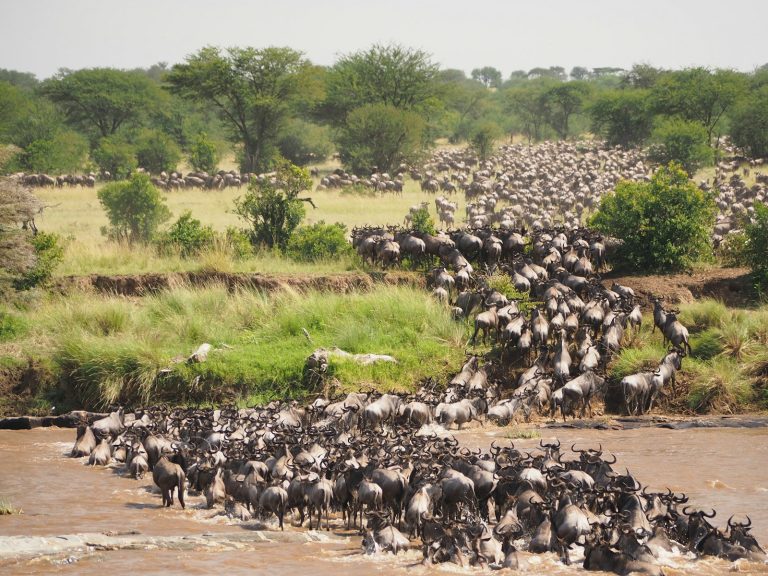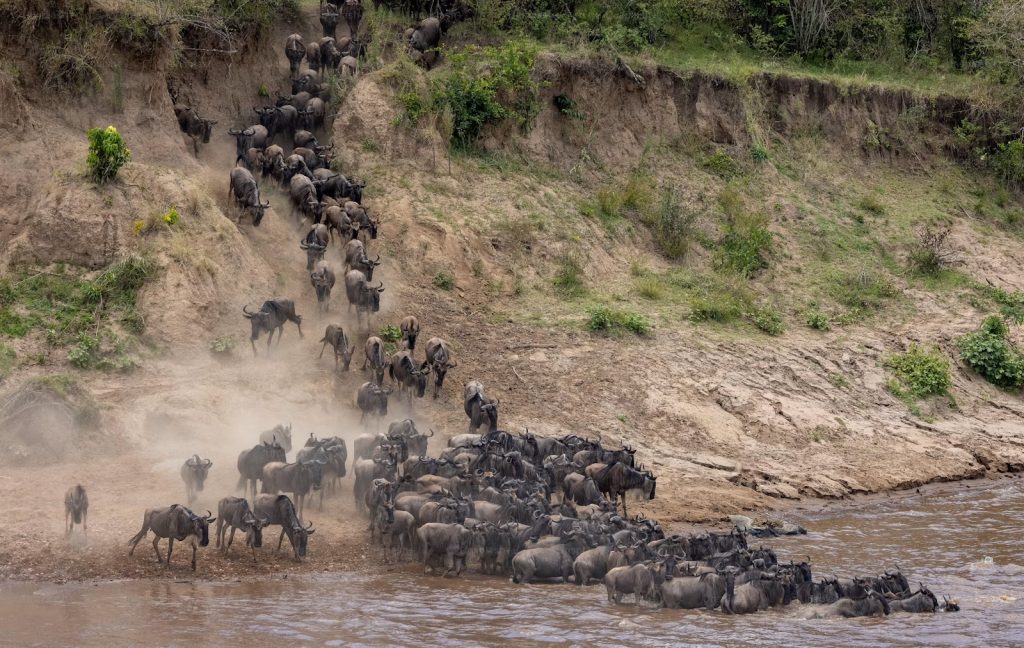
The engine is off. Below you, the Mara River slides past brown and fast, and on the far bank the wildebeest have been gathering for an hour, nudging forward, pulling back, lowing in a sound like distant traffic. A crocodile drifts into position. Your guide lowers his binoculars and whispers, “Wait.” Then one animal jumps, the bank collapses into motion, and the river fills with horns and spray. Around you there are only a few other vehicles, parked well back, as the Triangle’s rules require.
The Mara Triangle is the 510 km² western third of the Masai Mara National Reserve, bounded by the Mara River, the Oloololo Escarpment and the Tanzania border. Run since 2001 by the not-for-profit Mara Conservancy for Narok County, it is known for river crossings, big cats, strict sighting rules and very few lodges.
Sense of Adventure is a Nairobi-based safari company at Mountain Mall on Thika Road, licensed by Kenya’s Tourism Regulatory Authority (TRA1/47/C01/77087). We send guests into the Mara Triangle in every season. This guide covers what makes the Mara Triangle different from the rest of the Masai Mara: its history and management, the rangers and communities behind it, wildlife and honest odds, the river crossings, fees, gates and airstrips, rules, the best months, where to stay and a sample itinerary. For the whole reserve, read our Masai Mara National Reserve guide.

✅ Mara Triangle: The Quick Answer
- Where: the north-western part of the Masai Mara National Reserve in Narok County, west of the Mara River and below the Oloololo Escarpment, bordering Tanzania’s Serengeti.
- Best for: Mara River crossings, lions and cheetahs on open plains, calm sightings with fewer vehicles, and balloon flights.
- Best time: July to October for the migration; January to March for quiet, green plains and lower fees.
- Entry fee: non-resident adults USD 100 per day from January to June and USD 200 from July to December as reported for 2026; children 9 to 17 pay a child rate and under-8s enter free. Cashless only.
- How long to stay: three to four nights, with at least two full days near the river in migration season.
- Getting there: fly from Wilson Airport to Serena airstrip, or drive via Narok and Sekenani to Purungat Bridge, or via the Aitong route to Oloololo Gate.
🌍 Planning a Safari to the Mara Triangle?
Tell us your travel month and we will check space at the two lodges inside the Triangle and the camps on the escarpment above it.
🦓 Check Crossing-Season DatesPrefer to talk? 💬 WhatsApp Us Now or call +254 799 160 081
What Is the Mara Triangle?
The Mara Triangle is the part of the Masai Mara National Reserve that lies west of the Mara River, managed separately from the larger Narok sector to the east.
The Mara Conservancy describes it as 510 km², about one-third of the reserve. Its three sides are the Mara River to the east, the top contour of the Oloololo Escarpment to the west and the Tanzania border to the south, marked by white beacons. It is not fenced, so wildlife moves freely into the Serengeti and the surrounding conservancies.
The landscape is classic Mara: rolling red-oat grassland, scattered balanites and acacia, croton thickets and riverine forest of figs along the water. The escarpment, also called the Siria or Oloololo Escarpment, rises sharply above the plains and gives the Triangle its sense of enclosure.
Mara Triangle vs the Narok sector
Both are part of the same national reserve and share the same wildlife. The differences are in management and feel. The Triangle has only two permanent lodges inside it, fewer vehicles, a stricter approach to off-road driving and its own rangers. The Narok sector has many more camps and the famous Talek, Sekenani and Musiara areas. For a wider comparison, see our guide to the Masai Mara reserve vs the conservancies.
The History of the Mara Triangle
The Mara Triangle became a separately managed area in the 1990s, and since 2001 the Mara Conservancy has turned it into one of the best-run wildlife areas in Kenya.
According to the Mara Conservancy’s history page, in 1994 management of the reserve was split between Narok County Council in the east and the Trans Mara County Council in the north-west, the area now called the Triangle. Poaching, poor roads and lost revenue were serious problems. In 2000 the Mara Conservancy was set up as a not-for-profit management company to run the Triangle with the Trans Mara council.
From a five-year trial to a long partnership
A five-year agreement was signed on 25 May 2001, and operations began on 12 June 2001. It was extended in 2006. After Kenya’s 2010 constitution created county governments, the Narok County Government inherited the agreement, and a further ten-year management agreement was signed in 2016.
Today ranger offices sit at Oloololo Gate and Purungat Bridge, headquarters is at Iseiya, and ticketing is fully cashless. The Conservancy’s distribution-of-fees page says 55% of Triangle revenue goes to Narok County Government, with the rest funding management and the revenue collection agency, KAPS. Not a single lodge is owned by the Conservancy, which keeps its focus on conservation.
The People Behind the Mara Triangle
The Mara Triangle works because of its rangers, community scouts and the Maasai families who live along the escarpment, and your entry fee pays for them.
Mara Conservancy rangers patrol the river, the plains and the Tanzania border day and night. The Conservancy reports that over its 25 years it has collected more than 56,000 wire snares and arrested more than 5,000 poachers. It runs tracker-dog and ivory-detection dog units, a rhino surveillance team and a network of 15 community game scouts in the areas next to the Triangle.
Working with the communities around the Triangle
The Maasai communities of the Siria Escarpment and Trans Mara share their land with lions, elephants and hyenas. The Conservancy says it has vaccinated about 100,000 community dogs against rabies and canine distemper, protecting both people and wild carnivores. It also supports schools and early-years teachers, builds dams, holds community barazas and makes consolation payments when wildlife kills livestock.
Many of the guides you will meet grew up in these villages. They know the escarpment paths, the crossing points and the names of the lion prides, and their work depends on visitors.
Expert tip from our Nairobi team: ask your guide how the Triangle’s rules have changed game viewing since 2001. It is a good conversation, and it helps you understand why waiting patiently at a respectful distance often gives you the best sighting of the day.
Wildlife in the Mara Triangle: What You Will See
The Mara Triangle offers superb year-round game viewing, with lions, elephants, buffalo and plains game on almost every drive and good chances of cheetah and leopard.
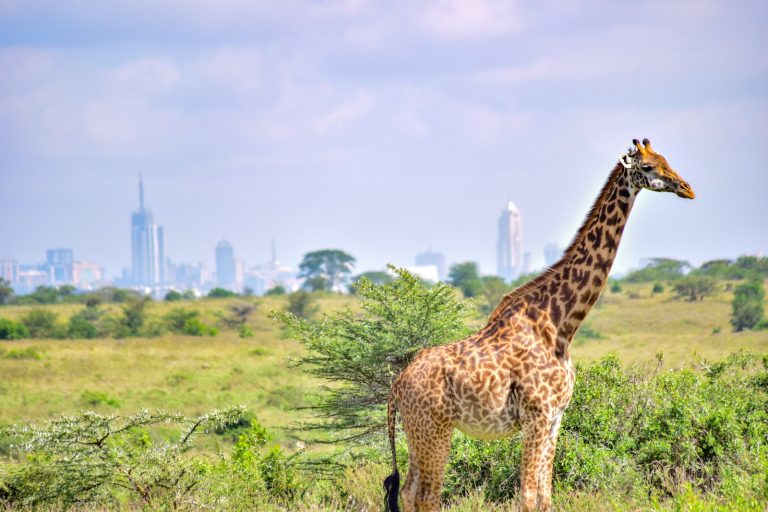
The Conservancy notes that many resident lion prides hold territories in the Triangle for generations. Open plains suit cheetah, the river and thickets hold leopard, and the Mara River is full of hippo and crocodile. Topi, Thomson’s and Grant’s gazelle, Masai giraffe, zebra, eland, warthog and spotted hyena are everywhere, and the area is excellent for raptors.
Your honest sighting odds in the Mara Triangle
| Species | Chance on a 3-night stay | Notes |
|---|---|---|
| Lion | Very high | Several resident prides; often seen on the plains and near the river. |
| Elephant and buffalo | Very high | Herds move between the plains, the river and the escarpment. |
| Hippo and crocodile | Almost certain | At the Mara River and its hippo pools. |
| Cheetah | Good | Open grassland suits them; never guaranteed. |
| Leopard | Fair to good | Look in riverine forest and croton thickets with a patient guide. |
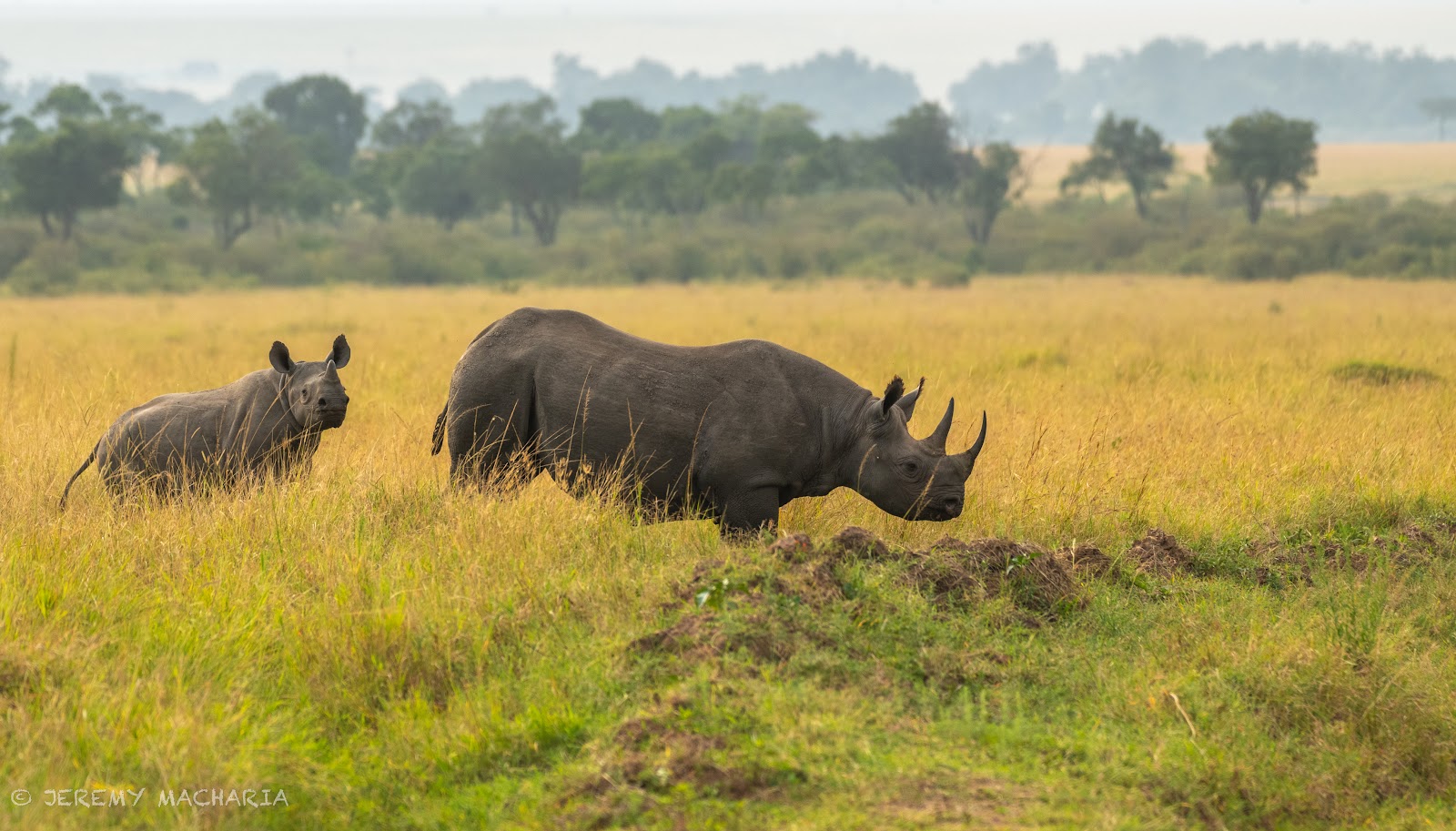
| Black rhino | Low | The Conservancy reports a resident population of more than ten; sightings are a rare bonus. |
| Wildebeest migration | Seasonal | Usually from June or July until about October or November. |
The Mara Triangle black rhino story
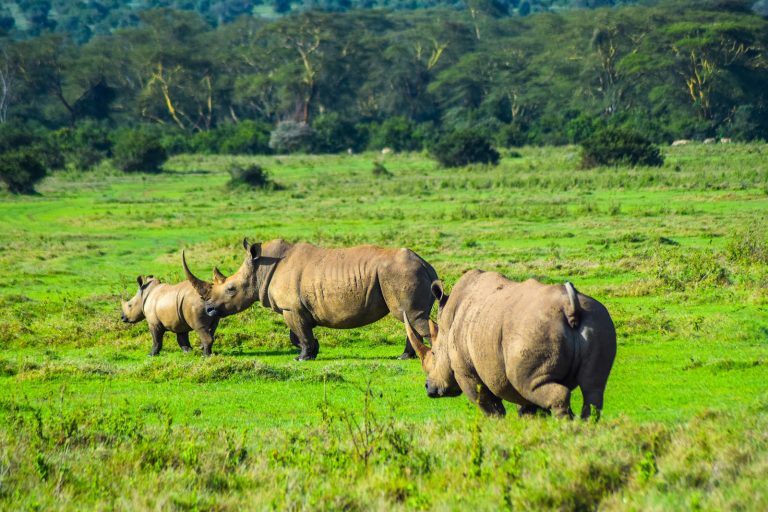
The Mara Conservancy’s rhino page tells a remarkable recovery. In 1971 the reserve held about 120 black rhinos; by 1984, after heavy poaching, only 18 were left. When the Conservancy took over in 2001 there was only one known rhino in the Triangle. Today it reports a resident population of more than ten, watched daily by a dedicated surveillance unit. For the wider story, read our guide to Masai Mara rhinos.
The Great Migration in the Mara Triangle
The wildebeest migration usually reaches the Mara Triangle in June or July and can stay until November, with Mara River crossings the highlight from about July to October.
The Mara Conservancy puts the wider Mara-Serengeti migration at more than a million wildebeest, with zebra, eland and gazelle moving alongside them. Herds arrive from the Serengeti in the south, often reach the Sand River area first, then spread north across the plains and back and forth across the river.
Watching a crossing responsibly
Crossings are wild, unpredictable events. Herds may gather for hours and then turn away. The Triangle’s guidance is clear: stay in your vehicle, keep quiet, do not drive too close to the crossing point and never block the animals’ path up or down the bank. Purungat Bridge is one of the few vehicle links between the Triangle and the rest of the reserve, so plan full days on your side of the river.
For timing advice, see our Great Migration 2027 guide and our honest answer to whether the Great Migration is guaranteed.
Things to Do in the Mara Triangle
In the Mara Triangle you spend most of your time on game drives, with dawn balloon flights, picnics by the river and cultural visits outside the reserve as extras.
Game drives and full days at the river
Morning and afternoon drives are the rhythm of each day. In migration season, a full-day drive with a picnic lets you wait at the river without rushing back to camp. Drives run in daylight only: night drives and walking safaris are not part of game viewing inside the reserve.
Hot-air balloon flights
Balloon flights lift off at dawn from the Triangle and drift over the plains for about an hour, followed by a bush breakfast. Balloon fees form part of the Triangle’s revenue, so your flight helps fund management. Book well ahead for July to October.
Escarpment views and Maasai visits
Camps on the Oloololo Escarpment offer guided walks, sundowners and Maasai village visits on community land outside the reserve. The view from the top, looking down across the Triangle to the Serengeti, is one of the finest in Kenya.
🎈 Balloon, River Day or Both?
Tell us how many days you have and we will plan the right mix of river days, a balloon flight and quieter plains drives in the Triangle.
🗺 Plan My Triangle DaysMara Triangle Entry Fees for 2026
Mara Triangle entry fees are charged per person per 12-hour day, cashless only, with higher non-resident rates from July to December.
The Mara Conservancy publishes its fee tables on its official Mara Triangle conservation fees page. The reserve’s 2026 non-resident rates have been widely reported as USD 100 per adult per day from January to June and USD 200 from July to December, with a USD 50 child rate. Because fees change, we confirm the current figures in writing when we quote. See our Kenya national parks entrance fees 2026 guide for other parks.
| Visitor category | January to June | July to December |
|---|---|---|
| Non-resident adult | USD 100 per day (reported 2026) | USD 200 per day (reported 2026) |
| Non-resident child (9 to 17) | USD 50 per day | USD 50 per day |
| Children 8 and under | Free | Free |
| Kenyan citizens and East African residents | Resident rates in KES; see the official fee page | Resident rates in KES; see the official fee page |
| Vehicles, camping, landing | Separate fees on the official page | Separate fees on the official page |
How Mara Triangle tickets work
- 12-hour tickets: a ticket covers 06:00 to 18:00, whatever time you enter, and does not carry overnight.
- Cashless only: pay by M-Pesa or card, online through KAPS or at Purungat Bridge, Oloololo Gate or Serena airstrip.
- Resident rates: apply to residents of Kenya, Uganda, Tanzania, Rwanda and Burundi with valid ID. A driving licence is not accepted.
- Coming from the Narok side: if you are staying in the Triangle, you pay when you enter at Purungat Bridge.
- Campers: must hire two rangers for night security.
Expert tip from our Nairobi team: if your dates are flexible, a stay in late June or early November can catch migration herds while avoiding the higher July to December fee for part of your trip. Ask us to price both options side by side.
📅 Get a Free, No-Obligation Safari Quote
There are very few beds inside the Mara Triangle, and the best camps book early for migration season. Send us your dates for a written quote with every fee shown.
✉ Send Us Your Dates on WhatsAppGetting to the Mara Triangle
You can reach the Mara Triangle by a scheduled flight from Wilson Airport to Serena airstrip in about an hour, or by road from Nairobi in roughly six to seven hours.
By air
Scheduled light aircraft fly from Nairobi’s Wilson Airport to the Mara airstrips several times a day. Serena airstrip lies inside the Triangle, and Kichwa Tembo airstrip serves camps just outside it. Light aircraft limit you to soft bags of about 15 kg, so read our safari luggage weight limits guide.
By road
The Conservancy gives two road routes. For Mara Serena, the fastest way is via Narok on the tarmac to Sekenani Gate, then across the reserve to Purungat Bridge. For camps on the escarpment, such as Angama, Kichwa Tembo or Kilima, use the Aitong route to Oloololo Gate. Driving from Oloololo Gate to Purungat Bridge on the main road takes a little over an hour. Our Nairobi to Masai Mara distance guide compares road and air in detail.
| Route | Time | Notes |
|---|---|---|
| Wilson Airport to Serena airstrip | About 45 to 75 minutes | Depends on stops; inside the Triangle |
| Nairobi to Narok to Sekenani to Purungat Bridge | About 6 to 7 hours | Tarmac to Sekenani, then reserve roads |
| Nairobi via Aitong to Oloololo Gate | About 6 to 7 hours | Best for escarpment camps |
| Oloololo Gate to Purungat Bridge | A little over 1 hour | Main road at 50 km/h |
Mara Triangle Rules and Gate Times
The Mara Triangle has some of the clearest park rules in Kenya, designed to protect wildlife and keep sightings calm for everyone.
- Gate hours: gates open at 06:00 and close at 19:00; no vehicle may enter after 18:30.
- Off-road driving: banned in High-Use Zones. In Low-Use Zones, vehicles may leave the track only to approach lion, leopard or cheetah, no closer than 25 metres.
- Crowded sightings: when more than five vehicles are waiting, viewing is limited to 10 minutes, and others wait 100 metres away.
- Speed: 50 km/h on graded roads and 30 km/h on other tracks, with speed cameras on some roads.
- Stay inside: do not leave your vehicle except at designated points, and do not stand on the roof or sit in the windows.
- No harassment: chasing, shouting or driving fast near animals can bring on-the-spot fines and, for unpaid fines, a six-month ban.
- Drones: do not fly drones without written authorisation from the authorities.
Before you travel, check the UK Foreign Office travel advice for Kenya and consider emergency evacuation cover.
Best Time to Visit the Mara Triangle
The best time to visit the Mara Triangle is July to October for the migration and river crossings, or January to March for green plains, newborn animals and lower fees.
The resident wildlife is excellent all year, so the choice depends on what you want to see and your budget. See our Kenya weather by month guide for more detail.
| Month | Weather | What to expect in the Triangle |
|---|---|---|
| January to February | Warm, mostly dry | Resident cats, young animals, low season fees |
| March | Warm, first showers | Green and quiet, few vehicles |
| April to May | Long rains | Lush and empty; some roads muddy, best rates |
| June | Cool and drying | Early herds may arrive late in the month |
| July to August | Cool, dry | Migration herds and the first crossings; peak fees |
| September to October | Dry, warming | Crossings and big-cat action; peak season |
| November | Short rains | Herds usually moving south; green again |
| December | Showers, warm | Resident wildlife; festive demand |
How Many Days Do You Need in the Mara Triangle?
Plan three to four nights in the Mara Triangle, and in migration season allow at least two full days near the river.
Crossings follow the animals’ timetable, not yours. Two full river days greatly improve your odds, and a third day leaves room for a balloon flight and a slower drive on the plains. Our guide to how many days you need on a Kenya safari helps you plan the whole route.
Where to Stay in and Around the Mara Triangle
Only two permanent lodges sit inside the Mara Triangle, Mara Serena Safari Lodge and the former Little Governors’ Camp, now Wilderness Mara, with more camps on the escarpment above.
The Conservancy confirms these are the only accommodations inside the Triangle, alongside private and public campsites booked through the reserve. Outside it, camps such as Angama Mara, Kichwa Tembo, Bateleur Camp and Kilima Camp sit on or below the escarpment and drive into the Triangle each day. For our full comparison, read Mara Triangle luxury camps, and for camps across the reserve see luxury lodges in the Masai Mara.
🏕 Inside the Triangle or on the Escarpment?
Sleeping inside saves time at the river; the escarpment gives views and walks. We will tell you honestly which suits your trip.
🛏 Help Me Choose a CampWhat to Pack for the Mara Triangle
Pack warm layers for cold dawns, light neutral clothes for hot afternoons and a camera with a long lens for river crossings.
- A fleece or down jacket for early drives and balloon flights.
- Khaki, olive or sand-coloured clothing; avoid bright white and dark blue.
- A wide-brimmed hat, sunglasses, sunscreen and insect repellent.
- Binoculars, a zoom lens of at least 300 mm and spare batteries.
- A light rain jacket from November to May.
- A soft duffel bag within the light-aircraft limit.
See our full what to pack for an African safari list.
Combining the Mara Triangle With Other Parks
The Mara Triangle pairs well with a Mara conservancy for walks and night drives, and with Laikipia or Amboseli by air.
- Mara conservancies: add two nights in Mara North, Naboisho or Olare Motorogi for walks and night drives. Compare them in Mara North vs Naboisho vs Olare Motorogi.
- Lake Naivasha: a relaxed stop on the road between Nairobi and the Mara.
- Laikipia: fly north for rhinos at Ol Pejeta or Lewa, or walk with Maasai guides at Il Ngwesi Conservancy.
- Amboseli: elephants under Kilimanjaro, a short flight away.

Sample 3-Day Mara Triangle Itinerary
This three-day plan gives you two full days in the Mara Triangle, with time for the river, the plains and a balloon flight.
- Day 1, Nairobi to the Triangle: fly from Wilson to Serena airstrip, lunch at your lodge, then an afternoon drive along the river.
- Day 2, the river: an optional dawn balloon flight, then a full day by the Mara River with a picnic, waiting for crossings in season or searching for leopard in the riverine forest.
- Day 3, the plains and home: an early drive across the plains towards the Tanzania border for cheetah and lion, then fly back to Nairobi or on to Laikipia or the coast.
Prefer a ready-made trip? Our Fly-in Masai Mara Luxury Safari (4 days), Great Migration Photographic Safari (5 days) and 3 Day Masai Mara Safari Package can be tailored to include the Mara Triangle. Message us for a quote, browse our Masai Mara safari packages, or ask for a fully private Kenya safari.
Mara Triangle FAQs
What is the Mara Triangle?
The Mara Triangle is the 510 km2 western third of the Masai Mara National Reserve, lying between the Mara River, the Oloololo Escarpment and the Tanzania border. Since 2001 it has been managed by the not-for-profit Mara Conservancy on behalf of Narok County Government, with its own rangers, rules and fee collection.
Is the Mara Triangle better than the rest of the Masai Mara?
Many guides prefer it because it has only two lodges inside, stricter sighting rules and fewer vehicles, so it feels calmer. It sits on the Mara River for crossings. The Narok sector has more camps and famous areas such as Talek and Musiara. The wildlife is the same ecosystem.
How much does it cost to enter the Mara Triangle?
For 2026, non-resident adults are reported to pay USD 100 per day from January to June and USD 200 from July to December, with a USD 50 child rate for ages 9 to 17. Under-8s are free. Tickets last 12 hours and payment is cashless. Check the official fee page before you travel.
When is the best time to see river crossings in the Mara Triangle?
Crossings usually happen between July and October, once the herds arrive from the Serengeti. The Mara Conservancy says the migration can arrive in June or July and stay until November. No one can predict the exact day, so plan at least two full days near the river.
How do you get to the Mara Triangle?
Most visitors fly from Nairobi’s Wilson Airport to Serena airstrip, inside the Triangle, in about an hour. By road, drive via Narok and Sekenani Gate to Purungat Bridge, or via Aitong to Oloololo Gate, which takes about six to seven hours. Escarpment camps are best reached through Oloololo.
Are night drives allowed in the Mara Triangle?
No. Game drives in the Mara Triangle run in daylight, with gates open from 06:00 to 19:00. Night drives and walking safaris are offered on private land outside the reserve, for example at escarpment camps or in the Mara conservancies such as Mara North, Naboisho and Olare Motorogi.
Which lodges are inside the Mara Triangle?
The Mara Conservancy lists only two permanent properties inside the Triangle: Mara Serena Safari Lodge and the former Little Governors’ Camp, now Wilderness Mara. Campsites can also be booked. Several camps, including Angama Mara and Kilima Camp, sit on the Oloololo Escarpment just outside the boundary.
Can you see rhinos in the Mara Triangle?
Yes, but sightings are rare. The Mara Conservancy reports a resident population of more than ten black rhinos, recovered from just one known rhino in 2001, and the whole Mara holds about 25 to 30. A dedicated rhino unit monitors them daily, and guides never crowd them.
🏕 Plan Your Mara Triangle Safari With Sense of Adventure
Kenya-based experts. Real local knowledge. Transparent pricing.
We know the Mara Triangle in every season. Tell us your dates and wish list, and we will plan your river days, your camp and your flights around the herds.
💬 Start My Triangle Safari✉ Email Our Mara TeamCall or WhatsApp: +254 799 160 081 · Email: info@senseofadventure.co.ke
💬 WhatsApp Us — Start Planning Today
Related Safari Guides
- › Masai Mara National Reserve Guide
- › Mara Triangle Luxury Camps
- › Is the Masai Mara Crowded?
- › Angama Mara Guide
- › Masai Mara Facts
Official travel & park resource: Kenya Wildlife Service ↗ · Mara Triangle: Mara Conservancy ↗ · Tourism: Magical Kenya ↗