
Most Masai Mara content covers the same handful of headline facts — the migration, the Big Five, the golden light — and skips the specifics that actually explain why the place works the way it does. The reserve’s name has a literal meaning most visitors never hear. Its current borders are younger than you’d think, shaped by a 1990s administrative split still visible in how the reserve is managed today. And the “1.3 million migrating wildebeest” figure everyone quotes isn’t actually how many are in the Mara at any given moment. Here are 12 real, verifiable facts worth knowing before you go.
See the Real Masai Mara for Yourself
Message us to plan a Masai Mara safari that goes beyond the postcard version.
Beyond the Postcard Version
The Masai Mara’s modern boundaries and management structure have a more layered history than the brochure summary suggests — protection began piecemeal in 1948, expanded into today’s reserve in 1961, and split into two administrative zones in 1994, a division that still shapes how the western Mara Triangle is run separately from the rest of the reserve. Meanwhile, some of the most-repeated wildlife statistics get quietly simplified in the retelling: the “1.3 million migrating wildebeest” figure describes the entire Serengeti-Mara ecosystem across both countries, not a number you’ll ever see standing in one place in Kenya alone. The facts below fill in what usually gets left out.
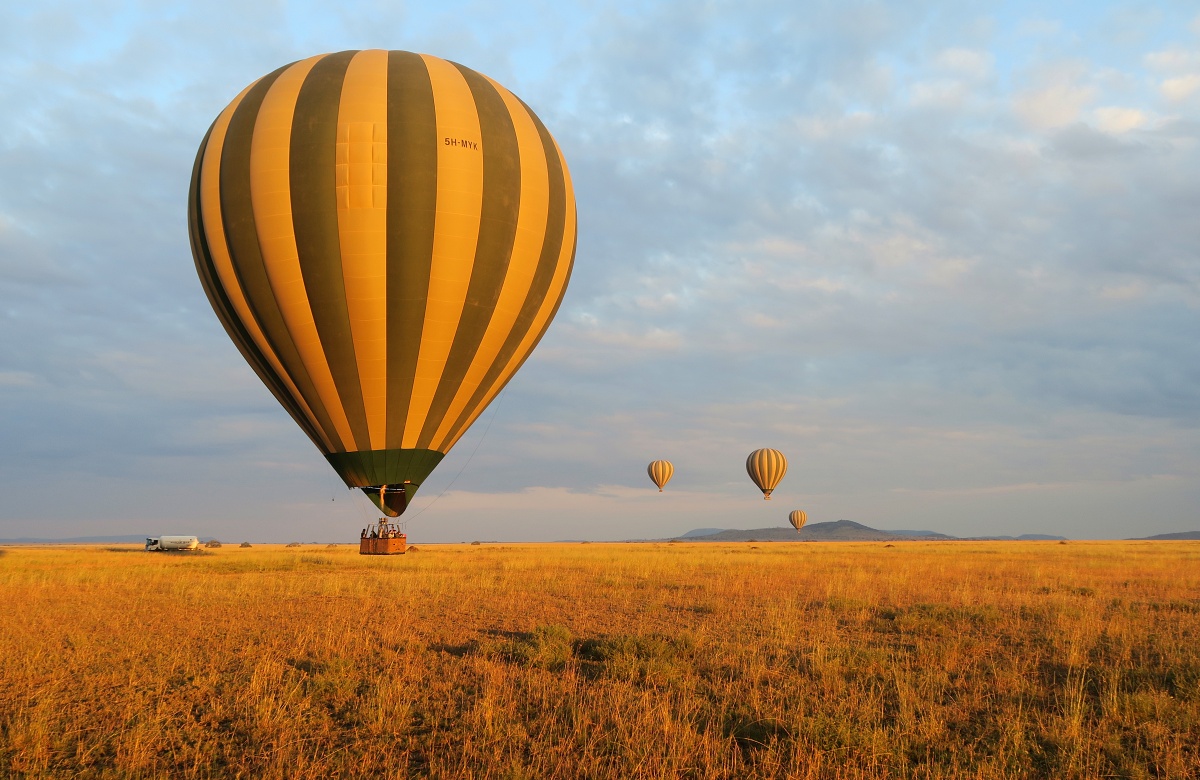
Our guide told us the “Mara” in Masai Mara literally just means “spotted” in the Maasai language — describing how the acacia trees dot the grassland — and somehow that one small fact made me look at the landscape completely differently for the rest of the trip, like I was finally seeing what the name was actually describing.
— Sense of Adventure guest, Masai Mara safari
12 Facts About the Masai Mara
1. “Mara” Means “Spotted” in the Maa Language — describing the scattered acacia trees across the plains
The reserve is named for the local Maasai people and their language; “Mara” translates to “spotted” or “dotted,” a literal description of the acacia-dotted grassland landscape.
2. Protection Began in 1948, Not 1961 — the Mara Triangle came first, as a wildlife sanctuary
The Mara Triangle (roughly 520km²) was gazetted as a Wildlife Sanctuary in late 1948 — the reserve’s actual legal origin, well before the 1961 expansion most sources cite as the starting point.
3. It Wasn’t Officially Named Until 1974 — gazetted as a Game Reserve in 1961, renamed 13 years later
The 1961 expansion (to roughly 1,831km² at the time, larger than today’s reserve) created a Game Reserve under Narok County Council management; the “Masai Mara National Reserve” name wasn’t adopted until 1974.
4. A 1994 Split Still Shapes Management Today — the Trans Mara Council took over the Mara Triangle
In 1994, the Trans Mara Council formed and took over management of the western Mara Triangle separately from the rest of the reserve — a division in local governance that persists in how the two zones are run.
5. The Mara River Is the Only Permanent River in the Ecosystem — critical to wildlife on both sides of the Kenya-Tanzania border
Despite the vast Serengeti-Mara ecosystem spanning two countries, the Mara River is the only permanently flowing river within it — which is exactly why migration crossings concentrate there.
6. It Shares a Formal Lion Conservation Unit with the Serengeti — jointly recognised since 2005
The Masai Mara and Serengeti have been managed as a single Lion Conservation Unit since 2005, reflecting how the two protected areas function as one connected ecosystem for the species.
7. Lion Density Here Is Among Africa’s Highest — up to 25 lions per 100km²
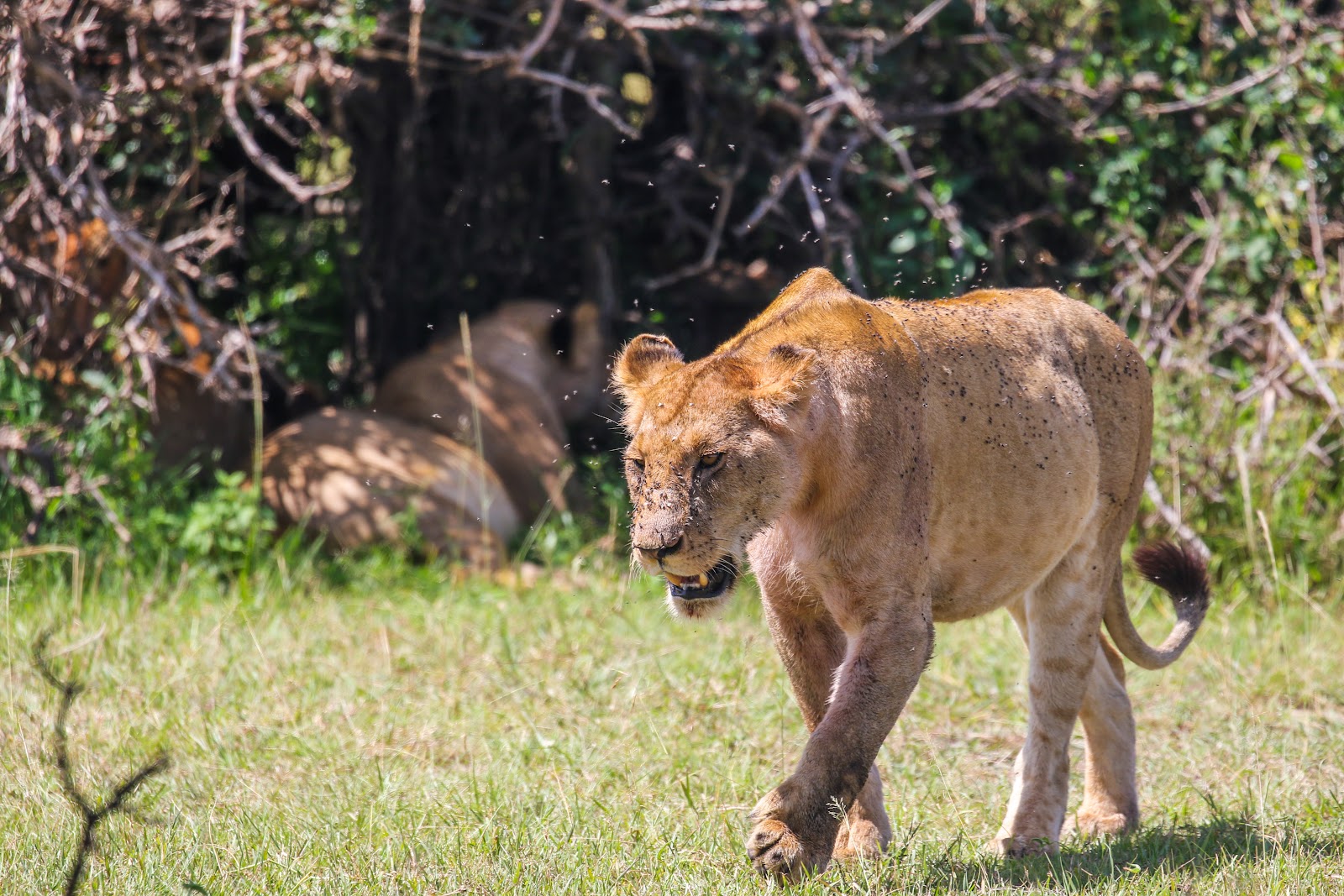
The Mara ecosystem supports 850-900 lions at densities reaching up to 25 per 100km² in the richest areas — figures that place it among the most lion-dense landscapes on the continent.
8. The “1.3 Million Migrating Wildebeest” Figure Is Ecosystem-Wide, Not Mara-Only — the Mara’s own resident count is much smaller
That widely quoted number describes the entire Serengeti-Mara migration across both countries; the Mara ecosystem’s year-round resident wildebeest population, separate from the migratory herds, was recorded at roughly 37,000 in a 2021 census.
9. Around 80 Individual Cheetahs Are Tracked Across the Ecosystem — making it one of Africa’s key cheetah strongholds
The Mara Cheetah Project monitors roughly 80 named individual cheetahs, a scale of individual tracking rare outside major research reserves.
10. You Legally Cannot Off-Road, Night-Drive or Walk Inside the Reserve — those activities only exist in the surrounding conservancies
The National Reserve enforces strict on-track, daytime-only rules; off-road tracking, spotlight night drives and guided walking safaris are only legal in the private conservancies bordering it. See our reserve vs conservancy guide for the full breakdown.
11. Crossing into the Serengeti by Road Means Switching Vehicles — a border rule most first-time visitors don’t expect
Since mid-2025, Kenyan-registered vehicles can’t enter Tanzanian parks and vice versa — travellers physically walk across the Isebania-Sirari border and change into a locally registered vehicle to continue.
12. Entrance Fees Double in Peak Season — $100 (Jan-Jun) rising to $200 (Jul-Dec) for non-residents
Unlike some Kenyan parks with flat year-round pricing, the Masai Mara’s non-resident entrance fee is seasonal, exactly doubling during the July-December migration and peak season.
Ready to Experience These Facts Firsthand?
Message us to plan a Masai Mara safari — we’ll build it around whichever of these facts interested you most.
Masai Mara Quick Reference
- First protected: 1948 (Mara Triangle Wildlife Sanctuary); expanded and gazetted as a Game Reserve in 1961; officially named Masai Mara National Reserve in 1974.
- Name meaning: “Mara” means “spotted” or “dotted” in the Maa language, describing the acacia-scattered grassland.
- Current size: 1,510km², with the Mara Triangle separately managed since a 1994 administrative split.
- Lions: 850-900 across the ecosystem, up to 25 per 100km² density.
- Resident wildebeest: roughly 37,000 year-round, distinct from the 1.3 million ecosystem-wide migratory figure.
- Border rule: vehicle swap required at Isebania-Sirari when crossing to the Serengeti by road since mid-2025.
Go Deeper on Any of These Facts
Read more on the Mara’s wildlife population numbers, the reserve vs conservancy rules, or crossing into the Serengeti.
The Real Masai Mara, Not Just the Postcard Version
Message us to plan a Masai Mara safari built around what actually makes this place remarkable.
Frequently Asked Questions
What does “Masai Mara” actually mean?
“Mara” means “spotted” or “dotted” in the Maa language, describing the landscape’s scattered acacia trees and bush; the reserve is named for the local Maasai people.
When was the Masai Mara first protected?
Protection began in 1948 when the Mara Triangle was gazetted as a Wildlife Sanctuary; the reserve was expanded and gazetted as a Game Reserve in 1961, and officially renamed the Masai Mara National Reserve in 1974.
Is the “1.3 million migrating wildebeest” figure the number in the Masai Mara itself?
No — that figure describes the entire Serengeti-Mara ecosystem across both Kenya and Tanzania. The Mara ecosystem’s own year-round resident wildebeest population, separate from the migratory herds, was recorded at roughly 37,000 in a 2021 census.
Can you do a night game drive in the Masai Mara?
Not inside the National Reserve, where night drives are illegal; they are only permitted in the private conservancies bordering the reserve.
Do entrance fees change by season in the Masai Mara?
Yes — non-resident entrance fees are seasonal, exactly doubling from $100 per adult (January-June) to $200 per adult (July-December) during peak migration season.