
African American travel to Kenya is growing fast, and the best trips pair a classic safari with the places that tell Africa’s human story: the fossils of our earliest ancestors in Nairobi, the Swahili coast and its Indian Ocean history, and time with Maasai and coastal communities. This guide explains what heritage means in Kenya, which sites to see, how to plan the route and what it costs.
Sense of Adventure is a licensed Nairobi safari company with our office at Mountain Mall on Thika Road. We plan private trips for American travelers every month, and many of the families, couples, church groups and friend groups we host tell us the same thing: they came for the wildlife, but the people, the language and the history are what stayed with them. Here is how to plan that kind of journey well.
Quick answer: African American travel to Kenya
- Honest roots: most African American ancestry traces to West and Central Africa, but Kenya holds the fossils of humanity’s shared beginnings and a rich Swahili and Indian Ocean history.
- Top heritage stops: the Nairobi National Museum, Olorgesailie, Bomas of Kenya, a Maasai community, Fort Jesus, Freretown, Gede and Lamu.
- Best length: 10 to 14 days for Nairobi culture, a safari and the coast.
- Cost: our 7-day Amboseli and Masai Mara safari starts from USD 1,650 per person sharing; the 3-day Swahili coast heritage tour from USD 550 per person sharing.
- Entry: a Kenya eTA from USD 30 plus mandatory travel health insurance of USD 44 per traveler, bought with the eTA.
Why Is African American Travel to Kenya Growing?
African American travel to Kenya has grown for three simple reasons. First, the United States is Kenya’s leading source market for visitors, and the Kenya Tourism Board has spent several years inviting Black American travel advisors, creators and travelers to experience the country’s culture, heritage and conservation. Second, Kenya is easy to reach: Kenya Airways flies nonstop from New York JFK to Nairobi, which our guide to the Kenya Airways JFK to Nairobi flight covers in detail. Third, travelers want more than a checklist of animals. They want a trip with meaning.
There is also the feeling of arriving somewhere familiar. Kenya is a majority-Black country with a confident, modern capital, a thriving creative scene and a warm culture of hospitality. Many of our American guests are greeted in Swahili on their first day because people assume they are Kenyan. Most find that moment both funny and moving.
The Swahili you already know
If your family celebrates Kwanzaa, you already speak a little Kenyan. The seven principles of Kwanzaa, the Nguzo Saba, carry Swahili names: Umoja (unity), Kujichagulia (self-determination), Ujima (collective work), Ujamaa (cooperative economics), Nia (purpose), Kuumba (creativity) and Imani (faith). Swahili is one of Kenya’s two official languages, so hearing these words in everyday life, on a market street in Mombasa or around a campfire in the Masai Mara, gives many visitors an unexpected sense of connection.
Is Kenya an Ancestral Homeland for African Americans?
We believe good heritage travel starts with honesty. Most enslaved Africans brought to the United States were taken from West and Central Africa through the transatlantic slave trade, so for most African Americans, direct ancestry lies in countries such as Nigeria, Ghana, Senegal, Angola or the Congo region rather than Kenya. Anyone who promises to trace your family to a Kenyan village without evidence is not being straight with you.
What Kenya offers is different, and in some ways deeper. The country’s fossil sites hold some of the oldest evidence of the human family, which makes Kenya part of everyone’s ancestral story. The Kenyan coast also carries its own history of the Indian Ocean slave trade and of freedom: Mombasa’s Freretown was founded in the 1870s as a settlement for Africans freed from slave ships, and their descendants still live there today. For many travelers, standing in those places is a powerful counterpart to a visit to Ghana’s Cape Coast or Senegal’s Gorée Island.
If a DNA test has shown East African ancestry in your family, tell us when you enquire. We cannot promise genealogy research, but ask us and we will check with local partners what is possible for your dates and build any community visits respectfully around it.
Which Heritage Sites Should You See in Kenya?
These nine experiences give African American travel to Kenya its depth. You do not need all of them; most travelers choose four or five and pair them with a safari.
1. The Cradle of Humankind gallery, Nairobi National Museum
The Nairobi National Museum holds one of the world’s most important collections of early human fossils, found across Kenya over the past century. Seeing the skulls and stone tools of people who lived here more than a million years ago is a quiet, humbling start to any heritage trip. Our Nairobi National Museum tour starts from USD 70 per person sharing.
2. Olorgesailie, where early humans made tools
South of Nairobi in the Rift Valley, Olorgesailie preserves Stone Age hand axes lying where they were made and left. Add flamingos and hot springs at Lake Magadi and you have one of Kenya’s most rewarding day trips. Our Olorgesailie and Lake Magadi day trip starts from USD 160 per person sharing.
3. Independence history in downtown Nairobi
Kenya won its independence from Britain in 1963 after a long struggle, and downtown Nairobi tells that story through its monuments, Parliament and the view from the rooftop of the Kenyatta International Convention Centre. Our Nairobi city tour starts from USD 75 per person sharing.
4. Bomas of Kenya
Kenya is home to more than 40 ethnic communities. At Bomas of Kenya you walk through traditional homesteads from across the country and watch an afternoon of song and dance. It is the best single introduction to Kenya’s diversity. Our Bomas of Kenya tour starts from USD 65 per person sharing.
5. A Maasai community visit
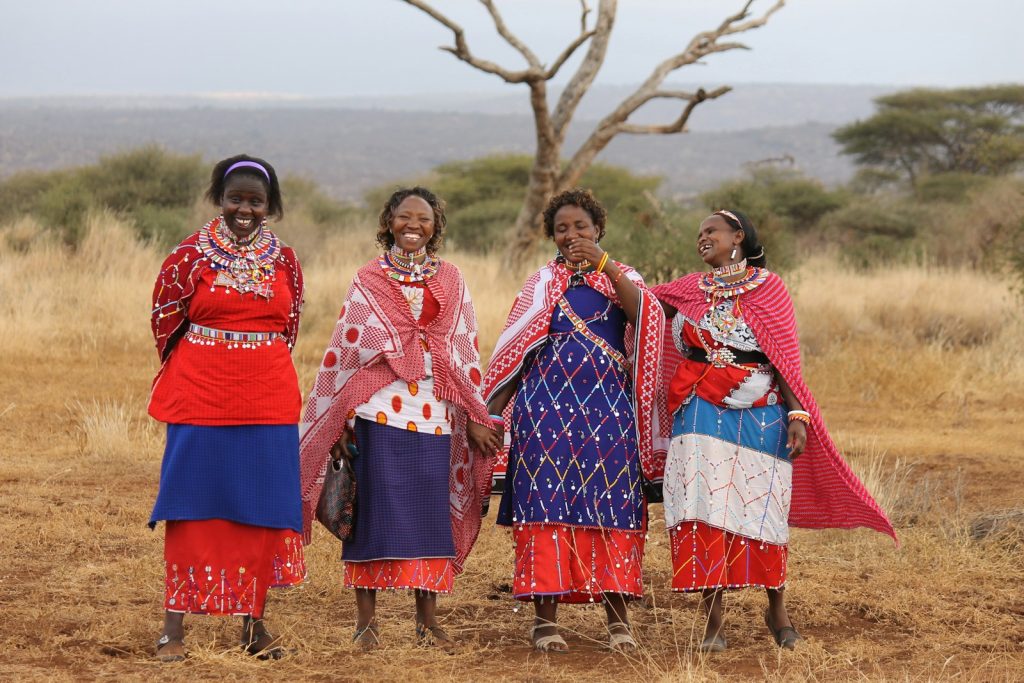
A well-run Maasai visit is a conversation, not a show. You learn how families raise cattle, build homes and pass on traditions, and you can ask about modern life too, from school fees to mobile money. Our 4-day Maasai cultural and wildlife safari pairs game drives in the Masai Mara with a village visit and starts from USD 1,100 per person sharing. Our cultural tours in Kenya page explains how visits work and the etiquette to follow.
6. Fort Jesus and Mombasa Old Town
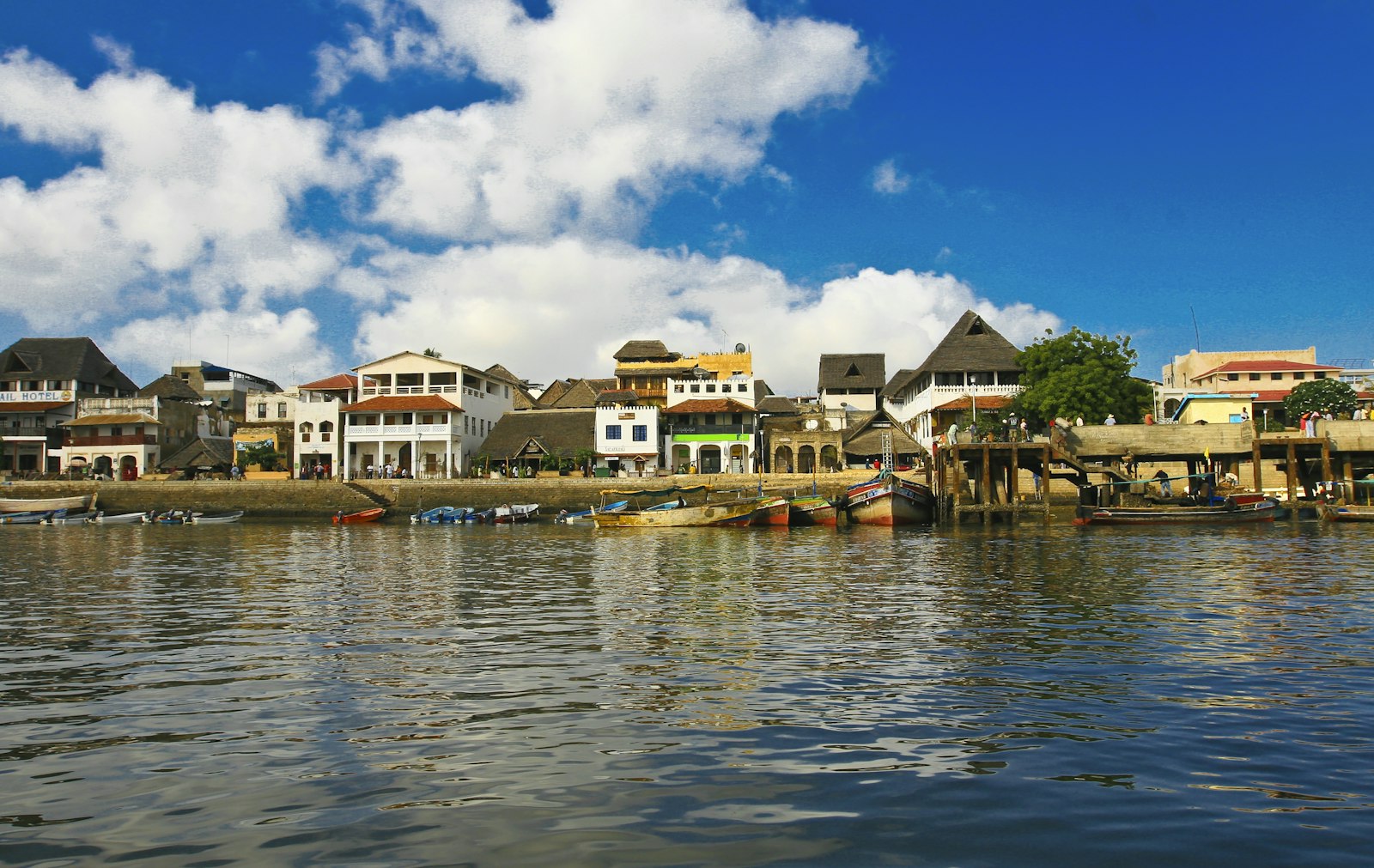
Built by the Portuguese between 1593 and 1596 and now a UNESCO World Heritage Site, Fort Jesus changed hands many times as powers fought over Indian Ocean trade, including the trade in people. Its museum and the narrow lanes of Mombasa Old Town around it explain how the Swahili coast linked Africa, Arabia and India for a thousand years.
7. Freretown and the story of freedom
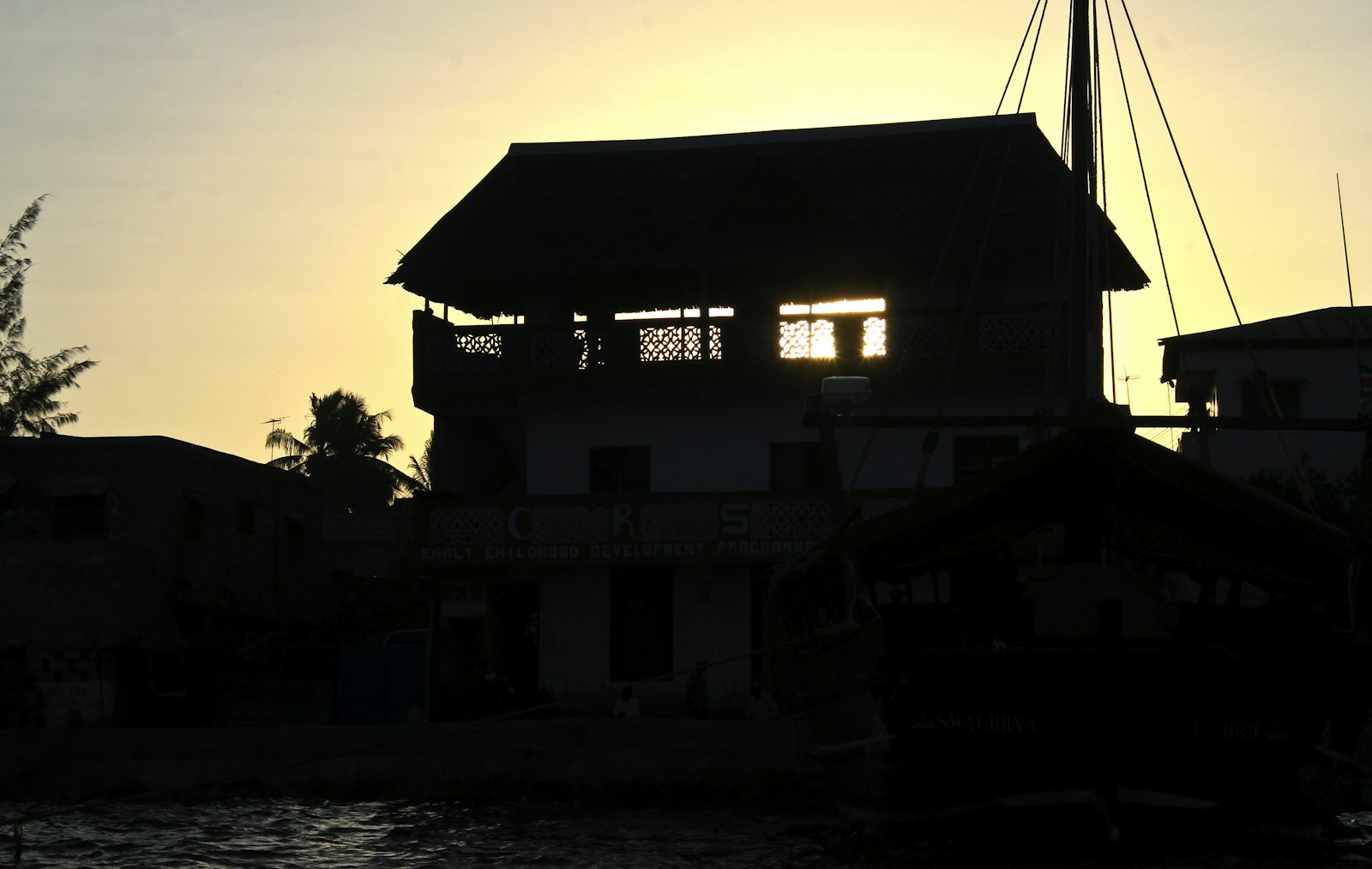
Across the creek from the Old Town, Freretown was settled in the 1870s by Africans rescued from slave ships, many of them originally from what are now Malawi, Zambia, Zimbabwe and Tanzania. Its old bell, once rung to warn of approaching slave ships, and its historic church still stand. For many travelers on an African American travel to Kenya itinerary this is the most emotional stop of the trip. Our 3-day Swahili coast heritage tour starts from USD 550 per person sharing; ask us to include Freretown and we will confirm what is possible for your dates.
8. Gede, a lost Swahili town in the forest
Near Watamu, the coral-stone ruins of Gede, a Swahili town that flourished from about the 10th to the 17th century, sit under huge forest trees. The historic town was added to the UNESCO World Heritage List in 2024. Our Gede Ruins and Mida Creek day trip starts from USD 110 per person sharing.
9. Lamu Old Town
Car-free Lamu, founded in the 14th century, is the oldest continuously inhabited town in Kenya. Donkeys still carry goods through its lanes, dhows still sail at sunset and the carved wooden doors tell the story of the craftsmen who made them. It is a slow, beautiful place to end a heritage journey.
💡 Expert tip from our Nairobi team: Leave room for food. Our Nairobi food tour (from USD 85 per person sharing) introduces nyama choma, ugali, chapati and Kenyan chai, and many guests say it showed them more of daily life than any monument.
Which of these places speaks to you?
Pick the heritage stops that matter most to your family and we will shape a private route around them, with the right guides for each one.
💬 Shape my heritage routeHow Do You Combine Heritage With a Safari in Kenya?
The easiest way to plan African American travel to Kenya is in three blocks: Nairobi for history and culture, the parks for wildlife, and the coast for Swahili heritage and rest. A private 4×4 Land Cruiser with a pop-up roof and your own guide means you set the pace and can linger wherever a conversation or a sighting is worth it.
| Trip length | Suggested route | Best for |
|---|---|---|
| 8 to 9 days | 2 days of Nairobi heritage, then a 7-day Amboseli and Masai Mara safari | First trips and shorter PTO |
| 11 to 12 days | 2 days in Nairobi, the Masai Mara with a Maasai visit, 3 days on the Swahili coast | The full heritage story |
| 14 days | Nairobi, Amboseli and the Mara, Mombasa, Gede and Lamu | Families, reunions and milestone trips |
Our 7-day Amboseli and Masai Mara safari is the backbone of many of these trips and starts from USD 1,650 per person sharing. For more private routes built for American travelers, see our Kenya safari packages from the USA.
Traveling as a group or family reunion
Heritage trips are often shared: family reunions, sororities and fraternities, alumni chapters and church groups. Larger groups travel in several Land Cruisers that meet at the same camps, with every traveler guaranteed a window seat. Tell us early how many rooms you need, because good camps fill group space months ahead.
When Is the Best Time for African American Travel to Kenya?
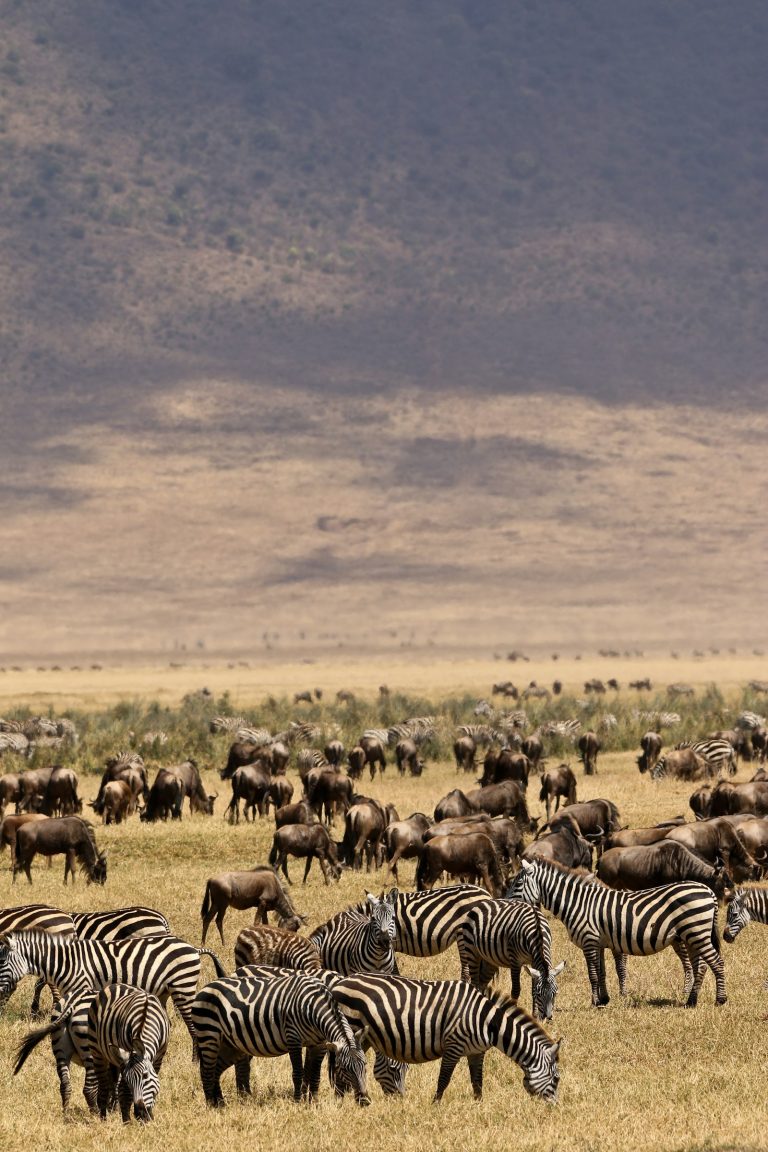
The best wildlife months are the dry seasons, from late June to October and from January to February. July to October also usually brings the Great Migration to the Masai Mara. Culture and history sites are open all year, so if you care more about heritage than herds, the quieter months of November and early March can be good value.
- Summer break (June to August): dry, cool mornings, peak wildlife and peak demand. Book 9 to 12 months ahead.
- Juneteenth week: June 19 is a US federal holiday, and some travelers add a few days of PTO to start a June trip around it.
- Kwanzaa and the holidays (late December): a meaningful time to be in a Swahili-speaking country, but it is festive peak season, so book early.
- Spring break (March): green, quieter and good value, with the long rains usually arriving in April.
Our planning guide on Kenya safari for Americans covers seasons, time zones and flights step by step.
🌍 Plan a Trip That Feels Like a Homecoming
Tell us your travel month, who is coming and the history you want to explore. Our Nairobi team will send a written heritage-and-safari itinerary with real starting prices within 24 hours.
💬 Send me a heritage itineraryCall or WhatsApp +254 799 160 081 · Email reservations@senseofadventure.co.ke
What Should You Know Before You Arrive in Kenya?
Entry paperwork
US passport holders need an approved electronic travel authorization from the official Kenya eTA portal. A standard single-entry eTA costs USD 30, and since October 2026 the portal also asks for Kenya’s mandatory travel health insurance, USD 44 per traveler, bought during the application. Our guide to Kenya mandatory travel insurance explains how it works. Keep your own comprehensive travel insurance too.
A few words of Swahili
English is widely spoken, but a little Swahili opens doors. Try jambo (hello), habari? (how are you?), asante sana (thank you very much), karibu (welcome) and pole pole (slowly, slowly), the unofficial motto of safari life.
Photos and respect
Always ask before photographing people, especially in villages and markets. Your guide will help, and a smile and a greeting go a long way. Dress modestly in Mombasa Old Town and Lamu, where most residents are Muslim; covered shoulders and knees are appreciated.
How Do We Keep Heritage Visits Respectful and Fair?
Heritage travel only works if the communities you visit benefit and feel respected. We arrange community visits with local hosts, agree fees that go to the community in advance, keep groups small and give you a short briefing on customs before you arrive. Ask questions, buy directly from the people who make the crafts, and let your guide translate where needed. That is how African American travel to Kenya becomes an exchange rather than a sightseeing stop.
How Much Does a Heritage and Safari Trip to Kenya Cost?
The cost of African American travel to Kenya depends on season, comfort level and group size. These are our current starting prices, per person sharing, before international flights:
| Experience | Length | From (USD per person sharing) |
|---|---|---|
| Nairobi National Museum tour | Half day | 70 |
| Nairobi city tour | Half day | 75 |
| Olorgesailie and Lake Magadi | 1 day | 160 |
| Swahili coast heritage tour | 3 days | 550 |
| Maasai cultural and wildlife safari | 4 days | 1,100 |
| Amboseli and Masai Mara safari | 7 days | 1,650 |
Every quote comes in two comfort levels, Midrange 3* and Standard Luxury 4*, with a private vehicle and guide. Add the eTA, the USD 44 insurance, tips and flights to the coast if you include Mombasa or Lamu. Read why travelers book with us for what is always included.
African American Travel to Kenya FAQs
✊🏾 Bring Your Family’s Story to Kenya
Reunion, milestone birthday or a first trip to the continent: tell us the occasion and we will plan the culture, the history and the wildlife around it, privately and at your pace.
💬 Plan our family heritage tripCall or WhatsApp +254 799 160 081 · Email reservations@senseofadventure.co.ke