
Buffalo Springs National Reserve is a 131 square kilometre reserve in Isiolo County, on the south bank of the Ewaso Ng’iro river opposite Samburu. Set up in 1948 within the old Samburu-Isiolo Game Reserve, it shares Samburu’s wildlife, including the Special Five, elephants and big cats, plus clear springs and over 365 recorded bird species.
Sense of Adventure is a TRA-licensed private safari company based at Mountain Mall on Thika Road, Nairobi. We plan private northern Kenya safaris for travellers and travel agents, and most of our Samburu game drives cross into Buffalo Springs. This guide explains what makes the reserve distinct and how to make the most of it.
✅ Buffalo Springs National Reserve: Quick Answer
- Buffalo Springs National Reserve covers about 131 km² on the south bank of the Ewaso Ng’iro, opposite Samburu.
- It shares Samburu’s wildlife: the Special Five, elephants, lions, leopards and cheetahs.
- It is about 5 to 6 hours by road from Nairobi, or about 1 hour by scheduled flight.
- The best game viewing is in the dry months, late June to October and January to February.
- Allow at least three nights in the Samburu ecosystem to explore both banks and Shaba.
- There are no rhinos here; add a Laikipia conservancy if rhinos matter to you.
Planning northern Kenya? Send your dates and we will plan private game drives on both banks of the Ewaso Ng’iro, from Buffalo Springs to Samburu.
Plan my Buffalo Springs drivesBuffalo Springs National Reserve at a Glance
Buffalo Springs National Reserve is the southern half of the Samburu ecosystem and is usually explored on the same trip as Samburu itself.
| Quick fact | Detail |
|---|---|
| Location | Isiolo County, south bank of the Ewaso Ng’iro, opposite Samburu |
| Size | About 131 km² |
| History | Protected from 1948 within the Samburu-Isiolo Game Reserve; present boundaries from 1985 |
| Managed by | Isiolo County Government |
| Landscape | Lava plains, acacia and commiphora bush, riverine forest, springs and alkaline grassland |
| Best for | Special Five, elephants, big cats, birding, quiet game drives |
| Pairs with | Samburu, Shaba, Laikipia conservancies |
How Buffalo Springs National Reserve Differs From Samburu
The two reserves look and feel alike, but they are separate protected areas. Samburu lies in Samburu County and Buffalo Springs in Isiolo County, each with its own management. On the ground, guides follow the wildlife rather than the boundary, so many guests cross between them without noticing.
The Springs and Landscape of Buffalo Springs National Reserve
The reserve takes its name from an oasis of clear spring water at its western end, set in open volcanic country.
Old lava flows, alkaline grassland and dry acacia and commiphora bush cover most of Buffalo Springs National Reserve. Along the Ewaso Ng’iro, a narrow band of riverine forest with doum palms, Tana River poplars and tall acacias gives shade and food to elephants. Look out for the desert rose, a swollen-stemmed shrub with pink flowers that grows on rocky ground.
Why the River Matters
The Ewaso Ng’iro rises on the slopes of the Aberdares and Mount Kenya and is the lifeline of the region. In the dry season, elephants, giraffes and zebras walk to its banks every day, and big cats follow. Crocodiles and hippos live in the deeper pools, and designated picnic sites near the river make a pleasant mid-morning break.
Wildlife in Buffalo Springs National Reserve
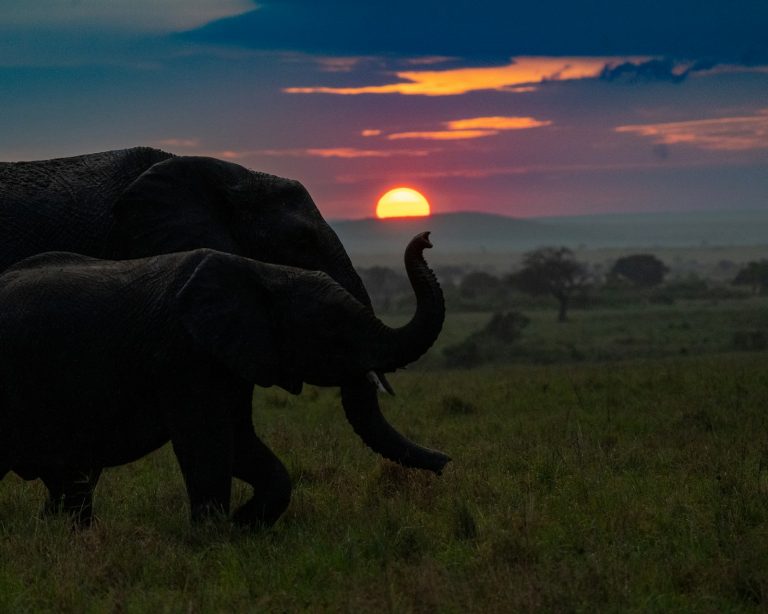
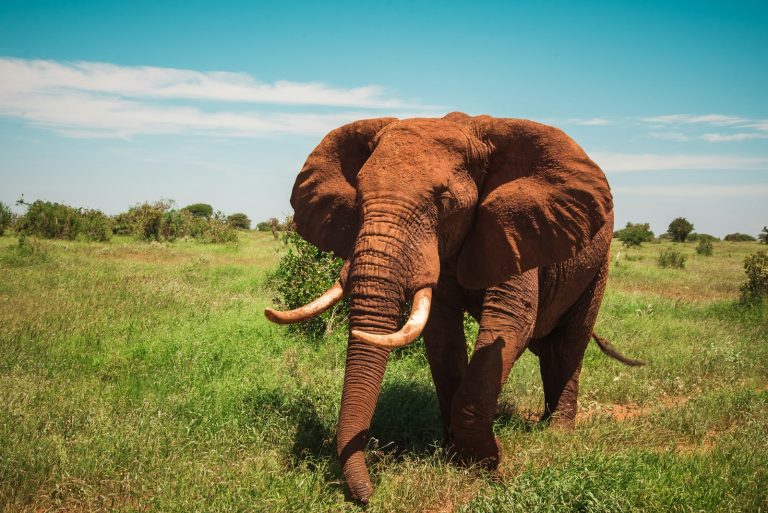
In Buffalo Springs National Reserve, expect the full cast of northern Kenya: the Special Five, elephants, buffalo, big cats and rich birdlife.
The Samburu Special Five
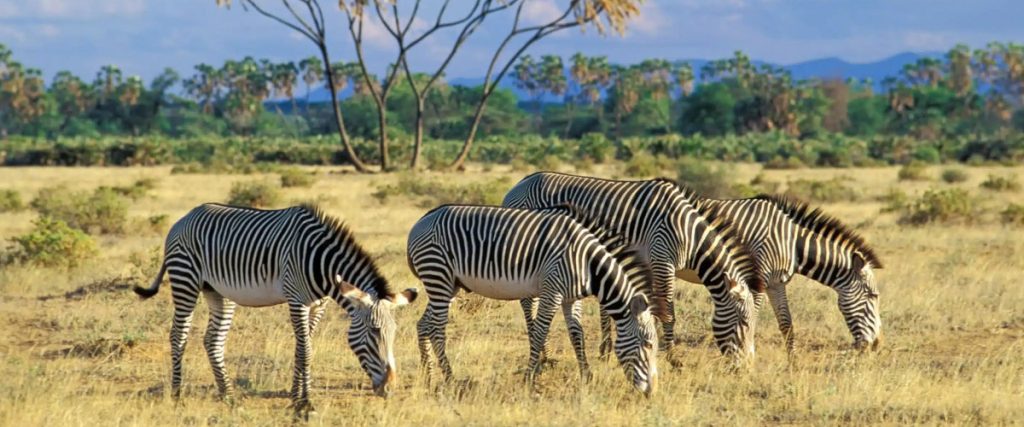
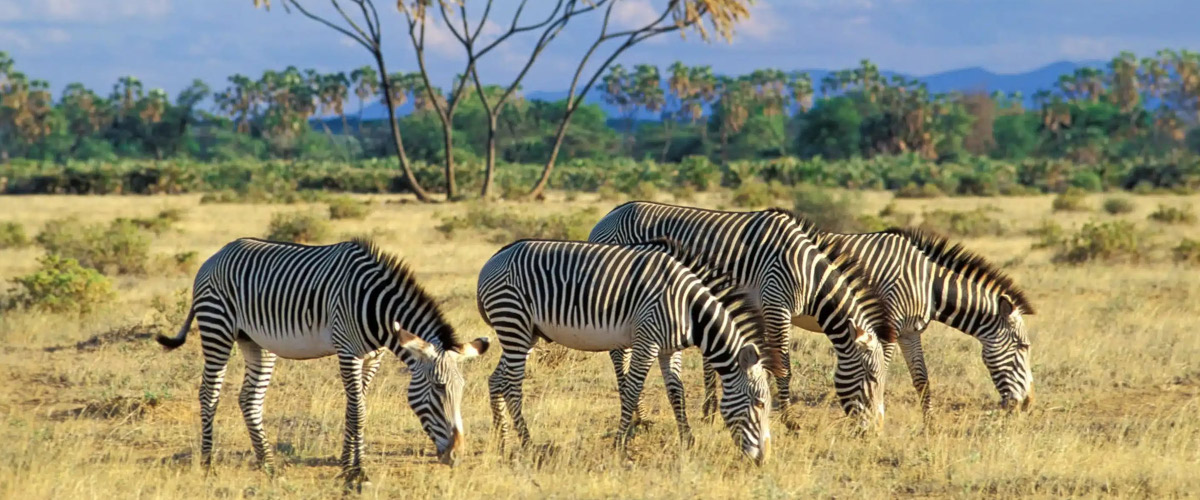
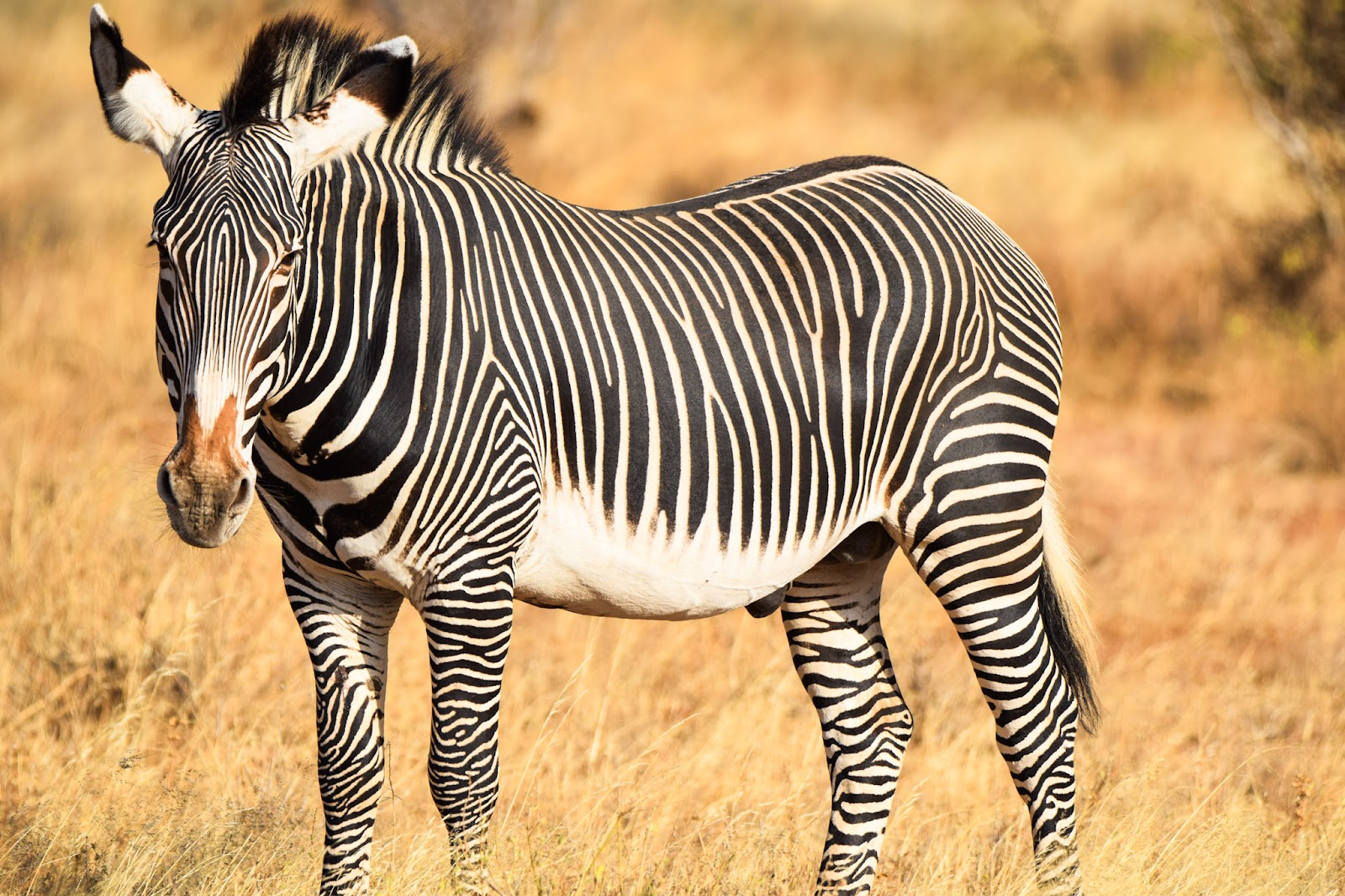
Grevy’s zebra, reticulated giraffe, Beisa oryx, gerenuk and Somali ostrich are all found here. Seeing all five on one trip is a realistic goal for most visitors with two or three days in the area. Buffalo Springs also has the common plains zebra, so you can compare the two species side by side.
| Species | How to tell it apart |
|---|---|
| Grevy’s zebra | Narrow stripes, white belly, large rounded ears |
| Plains zebra | Broad stripes running under the belly, often with shadow stripes |
| Reticulated giraffe | Sharp, net-like pattern of brown patches and white lines |
| Beisa oryx | Long straight horns and black face markings |
| Gerenuk | Very long neck; stands on hind legs to browse |
Predators and Big Game
Lions, leopards, cheetahs and spotted hyenas move freely between Samburu and Buffalo Springs National Reserve. Elephants are common along the river, and buffalo, hippo and Nile crocodile are also present. Sightings change daily, so a guide in touch with others in the area adds a lot. Leopards are often found resting in riverside trees during the heat of the day, and cheetahs favour the open plains in the early morning.
Birdlife
More than 365 bird species have been recorded in Buffalo Springs National Reserve. Highlights include vulturine guineafowl, Somali ostrich, golden-breasted starling, palm-nut vultures in the doum palms and many raptors. From November to April, migrants from Europe and Asia swell the list.
Hoping to See All of the Special Five?
Grevy’s zebra, gerenuk and Beisa oryx favour the open plains of Buffalo Springs. Tell us how many nights you have, and our guides will plan drives on both banks to give you the best chance of all five.
Getting to Buffalo Springs National Reserve
Buffalo Springs National Reserve is roughly 320 km north of Nairobi, about five to six hours by road or one hour by scheduled flight.
| Option | Time | Notes |
|---|---|---|
| Road from Nairobi | About 5 to 6 hours | Via Nanyuki and Isiolo, then a short drive to the gate |
| Road from Laikipia | About 2 to 3 hours | An easy link from Ol Pejeta, Lewa or Borana |
| Scheduled flight | About 1 hour | Wilson Airport to a Samburu-area airstrip, then a transfer |
Breaking the Journey
The drive north passes the western slopes of Mount Kenya and crosses the equator near Nanyuki, a good place for a coffee stop. Many guests spend a night or two in a Laikipia conservancy on the way, which splits the drive and adds rhinos to the trip. From Laikipia, the descent to the hot, dry plains of the north is dramatic, with wide views on a clear day.
Being close to the main Isiolo road, Buffalo Springs National Reserve is often the first reserve guests reach when driving north. A 4×4 with a pop-up roof is the right vehicle for these tracks.
Best Time to Visit Buffalo Springs National Reserve
In Buffalo Springs National Reserve, the dry months from late June to October and from January to February bring the best game viewing near the river.
| Months | Conditions | What to expect |
|---|---|---|
| January to February | Hot and dry | Very good game viewing by the river |
| March to May | Long rains | Green landscapes; some tracks difficult |
| June to October | Dry season | Peak wildlife viewing and comfortable mornings |
| November to December | Short rains | Excellent birding with migrant species |
Temperatures are high all year, often above 30 °C at midday, so game drives are planned for early morning and late afternoon.
Fees, Rules and Where to Stay
Buffalo Springs National Reserve is a county reserve, so Isiolo County sets its entry fees, while Samburu’s fees are set by Samburu County.
Fees change from time to time, so we quote the correct amount for your dates and pay in advance. If you cross between reserves on a drive, your guide will make sure the right permits are in place. For KWS parks on the rest of your route, see our Kenya national parks entrance fees 2026 guide.
Where to Stay
Lodges and tented camps line both banks of the Ewaso Ng’iro, from comfortable family lodges to small, exclusive camps. Our guide to luxury lodges in Samburu compares the best riverside stays, and our northern Kenya conservancy lodges guide covers community conservancies nearby.
Expert tip from our Nairobi team
Spend at least three nights in the Samburu ecosystem and plan one long morning on the Buffalo Springs side, where the springs and open plains are good for Grevy’s zebra and oryx. Leave at sunrise, take a packed breakfast and return for lunch before the midday heat. Bring a wide-brimmed hat and plenty of water, and ask your guide to stop at the river in the afternoon when elephants come to drink.
Which Bank of the River Should You Stay On?
Lodges on the Samburu and Buffalo Springs sides of the Ewaso Ng’iro feel different. Share your budget and travel style, and we will suggest the riverside lodge or camp that suits you best.
Sample Buffalo Springs National Reserve Itineraries
Buffalo Springs National Reserve fits best into a three- to five-night northern Kenya stay, often after Laikipia.
| Plan | Outline |
|---|---|
| 3 nights | Riverside lodge; drives in Buffalo Springs, Samburu and a full day in Shaba |
| 5 nights | Samburu ecosystem for 3 nights, then 2 nights in a Laikipia rhino conservancy |
| 9 days | Samburu and Buffalo Springs, Ol Pejeta, Lake Nakuru and the Masai Mara |
See our 9-day Kenya Highlights Safari and 3-day Samburu cultural and wildlife experience. Every private Kenya safari we plan can include the north, and our luxury Kenya safari ideas use short flights to save time.
Compare the Neighbouring Reserves
Our Shaba National Reserve guide covers the quieter reserve to the east, and does Samburu have the Big Five? explains why you should add Laikipia for rhinos. The Westgate and Kalama guide covers walking and night drives in nearby conservancies.
Buffalo Springs National Reserve Safari Costs
The cost of a Buffalo Springs National Reserve safari depends on how many nights you spend in the north, your lodge, the season and whether you drive or fly.
| Our package | Length | From |
|---|---|---|
| Samburu Cultural and Wildlife Experience | 3 days | USD 850 per person |
| Northern Kenya Cultural Safari, Samburu and Laikipia | 5 days | USD 1,500 per person |
| Kenya Highlights Safari | 9 days | USD 2,350 per person |
Prices are starting points and change with season, group size and accommodation. Reserve entry fees for Buffalo Springs National Reserve are set by Isiolo County, and Samburu’s by Samburu County, so we add the correct fees for your dates to every written quote. Flying in from Wilson Airport saves a long day on the road but adds to the cost, while a road safari in a private 4×4 with a pop-up roof gives better value for families and small groups.
A Typical Day in Buffalo Springs National Reserve
Most days start with tea or coffee before sunrise and an early game drive, when predators are active and the light is soft. You return to your lodge for brunch and rest through the hottest hours, perhaps watching elephants at the river from camp. The afternoon drive leaves at about four, and you are back at camp around sunset. With a private vehicle, you can stay out longer for a sighting or take a packed breakfast to the springs.
Get a Written Quote for Buffalo Springs and Samburu
The best riverside camps in the Samburu ecosystem book early for the dry season. Send us your dates, and we will reply with a clear written quote including lodges, reserve fees and transport.
Planning Tips for Buffalo Springs National Reserve
Good preparation helps you enjoy Buffalo Springs National Reserve: the heat, the distances and the wildlife of the north.
Safety
Buffalo Springs National Reserve and the wider Samburu ecosystem are visited safely by many travellers each year with licensed operators. Conditions in parts of northern Kenya can change, so we follow local advice, travel by day and stay in touch with lodges and rangers. Always stay in the vehicle unless your guide says it is safe to get out.
Culture and Community
The Samburu people, close cousins of the Maasai, live around the reserves and are known for their beadwork and colourful dress. A visit to a community village or a conservancy walk with a Samburu guide is a highlight for many guests. Always ask before taking photographs, and buy crafts directly from makers where you can.
What to Pack
- Light, neutral-coloured clothing with long sleeves for sun protection.
- A wide-brimmed hat, sunglasses and high-factor sun cream.
- Binoculars and a zoom lens, with a cloth or bag to keep out dust.
- A warm layer for early mornings in the open vehicle.
- Soft luggage within the weight limit if you are flying.
Malaria is present in the north, so seek advice from a travel health clinic before you travel and use repellent in the evenings.
Conservation in Buffalo Springs National Reserve
Buffalo Springs National Reserve protects key dry-season water and grazing for wildlife that also uses community land beyond its borders.
Wildlife Corridors
Elephants, Grevy’s zebras and other animals move between the reserves, nearby community conservancies and the Laikipia plateau. Keeping these routes open matters as much as protecting the reserves themselves. Community conservancies such as Kalama and Westgate, north and west of Samburu, help by managing grazing and supporting rangers.
Grevy’s Zebra Recovery
Grevy’s zebra is endangered, and northern Kenya holds most of the world’s remaining population. Conservation groups and communities monitor the herds, protect water sources and work to reduce competition with livestock. Seeing these zebras in Buffalo Springs National Reserve is a privilege, so give them space and let your guide keep a respectful distance.
How Your Visit Helps
Entry fees support rangers and reserve management, and lodges and conservancies employ local people as guides, cooks and trackers. Choosing licensed operators, following reserve rules and buying crafts directly from local makers all help make wildlife worth more alive than gone.
Who Buffalo Springs National Reserve Suits
Buffalo Springs National Reserve suits first-time and repeat visitors who want something different from the Masai Mara: rare species, dramatic scenery and fewer vehicles.
It is a strong choice for families and photographers, as the open terrain makes animals easy to see. Before you go, read the latest UK government travel advice for Kenya, browse Magical Kenya for background and check species information on the IUCN Red List. Travel agents can request net rates and full northern Kenya programmes.
Buffalo Springs National Reserve FAQs
What is the difference between Buffalo Springs and Samburu?
They lie on opposite banks of the Ewaso Ng’iro river and share the same wildlife, but they are separate reserves. Samburu is north of the river in Samburu County; Buffalo Springs is south of it in Isiolo County. Most safaris explore both, often on the same game drive.
What animals can you see in Buffalo Springs National Reserve?
You can see the Samburu Special Five, elephants, buffalo, lions, leopards, cheetahs, hyenas, hippos and Nile crocodiles. Both Grevy’s and plains zebra live here. More than 365 bird species have been recorded, including vulturine guineafowl, Somali ostrich and many birds of prey.
Why is it called Buffalo Springs?
The reserve is named after an oasis of clear spring water at its western end. Springs and swamps in the alkaline grassland attract wildlife, especially in the dry season. The contrast between the clear water and the dark volcanic ground is one of the reserve’s most striking sights.
When was Buffalo Springs National Reserve established?
Buffalo Springs was first protected in 1948 as part of the Samburu-Isiolo Game Reserve. Its present boundaries were set in 1985. Today it is managed by Isiolo County and forms part of a three-reserve area with Samburu and Shaba in northern Kenya.
How many days do you need in Buffalo Springs and Samburu?
Three nights is ideal. It gives you time for game drives on both sides of the river and a full day in Shaba. With only two nights you will still see a lot, but three or more makes seeing all of the Special Five far more likely.
Can you see rhinos in Buffalo Springs?
No. Rhinos are not part of the Buffalo Springs experience today. If rhinos matter to you, combine the Samburu area with a Laikipia conservancy such as Ol Pejeta or Lewa, or with Lake Nakuru National Park on the way to the Masai Mara.
How much does a Buffalo Springs safari cost?
Our 3-day Samburu Cultural and Wildlife Experience starts from USD 850 per person, the 5-day Northern Kenya Cultural Safari from USD 1,500 and the 9-day Kenya Highlights Safari from USD 2,350. Costs for Buffalo Springs National Reserve depend on season, lodge, group size and whether you drive or fly.
How do I get to Buffalo Springs National Reserve from Nairobi?
By road, the drive north via Nanyuki and Isiolo takes about five to six hours, and many guests break it with a night in Laikipia. Scheduled flights from Wilson Airport reach a Samburu-area airstrip in about an hour, followed by a short transfer and game drive to your lodge.
Plan Your Buffalo Springs and Samburu Safari
Kenya-based experts. Real local knowledge. Transparent pricing.
Sense of Adventure is a TRA-licensed Nairobi safari company. We will plan a private northern Kenya route across Buffalo Springs, Samburu and Shaba, with the right lodges and pace for you.