Aardvark facts start with a surprise: this pig-sized digger is not an anteater and not a pig. It is the only living member of its own order, weighing 40 to 82 kilograms. It feeds at night on ants and termites and digs burrows that many other animals use. In Kenya it is widespread, yet very rarely seen.
Sense of Adventure is a TRA-licensed private safari company based at Mountain Mall on Thika Road, Nairobi. We plan tailor-made safaris for travellers and for travel agents’ clients, and our guides get as excited about a rare night sighting as about a lion kill. This guide gathers the most reliable aardvark facts from scientific sources, then explains where, when and how you might see one in Kenya, and what your honest chances are.
✅ Aardvark Facts: Quick Answer
- ✅ Not an anteater or a pig: it is the only living species in the order Tubulidentata, related to elephants and hyraxes.
- ✅ Size and habits: 40 to 82 kg, nocturnal and solitary, foraging 2 to 5 km a night.
- ✅ Diet: mainly ants and termites, plus a buried wild melon known as the aardvark cucumber.
- ✅ Ecosystem engineer: burrows up to 6 m deep later shelter warthogs, hyenas, porcupines and many others.
- ✅ Honest odds: sightings are rare; your best chance is several night drives in a Laikipia or Mara conservancy.
- ✅ Status: Least Concern on the IUCN Red List.
How good are your aardvark odds?
Honestly, slim. Tell us your dates and we will suggest the conservancy, camp and number of night drives that give you the best realistic chance.
Aardvark Facts: The Short Answer
The aardvark is a large, shy, nocturnal insect eater found across most of sub-Saharan Africa, including much of Kenya, and it is not considered threatened.
The core aardvark facts are simple. Its scientific name is Orycteropus afer, and it is the only surviving species in the order Tubulidentata. It belongs to a group of African mammals, the Afrotheria, that also includes elephants, hyraxes, sengis, tenrecs and golden moles. On safari, the practical aardvark facts are just as clear: you will see its diggings and burrows far more often than the animal itself, and your best chance is a night drive in a private or community conservancy.
| Aardvark facts: quick reference | Detail |
|---|---|
| Scientific name | Orycteropus afer, the only living member of Tubulidentata |
| Wider group | Afrotheria, with elephants, hyraxes, sengis and tenrecs |
| Weight | About 40 to 82 kg, per Animal Diversity Web |
| Head and body length | About 100 to 158 cm, plus a thick, tapering tail |
| Diet | Mainly ants and termites, plus a buried wild melon |
| Activity | Nocturnal; rests underground by day |
| Young | Usually one, after about seven months |
| Status | Least Concern on the IUCN Red List |
12 Aardvark Facts in Brief
Here are the 12 aardvark facts every safari traveller should know, each explained in more detail further down. Keep these aardvark facts in mind when your guide points out a burrow.
- 1. Its name means earth pig. Aardvark comes from Afrikaans, after its pig-like snout and its life underground.
- 2. It is one of a kind. It is the only living species in the order Tubulidentata.
- 3. Its relatives are surprising. It is grouped with elephants, hyraxes and sengis, not with anteaters or pigs.
- 4. It is bigger than you expect. Adults weigh 40 to 82 kilograms, about the size of a large dog.
- 5. Its teeth have no enamel. Peg-like cheek teeth are made of tiny tubes of dentine, and it has no front teeth at all.
- 6. It eats ants and termites. It sweeps them up with a long, sticky tongue and swallows them with little chewing.
- 7. It loves one buried fruit. It digs up a wild melon whose seeds it then spreads in its dung.
- 8. It is a champion digger. Complex burrows can reach 6 metres deep with eight or more entrances.
- 9. It seals itself up to dig. Its ears fold back and its nostrils close to keep out soil and insects.
- 10. It works the night shift. It forages after dark and may cover 2 to 5 kilometres a night.
- 11. It raises one young at a time. A single calf is born underground and stays with its mother for about six months.
- 12. It is not threatened. The IUCN lists it as Least Concern, though local declines happen.
What Kind of Animal Is the Aardvark?
The aardvark is a unique African mammal whose closest living relatives are other Afrotheria, such as elephants, hyraxes and sengis.
One Species, One Order
Classification gives you some of the most striking aardvark facts. Every other mammalian order contains several or many species, but Tubulidentata has just one living member. Fossil relatives once lived in Africa, Europe and Asia, but today the aardvark survives only south of the Sahara.
Why It Is Not an Anteater
Evolutionary aardvark facts clear up a common mistake. The likeness to South American anteaters and to pangolins is the result of convergent evolution. Animals that eat ants and termites tend to develop long snouts, sticky tongues and strong digging claws, whatever their ancestry. Genetic studies place the aardvark in Afrotheria, a group that evolved in Africa. Among the oddest aardvark facts is that the elephant is a distant cousin.
Size and Shape
Size is one of the aardvark facts that surprises guests. Expect a heavy, arched body, a long pig-like snout, tall tubular ears, a thick tail and sparse, greyish-yellow hair. Animal Diversity Web gives a weight of 40 to 82 kilograms and a head and body length of about one to one and a half metres. The skin is often stained the colour of the local soil.
Teeth, Tongue and Diet
Aardvarks are specialist insect eaters, feeding mainly on ants and termites that they dig out of nests and mounds at night.
Aardvark Facts About Teeth
Dental aardvark facts give the order its name, which means tube-toothed. Adults have no incisors or canines, only peg-like cheek teeth at the back of the jaw. These teeth lack enamel and are made of densely packed tubes of dentine, and they keep growing through life.
How an Aardvark Feeds
Feeding aardvark facts are worth knowing. An aardvark walks slowly with its snout close to the ground, sniffing for prey. Folds and fine structures inside the nose give it a powerful sense of smell. When it finds a nest, it digs fast with its front claws, then sweeps up insects with its long, sticky tongue. Food is swallowed with little or no chewing, and a muscular part of the stomach grinds it down.
The Aardvark Cucumber
One of the most charming aardvark facts involves a fruit. A wild melon, Cucumis humifructus, ripens about 20 centimetres underground. A camera-trap study on a Namibian farm, reported by Mongabay in 2025, found that only aardvarks dug deep enough to reach the buried fruit, and that their dung contained intact seeds. The plant appears to rely on the aardvark to spread.
Burrows and the Animals That Use Them
Aardvark burrows are vital shelters for dozens of other species, which is why ecologists call the aardvark an ecosystem engineer.
How Aardvarks Dig
Digging sits at the heart of aardvark facts. Thick, spade-like claws on the front feet break hard termite mounds and baked soil, and the hind feet push loose earth away. Animal Diversity Web notes that burrows range from short temporary holes to complex systems up to 6 metres deep with eight or more entrances. When threatened, an aardvark can dig itself out of sight within minutes. While it digs, its ears fold back and its nostrils close.
Who Moves In
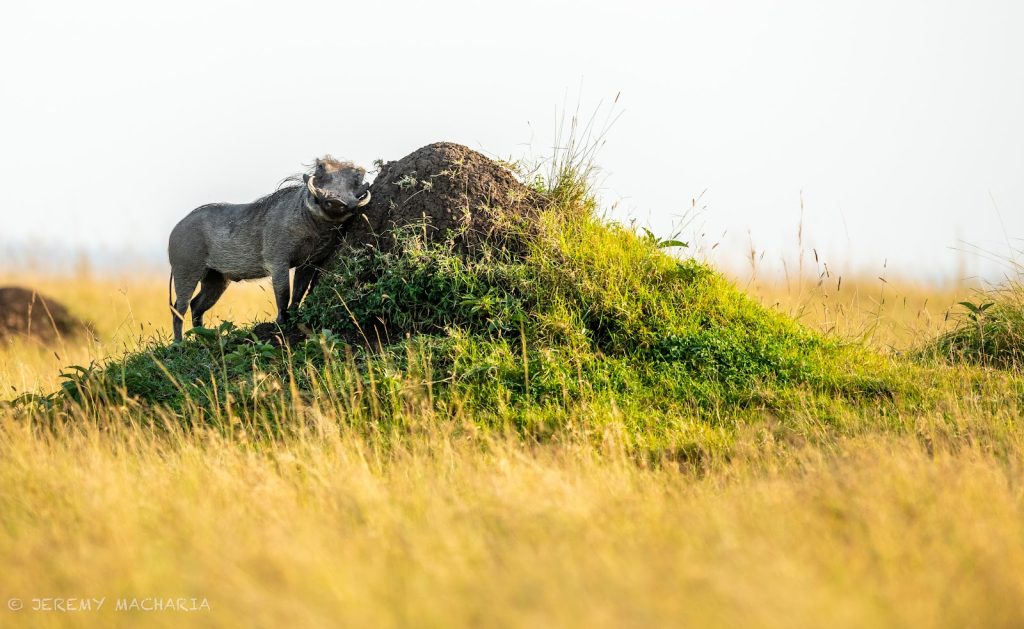
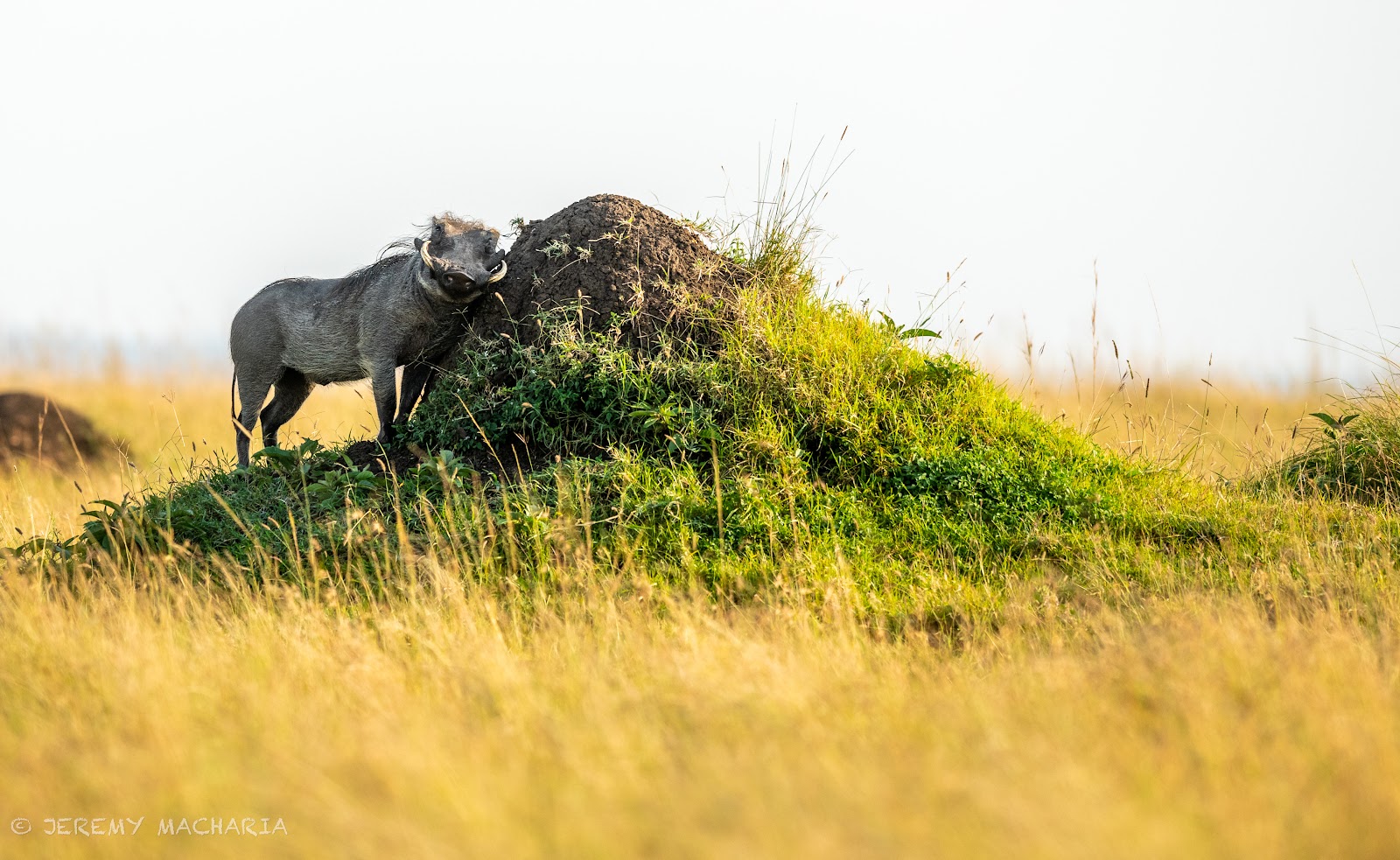
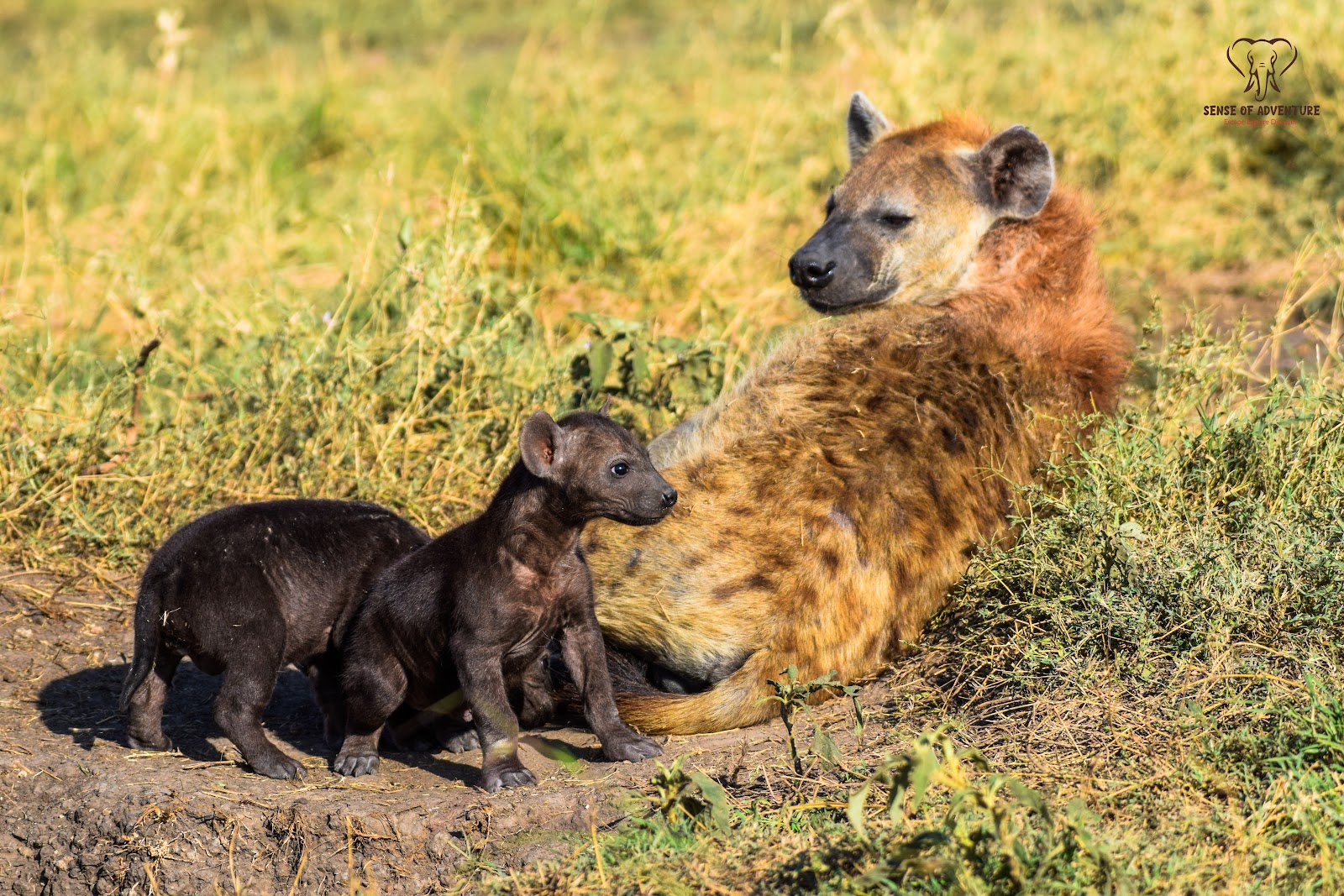
These aardvark facts matter to the whole ecosystem. Once an aardvark moves on, its burrows rarely stay empty. Warthogs, spotted hyenas, mongooses, porcupines, jackals, bats, squirrels and various birds and reptiles all use old aardvark holes. Hyenas and warthogs often raise their young in them. So the aardvark shapes the lives of animals you see every day, even if you never see the aardvark.
What Burrows Mean on Safari
Practical aardvark facts include burrow safety. On a guided walk, never stand directly in front of a burrow entrance. Warthogs are known to burst out at speed, and other occupants may be inside. Let your guide check each hole and approach from the side.

Night Life, Breeding and Predators
Aardvarks are solitary and nocturnal, resting in burrows by day and foraging for several kilometres after dark.
A Night Shift Worker
Behavioural aardvark facts explain why sightings are so rare. An aardvark usually leaves its burrow after sunset and forages through the night, covering roughly 2 to 5 kilometres. Home ranges are a few square kilometres and population densities are low. In very cold or dry periods, aardvarks in southern Africa have been seen feeding in the late afternoon, but in Kenya you should expect a night animal.
One Young at a Time
Breeding aardvark facts are simple, and they explain why numbers grow slowly. Gestation lasts about seven months and the female usually gives birth to a single young underground. The young begins to follow its mother at around two weeks, starts eating insects at about three months and becomes independent at around six months. Aardvarks have lived to about 23 years in captivity.
Predators and Threats
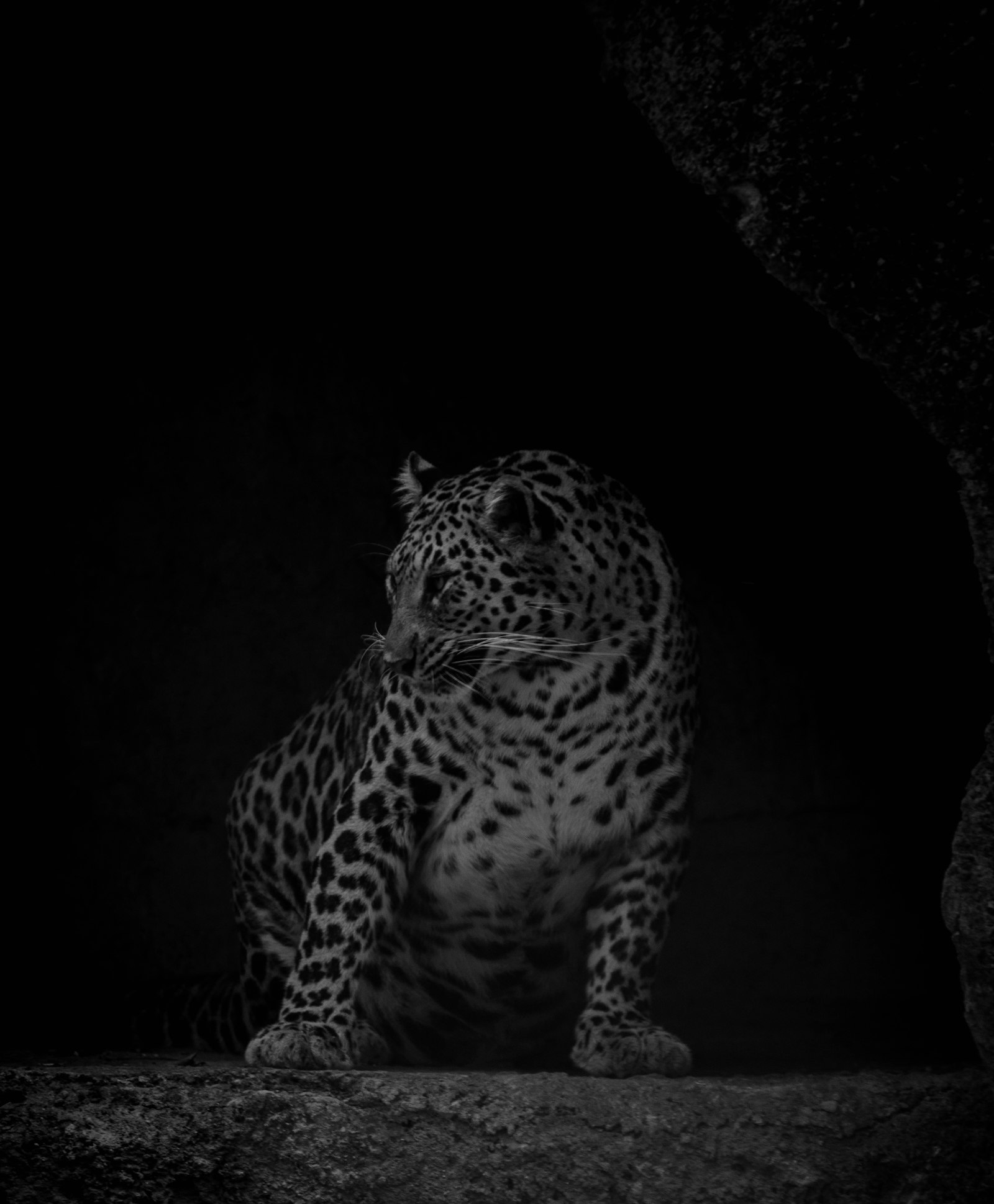
The sadder aardvark facts concern predators. Lions, leopards and spotted hyenas kill aardvarks, and people hunt them in some areas. The IUCN Red List classes the species as Least Concern because it is widespread. Local declines still come from habitat loss, farming, hunting, pesticides and drought.
Where to Look for Aardvarks in Kenya
Aardvarks live in savanna and bush across much of Kenya wherever termites are plentiful, but you only have a real chance where night drives are allowed.
Laikipia Conservancies
Location is where aardvark facts become planning. The private and community conservancies of Laikipia, including Ol Pejeta, Lewa and Borana, are among the best places to try. Many camps offer night drives, and the mix of grassland and acacia bush holds plenty of termites. Our Ol Pejeta vs Lewa comparison and our Borana Conservancy guide explain the options.
Masai Mara Conservancies
Mara guides know their aardvark facts well. The conservancies that border the national reserve, such as Naboisho, Olare Motorogi and Mara North, allow night drives with their own guides. Read our guides to Naboisho Conservancy camps, Olare Motorogi Conservancy camps and Mara North Conservancy camps.
Amboseli, Chyulu and Tsavo Areas
Community conservancies around Amboseli and the Chyulu Hills, and some properties near Tsavo, also offer night drives. See our guides to Amboseli conservancy lodges and Chyulu Hills luxury lodges.
| Area | Night drives allowed? | What to expect |
|---|---|---|
| Laikipia conservancies | Yes, at most camps | Good habitat, honest but slim odds |
| Masai Mara conservancies | Yes, with conservancy guides | Slim odds; burrows and diggings common |
| Masai Mara National Reserve | Generally no | Burrows by day, aardvarks almost never |
| Amboseli and Chyulu conservancies | Yes, at many camps | Slim odds; good for other night animals |
| KWS national parks | Generally no | Signs only, unless a special activity is offered |
One of the honest aardvark facts is that nobody can promise a sighting. Even keen guests who take several night drives in good habitat usually go home without one. Treat any aardvark you see as a gift.
Laikipia or the Mara for an Aardvark Search?
Both have good termite country and conservancy night drives. We will weigh up the rest of your wish list, from rhinos to the migration, and tell you plainly which base improves your odds.
Night Drives: Conservancies vs National Parks
If an aardvark is on your wish list, base yourself in a conservancy, because national parks and national reserves in Kenya generally do not allow night game drives.
Rules in National Parks and Reserves
These are the aardvark facts that shape your itinerary. In parks run by the Kenya Wildlife Service, and in the Masai Mara National Reserve, visitors normally have to be in camp or out of the park after dark. Off-road driving is also restricted. Rules can change and occasional special activities exist, so we always check the current position for your dates.
How Conservancy Night Drives Work
Conservancies set their own rules. A guide drives slowly while a spotter sweeps a spotlight, often fitted with a red filter, looking for eye-shine. Drives usually last one to two hours after dinner or as an extension of the evening drive. Our guide explains what to expect on a night drive, and our conservancy fees guide explains the costs.
What Else You May See
Night drives are rewarding even without an aardvark, and guides love sharing aardvark facts along the way. Genets, white-tailed mongooses, spring hares, bush babies, porcupines, aardwolves, hyenas and hunting lions are all possible. If you love small night animals, read our genet facts and bat-eared fox facts.
Best Time to Look for Aardvarks
Aardvarks are resident all year, so any month can work, but the hours after dark and dry, short-grass months give you the best chance.
Best Time of Night
Timing completes the practical aardvark facts. Most aardvarks emerge after full dark, so a night drive that goes out after dinner tends to be better than one that ends straight after sunset. Calm, mild nights are usually more productive than windy or very wet ones.
Best Time of Year
| Months | Conditions | What it means for aardvark spotting |
|---|---|---|
| January to March | Dry and warm, short grass | Good; fresh diggings easy to spot |
| April to June | Long rains, tall grass | Fair; termites swarm, but grass hides animals |
| July to October | Dry, cool nights | Good; busiest season in the Mara |
| November to December | Short rains, green landscapes | Fair to good; insects very active |
Seasons shift every year, so treat these aardvark facts about timing as a guide only. Some conservancy camps close for part of the long rains, which we check for you.
More night drives, better odds
Three nights in one conservancy gives you several chances after dark. Send your dates and we will reply with a written quote for a three-night search.
Photography and Ethics
The best aardvark photographs are taken quietly from the vehicle, with a brief, soft light and no flash.
Photography Tips
Photography is where aardvark facts meet patience. Low light makes aardvark photography hard. Use a fast lens, a high ISO and a wide aperture, and accept some grain. Ask your spotter to hold the light steady on the body rather than the eyes. A private vehicle helps, because you can wait in silence; see our window seat guarantee guide.
Ethical Viewing
- No flash. Flash startles night animals and can dazzle eyes adapted to the dark.
- Keep the light brief. Once everyone has seen the animal, ask the spotter to move the beam to the side.
- Do not chase. If the aardvark walks or runs away, let it go.
- Never block a burrow. Stay back from entrances so the animal can reach cover.
- Stay quiet. Keep voices low and engines off when possible.
- Follow the rules. Off-road driving is limited in many areas, so follow your guide.
Expert tip from our Nairobi team
Ask for a daytime walk or drive to look at fresh aardvark diggings and burrows near camp, then plan your night drive in that area. Tell your guide on day one that an aardvark is your priority, so they can ask other guides for recent sightings and take you out later in the night.
Aardvark Facts for Planning Your Safari
The best plan is three or more nights in a conservancy with night drives, as part of a wider private safari.
Getting There and How Many Days
Laikipia and the Mara conservancies are about five to six hours from Nairobi by road, or around an hour by light aircraft from Wilson Airport. Allow at least three nights in one conservancy, so you can take several night drives. Our private Kenya safari and Masai Mara safari packages show road and fly-in options.
Who It Suits
Aardvark facts appeal to curious travellers. Searching for aardvarks suits repeat visitors, wildlife photographers, families with older children and anyone who has already seen the Big Five. Our luxury Kenya safari options combine conservancies where night drives are included.
Combining Areas
Combining areas is where aardvark facts pay off. A classic route pairs Laikipia with the Mara conservancies, adding Amboseli or the coast if time allows. Reserve and park fees differ from conservancy fees; see our Kenya national parks entrance fees for 2026.
Before You Travel
Check the latest UK government travel advice for Kenya, or your own government’s advice, before booking and again before you fly. The Kenya Wildlife Service sets the rules in national parks and reserves, and Magical Kenya is useful for wider planning. For the species itself, Chester Zoo has a clear profile.
Aardvark Facts FAQs
Is an aardvark related to the anteater?
No. The aardvark looks like an anteater because both evolved to eat ants and termites, but they are not close relatives. The aardvark is the only living member of the order Tubulidentata and belongs to the Afrotheria, an African group that also includes elephants, hyraxes, sengis, tenrecs and golden moles.
What does an aardvark eat?
It eats mainly ants and termites, which it finds by smell, digs out with strong claws and sweeps up with a long, sticky tongue. It swallows them with little chewing. It also digs up a wild buried melon, known as the aardvark cucumber, and spreads its seeds in its dung.
Where can I see an aardvark in Kenya?
Aardvarks live across much of Kenya, but your only realistic chance is a night drive. The Laikipia conservancies, such as Ol Pejeta, Lewa and Borana, and the Masai Mara conservancies are the best places to try. Even there, sightings are rare, so treat one as a bonus.
Can you do night drives in Kenya national parks?
Generally no. KWS national parks and the Masai Mara National Reserve normally require visitors to be in camp or out of the park after dark. Private and community conservancies set their own rules and widely offer night drives, which is why they are the best base for night animals.
Are aardvarks dangerous to people?
No. Aardvarks are shy and avoid people, and on a game drive they pose no danger. If cornered they can defend themselves with powerful claws, so never approach one on foot. On walks, stand to the side of burrow entrances, because warthogs or other animals may be inside.
Are aardvarks endangered?
No. The IUCN Red List classes the aardvark as Least Concern, because it is widespread across sub-Saharan Africa. Local populations still decline because of habitat loss, farming, hunting, pesticides and drought, so well-managed conservancies and protected areas remain important for its future in Kenya.
Why are aardvark burrows important?
Aardvark burrows shelter many other animals once the digger moves on. Warthogs, spotted hyenas, mongooses, porcupines, jackals, bats, birds and reptiles all use them, often to raise their young. That is why ecologists describe the aardvark as an ecosystem engineer in African savannas and bush.
Aardvark Facts, Then Your Own Search After Dark
Sense of Adventure is a TRA-licensed Nairobi safari company. We plan private safaris with several conservancy night drives, patient spotters and honest expectations: we never promise an aardvark, but we put you where one is possible.
Prefer email? Write to reservations@senseofadventure.co.ke