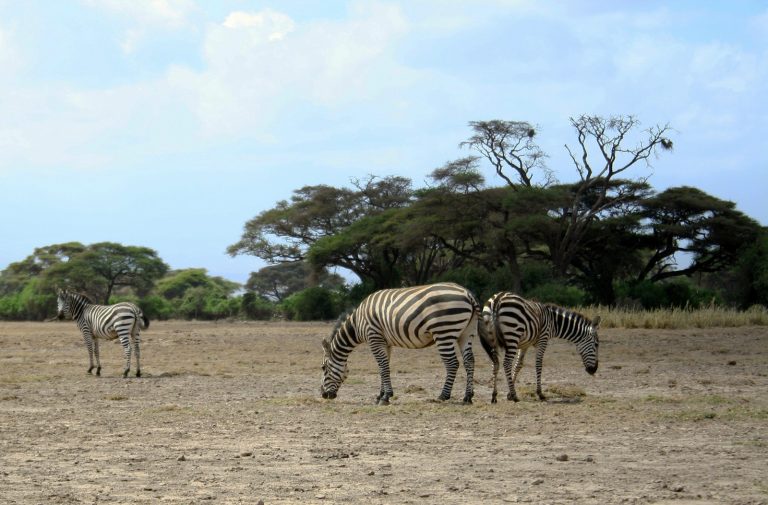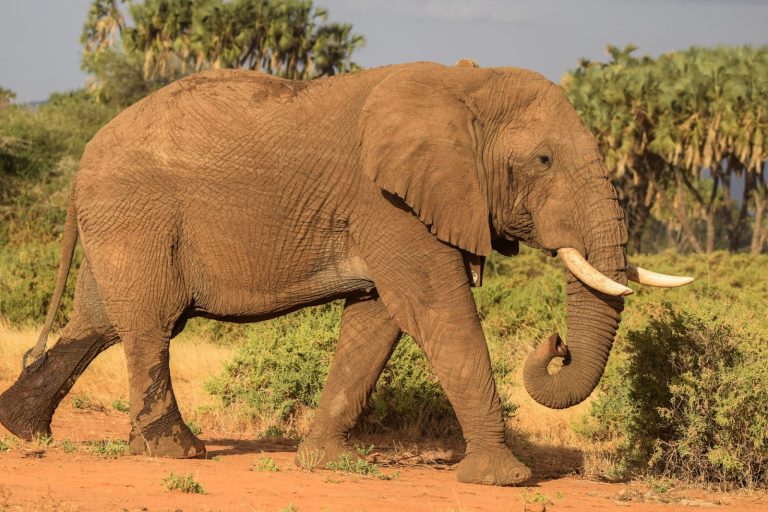

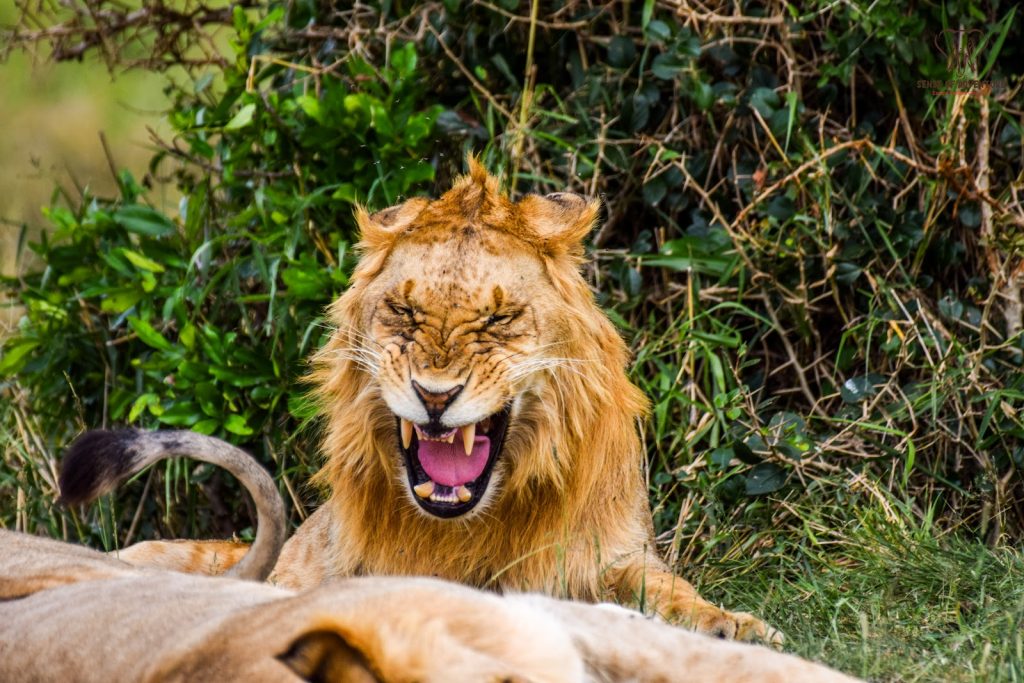
Animals you won’t see on a Kenya safari include tigers, jaguars, wild gorillas, pandas, polar bears, penguins, kangaroos and lemurs, because none of them live in East Africa’s savannas. What you will see is remarkable: lions, leopards, elephants, rhinos, buffalo, cheetahs, giraffes, hippos, zebras and hundreds of other species. Gorillas are a short flight away in Uganda or Rwanda.
Sense of Adventure is a TRA-licensed private safari company based at Mountain Mall on Thika Road, Nairobi. We like to set honest expectations before you travel, so your first game drive is all excitement and no disappointment. This guide lists the animals you won’t see in Kenya, the rare ones you probably won’t see, and the wonderful wildlife you will.
✅ Animals you won’t see in Kenya: the quick answer
- Not in Kenya at all: tigers, jaguars, wild gorillas and chimpanzees, orangutans, pandas, polar bears, penguins, kangaroos, koalas and lemurs.
- Present but rarely seen: mountain bongo, African wild dogs, pangolins and aardvarks.
- What you will see: the Big Five, the Big Nine, the Great Migration (roughly July to October) and a huge variety of birds.
- Gorillas: add three to four days in Uganda or Rwanda via a short flight from Nairobi.
Have a must-see animal list? Send it to us and we will tell you honestly where to find each one.
Check my wildlife wish listWhy People Expect Animals You Won’t See in Kenya
Many travellers expect animals you won’t see in Kenya because films, toys and books often mix wildlife from different continents into one “jungle”.
Kenya is mostly savanna, bushland, semi-desert, highland forest and coast, not dense lowland rainforest. Its wildlife evolved for these habitats. Tigers belong to Asia, jaguars to the Americas and kangaroos to Australia. Even within Africa, mountain gorillas live in forests far to the west. Knowing the animals you won’t see helps you plan a trip around the extraordinary animals you will.
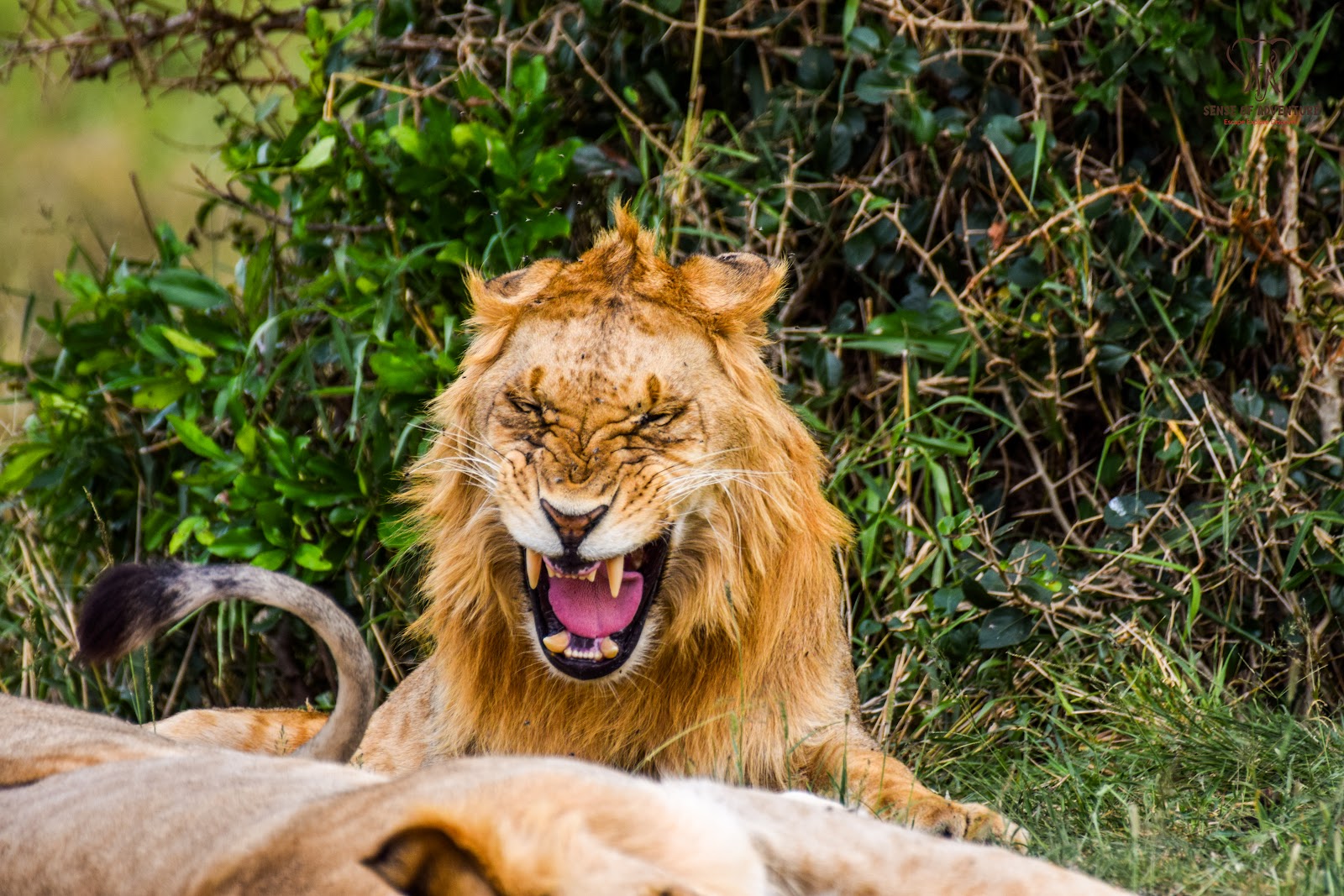
10 Animals You Won’t See on a Kenya Safari
These are the ten animals you won’t see in the wild in Kenya, along with what you can enjoy instead, so you can swap each expectation for a real sighting.
| Animal | Where it really lives | What Kenya offers instead |
|---|---|---|
| 1. Tiger | Asia | Lion, leopard and cheetah |
| 2. Jaguar | Central and South America | Leopard |
| 3. Wild gorilla | Central and East African forests, such as Uganda and Rwanda | Colobus monkeys; gorilla treks as an add-on |
| 4. Wild chimpanzee | West and Central African forests, and western Uganda | Rescued chimpanzees at Sweetwaters, Ol Pejeta |
| 5. Orangutan | Borneo and Sumatra | Baboons and vervet monkeys |
| 6. Giant panda | China | Elephants and rhinos |
| 7. Polar bear | The Arctic | Hippos and buffalo |
| 8. Penguin | African penguins live in South Africa and Namibia | Flamingos and pelicans on the Rift Valley lakes |
| 9. Kangaroo and koala | Australia | Gerenuk, dik-dik and many antelopes |
| 10. Lemur | Madagascar | Bushbabies on night drives |
Tigers and Jaguars
Tigers and jaguars top the list of animals you won’t see in Kenya. Wild tigers live only in Asia, and jaguars only in the Americas. Kenya’s spotted cat is the leopard, which lives in the Masai Mara, Samburu, Lake Nakuru, Laikipia and many other areas. Leopards are shy, so sightings feel earned. Lions and cheetahs complete Kenya’s big cat trio.
Gorillas and Chimpanzees
Gorillas are among the animals you won’t see in Kenya. Mountain gorillas live in Bwindi Impenetrable National Park and Mgahinga in Uganda, Volcanoes National Park in Rwanda and Virunga in the Democratic Republic of the Congo. Kenya has no wild chimpanzees either, although rescued chimpanzees live at the Sweetwaters sanctuary on Ol Pejeta Conservancy.
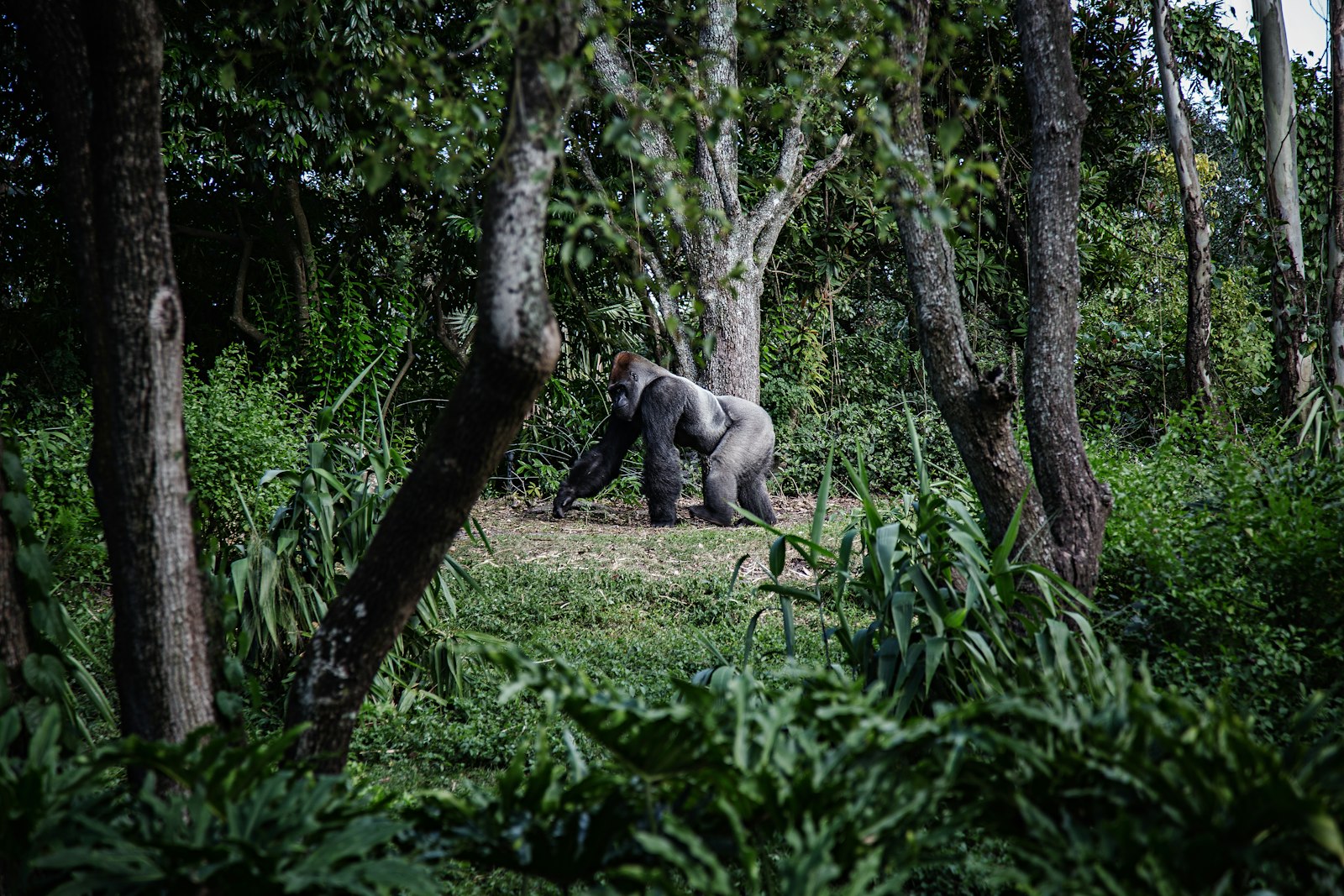
Want gorillas and the Big Five?
Uganda or Rwanda, and how many days? Tell us your travel window and we will show you how a gorilla trek fits with a Kenya safari.
Cold-Climate and Island Species
Several more animals you won’t see are cold-climate or island species. Polar bears live in the Arctic, giant pandas in China, orangutans in Borneo and Sumatra, kangaroos and koalas in Australia, and lemurs only in Madagascar. Africa does have penguins, but the African penguin breeds on the coasts of South Africa and Namibia, thousands of kilometres from Kenya’s equatorial shores.
Animals You Probably Won’t See (But Might)
Some animals do live in Kenya but are rare, shy or nocturnal, so for most visitors they end up among the animals you won’t see, even though they are there.
| Animal | Where in Kenya | Why it is hard to see |
|---|---|---|
| Mountain bongo | Aberdares and Mount Kenya forests | Critically endangered and secretive in dense forest |
| African wild dog | Laikipia, parts of Tsavo and the north | Endangered and wide-ranging |
| Pangolin | Savanna and woodland | Nocturnal and rarely encountered |
| Aardvark | Grassland and bush | Nocturnal; seen mainly on night drives |
| Black leopard | Laikipia | A rare melanistic form; documented in 2019 |
| Northern white rhino | Ol Pejeta Conservancy | Only the last northern white rhinos survive, under protection |
Night drives in conservancies give you the best chance of nocturnal species. Read our guides to aardvark facts, Kenya’s small predators and the Aberdare Big Five, where the bongo lives. Conservation statuses come from the IUCN Red List.
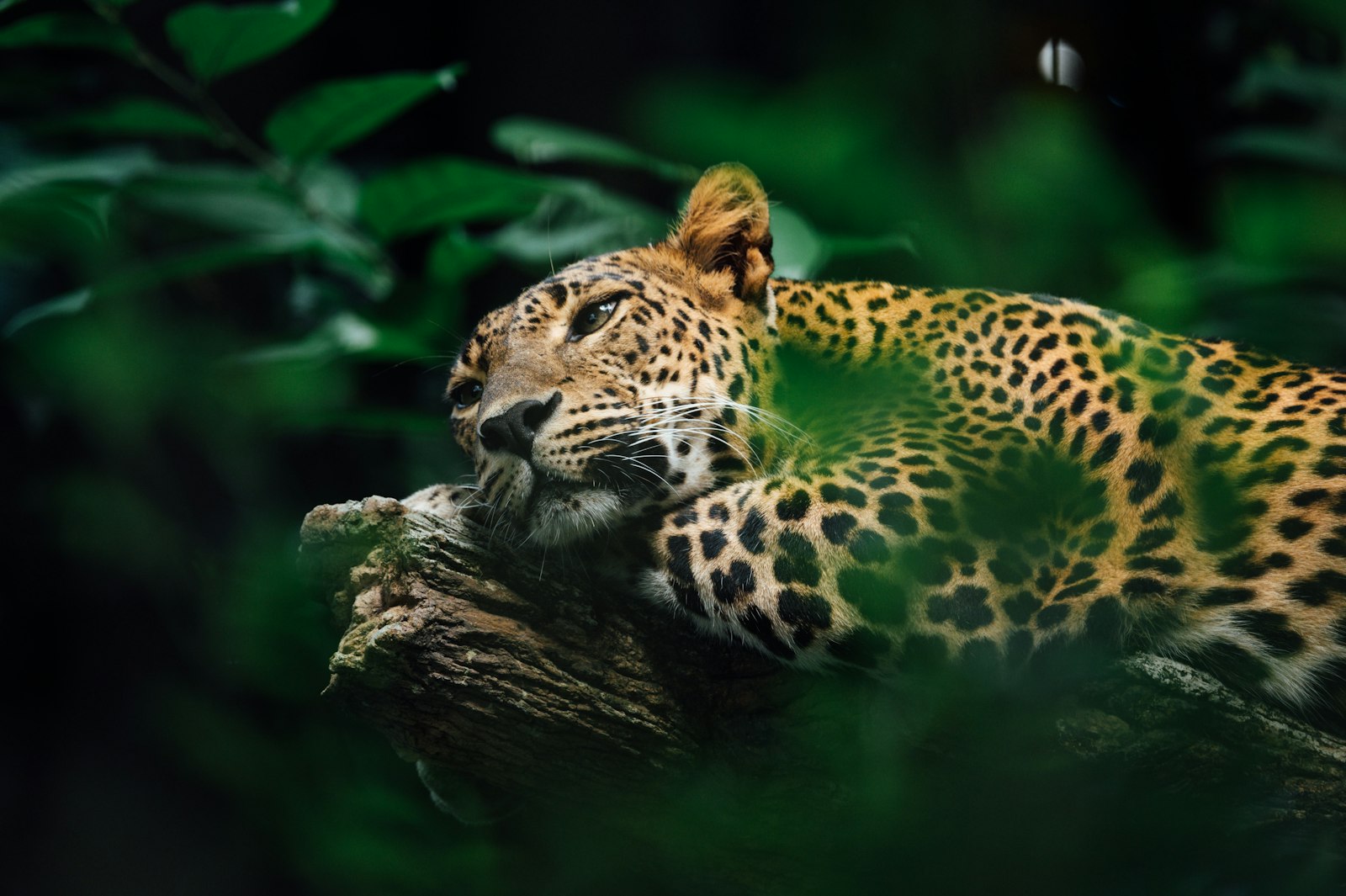
Expert tip from our Nairobi team
Before your trip, check your list against the animals you won’t see, then make a short list of your top five animals and send it to us. We can then choose parks and camps that suit them, and your guide will know what to focus on. Children love having a checklist, but remind them that wild animals keep their own schedules; patience is part of the adventure.
Animals You Won’t See in Certain Kenyan Parks
Even among animals that do live in Kenya, some are missing from particular parks, which matters when you choose your route.
| Park | Animals you won’t see there | Where to go instead |
|---|---|---|
| Amboseli | Rhinos | Ol Pejeta, Lewa or Lake Nakuru |
| Lake Nakuru | Elephants | Amboseli, Samburu or the Mara |
| Aberdare | Lions are rarely, if ever, recorded | Masai Mara or Laikipia |
| Samburu National Reserve | Rhinos | Sera Rhino Sanctuary nearby |
| Masai Mara | Grevy’s zebra and reticulated giraffe | Samburu and Laikipia |
| Nairobi National Park | Elephants | The Sheldrick orphanage nearby, or Amboseli |
This is why the animals you won’t see in one park shape the next stop on a good itinerary. A route that pairs the Mara with a rhino area and a northern park covers far more species than a single park. Planning around the animals you won’t see in each area is one of the simplest ways to make sure you do see your favourites somewhere on the trip.
Common Mix-Ups With Animals You Won’t See
Some confusion happens because a Kenyan animal looks a little like one of the animals you won’t see. Knowing the differences makes game drives more fun and helps you name what is in front of you.
Leopard or Cheetah?
Both cats are spotted, but the cheetah has solid round spots and a black “tear line” running from each eye to the mouth, while the leopard has clustered rosettes. Cheetahs are slim and long-legged and usually hunt by day on open plains. Leopards are heavier and more muscular, and often rest in trees, especially in the Mara and Samburu.
Hyena or Wild Dog?
Spotted hyenas are common in the Mara and many other parks, and despite their dog-like shape they are not dogs at all; they belong to their own family. African wild dogs have large rounded ears and patchy coats of black, tan and white. Wild dogs are far rarer, so a hyena is the more likely sighting on most drives.
Monkeys, Not Apes
Kenya has no wild apes, but it has plenty of monkeys. Olive baboons are the large, dog-faced primates you often meet beside the road. Black-and-white colobus monkeys live in forests such as the Aberdares, and vervet monkeys are common around many lodges. Keep food out of sight, because baboons and vervets are quick and confident thieves.
What You Will See Instead
Instead of the animals you won’t see, Kenya offers the Big Five, the Big Nine, the Great Migration and an extraordinary range of birds and antelopes.
- The Big Five: lion, leopard, elephant, rhino and buffalo.
- The Big Nine: the Big Five plus cheetah, giraffe, hippo and zebra.
- The Great Migration: huge herds of wildebeest and zebra in the Mara, roughly July to October.
- The Samburu Special Five: Grevy’s zebra, reticulated giraffe, Beisa oryx, Somali ostrich and gerenuk.
- Primates: baboons, vervet monkeys, colobus and Sykes’ monkeys, and bushbabies at night.
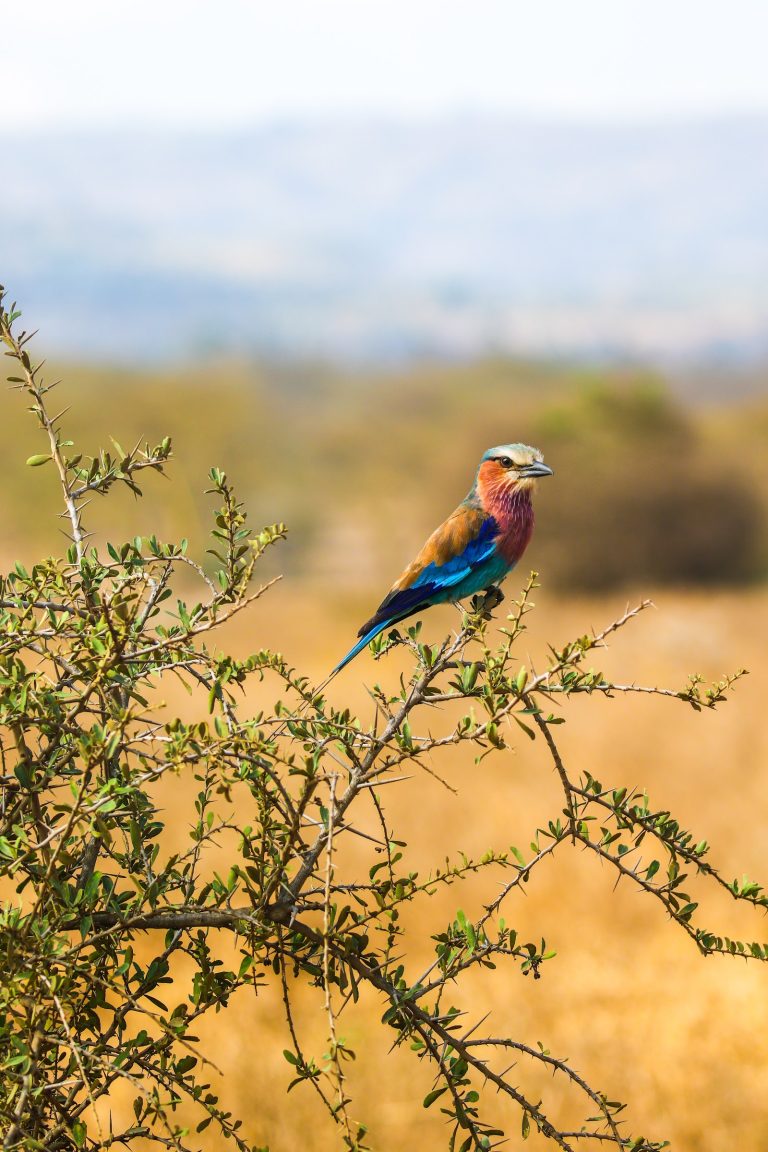
- Birds: flamingos, secretary birds, eagles and colourful rollers.
Read our Big Nine of Kenya guide and does Samburu have the Big Five for more. Park details and rules are published by the Kenya Wildlife Service.
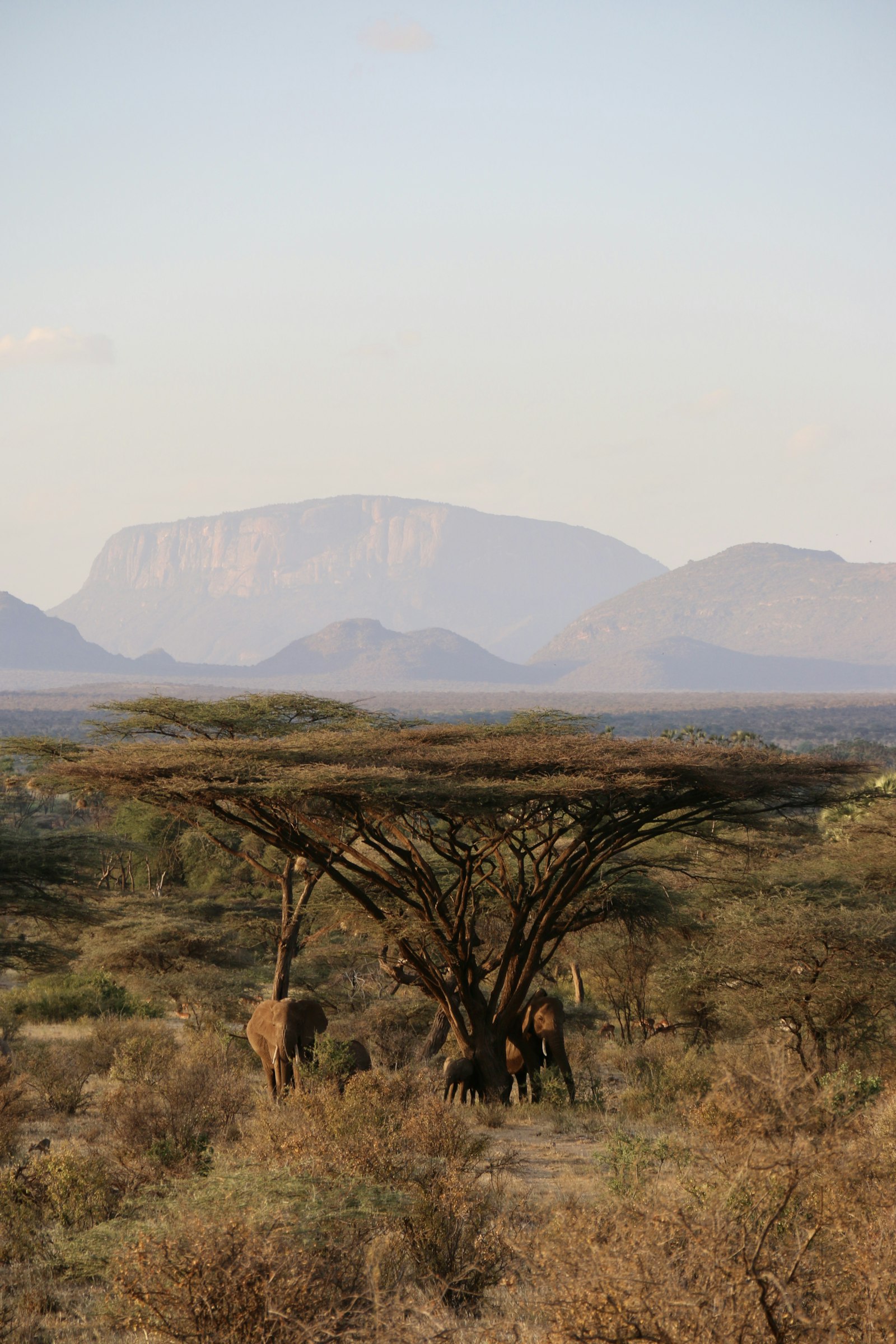
Build a trip around the animals you love
The best camps for big cats and rhinos book early for July to October. Share your dates and wish list, and we will send a written quote matched to your favourite animals.
Adding Gorillas to a Kenya Safari
You can combine a Kenya safari with gorilla trekking in Uganda or Rwanda by flying from Nairobi and adding three to four days.
| Option | How it works | Good to know |
|---|---|---|
| Rwanda | Fly Nairobi to Kigali, then drive to Volcanoes National Park | Quick access; permits are costly and limited |
| Uganda | Fly Nairobi to Entebbe, then drive or fly to Bwindi | Longer transfers; chimpanzee tracking possible elsewhere |
| Order of travel | Gorillas first, then relax on safari, or the reverse | Trekking can be strenuous; plan rest days |
| Permits | Book months ahead | Prices and rules are set by each country |
Our gorilla trekking from Kenya guide explains permits, flights and timing. See our Kenya and Rwanda Safari, our Uganda and Rwanda pages, and check entry rules with the UK government travel advice for Kenya.
Planning Your Kenya Wildlife Safari
To see Kenya’s best wildlife, combine the Masai Mara with one or two contrasting areas over about seven to ten days.
- Masai Mara: big cats and the migration.
- Ol Pejeta or Lake Nakuru: rhinos, including the last northern white rhinos at Ol Pejeta.
- Amboseli: elephants beneath Kilimanjaro.
- Samburu: the Special Five and dry-country wildlife.
Share your wish list early, and we will flag any animals you won’t see on a draft route before you commit, then suggest a change of park or an extra night that brings them within reach. The dry months, roughly late June to October and January to February, are generally easiest for viewing, because shorter grass and fewer water sources make animals easier to find. That way, the animals you won’t see are only the ones that truly live elsewhere.
Browse our Masai Mara safari packages, plan a private Kenya safari, see Ol Pejeta Conservancy camps and check our Kenya national parks entrance fees 2026 guide. For more destination ideas, visit Magical Kenya.
Tips for Spotting More on Every Game Drive
- Go out early: many predators are most active around dawn and again in the late afternoon.
- Bring binoculars for everyone: 8×42 or 10×42 models are good all-rounders and stop arguments over a single pair.
- Be patient: waiting quietly at a promising spot often beats racing between rumoured sightings.
- Stay longer in each area: two or three nights per camp gives you several chances at shy species.
- Choose a conservancy for night drives: Kenya’s national parks and reserves generally do not allow them, so nocturnal animals are easier to find on private and community land.
Animals You Won’t See Are a Great Conversation Starter With Children
Families often enjoy turning this list into a game: which animals live where, and why? It helps children understand habitats and continents, and makes real sightings even more exciting. Our guides enjoy these questions on every drive.
Animals You Won’t See on a Kenya Safari FAQs
Are there tigers in Kenya?
No. Wild tigers live only in Asia, and there have never been wild tigers in Africa. Kenya’s big cats are the lion, leopard and cheetah, which you can see in places such as the Masai Mara, Samburu and Laikipia. Lions in particular are easier to see in Kenya than wild tigers almost anywhere.
Can you see gorillas in Kenya?
No. Kenya has no wild gorillas. Mountain gorillas live in Uganda, Rwanda and the Democratic Republic of the Congo. Many travellers combine a Kenya safari with a gorilla trek by flying from Nairobi to Kigali or Entebbe and adding three or four days. Permits must be booked well ahead.
Are there chimpanzees in Kenya?
Kenya has no wild chimpanzees. Rescued chimpanzees live at the Sweetwaters Chimpanzee Sanctuary on Ol Pejeta Conservancy in Laikipia, where visitors can see them from viewing platforms. To see wild chimpanzees in East Africa, you would need to travel to forests in western Uganda or to Tanzania.
Is a leopard the same as a jaguar?
No. Leopards live in Africa and parts of Asia, while jaguars live only in Central and South America. They look similar, but jaguars are stockier with larger rosettes that often contain small spots. In Kenya, the spotted cat you see on safari is always the leopard, never a jaguar.
Which rare animals might I see in Kenya?
With luck and the right areas, you might see African wild dogs in Laikipia or Tsavo, aardvarks and pangolins on night drives, or mountain bongo in the Aberdares. These sightings are rare and never guaranteed, but conservancy night drives and patient guides give you the best chance.
What animals can I see on a Kenya safari?
Kenya offers the Big Five of lion, leopard, elephant, rhino and buffalo, plus cheetah, giraffe, hippo and zebra. You can also see the Great Migration, the Samburu Special Five, many antelopes, primates such as colobus monkeys and baboons, and a remarkable variety of birds, from flamingos to eagles.
Are there bears in Kenya?
No. There are no bears anywhere in sub-Saharan Africa, so bears are firmly among the animals you won’t see on a Kenya safari. The only bear native to Africa, the Atlas bear of North Africa, died out more than a century ago. Kenya’s large predators are lions, leopards, cheetahs and spotted hyenas.
Are there crocodiles in Kenya?
Yes. Nile crocodiles live in many Kenyan rivers and lakes, including the Mara River, where they are famous for ambushing wildebeest during migration crossings. You can also see them in the Galana River in Tsavo East, at Mzima Springs in Tsavo West and in Lake Turkana, which holds a very large population.
Real Kenyan Wildlife, Honestly Planned
We tell you what is realistic, choose the right parks and camps, and add gorillas next door if you wish. Sense of Adventure is a TRA-licensed Nairobi safari company.
Kenya-based experts. Real local knowledge. Transparent pricing.