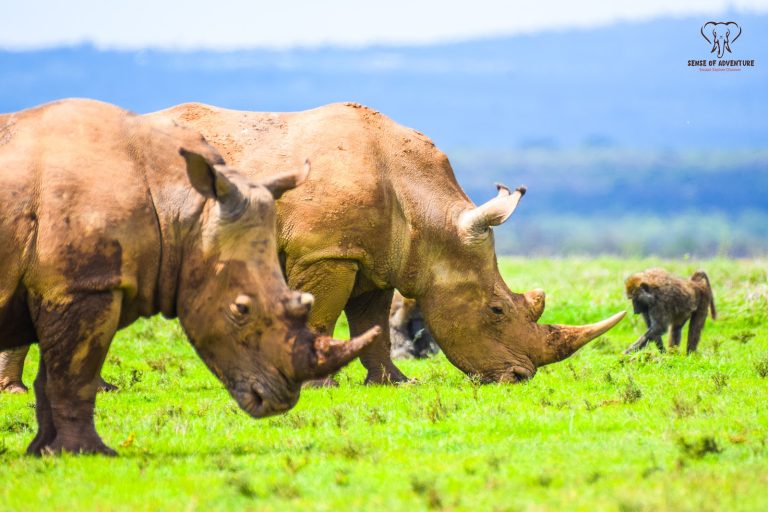
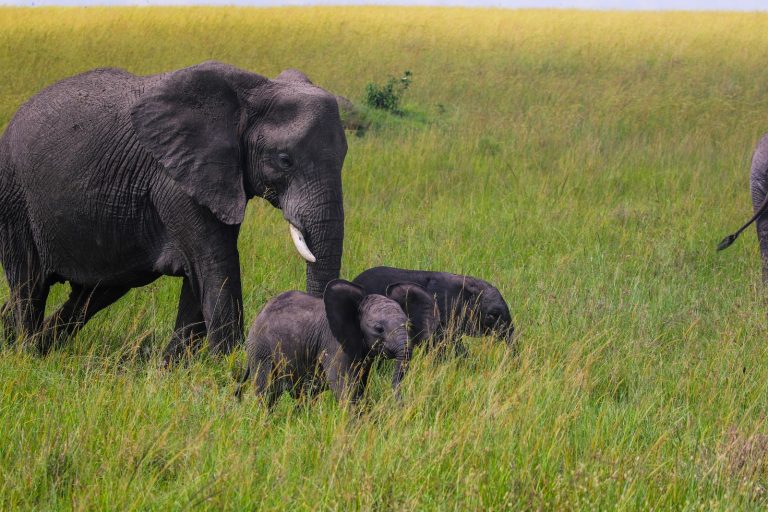
Big Nine of Kenya means the Big Five (lion, leopard, elephant, rhino and buffalo) plus cheetah, giraffe, hippo and zebra. It is a modern safari checklist rather than an official list. You can see all nine on a well-planned trip of about seven to ten days, combining the Masai Mara with a rhino area such as Ol Pejeta or Lake Nakuru.
Sense of Adventure is a TRA-licensed private safari company based at Mountain Mall on Thika Road, Nairobi. We plan routes that give guests strong chances of seeing all nine, without rushing between parks. This guide explains where the term comes from, how to recognise each species, where to find them and how long to allow.
Hoping to tick off all nine? Tell us your dates and we will suggest the best route.
Plan my Big Nine routeWhat Is the Big Nine?
The Big Nine is an informal safari term that adds cheetah, giraffe, hippo and zebra to the classic Big Five.
The phrase “Big Five” came from big-game hunting. It described the five animals hunters considered the most dangerous and difficult to hunt on foot, not the most beautiful or interesting. Giraffes, zebras and cheetahs never made that list, yet they are among the animals travellers most want to see. The longer list reflects how people enjoy safari today: with cameras, not rifles. You will also hear of the Samburu Special Five and other regional lists.
The Big Nine at a Glance
This table shows each member of the Big Nine, how easy it is to see in Kenya and its global conservation status.
| Species | How easy to see | Best areas | IUCN status |
|---|---|---|---|
| Lion | Good | Masai Mara, Laikipia, Amboseli, Nairobi NP | Vulnerable |
| Leopard | Fair; elusive | Masai Mara, Samburu, Laikipia | Vulnerable |
| Elephant | Very good | Amboseli, Tsavo, Samburu, Mara | Endangered (African savanna elephant) |
| Rhino | Good in sanctuaries | Ol Pejeta, Lake Nakuru, Lewa, Nairobi NP | Black: Critically Endangered; white: Near Threatened |
| Buffalo | Very good | Most parks | Near Threatened |
| Cheetah | Fair to good | Masai Mara, Mara conservancies | Vulnerable |
| Giraffe | Very good | Mara, Amboseli, Nakuru, Samburu | Varies by type; several Endangered |
| Hippo | Very good near water | Mara River, Lake Naivasha, Tsavo | Vulnerable |
| Zebra | Very good | Mara, Amboseli, Samburu (Grevy’s) | Plains: Near Threatened; Grevy’s: Endangered |
Statuses come from the IUCN Red List and can change as assessments are updated.
The Big Five: The Original Core of the Big Nine
The Big Five form the original core of the list, and Kenya offers all five, though not in every park.
Lion, Leopard, Elephant and Buffalo
The Masai Mara is Kenya’s best area for lions, and its riverine woodland and rocky outcrops hold leopards. Elephants are easiest in Amboseli, where herds feed in the swamps beneath Kilimanjaro, and in Tsavo and Samburu. Buffalo are found in most parks. Read our guides to whether lions attack safari vehicles and whether elephants fear mice.
Rhino: The Hardest of the Big Nine
Rhinos in Kenya live mainly in fenced or heavily protected sanctuaries and conservancies. Ol Pejeta, Lewa, Lake Nakuru, Nairobi National Park and the Tsavo West rhino sanctuary are among the best places to see them. Ol Pejeta also cares for the last northern white rhinos, part of an international rescue programme; see Ol Pejeta Conservancy for current information. Our Amboseli vs Ol Pejeta comparison explains why Amboseli has no rhinos.

Which rhino stop fits your route?
Ol Pejeta, Lake Nakuru or Lewa? Tell us your days and style, and we will suggest the rhino area that fits best with the Mara.
The Four Additions: Cheetah, Giraffe, Hippo and Zebra
The four additions turn the Big Five into nine, and each brings something different to a game drive.
Cheetah
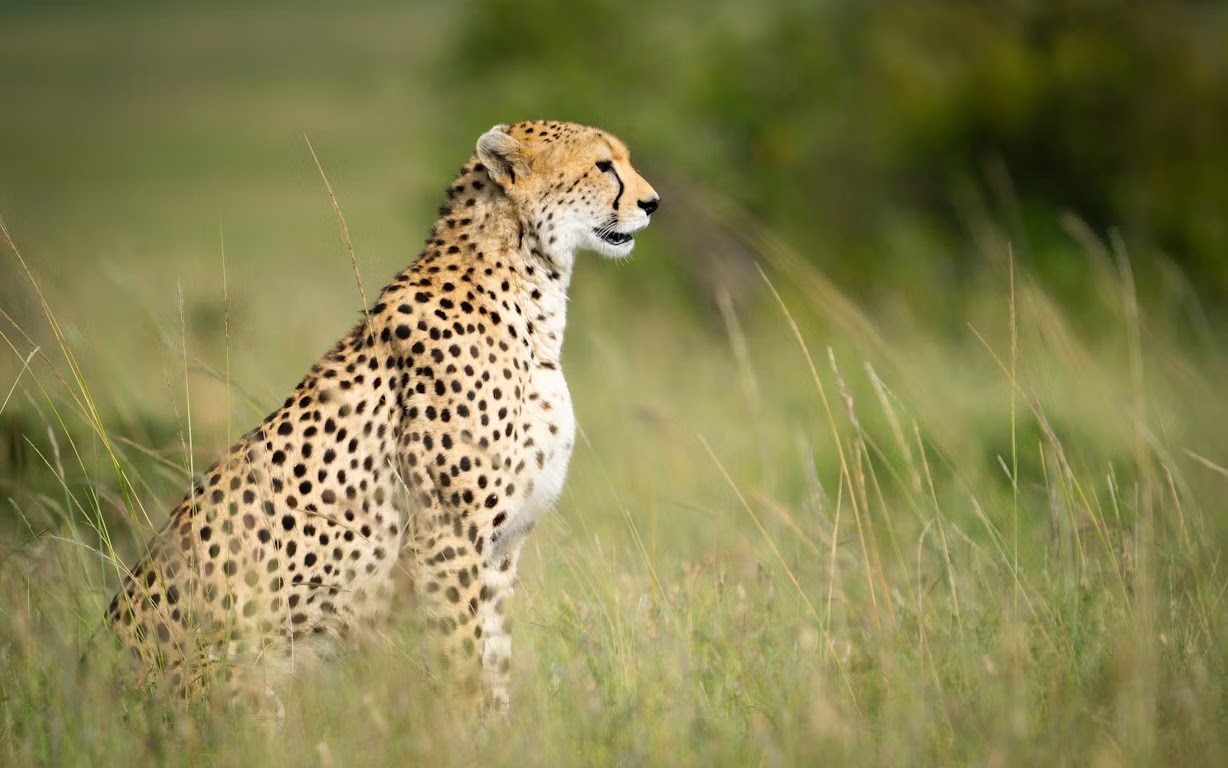
The cheetah is the fastest land animal, capable of short sprints of around 100 km/h or more. Unlike lions and leopards, it hunts mostly by day, so you have a real chance of watching a stalk and chase. The open plains of the Masai Mara and its conservancies are Kenya’s best cheetah country.
Giraffe
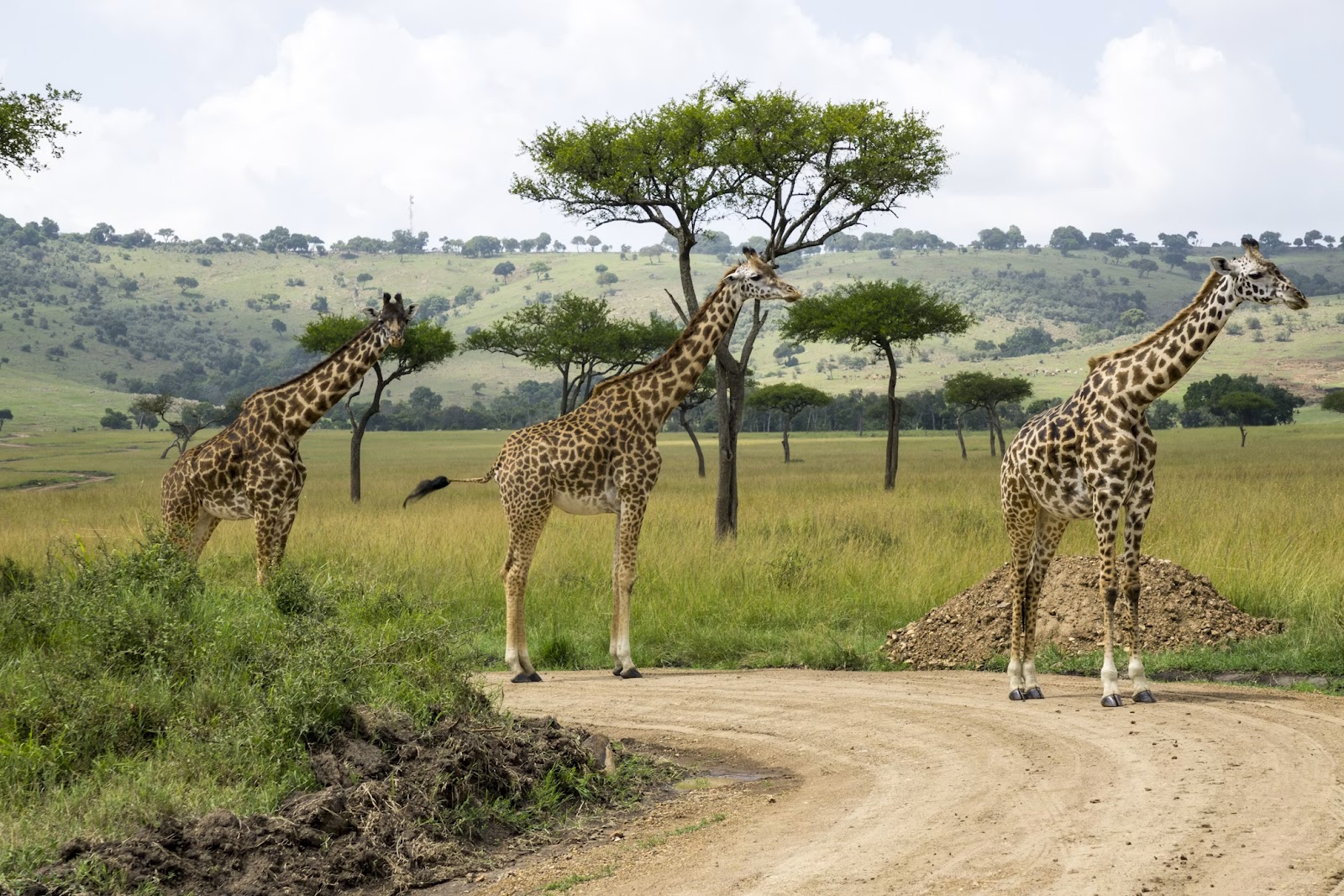
Kenya has three distinct giraffes: the Masai giraffe in the south, the reticulated giraffe in the north around Samburu, and Rothschild’s (Nubian) giraffe in places such as Lake Nakuru. Several are threatened; the Giraffe Conservation Foundation tracks their status. Read our guide to giraffe sleep for a surprising look at their behaviour.
Hippo
Hippos spend the day in rivers and lakes and leave the water at night to graze. They are often described as among Africa’s most dangerous large animals to people, mainly because of encounters near water. See them safely from a vehicle or a guided boat on the Mara River banks, at Lake Naivasha or at Mzima Springs in Tsavo West.
Zebra
Plains zebras are common across the Mara and southern parks, and join wildebeest in the Great Migration. In the north, look for the Grevy’s zebra, taller with narrow stripes and large rounded ears; the Grevy’s Zebra Trust works to protect it. Our zebra stripes guide explains the science.

Expert tip from our Nairobi team
Treat the checklist as a guide, not a race. Tell your guide which species matter most to you, then let them read the conditions. Leopards and cheetahs reward patience and early starts, while rhinos reward the right location. The best sightings often come when you stay with an animal rather than rushing to the next one.
Where to See the Big Nine in Kenya
No single park guarantees the whole Big Nine, so the smartest plan pairs the Masai Mara with a rhino sanctuary and, ideally, Amboseli or Samburu.
| Area | Big Nine strengths | Missing or harder |
|---|---|---|
| Masai Mara and conservancies | Lion, leopard, cheetah, elephant, buffalo, giraffe, hippo, zebra | Rhino rare |
| Ol Pejeta and Laikipia | Rhino, lion, elephant, buffalo, giraffe, zebra (including Grevy’s) | Cheetah and hippo less certain |
| Lake Nakuru | Rhino, lion, buffalo, Rothschild’s giraffe, zebra | No elephants |
| Amboseli | Elephant, lion, buffalo, giraffe, zebra, hippo | No rhinos; leopard and cheetah less common |
| Samburu | Elephant, leopard, lion, reticulated giraffe, Grevy’s zebra | No rhinos in the reserve |
Read our does Samburu have the Big Five and Laikipia vs Masai Mara guides. For camps, see Ol Pejeta Conservancy camps. Park rules and fees are set by the Kenya Wildlife Service; see our Kenya national parks entrance fees 2026 guide.
Lock in the camps for a full Big Nine circuit
The best Mara and Laikipia camps book early for July to October. Share your dates and we will send a written quote for a route built around all nine.
How Many Days Do You Need?
Allow seven to ten days to give yourself a strong chance of seeing the whole Big Nine at a relaxed pace.
| Trip length | Sample route | Big Nine chances |
|---|---|---|
| 4 to 5 days | Lake Nakuru plus Masai Mara | Good for most of the nine |
| 7 days | Ol Pejeta plus Masai Mara | Strong for all nine |
| 9 to 10 days | Samburu, Ol Pejeta, Lake Nakuru and Masai Mara | Very strong, plus northern species |
| 10 days or more | Add Amboseli for elephants under Kilimanjaro | Very strong, with variety |
Our Kenya Highlights Safari covers Samburu, Ol Pejeta, Lake Nakuru and the Masai Mara in nine days. A private Kenya safari lets your guide stay with sightings as long as you like, and our Masai Mara safari packages are a good base for building the route.
Beyond the Nine: Other Animals Worth Seeking
Some of Kenya’s most memorable sightings fall outside any famous list, so leave room in your plans for the unexpected.
- African wild dog: endangered and wide-ranging; sometimes seen in Laikipia and parts of Tsavo.
- Samburu Special Five: Grevy’s zebra, reticulated giraffe, Beisa oryx, Somali ostrich and gerenuk, all suited to the dry north.
- Spotted hyena: often overlooked, yet fascinating to watch at dawn near a kill.
- Wildebeest: the stars of the Mara migration from about July to October.
- Birdlife: Kenya has a very long bird list, from flamingos on the Rift Valley lakes to colourful lilac-breasted rollers.
- Primates: colobus monkeys in forests and chimpanzees at the Sweetwaters sanctuary on Ol Pejeta.
Ask your guide to stop for these, too. A slow morning watching a hyena den or a flock of vultures can be as rewarding as a lion sighting. Our Samburu safari 2027 guide covers the northern species in more detail.
Best Time to See the Big Nine
You can see the Big Nine all year, but the dry months make spotting easier as grass shortens and animals gather near water.
- Late June to October: dry season and the Great Migration in the Mara; busy and popular.
- January to February: generally dry and warm, with good viewing and fewer crowds.
- November to December: short rains, green scenery and newborn animals.
- April to May: long rains; long grass hides cats, and some camps close.
Explore our Great Migration safaris for July to October, check the UK government travel advice for Kenya and browse Magical Kenya for ideas. If you want to go beyond the Big Nine, our guide to Kenya’s small predators covers the animals many travellers miss.
Big Nine FAQs
What is the Big Nine in Kenya?
The Big Nine is an informal safari checklist made up of the Big Five, which are lion, leopard, elephant, rhino and buffalo, plus cheetah, giraffe, hippo and zebra. It is not an official list, but it reflects the animals most travellers hope to see on a Kenya safari today.
Why are giraffes and zebras not in the Big Five?
The Big Five name came from big-game hunting and described the animals hunters considered most dangerous and difficult to hunt on foot. Giraffes, zebras and cheetahs were not seen that way, so they were left out, even though they are now among the most popular animals on photographic safaris.
Which Big Nine animal is hardest to see in Kenya?
The rhino is usually the hardest, because Kenya’s rhinos live mainly in protected sanctuaries and conservancies such as Ol Pejeta, Lewa, Lake Nakuru and Nairobi National Park. Leopards can also be elusive. Including at least one rhino area in your route greatly improves your chances of seeing all nine.
Can you see the Big Nine in the Masai Mara alone?
You can see eight of the nine in the Masai Mara and its conservancies with good luck, but rhinos are rare there. Most travellers add Ol Pejeta, Lake Nakuru or Lewa for rhinos. Combining the Mara with a rhino sanctuary over seven to ten days gives a strong chance of all nine.
How many days do I need to see the Big Nine?
Seven to ten days is ideal, usually covering the Masai Mara plus a rhino area such as Ol Pejeta or Lake Nakuru, and possibly Samburu or Amboseli. Shorter trips of four or five days can still deliver most of the nine, but give you less time to wait for leopards and cheetahs.
What is the best month to see the Big Nine?
The dry months from late June to October and January to February are best, because short grass and gathered water make animals easier to find. July to October also brings the Great Migration to the Mara. You can see the Big Nine in other months, but long grass can hide cats.
Nine Icons, One Unhurried Safari
We design private routes that pair the Masai Mara with Kenya’s best rhino areas, so you can enjoy every one of the Big Nine without rushing. Sense of Adventure is a TRA-licensed Nairobi safari company.
Kenya-based experts. Real local knowledge. Transparent pricing.