
Kenya Safari Packing List: What to Bring, What to Leave Behind.
Your first African safari will be both better and stranger than the glossy version: early 5:30 am starts, dusty tracks, long quiet spells, then moments so vivid you remember them for life. Most safari guides tell you what to pack. This guide tells you what a first African safari is actually like: the physical reality of a game drive at dawn, what happens if nothing moves for two hours, how the camp food really tastes, what the tent sounds like at 3 am when something large is walking outside, and the quality of an African dawn seen from an open vehicle over a thousand square kilometres of savannah.
✅ First African Safari: Quick Answer
- Early starts: most days begin around 5:30 am, because animals are most active in the cool hours.
- Rhythm: a morning drive, a long midday rest, an afternoon drive and dinner in camp.
- Comfort: mid-range camps have proper beds, en-suite bathrooms and hot showers.
- Nothing is guaranteed: some drives are quiet; patience and a good guide make the difference.
- Good first trips: 3 to 7 days in Kenya, from USD 650 for a 3-day Masai Mara safari.
Planning your first African safari and not sure where to start? Ask us anything, however basic.
Ask a First-Timer QuestionThe gap between what people expect from a first African safari in Kenya and what they actually experience is wider than in almost any other form of travel. Guests who are prepared for the reality enjoy it more deeply than those who arrive with magazine expectations. Sense of Adventure prepares every guest honestly before departure. This guide is that preparation.
A Real Day on Your First African Safari, Hour by Hour
This section breaks down exactly what a typical day looks like on a first African safari, so your expectations match reality before you travel. Timings vary a little by camp and season, but the rhythm is almost universal across East Africa, because it follows the animals rather than the clock.
🕓 Morning Game Drive (05:00 to 10:00)
05:00 to 05:30, wake-up in the dark. Your alarm goes off while the camp is still silent. Coffee or tea arrives at your tent, often with a biscuit. This early start is one of the first realities of any first African safari, and almost everyone grumbles once and then never again.
05:30 to 06:00, departure into the bush. You leave before sunrise in a 4×4. The air is cold, the sky is still full of stars, and the first sounds are birds and the occasional distant lion. Bring a fleece; open vehicles are chilly at speed.
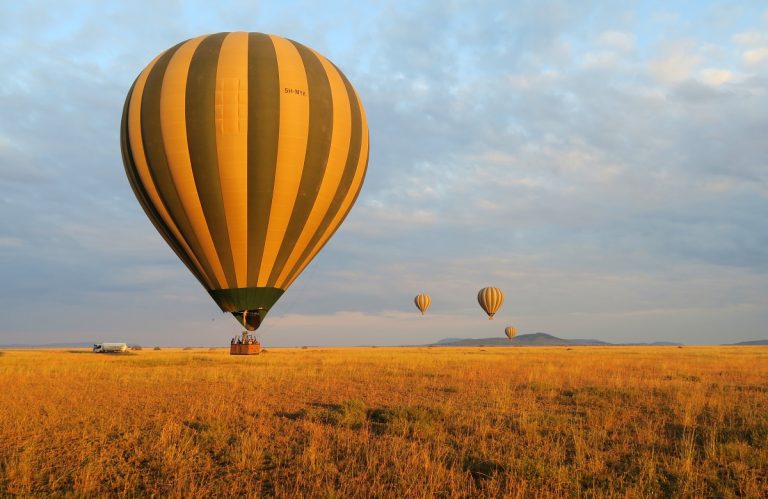
06:00 to 06:30, sunrise over the savannah. The light shifts dramatically across the plains. Even without a single sighting, this half hour often becomes the memory guests talk about most.
06:30 to 10:00, the main game drive. This is peak wildlife activity. Lions finish the night’s hunting, cheetahs start theirs, and herds move to water. Patience is key: your guide reads tracks, listens to alarm calls and talks to other guides, and sometimes the best decision is to wait.
🏕️ Midday Camp Break (10:00 to 16:00)
10:00 to 11:00, return to camp and breakfast. A full hot breakfast awaits after the morning drive, unless you have taken a picnic breakfast out in the bush.
11:00 to 16:00, rest, sleep or relax. This downtime surprises many visitors on a first African safari. It is essential, because the midday heat sends animals into the shade and makes photography flat. Nap, read, swim if the camp has a pool, or sit quietly and watch whatever wanders past.
🌅 Afternoon Safari (16:00 to 19:00)
16:00 to 17:30, the afternoon game drive begins. Wildlife becomes active again as temperatures drop, and the light turns warm and golden.
17:30 to 18:30, sundowners in the bush. A signature safari experience: a drink in the wild during golden hour, often on a rise with a view. In national parks and reserves your guide will choose a spot where stepping out is allowed.
18:30 to 19:00, return to camp. As darkness falls, the bush transforms completely. In most national parks and reserves, vehicles must be back in camp by around sunset.
🌌 Evening in Camp (19:00 to 21:00)
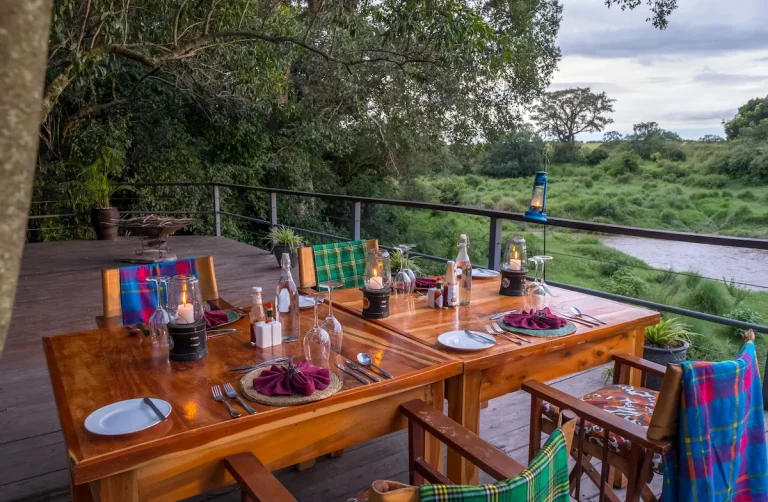
19:30 to 20:30, dinner under the stars. Most camps serve a three-course dinner, often in an open-air dining area. Special diets are usually easy to arrange if you tell us in advance.
20:30 to 21:00, fire, stars and bush sounds. A peaceful end to the day around the fire. A staff member walks you back to your tent after dark, and you will fall asleep earlier than you have in years.
This happens on almost every first safari. By the end, guests are already thinking about what other parks, seasons and safari experiences they want to explore next in Kenya and East Africa.
12 Honest Truths Nobody Tells You Before a First African Safari
These are the things our guides most often explain on day one. None of them are reasons not to go; they are reasons to go prepared.
- You will be dusty. In the dry season, a scarf or buff and sunglasses are not optional.
- Roads are bumpy. The phrase “African massage” exists for a reason; people with back problems should mention it when booking.
- Some drives are quiet. Wild animals do not keep appointments, and an hour without a big sighting is normal.
- Then everything happens at once. A first African safari is usually remembered for two or three extraordinary moments.
- Mornings are cold. Even near the equator, highland mornings can be chilly in an open vehicle.
- Afternoons are hot. That is why the midday rest exists.
- The food is good. Most camps cook fresh meals, and the quantity surprises people.
- Nights are loud. Hyenas whoop, lions roar and hippos grunt. It is thrilling, not dangerous, if you stay in your tent.
- Wi-Fi is patchy. Many camps have some signal; plan to be offline more than you expect.
- You will want binoculars. One pair per person is ideal.
- Your guide matters most. A good guide turns an average drive into a great one.
- You will want to come back. Almost everyone does.
Choosing Where to Go on Your First African Safari
For most first-timers, Kenya is an easy place to start: direct flights to Nairobi, English widely spoken, short drives or flights to the parks and a huge density of wildlife. The Masai Mara is the classic first African safari destination, famous for big cats and, from about July to October, the Great Migration. Amboseli adds elephants beneath Kilimanjaro, Lake Nakuru adds rhinos, and Lake Naivasha offers boat trips and walking among giraffes on Crescent Island.
Our Masai Mara safari packages page compares road, fly-in and luxury options, and our guide to the best time to visit Masai Mara explains how the seasons change what you see. If you would rather have your own vehicle and guide from the start, read about a private Kenya safari.
How long should a first African safari be?
Three nights in one park is the minimum we recommend, as it gives you two full days of game drives. Five to seven days lets you combine two or three parks without rushing. Longer trips can add a beach stay on the coast, which is a lovely way to rest after early starts.
Torn between the Mara, Amboseli or a combination?
Tell us how many days you have and what you most want to see, and we will suggest a first-time route that does not waste time on the road.
Help Me Pick a RouteWhat a First African Safari Costs With Us
Prices depend on season, group size and the style of camp, but these real trips from our site give a fair idea for a first African safari in Kenya:
- Masai Mara and Lake Nakuru Camping Safari (4 days): from USD 750 per adult sharing.
- 3-Day Masai Mara Safari: from USD 650 per person.
- 5 Days Kenya Safari: Masai Mara, Nakuru and Naivasha: from USD 1,250 per person.
- Kenya Classic Group Safari: Amboseli, Lake Naivasha and Masai Mara (7 days): from USD 1,650 per person.
The final price depends on dates, camps and the number of travellers sharing a vehicle. Park and reserve fees are set by the authorities and can change, so we always confirm them in your written quote.
Camps, Tents and Comfort
Many people planning a first African safari worry about sleeping in a tent. In practice, a safari tent at a mid-range or luxury camp is a permanent canvas room with a proper bed, electric light and an en-suite bathroom, often with a hot shower. Budget camps are simpler but still have real beds. Our guide on what a safari tent is like inside shows what to expect at each level.
Lodges, with solid walls and more facilities, are a good choice if you are nervous about canvas. Either way, camps are fenced or guarded, staff escort you after dark, and the rules are simple: stay in your tent at night and follow your guide’s advice.
What to Pack for Your First African Safari
- Neutral-coloured clothes in layers: a fleece or light jacket for mornings, short sleeves for afternoons.
- A wide-brimmed hat, sunglasses, sunscreen and lip balm.
- Binoculars and a camera with a zoom lens; a phone works well for landscapes.
- A scarf or buff for dust, and a small torch for camp.
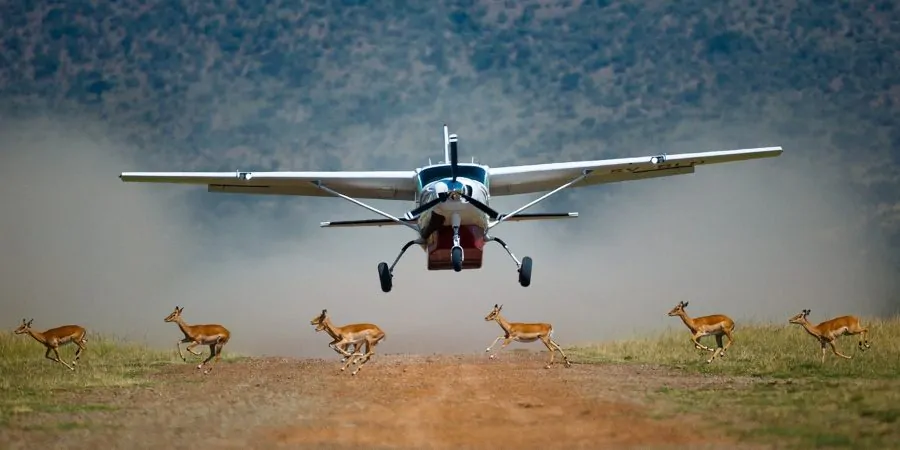
- A soft-sided bag if you are flying between parks, as light aircraft limit luggage.
- Insect repellent and any malaria prevention your doctor recommends.
Common First African Safari Mistakes to Avoid
Most first-time problems are small and easy to prevent. These are the ones we see most often, and each is simple to fix before you travel.
- Trying to see too many parks. A first African safari that changes camp every night spends more time on the road than with animals. Two or three nights per stop is far better.
- Packing too much. Most camps offer laundry, and light aircraft limit bags. Pack half of what you think you need.
- Skipping the early drive. The 5:30 am start feels hard, but it is when cats are most active.
- Wearing bright colours or strong perfume. Neutral tones and no scent keep you less noticeable to animals.
- Chasing a checklist. Guests who relax and let the guide lead usually see more.
- Forgetting a warm layer. Open vehicles at dawn are colder than most people imagine.
Photography tips for a first African safari
A zoom lens of 200 to 400 mm suits most wildlife, but a modern phone captures landscapes and camp life well. Switch off the flash, keep your movements slow, and ask the driver to turn off the engine for sharper shots. Above all, put the camera down sometimes. The best memories of a first African safari are often the moments you simply watched.
Health, Safety and Entry Rules
Most visitors need a Kenya eTA, which you apply for online through the official Kenya eTA portal before you fly. Check your government’s advice too, such as the UK Foreign Office travel advice for Kenya. Speak to a travel clinic about vaccinations and malaria prevention well ahead of your trip, and take travel insurance that covers medical evacuation.
On safari itself, the main safety rules are about animals: stay seated in the vehicle, keep arms inside near big cats and elephants, and never walk outside camp at night without a guide. Our guide Is Kenya safe for tourists? covers the rest.
When to Book a First African Safari
For the migration months of July to October and for Christmas, book six to twelve months ahead, as the best camps fill early. For other months, three to six months is usually enough. Many first-timers wonder whether to book flights or the safari first; our step-by-step guide on whether to book flights or safari first answers that.
Know roughly when you want to go? We can hold camp space while you sort your flights.
Request My Written Quote
First African Safari: Frequently Asked Questions
Is a safari uncomfortable?
A quality Kenya safari is physically comfortable but not physically passive. The 5:30 am starts, the dust on morning drives and the bumpy tracks across open country engage the body in ways that hotel-based travel does not. The accommodation at mid-range and above is genuinely comfortable: proper beds, en-suite bathrooms, hot showers and excellent food. “Uncomfortable” is the wrong word. “Demanding in ways that feel entirely worthwhile” is closer.
What if I don’t see the Big Five?
It is possible to spend a week in the Masai Mara and miss one or two of the Big Five; the leopard, in particular, can be elusive. Our guides track leopard activity actively and position guests based on the best available information. But the more important answer is that the Big Five is a list, not an experience. Guests who have watched a cheetah hunt at full speed or stood at the Mara River as the herds crossed do not sit in their departure lounges wishing they had seen a rhino. Context matters more than lists.
How do I manage expectations for a first safari?
The single most useful expectation to hold: every game drive is different. Some produce astonishing encounters in the first 30 minutes. Some require patience across two hours before anything significant happens. Both are authentic safaris. Guests who trust the guide rather than managing the guide consistently report the most satisfying first safaris, and we brief every first-timer on this before departure.
Is a first African safari suitable for children?
Yes, with the right planning. Many camps welcome children, and a private vehicle lets you take breaks when young ones need them. Some camps set minimum ages for game drives or walks, so we check each one for you. Short drives, a pool and plenty of snacks make a first African safari easy for families.
Do I need to tip on safari?
Tipping is customary but always at your discretion. Most guests tip their driver-guide at the end of the trip and leave a contribution in the camp staff box. We give you clear, suggested amounts in your pre-departure notes, so you are never guessing, and US dollars or Kenya shillings are both accepted.
What is the best first African safari for a short trip?
If you have only three or four days, a Masai Mara safari is the strongest choice, as wildlife density is very high and it is reachable by road or a short flight from Nairobi. Combine it with Lake Nakuru or Lake Naivasha for variety. Our Kenya safari from Nairobi page lists short options.
Ready for the real thing on your first African safari?
Every Sense of Adventure guest receives an honest pre-departure briefing covering exactly what to expect. Send us your dates and we will build the right first trip.
Plan My First SafariEmail My QuestionsWhatsApp or call +254 799 160 081 or email reservations@senseofadventure.co.ke
Family Safari Kenya Guide: Everything Parents Need to Know for the Best Kenya Trip with Kids
For official park rules, fees and conservation information, visit the Kenya Wildlife Service (kws.go.ke), and for general travel inspiration see Magical Kenya.