
Mwea National Reserve is a small, quiet reserve in Embu County where the Tana and Thiba rivers meet the Masinga and Kamburu reservoirs. About 160 km from Nairobi, it is best for birdwatching, including the threatened Kenya-endemic Hinde’s babbler, plus hippos, crocodiles and dry-country game, with few other visitors.
Sense of Adventure is a TRA-licensed private safari company based at Mountain Mall on Thika Road, Nairobi. We arrange specialist birding days and off-circuit trips for travellers and travel agents’ clients. This guide sets out honestly what Mwea offers, who will love it, and how to fit it into a wider Kenya itinerary.
✅ Mwea National Reserve: The Quick Answer
- What it is: a small, quiet KWS reserve in Embu County on the Tana River dams, about 160 km from Nairobi.
- Best for: birding, above all the threatened Hinde’s babbler, plus hippos, crocodiles and peaceful scenery.
- Not for: travellers wanting the Big Five or big cats; game is sparse.
- Entry fee: USD 40 per non-resident adult per day, paid cashlessly.
- How long: a long day trip from Nairobi, or one night at a KWS campsite for dawn birding.
Hoping to see Hinde’s babbler? Send your dates and target species and we will plan a guided Mwea birding day.
Plan my Mwea birding dayMwea National Reserve at a Glance
Mwea National Reserve is a niche destination for birders and repeat visitors, not a first-safari Big Five park.
| Quick fact | Detail |
|---|---|
| Managed by | Kenya Wildlife Service, under a 1996 joint agreement with the former Mbeere County Council (now Embu County) |
| Gazetted | 1976 according to KWS (some sources say 1975) |
| Size | Usually quoted at about 42 km²; BirdLife’s wider Key Biodiversity Area is about 81 km² |
| Altitude | About 1,000 to 1,100 metres |
| Habitat | Semi-arid acacia and commiphora bush, baobabs, riverine woodland, reservoir shoreline |
| Access | Makima Gate, via Thika, Matuu and Masinga Dam |
| Best for | Birdwatching, quiet game viewing, camping, photography |

Why So Few People Visit
Mwea is off the classic safari circuit and has limited facilities. That is exactly its appeal for some travellers: you can spend a morning watching birds along a river without seeing another vehicle. For a first safari, though, the Masai Mara, Amboseli or Samburu will give you far more big game.
Hinde’s Babbler and the Birds of Mwea National Reserve
Birding is the main reason to visit Mwea National Reserve, and Hinde’s babbler is the headline species.
Hinde’s Babbler
Hinde’s babbler is a globally threatened bird found only in central Kenya. According to the BirdLife Key Biodiversity Area factsheet, Mwea is one of only two protected areas where it is known to occur. Surveys there estimated around 50 birds in about 15 groups, living in denser bush along watercourses. Most of the species’ range lies on farmland outside protected areas, which makes Mwea important.
The birds move in noisy family groups. Your best chance is early morning in thick riverine scrub, with a guide who knows their calls. Sightings are never guaranteed, so plan at least a full morning.
Other Notable Species
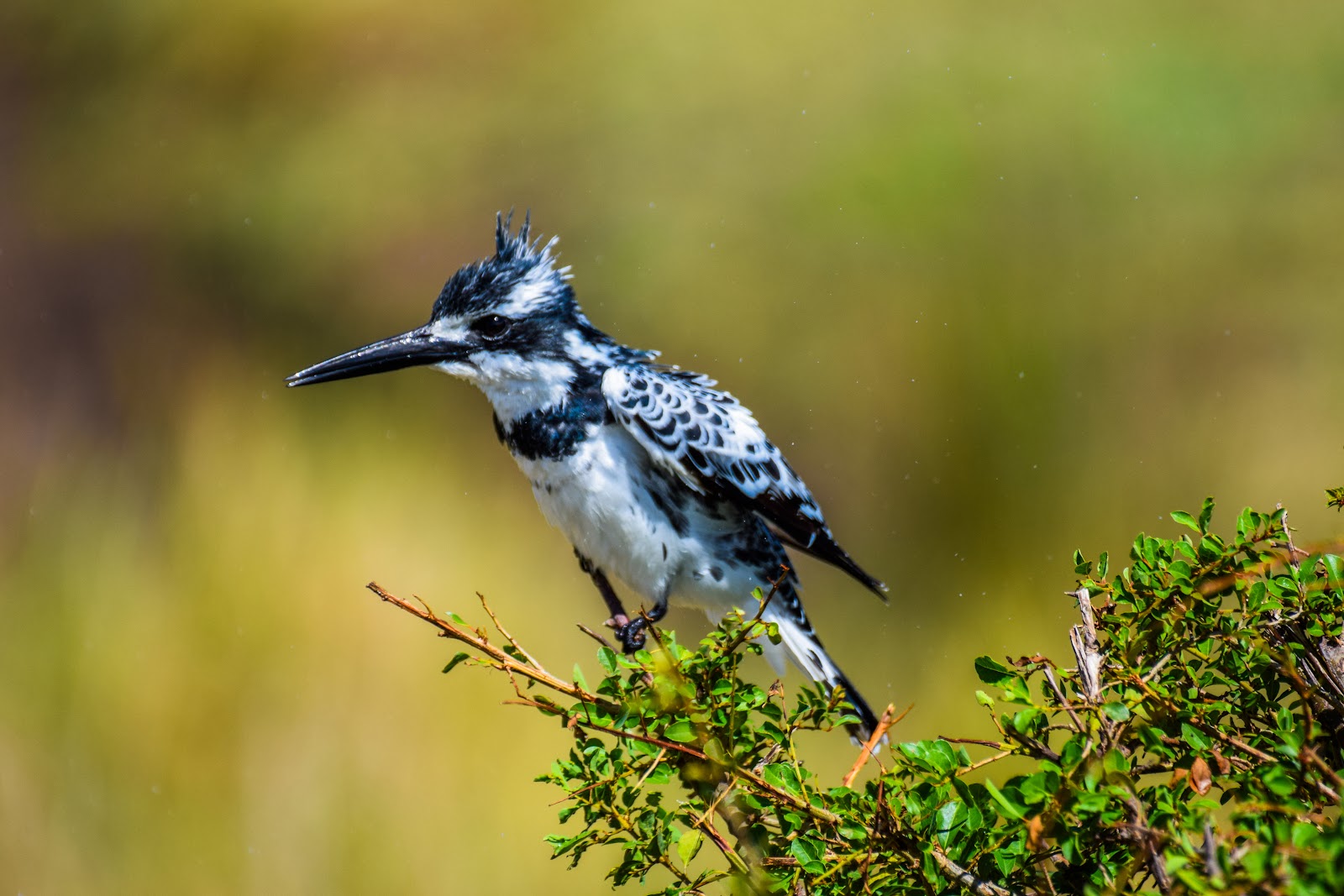
KWS highlights Pel’s fishing owl and the white-backed night heron, both rarely seen in Kenya. BirdLife also lists African darter nesting on the nearby Masinga Reservoir, martial eagle, and the Madagascar pond heron as a non-breeding visitor from about May to October. Water birds and waders gather along the reservoir shores.
| Species | Where to look | Notes |
|---|---|---|
| Hinde’s babbler | Dense bush along rivers | Threatened Kenya endemic; listen for group calls |
| Pel’s fishing owl | Tall riverine trees | Rare and nocturnal; a lucky find |
| White-backed night heron | Shaded river edges | Secretive; best with a specialist guide |
| African darter | Reservoir shoreline | Nests on nearby Masinga Reservoir |
| Martial eagle | Open bush and tall trees | Africa’s largest eagle; regionally threatened |
Wildlife Beyond the Birds
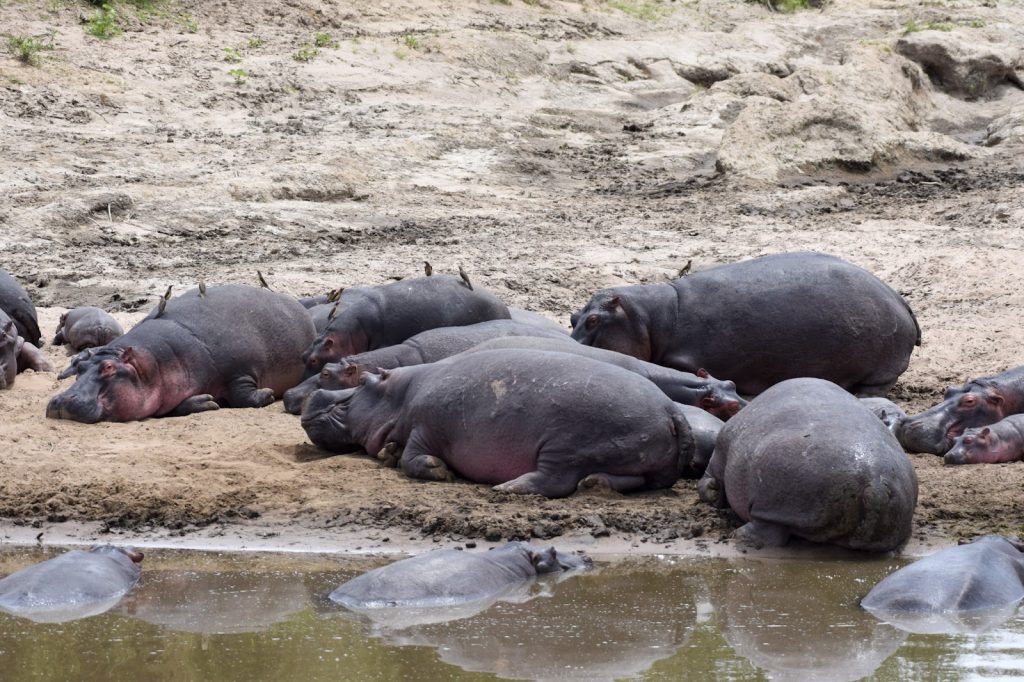
In Mwea National Reserve, expect modest numbers of dry-country mammals, with hippos and crocodiles in the water as the most reliable sightings.
Commonly reported mammals include hippo, elephant, zebra, lesser kudu and waterbuck, with Nile crocodiles in the rivers and reservoirs. Leopard and other predators are present but rarely seen. Numbers are lower than in the big parks, and visibility depends on how thick the bush is after the rains.
Landscape and Baobabs
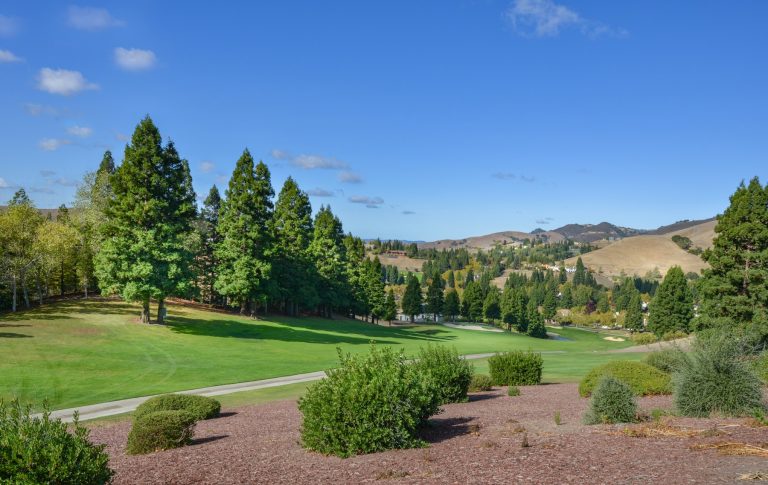
The scenery of Mwea National Reserve is part of the reward. Baobabs stand among acacia and commiphora bush, seasonal rivers cut through the reserve, and the reservoirs reflect early morning light. It is a peaceful place for photography, especially in the golden hours.
Build Mwea Into a Birding Safari
Combine Mwea National Reserve with Mount Kenya forests, Meru or Samburu for a varied birding route with one private guide and vehicle.
Getting to Mwea National Reserve
Mwea National Reserve is about 160 km from Nairobi by road, roughly three to four hours depending on traffic and road works.
By Road
KWS describes the main route as tarmac from Nairobi via Thika and Matuu to the Masinga Dam bridge, then about 10 km of dirt road to Makima Gate. An alternative approach runs via Embu and Machanga. A 4×4 is strongly recommended, especially after rain.
By Air
KWS mentions an airstrip at Masinga, near the dam. Charter flights are possible but rarely needed, as the drive from Nairobi is manageable. We can advise if you are combining Mwea with a remote fly-in camp.
Combining With Other Areas
| Combine with | Why | Drive from Mwea (approx.) |
|---|---|---|
| Mount Kenya foothills | Montane forest birds and cooler air | Half a day |
| Meru National Park | Bigger game, rivers, rhino sanctuary | Most of a day |
| Nairobi | Easy start or finish | 3 to 4 hours |
| Sagana | White-water rafting on the Tana | About 2 hours |
For an active add-on, our Sagana white-water rafting day trip uses the upper Tana. Our Tsavo vs Meru comparison explains Meru for bigger game.
Mwea National Reserve Fees and Rules
Entry is a daily KWS conservation fee paid cashlessly; Mwea sits in a lower fee band than the big parks.
| Visitor category | Adult | Child |
|---|---|---|
| Non-resident | USD 40 | USD 10 to 20 (see note) |
| Kenya resident | KSh 675 | KSh 350 |
| East African citizen | KSh 500 | KSh 250 |
Adult rates match both the KWS Mwea page and the KWS conservation fees schedule from October 2025. The two sources differ on the non-resident child rate, so we confirm the current figure before you travel. Our Kenya national parks entrance fees 2026 guide covers other parks.
Reserve Rules
- Speed limit of 40 km/h, and no driving off the tracks.
- Keep at least 20 metres from wildlife, and never feed animals.
- Mwea is plastic-free: carry reusable bottles and take all rubbish out.
- Gates open at 6 am and close at 6 pm, except for overnight guests.
These rules are listed on the official KWS Mwea National Reserve page.
What a Mwea National Reserve Trip Costs
A visit to Mwea National Reserve has three main costs: the daily KWS fee above, a private 4×4 with driver-guide from Nairobi, and a specialist bird guide if Hinde’s babbler is your target. Camping adds the KWS campsite fee and equipment. We put all of this into one written quote for your group size.
For longer trips, our 8-day Kenya birding tour starts from USD 2,050 per person, and the Sagana rafting day trip from USD 170. Ask us about adding a day at Mwea to either.
Want a Clear Price for Your Mwea Trip?
Good specialist bird guides are often booked early, so it pays to ask in good time. Share your dates and we will send a written quote with fees, vehicle and guide included.
Where to Stay in and Near Mwea
Accommodation in and near Mwea National Reserve is simple: KWS campsites inside the reserve, or lodges near Masinga and in the wider Embu area.
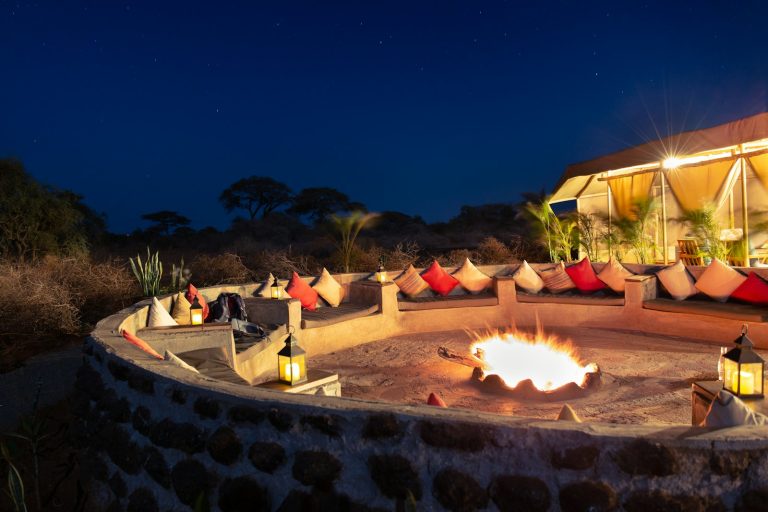
KWS lists special campsites called Silvester, Mavuria and Kiithesu, and a public campsite named Mbogo. Special campsites are booked for exclusive use, which suits a private birding group. Facilities are basic, so a fully equipped mobile camp is the comfortable option.
For a more comfortable stay, many travellers visit Mwea as a long day trip from Nairobi or from a lodge on the Mount Kenya side. We match the plan to your comfort level and birding goals.
Day trip or a night under canvas? Tell us your comfort level and we will suggest the best way to bird Mwea at dawn.
Choose my Mwea stayExpert tip from our Nairobi team
Start before dawn. Birds are most active in the first three hours of light, and the heat builds quickly in this semi-arid country. Bring a scope if you have one, plus a good field guide to the birds of East Africa, a hat, sun cream and at least two litres of water each. Wear neutral colours and keep voices low near the river thickets where Hinde’s babbler feeds.
What to Pack for a Birding Day
- Binoculars for everyone, ideally 8×42 or 10×42, plus a scope if you have one.
- A field guide or birding app for East Africa, and a notebook for your list.
- Light, neutral-coloured long sleeves and trousers for sun and thorny bush.
- A wide-brimmed hat, sunglasses, sun cream and insect repellent.
- At least two litres of water per person, snacks and a packed lunch.
- Closed walking shoes for guided walks, and a light rain jacket in the wet months.
We provide cool boxes, drinking water and a packed breakfast and lunch on every private day trip, so you can stay out through the best birding hours.
Best Time to Visit Mwea National Reserve
The dry months, roughly June to October and January to February, are easiest for game viewing and road access.
| Months | Conditions | Birding notes |
|---|---|---|
| January to February | Hot and dry | Good visibility; Palearctic migrants still present |
| March to May | Long rains | Lush bush, some roads difficult |
| June to October | Dry, cooler mornings | Good access; Madagascar pond heron may visit |
| November to December | Short rains | Breeding colours; migrants arrive |
Rainfall here is low, about 250 to 500 mm a year according to BirdLife, but tracks still become slippery after storms. We check conditions with the reserve before every trip.
A Typical Birding Day at Mwea National Reserve
On a day trip, we leave Nairobi before dawn and reach Makima Gate in the cool early hours, when birds are most active. The morning is spent quietly in the river thickets listening for babbler groups, with stops along the reservoir shore for water birds, hippos and crocodiles.
After a picnic lunch in the shade, the heat slows activity, so the afternoon is a gentle drive past baobabs before the return journey. Guests who camp overnight gain a second dawn session, which doubles the time in the best light and the best chance of a sighting.
Conservation and History of Mwea National Reserve
Mwea National Reserve was created to protect a slice of the semi-arid greater Tana River ecosystem as dams and farms spread across the region.
Rivers, Dams and People
The Tana is Kenya’s longest river, and a chain of hydroelectric dams, including Masinga and Kamburu, now shapes the land around the reserve. The reservoirs attract water birds and support hippos and crocodiles, but they also changed river flows and brought more settlement to the area. Mwea’s small size means it depends on goodwill from surrounding communities.
Joint Management
KWS explains that it has managed Mwea National Reserve jointly with the local authority since a 1996 agreement with the former Mbeere County Council, now part of Embu County. Your conservation fees help pay for rangers, roads and campsites in a reserve that receives far fewer visitors than the big parks.
Threats to Watch
BirdLife lists habitat loss as a key pressure on Hinde’s babbler, because much of its range outside the reserve has been cleared for farming. Inside Mwea National Reserve, the dense riverine bush it relies on is protected, which is why responsible visits matter. Stay on tracks, keep groups small and never use playback to call the birds without your guide’s agreement.
Who Mwea National Reserve Suits
Mwea National Reserve suits keen birders, photographers, repeat visitors to Kenya and anyone seeking a quiet day away from busy parks.
- Birders: a realistic chance of Hinde’s babbler with the right guide and time.
- Repeat safari-goers: a different side of Kenya after the Mara and Amboseli.
- Campers: private special campsites in a peaceful setting.
- Travel agents: a specialist add-on for birding clients and naturalist groups.
If you want the Big Five and plenty of big cats, it is not the right choice. Start with our Masai Mara National Reserve guide or the complete list of Kenya national parks and reserves.
Sample Mwea National Reserve Itineraries
| Plan | Outline |
|---|---|
| Long day trip | Leave Nairobi before dawn, bird the river thickets, picnic lunch, return by evening |
| Overnight | Afternoon arrival, sunset by the reservoir, dawn birding walk with a guide |
| Birding circuit | Mwea, Mount Kenya forests, then Samburu or Meru over 6 to 8 days |
Our 8-day Kenya birding tour shows how a specialist route flows, and every private Kenya safari can include Mwea. For premium lodges around the core parks, see our luxury Kenya safari ideas, or start with a Kenya safari from Nairobi.
For official information, see Magical Kenya and the latest UK government travel advice for Kenya. The Key Biodiversity Area factsheet for Mwea has more on its birds and habitats.
Mwea National Reserve FAQs
What is Mwea National Reserve known for?
Mwea is known for birdwatching, especially the threatened Kenya-endemic Hinde’s babbler, and for hippos and crocodiles in the Tana River reservoirs. It is a quiet, little-visited reserve about 160 km from Nairobi, best suited to birders and travellers who want peace rather than big crowds.
Is Mwea the only place to see Hinde’s babbler?
No. Hinde’s babbler lives only in central Kenya, mostly on farmland, and BirdLife says Mwea is one of only two protected areas where it is known to occur. Surveys estimated about 50 birds in the reserve. A specialist guide greatly improves your chances of a sighting.
How far is Mwea National Reserve from Nairobi?
KWS gives the distance as about 160 km, via Thika, Matuu and the Masinga Dam bridge, then roughly 10 km of dirt road to Makima Gate. Allow three to four hours each way by private 4×4, depending on traffic, road works and recent rain.
How much does it cost to enter Mwea National Reserve?
Non-resident adults pay USD 40 per day under current KWS rates. Kenya residents pay KSh 675 and East African citizens KSh 500. KWS sources differ slightly on the non-resident child rate, so confirm before travelling. Payment is cashless through the KWS system.
Does Mwea National Reserve have the Big Five?
No. Mwea has no rhinos or lions you can expect to see, and big game is sparse. Elephants and leopards are present but seldom seen. Visit for birds, hippos, crocodiles and the quiet landscape, and combine it with a bigger park such as Meru or Samburu for classic game viewing.
Can you camp in Mwea National Reserve?
Yes. KWS lists three special campsites, Silvester, Mavuria and Kiithesu, for exclusive use, plus a public campsite called Mbogo. Facilities are basic, so you bring your own equipment or book a supported mobile camp. Gates close at 6 pm except for overnight guests.
Is Mwea National Reserve worth a day trip from Nairobi?
Yes, for keen birders. The drive takes three to four hours each way, so you need an early start, but a morning in the river thickets gives a real chance of Hinde’s babbler and other dry-country birds. Travellers wanting big game will get more from Nairobi National Park or a longer safari.
Do I need a guide in Mwea National Reserve?
A guide is strongly recommended. Facilities are limited, a 4×4 is the safest choice, and Hinde’s babbler is far easier to find with someone who knows its calls and territories. A specialist bird guide also helps with identification of the rarer herons, owls and raptors.
Plan Your Mwea Birding Trip With Local Experts
Sense of Adventure is a TRA-licensed Nairobi safari company. We build Mwea National Reserve into private birding routes with the right guide, timing and pace for your target species.
Kenya-based experts. Real local knowledge. Transparent pricing.