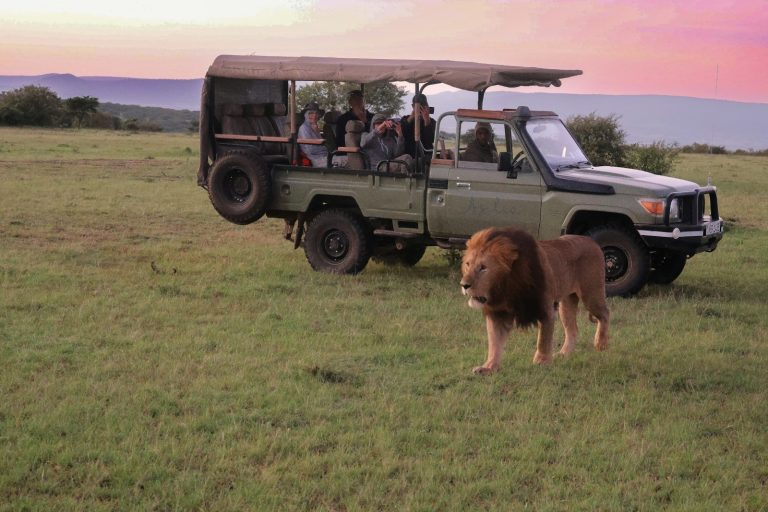
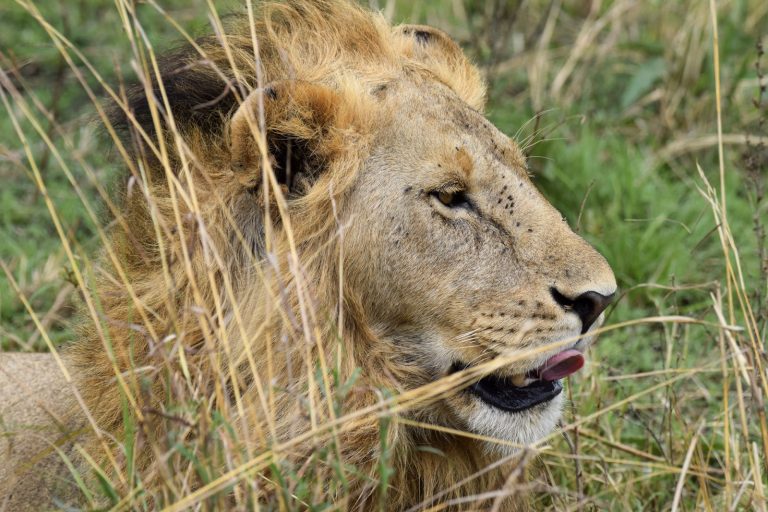
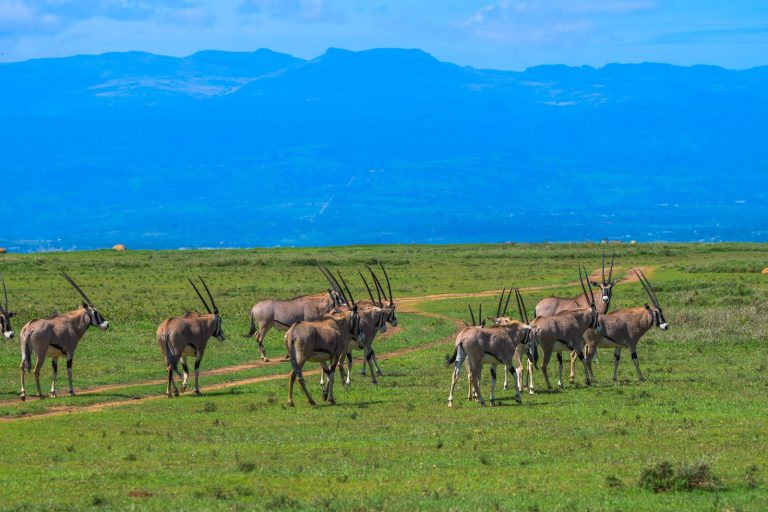
This Nairobi travel guide begins with a simple truth: Nairobi is unlike any other capital city on earth. It is famously the only capital in the world with a national park inside its boundaries — a fact so extraordinary that it still surprises people who have lived here for years. From the glass towers of the CBD, you can look out towards Nairobi National Park, where lions sleep on rocky outcrops. The city’s restaurant scene rivals Johannesburg and Cape Town. Its coffee culture rivals Addis Ababa. Its art galleries, street food, and nightlife are among the liveliest in East Africa.
All of this sits 1,661 metres above sea level at the foot of the Kenyan highlands, with a climate so temperate that Kenyans call it “the city in the sun.” Most Sense of Adventure guests pass through Nairobi at the start or end of their Kenya safari — this guide makes sure they do not waste a single hour of it.
Start Your Kenya Adventure in Nairobi
Sense of Adventure handles all Nairobi arrivals, airport transfers, city experiences, and onward connections to every Kenya safari destination. Contact us to plan your trip.
Nairobi: More Than Just a Safari Gateway
Most international visitors arrive at Jomo Kenyatta International Airport expecting a transit stop. They stay for a night, see a city through a taxi window, and fly out to the game parks. They are missing one of Africa’s most interesting cities. Nairobi is a tech hub that locals call “Silicon Savannah” — home to some of Africa’s most exciting startups and innovation labs. It is a food city with restaurants serving everything from extraordinary Nyama Choma to world-class Japanese omakase.
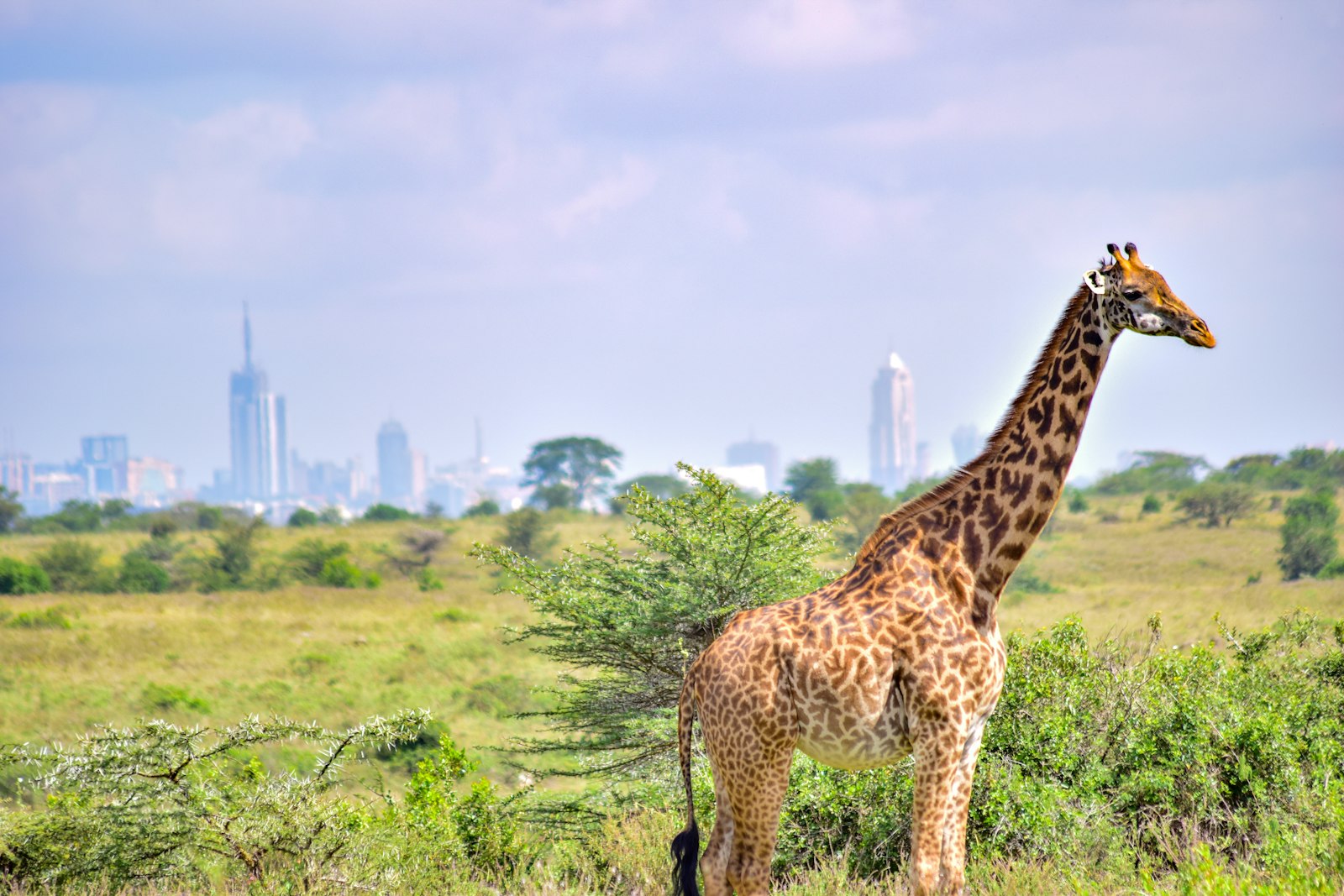
It is an arts city with a gallery scene, live music venues, and a street art culture that is authentically Kenyan and startlingly sophisticated. And it is, uniquely, a wildlife city — where the national park’s perimeter fence runs along the edge of the industrial area and giraffes occasionally appear against the Nairobi skyline.
Eight Essential Nairobi Experiences
Nairobi National Park — Lions With a City Backdrop
The only national park on earth within a capital city’s boundaries — and fully functioning, with lions, leopards, cheetahs, rhinos, buffalos, giraffes, and over 400 bird species within 117 km² of protected savannah. A half-day game drive in Nairobi National Park is one of the world’s most surreal wildlife experiences: a pride of lions, dozing on a kopje, with the Nairobi skyline visible on the horizon behind them. Sense of Adventure includes Nairobi National Park as a first-morning activity for guests arriving the day before their main safari.
David Sheldrick Elephant Orphanage
The David Sheldrick Wildlife Trust has been hand-raising orphaned elephants and returning them to the wild for over 40 years. The daily 11am public viewing hour at the Sheldrick orphanage is one of Nairobi’s most moving experiences — baby elephants, still so young their coordination is comically unreliable, charging through red dust at their keepers. You understand immediately why elephant conservation matters. Sense of Adventure builds the Sheldrick visit into Nairobi day schedules for all guests.
Giraffe Centre — Feed a Rothschild’s Giraffe
The African Fund for Endangered Wildlife’s Giraffe Centre has been breeding Rothschild’s giraffes — one of the world’s most endangered giraffe subspecies — since 1979. Visitors can feed the resident giraffes from a raised platform, receiving a giraffe’s inspection at eye level: the long, prehensile tongue, the enormous eyelashes, the calm intelligence of an animal that has absolutely no need to be impressed by you. Children love it. Adults are equally captivated. A Nairobi classic.
Karen Blixen Museum — Out of Africa
The farmhouse where Danish author Karen Blixen lived from 1917 to 1931, the years she later wrote about in Out of Africa, sits in the suburb that bears her name — Karen — in the leafy foothills southwest of the city. The museum preserves the house as it was during her time, surrounded by the coffee-farm country she described with such clarity. The Ngong Hills rise behind it. For anyone who has read the book or seen the film, walking these rooms is a deeply particular experience.
Kazuri Beads & Craft Workshops — Fair Trade Kenya
Kazuri Beads in Karen is a fair-trade ceramic bead workshop employing over 350 women — one of Nairobi’s best ethical shopping experiences. Watch the entire process from clay to fired, painted, and strung beads, and leave with jewellery that employs real people in a real community. The Karen Blixen Coffee Garden and Boutique Hotel next door makes for an excellent lunch or afternoon tea stop on the same excursion.
Carnivore Restaurant — Kenya’s Most Famous Table
Carnivore has been Nairobi’s most famous restaurant since 1980 — a vast, convivial, charcoal-fired meat feast where servers come to your table with skewers of every cut of game and domestic meat imaginable, cutting portions directly onto your plate until you raise the white flag of surrender. It is theatrical, deeply social, and entirely carnivorous. A Nairobi institution that has fed four decades of safari travellers on their first and last nights in Kenya.
Nairobi National Museum
Kenya’s national museum tells the story of this country’s natural and human history with considerable depth — from the palaeontological finds of the Leakey family (who fundamentally changed our understanding of human origins in the Rift Valley) to the ethnographic collections, wildlife halls, and the story of Kenyan independence. The adjacent snake park and botanical gardens extend the visit. A morning here gives any Kenya trip its intellectual foundation.
Westgate Artisan Market & Village Market
For quality Kenyan crafts, textiles, Maasai beadwork, soapstone carvings, and contemporary Kenyan art, the artisan markets in the Westlands and Gigiri areas offer the best range in the city. Sense of Adventure recommends specific stalls and sellers to guests, ensuring you buy genuine Kenyan craft at fair prices from the artisans directly.
Nairobi Travel Guide: Getting Around the City
Jomo Kenyatta International Airport (JKIA) lies about 15–18 km south-east of the city centre. Depending on traffic, the drive to Westlands or Karen takes anywhere from 30 minutes to well over an hour. The Nairobi Expressway, a toll road linking the airport side of the city with Westlands, can cut journey times considerably, especially at rush hour.
Traffic is the single biggest factor in planning a Nairobi day. Rush hours run roughly 6:30–9:30am and 4:30–8pm, so we group sights by area: Karen and Langata for the Giraffe Centre, Sheldrick and Karen Blixen Museum; the CBD and Museum Hill for history; Westlands and Gigiri for shopping and dining. A pre-booked driver is the easiest and safest way to get around, and ride-hailing apps such as Uber and Bolt are widely used.
The colourful minibuses known as matatus are part of city life and fun to look at, but they are crowded and confusing for first-time visitors. Wilson Airport, for light aircraft to the safari parks, is on Langata Road, close to the national park.
Nairobi Travel Guide Safety and Practical Tips
Nairobi Travel Guide Safety Checklist
- Use pre-booked transfers or ride-hailing apps rather than hailing taxis on the street
- Avoid walking after dark, even for short distances, and keep phones out of sight in busy streets
- Leave passports and spare cash in your hotel safe and carry a photocopy
- Be wary of strangers offering help at ATMs; use machines inside banks or shopping malls
- Drink bottled or filtered water, as tap water is not recommended for visitors
- Do not bring plastic carrier bags; Kenya banned them in 2017
The local currency is the Kenyan shilling (KES). Cards are accepted in most hotels, malls and restaurants, and mobile money (M-Pesa) is used almost everywhere. US dollars are useful for tips on safari. A local SIM card from Safaricom or Airtel is inexpensive; you will need your passport to register it. Before you travel, read the latest UK Foreign Office travel advice for Kenya or your own government’s equivalent.
Where to Stay in Nairobi
The question we hear most about any Nairobi travel guide is where to stay, and choosing the right area shapes your whole stay. Karen and Langata, in the leafy south-west, are quiet and green, and close to the Giraffe Centre, the Sheldrick orphanage and Wilson Airport. Westlands is the lively hub for restaurants, rooftop bars and shopping malls. Gigiri, home to the UN offices, is calm and secure. Hotels near the airport or overlooking the national park suit short layovers and early flights.
If you want park views from your hotel, read our honest review of Ole Sereni Nairobi, a popular choice beside Nairobi National Park. For every budget, we can suggest options that fit your arrival time and onward safari plans.

Best Time to Visit Nairobi
The good news for anyone using this Nairobi travel guide is that the city’s altitude keeps the weather pleasant all year, with warm days and cool nights. The main dry season runs from June to October; July and August are the coolest months, so pack a jumper for evenings and early game drives. January and February are usually dry, sunny and warm, an excellent time for city sightseeing.
The long rains fall from about March to May and the short rains from November to early December. Rain often comes in afternoon or evening showers, so mornings can still be good for sightseeing. Nairobi National Park is open all year, though some tracks can be muddy after heavy rain.
Sample Nairobi Itineraries
One day: early game drive in Nairobi National Park, the 11am elephant viewing at the Sheldrick orphanage, lunch in Karen, then the Giraffe Centre and Karen Blixen Museum in the afternoon. Finish with dinner at Carnivore or a Westlands restaurant.
Two days: add a morning at the Nairobi National Museum and Snake Park, a guided city tour of the CBD and KICC rooftop, then a walk or cycle in Karura Forest, an urban forest in the north of the city. Shoppers can add a visit to a Maasai Market or Kazuri Beads.
Three days or more: consider a day trip from the city, such as hiking the Ngong Hills, rafting at Sagana or a day hike up Mount Longonot. Every itinerary in this Nairobi travel guide can be adjusted to your pace and interests.
Nairobi Tours and Prices
These Sense of Adventure tours turn the ideas in this Nairobi travel guide into easy, fully guided days:
- Nairobi Layover Tour – National Park, Baby Elephants & Giraffes, from USD 190.
- Nairobi City & Wildlife Day Tour, from USD 120.
- Nairobi Food Tour: Kenyan Dishes, Markets & Nyama Choma, from USD 85.
- Nairobi City Tour: KICC Rooftop, Landmarks & History, from USD 75.
- Private Half-Day Safari in Nairobi National Park, ideal for a first morning in Kenya.
- Karen Blixen Museum Tour & Karen Heritage, a relaxed half day in the south-west.
Prices are per person and depend on group size and season; check each tour page or message us for a quote that matches your dates.
Entry Requirements and Health
Before you put this Nairobi travel guide to use on the ground, sort out your paperwork. Most visitors need a Kenya Electronic Travel Authorisation (eTA), applied for online through the official eTA Kenya portal before travel. Apply well ahead and check that your passport has enough validity and blank pages. A yellow fever certificate may be required depending on where you are travelling from, so check current rules with your travel clinic.
Malaria risk in Nairobi itself is low because of the altitude, but it is present in many safari areas and on the coast, so ask your doctor about prevention. Comprehensive travel insurance is essential. If you plan to visit the elephant orphanage, check visiting times and booking details on the Sheldrick Wildlife Trust website.
Nairobi as Your Safari Hub
Every Kenya safari begins and ends in Nairobi. Wilson Airport — a 15-minute drive from the city centre outside rush hour — is the hub for all light aircraft departures to the game parks. Sense of Adventure handles all Nairobi logistics: JKIA airport meet-and-greet, hotel accommodation across all price tiers, game drive bookings, museum visits, restaurant reservations, and seamless departure coordination for onward flights to the Masai Mara, Amboseli, Samburu, and Diani Beach. Our full Kenya planning framework is in our Kenya safari planning guide.
Nairobi Is the Start of Something Extraordinary
Sense of Adventure manages every aspect of your Nairobi experience — from airport arrival to safari departure. Contact us to plan your Kenya trip from the ground up.
Frequently Asked Questions — Nairobi
Is Nairobi safe to visit?
Nairobi is a major international city with areas of excellent safety and areas requiring sensible precautions — like any large African capital. The tourist areas of Karen, Westlands, Gigiri, and Kilimani are well-established, well-lit, and safe for visitors. Sense of Adventure briefs all guests on Nairobi safety, recommends trusted transport, and ensures all city activities use verified operators and venues.
How many days should I spend in Nairobi?
For most safari guests, 1–2 days in Nairobi is ideal: enough for Nairobi National Park, the Sheldrick Orphanage, the Giraffe Centre, and a memorable dinner. Guests with a deeper interest in the city — its art, food, history, and innovation culture — can easily fill 3–4 days. Sense of Adventure will build your Nairobi time around your overall Kenya itinerary and interests.
What is the best area to stay in Nairobi for safari travellers?
Karen and Langata — in the leafy southwestern suburbs close to Nairobi National Park, the Giraffe Centre, and the Sheldrick Orphanage — are the most popular choices for safari travellers. Westlands and Gigiri offer lively, well-served hotel options, while hotels near the national park suit short stays close to JKIA. Sense of Adventure will recommend the best properties at every price point based on your itinerary and arrival logistics.
Can I do a game drive in Nairobi on a layover?
Yes — a half-day game drive in Nairobi National Park is perfectly achievable on a single day between flights, as the park is only 7 km from the city centre. Sense of Adventure can arrange an airport pickup, a 3–4 hour game drive, and a return transfer to JKIA or Wilson Airport within a standard layover window of 8+ hours. Contact us with your flight times and we will confirm feasibility.
Do I need a visa to visit Nairobi?
Most visitors no longer need a traditional visa but must obtain a Kenya Electronic Travel Authorisation (eTA) online before departure. Apply through the official eTA Kenya portal, allow several days for approval, and carry a copy with your passport. Rules vary by nationality, so check your own case before you book flights.
What currency should I bring to Nairobi?
Kenya uses the Kenyan shilling. Cards work in most hotels, malls and restaurants, and ATMs are common in the city. Mobile money (M-Pesa) is used almost everywhere. Bring some clean, recent US dollar notes for tips and small extras on safari, and change money at banks or official bureaux rather than on the street.