Indian heritage tour Kenya trips follow the story of the 32,000 workers recruited from British India to build the Uganda Railway between 1896 and 1901. Seven places tell it best: the Nairobi Railway Museum, Jeevanjee Gardens, Nairobi’s Swaminarayan mandir, Makindu Gurdwara, Tsavo, Mombasa’s Jain temple and Kisumu, the end of the line.
Sense of Adventure is a Nairobi-based safari operator licensed by Kenya’s Tourism Regulatory Authority (licence TRA1/47/C01/77087). We plan private safaris and tailor-made tours across Kenya, Tanzania, Uganda and Rwanda, and every trip runs in our own pop-up roof 4×4 Land Cruisers with an English-speaking driver-guide. For travellers from India, this guide shows how an Indian heritage tour Kenya route can sit naturally alongside the lions, elephants and open plains you came to see.
Indian Heritage Tour Kenya: The Quick Answer
- The story: about 32,000 workers from British India, mostly from Punjab and Gujarat, built the railway from Mombasa to Lake Victoria; roughly 2,500 died and thousands stayed on.
- The seven places: Nairobi Railway Museum, Jeevanjee Gardens, the BAPS Shri Swaminarayan Mandir, Makindu Gurdwara, Tsavo, Mombasa Old Town with its Jain temple, and Kisumu.
- How long: one city day in Nairobi covers three sites; add two or three days to follow the railway towards Tsavo and the coast.
- Best paired with: Tsavo and Amboseli on the way to Mombasa, or the Masai Mara before a Nairobi heritage day.
- Food: vegetarian and Jain meals can be arranged at lodges, and Makindu Gurdwara serves langar to every visitor.
Want to trace the railway your great-grandparents may have known? Tell us your family’s home region in India and the places you want to see.
Map My Heritage Trail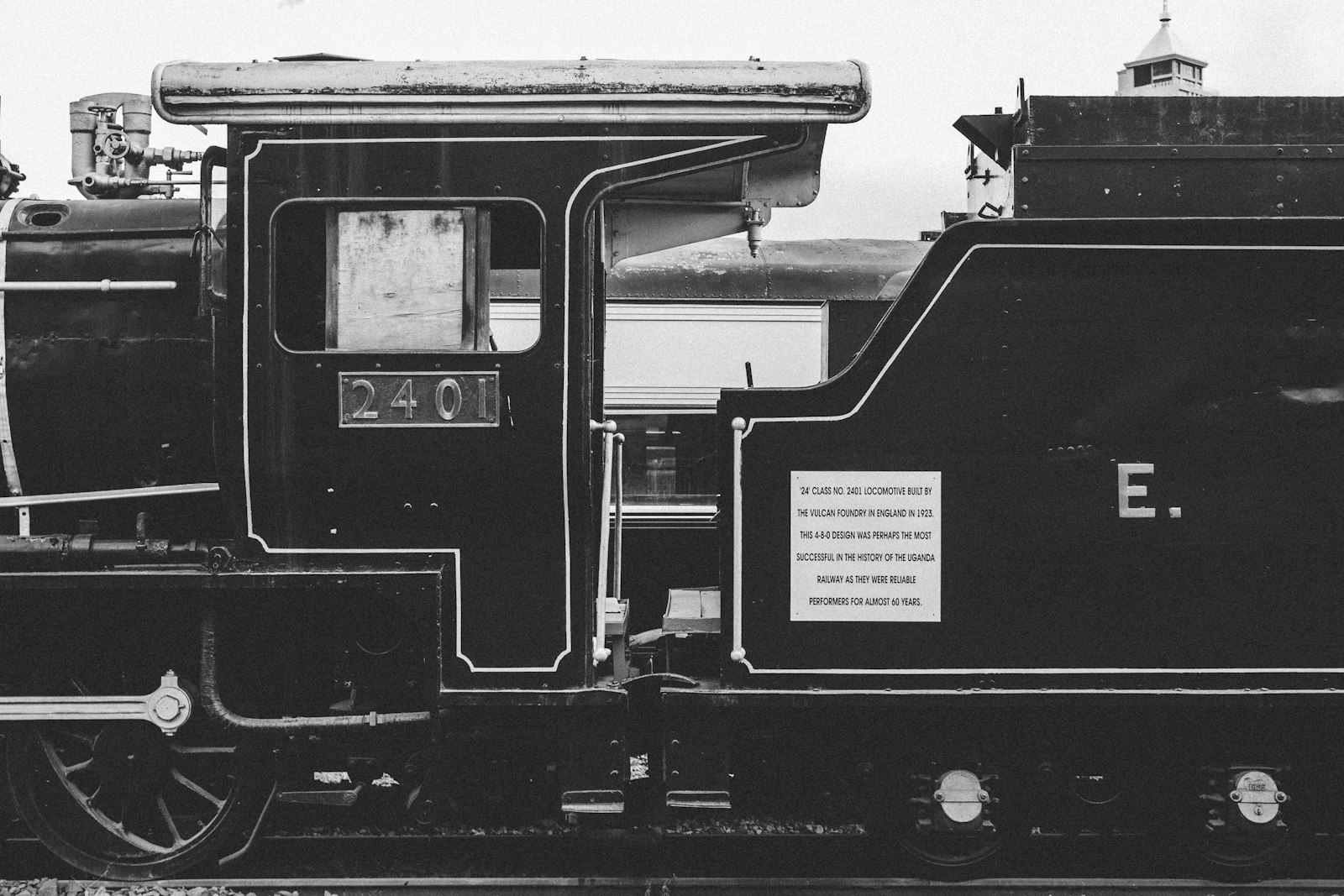
Why an Indian Heritage Tour Kenya Trip Means So Much
An Indian heritage tour Kenya journey matters because Kenya’s modern map was drawn partly by Indian hands. The railway that created Nairobi was built largely by workers from British India, and the merchants, craftsmen and clerks who followed them shaped towns from Mombasa to Kisumu. Many Indian families in Kenya today trace their roots to that era.
For a traveller from Mumbai, Ahmedabad or Amritsar, that history turns a safari into something more personal. You see temples, gurdwaras and old bazaar streets that feel familiar, and you hear the story of people who left India more than a century ago. An Indian heritage tour Kenya plan simply adds those stops to the wildlife days you already want.
The railway that changed East Africa
Construction began in Mombasa in 1896. Because local labour was scarce, the British administration recruited about 32,000 indentured workers from British India, most of them from Punjab and Gujarat, according to historians of the line. The tracks reached the Nairobi swamp in 1899 and the shore of Lake Victoria at Kisumu, then called Port Florence, in December 1901.
The cost in lives was heavy. Around 2,500 workers died during construction, mostly from disease, while others were killed by the famous man-eating lions of Tsavo. When contracts ended, about one in five workers chose to stay. Any Indian heritage tour Kenya itinerary begins with this story, because almost every place on the route connects back to it.
Kenya’s 44th tribe
The community that grew from those beginnings is now part of Kenya’s national identity. In July 2017, a presidential proclamation published in the Kenya Gazette formally recognised Kenyans of Asian heritage as the country’s 44th tribe. For many visitors on an Indian heritage tour Kenya trip, that recognition is a moving footnote to the railway story.
1. Nairobi Railway Museum: Where the Story Starts
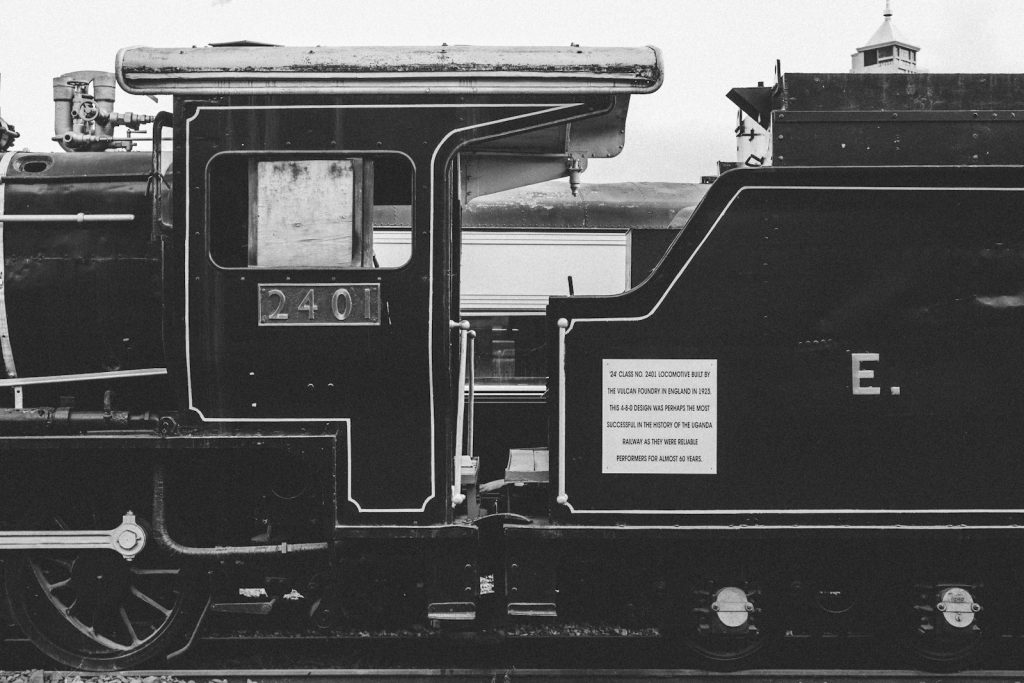
The Nairobi Railway Museum is the natural first stop on an Indian heritage tour Kenya itinerary. Opened in 1971 beside Nairobi’s central railway station, it holds old locomotives, carriages, maps and photographs from the building of the Uganda Railway, including images of the Indian workers who laid the line.
What to look for on an Indian heritage tour Kenya visit
Look for the early photographs of survey camps and work gangs, the station signs from towns along the route and the outdoor yard of steam engines. The museum also tells the Tsavo man-eaters story and displays a carriage it links to Superintendent Charles Ryall, who was taken by a lion in 1900. Allow about one to two hours here on your Indian heritage tour Kenya day.
Why it suits families
On an Indian heritage tour Kenya family day, children usually love climbing into the old carriages, while grandparents often linger over the photographs. It is an easy, unhurried morning that sets the scene before a game drive in Nairobi National Park in the afternoon. Our half-day Nairobi city tour can be adjusted to include it as the opening stop of your Indian heritage tour Kenya plan.
2. Jeevanjee Gardens and Nairobi’s Old Bazaar Streets
Jeevanjee Gardens is a small green park in central Nairobi with a big Indian heritage tour Kenya story. It was gifted to the city in 1906 by Alibhai Mulla Jeevanjee, a merchant born in Karachi in 1856 who supplied labour and materials for the railway and became one of early Nairobi’s leading property owners.
His statue stands near the western entrance, and the plinth of a Queen Victoria statue he presented in 1906 is still there. The surrounding streets, once the heart of Nairobi’s Indian bazaar, are now busy with shops and offices. On an Indian heritage tour Kenya walk, your guide can point out the older shopfronts and explain how the trading district grew around the station.
A short walk with context
Central Nairobi is busy, so we keep this to a short guided walk with the vehicle close by, rather than a long stroll. It pairs well with lunch at one of Nairobi’s long-established Indian vegetarian restaurants, which our team can suggest when you book your Indian heritage tour Kenya day.
Nairobi team tip: start early on your city heritage day
Nairobi traffic builds quickly after 7:30 in the morning. We usually collect guests early, visit the Railway Museum when it opens, then walk Jeevanjee Gardens before the lunchtime rush. That leaves the afternoon free for the mandir or a game drive in Nairobi National Park.
3. BAPS Shri Swaminarayan Mandir, Nairobi
The BAPS Shri Swaminarayan Mandir is the most striking modern landmark on an Indian heritage tour Kenya route through Nairobi. Inaugurated on 29 August 1999, it was the first traditional mandir of its kind in the region, and unusually its interior is carved from East African timber rather than stone.
The mandir complex also includes a heritage exhibition about Hindu culture and the community’s life in East Africa. BAPS publishes morning and evening visiting hours, and we confirm the current times before your visit. For an Indian heritage tour Kenya visit, modest clothing is expected, shoes are removed and photography rules apply inside, so your guide will brief you at the gate.
Festivals worth timing your visit for
If your Indian heritage tour Kenya dates fall around Diwali, Janmashtami or Holi, the mandir and Nairobi’s Hindu community celebrate them with prayers, food and cultural programmes. Visitors are often welcome at public events, but schedules change each year, so ask us to check before you travel.
4. Makindu Gurdwara: Langar on the Road to Tsavo
Makindu Gurdwara is the stop many Sikh and Punjabi travellers remember longest on an Indian heritage tour Kenya trip. It sits about 170 kilometres south-east of Nairobi on the main Mombasa road, where railway workers first prayed in a simple tin-roofed shelter. The permanent gurdwara was built in 1926.
Today, and for every Indian heritage tour Kenya group that stops here, it is known across East Africa for its open kitchen, which serves free langar to every visitor at any time of day, whatever their faith. Visitors cover their heads, remove their shoes and wash their hands before entering. A donation is welcome but never required, and the calm after hours on the highway is unforgettable.
Why it fits a safari perfectly
Makindu lies on the route towards Tsavo West, so it makes a natural lunch break during a guided transfer in your private Land Cruiser. Instead of a roadside snack, your family shares a simple vegetarian meal in a place with a century of history. That combination is the heart of a good Indian heritage tour Kenya day on the road.
5. Tsavo: Railway Bridges, Man-Eaters and Red Elephants
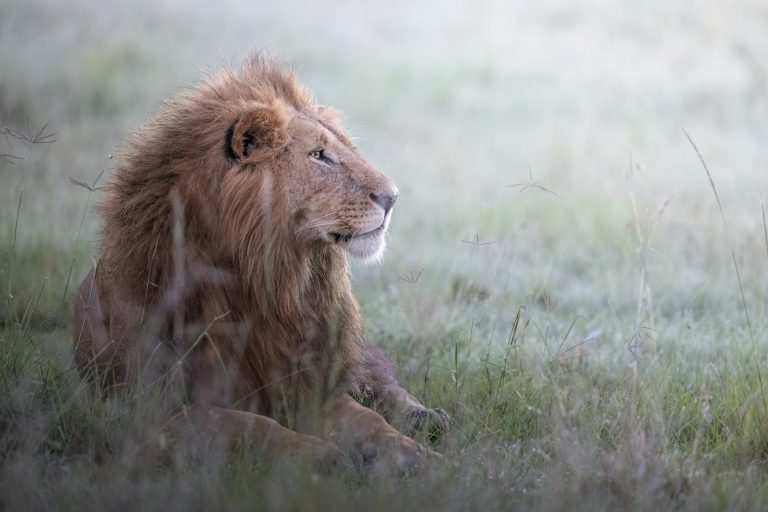
Tsavo is where an Indian heritage tour Kenya journey meets big wildlife. In 1898, while Indian workers were bridging the Tsavo River, two lions began attacking the railway camps. The months of fear that followed became one of Africa’s most famous wildlife stories, later told in books and films.
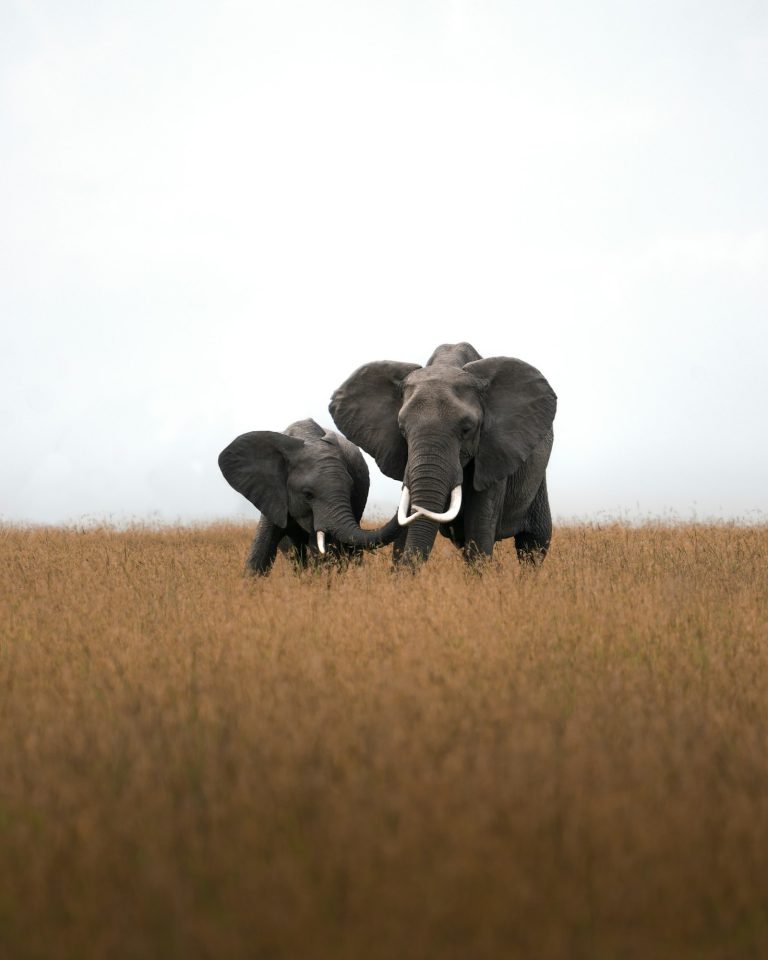
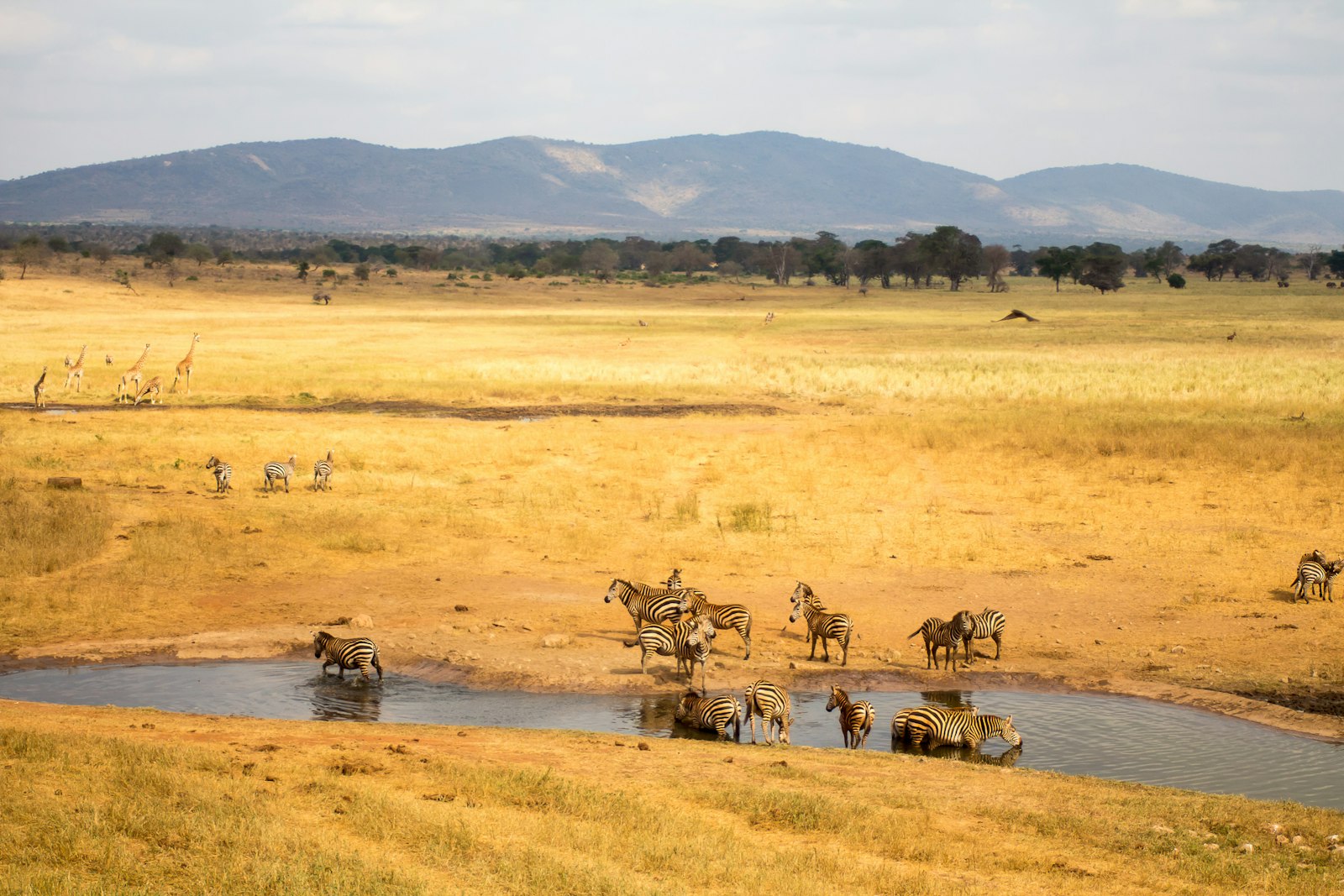
Today Tsavo East and Tsavo West together form Kenya’s largest protected wilderness, known for dust-red elephants, lava flows and the clear pools of Mzima Springs. Our guides can explain the man-eater story near the river during your game drives. For the full background, read our guide to the true story of the Tsavo man-eaters.
How long to spend in Tsavo
Two nights lets you explore both Tsavo East and Tsavo West at an easy pace. Our Tsavo East and West safari is a three-day trip that starts from Nairobi or the coast, so it slots neatly between a Nairobi heritage day and the Mombasa leg of an Indian heritage tour Kenya plan. Park information is published by the Kenya Wildlife Service.
6. Mombasa Old Town and the Jain Temple
Mombasa is where the railway began and where Indian Ocean trade linked East Africa with Gujarat and the Konkan coast for centuries before it. An Indian heritage tour Kenya visit here combines narrow Old Town lanes, carved Swahili doors and spice shops with the white marble Jain temple completed in 1963.
The temple, between Digo Road and Langoni Road, is often described as one of the first Jain temples built outside India. Its carved marble and silver-clad doors are beautiful, but visitor access depends on the temple’s own rules on the day, so we confirm before including it. Shoes are removed and leather items stay outside.
Combining Mombasa with the beach
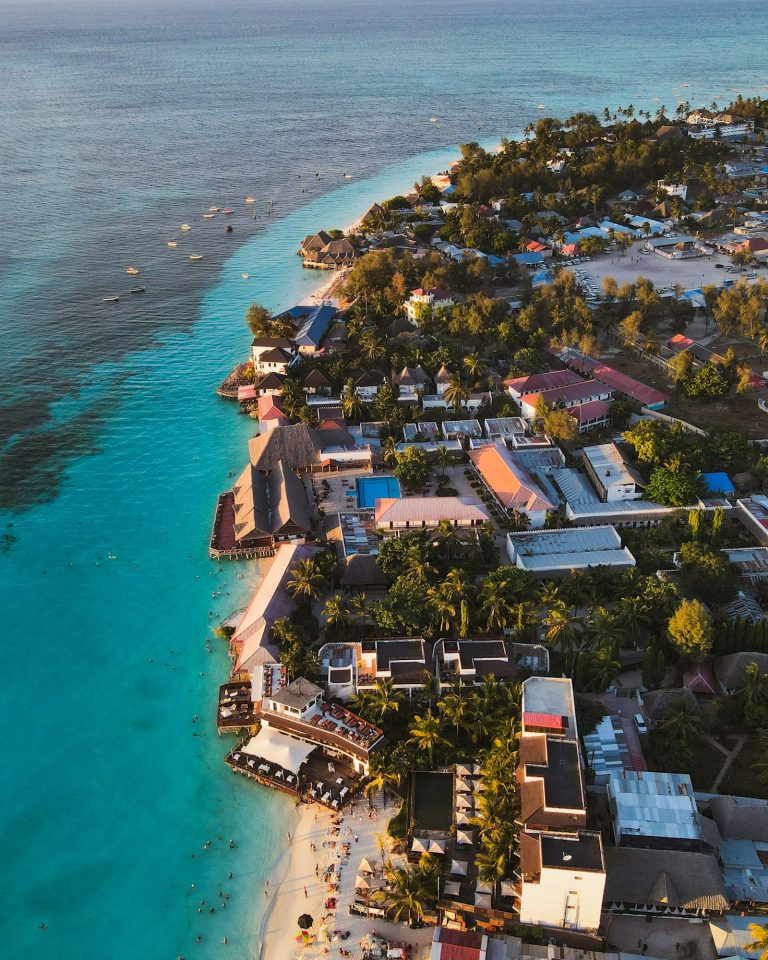
Mombasa is also the gateway to Diani Beach, so families can end an Indian heritage tour Kenya trip with a few calm days by the Indian Ocean. Our family safari and beach trip links Tsavo, Amboseli and Diani, and a guided morning in Mombasa Old Town can be added on the way.
7. Kisumu: The End of the Line on Lake Victoria
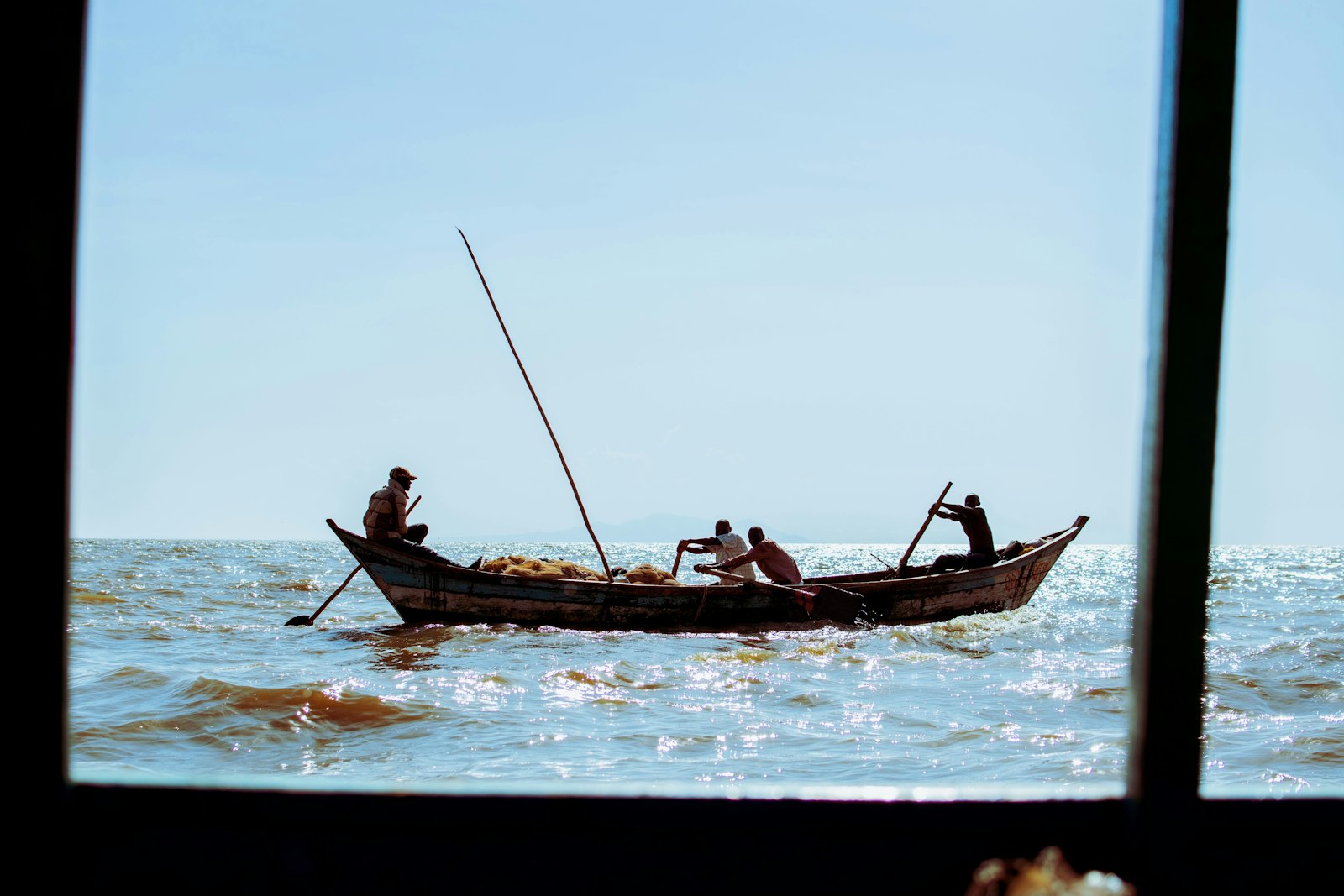
Kisumu is the final chapter of an Indian heritage tour Kenya story. The rails reached the lake here in December 1901, and the station was briefly named Port Florence before the town took back its Luo name. Indian traders soon opened shops in a bazaar near the pier, and their descendants helped build the city.
For an Indian heritage tour Kenya traveller, Kisumu is now Kenya’s third-largest city, with a relaxed lakeside feel, a busy fish market and sunset boat trips on Lake Victoria. It is a longer journey from Nairobi, so it suits travellers with extra days or those combining Kenya with Uganda, where the railway story continues.
All seven places at a glance
| Place | Region | What you see | Pairs well with |
|---|---|---|---|
| Nairobi Railway Museum | Nairobi | Locomotives, carriages, photos of Indian workers | Nairobi National Park drive |
| Jeevanjee Gardens | Nairobi | 1906 park, Jeevanjee statue, old bazaar streets | Indian vegetarian lunch |
| BAPS Shri Swaminarayan Mandir | Nairobi | Timber-carved mandir and heritage exhibition | Evening before a safari |
| Makindu Gurdwara | Mombasa road | 1926 gurdwara and free langar | Transfer to Tsavo West |
| Tsavo | South-east Kenya | Railway river crossing, man-eater story, red elephants | Two nights of game drives |
| Mombasa Old Town and Jain temple | Coast | Old lanes, carved doors, 1963 marble temple | Diani Beach stay |
| Kisumu | Western Kenya | Railway terminus, Lake Victoria, old bazaar area | Uganda extension |
How to Combine Heritage and Safari in One Trip
The simplest way to plan an Indian heritage tour Kenya trip is to follow the railway: start in Nairobi, travel south-east towards Tsavo with a stop at Makindu, then finish in Mombasa and on the beach. If the Masai Mara is your priority, do the Mara first and add a Nairobi heritage day before you fly home.
| Route idea | How it works | Trips to start from | From (per adult) |
|---|---|---|---|
| Nairobi heritage day | Railway Museum, Jeevanjee Gardens and the mandir in one guided day | Nairobi City Tour (half day) | USD 75 |
| Railway trail to Tsavo | Nairobi to Tsavo with a Makindu langar stop, two nights of game drives | Tsavo East and West Safari (3 days) | USD 600 |
| Mara first, heritage last | Amboseli, Naivasha and the Mara, then a Nairobi heritage day | Amboseli and Masai Mara Safari (7 days) | USD 1,650 |
| Bush, heritage and beach | Tsavo and Amboseli, then Mombasa Old Town and Diani | Family Safari and Beach (8 days) | USD 1,950 |
Prices are the starting figures shown on each trip page, per adult sharing, in US dollars. The final price depends on season, lodge level and group size, and heritage stops are added to your private itinerary at no extra planning fee. Every quote we send compares a Midrange 3* option with a Standard Luxury 4* option.
Choosing the right pace
Heritage stops are short, but driving distances in Kenya are real. We suggest no more than two heritage visits on any travel day, so grandparents can rest and children stay cheerful. Your private guide adapts each day, which is why an Indian heritage tour Kenya plan works best as a private trip rather than a fixed group tour.
Railway trail, Mara first, or bush and beach?
Tell us which route idea feels right and how many days you have. We will suggest the order that keeps heritage stops easy and game drives at their best.
Pair Temples With TsavoBest Time to Plan Your Heritage Tour
Any month works for the heritage sites themselves, so the best time for an Indian heritage tour Kenya trip depends on the safari part. The driest months for game viewing are late June to October and January to February. April and May bring the long rains, which can slow road journeys towards Tsavo and the coast.
| Your Indian holiday window | Kenya conditions | Heritage angle |
|---|---|---|
| May and June summer holidays | Long rains ending; June turns dry and green | Quiet museum and temple visits |
| Diwali break, October or November | End of the dry season, then short rains | Diwali celebrations at Nairobi’s mandirs |
| December and New Year | Warm, mostly dry, busy coast | Mombasa Old Town and beach finish |
| January and February | Dry, green and excellent for wildlife | Comfortable walking weather in Nairobi |
When to book
Lodges on an Indian heritage tour Kenya route near Tsavo and the coast fill early for December, Diwali and Indian summer holidays. We suggest enquiring four to six months ahead for those windows, and earlier for large family groups who need several rooms together. Quotes come back within 24 hours.
Travelling over Diwali or the summer holidays?
Send your preferred dates and the number of rooms you need. We will check lodges along the railway route for those exact nights and send a written heritage-and-safari quote.
Hold Our Heritage DatesPractical Notes for Travellers From India
Planning an Indian heritage tour Kenya trip from India is straightforward. Nonstop flights link Mumbai and Nairobi in roughly six hours, and travellers from other cities usually connect through Mumbai or a Gulf hub. Kenya is two and a half hours behind Indian Standard Time, so jet lag is mild.
Entry paperwork for your Indian heritage tour Kenya trip
Every traveller needs a Kenya Electronic Travel Authorisation from the official Kenya eTA portal, plus the Kenyan Government inbound travel health insurance bought within the application. Our Kenya mandatory travel insurance guide explains how it works. On your return, India requires a yellow fever vaccination certificate from travellers arriving from Kenya; check the Health Ministry’s port health vaccination page. Before you book, we talk you through your route and current travel conditions.
Food and dress at sacred places
Lodges and camps prepare vegetarian and Jain meals when we request them in advance, and our vegetarian safari Kenya guide explains how. At temples and gurdwaras, carry a scarf to cover your head where needed, wear clothing that covers shoulders and knees, and expect to remove your shoes.
Nairobi team tip: share your family’s story with us
If your family has roots in a particular Kenyan town, tell us when you enquire. Our guides can build in a quiet stop at an old station, school or place of worship along the route, so your Indian heritage tour Kenya trip includes the places that matter to you personally.
Every safari with us includes complimentary AMREF Flying Doctors emergency evacuation cover, which is an evacuation service and not travel insurance. Indian travel agents planning group heritage tours can read our Kenya DMC guide for Indian travel agents, and families can browse Kenya safari packages from India.
Indian Heritage Tour Kenya FAQs
What is an Indian heritage tour in Kenya?
It is a private trip that visits places linked to Kenya’s Indian community, from the railway built by workers from British India to temples, gurdwaras and old bazaar streets. We combine these stops with game drives in parks such as Tsavo, Amboseli or the Masai Mara.
How many Indian workers built the Kenya railway?
About 32,000 indentured workers were recruited from British India between 1896 and 1901, mostly from Punjab and Gujarat. Roughly 2,500 died during construction, and about one in five chose to stay in East Africa when their contracts ended, forming the roots of Kenya’s Indian community.
Can non-Sikh visitors eat langar at Makindu Gurdwara?
Yes. Makindu Gurdwara serves free langar to every visitor, whatever their faith. Cover your head, remove your shoes and wash your hands before entering. A donation is welcome but not required, and the gurdwara makes a calm lunch stop on the road to Tsavo.
Can visitors enter the Jain temple in Mombasa?
Access depends on the temple’s own rules on the day, so we confirm before adding it to your itinerary. When visits are possible, shoes are removed and leather items stay outside. The white marble temple in Mombasa was completed in 1963 and is a highlight of the Old Town area.
How many days does an Indian heritage tour of Kenya need?
One guided day covers the Nairobi Railway Museum, Jeevanjee Gardens and the Swaminarayan mandir. Following the railway to Tsavo and Mombasa adds two or three days. Most families combine heritage stops with a five to eight-day safari, plus a beach stay if time allows.
Can we get vegetarian and Jain food during the tour?
Yes. Lodges and camps prepare vegetarian, vegan and Jain meals when we request them in advance, and Nairobi has many Indian vegetarian restaurants. We send each lodge a written dietary list for every traveller, and Makindu Gurdwara serves vegetarian langar to all visitors.
What documents do Indian travellers need for Kenya?
You need a Kenya Electronic Travel Authorisation from etakenya.go.ke and the Kenyan Government inbound travel health insurance bought within the application. On return, India requires a valid yellow fever vaccination certificate from travellers arriving from Kenya, so arrange the vaccine at least ten days before travel.
Follow the Railway, Then Find the Wild
Tell our Nairobi team which heritage places matter most, who is travelling, your dates and any dietary needs. You will receive a private day-by-day plan with two comfort levels and a clear written price within 24 hours.
Begin My Heritage Journey Call +254 799 160 081
Prefer email? Write to reservations@senseofadventure.co.ke or use our Plan My Safari form.
Escape. Explore. Discover.
For more ideas on Kenya’s culture, coast and parks, browse Magical Kenya, the official tourism site, or read our overview of cultural tours in Kenya before you finalise your Indian heritage tour Kenya plan.