
Vegetarian safari Kenya trips are very doable, and Indian vegetarians travel here happily every year, as long as you tell the camps what you eat before you arrive. Safari kitchens are used to vegetarian guests and cook vegetable, bean, rice and pasta dishes daily. The honest limits are strict Jain meals in remote camps, which need advance notice and can be simple, and vegan or gluten-free menus, which depend on how far the camp is from a supply town.
Sense of Adventure is a licensed safari operator based in Nairobi (TRA licence TRA1/47/C01/77087), and we plan trips for Indian families and groups. This vegetarian safari Kenya guide explains what camps usually serve, which Kenyan dishes suit vegetarians, how Jain, vegan, halal and gluten needs are handled, what to pack from home, where to eat Indian food in Nairobi, and how to pass your food needs to us. We have kept to what we can stand behind. Where something varies by camp, we say so, and we will confirm menus in writing before you pay.
Table of Contents
✅ Vegetarian Safari Kenya: The Quick Answer
- 1. Is it possible? Yes. Tell us at booking and we pass it to every camp, so the kitchen plans ahead.
- 2. What you will eat: soups, salads, rice, pasta, vegetable curries, beans, lentils, potatoes and fruit, plus Kenyan staples such as ugali and sukuma wiki.
- 3. Jain meals: possible with notice, but often simple in remote camps. We cannot promise a Jain-certified kitchen.
- 4. Eggs and dairy: say whether you eat eggs, because breakfast often includes them.
- 5. Vegan, halal, gluten-free: manageable in most places; tell us early.
- 6. Pack a snack bag: sealed, dry foods from home cover early starts and gaps.
- 7. Bush lunches: ask for a vegetarian picnic box or plated lunch in advance.
- 8. Nairobi: good Indian vegetarian dining before and after your safari.
- 9. Entry rules: you need an approved Kenya eTA and, from October 2026, mandatory travel health insurance.
🌿 Want a vegetarian or Jain safari quote?
Tell us your dates, group size and exactly what you eat, and we will tell you honestly what is possible. 💬 WhatsApp Us Now
Is a Vegetarian Safari Kenya Trip Possible?
Yes, a vegetarian safari Kenya holiday is possible and comfortable when camps are told early. Kenya’s tourism kitchens cater for guests from India, Europe and North America, and vegetarian meals are an everyday request, not a special favour.
For a vegetarian safari Kenya trip, the key word is notice. Safari camps are often far from shops, so the chef buys and plans supplies for the whole stay. If the kitchen knows three weeks ahead that a family is vegetarian, it can stock beans, lentils, vegetables and fruit. If the request arrives at the dining tent on the first night, the meal will be much simpler.
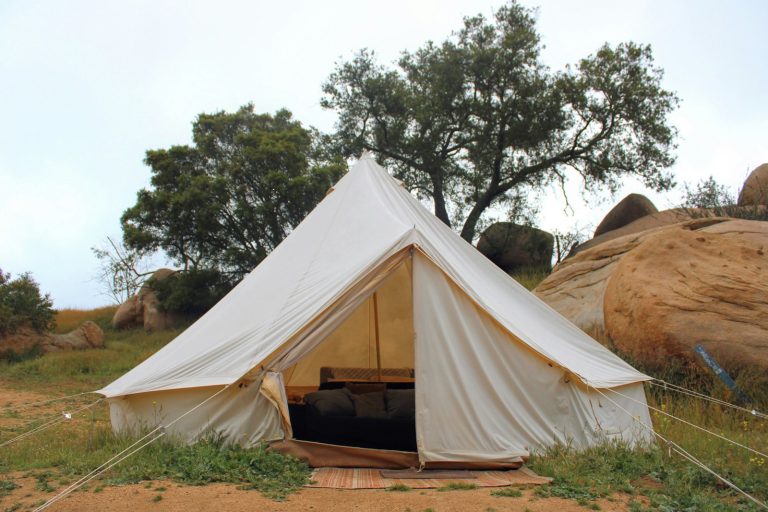
What changes a vegetarian safari Kenya experience most is how strict you are. A lacto-vegetarian family (no meat, fish or egg, but dairy is fine) is the easiest case. Eggetarian travellers are easier still. Vegan, Jain and gluten-free guests need more planning, and the sections below explain why. Our guide to what a safari tent is like inside also helps you picture the camps themselves.
What Do Camps Serve on a Vegetarian Safari Kenya Trip?
Most camps and lodges serve a set daily pattern, and a vegetarian safari Kenya menu swaps the meat course for vegetables, beans or a pasta or rice dish. We will not promise any one camp’s menu, because it differs by camp and season, but the pattern is similar nearly everywhere.
- Breakfast: fruit, cereal, toast, pancakes or porridge, and often eggs cooked to order. Egg-free guests should say so.
- Lunch: a buffet or plated meal with salads, a vegetable or bean dish, rice, potatoes or pasta, and fruit.
- Afternoon tea: cake, biscuits or small savouries, with tea or coffee. Check the savouries, as some contain meat.
- Dinner: usually three courses, with soup, a main and a dessert. A vegetarian main is normally cooked separately from the meat course.
Indian-style dishes such as dal or vegetable curry appear on some menus, especially in lodges used to Indian guests, but we cannot promise them everywhere. Spice levels are usually mild. If you like heat, ask for chilli sauce on the side or bring your own pickle.
One honest caution applies. Camp kitchens cook meat and vegetarian food in the same space. Separate pans and utensils are common for vegetarian guests who ask, but we cannot promise a fully separate kitchen. If that matters to you, tell us, and we will raise it with each camp before you book.
Kenyan Dishes That Work for Vegetarians
Several classic Kenyan dishes are naturally vegetarian, and they make a vegetarian safari Kenya diet more interesting. Always ask how a dish was cooked, because cooks sometimes add meat stock or fry vegetables with meat.
- Ugali: a firm maize-flour porridge, eaten by hand with a stew or greens. It is plain and filling.
- Sukuma wiki: braised collard greens, often cooked with onion and tomato. Ask for it without onion if you are Jain.
- Githeri: a stew of maize and beans, a Kikuyu staple. Check that no meat stock was used.
- Mukimo: mashed potato, greens, maize and peas. It is comforting and usually meat-free.
- Chapati: soft, layered flatbread that will feel familiar to Indian guests, served with beans or vegetables. It is made with wheat, so it is not gluten-free.
- Beans and lentils: bean stews and lentil dishes are common, often with coconut on the coast. Kenya’s Indian community has also made dal-style dishes and curries part of everyday food.
Fruit is excellent on a vegetarian safari Kenya menu, with mango, pineapple, passion fruit, bananas and avocado all widely grown. Kenyan masala chai, often brewed with milk, is easy to find. If you take chai without milk or sugar, say so.
Jain Food on Safari: What Is Realistic?
Jain meals on a vegetarian safari Kenya trip are possible with notice, but they will be simple in remote camps, and we cannot promise a Jain-certified kitchen. Strict Jain food excludes onion, garlic and root vegetables such as potato, carrot, radish and beetroot. Most safari kitchens build menus around exactly those ingredients, so the cook has to adjust.
What a camp can usually cook for a Jain guest, if told in advance, is rice, plain pulses and lentils, vegetables that grow above ground (such as beans, peas, courgette, cabbage, tomato and pumpkin, depending on your own rules), fruit, bread, and dishes without onion and garlic. What it may not be able to offer is variety, spice blends you know or a guarantee that utensils have never touched meat or root vegetables.
Timing matters too. Some Jain travellers do not eat after sunset. Kenya sits on the equator, so sunset is close to 6:30 pm all year, while camp dinners are usually served later, after dark. If you eat early, ask for an early dinner, or plan to take an evening meal from your own supplies. Camps can often serve an early dinner for a request made in advance, but it is not guaranteed.
How to Pass Jain Needs to Camps for a Vegetarian Safari Kenya Booking
We send every camp a written dietary note with your booking, and we follow up before arrival. To make the note useful, tell us four things in plain words: what you never eat (for example onion, garlic, potato and other root vegetables), whether you eat eggs and dairy, whether you eat after sunset, and whether anyone has an allergy. Allergies are different from preferences, and camps treat them more seriously.
Then bring a back-up. On any vegetarian safari Kenya trip, pack dry, sealed foods you trust, and treat camp meals as a good effort rather than a guarantee. Where a group is large or strict, we may suggest a lodge near a town, or a stay in Nairobi first, where suppliers are close.
Vegan, Halal and Gluten-Free Notes
Vegan, halal and gluten-free needs can all be met on a vegetarian safari Kenya trip with notice, though each has a limit worth knowing about.
- Vegan: beans, lentils, rice, vegetables, fruit and groundnut dishes work well. Milk, butter, cream and eggs appear in breakfast, tea and desserts. Plant milk may not be stocked in remote camps, so carry some long-life packs if it matters.
- Halal: Nairobi and Mombasa have many halal restaurants. In safari camps, meat is not always halal-certified, so ask us. A vegetarian menu avoids the question entirely.
- Gluten-free: ugali, rice, potatoes, beans and fruit are naturally gluten-free. Chapati, bread, pasta and many sauces are not. Cross-contamination in a shared kitchen is possible, so tell us if you have coeliac disease.
Bush Lunches, Picnic Boxes, Breakfast and Snacks
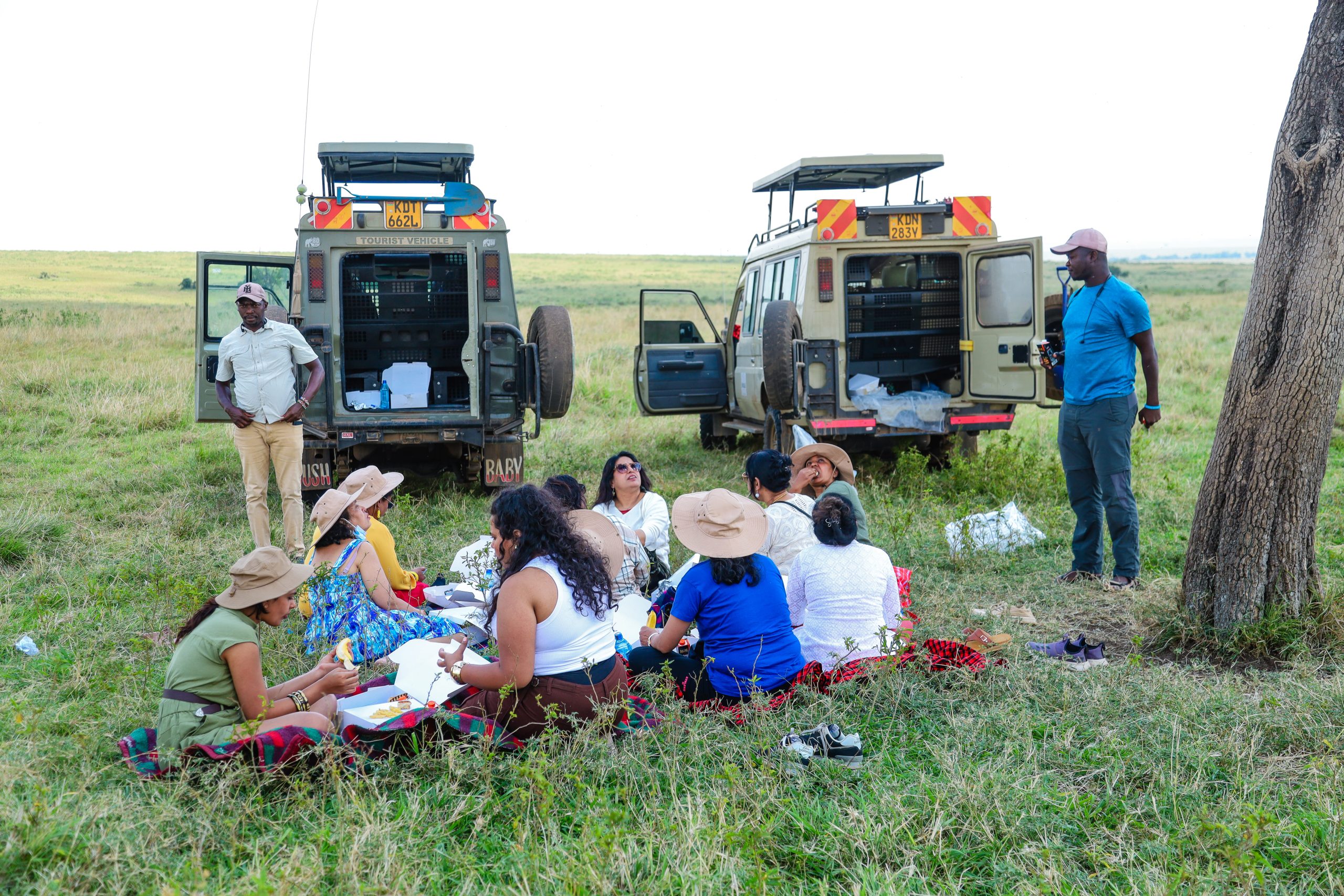
On long game-drive days of a vegetarian safari Kenya trip, lunch is often a packed picnic box or a bush lunch set up in the shade, and vegetarians should ask for a vegetarian version in advance. Boxes typically hold sandwiches or wraps, a boiled egg, fruit, a snack and a juice, so say what you do and do not eat.

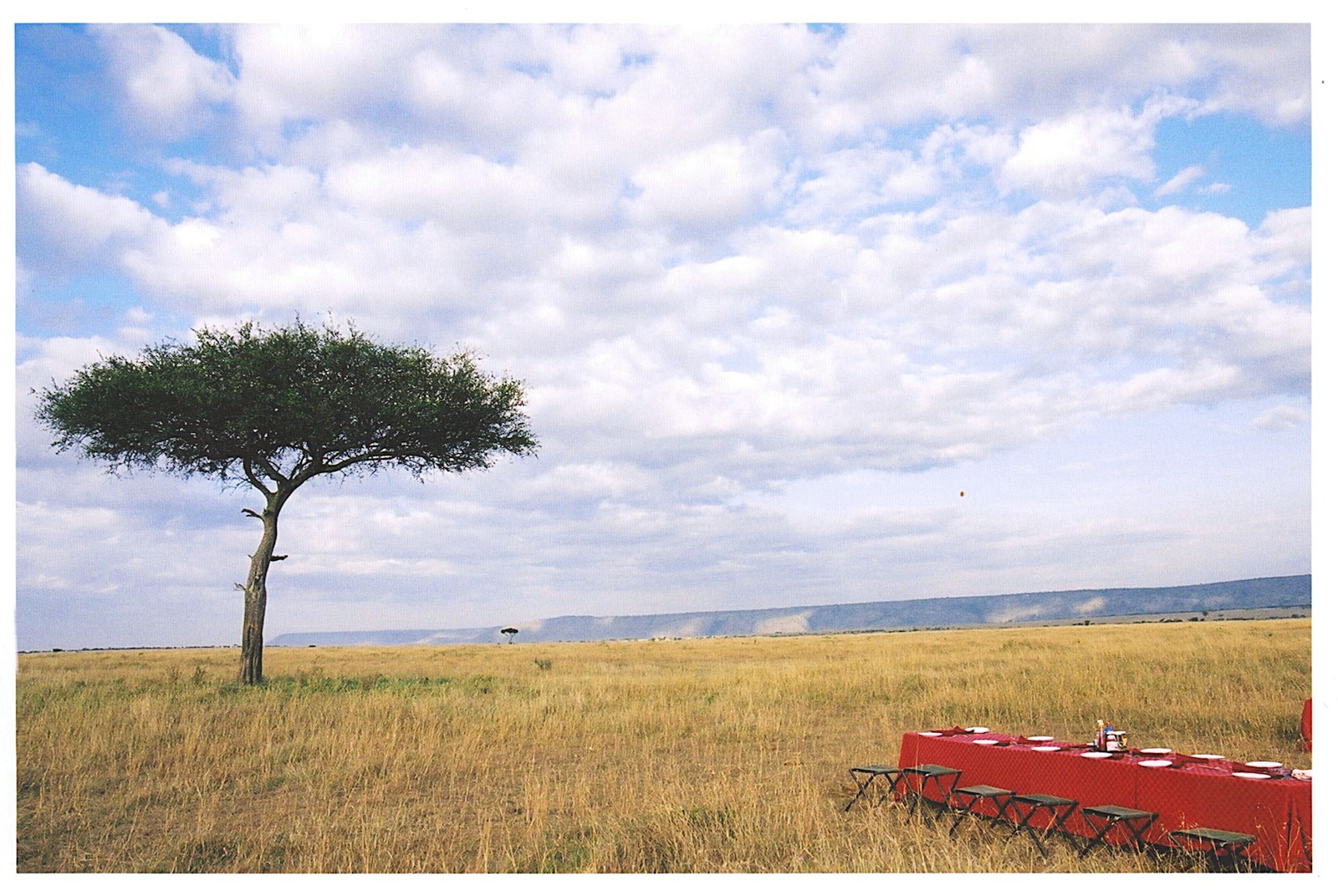
Breakfast on a vegetarian safari Kenya trip can be a normal sit-down meal at camp before or after the morning drive, or a bush breakfast in the wild. Camps also tend to serve a light snack, such as tea, coffee and a biscuit or muffin, before an early start. If you cannot eat egg-based items, a bowl of porridge, fruit and toast is usually available.

Our guide to how much an African safari costs explains meal plans such as full board, which cover most meals at camp. Drinks and special items can cost extra, so check the inclusions in your quote.
What to Pack From Home for a Vegetarian Safari Kenya Trip
For a vegetarian safari Kenya trip, pack a small bag of sealed, dry, long-life snacks from home as a back-up, especially if you follow Jain rules. It makes early mornings, long drives and quiet meals easier.
- Good choices: roasted chana, makhana, nuts and dry fruit, peanut chikki, khakhra, plain biscuits, sealed instant oats or poha mix, tea bags and sachets of your own spice or pickle.
- Ready meals: sealed dry mixes that only need hot water can work, and camps can often provide hot water if asked.
- Skip these: fresh fruit, fresh vegetables, meat and dairy products, and anything that spoils in heat.
- Keep it sealed: keep original packaging and bring only personal amounts.
A customs caution: we could not find a single official Kenyan list we could quote, so we are not giving exact limits. Travel writers report that fresh fruit, plants and meat products can be refused without a permit, and some packaged goods may be taxed if they look commercial. Check current guidance with the Kenya Revenue Authority and your airline before you pack, and declare anything you are unsure about. Some safari flights between camps have weight limits, so choose a soft bag and keep the food bag light.
Remote Conservancies vs Lodges: Tips by Area
Larger lodges near towns can usually offer more variety than small remote camps, so the type of stay affects how easy your vegetarian safari Kenya diet will be. Neither is bad, but they suit different needs.
- Larger lodges and buffet camps: more dishes, more staff and more choice, which helps with vegan, gluten-free and mixed-diet groups.
- Small tented camps and conservancies: set menus and fewer ingredients, but chefs are often flexible and happy to cook to your note. Supplies come over long roads, so notice matters most here.
- Masai Mara: the Masai Mara safari offers both styles, from large lodges to private conservancy camps. Tell us your diet before we pick the camp.
- Amboseli: an Amboseli safari is shorter, which makes carrying a back-up snack bag easy.
- Camping trips: campsite meals are cooked by a travelling cook. This can work well for vegetarians if the cook is briefed, but it is the most basic setup, so be clear about your rules.
Our Kenya safari packages page lists routes by length, and we can match the camp style to how strict your vegetarian safari Kenya diet is.
Indian Dining in Nairobi Before and After Safari
Nairobi has a long-established Indian community, so a night or two in the city before or after safari is the easiest time to eat the food you know on any vegetarian safari Kenya itinerary. Mombasa and Diani on the coast also have Indian restaurants, and many hotels there will cook vegetarian dishes on request.
One name we could confirm is Chowpaty, in Diamond Plaza, Parklands. A travel feature by Afar on where to eat in Nairobi if you are vegetarian describes it as a completely vegetarian restaurant serving Indian food from across the subcontinent. Menus, ownership and opening hours change, so check before you go, and ask directly if you need Jain dishes. We have not listed other restaurants because we could not verify them.
If you have a spare day around your safari, our Nairobi day tours include wildlife, culture and food experiences, and we can plan the day around a vegetarian lunch. Tell your driver-guide in the morning, and they will help you choose.
Sample Vegetarian Safari Kenya Trips for Indian Families
These real Sense of Adventure trips work well as a vegetarian safari Kenya itinerary for Indian families and groups, and each can be adapted to your diet with notice.
| Trip | Length | Route | Listed from |
|---|---|---|---|
| Kenya Family Safari | 5 days | Nairobi, Lake Naivasha and Masai Mara | USD 1,290 |
| Kenya Group Safari | 6 days | Masai Mara, Lake Nakuru and Naivasha | USD 1,390 |
| 15 Day Kenya Safari and Beach | 15 days | Samburu, Ol Pejeta, Nakuru, Mara, Amboseli and Diani | USD 3,950 |
| Masai Mara and Lake Nakuru Camping Safari | 4 days | Masai Mara and Lake Nakuru, campsites | USD 590 |
| Corporate Incentive Fly-in Safari | 4 days | Fly-in Masai Mara | USD 2,400 |
For a first family trip, the five-day Kenya Family Safari keeps the days short and begins in Nairobi, where Indian food is easy to find. The six-day group safari suits larger families and friends travelling together. If you have two weeks, the 15-day safari and beach trip finishes at Diani, where choice of food is wider.
The four-day camping safari is our budget Mara option, with campsite meals, so brief us carefully on your diet. The four-day fly-in safari is a premium group option that saves road time. Compare more routes on our Kenya family safari packages page.
Entry Rules and Health Notes for Indian Travellers
Indian travellers planning a vegetarian safari Kenya trip need to sort out three entry items early: the Kenya eTA, mandatory travel health insurance and vaccination paperwork. Rules changed in 2026, so check official sources before you fly.
- Kenya eTA: most visitors, including holders of ordinary Indian passports, need an approved Electronic Travel Authorisation before boarding. Apply only through the official portal at etakenya.go.ke. The fee is from USD 30 per person, depending on the type of application (check the portal for the current fee), and approval usually takes about three business days, so apply at least two weeks before you fly.
- Travel health insurance: from about 6 October 2026, non-Kenyans staying less than 12 months need mandatory travel health insurance from an approved Kenyan insurer, with cumulative cover of at least USD 50,000. Reports put the premium at about USD 44 per adult, with a lower rate for children. You can buy it inside your eTA application or separately on the eCitizen insurance portal, and buying the Kenyan policy even if you hold cover from home is the safest option. Our mandatory travel insurance guide explains the premium and how to buy it.
- Layovers: if you connect through Nairobi, our Nairobi to Zanzibar layover guide covers the same eTA and insurance points.
- Yellow fever: the High Commission of India in Nairobi states that travellers arriving in India from Kenya must carry a valid yellow fever vaccination certificate, given at least ten days before travel (High Commission of India, Nairobi). Rules for entering Kenya depend on where you have travelled from, so confirm them with your airline and the official eTA portal. We recommend you speak to a travel clinic early and keep the certificate with your passport.
- Flights: IndiGo launched daily non-stop Mumbai to Nairobi flights in 2023, according to trade press. Schedules change, so check current schedules with the airline before you book.
- Malaria and health: see our Kenya safari malaria guide and ask your doctor about tablets and vaccines. Bring prescriptions in original packaging.
These rules can change, so confirm them with the official Magical Kenya tourism site and the Kenya Wildlife Service before you travel.
How to Tell Us Your Food Needs
Tell us your food needs when you first enquire about a vegetarian safari Kenya trip, repeat them on the booking form, and we will pass them to every camp in writing. The earlier we know, the better the kitchen can plan.
- Your diet in plain words: for example “vegetarian, no egg”, “Jain: no onion, garlic or root vegetables”, or “vegan”.
- Who it applies to: the whole group or only some people.
- Allergies: list them separately, because they are about safety, not preference.
- Timing: early dinner, early breakfast or a packed lunch for long days.
- Reminder: mention it to your guide and the camp manager on arrival, as a second check.
📋 Send Us Your Dietary Needs
Share your dates and diet, and we will reply with options, or an honest no. ✉ Send Us Your Diet on WhatsApp
Planning from India? See our Kenya safari packages from India for trips, prices, flights from Mumbai and Delhi, and how to get a written quote with your meal needs noted.
Vegetarian Safari Kenya FAQs
Can I get vegetarian food on a safari in Kenya?
Yes. Camps and lodges cook vegetarian meals every day, and a vegetarian safari Kenya trip is easy when the kitchen is told in advance. Tell us at booking and we pass it to each camp.
Is Jain food available on a Kenya safari?
Possible with notice, but often simple in remote camps. Strict Jain meals exclude onion, garlic and root vegetables, which many kitchens use, so we cannot promise a Jain-certified kitchen. Pack dry snacks as a back-up.
Is Kenyan food vegetarian-friendly?
Often, yes. Ugali, sukuma wiki, githeri, mukimo, chapati, beans and lentils are all meat-free in their basic form. Ask how each dish was cooked, as some use meat stock or onion.
Can vegans eat well on a Kenya safari?
Yes, with notice. Beans, rice, vegetables and fruit are easy. Plant milk may be hard to find in remote camps, so bring long-life packs if it matters.
What should Indian vegetarians pack for a Kenya safari?
Sealed, dry, long-life snacks such as roasted chana, makhana, nuts, khakhra and biscuits. Avoid fresh fruit, meat and dairy products, and check current customs guidance before you fly.
How much notice do camps need for special diets?
As much as possible. We suggest telling us at booking and again about two weeks before travel. Remote camps buy supplies in advance, so last-minute requests give simpler meals.
Do Indian travellers need an eTA or yellow fever certificate?
Most visitors, including Indian passport holders, need an approved Kenya eTA, plus mandatory travel health insurance from October 2026. India’s High Commission says arrivals in India from Kenya need a yellow fever certificate, so carry one.
Are there direct flights from Mumbai to Nairobi?
IndiGo launched daily non-stop Mumbai to Nairobi flights in 2023, according to trade press. Check current schedules with the airline before you book.
🏕 Plan Your Vegetarian Safari Kenya With Sense of Adventure
Kenya-based experts. Real local knowledge. Transparent pricing. Tell us your dates and your diet, and we will give you honest advice on the right camps. 💬 WhatsApp Us — Start Planning Today
Call or WhatsApp: +254 799 160 081
Related Safari Guides
- ›Budget Nairobi Layover Guide
- ›Nairobi to Zanzibar Layover Guide
- ›How Much Does an African Safari Cost?
- ›Kenya Family Safari Packages
- ›Christmas Safari Kenya
Official travel & park resource: Kenya Wildlife Service ↗ · Magical Kenya ↗