Kenya safari from Minnesota trips take one connection: fly from Minneapolis–St. Paul (MSP) nonstop to Amsterdam, London or Paris, then continue nonstop to Nairobi, about 20 to 24 hours door to door. Kenya runs eight or nine hours ahead of the Twin Cities, and January, February and late June to October are the standout safari months.
Sense of Adventure is a Nairobi safari operator and DMC licensed by Kenya’s Tourism Regulatory Authority (licence TRA1/47/C01/77087), with our office at Mountain Mall on Thika Road. We plan private safaris in Kenya, Tanzania with Zanzibar, Uganda and Rwanda, and every trip runs in our own pop-up roof 4×4 Land Cruisers with an English-speaking driver-guide. This guide turns a Kenya safari from Minnesota into a clear plan, from MSP routings to MEA break and spring break timing.
Kenya Safari From Minnesota: The Short Answer
- Best gateway: MSP, with nonstop flights to eight European cities, including Amsterdam several times a day.
- Easiest connection: Amsterdam, London Heathrow or Paris, each with a nonstop flight to Nairobi of roughly eight and a half hours.
- Time gap: Kenya is 9 hours ahead of Minnesota in winter and 8 hours ahead during daylight saving time.
- Winter escape: January and February bring warm, mostly dry safari days while the Twin Cities sit under snow.
- School windows: Minneapolis Public Schools list winter break as December 21, 2026 to January 1, 2027, and spring break as April 5 to 9, 2027.
- Paperwork: a Kenya eTA from etakenya.go.ke, plus Kenya’s mandatory inbound travel health insurance.
Leaving from MSP, Rochester or Duluth? Tell us your home airport and rough month, and we will suggest the smoothest connection and the right first night in Nairobi.
Plot My Twin Cities Departure
Why a Kenya Safari From Minnesota Works So Well
A Kenya safari from Minnesota works well because MSP is one of the best-connected airports in the Upper Midwest and Kenya’s safari seasons line up neatly with Minnesota’s coldest months. You fly east overnight, connect once in Europe and land in Nairobi ready for a private vehicle and guide.
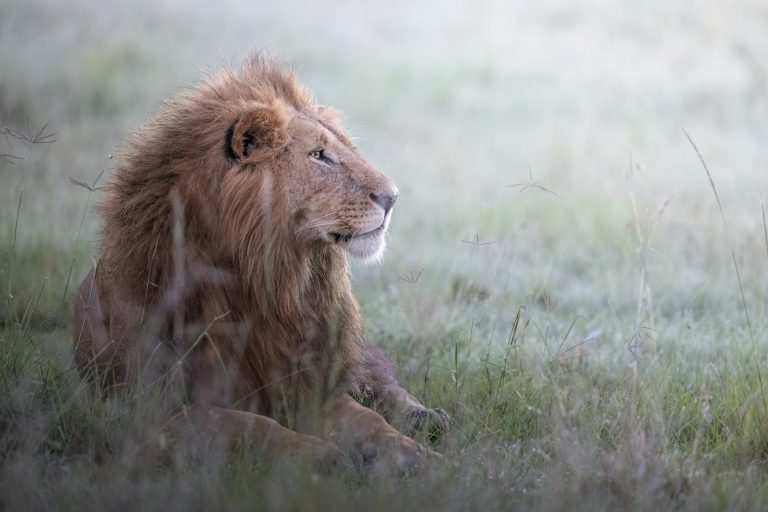
Minnesotans also arrive with the right instincts. If you have sat quietly in a deer stand, waited for loons to surface on a Boundary Waters lake or scanned a frozen bay for an eagle, you already know the patience a game drive rewards. In Kenya the reward is a lioness stalking through long grass, a herd of elephants crossing the track and a sky that stretches as far as the prairie does back home.
A Kenya safari from Minnesota as a winter reset
For many travelers, the real draw is the season swap. While the Twin Cities settle into deep cold, Kenya’s parks enjoy warm afternoons and cool, crisp mornings. A Kenya safari from Minnesota in late January or February swaps ice-scraping for sundowners, and you return home with stories that carry you through to spring.
Kenya Safari From Minnesota: Flights From MSP to Nairobi
There is no nonstop flight from Minnesota to Kenya, so every Kenya safari from Minnesota needs one connection. The cleanest plan is MSP nonstop to Amsterdam, London Heathrow or Paris, then a nonstop flight of about eight and a half hours to Nairobi’s Jomo Kenyatta International Airport.
MSP set a record in 2025 with 35 nonstop international destinations, eight of them in Europe, according to the Metropolitan Airports Commission. Some of the newer European routes are seasonal, so the year-round core is what matters most when you plan a Kenya safari from Minnesota.
Connecting through Amsterdam
Amsterdam is the deepest European link from MSP, with several departures a day. That frequency gives you a backup if a flight is delayed, which is why Amsterdam is our first suggestion for a Kenya safari from Minnesota. The eastbound flight is an overnight crossing of roughly eight hours, and Schiphol then has a daily nonstop to Nairobi.
Connecting through London or Paris
MSP also has a daily nonstop to London Heathrow and service to Paris, and both cities fly nonstop to Nairobi. These routings help when Amsterdam fares are high or when you want to add a night in Europe on the way home. Compare total journey time, not just the price, because a short layover can save you a full day.
Starting from Greater Minnesota
If you live in Rochester, Duluth, St. Cloud or the Iron Range, you can simply drive or take the shuttle to MSP, because it opens up the transatlantic nonstops. Others add a short domestic hop to a larger hub. Either way, a Kenya safari from Minnesota is easier when every flight sits on one ticket.
| Routing | Connections | Why Minnesotans pick it |
|---|---|---|
| MSP to Amsterdam to Nairobi | One | Several daily MSP departures, so it is the most forgiving if plans change |
| MSP to London Heathrow to Nairobi | One | A daily overnight flight and an easy add-on night in London |
| MSP to Paris to Nairobi | One | Useful for comparing schedules and fares with Amsterdam |
| MSP to New York JFK to Nairobi | One | Keeps the long-haul leg on a single nonstop into Nairobi |
| Regional Minnesota airport via a US hub | Two | Starts close to home if you would rather not drive to MSP |
Nairobi team tip: protect your first safari morning
Most flights from Europe land in Nairobi in the evening. For a Kenya safari from Minnesota, we usually book a calm first night near the airport or in Karen and start the drive to the parks the next morning. If your flight lands early in the day, we can head straight out, but only once your final arrival time is confirmed.

Kenya Safari From Minnesota and the Time Difference
Kenya is 9 hours ahead of Minnesota from early November to mid-March and 8 hours ahead while Minnesota is on daylight saving time. Kenya stays on East Africa Time all year, so on a Kenya safari from Minnesota the gap only moves when your own clocks change.
Adjusting to safari hours
A 6:30 a.m. game drive in the Masai Mara is 9:30 p.m. the previous evening in Minneapolis during winter. The overnight eastbound flight does much of the work: sleep on the long leg, step into daylight when you land and go to bed at a normal Kenyan hour. By the second or third morning of a Kenya safari from Minnesota, most travelers feel at home on safari time.
Best Time for a Kenya Safari From Minnesota
The best time for a Kenya safari from Minnesota is January to February for warm, quieter parks, or late June to October for the dry season and the Great Migration in the Masai Mara. April and May bring the long rains, lush scenery and the lowest rates.
| Months in Kenya | What the parks are like | How it fits a Minnesota calendar |
|---|---|---|
| January to February | Short dry season, green plains, many young animals, fewer vehicles | The classic Minnesota winter escape for retirees, couples and remote workers |
| March | Warm, often dry early in the month before the rains build | Some metro districts take spring break in late March |
| April to May | Long rains, deep green landscapes, quiet roads, lowest rates | Matches Minneapolis spring break, April 5 to 9, 2027, for flexible families |
| June | Dry season begins, cool mornings, still relaxed in the Mara | Families can travel once MPS finishes on June 11, 2027 |
| July to October | Peak dry season and the Great Migration in the Masai Mara | Summer vacation and fall trips, including the mid-October MEA break |
| November to December | Short rains, green and calmer, busy again around the holidays | Thanksgiving week and winter break, December 21, 2026 to January 1, 2027 |
For a deeper look at river crossings and herd movements, see our Great Migration safari page. Park and reserve fees can change between low and high season, so for every Kenya safari from Minnesota we quote the fees that apply to your exact dates.
Choosing the Right Route and Number of Nights
The key decision on a Kenya safari from Minnesota is how many nights the parks get once two long travel days are counted. Seven nights covers a strong classic circuit; ten to twelve lets you add northern Kenya, a walking safari or a few nights on the coast.
| Sample trip | Length | What you see | From (per adult) |
|---|---|---|---|
| Kenya Classic: Amboseli, Lake Naivasha and the Masai Mara | 7 days | Elephants beneath Kilimanjaro, hippos on Naivasha and three Mara nights | USD 1,650 |
| Laikipia and Masai Mara Walking Safari | 7 days | Guided bush walks, conservancy game drives and fly-in transfers | USD 4,200 |
| Kenya Highlights Safari | 9 days | Samburu, Ol Pejeta, Lake Nakuru and the Masai Mara | USD 2,350 |
| Luxury Fly-in Safari: Mara, Laikipia and Lamu | 12 days | Private conservancies by light aircraft, then barefoot luxury on Lamu | USD 8,900 |
For a Kenya safari from Minnesota, these are the starting prices shown on each trip page; your own quote depends on season, camp level and group size. Our Kenya safari packages from the USA page gathers more routes that American travelers often choose.
Road, fly-in or a combination?
On a road safari you keep the same Land Cruiser and driver-guide throughout, and the drives between parks pass farms, market towns and the Rift Valley escarpment. A fly-in safari replaces long transfers with short light-aircraft hops, which suits travelers with limited vacation days. Many people on a Kenya safari from Minnesota mix both: road for the first parks, then a flight back to Nairobi from the Mara.
Not sure whether to drive the classic circuit or fly between camps?
Share how many days you can take away from Minnesota and what you most want to see. We will suggest the route that gives you more time with the animals and less time in transit.
Choose My North Star Route
Adding Tanzania, Zanzibar, Uganda or Rwanda
Because the journey from the Upper Midwest is long, many travelers on a Kenya safari from Minnesota add a second country. Tanzania brings the Serengeti and Ngorongoro Crater, Zanzibar adds white beaches and Stone Town, and Uganda or Rwanda add mountain gorilla trekking in the forests.
How a two-country safari fits together
We run the Kenya portion with our own vehicles and guides and book the onward flights, lodges and transfers for the extension. A popular pattern for a Kenya safari from Minnesota is five safari nights followed by a short flight to Zanzibar, flying home from the island. Gorilla permits are limited, so tell us early if Rwanda is on your list. Our Kenya and Rwanda safari shows how big cats and gorillas fit into a single week.
Packing When You Leave a Minnesota Winter
Pack for a Kenya safari from Minnesota with highland mornings and warm afternoons in mind, not a Minnesota January. Much of Kenya’s safari country sits well above sea level, so a dawn drive in a pop-up roof vehicle can feel cool, while midday is sunny and warm.
What to keep and what to leave at home
- Leave the parka: wear your heavy coat to MSP, then leave it in the car or with family; a fleece is all you need in Kenya.
- Light layers: breathable long sleeves for the day, a warm layer for dawn and evening.
- Neutral tones: khaki, olive and sand blend in on game drives better than bright colors.
- Soft-sided bag: light-aircraft flights limit bag size and weight, so a duffel beats a hard case.
- Sun protection: a brimmed hat, sunglasses and high-SPF sunscreen, since your skin will not be used to strong sun in midwinter.
- Optics: one pair of binoculars per person and a power bank for long days out.
Well before a Kenya safari from Minnesota, ask your own doctor or a travel clinic about vaccinations and medication; they will advise based on your health and your exact route.
Entry Paperwork for Minnesota Travelers
Everyone on a Kenya safari from Minnesota with a US passport needs a Kenya Electronic Travel Authorization (eTA) before they fly, applied for on the official Kenya eTA portal. The standard eTA starts from about USD 30, and applying at least two weeks ahead leaves comfortable time.
Kenya’s inbound travel health insurance
Since October 2026, visitors also need the Kenyan Government inbound travel health insurance, arranged alongside the eTA. Check the current wording on the portal when you apply, and read our Kenya mandatory travel insurance guide to see how it sits next to your own policy. Before you book, we talk you through your route and current travel conditions.
Every Sense of Adventure safari includes complimentary AMREF Flying Doctors emergency evacuation cover. It is an evacuation service rather than travel insurance, so keep a comprehensive policy of your own.
Timing a Kenya Safari From Minnesota Around School Breaks
Book a July to October Kenya safari from Minnesota 9 to 12 months ahead, because the best-placed Mara camps fill early. For winter break, spring break or a green-season trip, four to six months is usually enough, though family rooms always go first.
Minneapolis Public Schools dates for 2026 to 2027
| Break | Dates (MPS published calendar) | Safari idea |
|---|---|---|
| Thanksgiving | November 25 to 27, 2026 | Too short on its own; pair it with extra days off for green-season value |
| Winter break | December 21, 2026 to January 1, 2027 | A festive safari with Christmas or New Year at camp; book early |
| Spring break | April 5 to 9, 2027 (no school Friday, April 2) | A green-season trip with quiet parks and lower rates |
| Summer | From June 11, 2027 (last day of school) | Dry season in June, then the Great Migration from July |
| MEA break | Mid-October (October 15 to 16 in 2026) | Add vacation days for a short dry-season trip |
St. Paul, Anoka-Hennepin, Minnetonka and other districts set their own calendars, and many metro districts take spring break in late March instead. Confirm your own school’s dates before you buy flights for a Kenya safari from Minnesota.
Nairobi team tip: use the record-keeping Friday
With no school on Friday, April 2, Minneapolis families have from that Friday to Sunday, April 11, 2027 away. Fly out on the Thursday evening and you can fit about six safari nights. Early April is green season, so we choose camps with reliable all-weather access and often book a light-aircraft flight back from the Mara to protect your departure day.
The MEA break is another useful window. On its own it is only a long weekend, but with three or four vacation days added, a short Kenya safari from Minnesota in mid-October catches the dry season and often the tail end of the migration in the Mara.
Want your winter break or spring break dates checked?
Send your school calendar and the number of travelers. You receive a written quote within 24 hours, with camp availability checked for those exact nights.
Quote Our Minnesota School BreakWhat Your Private Kenya Safari From Minnesota Includes
Every Kenya safari from Minnesota we plan is private. You travel in your own pop-up roof 4×4 Land Cruiser with reclining seats, charging ports and a window seat for everyone, led by an English-speaking driver-guide who stays with you from park to park.
From landing in Nairobi to your flight home
- Arrival: meet and greet at Jomo Kenyatta International (JKIA) or Wilson Airport.
- Stays: lodge and camp bookings, with every quote shown in Midrange 3* and Standard Luxury 4* versions.
- Logistics: light-aircraft seats where useful, plus park and conservancy entry.
- Groups: church groups, alumni trips and company teams travel in several vehicles with a tour leader free of charge.
For park rules and fees, see the official Kenya Wildlife Service site, and for ideas beyond the parks, browse Magical Kenya, the national tourism site. When you are ready, our Plan My Safari form brings back a tailor-made itinerary within 24 hours.
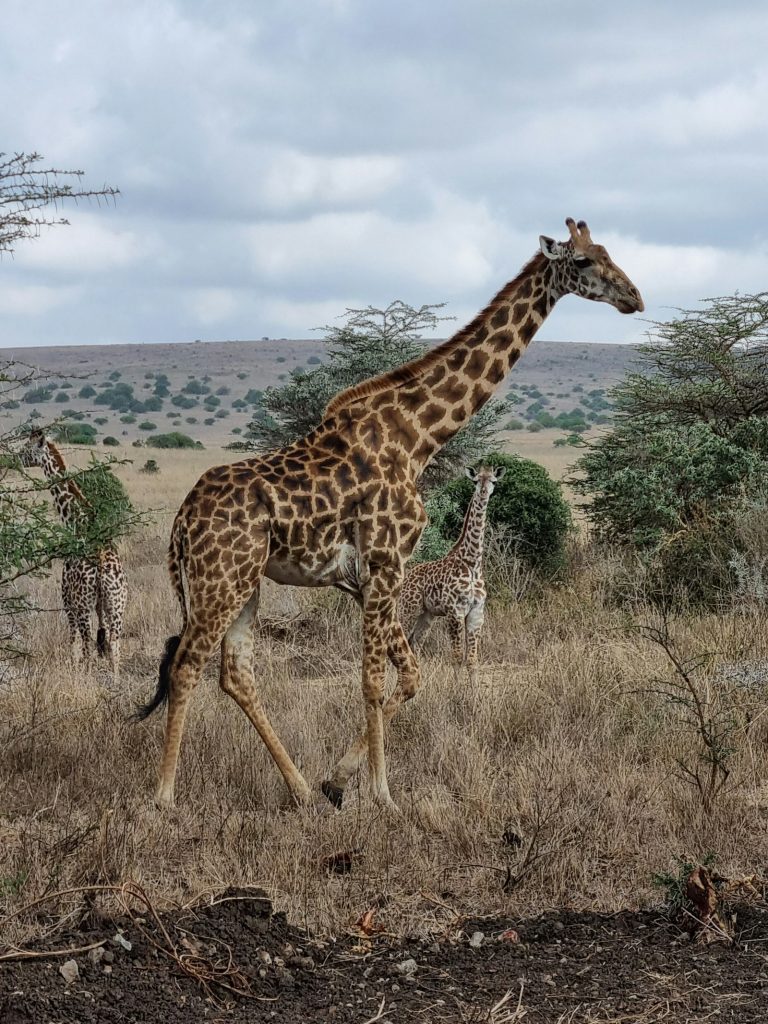
To round out a Kenya safari from Minnesota, consider a sunrise hot-air balloon flight over the Mara, a respectful visit to a Maasai community, a boat ride among the hippos of Lake Naivasha or a morning with orphaned elephants and giraffes in Nairobi. For tipping, money and everyday logistics, our Kenya safari guide for Americans answers the practical questions travelers from every state ask.
Kenya Safari From Minnesota FAQs
Is there a direct flight from Minnesota to Kenya?
No. There is no nonstop flight from Minnesota to Nairobi. Most travelers connect once, flying from MSP nonstop to Amsterdam, London Heathrow or Paris, then nonstop to Nairobi. Amsterdam is usually the most flexible choice because MSP has several departures there each day, which helps if a flight runs late.
How long does it take to fly from Minneapolis to Nairobi?
Plan on roughly 20 to 24 hours door to door, depending on your layover. MSP to Amsterdam is about eight hours overnight, and Amsterdam to Nairobi is around eight and a half hours. A short, well-timed connection on one ticket keeps the journey to a single long travel day.
What is the time difference between Minnesota and Kenya?
Kenya is 9 hours ahead of Minnesota from early November to mid-March and 8 hours ahead while Minnesota is on daylight saving time. Kenya stays on East Africa Time all year, so the gap changes only when Minnesota clocks change in spring and fall.
When is the best time for a Kenya safari from Minnesota?
January and February are ideal for escaping a Minnesota winter, with warm, mostly dry days and fewer vehicles. Late June to October is the classic dry season, with the Great Migration in the Masai Mara. April and May bring the long rains, green scenery and the lowest rates.
Can Minneapolis families fit a safari into spring break?
Yes. In 2027 Minneapolis Public Schools list spring break as April 5 to 9, with no school on Friday, April 2. That gives about ten days away and around six safari nights. Early April is green season, so we pick camps with reliable access and quieter parks.
Do US citizens need a visa for Kenya?
US passport holders need a Kenya Electronic Travel Authorization, applied for online at etakenya.go.ke before departure, from about USD 30. Visitors also need the mandatory Kenyan inbound travel health insurance, arranged with the eTA. Apply at least two weeks before you fly and check the current wording on the portal.
How far ahead should Minnesota travelers book?
For July to October and the Christmas holidays, book 9 to 12 months ahead, because popular Masai Mara camps fill early. For January, February, spring break and green-season trips, four to six months is usually enough. Families and groups needing several rooms in one camp should start sooner.
Trade a Minnesota Winter for the Kenyan Savanna
Tell our Nairobi team your travel month, who is coming and the animals you most want to see. Within 24 hours you get a day-by-day plan in two comfort levels with a clear written price.
Begin My Minnesota Escape Call +254 799 160 081
Prefer email? Write to reservations@senseofadventure.co.ke
Escape. Explore. Discover.