South Island National Park is the largest of Lake Turkana’s three volcanic islands, a raw fissure-formed landscape roughly 12 km by 5 km, almost entirely covered by recent lava flows from vents that still give off sulphurous smoke and steam. This is Africa’s “Jade Sea” at its most elemental: a young volcanic island in the middle of the world’s largest permanent desert lake, its shores used by part of Lake Turkana’s huge Nile crocodile population. Picture a landscape so young geologically that some of its lava fields look freshly poured, migrant birds arriving each spring, and barely another visitor in sight. Sense of Adventure arranges South Island as a genuine expedition destination for travellers who want Kenya at its rawest.
✅ South Island National Park Quick Answer
- What it is: the largest volcanic island in Lake Turkana, northern Kenya, and part of the Lake Turkana National Parks World Heritage Site.
- Why go: young lava landscapes, steam vents, crocodiles, water birds and near-total solitude.
- How to get there: a long drive or a charter flight to Loiyangalani, then a boat across the lake.
- Best time: June to September is slightly cooler; boat trips run early in the day, before the wind rises.
- Fees: Kenya Wildlife Service park fees are paid online through eCitizen; boat hire is separate.
- Style of trip: a planned expedition of several days, not a quick add-on to the southern safari circuit.
Wondering whether the lake winds suit your travel dates?
The Largest of Lake Turkana’s Volcanic Islands
South Island is a fissure-formed volcanic island roughly 12 km by 5 km, the largest of Lake Turkana’s three major islands and almost entirely covered by recent lava flows and ash. The Kenya Wildlife Service describes vents that still emit sulphurous smoke and steam, a sign of how young this ground is.
The island is part of the Lake Turkana National Parks World Heritage Site, alongside Central Island and Sibiloi. Access is by boat from lakeside settlements such as Loiyangalani, and visits are timed around the lake’s notoriously strong, sudden winds rather than a fixed daily schedule.
One correction to a common mix-up: the famous crater lakes named Crocodile, Flamingo and Tilapia are on Central Island, not South Island. South Island’s appeal is its bare lava, ash slopes and wild shoreline, where crocodiles bask and water birds feed.

The 7 Things That Make South Island National Park Worth the Journey
The Largest of Turkana’s Three Islands — a genuinely vast volcanic landscape
At 12 km by 5 km, South Island is the largest volcanic island in Lake Turkana, its surface almost completely covered by recent lava flows from a fissure-formed eruption history.
Vents That Still Steam — genuinely young geology
The island’s volcanic vents still emit sulphurous smoke and steam — a rare chance to see young, still-forming volcanic landscape rather than long-extinct geology.
Crocodile Country — part of Africa’s largest Nile crocodile population
Lake Turkana’s Nile crocodiles, estimated at around 12,000, use the island shores, while the main breeding crater lakes lie on neighbouring Central Island. Crocodiles breed mainly between April and May.
Over 84 Water Bird Species — including migrants arriving each spring
South Island supports more than 84 recorded water bird species, including 34 species of European migrants that arrive between March and May — a strong birding destination alongside its geology and crocodiles.
Part of a UNESCO World Heritage Site — the Lake Turkana National Parks designation
South Island forms part of the Lake Turkana National Parks UNESCO World Heritage Site, recognised alongside Central Island and Sibiloi for its geological and ecological significance.
Genuinely Remote Expedition Travel — planned, not spontaneous
Like the rest of the Lake Turkana circuit, reaching South Island requires real logistical planning — this is arranged as a custom itinerary rather than a fixed package, so message us to talk through realistic timing.
The Jade Sea Setting — why Lake Turkana looks the way it does
Lake Turkana’s nickname, the Jade Sea, comes from algae blooms that tint the water a striking blue-green against the surrounding desert — a backdrop that makes South Island’s dark volcanic rock and steam vents feel even more dramatic by contrast.
How to Get to South Island National Park
Getting to South Island National Park is the biggest part of the adventure. Lake Turkana lies in Kenya’s far north-west, far from the usual safari circuit, and there is no road onto the island itself. Every trip has two stages: reaching the lakeside town of Loiyangalani on the south-eastern shore, then crossing the water by boat.
By road from Nairobi
The overland route usually takes two long days each way. Most itineraries head north through Nanyuki, then via Maralal and South Horr, or via Marsabit, before dropping down to the lake. Roads in the final stretch are rough, so a well-prepared 4×4, spare tyres, extra fuel and an experienced driver are essential.
The reward is the scenery. You pass the Samburu highlands, the volcanic boulder fields above the lake and your first view of the Jade Sea below. If your route runs through Maralal, our Maralal camel derby guide explains the town and its famous race.
By charter flight
A light-aircraft charter from Nairobi to the Loiyangalani area saves several days of driving. It costs more, but it suits travellers who want the lake without the long road. Luggage limits on small aircraft are strict, so pack soft bags and light clothing.
Reaching South Island National Park by boat from Loiyangalani
From Loiyangalani, local boats cross to South Island National Park when conditions allow. The lake is famous for strong winds that can build quickly, especially later in the day, so crossings normally leave early in the morning. A good boat operator watches the weather and will postpone rather than take risks.
Life jackets should be standard, and you should carry water, sun protection and a waterproof bag for cameras. We confirm boat arrangements and safety equipment in advance as part of any Turkana itinerary.
Road Trip or Charter Flight to Lake Turkana?
The right route depends on your time, budget and appetite for rough roads. Tell us your group and we will lay out both options honestly.
Best Time to Visit South Island National Park
Lake Turkana is hot and dry all year, so there is no perfect month, only better and harder ones. The main things to plan around are heat, wind and the short rainy spells that can make northern roads difficult.
| Months | Conditions | Good for |
|---|---|---|
| June to September | Slightly cooler, but often very windy | Overland trips and early-morning crossings |
| October to November | Hot, with a chance of short rains | Quiet travel; check road conditions |
| December to March | The hottest months, usually dry | Travellers who handle heat well |
| March to May | Hot, with occasional rain | Birders, as Palearctic migrants pass through |
Whatever the month, plan to be on the water and walking on the island early in the day. Midday heat on bare lava is intense, and the wind often picks up by late morning. For the wider picture of heat in the north, see our guide to the hottest place in Kenya.
What a South Island National Park Trip Costs
A South Island National Park trip is priced as a custom expedition, so there is no fixed package price. The main cost drivers are easy to understand, though, and knowing them helps you budget realistically.
- Transport: either several days of 4×4 hire with a driver, fuel and allowances, or a light-aircraft charter.
- Boat hire: arranged locally in Loiyangalani and priced per boat, so small groups share the cost.
- Park fees: Kenya Wildlife Service conservation fees, paid online in advance through eCitizen. Check the current rate before you travel.
- Accommodation: simple lodges and campsites around Loiyangalani, plus overnight stops on the way north.
- Guiding: a local guide who knows the island, the boat crews and the communities is money well spent.
Group size makes a big difference. Four people sharing one vehicle and one boat pay far less each than a solo traveller. For fee basics across the country, read our Kenya national parks entrance fees guide.
Get a Written Turkana Expedition Quote
Share your dates and group size and we will cost the transport, boat, fees and stays line by line, so you know exactly what you are paying for.
Safety on Lake Turkana
South Island is safe to visit with good planning, but it is a genuinely wild place. Treat it with the respect you would give a remote mountain or desert.
- Wind: never cross in rising wind, and accept a delay if your boat operator advises one.
- Heat: carry more water than you think you need, wear a wide-brimmed hat and walk in the early morning.
- Crocodiles: do not swim or wade at the water’s edge, however inviting the lake looks.
- Terrain: lava is sharp and loose, so wear sturdy boots and watch your footing.
- Travel advice: parts of northern Kenya carry government travel warnings, so check the latest GOV.UK travel advice for Kenya before booking and make sure your insurance covers your route.
The Mystery of the 1934 Expedition
South Island has a famous and sad place in the history of exploration. In 1934, two members of Vivian Fuchs’s Lake Rudolf Rift Valley Expedition crossed to the island to survey it and never returned. Searches later found only a few traces of their equipment.
Their disappearance is a reminder of how quickly conditions on the lake can change. Many local stories grew up around the island over the years, and guides in Loiyangalani still tell them. Today, careful timing and modern safety gear make a day visit far safer than it was for those early surveyors.
People of the Lake Turkana Shore
A visit to South Island National Park usually starts and ends among the communities of the south-eastern shore. The El Molo, one of Kenya’s smallest ethnic groups, have long fished these waters, and Turkana, Samburu and Rendille families also live and herd around Loiyangalani.
Cultural visits should always be arranged through a respected local guide, with fair payment agreed in advance. Ask before taking photographs, and buy crafts directly from the people who make them.
What to Pack for South Island
- Lightweight, long-sleeved clothing and a wide-brimmed hat.
- Sturdy walking boots for sharp lava and loose ash.
- At least three litres of water per person for an island walk.
- High-factor sunscreen, lip balm and sunglasses.
- A dry bag for cameras and phones during the crossing.
- Binoculars for water birds and a zoom lens for crocodiles.
- A basic first-aid kit and any personal medication.
South Island National Park Facts
- Size: roughly 12 km by 5 km — the largest of Lake Turkana’s three volcanic islands.
- Geology: fissure-formed, almost entirely covered by recent lava flows; vents still release steam.
- Crater lakes: the well-known Crocodile, Flamingo and Tilapia crater lakes are on neighbouring Central Island.
- Crocodile population: part of Lake Turkana’s estimated 12,000-strong Nile crocodile population.
- Birdlife: over 84 recorded water bird species, including migrants arriving March-May.
- UNESCO status: part of the Lake Turkana National Parks World Heritage Site.
Combining South Island With the Wider Turkana Circuit
South Island is often visited alongside Central Island National Park and Sibiloi National Park for a complete Lake Turkana expedition. Message us on WhatsApp and we’ll plan a realistic custom itinerary around the logistics involved.
Travellers driving north can break the journey at Marsabit National Park, a forested volcano rising out of the desert. For more parks off the usual route, browse our best hidden national parks in Kenya and the complete list of Kenya national parks.
A sample plan for South Island National Park might look like this: two days driving north, one day for the island crossing, one day for Central Island or a cultural visit, then two days back south. A private Kenya safari gives you the flexibility to wait out a windy day without losing the rest of the trip.
Stand on Kenya’s Youngest Volcanic Island
Steaming vents, crocodile shores and barely another visitor. Send us your dates and we will build a safe, realistic Lake Turkana plan around South Island.
Frequently Asked Questions
What is South Island National Park known for?
South Island National Park is known for being Lake Turkana’s largest volcanic island, with young lava flows, ash slopes and vents that still release steam. It is part of a UNESCO World Heritage Site and its shores support crocodiles and more than 84 water bird species, with almost no other visitors.
How big is South Island in Lake Turkana?
South Island measures roughly 12 km by 5 km, making it the largest of Lake Turkana’s three major volcanic islands. Its surface is almost entirely covered by recent lava flows and volcanic ash, which gives it a stark, almost lunar appearance from the boat as you approach.
Are the volcanoes on South Island still active?
South Island’s volcanic vents still release sulphurous smoke and steam, according to the Kenya Wildlife Service, which shows the landscape is geologically young. This makes it one of the few places in Kenya where you can walk across recent lava rather than long-extinct volcanic hills.
What birds can you see at South Island National Park?
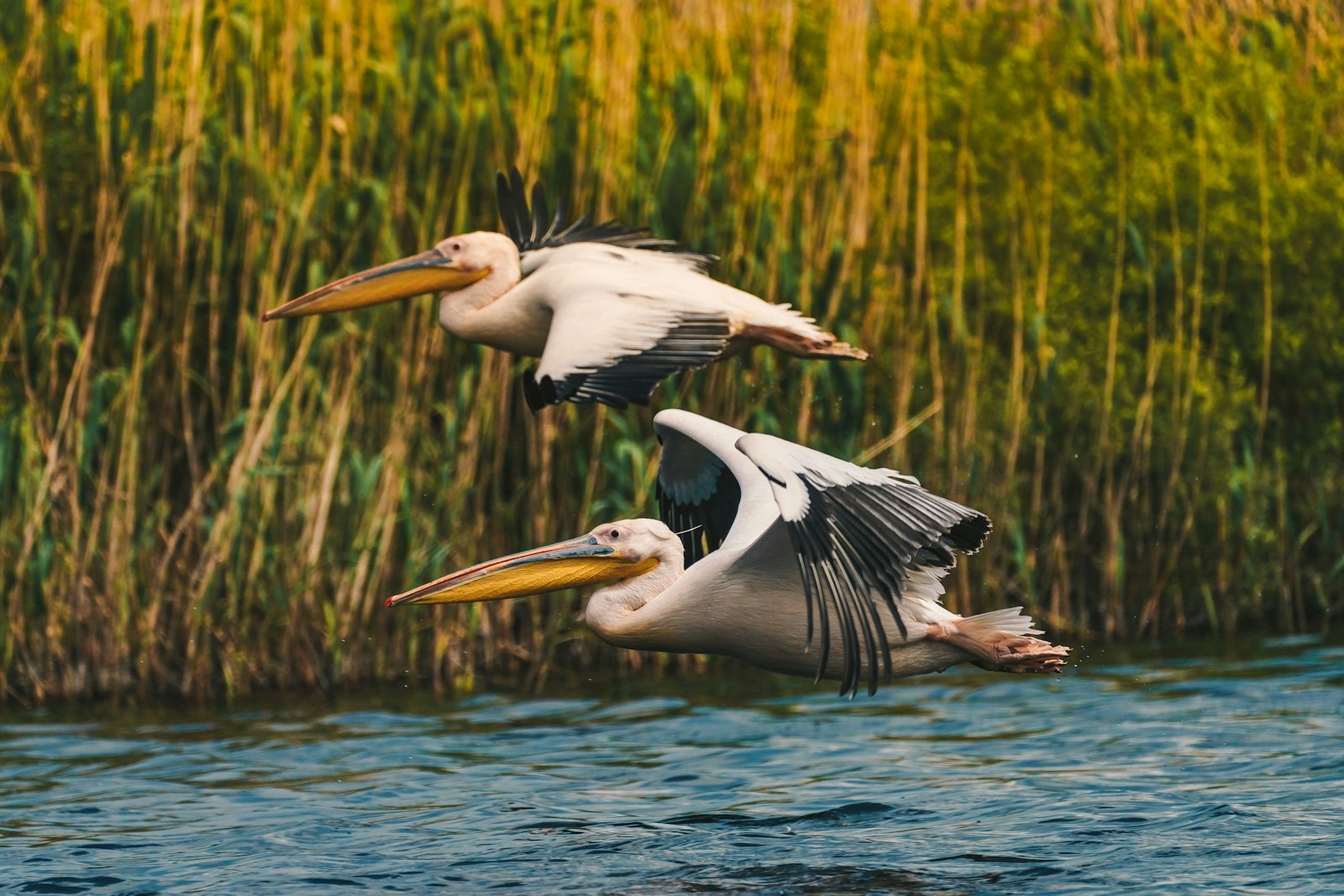
South Island supports over 84 recorded water bird species, including 34 species of European migrants that arrive between March and May, alongside large resident water bird populations. Pelicans, herons, waders and gulls are among the birds most often seen along the shore and from the boat.
Is South Island National Park part of a UNESCO site?
Yes — South Island forms part of the Lake Turkana National Parks UNESCO World Heritage Site, recognised alongside Central Island and Sibiloi for its volcanic geology, fossil record and globally significant wildlife. The site is managed by the Kenya Wildlife Service.
How do you get to South Island National Park?
Travel to Loiyangalani on Lake Turkana’s south-eastern shore, either by a two-day drive from Nairobi or by charter flight. From there, a local boat crosses to South Island National Park, usually early in the morning before the strong lake winds rise. Book the boat through an experienced operator.
Is South Island National Park safe to visit?
South Island National Park is safe with sensible planning. Cross only in calm conditions with life jackets, avoid the water because of crocodiles, carry plenty of water for the heat and wear sturdy boots on the lava. Check current government travel advice for northern Kenya before you book.
How many days do you need for South Island?
Allow at least five to six days from Nairobi by road, including two days each way and one or two days at the lake. Flying in shortens this to two or three days. Building in a spare day helps if strong winds delay the boat crossing to the island.