
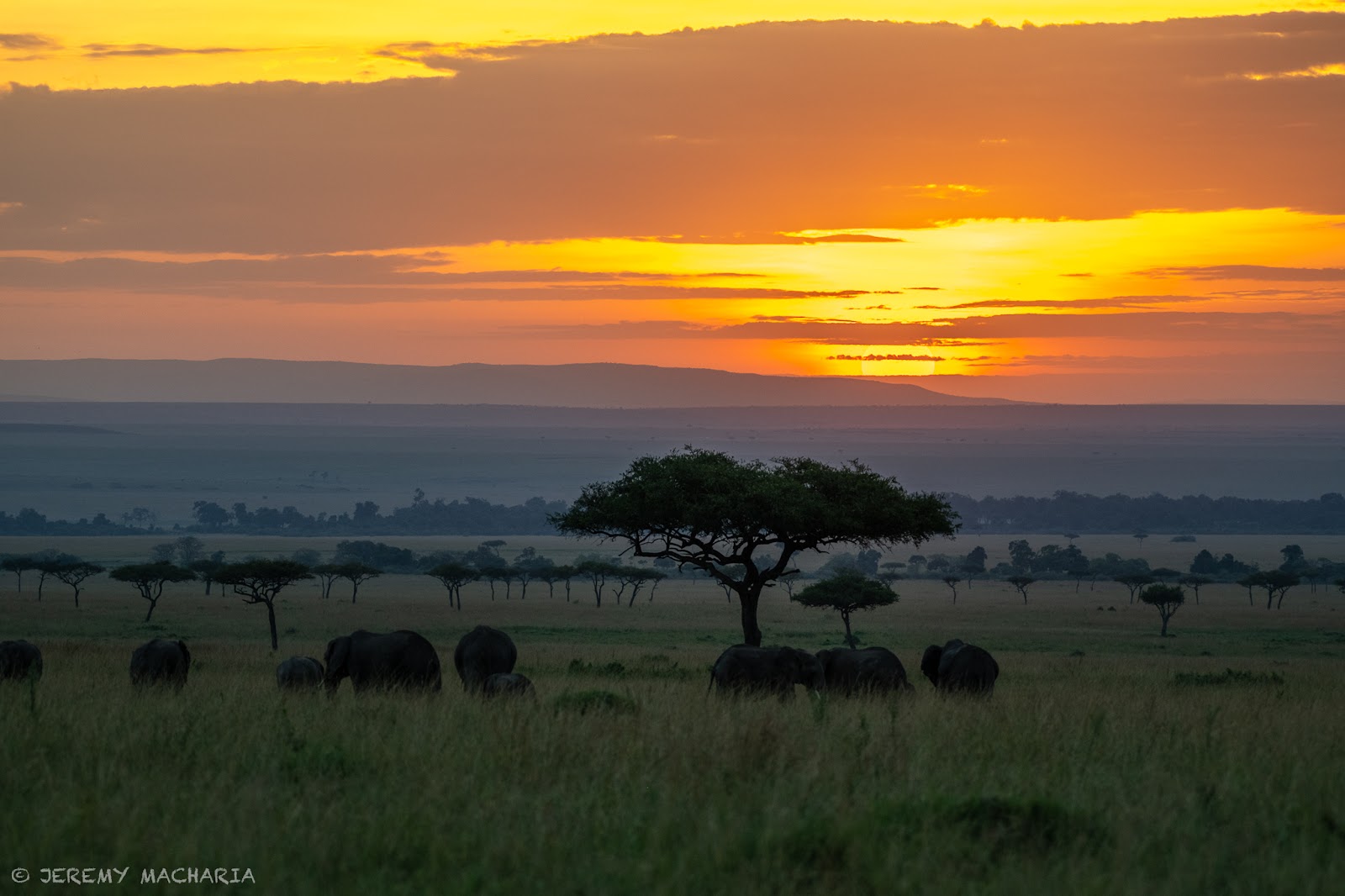
The Masai Mara has a strong claim to the best sunset in the world for safari lovers. Its wide, open plains give an unbroken horizon, lone acacias make perfect silhouettes, the equatorial sun drops quickly and colourfully, and wildlife is often moving in the last light. Sunset falls roughly between 6.25pm and 7pm all year.
Sense of Adventure is a TRA-licensed private safari company based at Mountain Mall on Thika Road, Nairobi. Our guides plan every Mara afternoon around the light, ending with a sundowner in the right spot. This guide explains why Mara sunsets look the way they do, where and when to watch them, how to photograph them and how to make a sunset the highlight of your safari.
Masai Mara sunsets: the quick answer
- Why they impress: open horizons, acacia silhouettes, dust and cloud that catch colour, and active wildlife.
- Sunset time: roughly 6.25pm to 7pm local time, depending on the month.
- How long: the sun drops fast, and twilight lasts only about 20 to 25 minutes.
- Best months: dry months bring dusty gold skies; the rains bring dramatic clouds.
- Best experience: a private sundowner in a conservancy, then a night drive.
Dreaming of a Mara sundowner? Tell us your dates and we will plan the afternoon drives, the spot and the timing for you.
Book my Mara sundownerIs the Masai Mara the Best Sunset in the World?
No ranking can crown one best sunset, but the Masai Mara combines more of the ingredients people love than almost anywhere else.
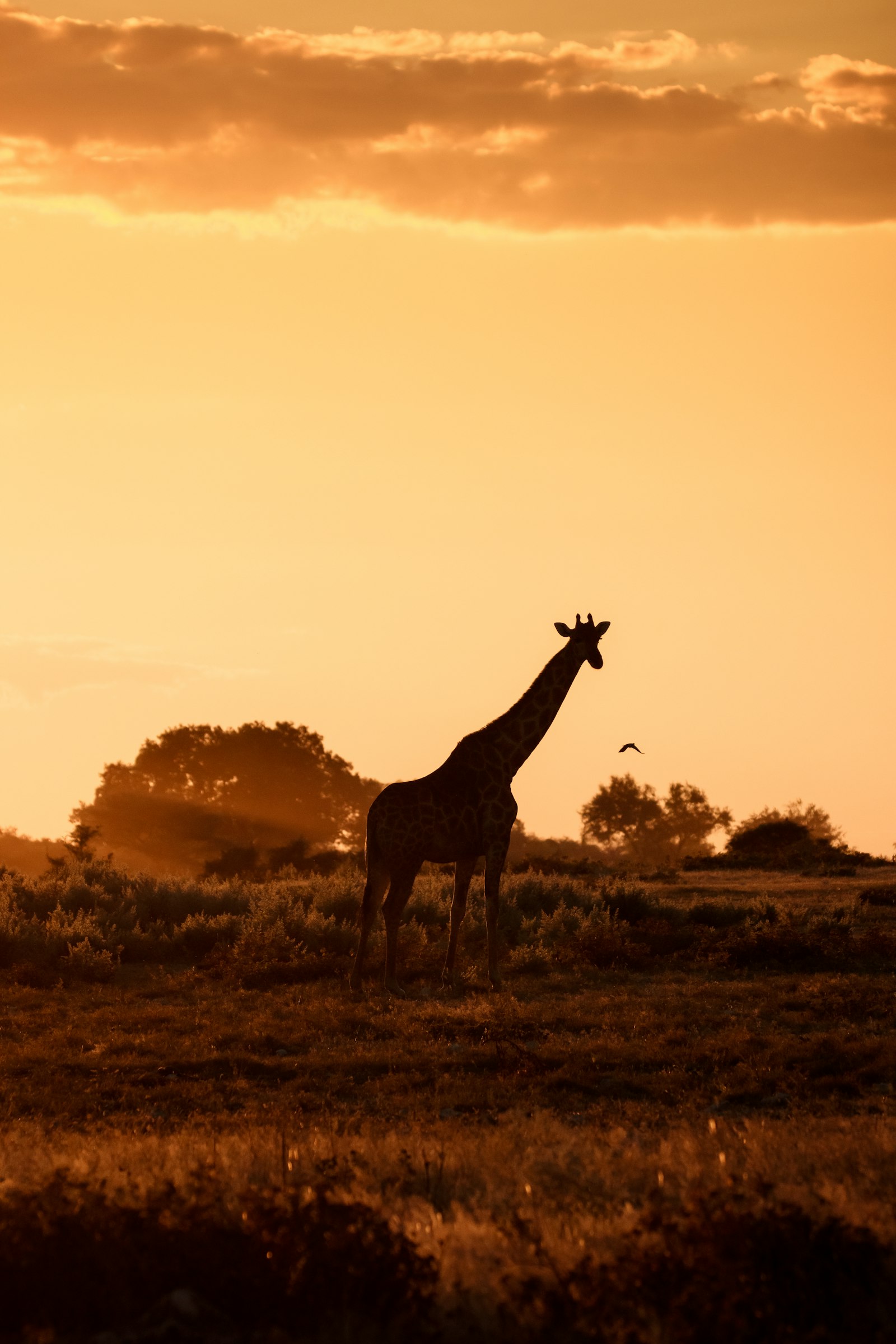
Many places have beautiful sunsets: Santorini, the Sahara, the Pacific coast. What makes the Mara different is what is in front of the sun. A flat-topped acacia, a line of giraffe or a lion on a termite mound turns a colourful sky into a story. The light falls on open grassland that glows gold, and the sounds of the bush build as darkness comes.
Be wary of claims that the Mara has won an official title. You will find many lists, but none are scientific. The honest case for the best sunset in the Mara is simple: the setting is extraordinary, and you watch it from the middle of one of Africa’s great wildlife landscapes.
Why Mara Sunsets Look So Dramatic
Geography, light and atmosphere work together to give the Mara its famous evening colour.
The Equatorial Sun
Close to the equator, the sun sets at a steep angle, so it drops quickly towards the horizon. Twilight is short, often only 20 to 25 minutes, which compresses the colours into an intense show and helps make it the best sunset of many travellers’ lives. Blink and you miss the moment the sky turns from gold to deep red and violet.
Open Plains and Big Skies
The Mara’s rolling grasslands give long, clear views to the horizon, with the Oloololo Escarpment rising in the west. With few buildings and little artificial light, the sky stays clean, and after sunset the stars appear quickly on clear nights.
Dust, Smoke and Cloud
Fine dust kicked up by herds in the dry season scatters light and warms the colours to orange and gold. Afternoon clouds in the rainy months catch pink and purple light and can make the most dramatic skies of all. Each season gives a different kind of best sunset, so there is no wrong month to go.
Mara Sunset Times and Seasons
Sunset in the Mara stays within about half an hour all year, so planning for the best sunset is easy.
| Months | Approximate sunset | Sky and light | Good to know |
|---|---|---|---|
| January to March | About 6.45pm to 7pm | Warm, often clear | Calving season in the south of the ecosystem |
| April to May | About 6.35pm to 6.45pm | Storm clouds, dramatic colour | Long rains; some camps close |
| June to October | About 6.25pm to 6.50pm | Dusty gold, hazy horizons | Migration season; busiest months |
| November to December | About 6.25pm to 6.45pm | Clouds build, then clear | Short rains; green and quiet |
These are approximate local times and vary slightly by location within the Mara. Sunrise follows the same pattern, around 6.15am to 6.45am. Check the seasonal outlook with the Kenya Meteorological Department when planning.
Reserve or conservancy for sunset?
Conservancies allow sundowners off the main tracks and night drives afterwards. Tell us your style and budget and we will recommend the right camp for your evenings.
Where to Watch the Best Sunset in the Mara
The best sunset spots are open ridges, lone trees and riverbanks where you can see both the sky and wildlife.
In the National Reserve
Inside the Masai Mara National Reserve, game drives must follow reserve rules on hours and staying on tracks, so sunsets are usually enjoyed from the vehicle on the way back to camp. Views over the Mara River and towards the Oloololo Escarpment are especially fine. Your guide will time the drive so you are in a good position for the best sunset before the light fades.
In the Private Conservancies
Conservancies such as Mara North, Naboisho and Olare Motorogi limit vehicles and allow guides more flexibility, often including sundowner stops and night drives, depending on conservancy rules. That means you can step out on a hilltop with a drink as the sun sets, then look for nocturnal animals on the way back. The Maasai Mara Wildlife Conservancies Association explains how these community partnerships work.
Compare camps in our Mara North Conservancy camps guide and our luxury lodges in the Masai Mara guide.
The Mara Sundowner Tradition
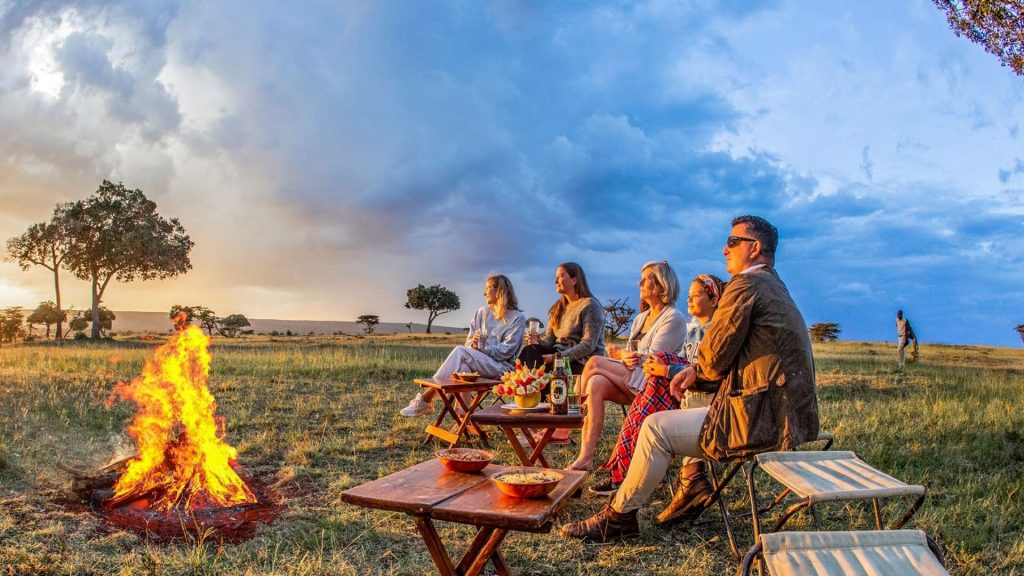
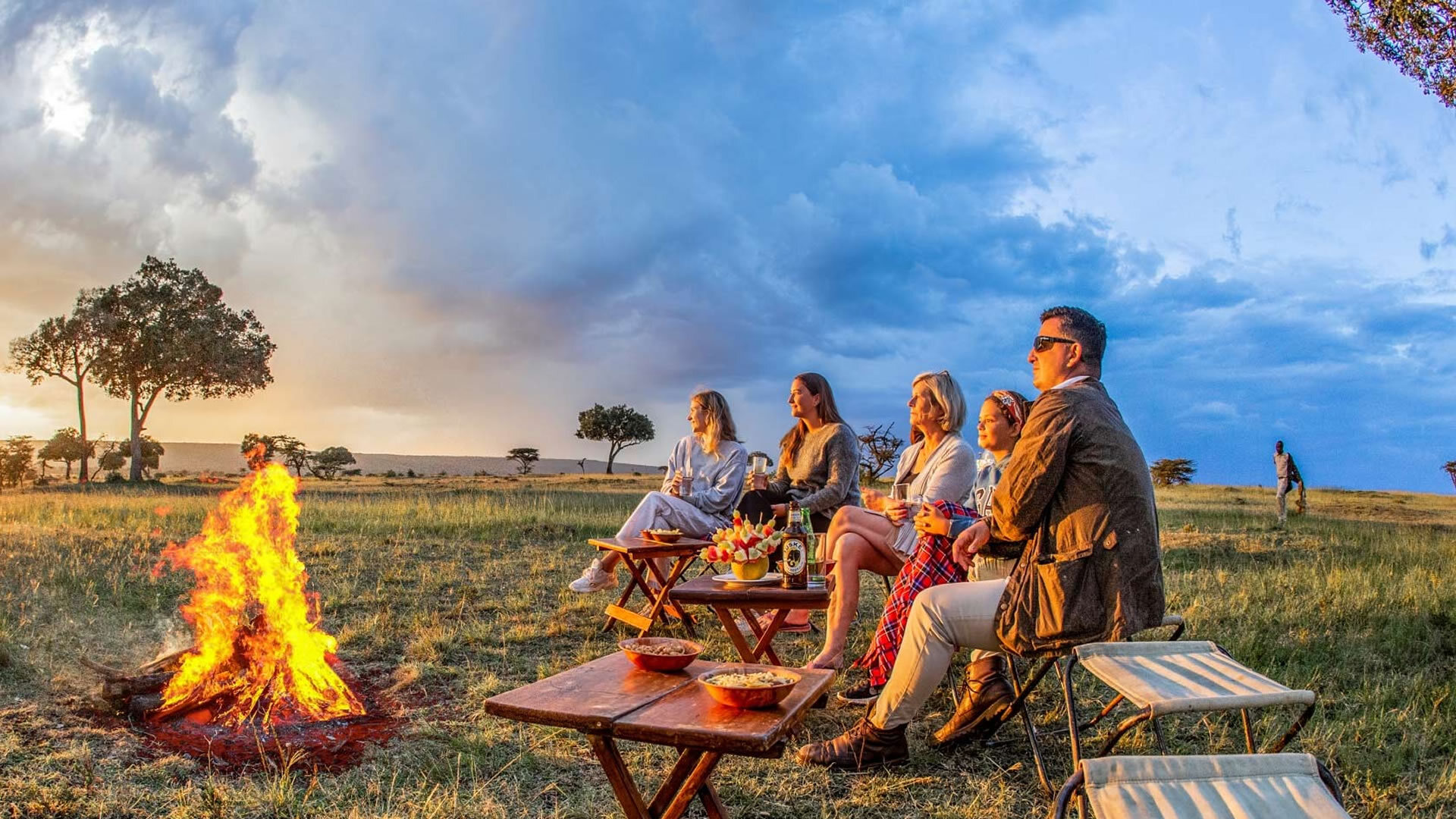
A sundowner is a drink and snack at sunset, and in the Mara it is the best sunset ritual of all.
Your guide finds a safe, open spot, checks the area for wildlife and sets out drinks, often a gin and tonic, a Tusker beer or a soft drink, with snacks. You stretch your legs, watch the light change and swap stories about the day’s sightings. Some camps go further, with a full bush dinner by lantern light. Read our guide to Masai Mara sundowners and bush dinners.
Expert tip from our Nairobi team
Do not leave the sundowner spot the moment the sun touches the horizon. The best sunset colour often comes five to fifteen minutes after the sun dips, when the clouds light up from below. Keep a warm layer handy too, because the temperature drops quickly once the sun has gone.
How to Photograph a Mara Sunset
Silhouettes, timing and steady support are the keys to capturing the best sunset photographs in the Mara.
- Find a subject: an acacia, giraffe, elephant or vehicle outline makes the sky meaningful.
- Expose for the sky: let the foreground go black for clean silhouettes.
- Use a longer lens: 200 to 400 mm makes the sun larger behind your subject.
- Brace the camera: a bean bag on the vehicle frame beats a tripod.
- Keep shooting: the afterglow is often the best sunset light of the evening.
Our Masai Mara photography guide and camera gear checklist cover settings and kit in more detail.
Sunrise, Balloons and After Dark
The Mara’s light show has three acts: sunrise, sunset and the starlit night that follows.
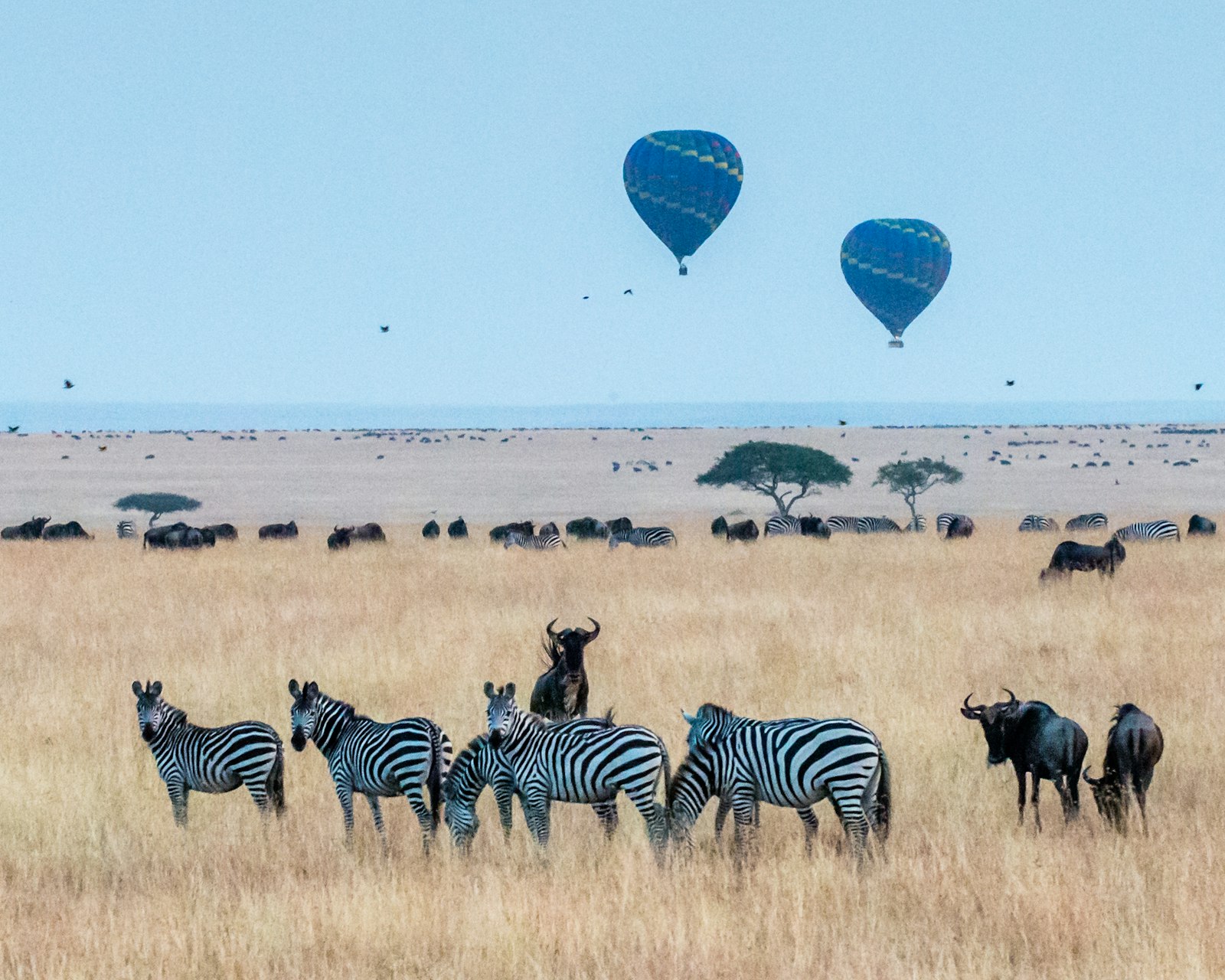
A dawn hot-air balloon flight lifts you over the plains as the sun rises, with herds and shadows below and a bush breakfast after landing. In the evening, after your sundowner, a night drive in a conservancy can reveal hyenas, lions and smaller nocturnal animals. Read our hot-air balloon in the Masai Mara guide and our night game drives in Kenya guide.
Other Contenders for the Best Sunset in Kenya
The Mara is our favourite, but several other Kenyan places offer a best sunset moment worth planning around.
- Amboseli: elephants crossing the plains with Kilimanjaro glowing pink when clouds clear in the evening.
- Lamu: a dhow cruise at sunset past the old town, with the call to prayer drifting across the water.
- Lake Naivasha: calm water, fish eagles and hippos as the sun sets behind the escarpment.
- Laikipia: wide views towards Mount Kenya and sundowners on rocky outcrops.
- Tsavo: red earth, baobabs and red-dusted elephants in the last light.
Combining two of these on one trip gives you two very different versions of the best sunset Kenya can offer. Our Amboseli National Park guide explains when Kilimanjaro is most likely to be clear.
What to Bring for the Best Sunset Evenings
A little preparation means you can relax and enjoy the light instead of hunting through your bag as the sky changes.
- A warm layer: the Mara sits on a high plateau, and evenings cool quickly once the sun has gone.
- Insect repellent: mosquitoes become active around dusk, so apply it before you leave camp.
- A spare camera battery and memory card: sunset and afterglow can fill a card faster than you expect.
- A small torch: useful for finding things in the vehicle on the drive back after dark.
- Binoculars: wildlife often moves at dusk, and you will want a closer look in the fading light.
Best Sunset Etiquette in the Mara
Sunset is a busy time for wildlife, so good manners matter. Step out of the vehicle only where your guide says it is safe and allowed, and stay close to it. Keep voices low, never use a flash or bright light on animals, and take every bottle and wrapper back to camp. Follow reserve and conservancy rules on driving hours too; your guide knows them and will plan the evening so you enjoy the light without rushing.
When Cloud Rolls In
Do not give up on an overcast evening. A gap between the cloud and the horizon often lets the sun break through for the last few minutes, lighting the underside of the clouds in orange and red. Storm clouds in the rainy months can frame the best sunset of the whole trip. If the sky stays grey, your guide will often use the soft light for wildlife portraits instead, and you still have the next evening, which is another reason to stay three nights.
Planning a Safari Around the Best Sunset
Three nights in the Mara gives you several chances at the best sunset, whatever the weather.
- Getting there: about five to six hours by road from Nairobi, or a short flight to an airstrip near your camp.
- How long: three nights is ideal, so cloud on one evening does not spoil your trip.
- Who it suits: couples, honeymooners, photographers and families.
- Combine with: Lake Naivasha, Amboseli or Laikipia for a varied safari.
See our Masai Mara honeymoon safari and fly-in Masai Mara luxury safari. Our Masai Mara safari packages page lists more routes, and fees are explained in our Kenya national parks entrance fees 2026 guide. Travel tips are on Magical Kenya and the UK government’s Kenya travel advice.
Request your Mara quote
The best conservancy camps book early for July to October and Christmas. Send your dates and we will send a written quote with sundowners and park fees included.
Best Sunset in the Masai Mara FAQs
Why are Masai Mara sunsets so beautiful?
The Mara combines open horizons, lone acacia silhouettes and wildlife moving in the last light. Its position near the equator makes the sun drop quickly, compressing the colours into a short, intense show. Dry-season dust warms the light to gold, while rainy-season clouds add pink and purple drama.
What time is sunset in the Masai Mara?
Sunset in the Masai Mara falls roughly between 6.25pm and 7pm local time, depending on the month. It is earliest around October and November and latest around February. Twilight is short near the equator, usually 20 to 25 minutes, so be in position well before the sun reaches the horizon.
What is a sundowner on safari?
A sundowner is a drink and snack enjoyed at sunset, usually at a scenic spot at the end of an afternoon game drive. Your guide checks the area is safe, sets out drinks and snacks, and you watch the light change. Conservancies often allow more flexible sundowner stops than the national reserve.
Is the Masai Mara the best sunset in the world?
No official ranking exists, and many places have spectacular sunsets. The Mara stands out for safari lovers because of what sits in front of the sun: acacias, giraffes, elephants and big skies over open grassland. Watching it from the middle of a great wildlife landscape is what makes it unforgettable.
Which month has the best sunsets in the Masai Mara?
Every season offers something. June to October brings dusty, golden skies and migration herds, while April, May and November bring storm clouds and the most dramatic colours. January to March is often clear and warm. Staying three nights gives you several chances at a perfect evening.
Can you do a night drive after sunset in the Mara?
Night drives are generally not allowed inside the Masai Mara National Reserve, but many private conservancies offer them. After a sundowner, you head out with a spotlight to look for hyenas, lions, leopards and smaller nocturnal animals. Check with your camp, because rules differ between conservancies.
Is it cold at sunset in the Masai Mara?
It can be. The Mara sits on a high plateau, so evenings and early mornings are often cool even when afternoons are warm, especially from June to August. Pack a fleece or light jacket for sundowners and night drives, and a warmer layer if you plan a dawn balloon flight.
Are sundowners included on a Masai Mara safari?
It depends on the camp. Many conservancy camps include a sundowner stop as part of the afternoon game drive, while others charge for drinks or offer it on request. We confirm exactly what is included in your written quote, so there are no surprises at the end of the day.
Can children enjoy a Mara sundowner?
Yes. Most families find a sundowner one of the highlights of a safari, with soft drinks, snacks and time to stretch little legs. Your guide chooses a safe, open spot and keeps children close to the vehicle. Some camps set minimum ages for night drives, so check this when you book.
End every day in golden light
We plan private Mara safaris around the light, from sunrise balloons to sundowners on a quiet ridge. Sense of Adventure is a TRA-licensed safari company in Nairobi.
Kenya-based experts. Real local knowledge. Transparent pricing.