Genet facts start with a surprise: the spotted, cat-like animal on your camp rafters is not a cat. Genets belong to the Viverridae family, alongside civets. They weigh one to three kilograms, hunt at night, climb superbly and carry a ringed tail about as long as their body. In Kenya you meet them on night drives and around camp.
Sense of Adventure is a TRA-licensed private safari company based at Mountain Mall on Thika Road, Nairobi. We plan tailor-made safaris for travellers and for travel agents’ clients, and we like to show our guests the small, overlooked animals as well as the Big Five. This guide gathers the most useful genet facts from scientific sources, then explains where, when and how to see one in Kenya.
✅ Genet Facts: Quick Answer
- ✅ Not a cat: a genet is a viverrid, in the same family as the African civet.
- ✅ Size: usually 1 to 3 kg, with a ringed tail about as long as the head and body.
- ✅ Habits: nocturnal, solitary and a superb climber that eats mainly rodents, plus insects, birds, reptiles and fruit.
- ✅ Kenya’s two common species: the large-spotted genet (black tail tip) and the common genet (white tail tip).
- ✅ Where to see one: on night drives in private and community conservancies, or around camp lights after dark.
- ✅ Status: both common species are listed as Least Concern by the IUCN.
Want to see a genet, not just read about one?
We book conservancy camps where night drives are allowed and genets often visit the lounge after dark.
Genet Facts: The Short Answer
A genet is a small, nocturnal, tree-climbing carnivore of the Viverridae family, common across much of Kenya and harmless to people.
You will rarely see one on a daytime game drive. Genets rest by day in hollow trees, thickets, rock crevices or even the roofs of buildings, and they come out after sunset. That is why the best genet facts for travellers are practical ones: they are found on night drives, around lit camp lounges and in the spotlight beam of a skilled spotter. Seeing one is very likely on a good night drive, but no sighting is ever guaranteed.
| Genet facts: quick reference | Detail |
|---|---|
| Family | Viverridae, subfamily Genettinae, order Carnivora |
| Size | About 85 to 108 cm long including the tail, per Mpala Research Centre |
| Weight | Usually 1 to 3 kg, slightly more in large males |
| Activity | Nocturnal, most active from dusk to around midnight |
| Diet | Rodents, insects, birds, reptiles, eggs, plus some fruit |
| Social life | Solitary, except mothers with young |
| Status | Common and large-spotted genets are listed as Least Concern |
| Risk to you | None if left alone; never handle or feed one |
Is a Genet a Cat? Family and Relatives
No, a genet is not a cat; it is a viverrid, part of the same family as the African civet.
Why It Looks Like a Cat
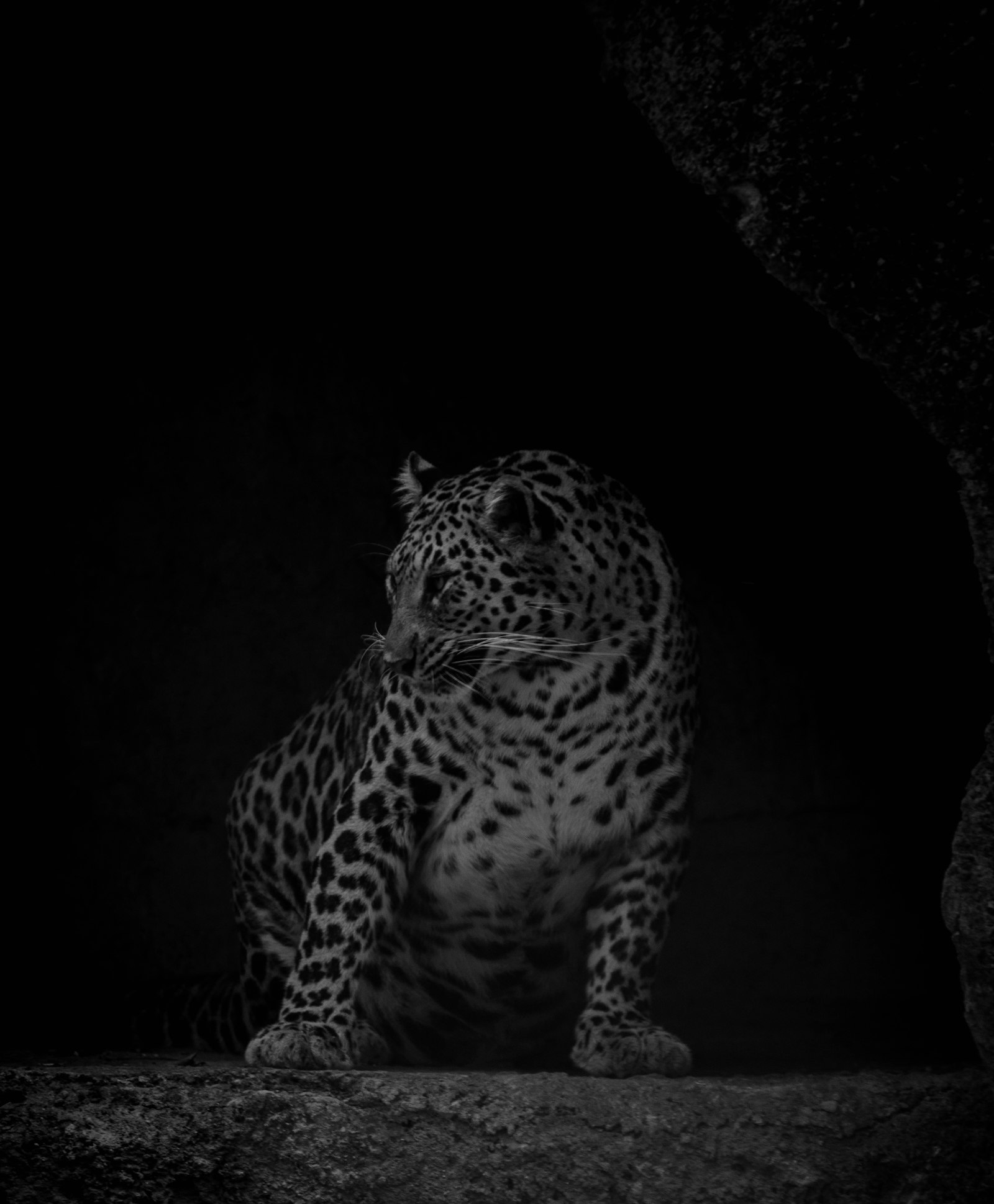
The first of our genet facts is about family. Genets and cats share a common ancestry within the cat-like branch of the carnivores, the Feliformia. That explains the spotted coat, the slim body and the sharp, semi-retractable claws described by Animal Diversity Web. But genets have a longer, more pointed muzzle, shorter legs, large oval ears and a long body that moves low to the ground.
Close Relatives You May Also See
The African civet is the genet’s bulky cousin and is also seen on night drives. Mongooses, hyenas and the aardwolf sit on a nearby branch of the family tree. If you enjoy genet facts and the smaller carnivores, read our honey badger facts and bat-eared fox facts, and compare them with Kenya’s real wild cats.
Kenya’s Genet Species and How to Tell Them Apart
Kenya’s two common genets are the large-spotted genet and the common, or small-spotted, genet, and the tail tip is the quickest clue.
Large-Spotted Genet: Key Genet Facts
The large-spotted genet, also called the rusty-spotted or blotched genet, is the one you are most likely to meet in camp. It has larger, often rust-edged blotches and a black tail tip. Mpala Research Centre in Laikipia describes it as more arboreal than its relative and common even in cultivated areas.
Common or Small-Spotted Genet
The common genet has smaller, darker spots, a crest of longer hair along the spine and a white tail tip. Animal Diversity Web notes it prefers drier country than other genets, so look for it in the dry bush of northern and eastern Kenya.
Forest Genets
Forest genets such as the servaline genet are recorded in some of Kenya’s highland and western forests. They are much harder to see and are a prize for specialist naturalists, for example on a visit to Kakamega Forest.
Our honest advice, and one of the more useful genet facts for the field: even experienced guides can confuse the two common species at night. A clear photo of the tail tip settles most debates over dinner, and it makes genet facts easy to check with your guide.
Genet Facts on Diet, Hunting and Behaviour
Genets are opportunistic night hunters that stalk, pounce and bite, taking mostly rodents but also insects, birds, reptiles and fruit.
What Genets Eat
Diet is where genet facts get interesting. Rodents form the core of the diet. Genets also take grasshoppers and beetles, spiders, centipedes, frogs, lizards, small birds and eggs. In some regions fruit and berries matter too. Around camps, the insects drawn to lights are an easy meal, which is the simple reason many guests meet their first genet in the bar or dining tent.
Climbing and Hunting
These are some of the most entertaining genet facts to watch. A genet can walk along a thin branch or a tent ridge line with ease, using its tail for balance. It hunts by stealth, freezes, then pounces. Animal Diversity Web notes it usually kills small prey with a quick bite to the neck.
Territories, Scent and Latrines
The social genet facts are simple: genets are solitary and territorial. Mpala Research Centre reports that female ranges cover about 25 hectares, while a male’s range may be far larger and overlap several females. They mark territory with gland secretions, urine and droppings, and they use regular latrine sites. Calls include purrs, growls and hisses, though you will seldom hear them.
Breeding, Young and Lifespan
Genets give birth to small litters of helpless kittens after a pregnancy of roughly ten to eleven weeks.
Pregnancy and Kittens
The breeding genet facts come mainly from studies of the common genet. Animal Diversity Web gives a gestation of about 10 to 11 weeks for the common genet, with one to three young per litter, and two on average. Kittens are born blind in a sheltered den such as a tree hollow. They open their eyes at around ten days and are weaned at about eight weeks.
Breeding Seasons in Kenya
Breeding is linked to the rains, one of the genet facts that varies by region. For the large-spotted genet in Kenya, Mpala Research Centre records peaks from October to December and from March to May. That does not change your chances of a sighting much, but it explains why guides sometimes see young genets in the green seasons.
How Long Genets Live
Among the less certain genet facts is lifespan. Wild lifespan is poorly known. In captivity, genets commonly live past ten years. In the wild, owls, leopards, servals and pythons are among the predators that keep numbers in balance.
Where to See Genets in Kenya
The best places to see genets in Kenya are private conservancies that allow night drives, plus well-run camps where they visit the lights after dark.
Masai Mara Conservancies
The conservancies bordering the Masai Mara National Reserve allow night drives with their own guides. Naboisho, Olare Motorogi, Ol Kinyei and Mara North are good examples. Guides here share genet facts with real enthusiasm. Read our guides to Naboisho Conservancy camps and the Ol Kinyei, Lemek and Enonkishu conservancies for camps we use.
Laikipia
Laikipia’s private ranches and conservancies, including Ol Pejeta, Lewa and Borana, are excellent for night drives, and Mpala Research Centre has studied genets there. See our Ol Pejeta vs Lewa comparison and our Borana Conservancy guide.
Amboseli Conservancies
Community conservancies near Amboseli, such as Selenkay, also offer night drives. Our guide to Amboseli conservancy lodges lists the camps that include them.
Genet Facts at Camp
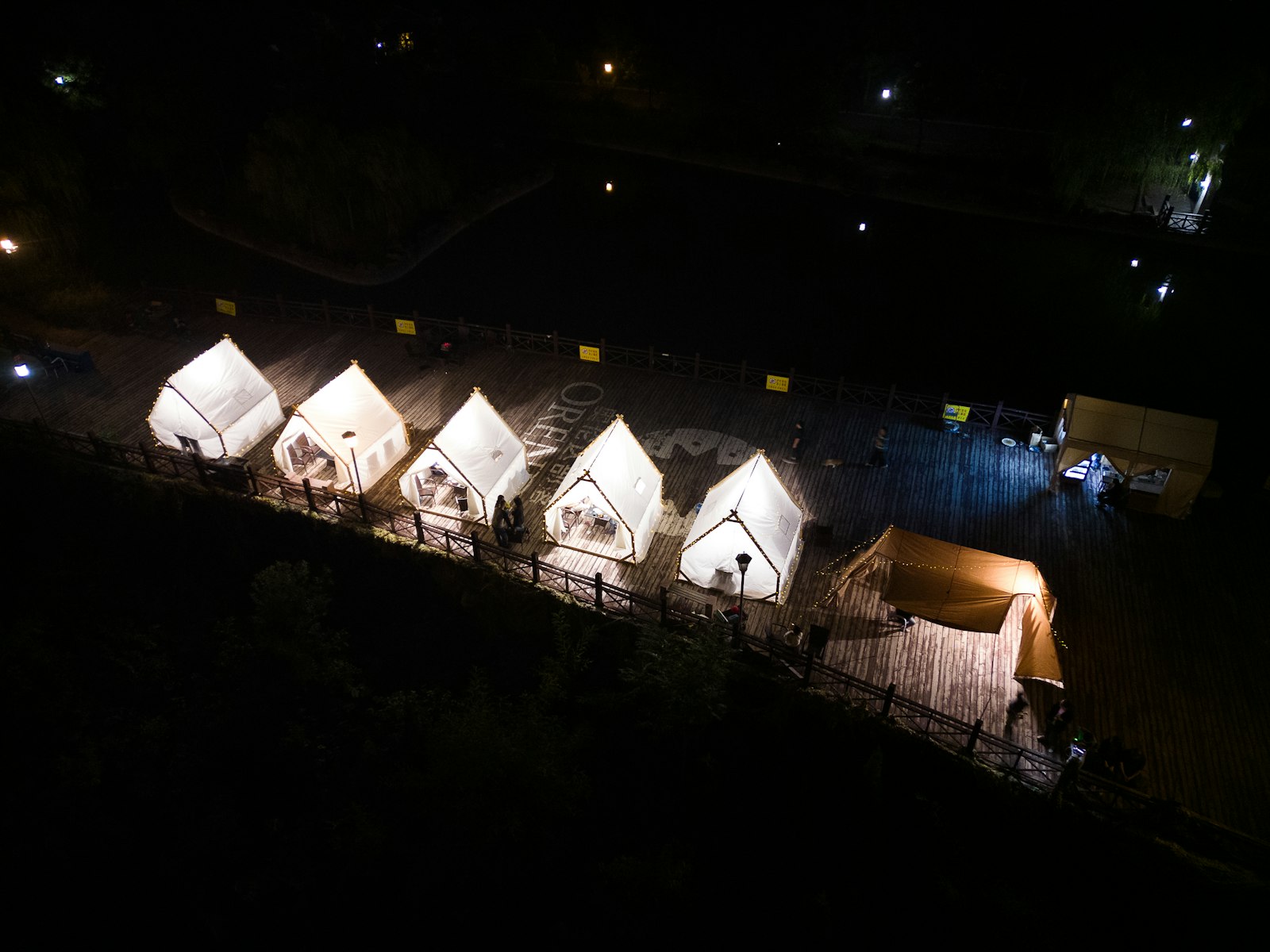
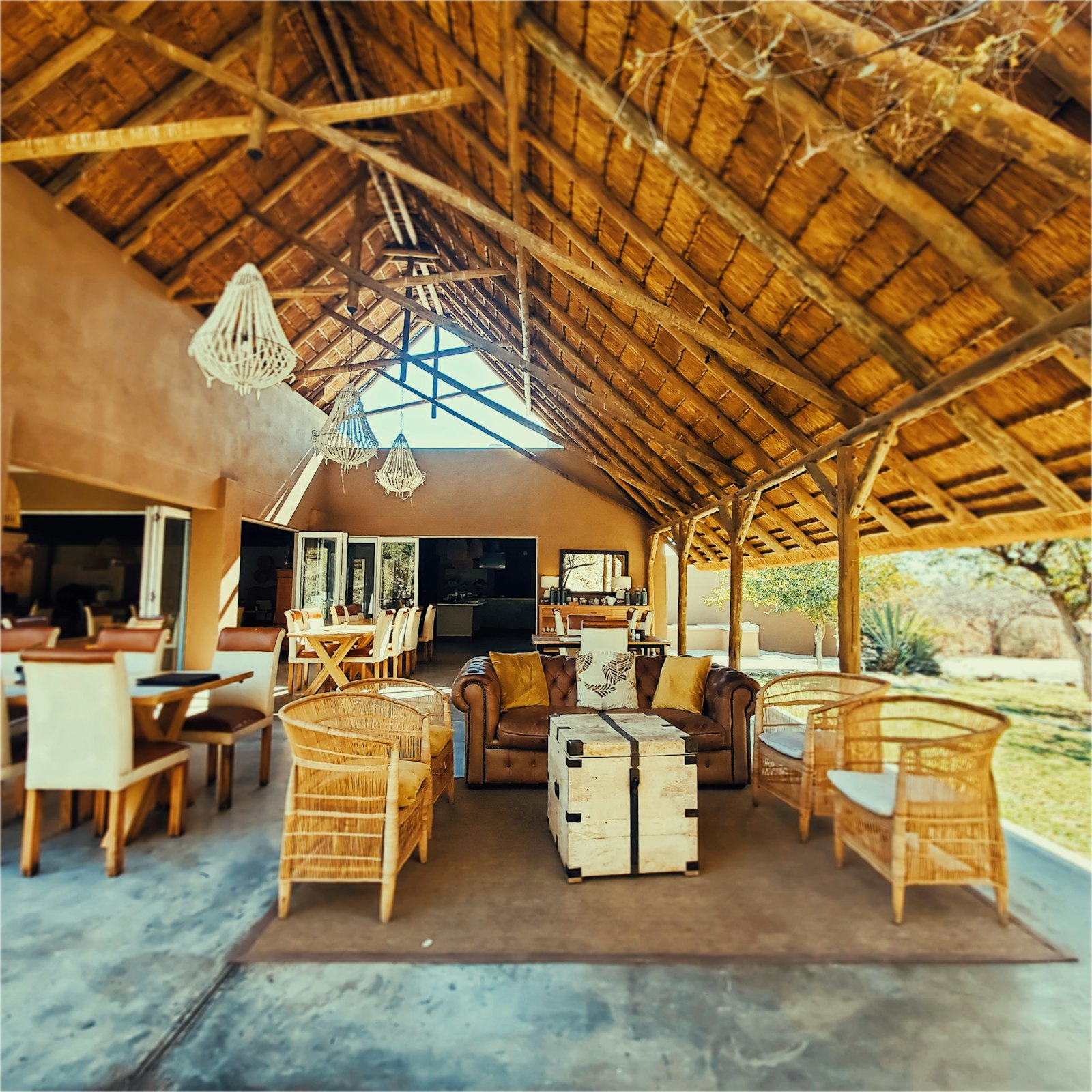
Many guests see a genet without leaving camp. Look up at the beams of the main lounge, along tent ridges and in fig or acacia trees near the lights. Ask the staff: they usually know the resident individual and its habits.
Night Drives: Where Kenya Allows Them
Night drives are generally not permitted in Kenya’s national parks and national reserves, but most private and community conservancies allow them.
This is the single most useful of all the genet facts for planning. Inside the Masai Mara National Reserve, Amboseli National Park or Tsavo, vehicles must normally be out of the game-viewing areas by dusk. A few lodges hold special arrangements, and rules can change, so we always confirm before you book. In conservancies, night drives are usually included or offered for a small extra charge. Our full guide explains what to expect on a night drive, and our conservancy fees guide covers the costs.
| Area | Night drives? | Genet chances |
|---|---|---|
| Masai Mara conservancies | Yes, with conservancy guides | Very good |
| Laikipia conservancies | Yes, at most camps | Very good |
| Amboseli community conservancies | Yes, at several camps | Good |
| Masai Mara National Reserve | Generally no | Mainly around camp |
| Amboseli, Tsavo and other national parks | Generally no | Mainly around camp |
Mara, Laikipia or Amboseli: Which Conservancy for Night Drives?
Each conservancy area runs night drives a little differently. Tell us what else you want to see by day, and we will suggest the conservancy and camp that give you the best chance of genets, civets and bushbabies after dark.
Best Time and How Many Nights
Genets are resident all year, so any month works for turning genet facts into sightings, and two or three nights in a conservancy give you a strong chance.
| Months | Conditions | What it means for genet sightings |
|---|---|---|
| January to March | Dry, warm nights | Good; open bush and easy spotting |
| April to June | Long rains, lush grass | Fair; tall grass hides animals, fewer guests |
| July to October | Dry season, migration in the Mara | Very good; busy camps, book early |
| November to December | Short rains, green bush | Good; young animals and active insects |
Plan at least two night drives. Weather, moonlight and luck all play a part. A dark, still night often brings more small carnivores than a windy one. If you want a full plan, our private Kenya safari packages show how we build conservancy nights into a route.
Who This Suits
Genet facts appeal to more travellers than you might think. Genet watching suits curious families with older children, wildlife photographers, birders who enjoy owls and nightjars, and repeat visitors who have already seen the Big Five. It also rounds off a first safari beautifully, because the animals of the night feel like a hidden second safari.
Conservancy camps are small
The best ones book early, especially from July to October. Send your dates and we will check two or three night-drive camps and send a written quote.
Camp Etiquette and Genet Photography
Watch genets quietly, never feed them, and use your guide’s light briefly rather than your own flash or torch.
Camp Etiquette
- Never feed a genet. Food handouts change natural behaviour and can make an animal a nuisance or a risk.
- Keep food sealed. Do not leave snacks in your tent, and zip the tent closed.
- Stay calm. Genets are shy. If one passes along the rafters, stay seated and enjoy it.
- Do not touch. Like any wild carnivore, a cornered genet will bite and scratch.
- Follow staff advice. Camps are wild places, so always use an escort to your tent after dark.
Photography Tips
Genet photography rewards patience, and knowing a few genet facts helps you anticipate a route along a beam or branch. Use a fast lens, raise your ISO and shoot in short bursts while the spotter’s beam rests on the animal. Many guides use a red filter to reduce disturbance; ask before you add a flash. In camp, the warm lounge lighting is often enough for a lovely, natural image. Our camera gear and lens checklist explains the kit.
Expert tip from our Nairobi team
Ask your camp manager on arrival whether a genet visits the lounge, and at what time. Most camps know their regular visitor. Sit near the edge of the dining area with a view of the beams, keep your phone dimmed, and wait. On night drives, ask your spotter to hold the light off the animal’s eyes once you have your sighting.
Genet Facts for Planning Your Trip
The easiest way to add genets to your safari is to spend at least two nights in a conservancy where night drives are allowed.
Combining Parks and Conservancies
Practical genet facts only help if your route includes the right places. A classic route pairs Amboseli or Tsavo by day with a conservancy stay for night drives, then the Mara conservancies or Laikipia. Our Laikipia vs Masai Mara guide helps you choose. Night drives also bring sightings of aardvarks, bushbabies, civets and owls, so read our aardvark facts before you go.
Before You Travel
Check the latest UK government travel advice for Kenya, or your own government’s advice, before booking and again before you fly. The Kenya Wildlife Service sets the rules in national parks and reserves, and the Magical Kenya site is useful for wider planning. For species status, the IUCN Red List is the global reference, and the Mpala Research Centre field guide gives a Kenya-based profile of the large-spotted genet.
Genet Facts FAQs
Is a genet a cat?
No. A genet is a viverrid, a member of the Viverridae family that also includes the African civet. Genets share distant ancestry with cats, which explains the spotted coat and semi-retractable claws, but they have a longer muzzle, shorter legs and a lower, longer body. They are a separate and fascinating group of small carnivores.
Are genets dangerous to safari guests?
No. Genets are shy, small and avoid people. They pose no danger if you leave them alone. Like any wild carnivore, a cornered or handled genet can bite and scratch, so never touch or feed one. Keep food sealed in your tent and follow camp staff advice after dark.
What do genets eat?
Genets are opportunistic hunters. Rodents form most of the diet, along with insects, spiders, centipedes, frogs, lizards, small birds and eggs. In some regions fruit and berries are important. Around safari camps they often hunt the moths and beetles drawn to the lights, which is why they visit lounges.
Where can I see a genet in Kenya?
The best places are private and community conservancies that allow night drives, such as those around the Masai Mara, in Laikipia and near Amboseli. Many guests also see genets in camp after dark, walking along lounge beams or tent ridges. Ask the staff where the resident genet usually appears.
Can you do night drives in Kenya’s national parks?
Night drives are generally not permitted in Kenya’s national parks and national reserves, including the Masai Mara National Reserve. Most private and community conservancies do allow them with their own guides. Rules and special arrangements can change, so we confirm the current position for every camp before you book your safari.
How can you tell Kenya’s two common genets apart?
Look at the tail tip. The large-spotted genet has a black tail tip and larger, often rust-edged spots. The common, or small-spotted, genet has a white tail tip, smaller dark spots and a crest along its spine. A clear photograph of the tail usually settles the identification.
Are genets endangered?
No. The common genet and the large-spotted genet are both listed as Least Concern on the IUCN Red List and remain widespread in Kenya. Local threats include habitat loss, snaring and conflict with poultry keepers. A few other African genet species are rarer and less well known, mostly in West and Central African forests.
One last practical point: night drives are a conservancy activity. Kenya Wildlife Service (KWS) rules in national parks and reserves require vehicles to leave the game-viewing areas by dusk, so build your genet watching around conservancy nights and always follow your camp’s and guide’s rules after dark.
From Genet Facts to Your Own Night Sighting
Sense of Adventure is a TRA-licensed Nairobi safari company. We build private safaris with conservancy nights, experienced spotters and guides who love the small carnivores as much as the Big Five.
Prefer email? Write to reservations@senseofadventure.co.ke