
Wild cats in Kenya include seven species: lion, leopard, cheetah, serval, caracal, African wildcat and the rarely seen African golden cat. Lions, leopards and cheetahs are the classic safari trio. Servals are fairly easy to spot in grassland. Caracals, wildcats and golden cats are shy, mostly nocturnal and a real prize.
Sense of Adventure is a TRA-licensed private safari company based at Mountain Mall on Thika Road, Nairobi. Our guides spend their lives reading grass, tracks and alarm calls. This guide introduces all the wild cats of Kenya, explains how to tell them apart, and shows where and when you have the best chance of seeing each one.
Wild cats of Kenya: the quick answer
- Big cats: lion, leopard and cheetah.
- Medium cats: serval and caracal.
- Small cat: the African wildcat, ancestor of the house cat.
- Rarest: the African golden cat, recorded in a few western forests.
- Best area: the Masai Mara and Laikipia conservancies, with night drives.
Hoping to see more than the famous three? Tell us which cats are on your list and we will plan the right camps.
Plan my big cat safariHow Many Wild Cats Live in Kenya?
Kenya has seven species of wild cats, though one of them, the African golden cat, is so rare that very few people ever see it.
Africa has about ten wild cat species in total. Some live only in deserts or the far south, such as the sand cat and black-footed cat, and are not found in Kenya. Kenya’s mix of savanna, semi-desert, mountain forest and wetland means it holds the big three plus four smaller cats. Earlier versions of this article said five, which left out the wildcat and the golden cat.
| Species | Size | Active | Chance on a safari | IUCN status |
|---|---|---|---|---|
| Lion | Largest | Mostly dusk to dawn, rests by day | Very high in the Mara | Vulnerable |
| Leopard | Large | Mostly night and early morning | Good with time and a skilled guide | Vulnerable |
| Cheetah | Large, slender | Daytime hunter | Good in the Mara and conservancies | Vulnerable |
| Serval | Medium, long-legged | Dawn, dusk and cool days | Fair in grassland | Least Concern |
| Caracal | Medium, tufted ears | Mostly night | Low; a lucky sighting | Least Concern |
| African wildcat | Small, like a house cat | Night | Low to fair on night drives | Least Concern |
| African golden cat | Medium, forest cat | Mostly night | Extremely low | Vulnerable |
Status comes from the IUCN Red List. For detailed species notes, the IUCN Cat Specialist Group is the best scientific source.

Kenya’s Big Wild Cats: Lion, Leopard and Cheetah
The three big wild cats are the stars of most safaris, and each needs a different approach to find.
Lion
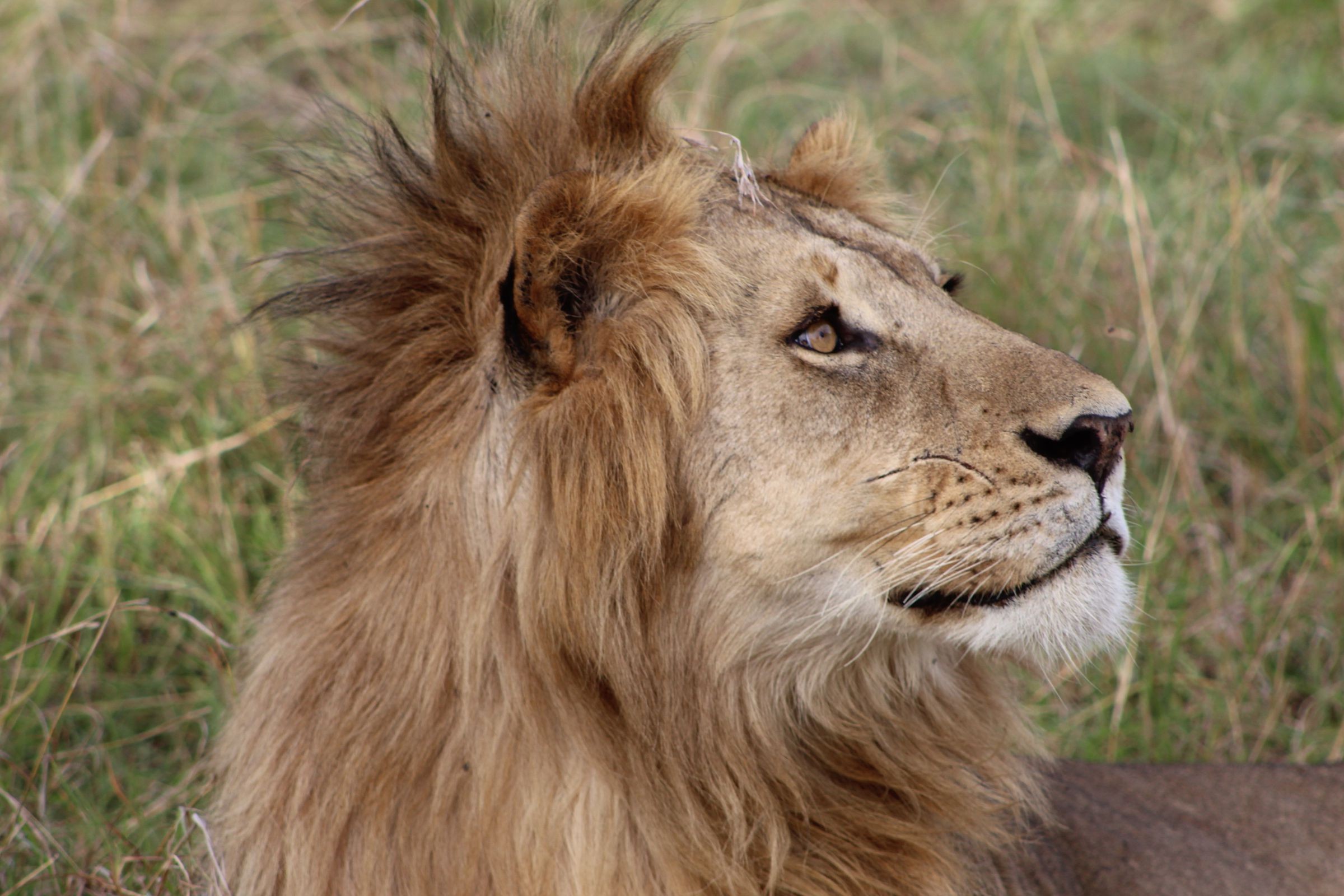
Lions live in prides and spend much of the day resting, which makes them easy to watch. Kenya’s second national wildlife census, released in December 2025, counted 2,512 lions. The Masai Mara and its conservancies hold some of the densest populations, and Nairobi National Park, Laikipia, Tsavo and Meru all have prides too. Our guide to the best national parks for lions in Kenya goes deeper.
Leopard
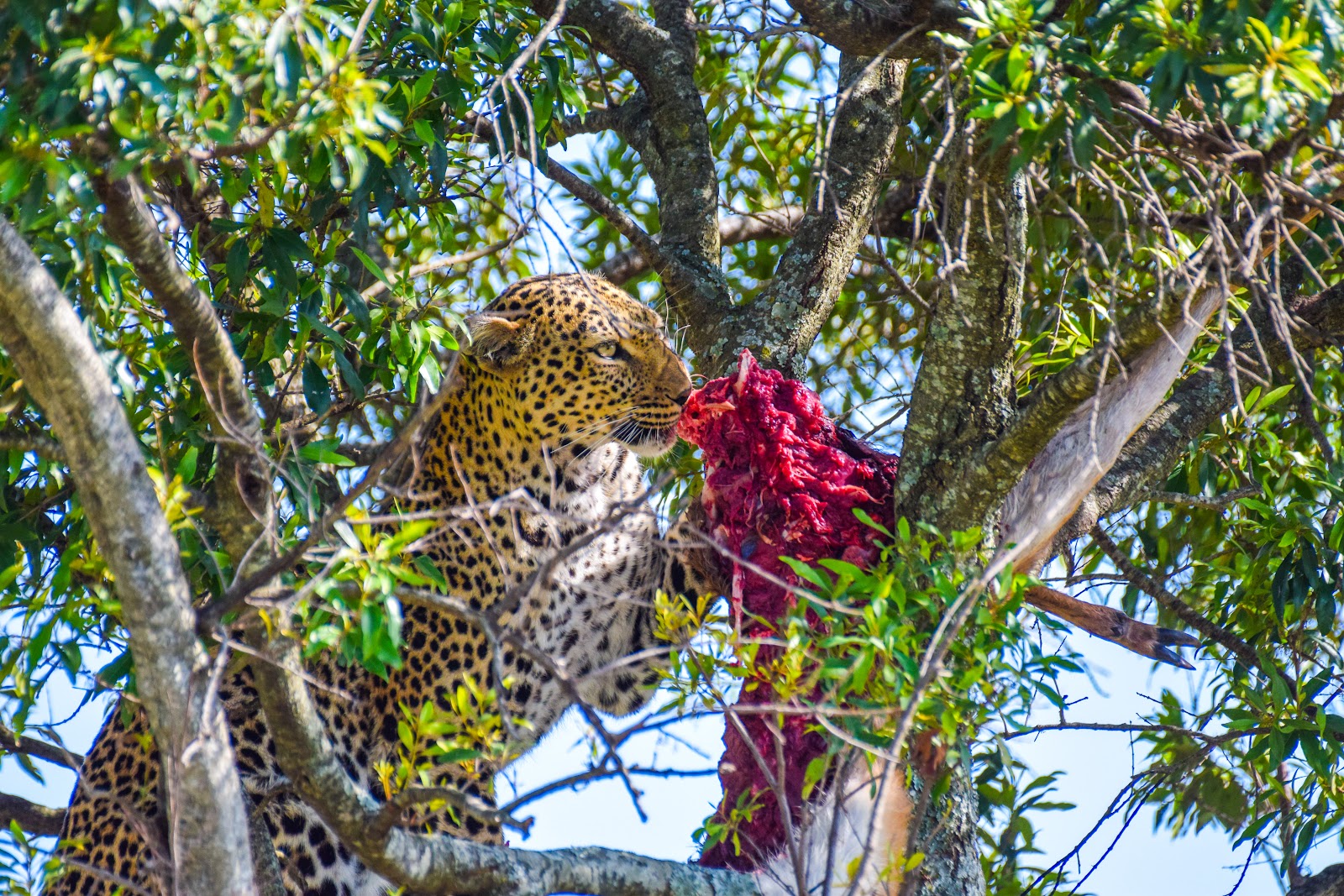
Leopards are solitary, mostly nocturnal and superbly camouflaged. They favour riverine forest, rocky outcrops and thickets, and often drag kills into trees. Patience matters more than luck: guides look for dangling tails, alarm calls from baboons and fresh tracks. The Mara, Samburu and the Laikipia conservancies all offer good chances; see our best national parks for leopards in Kenya guide.
Cheetah
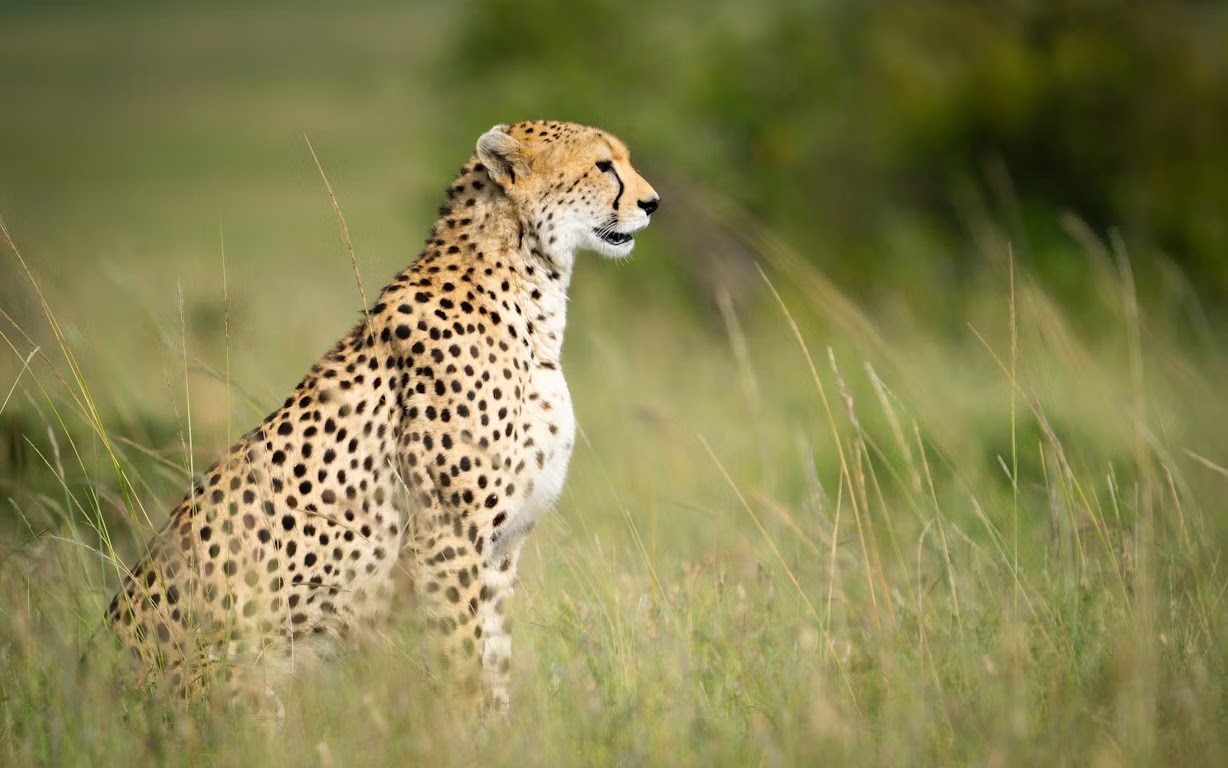
Cheetahs hunt by day on open plains, relying on speed rather than stealth. They can reach around 100 km/h in short bursts. The Mara is one of Africa’s best places to watch a cheetah hunt, and males sometimes form coalitions. Because cheetahs are easily disturbed, good guides keep a wide distance and never block their line of sight.
Reserve or private conservancy?
Conservancies around the Mara and in Laikipia allow night drives and limit vehicles at sightings, which helps with leopards and small wild cats. Tell us your priorities and we will match the right camp.
Kenya’s Smaller Wild Cats: Serval and Caracal
Serval and caracal are medium-sized wild cats that many visitors miss simply because they do not know to look for them.
Serval
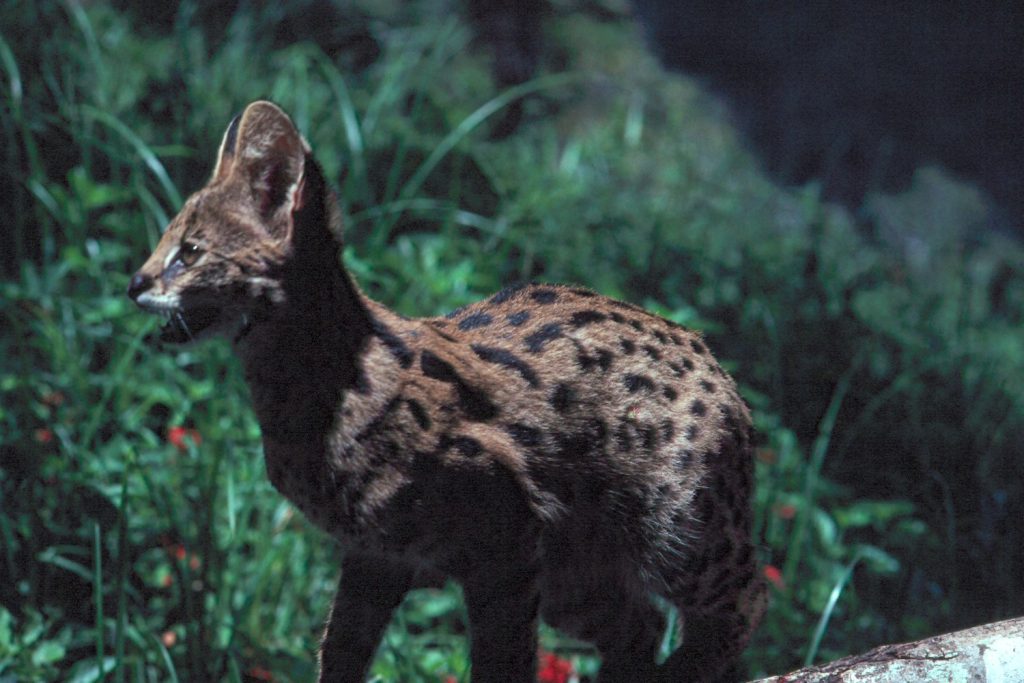
The serval has very long legs, a small head and huge ears. It hunts rodents, frogs and birds in tall grass and marshes, listening first and then pouncing high in the air. Servals are often seen in the early morning in the Mara, the Aberdares and on the Laikipia plateau. In the Aberdares and on Mount Kenya, some servals are melanistic, which means almost completely black.
Caracal
The caracal is a sleek, reddish cat with long black ear tufts. It is famous for leaping to catch birds in flight. Caracals prefer dry bush and semi-desert, so Tsavo, Laikipia and northern Kenya are better bets than the lush Mara. Most sightings are brief, at dawn, dusk or on a night drive. If you see one, count yourself lucky.
| Feature | Serval | Caracal |
|---|---|---|
| Coat | Golden with black spots and stripes | Plain sandy to reddish |
| Ears | Very large and rounded | Pointed with long black tufts |
| Legs | Very long, slim | Strong, medium length |
| Habitat | Grassland, marsh, wetland edges | Dry bush, scrub, semi-desert |
| Hunting style | Listens, then pounces high | Stalks and springs; can leap for birds |
The Hidden Wild Cats: African Wildcat and Golden Cat
The African wildcat and the African golden cat are the most secretive wild cats in Kenya, and both are usually seen only by spotlight.
African Wildcat
The African wildcat looks like a slim, sandy tabby with long legs and reddish backs to its ears. It is the wild ancestor of the domestic cat. It hunts rodents, birds and insects at night across savanna and farmland. Night drives in conservancies give the best chance. Interbreeding with feral house cats is one of the main threats it faces.
African Golden Cat
The African golden cat is a forest cat of central and western Africa. In Kenya, scientists have recorded it in a handful of montane and western forests, mostly through camera traps, skins and occasional reports. It is not a realistic safari target. Treat it as a fascinating reminder of how much wildlife hides in Kenya’s forests.
Where to See Wild Cats in Kenya
Your best chance of seeing several wild cats on one trip is to combine the Masai Mara with a Laikipia conservancy.
| Area | Best for | Why |
|---|---|---|
| Masai Mara and conservancies | Lion, leopard, cheetah, serval | Open plains, rivers and high predator numbers |
| Laikipia conservancies | Leopard, serval, caracal, wildcat | Night drives, walks and mixed habitat |
| Samburu and northern Kenya | Leopard, lion, cheetah, caracal | Dry country and riverine forest |
| Tsavo East and West | Lion, leopard, caracal | Huge, quiet and less visited |
| Aberdare National Park | Serval, including black servals | High moorland and forest |
| Nairobi National Park | Lion, cheetah, leopard | Short trips from the city |
Read our night drive guide, our big cats of Tsavo article and our Mara North Conservancy guide. For other night-time animals, see our guide to small predators in Kenya.
Telling Kenya’s Spotted Wild Cats Apart
Three of Kenya’s wild cats wear spots, and first-time visitors often mix them up at a distance. A few simple clues sort them out in seconds.
Leopard, Cheetah or Serval?
- Leopard: spots grouped into rosettes, rings of black around a darker golden centre. The body is heavy and muscular, and leopards often rest in trees.
- Cheetah: solid round black spots rather than rosettes, plus a black “tear mark” running from each eye to the mouth. The body is slim and deep-chested, with a small head and long legs.
- Serval: much smaller, with spots that merge into bars and stripes along the neck and back. Look for the very long legs and the huge ears, each with a pale spot on the back.
Behaviour helps too. Cheetahs are usually seen in daylight on open plains, often sitting upright on a termite mound to scan for prey. Leopards spend the day in trees or thick cover. Servals walk slowly through long grass, then freeze with their ears turned before they pounce.
The other wild cats are easier to separate. The caracal has a plain sandy or reddish coat and long black ear tufts. The African wildcat looks like a slim tabby with faint stripes on its legs and reddish backs to its ears. The golden cat varies from reddish to grey and is almost never seen.
Responsible Viewing and Photography of Wild Cats
Wild cats are easily disturbed, and a badly handled sighting can cost a cheetah its meal or push a leopard away from its kill. Good behaviour in the vehicle makes every encounter better for the animal and for you.
- Give space: stay far enough back that the cat carries on resting, hunting or feeding as normal.
- Never block a hunt: do not drive between a cheetah and its prey, or between a mother and her cubs.
- Stay quiet: keep voices low, avoid sudden movements and switch off the engine when your guide does.
- Do not crowd small cats: servals and caracals usually slip away if several vehicles gather.
- Follow local rules: off-road driving and night drive rules differ between the reserve and the conservancies, so let your guide decide.
For photographs, a zoom lens of around 100 to 400 mm covers most wild cats sightings from a vehicle. A bean bag on the window frame is steadier than a tripod. Shoot in the first and last hours of light, when cats are most active and the light is soft. Then put the camera down for a minute and simply watch: behaviour is what you will remember.
What to Pack for a Wild Cats Safari
Bring a pair of binoculars for each traveller, neutral-coloured clothing, a warm layer for dawn drives and night drives, a head torch for camp, and spare batteries and memory cards. Our binoculars for safari guide explains how to choose the right pair, and a good pair often makes the difference between a blur in the grass and a clear view of a serval.
Planning a Wild Cats Safari: Timing, Days and Tips
Allow at least six nights, split between two or three areas, if seeing a wide range of wild cats is your goal.
- Best months: the dry seasons from late June to October and January to February, when grass is shorter and cats are easier to spot.
- Green season: November and April to May bring young animals and fewer vehicles, but taller grass.
- Night drives: allowed in most private conservancies; rules in national parks and reserves vary, so check first.
- How many days: three nights in the Mara plus three in Laikipia is a strong combination.
- Fees: see our Kenya national parks entrance fees 2026 guide and the official Kenya Wildlife Service site.
How to Spot Small Wild Cats
Small wild cats are found by slowing down. Scan the edges of tall grass at first light, watch for birds mobbing a bush, and listen for alarm calls. On night drives, look for eye-shine low to the ground and ask the spotter to keep the light off the animal’s face once it is found. Bring binoculars: many sightings are at a distance and last only seconds.
Expert tip from our Nairobi team
Ask your guide to slow right down at dawn along grassy drainage lines. That is where servals hunt and where leopards often cross back to cover. Small wild cats are usually spotted by a guide who stops to listen and scan, not by a vehicle racing between big sightings.
We plan big cat trips as a private Kenya safari or luxury Kenya safari, usually built around our Masai Mara safari packages. Starting in the capital? See our Kenya safari from Nairobi options. Photographers may also like our photography safari Kenya 2027 guide, and Magical Kenya has more on each region.
Request your big cat quote
Small conservancy camps with night drives fill early in the dry season. Send your dates and we will reply with a written quote and a route built around Kenya’s wild cats.
Wild Cats of Kenya FAQs
How many wild cat species are there in Kenya?
Kenya has seven wild cat species: lion, leopard, cheetah, serval, caracal, African wildcat and African golden cat. The first three are the famous big cats. Servals are fairly easy to see in grassland, while caracals, wildcats and especially golden cats are shy and rarely seen by visitors.
What is the rarest wild cat in Kenya?
The African golden cat is the rarest. It lives in dense montane and western forests and has been recorded in Kenya only a handful of times, mostly by camera traps and researchers. Among the cats a visitor might realistically see, the caracal is usually the hardest to find.
Where can I see servals in Kenya?
Servals are most often seen in tall grass and marshy areas of the Masai Mara, the Aberdares and Laikipia, usually in the early morning or late afternoon. In the Aberdares and on Mount Kenya you may even see black servals. A slow drive along grassy drainage lines gives you the best chance.
Can you see caracals on safari in Kenya?
Yes, but sightings are uncommon. Caracals prefer dry bush and semi-desert, so Tsavo, Laikipia and northern Kenya are better than the Mara. Most sightings happen at dawn, at dusk or on night drives in private conservancies, and they are often brief.
What is the difference between a serval and a caracal?
A serval is spotted, with very long legs and huge rounded ears, and hunts in grassland and marshes. A caracal has a plain sandy or reddish coat, pointed ears with long black tufts and a stockier build, and prefers drier bush. Both are medium-sized wild cats.
Is the African wildcat the same as a house cat?
No, but it is the wild ancestor of the domestic cat. The African wildcat looks like a slim, sandy tabby with longer legs and reddish backs to its ears. It lives wild across Kenya’s savannas. Interbreeding with feral house cats is one of the threats it faces.
When is the best time to see big cats in Kenya?
The dry seasons from late June to October and from January to February are best, because grass is shorter and animals gather near water. The Masai Mara is excellent all year for lions and cheetahs. Early mornings and late afternoons are the most active times for most cats.
Are wild cats dangerous to people on safari?
Wild cats in Kenya rarely threaten people who follow the rules. Stay inside the vehicle, keep your voice low and never approach on foot. Lions and leopards are powerful predators, so walks take place only with trained, armed guides. Smaller cats such as servals and caracals are shy and avoid people.
Find Kenya’s wild cats with expert trackers
Travel with Kenyan guides who know where each cat hunts, rests and raises its young, and who put the animal’s welfare first. Sense of Adventure is a TRA-licensed private safari company in Nairobi.
Kenya-based experts. Real local knowledge. Transparent pricing.