This Kenya safari planning guide walks you through every decision, from choosing your dates to packing your bag. Planning a Kenya safari is the most rewarding travel planning exercise you will ever do — and it is also the most complex. Kenya has more park and reserve options than almost any other safari destination, a climatic calendar that varies dramatically by region, and a hospitality industry ranging from USD 80-a-night budget camps to USD 2,000-a-night ultra-luxury private conservancy lodges.
Getting it right means understanding which parks to combine, when to go for which experience, how to connect between destinations efficiently, and how to balance your budget against your ambitions. Sense of Adventure has been planning Kenya safaris for years. This guide distils everything we know about building a perfect Kenya trip — practical, honest, and specific enough to actually be useful.
Start Planning Your Kenya Safari Today
Tell Sense of Adventure your dates, your budget, and what you want to see — we will design a Kenya itinerary that exceeds your expectations. No obligation, just expert advice.
✅ Kenya Safari Planning Guide: Quick Answer
- Best time: July to October for the Great Migration; January to March for dry weather and fewer crowds.
- How long: 5 days for the Masai Mara alone; 7 to 10 days for two or three parks; 12 to 14 days to add the coast.
- Budget: our private safaris start from about USD 1,250 per person for five days.
- Entry: most visitors need a Kenya eTA, applied for online before travel.
- Book: 6 to 12 months ahead for peak season; 2 to 4 months for other dates.
The Kenya Safari Calendar: When to Go for What
Kenya’s safari calendar is not a simple “best season / worst season” story. Different parks peak at different times. The Great Migration is in the Masai Mara from July to October. Amboseli’s Kilimanjaro views are clearest in January and February. The flamingos at Lake Bogoria peak in the dry season but can be spectacular year-round. Understanding the calendar at the level of individual destinations is what allows Sense of Adventure to build itineraries that hit multiple highlights rather than missing them.
| Month | Masai Mara | Amboseli | Samburu | Coast |
|---|---|---|---|---|
| Jan – Feb | ⭐⭐⭐⭐ Big cats | ⭐⭐⭐⭐⭐ Best Kili | ⭐⭐⭐⭐⭐ Dry & hot | ⭐⭐⭐⭐⭐ Perfect |
| Mar – May | ⭐⭐⭐ Lush & green | ⭐⭐⭐ Long rains | ⭐⭐⭐ Rains | ⭐⭐ Rains |
| Jun – Oct | ⭐⭐⭐⭐⭐ Migration | ⭐⭐⭐⭐ Dry & clear | ⭐⭐⭐⭐ River | ⭐⭐⭐⭐ Dry & breezy |
| Nov – Dec | ⭐⭐⭐⭐ Excellent | ⭐⭐⭐⭐ Short rains | ⭐⭐⭐⭐ Good | ⭐⭐⭐⭐ Very good |
Prices follow the calendar too. July to October and the Christmas and New Year weeks are peak season, with the highest camp rates and the earliest sell-outs. April, May and early June are the low season, when many camps cut their rates and a few close for the rains. January to March, late June and November to mid-December sit in between and often give the best balance of weather, wildlife and value.
How to Use This Kenya Safari Planning Guide: 8 Steps
Most guests who use this Kenya safari planning guide work in roughly the same order. Working through these steps will save you time and stop you booking flights before the safari is confirmed.
- Choose your travel window. Decide on your months first, using the calendar above, because the season shapes everything else.
- Set a realistic budget. Decide on a per-person figure for the ground arrangements, separate from international flights.
- Pick your trip length. Allow at least two or three nights in each park, plus a night in Nairobi on arrival if you land late.
- Shortlist your parks. Combine contrasting areas: the Mara for big cats, Amboseli for elephants, Lake Nakuru or Ol Pejeta for rhinos, Samburu for northern species.
- Choose your style. Decide between a private or group safari, road or fly-in transfers, and your preferred accommodation tier.
- Request a written quote. Ask for a day-by-day itinerary with every park fee, camp and transfer shown clearly.
- Confirm, then book flights. Once your safari dates are held, book international flights to match.
- Handle the paperwork. Apply for your eTA, arrange travel insurance, see your doctor about vaccinations and malaria tablets, and start packing.
Kenya Safari Circuits: Recommended Itineraries by Duration
📅 Kenya Safari Itinerary Templates
5 days — Classic Kenya Starter
Day 1: Arrive Nairobi. Day 2–4: Masai Mara (3 nights). Day 5: Return to Nairobi for evening flight. This is the minimum viable Kenya safari — three game drives in the Mara, one bush breakfast, and an understanding of what Kenya wildlife looks like at its best.
7 days — Masai Mara & Amboseli
Day 1: Arrive Nairobi. Day 2–4: Masai Mara (3 nights). Day 5–7: Amboseli (2 nights). Return via Amboseli-Nairobi drive or flight. The classic Kenya twin-park circuit: big cats and migration in the Mara, elephants and Kilimanjaro in Amboseli.
10 days — Masai Mara, Nakuru & Samburu
Days 1–4: Masai Mara. Day 5: Drive to Lake Nakuru (overnight). Days 6–9: Samburu (3 nights). Day 10: Return to Nairobi. The full north-south Kenya safari circuit, combining southern migration country with Rift Valley and northern desert wildlife.
14 days — The Complete Kenya Experience
Days 1–2: Nairobi (NNP, Sheldrick, Giraffe Centre). Days 3–6: Masai Mara (4 nights). Day 7: Lake Nakuru (overnight). Days 8–10: Samburu (3 nights). Days 11–13: Diani Beach or Lamu (3 nights coast). Day 14: Mombasa/Nairobi departure. This is Kenya in full — bush, Rift Valley, north, and coast.
Kenya Safari Packages to Start From
If you prefer to start from a ready-made route and adjust it, these private trips match the templates above. Prices are per adult sharing, in US dollars, and vary with season and accommodation:
- 5 Days Kenya Safari – Masai Mara, Nakuru & Naivasha — from USD 1,250.
- Kenya Classic Group Safari – Amboseli, Lake Naivasha & Masai Mara (7 Days) — from USD 1,650.
- Kenya Highlights Safari – Samburu, Ol Pejeta, Lake Nakuru & Masai Mara (9 Days) — from USD 2,350.
- 15 Day Kenya Safari & Beach — five wildlife regions and Diani Beach, from USD 3,950.
- Kenya Luxury Big Five Safari (8 Days) — from USD 4,800.
To compare every route side by side, see our full list of Kenya safari packages. Travelling with children? Our Kenya family safari packages use shorter drives and family rooms.
Getting Around: Road Safari or Fly-in?
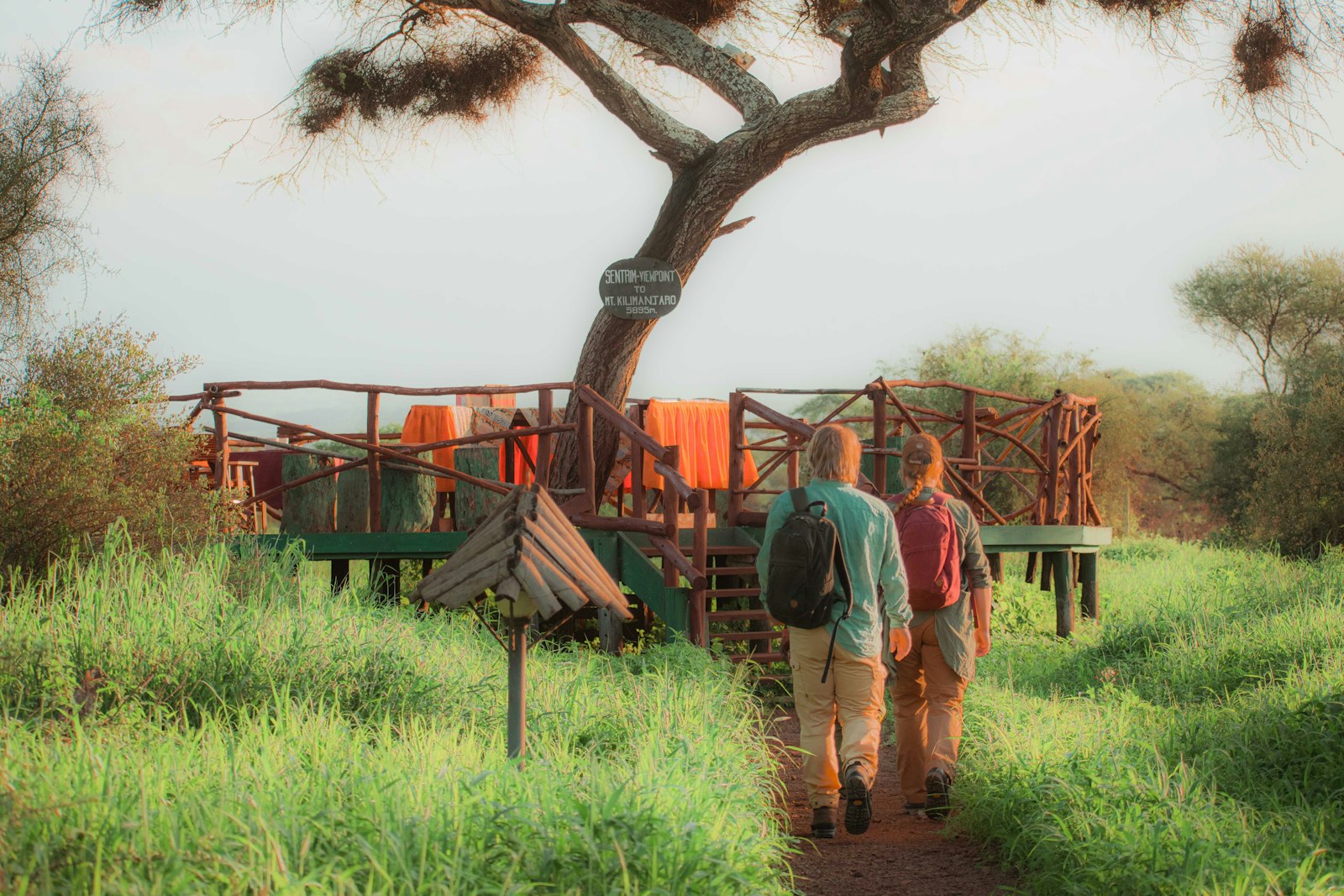
Most Kenya safaris start in Nairobi. By road, the Masai Mara is around five to six hours away, Amboseli around four to five hours, Lake Nakuru about three hours and Samburu around five to six hours. Roads have improved a great deal, though the final stretches into some parks are rough. A private road safari keeps the same driver-guide throughout and lets you stop at viewpoints, markets and the Great Rift Valley escarpment on the way.
Light aircraft from Wilson Airport turn those drives into flights of around an hour, which suits shorter trips, older travellers and anyone combining distant parks. The trade-off is cost and a soft-bag luggage limit of around 15 kg per person. Many of our guests drive the shorter legs and fly the long ones. Our Kenya safari from Nairobi guide covers pick-up points and driving times in more detail.
How to Choose Between Kenya’s Safari Accommodations
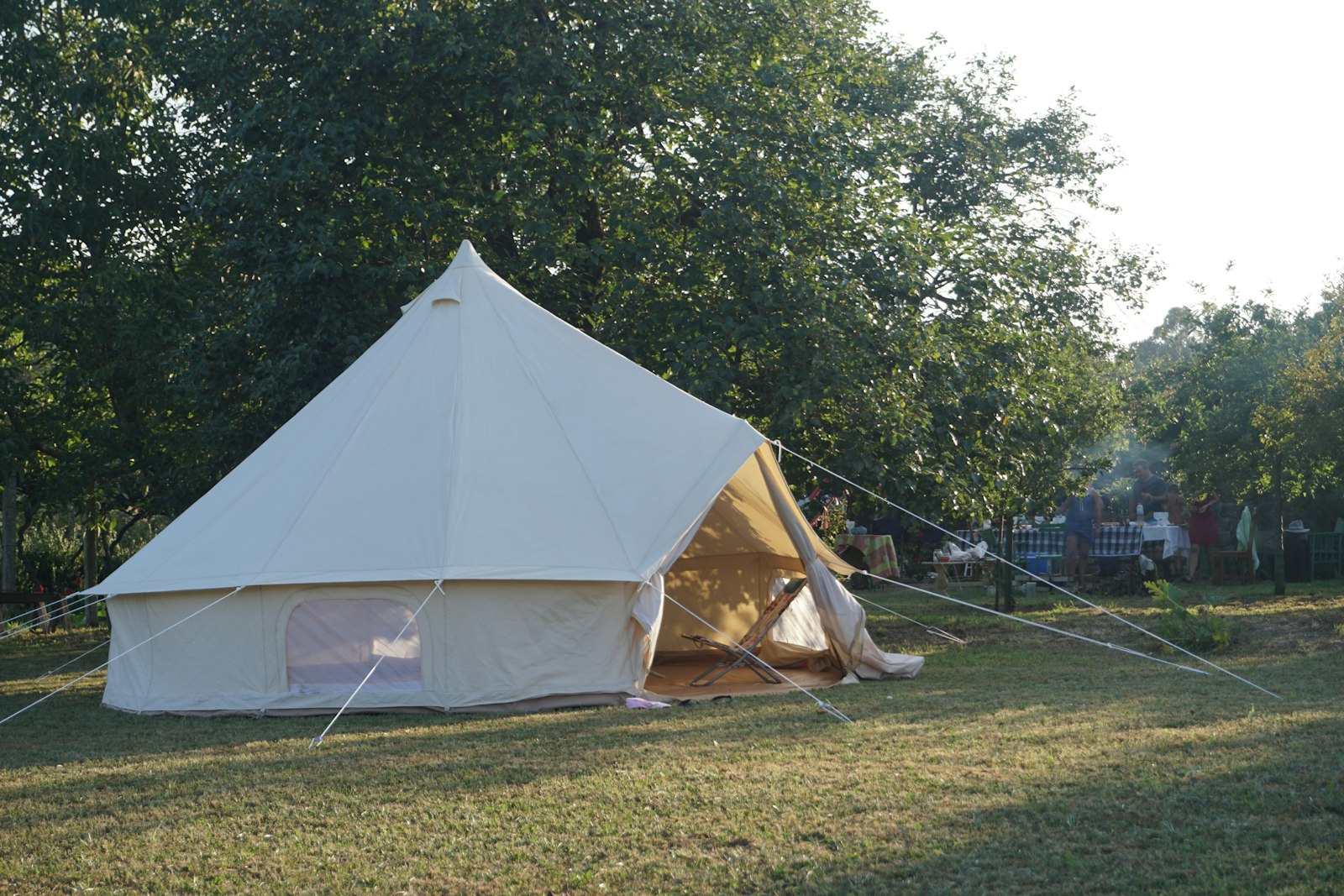
Kenya’s safari accommodation ranges across four broad tiers, and Sense of Adventure works confidently across all of them.
Budget Camps (USD 80–150 pp/night)
Basic tented or permanent-room accommodation with communal dining, shared facilities, and standard game drives. Good value, genuine safari experience, suitable for young travellers and budget-conscious visitors. Sense of Adventure selects only the cleanest and best-managed budget properties with reliable guides.
Mid-Range Camps (USD 150–400 pp/night)
Well-appointed permanent tents or cottages with en-suite bathrooms, good food, attentive service, and higher guide quality. The sweet spot for most Kenya safari travellers — genuine comfort without the ultra-luxury price tag. Most camps at this tier include all meals, twice-daily game drives, and walking activities.
Luxury Camps (USD 400–700 pp/night)
Spacious tents with private verandas, hot showers, excellent cuisine, private game vehicles, and specialist naturalist guides. Often located in private conservancies where night drives, walking safaris, and exclusive access to wildlife areas are included. Fewer vehicles at sightings. Better service ratios. Significantly better guide quality.
Ultra-Luxury Camps (USD 700–2,000+ pp/night)
Private plunge pools, butler service, bespoke dining, private game vehicles with specialist photographers and conservancy owners as guides, and access to areas no other guests reach. Some of the world’s finest hospitality occurs in the private conservancies around the Masai Mara and in the northern conservancies. For guests for whom travel is an art form, these properties are extraordinary.
Not sure which tier fits? A good Kenya safari planning guide rule is to mix them, staying mid-range in one park and treating yourself to a conservancy camp for the final nights. Our luxury Kenya safari page shows what the top tier includes, and our private Kenya safari page explains how a private vehicle and guide work at every budget.
Entry, Health and Insurance Checklist
eTA: Most visitors must apply for a Kenya Electronic Travel Authorisation before travel on the official etakenya.go.ke portal. Apply at least two weeks ahead, with a passport valid for six months and your safari confirmation to hand.
Health: See your doctor or travel clinic six to eight weeks before departure about routine vaccines, yellow fever and malaria prevention. The World Health Organization publishes country health information, and your doctor can tailor it to your itinerary.
Travel advice and insurance: Check your own government’s advice before booking; British travellers, for example, can read the UK Foreign Office travel advice for Kenya. Buy insurance that covers medical treatment, evacuation and cancellation. Every Sense of Adventure trip also includes complimentary AMREF Flying Doctors emergency evacuation cover while you are on safari with us.
What to Pack for a Kenya Safari
Kenya’s safari dress code is simple: neutral colours (khaki, olive, tan, grey — never white or black), light layers for morning cold and midday heat, closed shoes for bush walks, and a warm fleece for pre-dawn game drives. Beyond clothing, bring sunscreen (high factor), a sun hat, binoculars (essential — 8×42 is the standard for wildlife), and a camera with a lens of at least 200mm. Sense of Adventure provides a complete packing checklist to all confirmed guests, tailored to the specific parks and seasons on your itinerary.
Pack in a soft duffel bag if any part of your trip includes a light aircraft flight. Kenya also bans single-use plastic carrier bags, so use reusable pouches for toiletries. Power sockets are the UK three-pin type, so bring the right adapter.
Kenya Safari Planning Guide: Budget Tips
- Travel in the shoulder months: January to March, June and November often give excellent game viewing at lower rates than peak season.
- Choose fewer parks: spending longer in two parks costs less in fuel and transfers than rushing through four.
- Drive instead of flying: road transfers keep costs down, especially for families and groups.
- Mix accommodation tiers: save on the first nights and splurge on the last.
- Book early: the best-value camps fill first, particularly for July to October.
How Sense of Adventure Makes Kenya Simple
Planning a Kenya safari involves park fees, accommodation bookings, flight connections, visa applications, airport transfers, guide briefings, and weather monitoring. Sense of Adventure handles everything — one team, one point of contact, from your first enquiry to your final airport transfer. We have relationships with every camp and lodge category in every park on this list. We monitor conditions in real time. We adjust itineraries when conditions dictate.
We provide 24/7 in-country support. You focus on the experience. We focus on making it perfect. Contact us to begin planning your Kenya safari — via WhatsApp or phone, any time. For official information on Kenya’s regions and attractions, the national tourism site Magical Kenya is a good companion to this Kenya safari planning guide.
Browse our destination guides to learn more about specific Kenya locations: Masai Mara, Amboseli, Lake Nakuru, Diani Beach, Nairobi, Samburu, Mount Kenya, Lake Bogoria, and Lamu Island.
Tell Us Your Dream Kenya Safari. We Will Build It.
Message Sense of Adventure on WhatsApp right now — tell us your travel dates, group size, and what you want to experience. We will respond with a personalised Kenya itinerary within 24 hours.
Frequently Asked Questions — Kenya Safari Planning Guide
How much does a Kenya safari cost?
Kenya safari costs vary enormously depending on accommodation tier, duration, and destination. A budget 7-day Masai Mara and Amboseli circuit starts from approximately USD 1,500 per person including accommodation, meals, game drives, and transfers. A mid-range equivalent runs USD 2,500–4,000. Luxury and ultra-luxury circuits range from USD 5,000 to USD 15,000+ per person. Sense of Adventure builds accurate, itemised cost estimates for every enquiry — contact us with your details for a specific quote.
Do I need a visa for Kenya?
Most international visitors require a visa for Kenya, now processed through the Kenya Electronic Travel Authorisation (ETA) system at etakenya.go.ke. The ETA costs USD 30 for most nationalities and is typically approved within 72 hours. Sense of Adventure provides visa guidance to all guests as part of the planning process and will flag any specific requirements for your nationality.
What vaccinations do I need for Kenya?
Recommended vaccinations for Kenya include Hepatitis A and B, typhoid, tetanus/diphtheria, and rabies for those spending extended time in rural areas. Yellow fever vaccination is mandatory if arriving from a yellow fever endemic country. Malaria prophylaxis is recommended for the safari parks and coastal areas. Consult your GP or travel clinic at least 6 weeks before departure. Sense of Adventure provides a pre-travel health checklist to all confirmed guests.
Is Kenya safe for tourists?
Kenya’s safari parks and tourist areas are well-established, professionally managed, and receive hundreds of thousands of international visitors annually without incident. The tourist infrastructure — guides, camps, transfers — has decades of experience managing international guests safely. Sense of Adventure provides comprehensive pre-departure safety briefings and 24/7 in-country support for all guests.
What is the difference between a national park and a conservancy in Kenya?
Kenya National Parks and Reserves are government-managed, with set park fees and regulations — vehicle-based game drives, no off-road driving, no night drives in most areas. Private conservancies are community or private-owned lands adjacent to the main parks, often offering exclusive wildlife areas with fewer vehicles, night drives, walking safaris, and a higher personalised service ratio. Sense of Adventure designs itineraries that use both — the conservation depth of the parks and the intimacy of the conservancies.
How many days do I need for a Kenya safari?
Five days is the shortest trip we recommend, giving three nights in the Masai Mara. Seven to ten days lets you add Amboseli, Lake Nakuru or Samburu without rushing. With 12 to 14 days you can cover the north and the south and finish with a few nights on the coast at Diani or Lamu.
How far ahead should I book a Kenya safari?
For July to October and the Christmas holidays, book 6 to 12 months ahead, as the best camps fill early. For other months, two to four months is usually enough. Last-minute trips are often possible, but you will have less choice of camps. Book international flights once your safari dates are confirmed.