
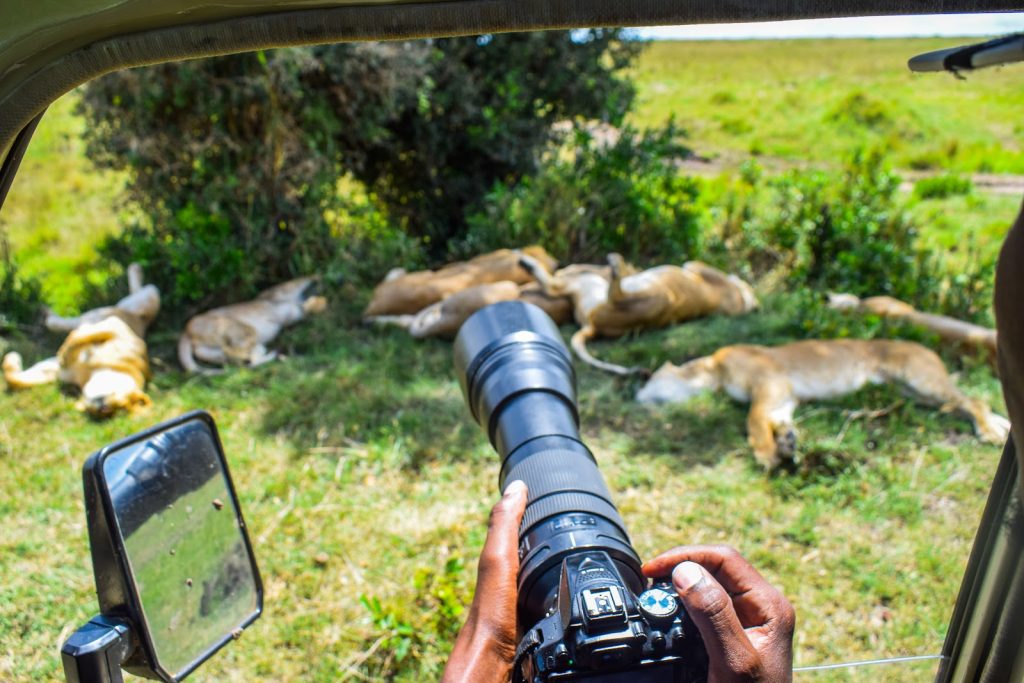
The best national parks for lions in Kenya are not all equally good, whatever a generic “top 10 parks” list might imply — pride density varies enormously by reserve, and one park alone holds some of the highest lion concentrations on the continent. Picture pulling up on a pride of a dozen lions sprawled in the open grass within the first hour of a game drive, versus spending a full day in a different reserve without a single sighting. Sense of Adventure ranks Kenya’s parks for lions honestly, based on real density and visibility, not just which reserve is most famous overall.
See Real Prides, Not Just a Lion Photo Op
Tell us lions are your priority and we will build the itinerary around the parks that actually deliver.
Why Lion Density Varies So Much Between Parks
Lion sightings depend on prey density, terrain openness and how much pressure the local population faces from surrounding land use — which is exactly why some of Kenya’s most famous parks are not actually the best lion destinations, while a few less-hyped reserves consistently outperform expectations. The Masai Mara leads by a wide margin, with prime areas holding an estimated 25-30 lions per 100 km², among the highest densities recorded anywhere in Africa, driven by the sheer volume of resident and migratory prey moving through the ecosystem.
We’d read the Mara was good for lions but nothing prepared us for finding three separate prides in a single morning game drive, one of them mid-hunt. Our guide said this kind of density is genuinely rare even by Kenya standards.
— Sense of Adventure guest, Masai Mara safari
The 4 Best Parks for Lions in Kenya, Ranked
Masai Mara National Reserve — The Clear #1 — 25-30 lions per 100 km² in prime areas
The Mara delivers Kenya’s highest lion density by a significant margin, driven by huge resident prey herds and the seasonal boost of the Great Migration. Multiple well-documented prides operate across the reserve and its bordering conservancies, making this the safest bet for reliable, repeated lion sightings on any Kenya trip. See our full Masai Mara lions guide for pride-by-pride detail.
Lake Nakuru National Park — Tree-Climbing Lions — a fenced sanctuary with a genuine predator specialty
Nakuru is known for its unusual tree-climbing lions alongside strong overall predator sightings, on top of its famous rhino sanctuary status — a fenced park that concentrates wildlife (and sightings) into a relatively compact, easily covered area.
Nairobi National Park — Lions With a City Skyline — genuinely wild prides 20 minutes from the CBD
Nairobi National Park holds real, resident lion prides despite sitting minutes from downtown Nairobi — the novelty of lions against an urban skyline doesn’t come at the cost of authenticity, since these are fully wild animals with established territories. See our Nairobi National Park lions guide for specifics.
Samburu National Reserve — A Different Landscape, Real Prides — lower density, but a genuinely different ecosystem
Samburu’s drier, more broken terrain means lions are somewhat harder to spot than in the Mara’s open grassland, but resident prides are well established along the Ewaso Nyiro river corridor, and lower visitor numbers mean less competition for a good sighting once you find one.
Build a Lion-Focused Itinerary
Mara for density, Nakuru for tree-climbers, Samburu for something different — tell us your priority.
Kenya Lion-Viewing Facts
- Highest density: Masai Mara prime areas hold an estimated 25-30 lions per 100 km², among Africa’s highest.
- Nakuru specialty: known for unusual tree-climbing lion behaviour alongside its rhino sanctuary.
- Nairobi NP: genuinely wild resident prides within a 20-minute drive of the city centre.
- Samburu: lower density than the Mara, but established prides along the Ewaso Nyiro river.
- Best season: dry months (June-October, December-February) generally offer the clearest visibility and most predictable sightings.
- Realistic expectation: no park guarantees a sighting on any single drive, but density genuinely shifts your odds.
Building a Lion-Focused Kenya Safari
A Kenya Luxury Big Five Safari combining the Mara and Samburu covers the two strongest and most contrasting lion destinations on this list in one trip. Read our Masai Mara lions guide and Nairobi National Park lions guide for deeper detail on each.
Real Prides, Ranked Honestly
Message us your priorities and we’ll build a lion-focused route around the parks that actually deliver.
Frequently Asked Questions
What is the best national park in Kenya for lions?
The Masai Mara is the best national park in Kenya for lions, with prime areas holding an estimated 25-30 lions per 100 km² — among the highest lion densities recorded anywhere in Africa, driven by huge resident and migratory prey populations.
Can you see lions in Nairobi National Park?
Yes — Nairobi National Park holds genuinely wild, resident lion prides despite sitting just 20 minutes from downtown Nairobi, making it one of the most accessible places in the world to see wild lions.
Why is Lake Nakuru known for lions?
Lake Nakuru National Park is known for its unusual tree-climbing lions, a distinctive behaviour alongside its status as a major rhino sanctuary, within a compact, fenced park that concentrates wildlife sightings.
Are lions harder to see in Samburu than the Masai Mara?
Yes, generally — Samburu’s drier, more broken terrain makes lions somewhat harder to spot than the Mara’s open grassland, though established prides live along the Ewaso Nyiro river corridor and lower visitor numbers can mean less competition for sightings.
What is the best time of year to see lions in Kenya?
Dry season months — June to October and December to February — generally offer the clearest visibility and most predictable lion sightings across Kenya’s parks, though no single park or season can guarantee a sighting on any specific drive.