Shimba Hills National Reserve is a 192.5 square kilometre forest and grassland reserve in Kwale County, about 31 km by road from Diani Beach. It protects Kenya’s last breeding herd of sable antelope, forest elephants and rare coastal forest, with the Sheldrick Falls walk as a highlight. It makes an easy, rewarding day trip from the south coast.
Sense of Adventure is a TRA-licensed private safari company based at Mountain Mall on Thika Road, Nairobi. We arrange Shimba Hills days and bush-and-beach safaris for travellers and travel agents’ clients staying on the coast. This guide gives you verified facts, realistic wildlife expectations and the practical details you need.
✅ Shimba Hills National Reserve: Quick Answer
- The only place in Kenya to see sable antelope, according to KWS.
- About 31 km by road from Diani Beach, roughly an hour’s drive.
- Highlights: sable on the grassland, forest elephants and the guided Sheldrick Falls walk.
- Non-resident adults pay USD 50 per day under the KWS fees from October 2025.
- Go early in the morning for the best wildlife and cooler air.
- A half or full day from your south coast hotel is all you need.
Staying in Diani? Tell us your hotel and date and we will plan a private early start to look for sable in Shimba Hills.
Plan my Shimba Hills dayShimba Hills National Reserve at a Glance
Shimba Hills National Reserve is the coast’s best wildlife day trip, mixing forest, grassland, waterfalls and rare antelope.
| Quick fact | Detail |
|---|---|
| Managed by | Kenya Wildlife Service jointly with the Kenya Forest Service |
| Protected | Forest protected since 1903; gazetted as a national reserve in 1968 |
| Size | 192.5 km² |
| Location | Kwale County, south-west of Mombasa and inland from Diani |
| Signature species | Sable antelope, forest elephants, coastal forest birds |
| Gate hours | 6 am to 6 pm, according to KWS |
| Best for | A half or full day from the south coast, walks, photography |
Forest and Grassland
The reserve sits on a plateau rising behind the coast, where patches of coastal rainforest mix with rolling grassland. Cooler and greener than the beach below, it gives wide views towards the Indian Ocean on clear days. The forest is part of a globally important belt of East African coastal forest.
Sable Antelope in Shimba Hills National Reserve
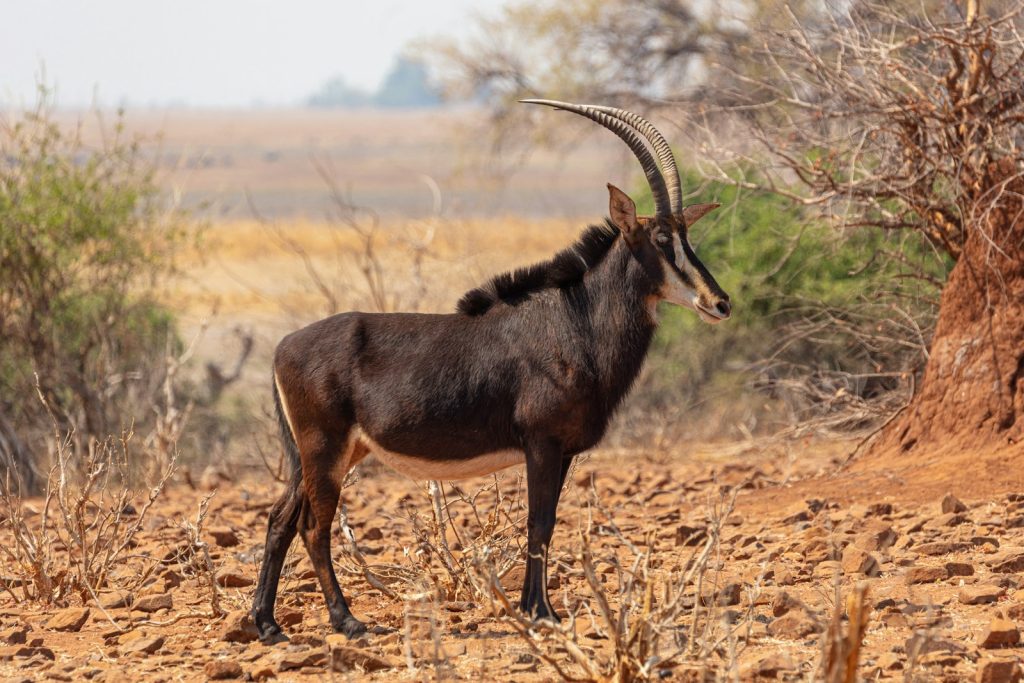
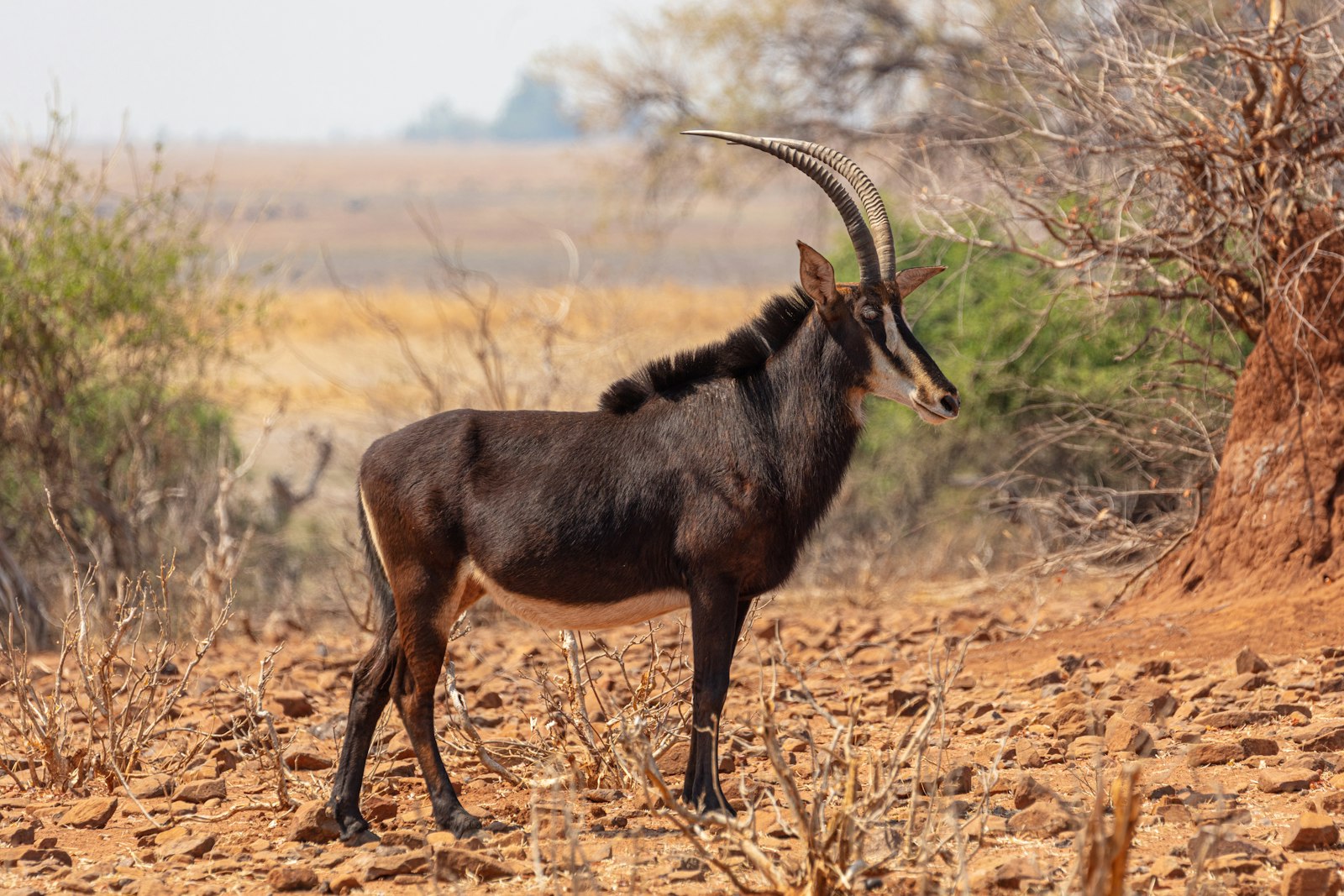
Shimba Hills National Reserve holds Kenya’s last breeding herd of sable antelope, according to KWS, which makes it the only place in the country to see them.
Sable are striking: males are glossy black with white face markings, and both sexes carry long, backward-curving horns. They live in herds led by a dominant female, grazing the open grassland and resting in the shade of forest edges. KWS describes the population as critically endangered in Kenya, so every sighting is special.
How to Improve Your Chances
Sable are most often seen in the grassland areas in the early morning and late afternoon. Drive slowly, scan the forest edges and let your guide check recent sightings with rangers. Binoculars help, as herds often graze at a distance across the open slopes. Sightings are never guaranteed, but a full morning gives you a realistic chance.
Other Wildlife and Birds
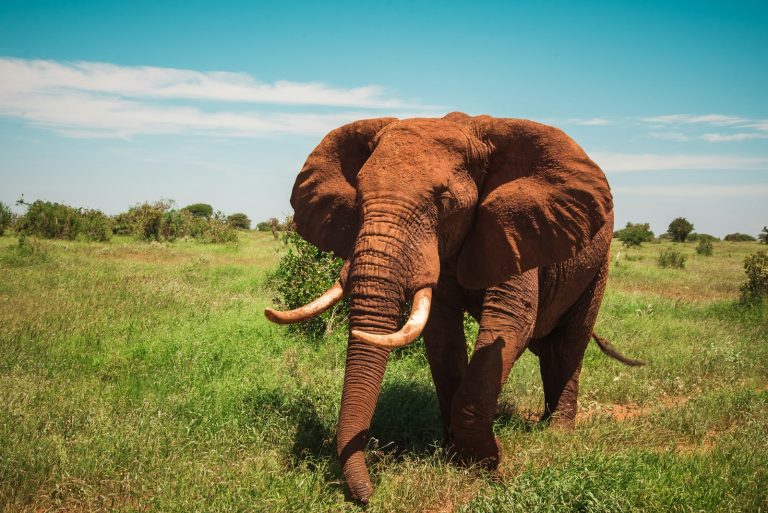
In Shimba Hills National Reserve, expect forest elephants, buffalo, giraffe and a wealth of birds and butterflies, with smaller forest mammals for patient observers.
Forest Elephants
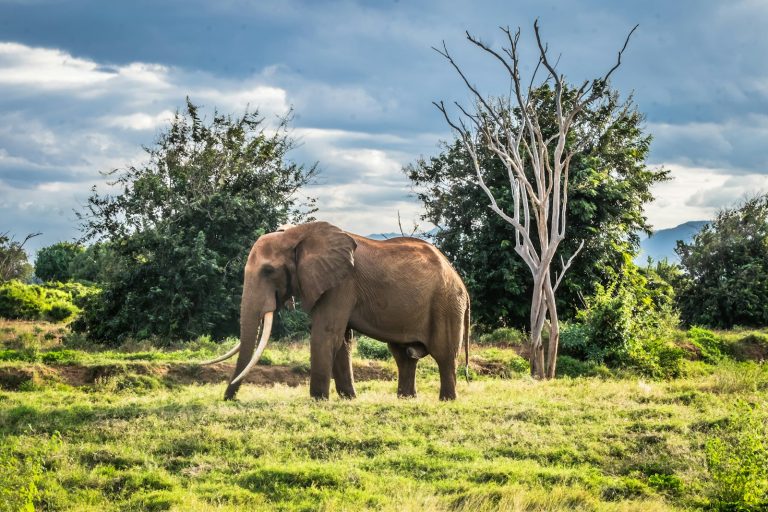
Elephants live in and around the forest and move between the reserve and the neighbouring community-run Mwaluganje Elephant Sanctuary. They can be shy in thick cover, so you may hear them before you see them. Human-elephant conflict on nearby farms is a real issue, and fencing and community projects aim to reduce it.
Birds, Butterflies and Primates
Coastal forest birds such as trumpeter hornbills, turacos and sunbirds are common, along with many butterfly species. Colobus and Sykes’ monkeys move through the canopy, and bushbuck, duikers and suni live in the undergrowth. A birding guide makes a big difference here, because many forest species are heard long before they are seen.
Bush and Beach on the South Coast
Combine a Shimba Hills morning with Kisite dolphins, Tsavo East or simply your Diani hotel. We handle every transfer and time the drive for the cool hours.
Sheldrick Falls and Walking in Shimba Hills
Sheldrick Falls is the signature walk in Shimba Hills National Reserve, a guided hike through forest to a waterfall and pool.
KWS lists Sheldrick Falls among the reserve’s highlights, along with scenic trails, viewpoints and guided hikes. The walk to the falls descends through forest and returns uphill, so allow two to three hours and bring sturdy shoes. Walks should always be guided because elephants and buffalo are present, and we arrange a ranger or approved guide for you.
What to Expect on the Walk
- A steady descent on a forest path, with some steep and muddy sections after rain.
- Shade for most of the way, but humid air; carry plenty of water.
- A natural pool at the base of the falls; ask your guide whether swimming is permitted.
- Chances of monkeys, birds and butterflies along the way.

Getting to Shimba Hills National Reserve
Shimba Hills National Reserve lies inland from the south coast, about 31 km from Diani and around 30 to 37 km from Mombasa according to KWS.
| From | Approximate drive | Notes |
|---|---|---|
| Diani Beach | About 1 hour | Via the Likoni to Ukunda road, turning at Kombani junction |
| Mombasa | About 1 to 1.5 hours | Allow extra time for the Likoni ferry or bypass traffic |
| Ukunda airstrip | About 1 hour | Useful if you fly in from Nairobi or the Masai Mara |
By Air and Rail
If you are coming from Nairobi, fly to Ukunda airstrip near Diani, which KWS puts about 36 km from the reserve, or take the Madaraka Express train to Mombasa and continue by road. Many guests fly straight from the Masai Mara or Nairobi to the coast at the end of a safari, then spend a relaxed day in the hills during their beach stay.
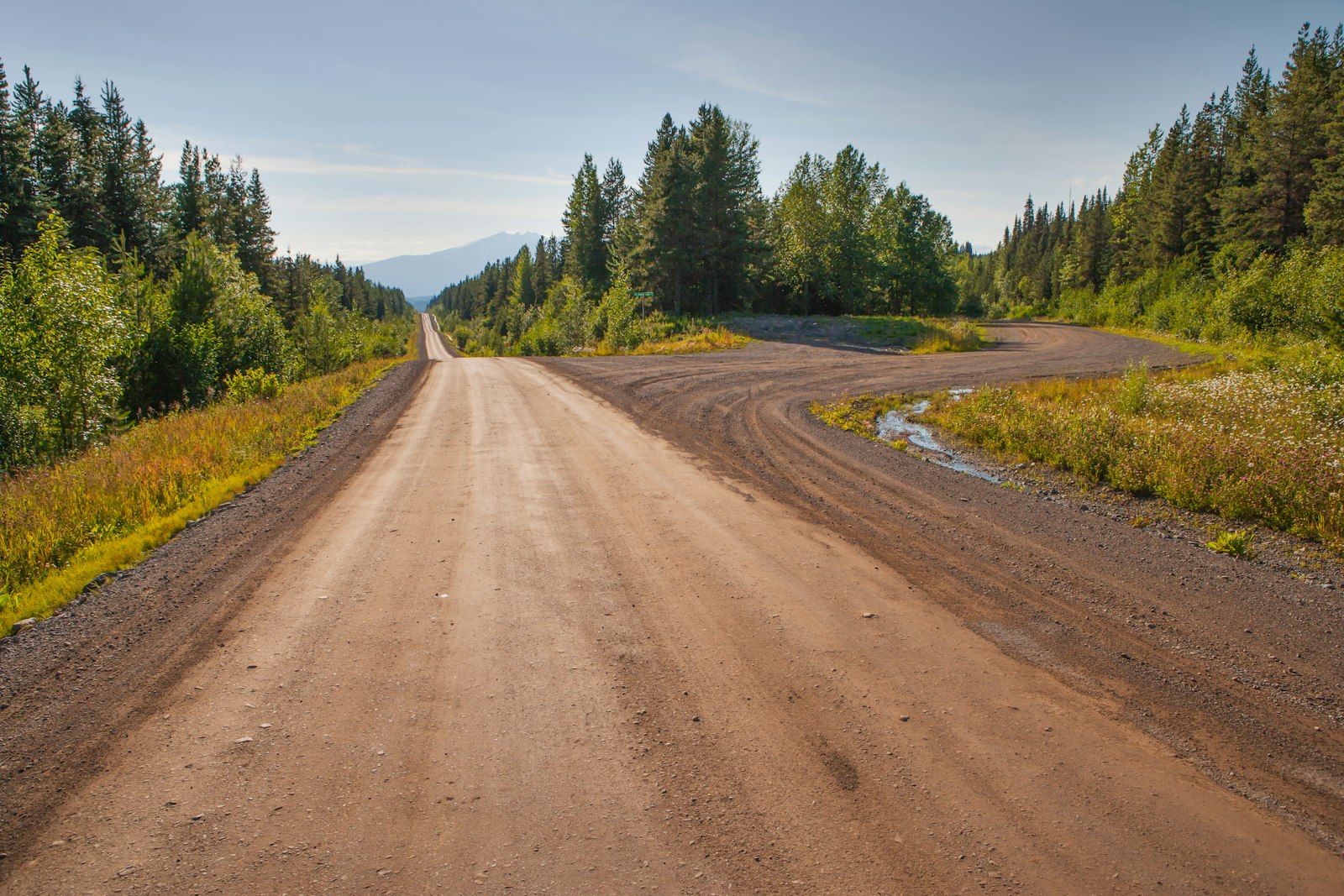
KWS notes the Kombani junction is 19 km from the main gate. Roads inside the reserve can be slippery after rain, so a 4×4 is best. Our Shimba Hills day trip from Diani includes private transport, the falls walk and park fees.
Shimba Hills National Reserve Fees and Rules
KWS charges a daily conservation fee for Shimba Hills National Reserve, paid cashlessly, in its scenic parks band.
| Visitor category | Adult | Child |
|---|---|---|
| Non-resident | USD 50 | USD 25 |
| African citizen | USD 20 | USD 10 |
| Kenya resident | KSh 675 | KSh 350 |
| East African citizen | KSh 500 | KSh 250 |
These rates appear on the official KWS Shimba Hills National Reserve page and the KWS conservation fees schedule from October 2025. Check before you travel, or read our Kenya national parks entrance fees 2026 guide.
Reserve Rules
- Keep to the 40 km/h speed limit and stay on the roads.
- Walk only on guided trails with a ranger or approved guide.
- Keep at least 20 metres from wildlife and never feed animals.
- Take all litter out; single-use plastics are not allowed.
Where to Stay
KWS lists simple accommodation and public campsites inside the reserve. Most travellers stay on Diani Beach and visit for the day, which keeps the trip easy and comfortable. Families with young children often prefer a half day focused on the game drive.
Basing yourself on the coast also means you can choose your day around the weather. If a morning looks wet, you can ask about moving your Shimba Hills National Reserve visit to a drier day and spending that morning on the beach. Our Diani Beach guide covers where to stay and what else to do on the south coast.
Half Day or Full Day in Shimba Hills?
Tell us who is travelling and how much walking you want, and we will suggest the right length of visit and the best start time from your hotel.
History and Conservation of Shimba Hills National Reserve
Shimba Hills National Reserve has been protected in some form for well over a century, making it one of Kenya’s oldest conserved forests.
According to KWS, the forest has been protected since 1903 and was gazetted as a national reserve in 1968. Today it is managed jointly by the Kenya Wildlife Service and the Kenya Forest Service. Nearby forest blocks, including Mkongani North, Mkongani West and the Mwaluganje forest, extend the protected landscape.
A Coastal Forest Hotspot
East Africa’s coastal forests are small, scattered and rich in species found nowhere else, which makes every surviving patch valuable. Shimba Hills protects one of the larger remaining blocks in Kenya, with rare plants, butterflies and birds alongside its better-known mammals. Pressure from farming, firewood collection and a growing population makes careful management essential.
People and Elephants
Elephants regularly leave the reserve to raid crops on surrounding farms, which causes hardship for local families. The community-owned Mwaluganje Elephant Sanctuary was set up next to the reserve so that landowners could earn income from tourism instead. Visiting with a licensed operator and paying the correct fees helps support this balance.
What to Pack for Shimba Hills National Reserve
- Closed walking shoes with good grip for the forest trail.
- Light long trousers and sleeves for sun, insects and undergrowth.
- Insect repellent, a hat, sunglasses and sun cream.
- Binoculars for sable on the grassland and birds in the canopy.
- A light rain jacket; showers are common in the hills.
Best Time to Visit Shimba Hills National Reserve
Shimba Hills National Reserve can be visited all year; the drier months make walking and driving easier.
| Months | Conditions | Notes |
|---|---|---|
| January to March | Hot and mostly dry | Good game viewing; start early |
| April to June | Long rains, the coast’s wettest season | Lush forest; tracks can be muddy |
| July to October | Cooler and drier | Comfortable walking; excellent visibility |
| November to December | Short rains | Green and fresh; festive season on the coast |
Being higher than the coast, the hills catch more cloud and rain, so mornings are usually clearest. Combine your visit with the coast’s calmer sea season if snorkelling is also on your list.
Travelling Over the Festive Season or School Holidays?
The coast is busiest at these times, so it helps to fix your Shimba Hills day early. Share your date and hotel and we will send a written quote.
Expert tip from our Nairobi team
Leave Diani by 6.30 am so you reach the grassland while sable and elephants are active and before the heat builds. Wear closed shoes and light long trousers for the Sheldrick Falls walk, and bring insect repellent, a hat and two litres of water each. Ask us to pack a picnic for a viewpoint stop, then be back at your hotel for a late lunch by the sea.
A Typical Day Trip to Shimba Hills National Reserve
Most visits to Shimba Hills National Reserve start with an early pick-up from Diani, a drive inland through farmland and villages, and a climb up onto the plateau. The first hours are spent on a slow game drive across the grassland, when sable and elephants are most likely to be out in the open and the light is soft.
Mid-morning is the best time for the guided Sheldrick Falls walk, while the forest is still cool. Afterwards a viewpoint stop gives a picnic with views towards the coast on clear days, and you are usually back at your hotel by early afternoon. Our Shimba Hills day trip follows this pattern with a private vehicle and guide.
Visiting Shimba Hills National Reserve With Children
Children usually enjoy the elephants, monkeys and the sense of exploring a forest, and the short drive from the beach keeps the day manageable. For younger children we suggest a half day focused on the game drive, with the falls walk only if they are comfortable on steep, uneven paths. Bring snacks, water and a change of clothes for muddy days.
Combining Shimba Hills With Your Kenya Trip
Shimba Hills National Reserve fits neatly into a south coast stay and pairs well with marine trips and a Tsavo safari.
| Plan | Outline |
|---|---|
| Half day | Early game drive for sable and elephants, back for lunch |
| Full day | Game drive, Sheldrick Falls walk and picnic |
| 5 coast nights | Shimba Hills, Kisite dolphin trip, beach days |
| 10 to 12 days | Masai Mara or Amboseli, then Diani with a Shimba Hills day |
Add our Wasini Island and Kisite dolphin day trip or the Tsavo East day safari, or book the 4-day Diani Beach getaway. For more of the coast, see our Mombasa Marine National Park guide and Malindi Marine National Park guide. Our private Kenya safari and luxury Kenya safari ideas show how to link the bush and the beach.
Who Shimba Hills National Reserve Suits
Shimba Hills National Reserve suits beach holidaymakers, families, walkers and anyone who wants rare wildlife without a long drive.
It does not replace the Masai Mara for big cats, but it offers species and scenery you will not find on the classic circuit. Before travelling, check the latest UK government travel advice for Kenya and browse Magical Kenya for more coast ideas. Travel agents can request net rates and coast programmes for their clients. To build a longer coast stay, read our Kisite Mpunguti Marine National Park guide and our Tsavo East National Park guide.
Supporting Conservation in Shimba Hills National Reserve
Your fees help fund rangers, roads and habitat protection, and the neighbouring Mwaluganje sanctuary shares tourism income with local landowners. Choosing licensed guides and following reserve rules helps keep this rare forest and its sable herd safe.
Shimba Hills National Reserve FAQs
Where can you see sable antelope in Kenya?
Shimba Hills National Reserve, inland from Diani, is the only place in Kenya to see sable antelope. KWS describes it as home to the country’s last breeding herd. Sightings are never guaranteed, but early mornings in the grassland areas with an experienced guide give you a realistic chance.
How far is Shimba Hills from Diani Beach?
KWS gives the distance as about 31 km by road, via the Likoni to Ukunda road and the Kombani junction. The drive usually takes around an hour. From Mombasa, allow one to one and a half hours, depending on traffic at the Likoni crossing.
How much is the Shimba Hills entry fee?
Under current KWS rates, non-resident adults pay USD 50 and children USD 25 per day. African citizens pay USD 20, Kenya residents KSh 675 and East African citizens KSh 500. Fees are paid cashlessly. Check the official KWS tariff before you travel, as fees can change.
What is Sheldrick Falls?
Sheldrick Falls is a waterfall inside Shimba Hills National Reserve, reached on a guided forest walk. The hike descends to the falls and climbs back out, taking around two to three hours. Walks should always be guided, because elephants and buffalo live in the forest and can be hidden by thick cover.
Are there elephants in Shimba Hills?
Yes. Forest elephants live in the reserve and move between it and the neighbouring Mwaluganje Elephant Sanctuary. They can be shy in thick forest, so sightings vary. Your guide will look for them along forest edges and at viewpoints in the early morning and late afternoon.
Is Shimba Hills worth visiting?
Yes, especially if you are staying on the south coast. It offers rare sable antelope, forest elephants, a waterfall walk and cooler air, all within about an hour of Diani. It complements, rather than replaces, a classic savannah safari in the Masai Mara or Amboseli.
Can you visit Shimba Hills as a half-day trip from Diani?
Yes. Because the reserve is only about an hour from Diani, a half day works well. Leave early, spend the cool morning on a game drive looking for sable and elephants, and be back at your hotel for lunch. Add the Sheldrick Falls walk and a picnic if you prefer a full day.
What should I wear for Shimba Hills National Reserve?
Wear closed walking shoes with good grip, light long trousers and a breathable long-sleeved top to protect against sun, insects and undergrowth. Add a hat, sunglasses and sun cream, and pack a light rain jacket, because the hills catch more cloud and showers than the beach below.
Plan Your South Coast Safari Day
Sense of Adventure is a TRA-licensed Nairobi safari company. We arrange Shimba Hills days, coast stays and safaris in one seamless plan, with private vehicles and guides.
Kenya-based experts. Real local knowledge. Transparent pricing.