Mombasa Marine National Park is a protected coral reef and lagoon off Mombasa’s north coast, opposite Nyali, Bamburi and Shanzu beaches. Gazetted in 1986, its 10 square kilometre no-take park sits inside a 200 square kilometre reserve. You reach it by boat from beach-side KWS gates, often within minutes of your hotel.
Sense of Adventure is a TRA-licensed private safari company based at Mountain Mall on Thika Road, Nairobi. We add reef days to coast holidays and bush-and-beach safaris for travellers and travel agents. This guide explains what you will see, when the sea is at its best, what it costs and how to fit the reef around a Kenya safari.
✅ Mombasa Marine National Park: Quick Answer
- A KWS-managed coral reef and lagoon off Nyali, Bamburi and Shanzu on Mombasa’s north coast.
- Non-resident adults pay USD 25 per day (KWS fees from October 2025); boat hire is extra.
- Plan around low tide for the calmest, clearest water; October to March is usually best.
- Snorkelling, glass-bottom boats and diving all suit a relaxed half-day.
- Expect reef fish and corals; turtles are possible but never guaranteed.
- Easy to pair with Fort Jesus or a Tsavo East day safari.
Staying in Nyali, Bamburi or Shanzu? Send your hotel and dates and we will time a private reef boat to low tide.
Time my reef tripMombasa Marine National Park at a Glance
Mombasa Marine National Park is the easiest Kenyan reef to reach from a beach hotel, and it suits short coastal stays.
| Quick fact | Detail |
|---|---|
| Managed by | Kenya Wildlife Service (KWS) |
| Gazetted | 1986, under the Wildlife Conservation and Management Act |
| Size | About 10 km² marine park inside an about 200 km² marine reserve |
| Location | Indian Ocean, off Nyali, Bamburi and Shanzu on Mombasa’s north coast |
| Habitats | Coral gardens and reef, lagoon, sandy beaches, seabird nesting areas |
| Gate hours | 6 am to 6 pm, according to KWS |
| Main activities | Snorkelling, diving, glass-bottom boat trips, swimming |
Park and Reserve: What Is the Difference?
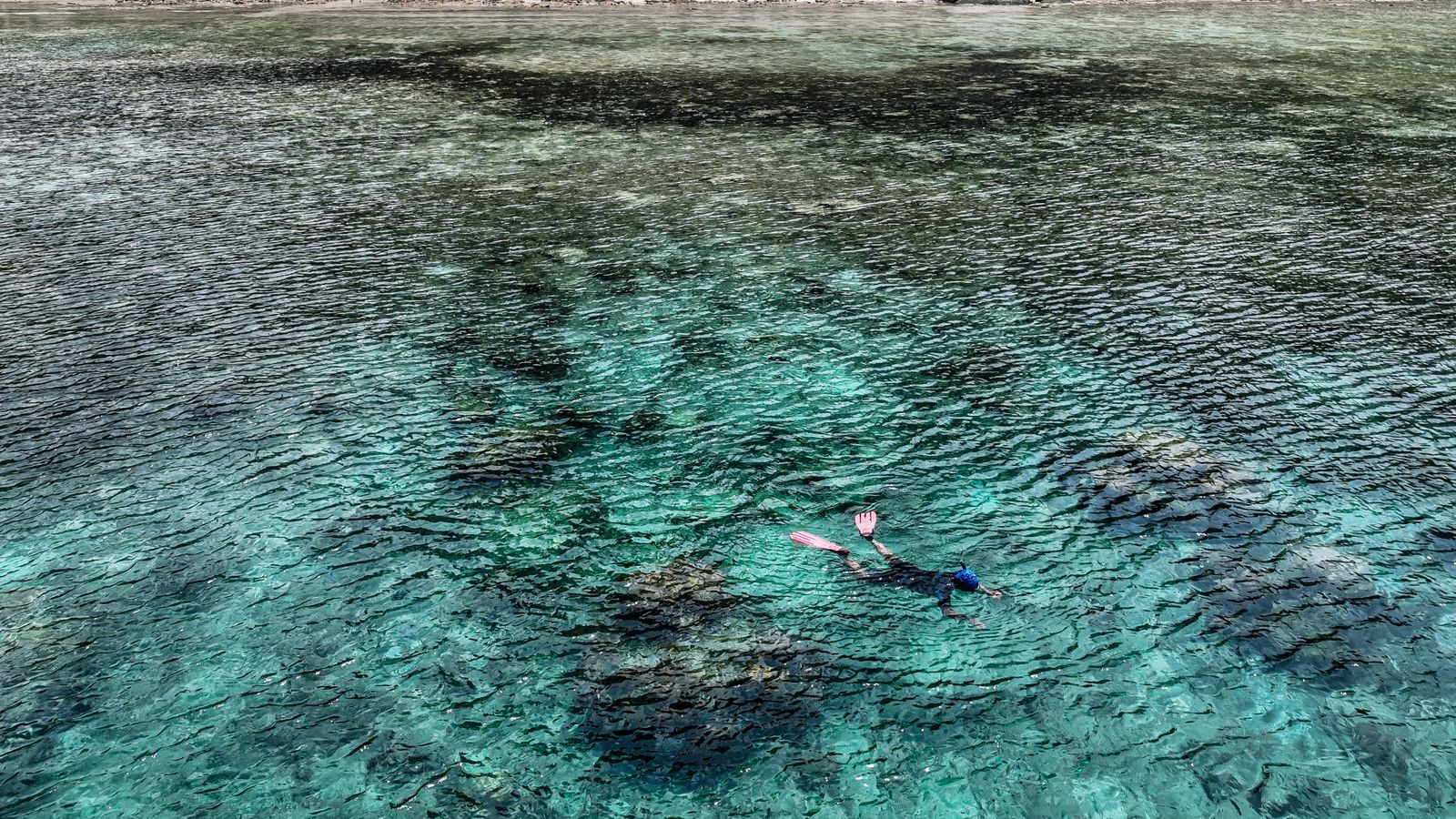
The 10 km² park is a fully protected core zone where fishing and all other extraction are banned. Around it, the larger marine reserve is a buffer where regulated local fishing continues. Your boat trip and snorkelling usually take place inside the park itself.
Where Mombasa Marine National Park Is and How to Get There
Mombasa Marine National Park lies a short drive north of Mombasa Island, and you board a boat at one of several beach-side gates.
Beach-Side KWS Gates
KWS lists five access points: Serena, Severin, Travellers and Voyager gates on hotel beaches, plus Nyali Gate at the park headquarters. Boat operators collect park fees through the KWS system and take you out to the reef. If you stay on the north coast, the walk or drive to a gate is often very short.
From Nairobi
Mombasa is about 487 km from Nairobi by road, according to KWS. Most travellers fly to Moi International Airport in about an hour, or take the Madaraka Express train from Nairobi Terminus to Mombasa Terminus at Miritini. A private transfer then takes you to the north coast. We arrange each step and time it around your tide.
From Diani or Watamu
From Diani on the south coast you cross the Likoni Channel by ferry or use the newer bypass, so allow time for traffic. From Watamu and Malindi, it is usually simpler to snorkel at their own marine parks. Our Malindi Marine National Park guide compares the north coast option.
What You Can See Underwater
In Mombasa Marine National Park, expect colourful reef fish, corals, sea urchins, starfish and crabs, with a chance of turtles and good coastal birdlife.
Corals and Reef Fish
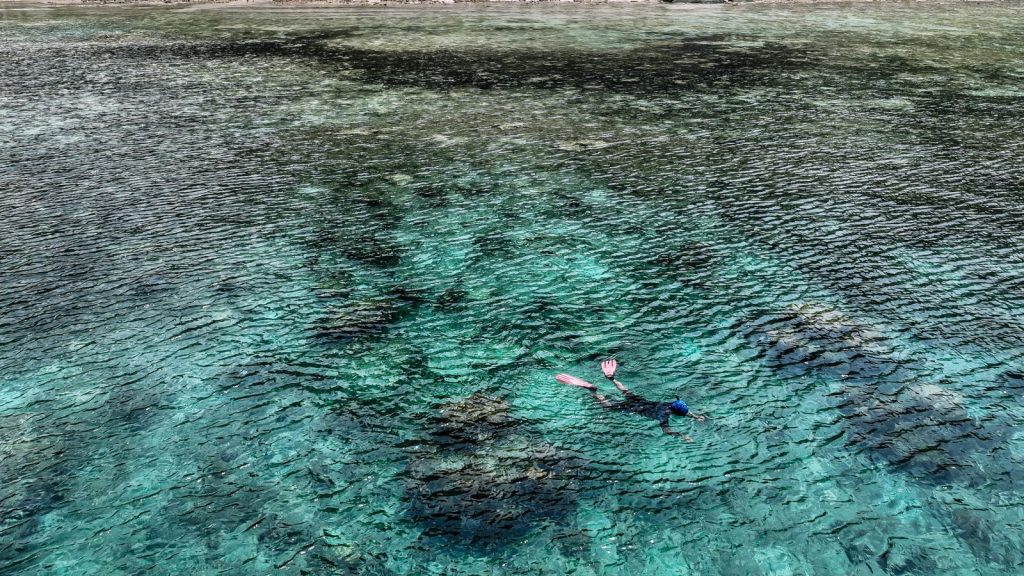
The fringing reef runs parallel to the shore, with a calm lagoon on the landward side. In shallow water you can see hard and soft corals, parrotfish, butterflyfish, angelfish and wrasse. The lagoon is ideal for confident beginners, and children who swim well enjoy it with a guide.
Turtles and Larger Species
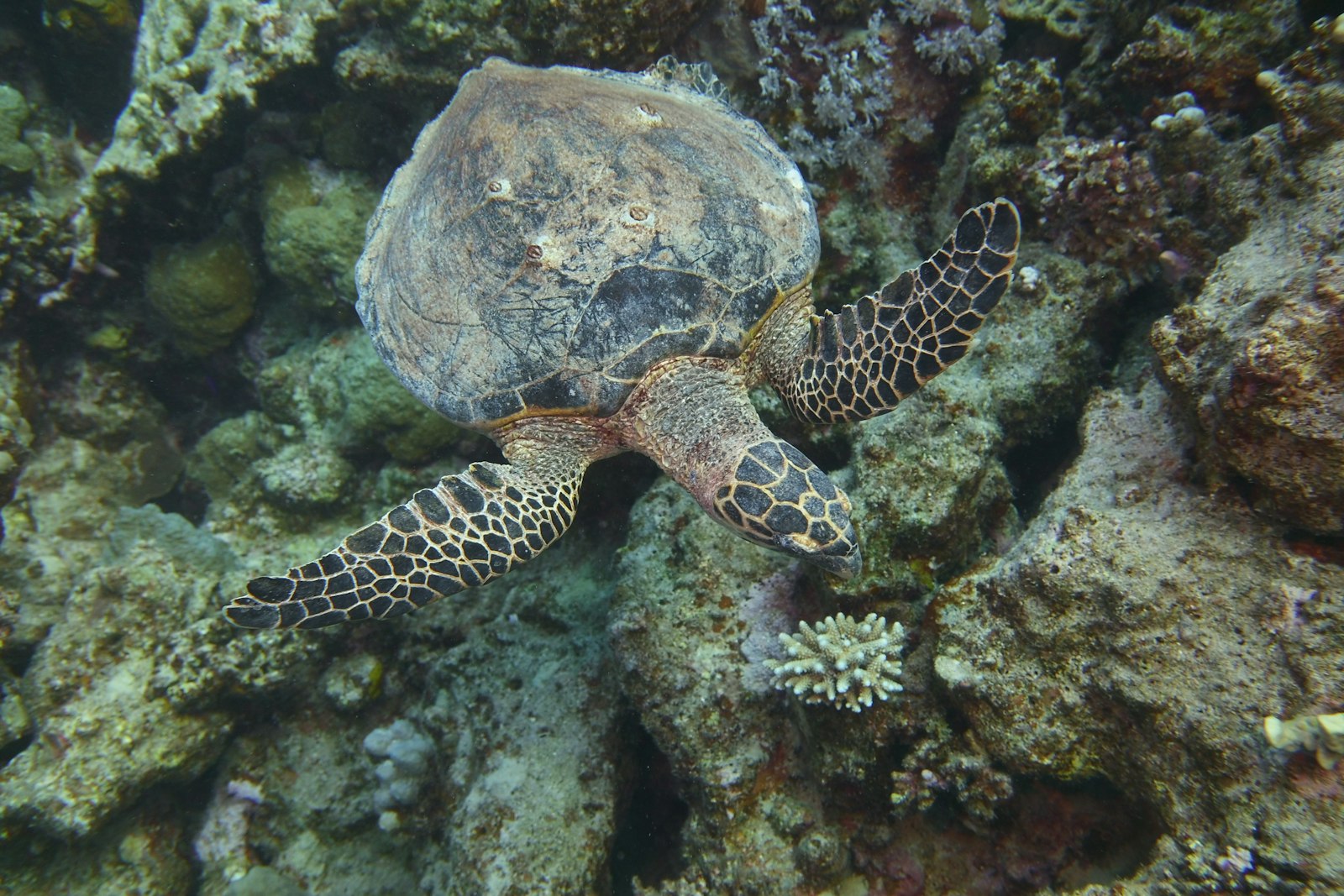
Sea turtles are sometimes seen around the reef, though sightings are never guaranteed. Divers on the outer reef may see larger fish and rays. Ask your guide what has been seen recently, because visibility and sightings change with the season and the tide.
The hawksbill turtle is listed as Critically Endangered on the IUCN Red List, so if one appears, stay calm, keep a few metres away and never chase or touch it. A turtle that feels safe will often carry on feeding, which gives everyone a far better view.
Birdlife on the Shore
KWS notes internationally important numbers of crab plovers and roseate terns in the area, plus seabird nesting colonies. Bring binoculars on the boat, especially between October and April when migrant shorebirds are present along the coast.
Snorkel the Reef, Then Go on Safari
Pair a Mombasa Marine National Park morning with a Tsavo East game drive or a Kisite dolphin trip. Tell us how many days you have on the coast and we will plan the route.
Things to Do in Mombasa Marine National Park
Snorkelling from a boat is the most popular activity in Mombasa Marine National Park, with diving and glass-bottom boat trips for those who prefer them.
- Snorkelling: a guided boat trip to the reef or lagoon, usually two to three hours, timed for low tide.
- Glass-bottom boat: a good choice for non-swimmers, young children and anyone who prefers to stay dry.
- Scuba diving: dive centres on the north coast offer try-dives and certified dives on the outer reef.
- Swimming and beach time: calm lagoon water at the right tide, steps from many hotels.
- Photography: underwater cameras work well in the clear, shallow lagoon on calm days.
Expert tip from our Nairobi team
Plan your snorkel around the tide, not the clock. Low spring tides give the calmest, clearest water in the lagoon, while high tide can be choppy and cloudy. Use reef-safe sunscreen and wear a rash vest instead of reapplying cream all day. Never stand on coral, and wear water shoes when walking in the lagoon to avoid sea urchins.
Snorkelling or Glass-Bottom Boat: Which Should You Choose?
Choose snorkelling if everyone in your group can swim and is happy putting their face in the water. You see far more colour and movement at eye level, and the guide can point out fish hiding under coral ledges. Choose a glass-bottom boat if you have toddlers, non-swimmers or older relatives who prefer to stay dry.
Many families mix the two: the boat carries everyone out to the reef, the swimmers snorkel with the guide, and the others watch through the glass panel. Tell us your group make-up when you enquire and we will suggest the right boat for your visit to Mombasa Marine National Park.
Best Time to Visit Mombasa Marine National Park
October to March usually gives the calmest seas and best visibility, though you can snorkel in most months with good tide timing.
| Months | Sea conditions (typical) | Good to know |
|---|---|---|
| October to March | Calmer seas, warm water, often good visibility | Peak beach season over Christmas and New Year |
| April to June | Long rains, rougher sea on some days | Quieter hotels; some trips may be rescheduled |
| June to September | Stronger south-east winds, choppier water | Snorkel the sheltered lagoon at low tide |
Kenya’s coast follows two monsoon winds: the calmer north-east monsoon from around November to March and the stronger south-east monsoon from around May to September. Patterns vary year to year, so we check the forecast and tide tables before confirming your trip.
Tides Matter More Than the Month
Low tide uncovers the reef edge and calms the lagoon, which makes snorkelling easier. Tide times shift by about 50 minutes each day, so your best window may be early morning one week and mid-afternoon the next.
What a Typical Reef Morning Looks Like
A typical trip to Mombasa Marine National Park starts with a pick-up from your hotel or a short walk to the nearest KWS gate. Your guide hands out masks, snorkels, fins and life jackets on the beach and gives a short safety briefing. The boat then takes you out across the lagoon to the coral gardens, which usually takes only a few minutes.
Most groups spend around an hour in the water, with rests on the boat between snorkels. You are usually back at your hotel before the midday heat, with the afternoon free for the pool, the Old Town or a nap.
Mombasa Marine National Park Fees and Rules
KWS charges a daily conservation fee for Mombasa Marine National Park, paid cashlessly, plus the cost of your boat and guide.
| Visitor category | Adult | Child (5 to under 18) |
|---|---|---|
| Non-resident | USD 25 | USD 15 |
| Kenya resident | KSh 675 | KSh 350 |
| East African citizen | KSh 500 | KSh 250 |
These are the marine protected area rates in the KWS conservation fees schedule that took effect in October 2025. Fees can change, so check before you travel, and see our Kenya national parks entrance fees 2026 guide. Boat hire is separate, and we include it in a fully costed quote.
Get a Fully Costed Reef Day Quote
Park fees, a private boat, a guide and hotel transfers in one written price for Mombasa Marine National Park. Send your dates and group size and we will check the tides for you.
Reef Rules to Follow
- Do not touch, stand on or collect coral, shells or marine life.
- Do not feed fish; it changes their behaviour and harms the reef.
- Use only licensed boat operators and follow the guide’s instructions.
- Keep away from nesting birds and any turtles you see.
- Take all rubbish back to shore; single-use plastics are not allowed in protected areas.
How It Compares With Kenya’s Other Marine Parks
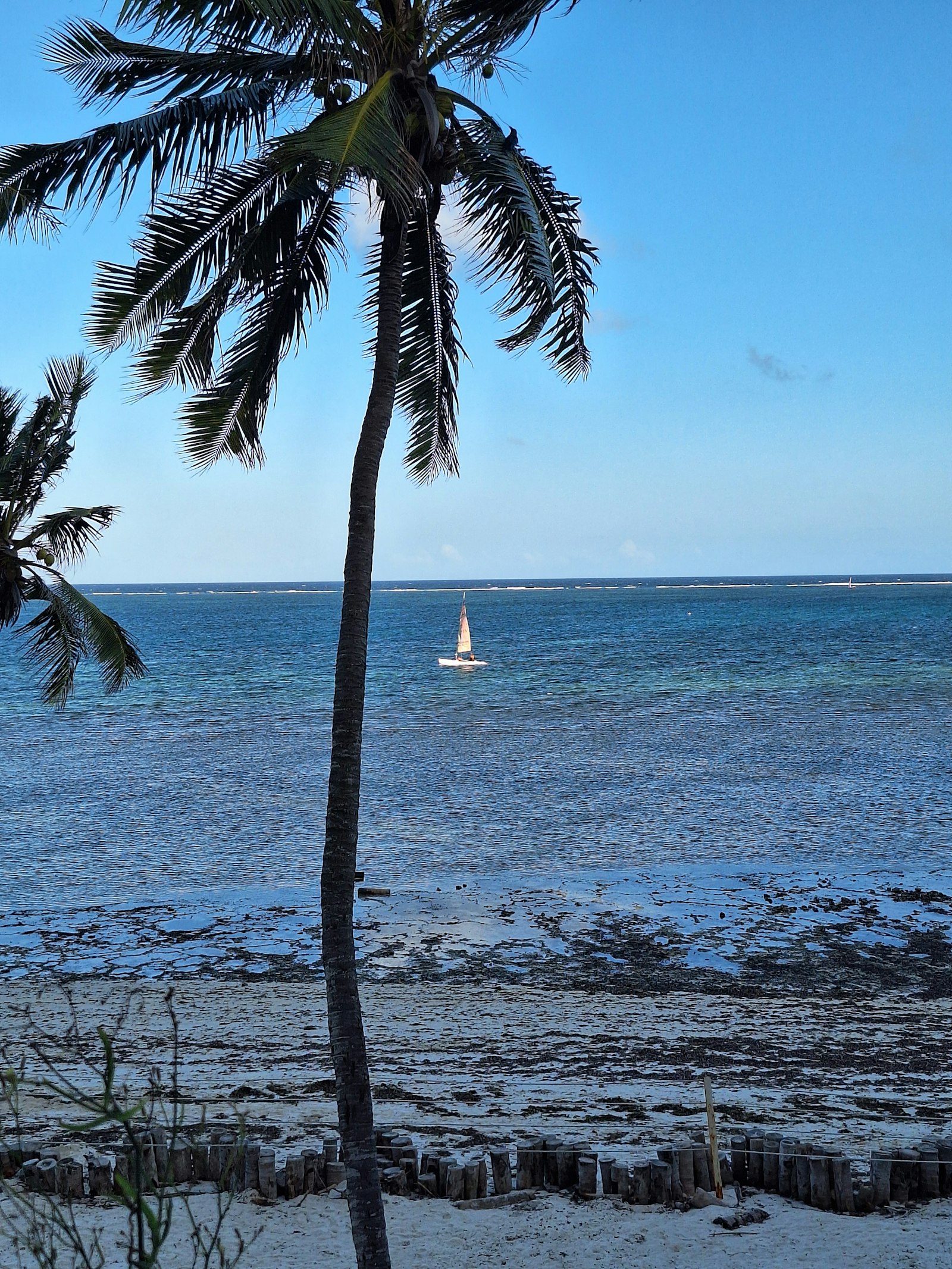
Mombasa Marine National Park is the most convenient reef; Kisite-Mpunguti is best for dolphins, and Watamu and Malindi suit a longer north coast stay.
| Marine park | Best base | Best for | Getting there from Mombasa |
|---|---|---|---|
| Mombasa | Nyali, Bamburi, Shanzu | Convenience, short stays | Minutes from north coast hotels |
| Kisite-Mpunguti | Shimoni, Wasini, Diani | Dolphins on many trips, snorkelling | About 2 to 3 hours south |
| Watamu | Watamu | Coral gardens, turtles | About 2 hours north |
| Malindi | Malindi | Reef trips and a historic town | About 2 to 2.5 hours north |
Our Wasini Island and Kisite dolphin day trip and Watamu and Malindi marine escape show the alternatives. For the full picture, see our complete list of Kenya national parks and reserves.
Adding Mombasa Marine National Park to a Safari
Mombasa Marine National Park works best as a relaxed half-day between safari days or at the end of a bush-and-beach trip.
Day Trips Into the Bush
From the north coast you can reach Tsavo East for a full-day game drive. Our Tsavo East day safari from Mombasa and 2-day Tsavo safari are popular with coast guests. For more time, our Tsavo West National Park guide explains Mzima Springs and the rhino sanctuary.
Culture in Mombasa Old Town
Fort Jesus, built by the Portuguese in the 1590s, is a UNESCO World Heritage Site a short drive from the reef. Combine it with a walk through the Old Town, or join our Swahili coast heritage tour.
Sample Plans
| Plan | How it fits |
|---|---|
| Half day | Morning snorkel at low tide, afternoon by the pool |
| Two days | Reef trip, then Fort Jesus and the Old Town |
| Bush and beach | Safari in Amboseli or Tsavo, then 3 to 5 nights on the coast with a reef day |
Planning Checklist for Mombasa Marine National Park
A little preparation makes your reef day smoother, safer and better value.
- Check the tide table for your dates and book the boat for the two hours around low tide.
- Confirm the gate nearest your hotel, and whether the boat collects you from the beach.
- Ask what is included: masks, snorkels, fins, life jackets, drinking water and park fees.
- Pack light: swimwear, rash vest, reef-safe sunscreen, a hat, water shoes and a dry bag for your phone.
- Tell us about swimmers and non-swimmers so we choose a sheltered spot or a glass-bottom boat.
- Leave a buffer day in case wind or rain forces a change of plan.
Safety in Mombasa Marine National Park
The lagoon is generally calm at low tide, but currents can be strong near the reef edge and in channels. Stay with your guide, wear a life jacket if you are not a confident swimmer, and get out of the water if you feel cold or tired. Children should always be supervised by an adult in the water.
Sea urchins and stonefish live in the lagoon, so watch where you put your feet and never touch anything on the bottom. Strong sun reflects off the water, so cover up and drink plenty. If you have a medical condition, check with your doctor and your insurer before you dive.
Travel Agents and Groups
We arrange private boats for couples and families, and larger boats for groups and incentive programmes. Travel agents can request net rates and white-label documents, and we confirm tide-based timings for each client before arrival.
Who Mombasa Marine National Park Suits
Mombasa Marine National Park suits first-time snorkellers, families, cruise and business visitors, and safari guests who want an easy reef day.
If you want remote reefs and dolphins, Kisite-Mpunguti is the stronger choice. If you are building a longer trip, our private Kenya safari and luxury Kenya safari ideas show how the coast fits after the parks. You can also start from a Kenya safari from Nairobi and fly to the coast at the end.
Before you go, read the latest UK government travel advice for Kenya, check the KWS Mombasa Marine National Park and Reserve page, and browse Magical Kenya for wider coast ideas.

Mombasa Marine National Park FAQs
Where is Mombasa Marine National Park?
It lies in the Indian Ocean off Mombasa’s north coast, opposite Nyali, Bamburi and Shanzu beaches. You reach the reef by boat from beach-side KWS gates such as Nyali, Serena, Severin, Travellers and Voyager. Most north coast hotels are only a short walk or drive from a gate.
How much is the entry fee for Mombasa Marine National Park?
Under the KWS fee schedule from October 2025, non-resident adults pay USD 25 and children USD 15 per day. Kenya residents pay KSh 675 and East African citizens KSh 500. Fees are cashless and boat hire is extra. Always check the latest KWS tariff before travelling.
When is the best time to snorkel in Mombasa?
October to March usually brings the calmest seas and clearest water. Snorkelling is possible in most months, but low tide matters more than the month, because the lagoon is calmer and clearer. Tide times shift daily, so plan your trip around the tide table.
Can non-swimmers visit Mombasa Marine National Park?
Yes. A glass-bottom boat lets non-swimmers and young children see the reef without getting wet. Weak swimmers can snorkel in the calm lagoon wearing a life jacket, close to a guide. Tell your operator in advance so they bring the right equipment and choose a sheltered spot.
Will I see turtles or dolphins at Mombasa Marine National Park?
Turtles are sometimes seen, but no sighting is guaranteed. Dolphins are more reliably seen around Kisite-Mpunguti Marine Park on the south coast. In Mombasa, the main draw is easy access to coral, reef fish and lagoon life within minutes of your hotel.
Is Mombasa Marine National Park worth visiting?
Yes, if you want an easy, good-value reef trip during a coast stay. It is less remote than Kisite-Mpunguti or Watamu, but its convenience is hard to beat. A half-day at low tide fits neatly between beach time, a Fort Jesus visit and a Tsavo day safari.
How long does a trip to Mombasa Marine National Park take?
Most snorkelling trips take two to three hours, including the boat ride, a safety briefing and about an hour in the water. Glass-bottom boat trips can be shorter. Because trips are timed to low tide, the start time changes from day to day, so allow a flexible half-day.
Do I need to book Mombasa Marine National Park in advance?
For a private boat and guide, booking a few days ahead is wise, especially over Christmas, New Year and Easter. It lets us match the trip to the tide table and your hotel gate. Last-minute trips are often possible in quieter months, but are never guaranteed.
Plan Your Mombasa Reef and Safari Trip
Kenya-based experts. Real local knowledge. Transparent pricing. Sense of Adventure is a TRA-licensed Nairobi safari company, and we arrange Mombasa Marine National Park trips, coast hotels and safaris in one seamless plan.