Ostrich head in sand stories are a myth: ostriches do not bury their heads. The idea dates back to the Roman writer Pliny the Elder. A threatened ostrich may lie flat with its neck stretched along the ground, and nesting birds lower their heads to turn eggs. From a distance, both can look like a buried head.
Sense of Adventure is a TRA-licensed private safari company based at Mountain Mall on Thika Road, Nairobi. Ostriches are easy to see in many Kenyan parks, from Nairobi National Park to Amboseli, the Masai Mara and Samburu, where the blue-necked Somali ostrich lives. This guide separates myth from fact and shows you where to watch them.
✅ Ostrich Head in Sand: Quick Answer
- Ostriches never bury their heads; they would suffocate and miss predators.
- The myth traces back to Pliny the Elder, who wrote about a bush, not sand.
- Turning eggs, lying flat and feeding can look like a buried head from afar.
- Running, at up to about 72.5 km/h, is the ostrich’s main defence.
- Kenya has two species: the common ostrich and the blue-necked Somali ostrich.
- Nairobi National Park is the easiest place to watch them, within an hour of the city.
Want to see Kenya’s two ostrich species on one trip? We can plan it.
See both ostrich speciesOstrich Head in Sand: The Short Answer
The short answer is that the ostrich head in sand story is a myth, and no ostrich hides by burying its head.
An ostrich that buried its head would not be able to breathe, see predators or run, which would be fatal on the open plains. What ostriches really do is run, kick if cornered, or lie low to avoid being seen. Britannica notes that lying on the ground with the neck outstretched may have given rise to the belief.
| Myth or behaviour | What is really happening |
|---|---|
| Buries its head in sand when scared | Never happens; it would suffocate and be defenceless |
| Head disappears into the ground | Bird is lowering its head to turn eggs in a shallow nest |
| Lies still with neck flat on the ground | Hiding by lying low, a real defence when cornered |
| Pecks at the soil with head down | Feeding on plants, seeds, insects or swallowing grit |
| Runs away at speed | The main defence, at up to about 72.5 km/h |
Where the Ostrich Head in Sand Myth Began
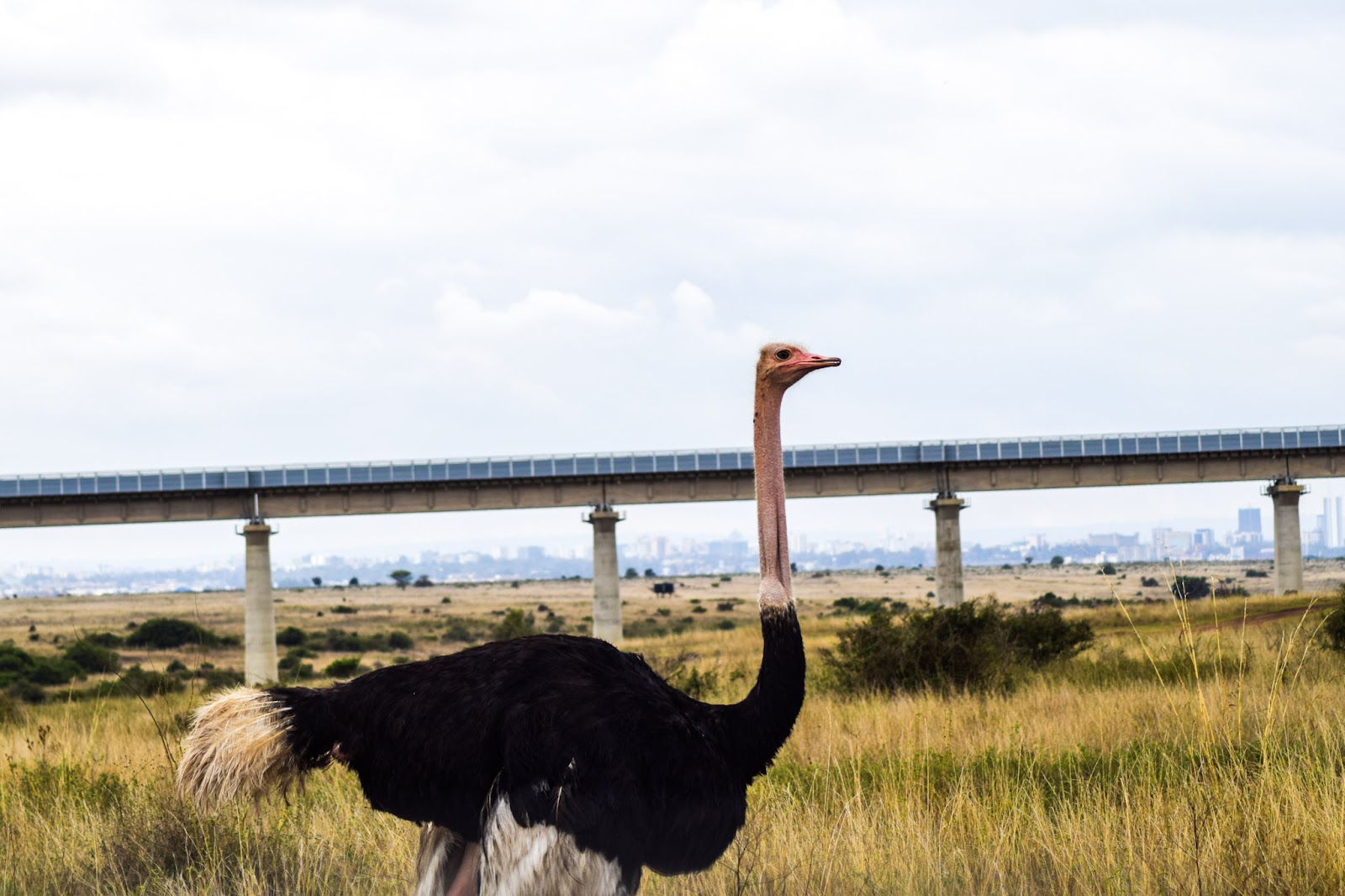
The ostrich head in sand myth goes back to Pliny the Elder, who wrote in his Natural History, around 77 AD, that ostriches think they are hidden when they push their head and neck into a bush.
Notice that Pliny wrote about a bush, not sand. Over the centuries the story changed, and by modern times it had become the familiar image of a head buried in sand. It entered everyday language as a phrase for ignoring a problem, which helped it spread far beyond natural history books.
Three Real Behaviours Behind the Myth
- Turning eggs. Ostriches lay eggs in a shallow scrape in the ground and lower their heads to turn them with their beaks.
- Lying low. A threatened bird may drop to the ground with its neck stretched flat, blending with soil and grass.
- Feeding and grit. Ostriches peck at plants and swallow small stones to help grind food, keeping their heads low for long periods.
Why the Ostrich Head in Sand Illusion Fools People
An ostrich has a small head on a very long neck, and its body is far larger than its head. When the neck bends down to the nest or the grass, the head drops out of sight behind the body or into a shallow dip. Add heat haze on the plains and a viewer far away, and it really can look as if the head has gone into the ground. That is the honest root of the ostrich head in sand illusion: a trick of distance, not behaviour.
8 Surprising Facts About Ostriches
These eight facts show why the ostrich head in sand image does this remarkable bird no justice.
- Largest living bird. Adult males can stand about 2.75 m tall and weigh more than 150 kg, according to Britannica.
- Fastest on land. A frightened ostrich can reach around 72.5 km/h.
- The biggest egg. Ostrich eggs weigh about 1.35 kg on average, the largest of any living bird.
- Shared nests. Several hens may lay in one communal nest scrape holding more than a dozen eggs.
- Night and day shifts. The dark-feathered male usually sits on the eggs at night and the paler females take turns by day.
- Dangerous kicks. If cornered, an ostrich can deliver powerful kicks with its long legs and clawed toes.
- Two toes. Ostriches are the only birds with just two toes on each foot, which helps them run.
- Two species in Kenya. Kenya has both the common ostrich and the blue-necked Somali ostrich.
For the figures above, see the Encyclopaedia Britannica ostrich entry.
Common Ostrich vs Somali Ostrich in Kenya
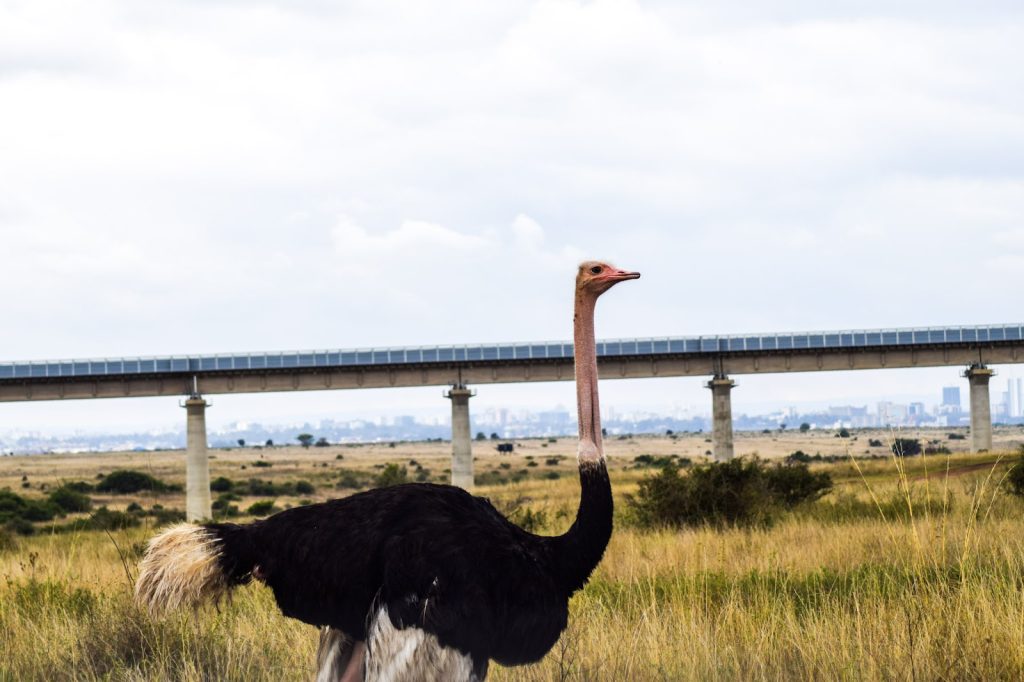
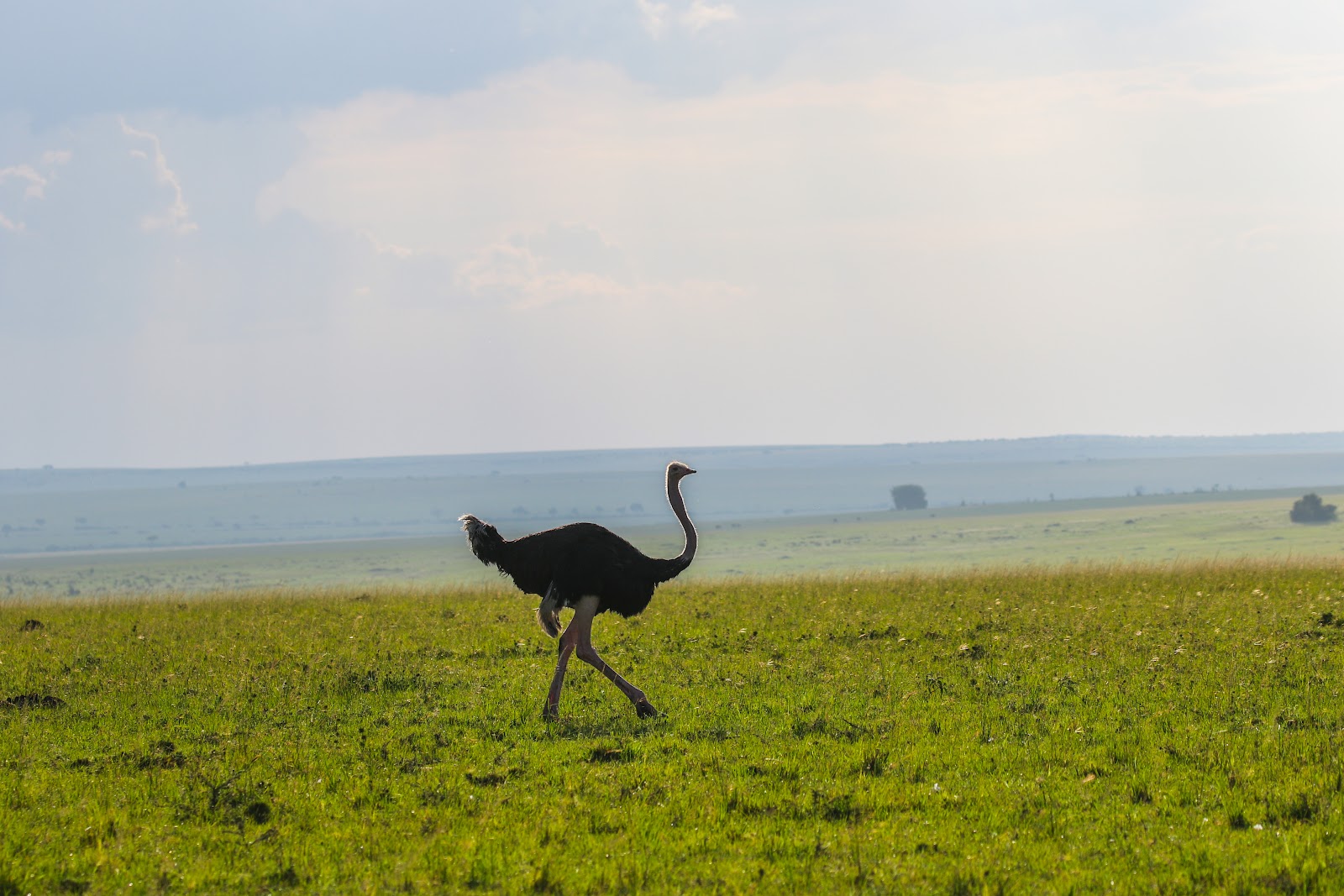
Neither species practises the ostrich head in sand trick. Kenya is one of the best places in Africa to compare two ostrich species: the common ostrich in the south and the Somali ostrich in the north and east.
| Feature | Common ostrich | Somali ostrich |
|---|---|---|
| Male neck and legs | Pinkish to reddish, brighter when breeding | Blue-grey |
| Where in Kenya | Masai Mara, Amboseli, Nairobi National Park, Tsavo | Samburu, Buffalo Springs, Shaba, northern Kenya |
| Status | Widespread in suitable habitat | Treated as a separate species and of conservation concern |
| Best viewing | Open grassland plains | Dry bush and semi-desert |
The Somali ostrich is now treated as its own species by BirdLife International and the IUCN, and it is one of the special animals of Samburu. Read does Samburu have the Big Five for more on the north’s unique wildlife.
The Somali ostrich is one of the Samburu Special Five, alongside Grevy’s zebra, reticulated giraffe, beisa oryx and gerenuk. Seeing it is a highlight for birders, and it makes a simple, visible lesson against the ostrich head in sand story, because Somali ostriches in dry bush are often alert and upright, scanning for danger.
Torn between Samburu and the southern parks?
Tell us your dates and interests and we will help you decide, or plan a route that includes both ostrich species.
Ostrich Nesting: The Truth Behind the Myth
Nesting is where the ostrich head in sand myth comes closest to real behaviour, so it is worth knowing what happens at a nest.
The male scrapes a shallow hollow in the ground with his feet. His main hen lays her eggs there, and other hens may add theirs, so one nest can hold a large clutch. The main hen and the male share the sitting, with the dark male usually on the nest at night and the paler hen by day, when her colours blend with the soil. Several times a day the sitting bird stands, lowers its head into the scrape and rolls the eggs with its beak.
Incubation takes roughly six weeks. Chicks are covered in speckled down and can walk and follow the adults soon after hatching. Young birds from several families often gather in a crèche guarded by one or two adults. If danger approaches a nest, a sitting bird may press itself and its neck flat to the ground rather than leave the eggs, which is the closest thing in nature to the ostrich head in sand image.
Watching Ostriches on a Game Drive
The best way to bust the ostrich head in sand myth is to watch real ostriches, ideally with a guide who explains what they are doing.
- Courtship dances: males crouch, sway and fan their wings in front of females in the breeding season.
- Nest duty: look for a male sitting low on a nest scrape at dusk or a female by day.
- Lying low: a bird flat on the ground with neck outstretched is hiding, not burying its head.
- Chick crèches: adults may guard large groups of chicks from several families.
- Grit pecking: birds swallowing small stones near tracks and bare patches.
- Running: a startled ostrich accelerating across the plains is unforgettable.
Expert tip from our Nairobi team
Keep a respectful distance from nesting ostriches and ask your guide to approach slowly. Males can be protective near nests and chicks. In Nairobi National Park, ostriches often feed close to the tracks, making it a great place for children to see the real behaviour behind the ostrich head in sand story within an hour of the city.
Photographing Ostriches on Safari
- Go early or late. Low sun lights the feathers and avoids harsh shadows under the wings.
- Use a fast shutter. Running birds and dancing males need a quick shutter speed to stay sharp.
- Frame the whole bird. Leave space in front of a running ostrich so it has room to move in the picture.
- Tell the myth story. A bird with its head down at a nest makes a playful ostrich head in sand photo, with a caption that sets the record straight.
- Stay in the vehicle. Ostriches tolerate vehicles well, so you can wait quietly for natural behaviour.

Where to See Ostriches in Kenya
Wherever you see them, you will never see the ostrich head in sand pose of legend. You can see ostriches in many Kenyan parks, with Nairobi National Park, Amboseli, the Masai Mara and Samburu among the easiest.
| Park | Species | Why go |
|---|---|---|
| Nairobi National Park | Common ostrich | Easy half-day trip from the city; great for families |
| Amboseli | Common ostrich | Open plains with Kilimanjaro behind |
| Masai Mara | Common ostrich | Courtship displays on the open grasslands |
| Crescent Island, Naivasha | Common ostrich | Walking safari among grazing wildlife |
| Samburu and Buffalo Springs | Somali ostrich | One of the northern special species |
Our Nairobi layover tour and Crescent Island and Hell’s Gate day trip are easy ways to see common ostriches, while our Samburu cultural and wildlife experience covers the Somali ostrich. Official park information is on the Kenya Wildlife Service website.
Getting There From Nairobi
Nairobi National Park is on the city’s edge, so a morning Nairobi National Park game drive is the quickest way to test the ostrich head in sand myth for yourself. Lake Naivasha and Crescent Island are an easy day trip by road. The Masai Mara and Samburu need at least two or three nights to be worthwhile, by road or on a short scheduled flight.
Compare road and fly-in options on our Masai Mara safari packages page, or see our Kenya safari from Nairobi ideas if you are short on time.
Best Time to See Ostriches and Courtship Displays
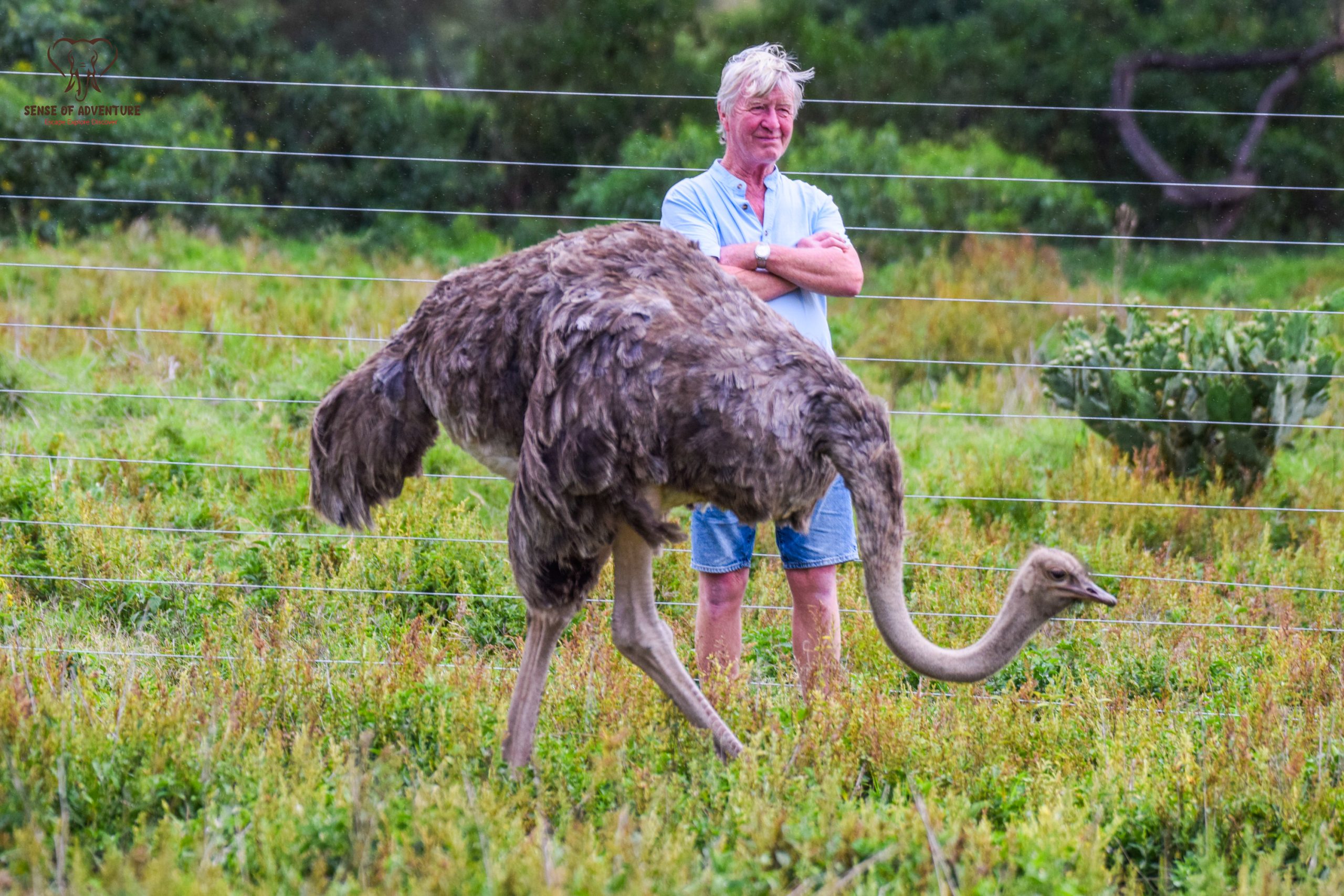
You can test the ostrich head in sand myth in any month. Ostriches are visible all year in Kenya, but the breeding season brings the most colourful males and dramatic courtship dances.
| Months | Conditions | Ostrich viewing |
|---|---|---|
| January to February | Short dry season | Good visibility on short grass; chicks often seen |
| March to May | Long rains | Lush plains; fewer visitors |
| June to October | Long dry season | Excellent viewing; birds near water |
| November to December | Short rains | Green landscapes; breeding activity in many areas |
Breeding timing varies with rainfall and region, so ask your guide what birds are doing during your stay. Park fees vary by park and season; check our Kenya national parks entrance fees 2026 guide.
Planning a Samburu and Mara combination?
Lodges in Samburu and the Mara book early in the dry season. Share your dates and we will send a written quote with both ostrich species on the route.
Why the Ostrich Head in Sand Myth Survives
The ostrich head in sand myth survives because it is a memorable metaphor, not because anyone has seen it happen.
People use the phrase to describe someone avoiding a problem, so it lives on in conversation even among those who know it is false. Many animal myths spread the same way, including the idea that elephants fear mice and that giraffes sleep only 30 minutes a day. Read our guides to whether elephants fear mice and giraffe sleep for two more surprising truths.
Who Will Enjoy Watching Ostriches
Families, birders, photographers and first-time safari travellers all enjoy ostriches, because they are big, active by day and full of character.
Children love comparing the ostrich head in sand myth with what they see. Birders value the chance to tick the Somali ostrich in Samburu. Photographers enjoy courtship dances and running birds in golden light. A private Kenya safari lets you stop and watch for as long as you like. For more destination ideas, visit Magical Kenya.
Ostrich Head in Sand Questions Children Ask
Children often ask the best questions about the ostrich head in sand story, and a guide can answer them on the spot.
- Why would an ostrich hide its head? It would not; it would rather run or lie low.
- Could it breathe under the sand? No, which is one reason the ostrich head in sand idea cannot be true.
- Why do they look headless sometimes? From far away, a small head on a long neck bent to the ground seems to vanish.
- Can an ostrich fly? No, but its wings help it balance, turn and display.
Answering these questions with real birds in front of you turns a tired myth into a lesson your family will remember long after the trip.
Ostrich Head in Sand FAQs
Do ostriches really bury their heads in the sand?
No. The ostrich head in sand idea is a myth. An ostrich that buried its head could not breathe or watch for danger. Ostriches lower their heads to turn eggs in shallow nests and may lie flat with the neck stretched along the ground to hide, which can look like a buried head.
Where did the ostrich head in sand myth come from?
The story traces back to Pliny the Elder, who wrote around 77 AD that ostriches believe they are hidden when they push their head and neck into a bush. Over time the bush became sand, and the phrase became a common metaphor for ignoring problems.
How fast can an ostrich run?
According to Britannica, a frightened ostrich can reach about 72.5 km/h, making it the fastest bird on land. Running is its main defence. If cornered, it can also deliver dangerous kicks with its long, powerful legs and clawed feet.
Are ostriches dangerous to people?
Ostriches can be dangerous if provoked or cornered, especially males near nests or chicks, because their kicks are powerful. On safari you watch them from the vehicle or with a guide on walking safaris, keeping a respectful distance, so the risk is very low.
What is the difference between the common ostrich and the Somali ostrich?
Male common ostriches have pinkish to reddish necks and legs, while Somali ostrich males are blue-grey. In Kenya, common ostriches live in southern parks such as the Masai Mara and Amboseli, and Somali ostriches live in the north, including Samburu.
Where can I see ostriches in Kenya?
Common ostriches are easy to see in Nairobi National Park, Amboseli, the Masai Mara and on Crescent Island at Lake Naivasha. For the blue-necked Somali ostrich, visit Samburu, Buffalo Springs or Shaba in northern Kenya. Both are active by day.
Why do ostriches swallow stones?
Ostriches have no teeth, so they swallow small stones and grit that collect in the gizzard and help grind tough plant food. Watching birds peck at bare ground for grit is one of the everyday behaviours that keeps their heads low and feeds the ostrich head in sand myth.
Can ostriches fly?
No. Ostriches are flightless birds, far too heavy to fly. Their wings are still useful: they help with balance and sharp turns when running, shade chicks and eggs, and play a big part in courtship displays, when males fan and wave them in front of females.
Plan a Safari Beyond the Myths
From Nairobi National Park to Samburu, we plan private safaris with guides who explain the real behaviour behind every sighting. Sense of Adventure is a TRA-licensed Nairobi safari company.
Kenya-based experts. Real local knowledge. Transparent pricing.