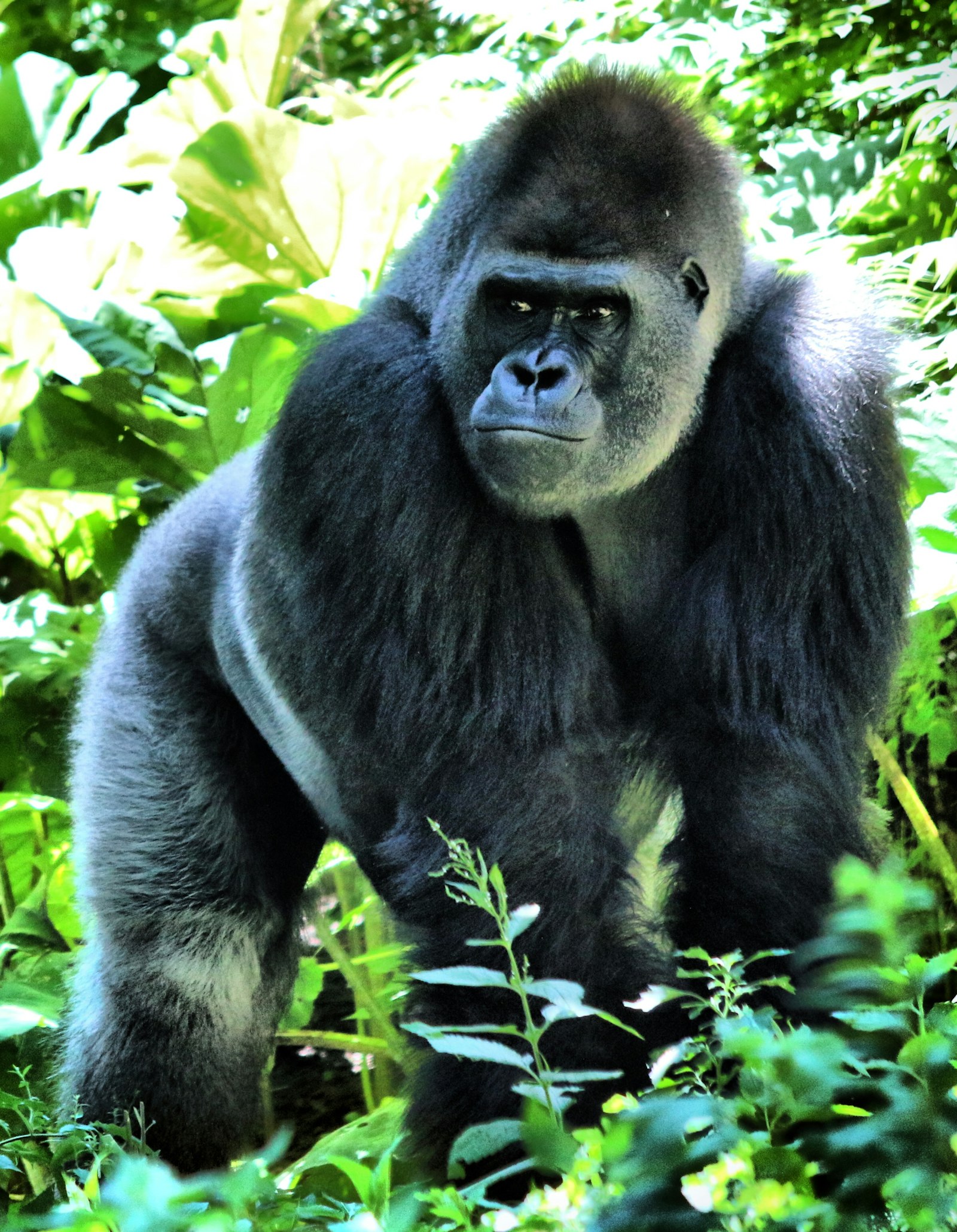
This Rwanda gorilla trekking guide starts with a simple truth: gorilla trekking in Rwanda is the most profound wildlife encounter available anywhere on earth. You hike into the volcanic forest of Volcanoes National Park, and eventually — after 30 minutes or six hours, depending on where the gorillas have moved — you push through a wall of vegetation and find yourself a few metres from a silverback mountain gorilla. He is enormous. He is watching you with the same complex, self-possessed attention you are giving him.
In that hour you spend with the family — the one-hour limit is strictly enforced — you understand something about what it means to be a primate, and about our relationship with the wild world, that no other wildlife encounter communicates at the same depth. Sense of Adventure arranges Rwanda gorilla trekking experiences from Kigali, including permits, park accommodation, and the full Volcanoes National Park circuit. This is the trip that changes people.
✅ Rwanda Gorilla Trekking Quick Answer
- Where: Volcanoes National Park, north-west Rwanda, about 2.5 hours by road from Kigali.
- Permit: USD 1,500 per person per trek, booked months ahead for peak season.
- Time with gorillas: one hour, in groups of up to eight trekkers.
- Best time: June–September and December–February, the drier months.
- Minimum age: 15 years. Moderate fitness is enough; porters are available.
Book Your Rwanda Gorilla Trek With Sense of Adventure
We handle Rwanda gorilla permits, Kigali flights, park accommodation, and the full logistics — so you can focus entirely on the moment you’ve been waiting for. Contact us today.
Why Rwanda for Gorilla Trekking?
Mountain gorillas exist only in three countries — Rwanda, Uganda, and the Democratic Republic of Congo — in a small patch of Afro-montane forest straddling the Virunga volcanic chain. Rwanda’s Volcanoes National Park holds approximately 12 habituated gorilla families available for trekking — each visited by a maximum of 8 guests per day.
Rwanda charges the world’s highest gorilla permit fee (USD 1,500 per person) and delivers the world’s best gorilla trekking experience in return: well-maintained trail infrastructure, excellent ranger-guide ratios, short drive times from Kigali, and gorilla families that are fully habituated and genuinely comfortable with human visitors at close range.
Rwanda also offers something Uganda does not: the possibility of combining gorilla trekking with the finest safari infrastructure in Central Africa. Kigali is one of Africa’s most efficient and pleasant cities to transit through. The country’s conservation investment is visible at every level — in the ranger training, the anti-poaching patrols, the community revenue-sharing that has turned local communities into the gorillas’ most committed defenders. When you pay USD 1,500 for a Rwanda gorilla permit, you know exactly what it is paying for.

Volcanoes National Park at a Glance
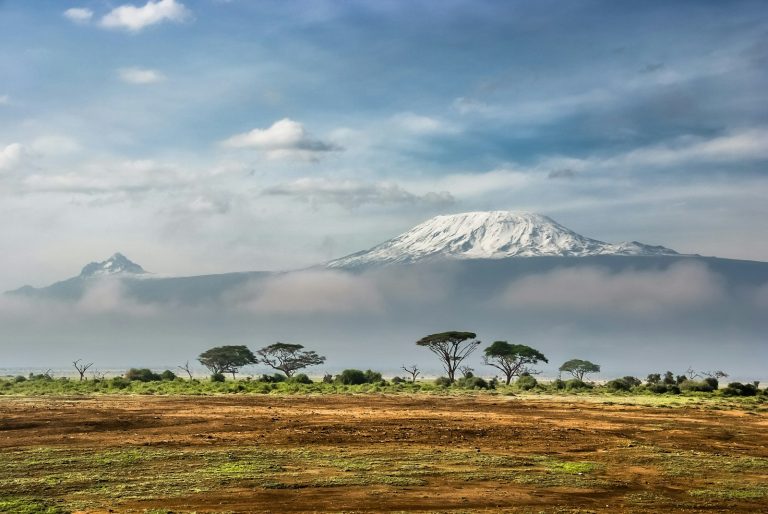
Volcanoes National Park covers around 160 square kilometres of the Rwandan side of the Virunga Mountains, a chain of volcanoes shared with Uganda and the Democratic Republic of Congo. It traces its origins to 1925, when the area became part of Africa’s first national park. The landscape climbs from farmland at the park boundary through bamboo forest and hagenia woodland to the alpine slopes of peaks such as Karisimbi, Rwanda’s highest mountain at about 4,500 metres.
The park was the base of the primatologist Dian Fossey, whose Karisoke Research Center, founded in 1967, helped bring mountain gorillas back from the edge of extinction. Thanks to decades of protection, mountain gorilla numbers have grown, and the species is now one of conservation’s genuine success stories. The Visit Rwanda website, run by the Rwanda Development Board, is the official source for park rules and permit information.
The Gorilla Families of Volcanoes National Park
Volcanoes National Park’s habituated gorilla families range in size from 7 to over 30 individuals. Each family has a defined home range within the park, a dominant silverback, and a personality that experienced guides describe in terms any family portrait photographer would recognise. Some families are at lower altitude — shorter, easier treks. Others range at 3,000+ metres in dense bamboo and hagenia forest.
Sense of Adventure advises on which family assignment suits each guest’s fitness level and trekking preference, and can request specific family assignments when booking. Final allocations are made by the park on the morning of the trek, so a request is never a guarantee — but telling the rangers about any fitness concerns at the briefing genuinely helps.
🦍 What Happens on a Gorilla Trek Day
06:00 — Pick-up from your lodge. Drive to the park briefing station.
07:00 — Park briefing at Kinigi HQ. Meet your ranger-guide team. Family assignment confirmed. Rules explained: stay 7 metres from the gorillas, no flash photography, cough into your elbow, leave if you feel unwell.
07:30 — Trek begins. Duration 30 minutes to 6+ hours depending on where the family has moved overnight. Trackers radio ahead with current location. The forest is extraordinary regardless — thick, green, volcanic, alive with bird calls.
Variable time — Contact with the gorilla family. Your one hour begins. The rangers manage distances and movements. Gorillas move freely — if they approach closer than 7 metres, you step back.
Return — Trek out. Certificate of completion at the park gate. Transfer back to lodge. The afternoon is typically spent in complete silence, processing what just happened.
Gorilla Trekking Rules and Etiquette
If you remember one section of this Rwanda gorilla trekking guide, make it this one. The rules exist to protect the gorillas, which share most of our DNA and can catch human illnesses such as colds and flu. If you are unwell on the morning of your trek, tell the rangers; they may ask you not to trek. Keep your voice low near the family, do not eat or drink close to the gorillas, and never try to touch them, even if a curious youngster comes close.
Follow your ranger’s instructions at all times. If a silverback grunts or charges, stay still, crouch down, look away and let the ranger handle it — running is the worst response. Leave nothing behind in the forest, and remember that Rwanda bans single-use plastic bags, so pack your gear in reusable bags.
Practical Information: Everything You Need to Plan Your Rwanda Gorilla Trek
| Detail | Information |
|---|---|
| Permit cost | USD 1,500 per person per trek |
| Booking lead time | 3–6 months in advance for peak season (Jun–Sep, Dec–Jan) |
| Best time | June–September (dry, firm trails) and December–January |
| Minimum age | 15 years |
| Fitness level | Moderate — some treks are steep and long; porters available |
| Group size | Maximum 8 per gorilla family per day |
| Nearest airport | Kigali International (KGL) — 2.5 hrs drive to park |
| What to wear | Long sleeves, long trousers, waterproof boots, gardening gloves |
How to Book Gorilla Permits
Permits are issued by the Rwanda Development Board and are tied to a specific date, not a specific family. Most travellers book through a tour operator, who secures the permit as part of the package and handles payment. Once bought, permits are generally non-refundable, so confirm your flights and dates before you commit. Ask us to check availability as soon as you have firm travel dates.
Best Time to Go Gorilla Trekking in Rwanda
Timing is one of the first questions we answer in this Rwanda gorilla trekking guide. Gorilla trekking runs all year, because the gorillas stay in the forest whatever the weather. Rwanda has two drier seasons and two wetter ones, and the main difference is how muddy the trails are.
- June–September: the long dry season and the most popular time. Trails are firmer and photography is easier, but permits sell out first.
- December–February: a shorter, drier spell and another busy period.
- March–May: the long rains. Trails are slippery, but the forest is lush and some lodges offer lower rates.
- October–November: the short rains, with a mix of sunshine and showers.
Getting to Volcanoes National Park
Kigali International Airport has direct flights from several European, Middle Eastern and African hubs, including frequent flights from Nairobi taking around an hour and a half. From Kigali, the scenic drive north to Musanze and the park headquarters at Kinigi takes about two and a half hours on a good tarmac road through terraced hills.
Because the trek briefing starts early, we recommend arriving at your lodge near the park the afternoon before. If your trip falls on the last Saturday of the month, note that Rwanda holds Umuganda, a national morning of community work, when traffic is restricted until around midday, so plan transfers around it.
Where to Stay Near the Park
Accommodation around Volcanoes National Park ranges from simple guesthouses in Musanze to mid-range lodges near Kinigi and a handful of exclusive luxury lodges on the edge of the forest. Staying close to Kinigi makes the early start easier. Nights at this altitude are cool, so most lodges offer fireplaces or hot water bottles — a welcome comfort after a muddy trek. Our Rwanda gorilla trekking guide advice is simple: stay as close to Kinigi as your budget allows.
Fitness, Porters and What to Pack
Fitness comes up in almost every conversation about this Rwanda gorilla trekking guide. You do not need to be an athlete, but you should be comfortable walking for several hours on steep, uneven ground at altitudes between about 2,500 and 3,000 metres. Regular walks or hikes in the weeks before your trip make a real difference. Our honest guide to safari fitness includes a simple preparation plan.
Hiring a local porter at the trailhead is strongly recommended. Porters carry your daypack, help you over slippery sections, and the income supports families living around the park, many of them former poachers or their relatives.
- Waterproof hiking boots with good grip, already broken in.
- Long trousers and a long-sleeved shirt to protect against nettles and ants.
- Gardening gloves for grabbing vegetation.
- A lightweight rain jacket, even in the dry season.
- Gaiters or long socks to tuck your trousers into.
- A small daypack with water, snacks and a packed lunch.
- A camera without flash, with spare batteries in a waterproof bag.
Other Things to Do in Volcanoes National Park
Golden Monkey Trekking
The endangered golden monkey lives in the park’s bamboo forest. Treks are shorter and gentler than gorilla treks, and the playful monkeys make a lovely contrast. Our Rwanda Gorillas and Golden Monkeys (5 Days) trip includes both.
Dian Fossey Tomb Hike and Mount Bisoke
A steep hike leads to the former Karisoke research camp and the graves of Dian Fossey and many of the gorillas she studied. Fitter walkers can climb Mount Bisoke, a full-day hike to a crater lake on the summit, with views across the Virunga chain on clear days.
Rwanda Gorilla Trekking Guide: Ready-Made Packages
Every trip below follows the advice in this Rwanda gorilla trekking guide. Choose a ready-made trip or ask us to adapt one to your dates:
- Rwanda Gorilla Trek – Express (3 Days)
- Rwanda Gorillas and Nyungwe Chimps (6 Days)
- Kenya and Rwanda Safari – Masai Mara and Mountain Gorillas (8 Days)
- Gorillas and Savannah – Rwanda, Uganda and Kenya (11 Days)
Package prices change with permit availability, season and lodge choice, so check current rates with us on WhatsApp.
Combining Rwanda Gorillas With Kenya Safari
The most popular Sense of Adventure East Africa circuit: fly into Nairobi, connect to Kigali for 2–3 nights gorilla trekking in Volcanoes National Park, then return to Kenya for the Masai Mara safari. The combination delivers the two most emotionally intense wildlife experiences in Africa — gorillas and the Great Migration — in a single 8–10 day trip. Both Nairobi and Kigali have multiple daily direct connections. Sense of Adventure handles the full logistics of cross-border East Africa circuits. For alternative gorilla options, read our Uganda gorilla trekking guide and our gorilla permits comparison guide.
Health, Visas and Safety
Check your visa requirements well ahead; Rwanda offers visas on arrival or online for many nationalities, and the official Visit Rwanda site and the UK foreign travel advice for Rwanda carry the latest rules. Volcanoes National Park itself is cool and high, but parts of Rwanda carry a malaria risk, so speak to a travel clinic. The World Health Organization has useful background. If you are arriving from Kenya, carry your yellow fever certificate.
1,063 Mountain Gorillas. One Permit. One Unforgettable Hour.
Permits sell months in advance. Contact Sense of Adventure now to secure your Rwanda gorilla trek date before it’s gone.
Frequently Asked Questions — Rwanda Gorilla Trekking
How far in advance should I book Rwanda gorilla permits?
For peak season (June–September and December–January) — 4 to 6 months minimum. Rwanda’s permits are limited to 8 guests per family per day, and families fill quickly during high season. Sense of Adventure checks availability on request and books permits as part of the full trip package. If your preferred dates are sold out, we can offer alternatives at Uganda’s Bwindi Impenetrable Forest.
Is the Rwanda gorilla trek physically demanding?
It depends entirely on which family you are assigned. Some families range at lower altitude on well-maintained trails — 1 to 2 hours’ trekking each way, moderate terrain. Others range at 3,000+ metres in steep, dense forest — 4 to 6 hours of difficult terrain. Porters are available at the park gate for a small fee and are strongly recommended for anyone with any fitness concerns. Sense of Adventure assesses guest fitness levels and requests appropriate family assignments accordingly.
What is the difference between Rwanda and Uganda for gorilla trekking?
Rwanda offers a higher-end experience (better infrastructure, shorter drive times from Kigali, premium lodges) at a higher permit cost (USD 1,500, compared with a considerably lower fee in Uganda — check current Uganda Wildlife Authority rates). Uganda offers the more affordable option and the possibility of combining with chimpanzee trekking and Queen Elizabeth National Park. Both deliver genuine, profound gorilla encounters. Our gorilla permits comparison guide covers this in full detail, and the Uganda Wildlife Authority publishes Uganda’s official fees.
Can I see gorillas if it rains?
Yes — gorilla trekking proceeds in all weather. The gorillas do not stop moving because of rain, and the forest in the rain has its own extraordinary atmosphere. Good waterproof gear is essential. The dry season (June–September) is easier underfoot but the rain season still produces successful treks. Sense of Adventure provides a full equipment list to all Rwanda guests before departure.
How many days do I need in Rwanda for gorilla trekking?
Three days is the practical minimum: one day to travel from Kigali to the park, one day to trek, and one day to return. Four to six days lets you add golden monkeys, the Dian Fossey hike, Lake Kivu or chimpanzees in Nyungwe Forest, and gives you a spare day if weather or flights cause delays.
What is the minimum age for gorilla trekking in Rwanda?
The minimum age is 15 on the day of the trek, and park staff may ask for proof of age. Younger children cannot trek gorillas, but families can enjoy cultural visits, short nature walks and Lake Kivu while older members trek. Our guide to safari minimum ages covers the details.
What does this Rwanda gorilla trekking guide recommend for first-timers?
Book permits early, arrive near the park the day before, hire a porter and pack proper waterproof boots and gloves. Tell the rangers honestly about your fitness at the briefing so they can match you to a suitable family. Above all, put the camera down for a few minutes and simply watch.