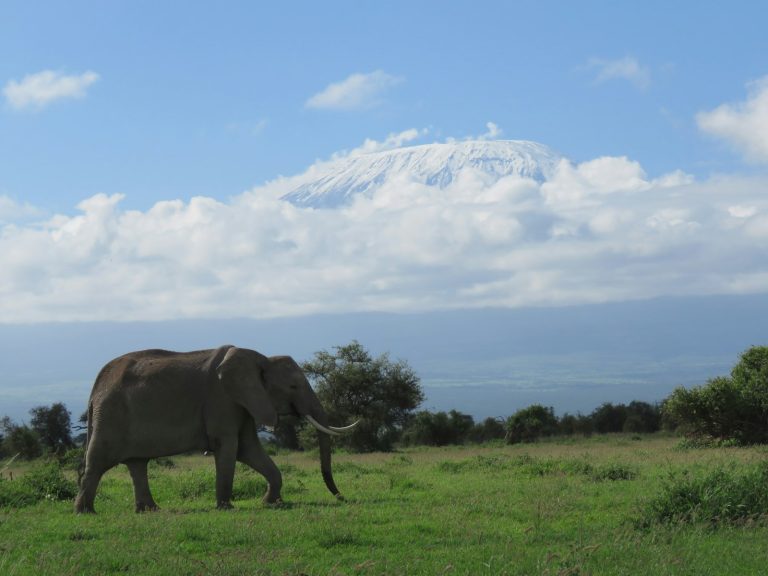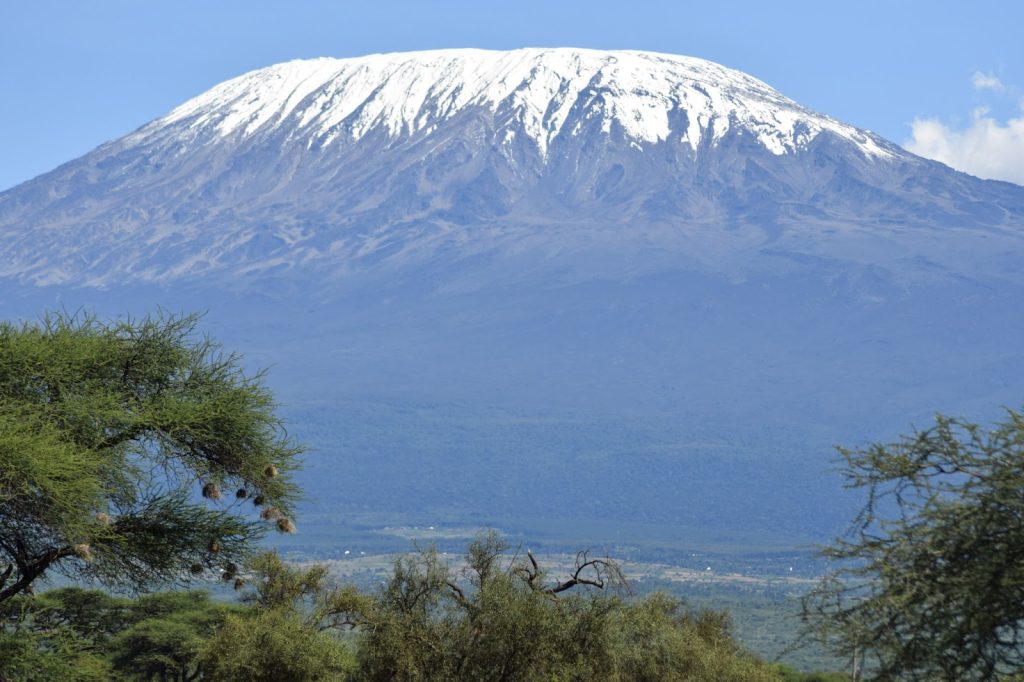
The air is cool and still when you leave camp. Yellow fever trees glow green-gold along the spring-fed channels, and a breath of mist lies on the swamp. Your guide stops and points: a line of elephants is walking out of the trees, the matriarch first, a tiny calf tucked under its mother. Behind them, far to the south, the snows of Kilimanjaro float above a band of cloud. A Maasai ranger lowers his binoculars and smiles. This is land his community chose to share with wildlife.
Kimana Wildlife Sanctuary is a 5,700-acre community-owned sanctuary near Kimana town in Kajiado County, southern Kenya, between Amboseli National Park and the Chyulu Hills. Created in 1996 and owned by 844 Maasai landowners, it protects a vital elephant corridor linking Amboseli with Tsavo, with Kilimanjaro views, springs and swamps.
Sense of Adventure is a Nairobi-based safari company at Mountain Mall on Thika Road, licensed by Kenya’s Tourism Regulatory Authority (TRA1/47/C01/77087). We plan Amboseli safaris every month of the year, and the Kimana Wildlife Sanctuary is one of our favourite answers when travellers ask for elephants and Kilimanjaro without the crowds. This guide covers its history, the Maasai landowners and the Big Life rangers, the wider Amboseli group ranches, wildlife and honest odds, access, fees, seasons, rules, where to stay and a sample itinerary. Start with our Amboseli National Park guide for the park itself.
✅ Kimana Wildlife Sanctuary: The Quick Answer
- Where: beside Kimana town in Kajiado County, on the Emali to Oloitokitok road, about 45 minutes from Amboseli National Park.
- Best for: elephants, Kilimanjaro views, walking safaris, night drives and travellers who want community conservation at its best.
- Best time: the dry months, June to October and January to February, when elephants gather at the springs and swamps.
- Entry fee: no public conservancy fee is published; it is confirmed in your quote. Amboseli park fees apply only if you enter the park.
- How long to stay: two to three nights, with at least one day in Amboseli National Park.
- Getting there: about 3 hours 30 minutes on paved road from Nairobi, or a daily scheduled flight from Wilson Airport to Kimana airfield.
🐘 Elephants and Kilimanjaro Without the Crowds?
Tell us your dates and we will check availability in the Kimana Sanctuary and plan your Amboseli days around the best light.
🏔 Check Kimana Sanctuary DatesPrefer to talk first? 💬 WhatsApp Us Now or call +254 799 160 081
What Is the Kimana Wildlife Sanctuary?
The Kimana Wildlife Sanctuary is a small, private-feeling wildlife area on Maasai community land, set where the Amboseli ecosystem meets the corridor to the Chyulu Hills and Tsavo West.
Big Life Foundation describes the sanctuary as the easternmost part of the Kimana Corridor, which links the Amboseli and Tsavo ecosystems. The Sheldrick Wildlife Trust adds that it connects Amboseli with the Chyulu Hills and Tsavo West National Park. Inside, spring-fed streams feed the Kimana swamps and groves of yellow fever trees, a rare source of permanent water in this dry country.
Why the Kimana Corridor matters
Most of the Amboseli ecosystem lies outside the national park, on Maasai group ranches. Elephants, lions and other animals move across that land between the park, the Chyulus and Tsavo. If farms, fences and buildings close the gaps, the animals are cut off. The Kimana Wildlife Sanctuary keeps one of the key doors open, which is why conservation groups have worked so hard to secure it.
The Kimana Sanctuary at a glance
| Fact | Detail |
|---|---|
| Size | 5,700 acres |
| Owners | 844 Maasai landowners |
| Created | 1996, as one of the first community-owned sanctuaries in East Africa |
| Location | Kimana, Kajiado County, about 1,100 m above sea level |
| Managed with | Big Life Foundation (lease from late 2017/2018) and, since 2021, a tourism sub-lease with Angama |
| Landscape | Springs, swamps, yellow fever tree groves and open grassland |
The History of the Kimana Wildlife Sanctuary
The Kimana Wildlife Sanctuary has gone from pioneering idea to near collapse and back again, and its recovery is one of the best community conservation stories in Kenya.
According to Big Life Foundation, the sanctuary was created in 1996 as one of the first community-owned and community-run wildlife sanctuaries in East Africa. Over the following years it declined, held back by infighting, mismanagement and operators who did not deliver. By 2013, after its tourism operator left following a legal dispute, it was at its lowest point.
Rescue and relaunch
In late 2017 and 2018, Big Life Foundation took over the lease and management, with funding from the Sheldrick Wildlife Trust, on a 21-year lease agreed with the landowners. The D.N. Batten Foundation paid for assets including four ranger outposts, and UNDP and GEF funding renovated a self-catering house and two campsites, which reopened in September 2018. Big Life reports that visitor numbers rose from 165 in the first half of 2018 to 741 a year later, and the community relaunched the sanctuary in 2019.
The Angama partnership
In September 2021, Big Life announced a sub-lease with Angama, aimed at making the sanctuary financially self-sufficient. Angama Amboseli, a camp of ten tented suites, was announced to open in November 2023. Lease payments and fees from tourism go to the landowners, giving them a steady income for keeping the land open to wildlife.
The People of the Kimana Wildlife Sanctuary: Maasai Landowners and Rangers
The Kimana Wildlife Sanctuary belongs to 844 Maasai landowners, and it is protected by community rangers who live in the villages around it.
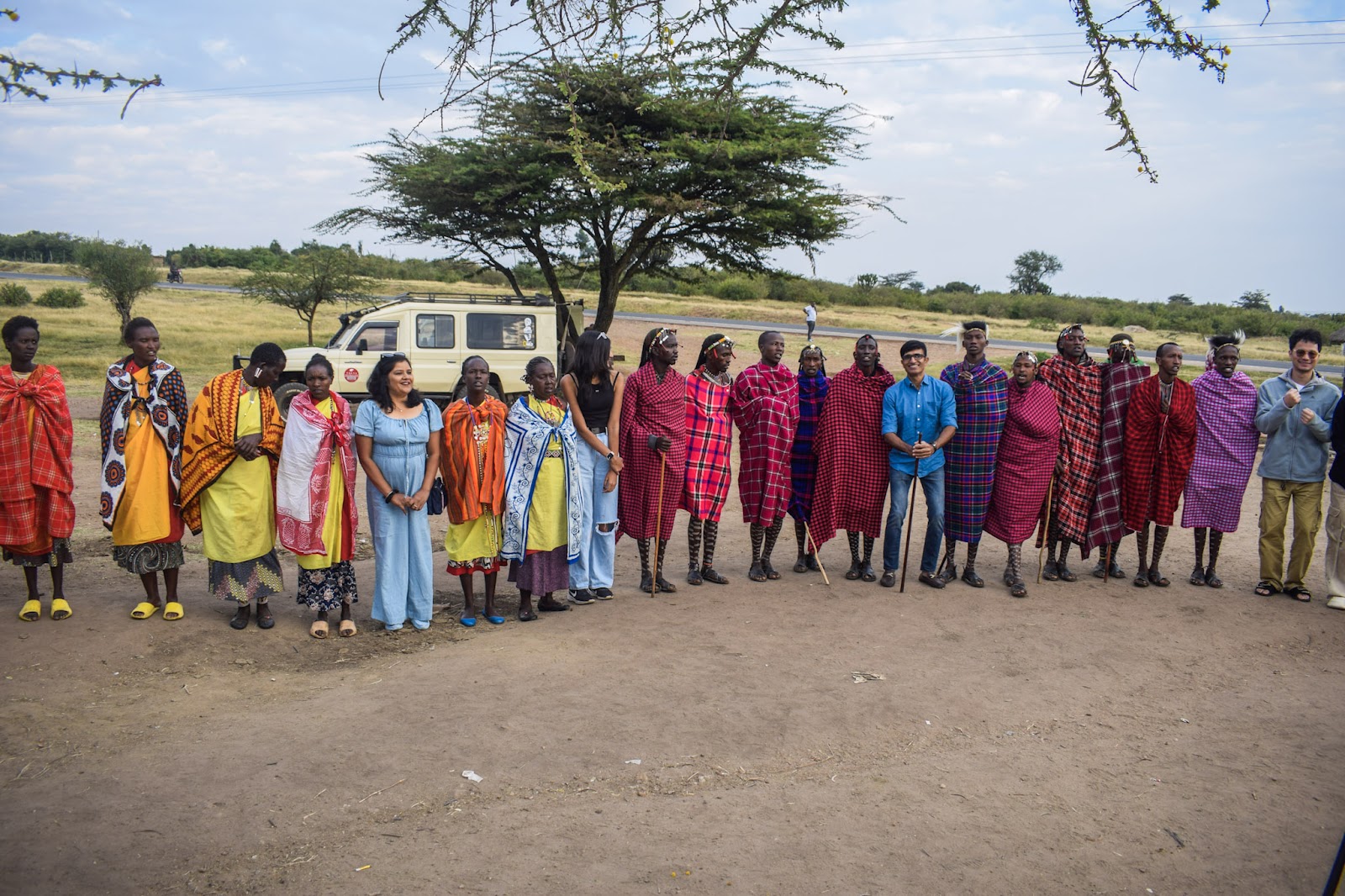
For the Maasai of the Amboseli area, cattle are wealth, culture and daily life, and the land has always been shared with wildlife. That sharing has costs: elephants raid crops, and lions and hyenas take livestock. The sanctuary turns wildlife into a source of income instead. In early 2019, Big Life reported that gate fees of about US$10,000 and lease payments of US$58,000 had reached the community.
Big Life Foundation and its rangers
Big Life Foundation was founded in 2010 by photographer Nick Brandt, conservationist Richard Bonham and Tom Hill, and works across about two million acres of the Amboseli, Tsavo and Kilimanjaro ecosystem. Its rangers, recruited from local communities, patrol from permanent outposts and mobile units, tackle poaching and help reduce conflict between people and wildlife.
Predator compensation and the Maasai Olympics
Since 2003, Big Life’s Predator Compensation Fund has paid part of the value of livestock killed by lions, leopards, cheetahs or hyenas, but pays nothing if anyone kills a predator. Big Life says the ecosystem now holds more than 250 lions, and the number is growing. The Maasai Olympics, first held in 2012, replace the old rite of lion hunting with athletics such as javelin, high jump and running races, and are held every two years, with the next edition planned for December 2026.
Expert tip from our Nairobi team: when you visit a Maasai village, go with a guide from that community, ask before taking photographs and buy beadwork directly from the women who make it. That way your visit is welcome, respectful and puts money straight into local hands.
The Amboseli Group Ranches Around Kimana
The Kimana Wildlife Sanctuary is one piece of a much larger patchwork of Maasai group ranches that surrounds Amboseli National Park.
The main ranches include Olgulului-Ololarashi, which surrounds much of the park, Mbirikani, Eselengei (often written Selenkay), Rombo, Kuku and the former Kimana Group Ranch. Big Life lists Mbirikani, Eselengei, Rombo and Kimana as its core areas. Within the old Kimana ranch, other small conservancies such as Osupuko, Nailepu and Kilitome have also been set up by landowners.
Subdivision and the future of the corridor
Many group ranches are being subdivided into private plots. A 2025 report in The Star said that subdivision plans covering about one million acres and some 25,000 members had been completed for Mbirikani, Olgulului, Eselengei and Rombo. Once land is divided, fences and farms often follow. Leases such as Kimana’s, which pay landowners to keep land open, are one of the main tools for keeping wildlife moving.

Wildlife in the Kimana Wildlife Sanctuary: What You Will See
Elephants are the stars of the Kimana Wildlife Sanctuary, with a good supporting cast of plains game and a real chance of cats.
Big Life describes large seasonal elephant families and big tuskers visiting the sanctuary, and the famous Amboseli tusker Tim was among the bulls recorded there before his death in 2020. Angama lists eland, buffalo, reedbuck, giraffe, zebra, warthog, leopard, cheetah and serval, and the Nation has reported zebra, wildebeest and giraffe. Lions use the wider corridor, but sightings inside the sanctuary are not guaranteed.
Honest sighting odds in the Kimana Wildlife Sanctuary
| Species | Chance on a 2-night stay | Notes |
|---|---|---|
| Elephant | Very high | Especially in the dry months near springs and swamps |
| Giraffe, zebra, eland | High | Open grassland and woodland edges |
| Buffalo and warthog | Good | Near water and swamp edges |
| Kilimanjaro view | Good | Clearest early and late in the day; often cloudy midday |
| Cheetah and serval | Fair | Open areas; serval best on night drives |
| Leopard | Low | Present but shy |
| Lion | Low to fair | Move through the corridor; better odds in Amboseli park |
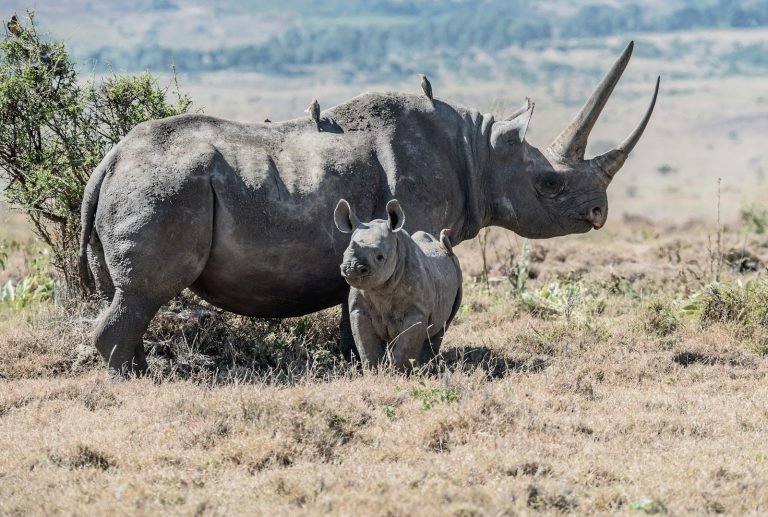
| Rhino | None | Add Ol Pejeta or Lake Nakuru if rhino matters |
Birds of the Kimana swamps
The springs and swamps of the Kimana Wildlife Sanctuary attract herons, egrets, storks and kingfishers, while raptors hunt over the grassland. Amboseli National Park next door records over 400 bird species, according to KWS, and many of them use the sanctuary too. For more, read our guide to Amboseli birds and wetlands.
Things to Do in the Kimana Wildlife Sanctuary
The Kimana Wildlife Sanctuary offers what the national park cannot: walks, night drives and quiet game viewing on community land.
Game drives and night drives
In the Kimana Wildlife Sanctuary, Angama lists morning, afternoon and all-day drives, plus night drives, for guests staying in the sanctuary. Night drives are your best chance for serval, genet, bushbabies and other nocturnal animals, and they are not allowed inside the national park itself.
Walking safaris
Guided walks inside the Kimana Wildlife Sanctuary let you read tracks, learn plants and feel the scale of an elephant from ground level. Walks are led by trained guides, often with a Maasai ranger, and follow strict safety rules.
Day trips into Amboseli National Park
Amboseli National Park is about 45 minutes away, through KWS Kimana Gate. A full day in the park adds the great swamps, Observation Hill and the classic elephant herds. Read our guide to the best Kilimanjaro views from Amboseli to plan your photography.
Cultural visits
Visits to Maasai homesteads, arranged with the community, are a chance to learn about cattle, family life and the beadwork that is famous across the region. Ask your guide about community and school projects supported by the sanctuary.
🚶 Walk, Night Drive or Full Day in Amboseli?
Tell us what you most want from the Kimana Sanctuary and we will balance walks, night drives and park days in your plan.
🧭 Build My Kimana DaysGetting to the Kimana Wildlife Sanctuary
You can reach the Kimana Wildlife Sanctuary in about three and a half hours by road from Nairobi, or by a short scheduled flight from Wilson Airport.
By road from Nairobi
Drive south-east on the Nairobi to Mombasa road to Emali, then turn south on the Emali to Oloitokitok road. The sanctuary lies about 80 km south of Emali, near Kimana town. Angama gives the journey from Nairobi to the gate as about 3 hours 30 minutes on paved road. For all the options, see our Nairobi to Amboseli route guide.
By air
Safarilink flies daily from Wilson Airport in Nairobi to Kimana airfield, which lies inside the sanctuary. Light aircraft have strict soft-bag luggage limits, so pack light. If you are coming from Tsavo or the coast, a road transfer via the Chyulu Hills is also possible; see our Chyulu Hills National Park guide.
| Route | Typical time | Notes |
|---|---|---|
| Nairobi to Kimana by road | About 3 hours 30 minutes | Via Emali; paved road |
| Emali to Kimana | About 80 km | Emali to Oloitokitok road |
| Wilson Airport to Kimana airfield | Short scheduled flight | Daily Safarilink service |
| Kimana to Amboseli National Park | About 45 minutes | Via KWS Kimana Gate |
| Kimana to Tsavo West | A few hours by road | Via the Chyulu Hills area |
Kimana Wildlife Sanctuary Fees and Amboseli Park Fees 2026
There is no published public entry fee for the Kimana Wildlife Sanctuary; conservancy charges are confirmed in your quote, and KWS fees apply only on days you enter Amboseli National Park.
Because the sanctuary’s tourism is now run under a sub-lease, conservancy fees are set privately and are not listed on an official website. We confirm them in writing before you book. If you spend a day in the national park, KWS charges the fees below, paid online through eCitizen. Check the official KWS Amboseli page and our Kenya national parks entrance fees 2026 guide.
| Amboseli National Park visitor category | Adult (per day) | Child (per day) |
|---|---|---|
| Non-resident | USD 90 | USD 45 |
| African citizen | USD 50 | USD 25 |
| Kenya resident | KES 2,025 | KES 1,050 |
| East African citizen | KES 1,500 | KES 750 |
These are the KWS rates in force since October 2025, as shown in our Amboseli guide. Fees and park management arrangements can change, so we confirm every charge in your written quote.
📅 Get a Free, No-Obligation Safari Quote
Send us your dates and group size, and we will reply with a written Kimana and Amboseli plan showing every fee.
✉ Send Us Your Dates on WhatsAppBest Time to Visit the Kimana Wildlife Sanctuary
The best time to visit the Kimana Wildlife Sanctuary is in the dry seasons, June to October and January to February, when animals stay close to the springs and swamps.
UNESCO describes the Amboseli area as semi-arid, with about 340 mm of rain a year because it lies in Kilimanjaro’s rain shadow. The long rains fall from March to May and the short rains from October to December. The wet months bring green grass and calves but more cloud over the mountain. See our Kenya weather by month guide.
| Months | Weather | What to expect |
|---|---|---|
| January to February | Warm and mostly dry | Good game, calves, fine mountain mornings |
| March to May | Long rains | Lush and quiet; more cloud on Kilimanjaro |
| June to October | Cool and dry | Peak elephant viewing near water; dusty |
| November to December | Short rains | Fresh grass, good birding, showers in the afternoon |
Expert tip from our Nairobi team: Kilimanjaro is usually clearest at dawn and in the last hour before sunset. Ask to be out early, have breakfast after your first drive, and save a late afternoon for the mountain view.
Rules and Safety in the Kimana Wildlife Sanctuary
The Kimana Wildlife Sanctuary follows conservancy rules set to protect wildlife, the landowners and guests.
- Guided activities only: walks and night drives are led by trained guides.
- Respect the animals: keep a safe distance, never feed wildlife and keep voices low.
- Ask before photographing people: always ask Maasai hosts first.
- Drones: drone flights in Kenya need official approval; do not fly without permission.
- Plastic-free: Kenya bans single-use plastic bags; bring a refillable bottle.
- In Amboseli park: stay on roads, keep to 40 km/h and observe gate hours, 6.00 am to 6.00 pm.
Kajiado County and Amboseli are not on the UK government’s lists of areas to avoid, but read the UK Foreign Office travel advice for Kenya before you travel.
How Many Days Do You Need?
Two to three nights in the Kimana Wildlife Sanctuary is ideal: one full day in the sanctuary and one in Amboseli National Park.
With two nights you can walk, take a night drive and spend a morning in the park. With three, you add time for the Kilimanjaro light and a cultural visit. For help fitting Kimana into a longer trip, read how many days you need on a Kenya safari.
Where to Stay in the Kimana Sanctuary
Inside the Kimana Wildlife Sanctuary, the main place to stay today is Angama Amboseli, a camp of ten tented suites with views of Kilimanjaro.
Angama states that its guests have exclusive traversing rights in the sanctuary, so access for other visitors may be limited. The self-catering house and campsites reopened in 2018, but we could not confirm whether they are open to the public in 2026, so ask us. For more choices, including other camps on the Amboseli group ranches, read our Amboseli conservancy lodges and luxury lodges in Amboseli guides.
🏕 Kimana Sanctuary or Another Amboseli Camp?
Tell us your budget and style, and we will help you choose between the Kimana Sanctuary, park lodges and other conservancy camps.
🛏 Help Me Choose a CampWhat to Pack for Kimana and Amboseli
For the Kimana Wildlife Sanctuary, pack layers, sun protection and good walking shoes: mornings are cool, middays hot and dusty.
- A warm fleece or jacket for dawn drives and night drives.
- Light, neutral-coloured clothes for the day.
- Comfortable walking shoes for guided walks.
- Sunglasses, a hat and high-factor sunscreen.
- A light scarf or buff for dust in the dry season.
- Binoculars and a camera with a zoom lens.
- A soft duffel bag if you are flying in.
See our full what to pack for an African safari list.
Combining the Kimana Wildlife Sanctuary With Nearby Parks
The Kimana Wildlife Sanctuary sits at the crossroads of southern Kenya’s best safari country, so it combines easily with other parks.
- Amboseli National Park: 45 minutes away for the swamps and big herds; read our Amboseli National Park guide.
- Chyulu Hills: green volcanic hills to the east; see our Chyulu Hills National Park guide.
- Tsavo West: lava flows, Mzima Springs and red elephants; read our Tsavo West National Park guide.
- The Masai Mara: fly or drive west for the big cats; see our Masai Mara National Reserve guide.
Sample 3-Day Kimana Wildlife Sanctuary Itinerary
This plan shows how a short Kimana Wildlife Sanctuary safari works from Nairobi.
- Day 1, Nairobi to Kimana: morning flight or drive via Emali, lunch in camp, then an afternoon drive along the swamps and a first look at Kilimanjaro at sunset.
- Day 2, Amboseli National Park: an early start through Kimana Gate for the big herds and Observation Hill, back to camp for a night drive.
- Day 3, walk and return: a dawn walk with a guide and Maasai ranger, breakfast, then fly or drive back to Nairobi.
Short on time? Our 2-Day Amboseli Safari from Nairobi can be adapted to include a night near Kimana, and photographers can extend it with our Amboseli Elephant Photographic Safari (4 Days). Message us for a quote, or ask for a private Kenya safari or luxury Kenya safari built around Kimana.
Kimana Wildlife Sanctuary FAQs
Where is Kimana Wildlife Sanctuary?
The sanctuary lies beside Kimana town in Kajiado County, southern Kenya, on the Emali to Oloitokitok road about 80 km south of Emali. It sits between Amboseli National Park and the Chyulu Hills, about 45 minutes from the park, and forms the eastern end of the Kimana Corridor towards Tsavo.
How big is Kimana Sanctuary?
Kimana Sanctuary covers about 5,700 acres of Maasai community land. It is owned by 844 landowners and was created in 1996 as one of the first community-owned wildlife sanctuaries in East Africa. Big Life Foundation has managed the lease since late 2017 or 2018.
Who owns and runs Kimana Wildlife Sanctuary?
The land belongs to 844 Maasai landowners. Big Life Foundation took over the lease and management with funding from the Sheldrick Wildlife Trust, and in 2021 a tourism sub-lease was agreed with Angama, which now runs the Angama Amboseli camp inside the sanctuary.
What animals can you see in Kimana Sanctuary?
Elephants are the highlight, including large family herds in the dry season. Giraffe, zebra, eland, buffalo, warthog and reedbuck are common, while cheetah, serval and leopard are seen less often. Lions use the wider corridor, but sightings are not guaranteed. There are no rhinos.
Can you do walking safaris and night drives at Kimana?
Yes. Camps in the sanctuary offer guided walks and night drives, which are not allowed inside Amboseli National Park. Night drives give you the best chance of serval, genets and bushbabies, while walks with a guide and Maasai ranger reveal tracks, plants and smaller wildlife.
How do you get to Kimana Wildlife Sanctuary from Nairobi?
Drive south-east to Emali, then south on the Emali to Oloitokitok road; the trip takes about three and a half hours on paved road. Alternatively, Safarilink flies daily from Wilson Airport to Kimana airfield, which lies inside the sanctuary itself, saving you most of the drive.
Is there an entry fee for Kimana Sanctuary?
No public conservancy fee is published, because tourism now runs under a private sub-lease. We confirm the conservancy charges in writing in your quote. If you visit Amboseli National Park, KWS fees apply, currently USD 90 per non-resident adult per day.
What is the best time to visit Kimana?
The dry months, June to October and January to February, are best, because elephants gather near the springs and swamps and roads are dusty but easy. The long rains run from March to May and short rains from October to December, bringing green grass and more cloud.
🏕 Plan Your Kimana Wildlife Sanctuary Safari With Sense of Adventure
Kenya-based experts. Real local knowledge. Transparent pricing.
We plan Amboseli and Kimana safaris from our Nairobi office, with honest advice on camps, fees and the best time for Kilimanjaro. Tell us your dates and we will handle flights or road transfers, your camp and your park days.
💬 Plan My Kimana Safari✉ Email Our Amboseli TeamCall or WhatsApp: +254 799 160 081 · Email: info@senseofadventure.co.ke
💬 WhatsApp Us — Start Planning Today
Related Safari Guides
- › Amboseli National Park Guide
- › Amboseli Conservancy Lodges
- › Kilimanjaro View From Amboseli
- › Chyulu Hills National Park Guide
- › Kenya National Parks Entrance Fees 2026
Official travel & park resource: Kenya Wildlife Service ↗ · Conservation partner: Big Life Foundation: Kimana Sanctuary ↗ · Tourism: Magical Kenya: Amboseli ↗