The boat slides along the brown water of the Tana, and the forest closes in on both banks: tall figs, tangled lianas, a green wall loud with birds. Your guide cuts the engine. High in the canopy, a branch bends. Then you see it, a red-capped monkey with a pale face, leaping between crowns, followed by another, and another. A troop of mangabeys chatters somewhere below. In this thin ribbon of forest, you are watching animals that live almost nowhere else on Earth.
Tana River Primate Reserve (officially Tana River Primate National Reserve) is a riverine forest and savannah reserve of about 169 square kilometres on the lower Tana River in Tana River County, eastern Kenya. Gazetted in 1976, it protects two Critically Endangered monkeys found only here, the Tana River red colobus and the Tana River mangabey.
Sense of Adventure is a Nairobi-based safari company at Mountain Mall on Thika Road, licensed by Kenya’s Tourism Regulatory Authority (TRA1/47/C01/77087). We plan specialist trips well off the main safari circuit, and we are honest about which places are easy and which need careful planning. The Tana River Primate Reserve is firmly in the second group. This guide covers its endemic primates, forest and birds, the Pokomo, Orma and Wardei people of the river, its troubled history, fees, access, security advice, the best months and how a visit could work. For other little-known parks, see our best hidden national parks in Kenya.
✅ Tana River Primate Reserve: The Quick Answer
- Where: the lower Tana River in Tana River County, eastern Kenya, between Garsen and Hola, about 350 km east of Nairobi as the crow flies.
- Best for: primate enthusiasts, serious birders, researchers and travellers who want somewhere truly remote.
- Best time: the drier months, roughly January to March and July to September, outside the long and short rains.
- Entry fee: KWS 2025 regulations list non-resident adults at USD 40, Kenyan residents at KES 675 and East African citizens at KES 500.
- How long to stay: two to three nights for the forest itself, plus travel days from Malindi or Nairobi.
- Getting there: by road via Malindi and Garsen; facilities are very limited and current security advice must be checked first.
🐒 Dreaming of Seeing the Tana River Red Colobus?
This is a specialist trip, not a standard safari. Tell us your dates and we will check access, security advice and what is possible before you commit.
🌿 Ask If Tana Is Possible NowPrefer to talk first? 💬 WhatsApp Us Now or call +254 799 160 081
What Is the Tana River Primate Reserve?
The Tana River Primate Reserve is a protected stretch of the lower Tana River where patches of evergreen riverine forest survive in a dry, semi-arid landscape.
Government figures put the reserve at about 169 square kilometres, and the Key Biodiversity Areas factsheet gives a similar 17,100 hectares. Only around 13 square kilometres of that is forest. The rest is open bushland and grassland on both banks of the river, at just 40 to 70 metres above sea level. Locally, the area is often called Muchelelo, after the old village of Mchelelo.
Kenya’s longest river rises on Mount Kenya and the Aberdares. In its lower reaches, the river spreads groundwater sideways into the soil, and that water keeps the forest alive where rain alone could not. When rain falls far upstream, the lower Tana floods, renewing the forest. You can see the same river in a very different mood at Mwea National Reserve and on the wild south bank at Kora National Park.
The lower Tana River forests
The Key Biodiversity Areas factsheet describes about 3,700 hectares of forest along the lower river, split into some 71 separate patches. Only 16 patches, about 1,000 hectares, lie inside the reserve. That matters: an estimated 63% of the red colobus and 44% of the mangabeys live outside the reserve boundary, in forest owned and used by local communities. The whole lower Tana River forests site is an Alliance for Zero Extinction site, a label given to places that hold the last population of a threatened species.
Is the Tana River Primate Reserve still protected?
Be clear about one thing before you plan. In January 2007, Kenya’s High Court ruled that the reserve had not been created in accordance with the law and ordered it degazetted. Yet KWS’s 2025 fee regulations still list Tana River Primate National Reserve, and local leaders have since called on KWS to revive the abandoned research centre. In practice, the Tana River Primate Reserve sits in a legal grey zone, with very little tourism.
The Endemic Primates: Red Colobus and Mangabey
The Tana River Primate Reserve exists for two monkeys: the Tana River red colobus and the Tana River mangabey, both listed by the IUCN as Critically Endangered.
Tana River red colobus
The flagship of the Tana River Primate Reserve is the Tana River red colobus (Piliocolobus rufomitratus), a leaf-eating monkey with a reddish cap and a long tail. It spends most of its life high in the canopy and depends on large trees. A study summary in Conservation Evidence reports that numbers fell from 1,200 to 1,800 in 1975 to only 200 to 300 by 1985. A 2000 census counted about 780 animals, and a later national wildlife census reported by the Kenya News Agency counted 1,219.
Tana River mangabey
The Tana River mangabey (Cercocebus galeritus) is a grey-brown monkey that forages lower down and often on the forest floor, turning over leaf litter for seeds, fruit and insects. It is noisier and more sociable than the colobus, and troops can be heard before they are seen. The 2000 census counted 2,609 mangabeys, and the later census reported 1,650. Both species remain at real risk from forest loss.
Other primates you may see
The same national census recorded Sykes monkeys, yellow baboons and vervet monkeys in the area, and Tana River County holds eight primate species in all. For an introduction to Kenya’s more familiar monkeys, read our guide to the primates of Kenya.
| Species | IUCN status | Your chance on a guided visit | Notes |
|---|---|---|---|
| Tana River mangabey | Critically Endangered | Good with a local guide | Noisy troops, often low in the forest |
| Tana River red colobus | Critically Endangered | Fair to good with patience | High canopy; needs large trees |
| Sykes monkey | Least Concern | Good | Common in forest patches |
| Yellow baboon | Least Concern | Good | Forest edges and open bush |
| Vervet monkey | Least Concern | Fair | Bushland and near villages |
| Pel’s fishing owl | Least Concern | Low | Shy, nocturnal; the area is a stronghold |
These odds are our honest estimate for the Tana River Primate Reserve, for visitors who walk the forest with an experienced local guide. They are not guaranteed, and forest primates can be hard to photograph.
The People of the Tana River Primate Reserve
The Tana River Primate Reserve sits in a living landscape shared by Pokomo farmers along the river and Orma and Wardei pastoralists on the drier plains.
The Pokomo are Bantu-speaking farmers who have long grown crops on the fertile river banks and used the forest for building materials and canoes. The Orma and Wardei are Cushitic-speaking herders who bring cattle to the river to drink, especially in the dry season. Their needs for land, water and grazing have shaped every chapter of this reserve’s story.
A difficult conservation history
Between 1996 and 2001, the Global Environment Facility funded a US$6.2 million Tana River National Primate Reserve Conservation Project, executed by KWS with the World Bank. Part of the plan was to move families out of Mchelelo village inside the reserve. A World Bank evaluation later rated the outcome unsatisfactory, citing the unresolved resettlement and cost overruns. Reporting by Earth Journalism Network says 248 families were eventually resettled near Witu and Kipini, with title deeds issued in 2005.
The wider Tana Delta also saw deadly clashes between Pokomo and Orma communities in 2012, in which more than 100 people died. Today the reserve is quiet, but local leaders describe illegal logging, charcoal burning and farm encroachment, and they have asked KWS to bring the abandoned research centre back to life.
Rangers, guides and community conservancies
Visitors to the Tana River Primate Reserve rely on KWS rangers and local guides who know the forest paths and the primate troops. Across the river in Garissa County, Ishaqbini Hirola Conservancy, set up by local communities, protects the hirola, the world’s rarest antelope, and community efforts such as Ndera Community Conservancy also protect primate forest. Fees paid by the few visitors who come, and the jobs created by guiding and boat hire, give local people a direct reason to keep the forest standing.
Expert tip from our Nairobi team: in remote communities, greet people before you raise your camera, and always ask before photographing anyone or their homes. A simple Jambo or Habari, a smile and patience go a long way, and your guide can explain local customs as you go.
Birds and Other Wildlife in the Tana River Primate Reserve
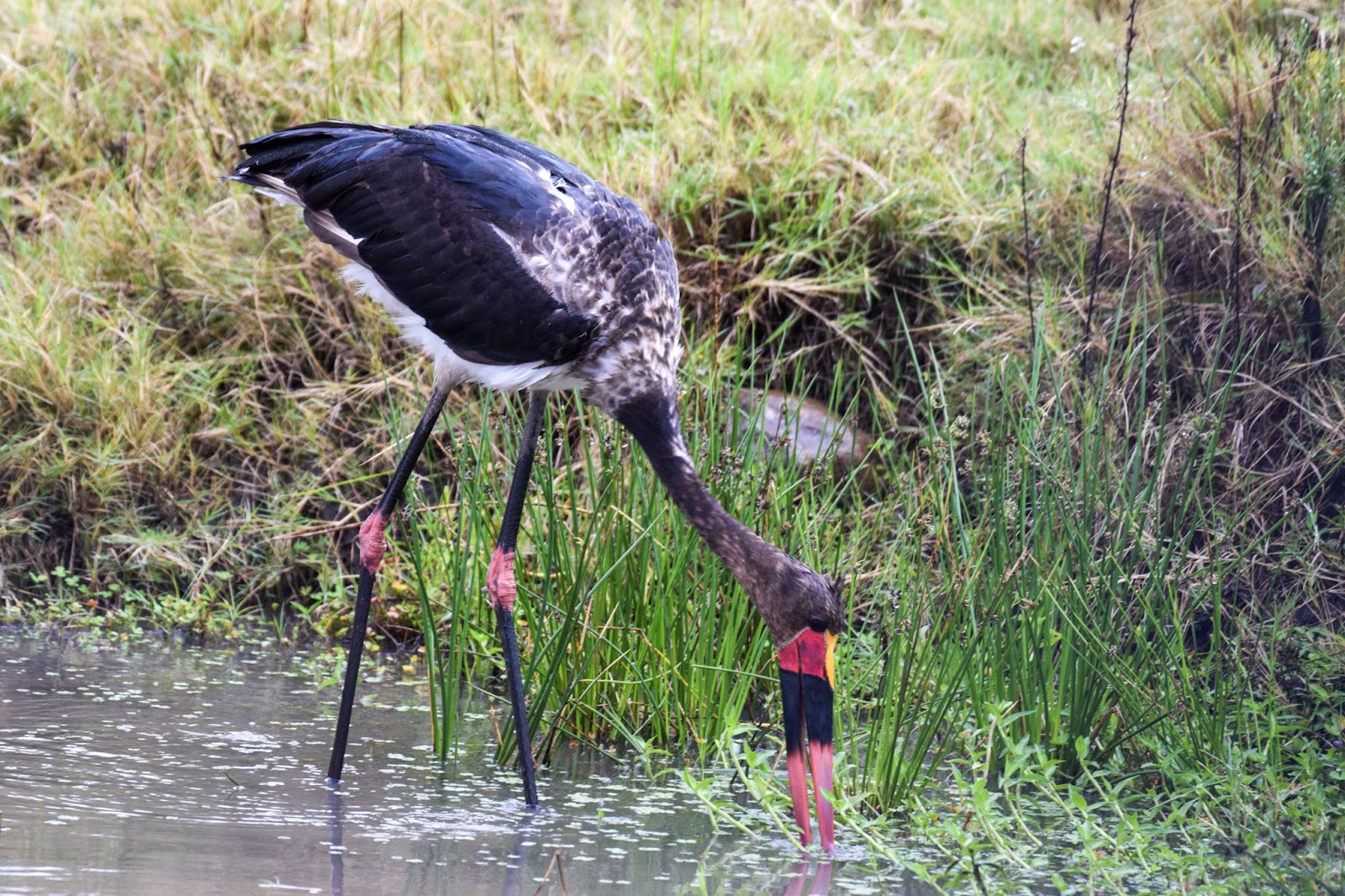
Birdlife is the second great draw of the Tana River Primate Reserve, with forest, river and dry-country species side by side.
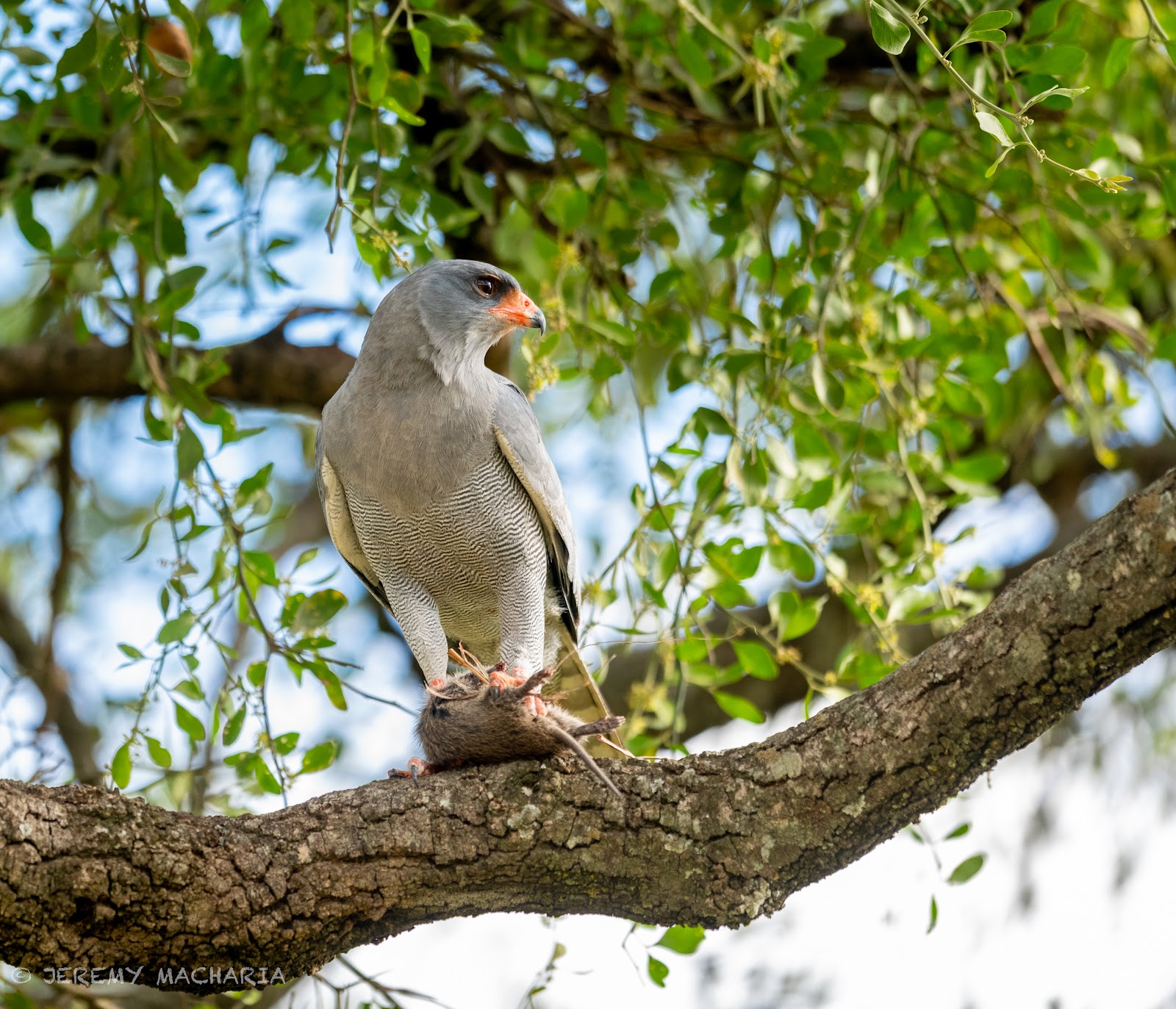
The Key Biodiversity Areas factsheet notes that the lower Tana forests are a stronghold for Pel’s fishing owl, a large ginger owl that hunts fish at night. It also records the Tana River cisticola, a poorly known bird that may occur in the reserve’s bushland, and the white-winged apalis subspecies known only from this area, which has not been recorded since 1961 and may be extinct. Expect kingfishers, hornbills, turacos, raptors and herons along the river.
Mammals and reptiles
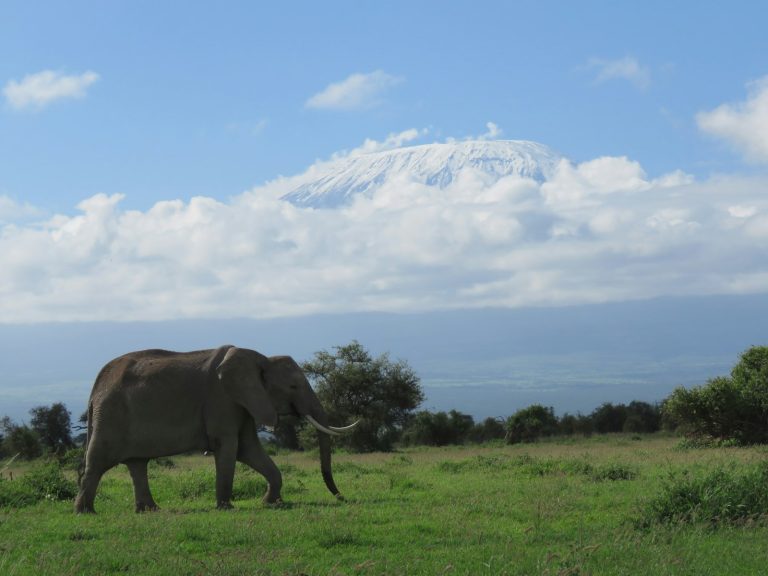
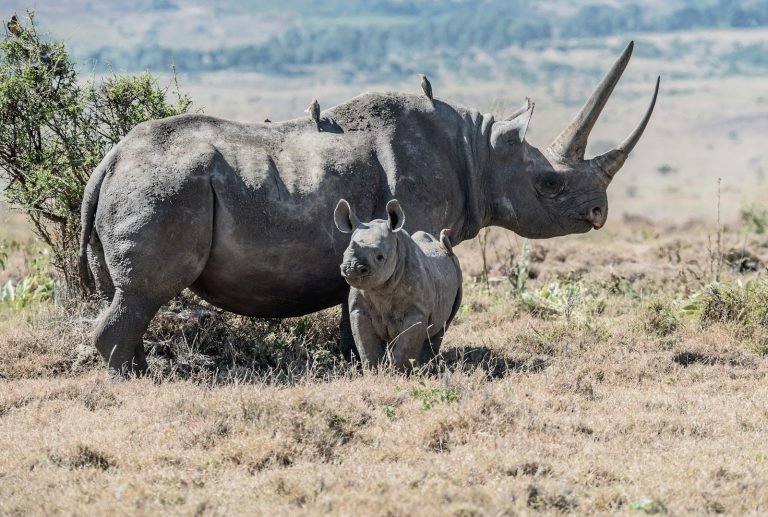
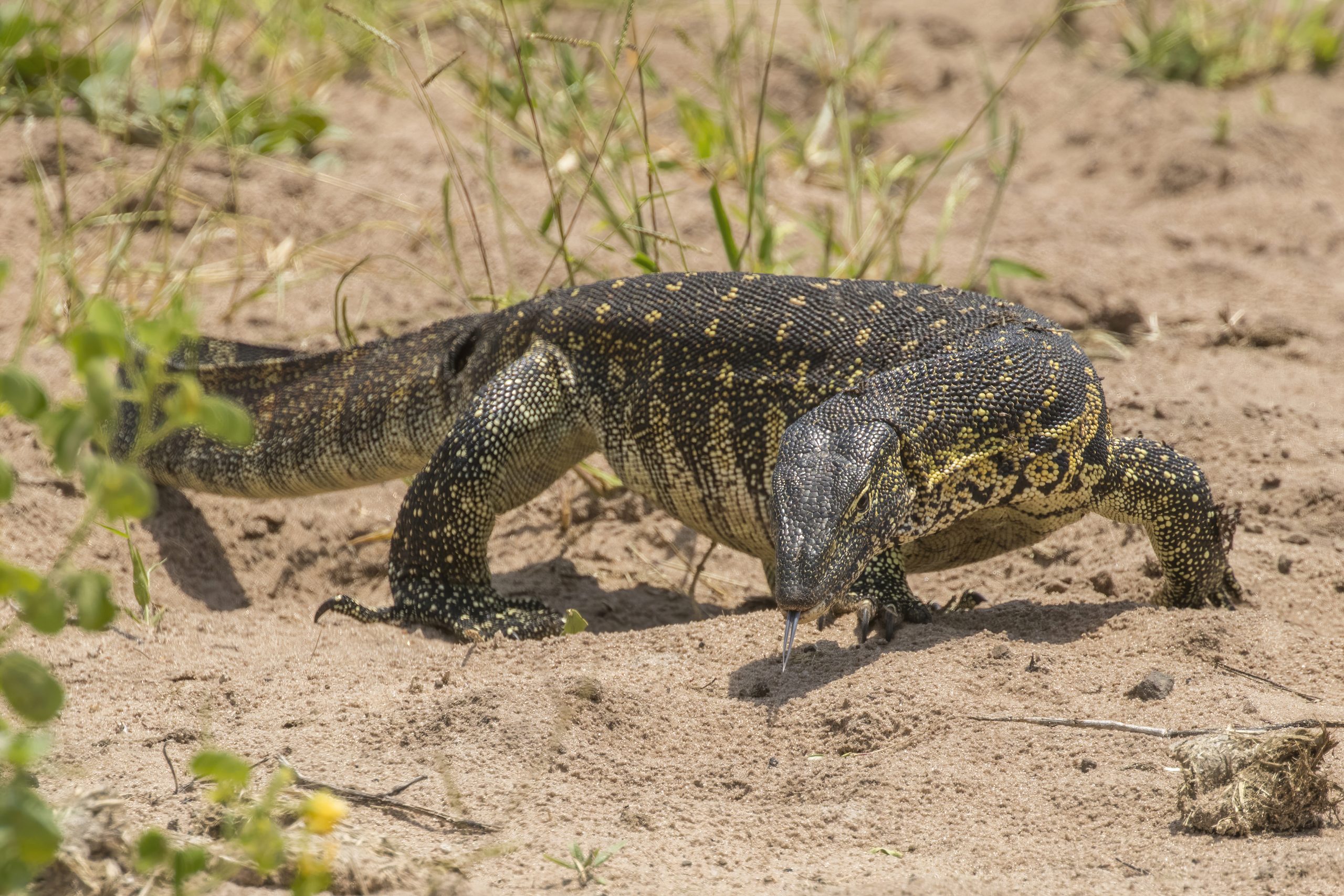
Local leaders recall that visitors to the Tana River Primate Reserve once saw elephants, lions, leopards and even rhinos here, but that was the past, and you should not expect big game today. Along the river, Nile crocodiles are a real presence, so stay well back from the water’s edge and follow your guide. Tana River County records more than 57 mammal species, but in the forest itself, primates and birds are the reason to come.
Birding tips for the Tana River Primate Reserve
In the Tana River Primate Reserve, start at first light, when birds and monkeys are most active, and rest through the heat of midday. Birders often combine the lower Tana with the coastal forests near Malindi and Watamu. For routes and timing across Kenya, read our Kenya birding safari 2027 guide.
Getting to the Tana River Primate Reserve
The Tana River Primate Reserve is reached by road from the Kenyan coast via Malindi and Garsen, or from inland via Garissa and Hola, and both routes are long.
From the coast via Malindi
Garsen is a small town on the west bank of the Tana, about 112 km north of Malindi on the Malindi to Garissa road. The reserve lies upstream between Garsen and Hola. Most practical trips to the Tana River Primate Reserve start at the coast: fly from Nairobi to Malindi, rest a night, then drive north with a 4×4 and an experienced driver. Within the reserve, boats and walking are often the easiest way to move between forest patches.
From Nairobi by road
Overland from Nairobi, you can drive east via Garissa and then south along the river through Hola, or go to the coast first. Both are long days on mixed roads, and some sections are affected by seasonal flooding and by the security situation. We do not recommend self-driving here.
| Route | Approximate distance or time | Notes |
|---|---|---|
| Nairobi to Malindi by air | Scheduled flights, about an hour | Easiest first leg |
| Malindi to Garsen by road | About 112 km | Malindi to Garissa road; check conditions |
| Garsen to the reserve | Upstream towards Hola | Rough tracks; 4×4 essential |
| Nairobi to the reserve by road | A very long day | Not recommended without local support |
| Moving within the reserve | Boat and on foot | Guided only |
🧭 Not Sure How to Reach the Tana Forests?
We will tell you honestly whether the route is workable on your dates, and plan flights, a 4×4, driver and local guide if it is.
🚙 Plan My Tana RouteTana River Primate Reserve Entry Fees 2026
KWS sets the entry fees, and the 2025 fee regulations, in force since 1 October 2025, still list Tana River Primate National Reserve.
The table below follows the KWS fee regulations (Legal Notice No. 160 of 2025). Payment for KWS areas is made online through eCitizen. Because the reserve sees so few visitors and its status is contested, confirm on the day how fees are being collected. See the official KWS fee regulations and our Kenya national parks entrance fees 2026 guide.
| Visitor category | Adult | Child or student |
|---|---|---|
| East African citizen | KES 500 | KES 250 |
| Kenya resident | KES 675 | KES 350 |
| African citizen | USD 20 | USD 10 |
| Non-resident | USD 40 | USD 20 |
KWS regulations exempt children aged five and under. Opening hours for this reserve are not published, so plan to be in camp before dark. Boat hire, guides, vehicles and any camping are paid separately.
Safety, Travel Advice and Rules in the Tana River Primate Reserve
Safety is the first thing to check for the Tana River Primate Reserve, because parts of Tana River County are covered by government travel warnings.
At the time of writing, the UK Foreign Office travel advice for Kenya advises against all but essential travel to Tana River County north of the Tana River as far as the town of Saka, and to areas within 15 km of the coast between the Tana and Galana rivers. It also advises against all travel to most of Lamu County. Advice like this can affect your travel insurance, so read the latest version yourself.
How we handle this
We will only arrange a visit when the current advice, local information and your insurance all allow it, and we may say no. When a trip does go ahead, it is planned with experienced local drivers and guides, travels in daylight and keeps to a fixed plan.
- Stay with your guide: forest paths are unmarked, and the guide knows where the troops feed.
- Keep back from the river: crocodiles are common, and the water is not safe for swimming.
- Do not feed or chase primates: keep a respectful distance and keep noise low.
- No drones without permits: drone flights in Kenya need official approval.
- Leave no trace: carry out all rubbish; avoid single-use plastics.
- Health: this is a low-lying, hot malaria area; take medical advice before travel.
Best Time to Visit the Tana River Primate Reserve
The best time to visit the Tana River Primate Reserve is in the drier months, roughly January to March and July to September, when tracks are passable and forest walks are easier.
The Kenya Meteorological Department describes long rains in Tana River County from late March, peaking in April and May, with coastal areas wet into June, and short rains from October to December. Heavy rain far upstream can also flood the lower river. It is hot all year, often above 30°C. For the wider picture, see our Kenya weather by month guide.
| Months | Conditions | What it means for you |
|---|---|---|
| January to March | Hot and mostly dry | Good access; early starts beat the heat |
| April to June | Long rains; floods possible | Tracks may close; not recommended |
| July to September | Drier, slightly cooler | Good for walking and birding |
| October to December | Short rains | Mixed; check road conditions first |
📅 Get a Free, No-Obligation Safari Quote
Pairing the Tana forests with Watamu, Malindi or Arabuko Sokoke? Send your dates and we will reply with a written plan and an honest view on access.
✉ Send Us Your Dates on WhatsAppHow Many Days Do You Need for the Tana River Primate Reserve?
Plan two to three nights near the Tana River Primate Reserve, plus a travel day each way from Malindi.
One full day in the forests of the Tana River Primate Reserve is the minimum for a fair chance with both primates, and a second morning raises your odds and adds birding time. Because the journey is long, the Tana suits travellers already on the coast. For help balancing remote places with classic parks, read how many days you need on a Kenya safari.
Where to Stay Near the Tana River Forests
Accommodation inside the Tana River Primate Reserve is very limited, and there is no established lodge operating today.
A small tourist lodge ran in the reserve from 1977 to 1981, and a 2021 visitor described staying at a simple camp at Mchelelo, moving by boat and staying in camp after dark. We could not confirm a bookable camp for 2026. Most visitors base themselves at the coast in Malindi or Watamu, and any overnight stay on the river is arranged as a simple, supported camp after checking conditions.
⛺ Coast Hotel or Supported River Camp?
Tell us how you like to travel, and we will suggest the right base and say honestly whether a night on the river is possible.
🛏 Help Me Choose a BaseWhat to Pack for the Lower Tana
For the Tana River Primate Reserve, pack for heat, insects and forest walking: light long sleeves, sturdy shoes and plenty of water.
- Light, breathable long-sleeved shirts and trousers in muted greens and browns.
- Sturdy closed walking shoes; paths can be muddy or thorny.
- A wide-brimmed hat, sunglasses and high-factor sunscreen.
- Strong insect repellent and any malaria medication your doctor advises.
- Binoculars and a camera with a long lens for canopy primates.
- A head torch, a dry bag for boat rides and a refillable bottle.
- Copies of your passport, insurance and fee receipts.
See our full what to pack for an African safari list for more ideas.
Combining the Tana River Primate Reserve With the Coast
The Tana River Primate Reserve fits best into a Kenya coast trip, with marine parks, coastal forest and Swahili history close by.
- Malindi Marine National Park: coral gardens and glass-bottom boats; read our Malindi Marine National Park guide.
- Watamu and Arabuko Sokoke: the largest remaining coastal forest in East Africa, rich in rare birds and the golden-rumped elephant shrew.
- Gede Ruins and Mida Creek: a ruined Swahili town and a mangrove creek near Watamu.
- Tsavo East: the nearest big-game park, inland from Malindi; see our Tsavo East National Park guide.
Sample 3-Day Tana River Primate Reserve Itinerary
This outline shows how a Tana River Primate Reserve visit could work from Malindi, if access and travel advice allow it.
- Day 1, Malindi to the lower Tana: an early start north via Garsen with a 4×4, driver and local guide, arriving in time for an afternoon walk at the forest edge and a first look for mangabeys.
- Day 2, the forest: a dawn walk for red colobus in the high canopy, rest through the midday heat, then a late-afternoon boat trip for birds along the river.
- Day 3, return to the coast: a last early walk, then back to Malindi or Watamu for a well-earned swim.
Before or after, add a few days on the coast with our Watamu and Malindi Marine Escape (4 Days) or the Gede Ruins and Mida Creek day trip. Message us for a quote. We can also build a private Kenya safari or luxury Kenya safari around the coast and a Tsavo extension.
Tana River Primate Reserve FAQs
Where is the Tana River Primate Reserve?
The reserve lies on the lower Tana River in Tana River County, eastern Kenya, between the towns of Garsen and Hola. It spans both banks of the river at 40 to 70 metres above sea level, about 350 km east of Nairobi as the crow flies and north of Malindi on the coast.
Which primates live in the Tana River Primate Reserve?
It protects two endemic monkeys found nowhere else: the Tana River red colobus and the Tana River mangabey, both Critically Endangered. Sykes monkeys, yellow baboons and vervet monkeys also live in the area, and Tana River County holds eight primate species in total.
How many Tana River red colobus are left?
Numbers fell to only 200 to 300 by 1985. A 2000 census counted about 780, and a later national wildlife census reported by the Kenya News Agency counted 1,219. Many live outside the reserve in community forest, so protecting the wider riverine forest is vital.
Is the Tana River Primate Reserve still a national reserve?
Its status is contested. In January 2007 Kenya’s High Court ordered it degazetted because it was not set up in line with the law. However, the KWS 2025 fee regulations still list it, so it remains in a legal grey zone with very little tourism today.
How much is the entry fee?
The KWS 2025 fee regulations list non-resident adults at USD 40 and children at USD 20, Kenyan residents at KES 675 and KES 350, and East African citizens at KES 500 and KES 250. Payment for KWS areas is made through eCitizen, and fees can change.
Is it safe to visit the Tana River Primate Reserve?
Parts of Tana River County are under UK government travel warnings, including the area north of the Tana River as far as Saka. Check the latest advice and your insurance before planning. We only arrange visits when advice, local information and insurance allow it.
How do you get to the Tana River Primate Reserve?
Most visitors fly from Nairobi to Malindi, then drive about 112 km north to Garsen and continue upstream towards Hola by 4×4. Within the reserve, boats and guided walks are the easiest ways to reach forest patches. Self-driving is not recommended.
When is the best time to see the Tana River primates?
Visit in the drier months, roughly January to March and July to September, and walk at dawn when monkeys are most active. The long rains from late March to May, and floods from rain far upstream, can make the tracks impassable for several weeks.
🏕 Plan Your Tana River Primate Reserve Safari With Sense of Adventure
Kenya-based experts. Real local knowledge. Transparent pricing.
We plan specialist and coast trips from our Nairobi office, and we will tell you honestly whether the Tana forests are possible on your dates. If they are, we handle flights, the 4×4, local guides and your coast stay.
💬 Ask About a Tana Primate Trip✉ Email Our Coast TeamCall or WhatsApp: +254 799 160 081 · Email: info@senseofadventure.co.ke
💬 WhatsApp Us — Start Planning Today
Related Safari Guides
- › Best Hidden National Parks in Kenya
- › Primates of Kenya
- › Malindi Marine National Park Guide
- › Kora National Park Guide
- › Complete List of Kenya National Parks and Reserves
Official travel & park resource: Kenya Wildlife Service ↗ · Site factsheet: Key Biodiversity Areas: Tana River forests ↗ · Tourism: Magical Kenya ↗