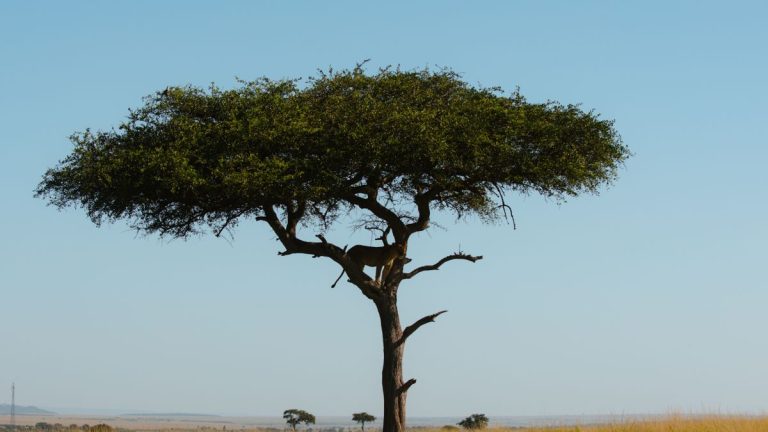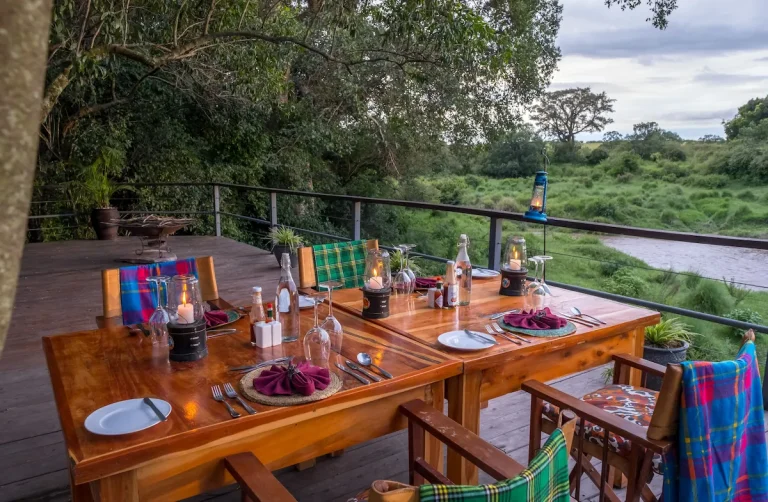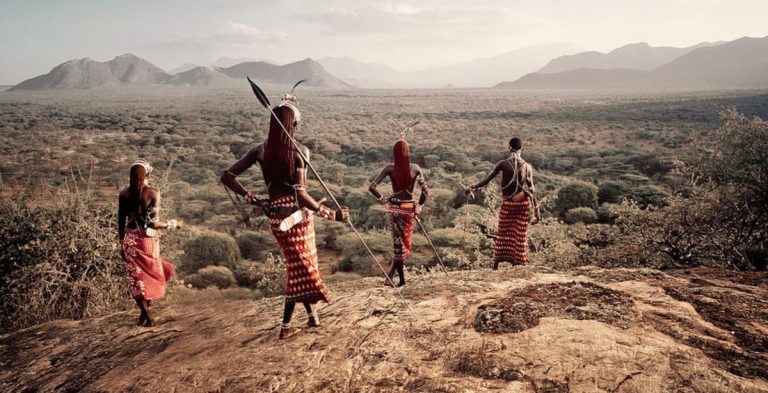

The Amboseli National Park Travel Guide is essential for anyone planning a safari in southern Kenya, especially travelers seeking iconic views of elephants against the backdrop of snow-capped peaks. Located in southern Kenya near the Tanzania border, Amboseli National Park is one of Africa’s most photographed safari destinations, famous for its vast elephant herds and dramatic scenery dominated by Mount Kilimanjaro.
This Amboseli National Park Travel Guide provides everything you need to plan your visit, what to see, when to go, where to stay, and how to make the most of your safari experience. Whether you are a first-time traveler or a seasoned safari enthusiast, Amboseli offers a compact yet highly rewarding wildlife experience.
Overview of Amboseli National Park
The Amboseli National Park Travel Guide begins with understanding the park itself. Amboseli covers approximately 392 square kilometers and is part of the larger Amboseli ecosystem, which extends into Tanzania.
The park is characterized by:
- Open savannah plains
- Seasonal swamps fed by underground water from Kilimanjaro
- Acacia woodlands and dry lake beds
Despite its relatively small size compared to other parks in Kenya, Amboseli delivers exceptional wildlife density and visibility, making it one of the most rewarding safari destinations in East Africa.
Key accessibility points:
- Approximately 4–5 hours’ drive from Nairobi
- Can also be reached via charter flights to Amboseli airstrip
The Amboseli National Park Travel Guide emphasizes that its proximity to Nairobi makes it ideal for short safaris and weekend getaways.
Top Highlights in Amboseli National Park
Any reliable Amboseli National Park Travel Guide must highlight what makes this destination extraordinary.
1. Elephant Herds Up Close
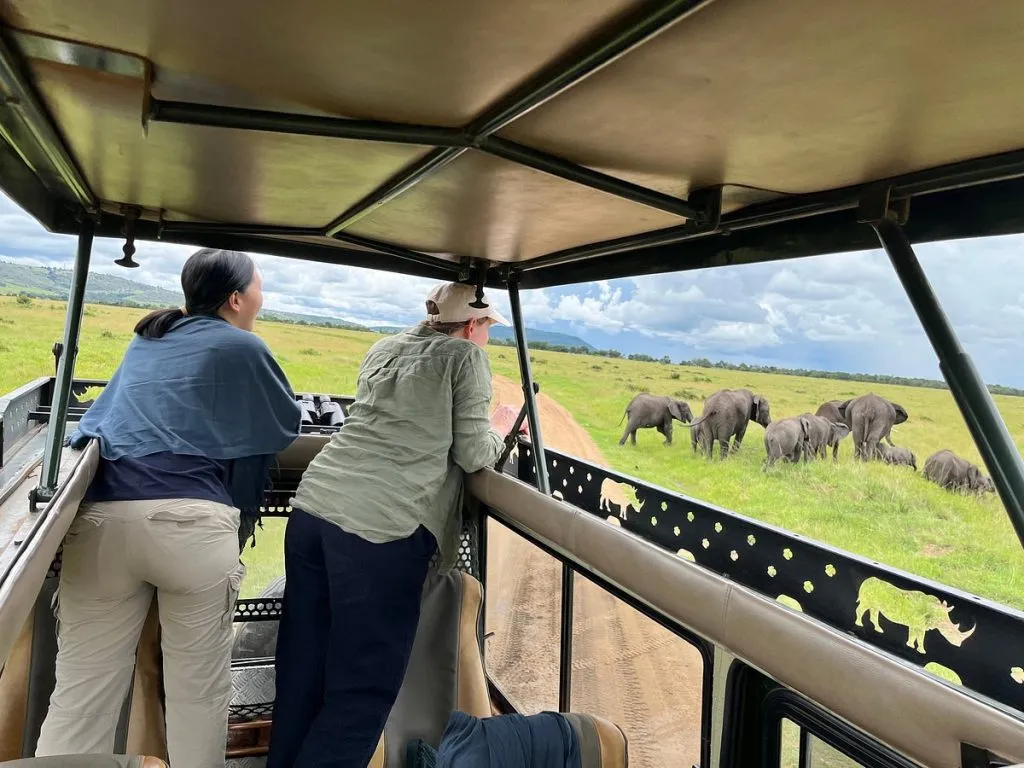
Amboseli is globally known for its large herds of free-ranging elephants. Some of the oldest elephant research and conservation projects are based here, allowing visitors to observe natural behavior up close.
2. Views of Mount Kilimanjaro
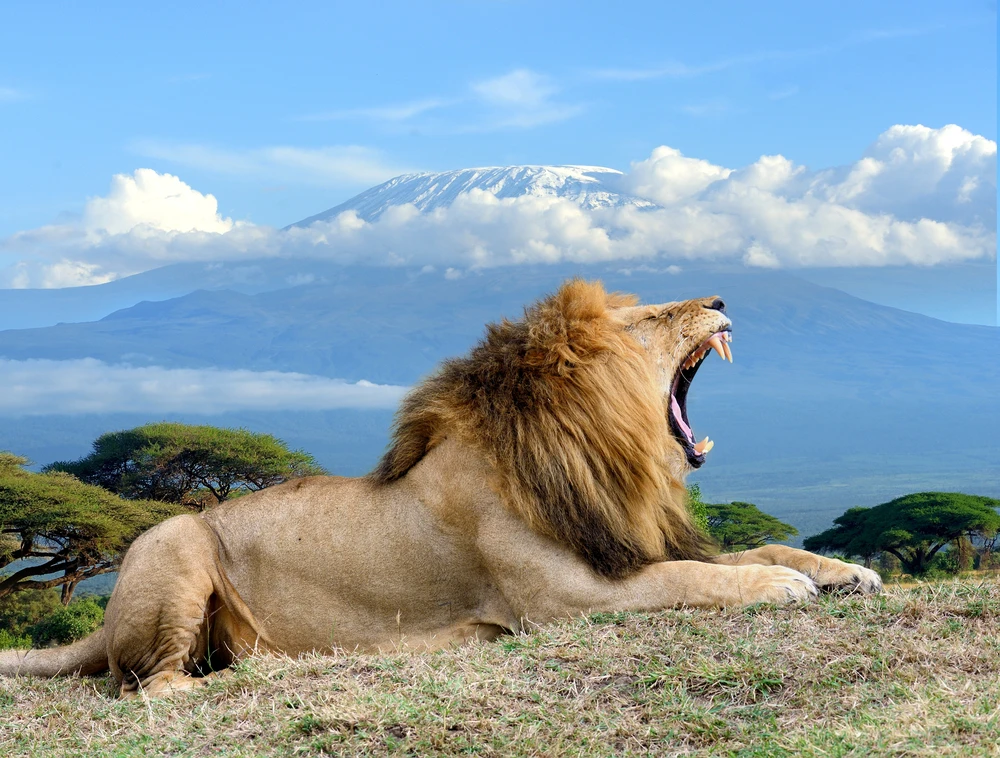
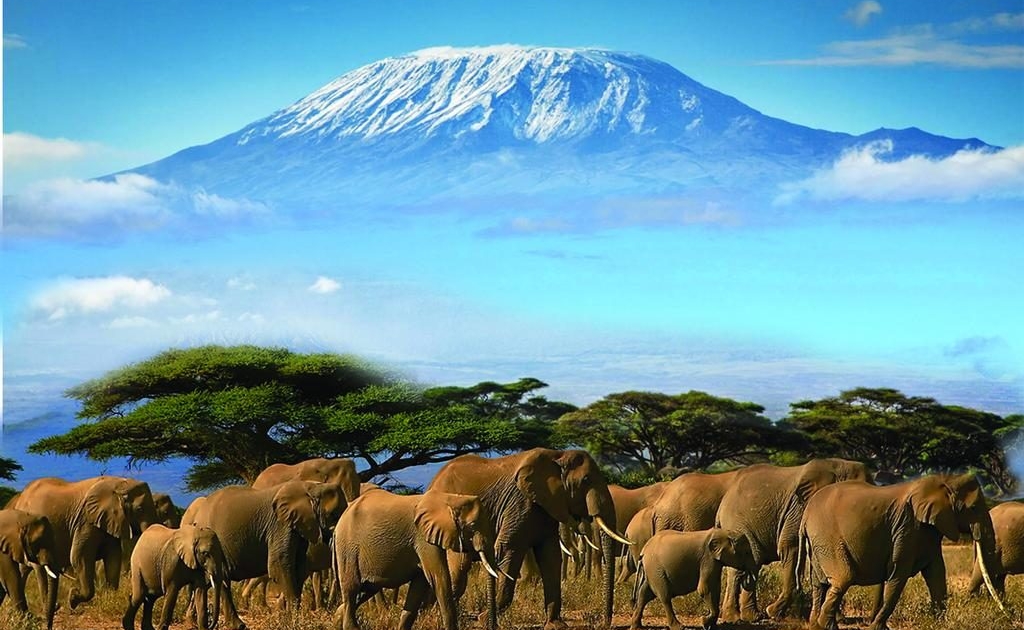
One of the most iconic safari scenes in the world is elephants walking across the plains with Kilimanjaro rising in the background. The best views occur early in the morning or late afternoon when clouds clear.
3. Observation Hill
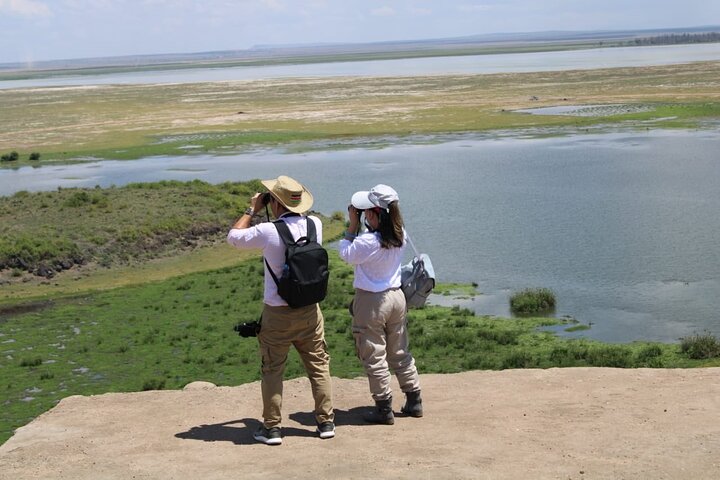
A key stop in the Amboseli National Park Travel Guide, Observation Hill provides a panoramic view of the park’s swamps, plains, and wildlife activity zones.
4. Diverse Ecosystems
From wetlands to dusty plains, Amboseli’s contrasting landscapes support a wide range of wildlife species, making game drives visually dynamic.
Wildlife in Amboseli National Park
A core section of this Amboseli National Park Travel Guide is the rich biodiversity found within the park.
Mammals
- African elephants (the park’s signature species)
- Lions
- Leopards (rare but present)
- Cheetahs
- Zebras
- Wildebeest
- Giraffes (especially Maasai giraffe)
- Buffalo
Birdlife
Amboseli is a paradise for bird watchers with over 400 recorded species, including:
- African fish eagle
- Pelicans
- Kingfishers
- Crowned cranes
- Flamingos in seasonal wetlands
Ecological Importance
The park’s underground water system from Mount Kilimanjaro sustains swamps that remain green year-round, creating a vital refuge for wildlife during dry seasons.
The Amboseli National Park Travel Guide highlights this ecosystem as one of the most stable wildlife viewing environments in Kenya due to consistent water sources.
Activities in Amboseli National Park
This Amboseli National Park Travel Guide includes a wide range of activities for different traveler types.
Game Drives
Morning and evening game drives are the main activity. These drives offer high chances of spotting predators and large herbivores in action.
Photography Safaris
Amboseli is a dream destination for photographers. The combination of wildlife, dust plains, and Kilimanjaro creates dramatic compositions.
Cultural Visits
Visitors can engage with the Maasai communities living near the park. These cultural tours provide insights into traditional lifestyles, dances, and pastoral systems.
Guided Nature Walks (Outside the Park)
While walking safaris are not allowed inside the park, nearby conservancies offer guided walks.
Bird Watching Tours
For ornithologists, early morning birding sessions are highly recommended due to increased bird activity.
Best Time to Visit Amboseli
A practical Amboseli National Park Travel Guide must address timing.
Dry Season (June to October & January to February)
- Best wildlife visibility
- Animals gather around water sources
- Clear views of Mount Kilimanjaro
Wet Season (March to May & November to December)
- Lush green landscapes
- Fewer tourists
- Some roads may become muddy
For photography and game viewing, the dry season is generally considered ideal.
Travel Tips for Amboseli National Park
The Amboseli National Park Travel Guide includes essential tips to ensure a smooth safari experience:
1. Carry Light, Neutral Clothing
Neutral colors like khaki and beige help blend into the environment and avoid disturbing wildlife.
2. Use Early Morning Game Drives
Wildlife is most active during cooler hours of the day.
3. Bring Binoculars and a Camera
Amboseli’s wide landscapes and distant sightings make binoculars essential.
4. Stay Hydrated
The park can be hot and dusty, especially during dry seasons.
5. Respect Wildlife Distance
Never attempt to approach animals too closely, especially elephants.
6. Book Accommodation in Advance
During peak seasons, lodges fill up quickly due to high demand.
Accommodation Options in Amboseli
A well-rounded Amboseli National Park Travel Guide includes lodging choices for different budgets:
Luxury Lodges
- Premium safari lodges offering panoramic Kilimanjaro views
- Private game drives and high-end amenities
Mid-Range Camps
- Comfortable tented camps with en-suite facilities
- Ideal for couples and small groups
Budget Campsites
- Basic facilities for backpackers and adventure travelers
- Located near park gates
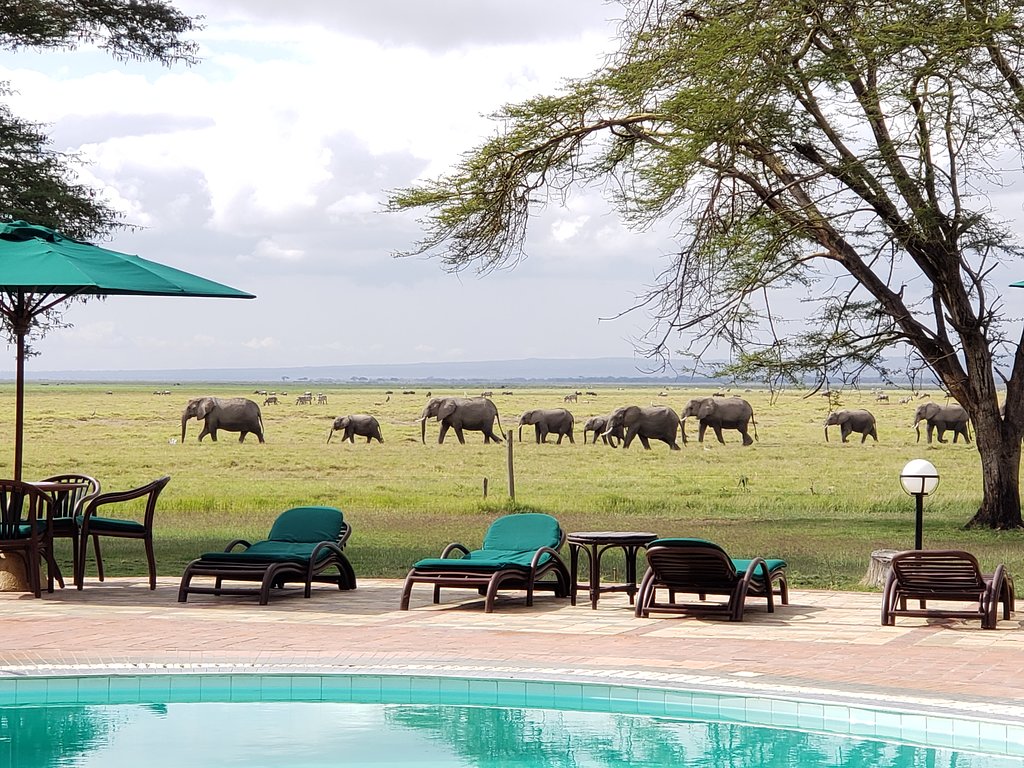
Many lodges are strategically positioned to maximize wildlife viewing directly from camp.
Suggested Safari Itinerary (3 Days)
A typical itinerary in this Amboseli National Park Travel Guide:
Day 1: Arrival and Evening Game Drive
- Travel from Nairobi
- Check-in at lodge
- Evening game drive
Day 2: Full-Day Safari Experience
- Morning game drive
- Midday relaxation at lodge
- Afternoon game drive and sunset photography
Day 3: Morning Drive and Departure
- Early morning game drive
- Breakfast
- Return to Nairobi
FAQs About Amboseli National Park
1. Where is Amboseli National Park located?
Amboseli National Park is located in southern Kenya near the Tanzania border, about 4–5 hours from Nairobi.
2. What is Amboseli famous for?
It is famous for large elephant herds and views of Mount Kilimanjaro.
3. Is Amboseli suitable for first-time safari travelers?
Yes, it is one of the best beginner-friendly safari destinations due to its compact size and high wildlife density.
4. How many days are ideal for Amboseli?
2–3 days are enough for a full safari experience.
5. Can you see Mount Kilimanjaro clearly?
Yes, especially early in the morning and during dry seasons when clouds are minimal.
Final Travel Tips Summary
To maximize your experience, plan early morning drives, choose accommodation with Kilimanjaro views, and travel during dry seasons for the best wildlife sightings.
The Amboseli National Park Travel Guide consistently emphasizes timing, patience, and proper preparation as key success factors for a rewarding safari.
Conclusion
This Amboseli National Park Travel Guide demonstrates why Amboseli remains one of Africa’s most iconic safari destinations. From its legendary elephant herds to its cinematic views of Kilimanjaro, the park delivers a compact yet unforgettable wildlife experience.
If you are planning your next safari, now is the time to turn inspiration into action. Book a guided safari, choose your preferred lodge, and immerse yourself in one of Kenya’s most remarkable landscapes.
Your journey into the wild begins with the right Amboseli National Park Travel Guide, and the only thing left is to experience it for yourself.