Amboseli vs Masai Mara is the question almost every first-time visitor to Kenya asks, because both parks are on nearly every safari wish list. If the Masai Mara and Amboseli are both on your Kenya safari list — and for many visitors they are — the question inevitably arises: which should you prioritise if you only have time for one? Or if you can do both, in which order?
This Amboseli vs Masai Mara guide gives you an honest, detailed comparison of Kenya’s two most popular parks, covering wildlife, landscape, photography, timing, cost, and the specific experiences that make each one irreplaceable.
Short answer first: both are extraordinary, and the right choice depends entirely on what you most want to see and experience. The longer answer follows.
✅ Amboseli vs Masai Mara: The Quick Answer
- Choose the Masai Mara for: big cats, the widest variety of wildlife and the Great Migration (roughly July to October).
- Choose Amboseli for: large elephant herds at close range with Mount Kilimanjaro as the backdrop.
- Distance from Nairobi: Amboseli is about 240 km (4–5 hours by road); the Mara is about 5–6 hours by road. Both have short scheduled flights.
- Time needed: two nights minimum in Amboseli, three nights minimum in the Mara.
- Rhino: neither park is reliable for rhino, so add Ol Pejeta or Lake Nakuru if you want the full Big Five.
- Best plan: if you can, do both. A week-long route covering Amboseli, Lake Naivasha and the Mara gives you the best of each.
🌎 Ready to Start Planning?
Our Kenya safari experts are on WhatsApp right now — ask us anything about dates, destinations, or costs.
💬 WhatsApp Us Now or call +254 799 160 081
Amboseli vs Masai Mara: The Core Difference
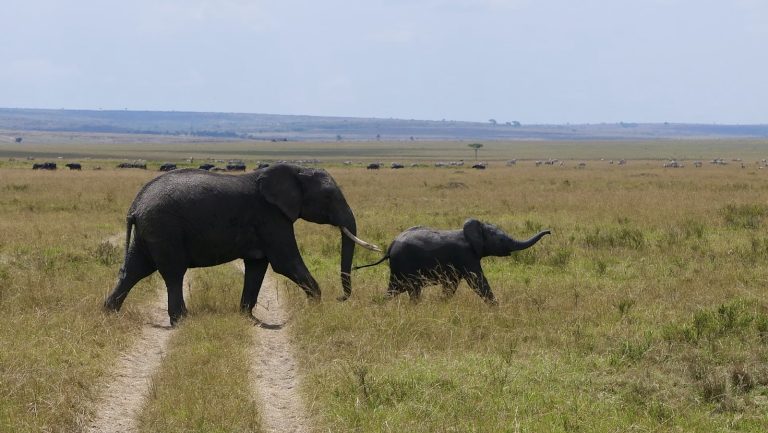
Masai Mara: The highest wildlife density in Kenya. Some of the most reliable big cat viewing in Africa. The Great Wildebeest Migration (July–October). Outstanding predator sightings year-round, with multiple lion prides, resident leopards and cheetah.
The Masai Mara is Kenya’s all-rounder — the park that delivers the most wildlife in the widest variety of circumstances across the most months of the year.
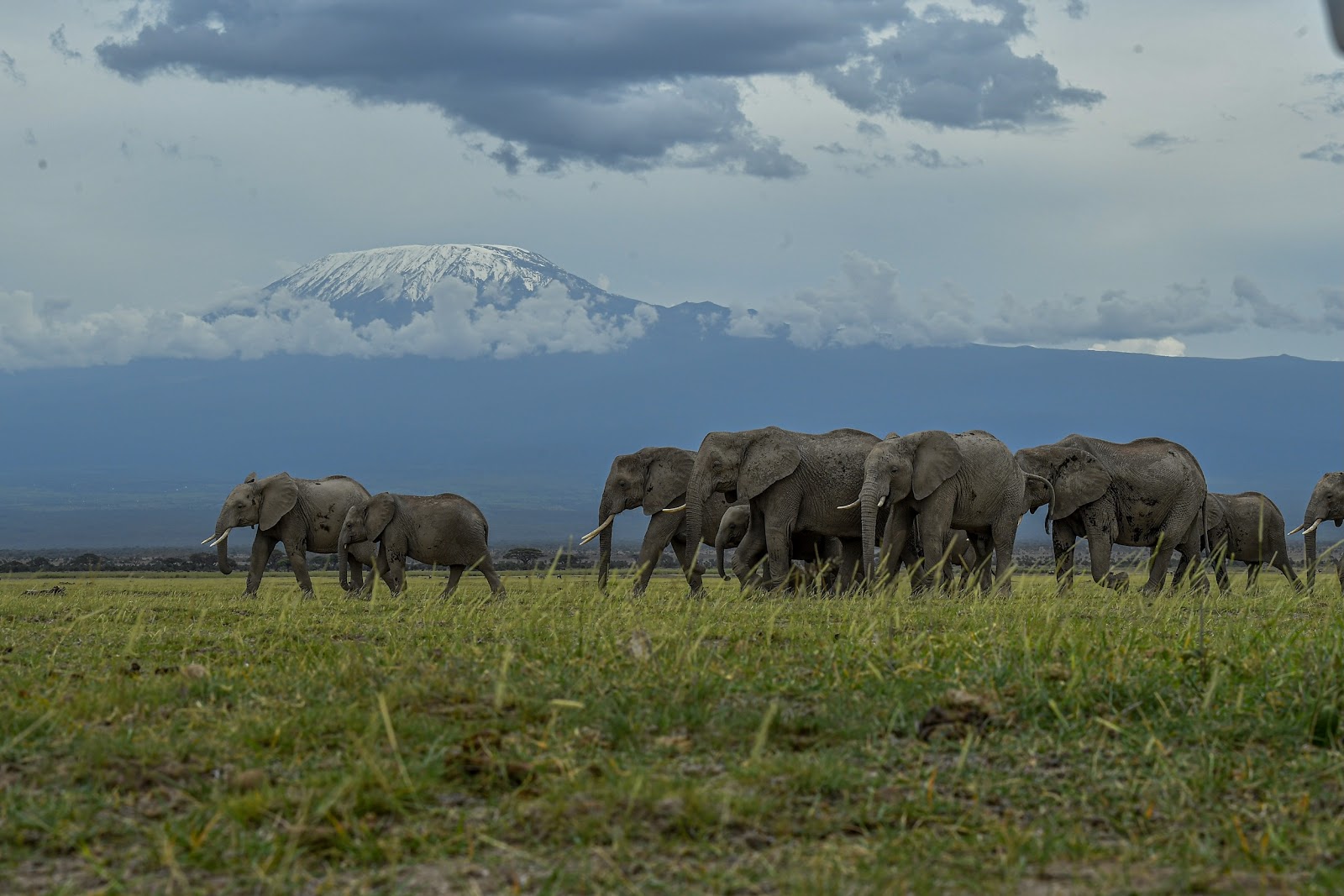
Amboseli: Some of the best elephant viewing in Africa. The most iconic landscape backdrop in Kenya — large-tusked elephants against Kilimanjaro. A more intimate, open landscape that makes for effortless wildlife spotting, with fewer vehicles than the peak-season Mara.
Amboseli is a specialist destination that does a few things at an unmatched level, rather than a generalist that does everything well.
Amboseli vs Masai Mara at a glance
| Factor | Amboseli | Masai Mara |
|---|---|---|
| Size | About 392 sq km (compact and open) | About 1,510 sq km reserve, plus surrounding conservancies |
| Signature sight | Elephants beneath Kilimanjaro | Big cats and the Great Migration |
| Big cats | Lions and cheetah seen regularly; leopard scarce | Excellent for lion, leopard and cheetah |
| Landscape | Dry lake bed, swamps, volcanic plains | Rolling grassland, rivers and acacia woodland |
| Road time from Nairobi | 4–5 hours | 5–6 hours |
| Minimum stay | 2 nights | 3 nights |
| Best months | June–October, January–February | July–October (migration); good year-round |
Amboseli vs Masai Mara: Wildlife Comparison
In any honest Amboseli vs Masai Mara debate, wildlife is where the parks differ most. Here is how they compare, species by species.
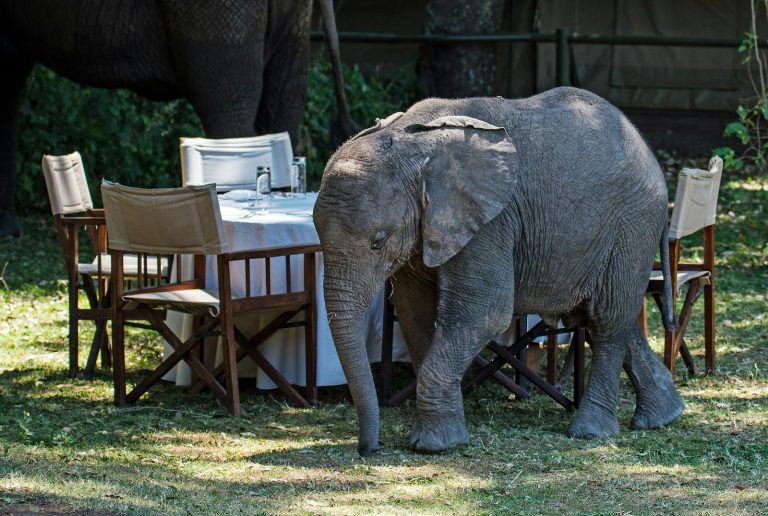
Elephants: Amboseli wins decisively. The park’s elephants — some of Africa’s most studied, thanks to the long-running work of the Amboseli Trust for Elephants — are extraordinarily relaxed, move in large herds through swamp and open plain, and include some of the continent’s great-tusked individuals.
In Amboseli, elephants are everywhere, almost always, and at a proximity that is rarely matched in the Mara. Read more in our Amboseli elephants guide.
Lions: The Masai Mara wins clearly. Multiple large, well-documented prides on defined territories, high sighting frequency, and the predator-prey drama that comes from the Mara’s prey density. Amboseli has lions — they are present and regularly seen — but the Mara’s lion experience is deeper, more frequent and more varied.
Leopard: The Masai Mara wins. Leopards in the riverine woodland and the conservancies are often relaxed around vehicles. Amboseli leopards exist but are elusive in the park’s thicker bush margins.
Cheetah: Both parks deliver good cheetah sightings. The Mara’s open plains and the Amboseli dry lake bed are both ideal cheetah habitat. Call it a near tie, with the Mara slightly ahead for frequency.
Wildebeest Migration: Masai Mara only (roughly July–October). This is the Mara’s single most decisive advantage over Amboseli for travellers visiting in peak season.
Buffalo: Masai Mara — large breeding herds are common throughout the reserve. Amboseli has buffalo, mostly around the swamps, but in smaller numbers.
Rhino: Neither park has reliable rhino viewing. The Mara has occasional black rhino sightings; Amboseli does not offer realistic rhino viewing. For rhino, visit Ol Pejeta or Lake Nakuru.
Birdlife and smaller wildlife in Amboseli vs Masai Mara
Amboseli’s permanent swamps, fed by underground water from Kilimanjaro, attract pelicans, herons, kingfishers and seasonal flamingos, making it a rewarding stop for birders. The Mara’s grasslands and rivers hold ostriches, secretary birds, vultures and many raptors.
Both parks have hippos, giraffes, zebras and plenty of antelope. Amboseli also has gerenuk on its dry fringes, while the Mara has topi, eland and large herds of gazelle.
📅 Get a Free Custom Itinerary
Tell us your travel dates and we will send you a fully personalised safari proposal — no obligation, no pressure.
Amboseli vs Masai Mara for Landscape and Photography
Amboseli wins for landscape photography. Kilimanjaro, Africa’s highest peak, rises just across the border in Tanzania. Combined with the wide dry lake bed for clean foregrounds and the green swamp vegetation, it creates a setting for elephant photography that is hard to beat anywhere in Africa.
If wildlife photography is your main goal and elephants are your subject, Amboseli is irreplaceable. The mountain is clearest at dawn and late afternoon, so plan your drives around those hours. See our guide to Kilimanjaro views from Amboseli for timing tips.
The Masai Mara wins for action photography. Predator encounters, migration crossings, hunts and the full drama of a complex ecosystem give the wildlife photographer more varied and intense material. The Mara is where much of Africa’s most dramatic wildlife action photography is produced.
Amboseli vs Masai Mara photography tips
In Amboseli, a mid-range zoom (around 70–200 mm) is often enough because elephants come close, and a wider lens helps you include the mountain. Dust is constant in the dry season, so carry a blower and a cloth.
In the Mara, a longer lens (300 mm or more) pays off for cats and birds, and a bean bag steadies your camera on the vehicle window. For both parks, a private vehicle gives you control over where you stop and for how long.
Ease of Wildlife Viewing: Amboseli vs Masai Mara
Amboseli wins. The park is relatively small (about 392 sq km), the landscape is open, and wildlife is usually visible straight away without the searching that larger, bushier parks can require.
For first-time safari visitors — particularly families with young children — Amboseli’s accessibility and instant rewards are hugely valuable. It is common to see elephants within half an hour of leaving camp.
The Masai Mara’s wildlife is dense, but the reserve is larger and more varied in terrain. A skilled guide produces excellent sightings consistently, but the Mara rewards patience in a way that Amboseli’s immediacy does not require.
Crowds and Conservancies: Amboseli vs Masai Mara
Crowds are an important part of the Amboseli vs Masai Mara choice. During the migration months, popular river crossing points in the main Mara reserve can draw many vehicles at once. Staying in a private conservancy on the edge of the reserve gives you fewer vehicles, plus activities such as walks and night drives.
Amboseli feels calmer for most of the year, although the small park can feel busy around the main swamps in peak holiday weeks. Early starts help in both parks. Read our Masai Mara conservancies guide to see how the conservancy model works.
Amboseli vs Masai Mara: When Each Park Peaks
Masai Mara: Outstanding year-round; peaks July–October for the migration. January–February is excellent for predator viewing in green landscapes. See our best time to visit Masai Mara guide for the full calendar.
Amboseli: Best June–October for Kilimanjaro clarity and concentrated wildlife around the swamps. January–February is also excellent, with green landscapes and often superb mountain views. April–May is the trickiest period, as heavy rain can make some tracks difficult.
Amboseli vs Masai Mara month by month
- January–February: both very good; the Mara has many young animals, Amboseli has clear mornings.
- March: both good, with rising heat and the first rains possible late in the month.
- April–May: long rains; lower prices and fewer people, but some tracks become muddy, especially in Amboseli.
- June: both excellent as the dry season begins.
- July–October: peak season; the Mara has the migration, Amboseli has dry-season elephant gatherings.
- November–December: short rains; green and quieter, with good value outside the festive weeks.
For more detail on rainfall and temperatures, see our Kenya weather by month guide.
Getting There: Amboseli vs Masai Mara by Road or Air
Amboseli lies about 240 km south-east of Nairobi, a drive of roughly 4–5 hours on good tarmac for most of the way. The Masai Mara lies west of Nairobi, about 5–6 hours by road, with the final stretch on rougher roads. Both parks have airstrips served by short scheduled flights from Wilson Airport.
Driving is better value and lets you stop at viewpoints such as the Great Rift Valley escarpment on the way to the Mara. Flying saves time and suits shorter trips. Many travellers drive to Amboseli and fly between the parks, or drive the whole circuit with a stop at Lake Naivasha in between.
Amboseli vs Masai Mara: Cost Compared
Cost is a practical part of the Amboseli vs Masai Mara choice. Amboseli is closer to Nairobi, so it works well as a short trip, while the Mara usually needs at least three days to be worth the journey. These are current “from” prices on our own packages, per person:
- 2-Day Amboseli Safari from Nairobi: from USD 520.
- Masai Mara safari packages: road, fly-in and luxury trips from USD 590.
- Kenya Classic Group Safari – Amboseli, Lake Naivasha & Masai Mara (7 Days): from USD 1,650.
Final prices depend on season, lodge level, group size and whether you drive or fly. Park entry fees are set by the authorities and change from time to time; check the Kenya Wildlife Service for Amboseli and confirm Mara fees when you book. On our packages, park fees are included.
Amboseli vs Masai Mara: Our Verdict
Choose the Masai Mara if: it is your first Kenya safari and you want the full, deep wildlife experience. You are visiting July–October and the migration is a priority. You want the highest predator density and the greatest variety of encounters.
Choose Amboseli if: elephants are your main passion and Kilimanjaro is on your photography list. You are returning to Kenya and want something different from the Mara. You are travelling with children who will be captivated by close-range elephant encounters, or you only have two days.
Do both if at all possible: the two parks complement each other almost perfectly, and the flight between them is short. A week combining Amboseli with Lake Naivasha and the Mara is one of our most recommended Kenya itineraries. See our East Africa safari itinerary guide for the full circuit options, and our Kenya safari cost guide for what this combination costs.
Amboseli vs Masai Mara: which order to visit?
We usually suggest Amboseli first and the Mara last. Amboseli’s easy, open viewing is a gentle introduction, and the Mara’s big cats make a memorable finale. If you are continuing to the coast, reverse it: finish in Amboseli and carry on via Tsavo to Diani Beach.
If you prefer a private vehicle and flexible timings, see our private Kenya safari options, or our Kenya safaris from Nairobi page for routes that start and end in the capital.
Amboseli vs Masai Mara: Common Mistakes to Avoid
- Too little time in the Mara: one night after a long drive leaves you with very little game viewing.
- Expecting guaranteed river crossings: the herds follow the rain, and crossings happen on the animals’ schedule, not ours.
- Expecting Kilimanjaro all day: the mountain often hides in cloud by mid-morning, so plan dawn drives.
- Forgetting rhino: if the Big Five matters to you, add Ol Pejeta or Lake Nakuru to your route.
- Leaving paperwork late: apply for your Kenya eTA in good time through the official eTA Kenya website.
Amboseli vs Masai Mara: Frequently Asked Questions
Amboseli vs Masai Mara: which is better for a first safari?
For most first-timers the Masai Mara is the better single choice, because it offers the widest variety of wildlife, excellent big cat sightings and, from July to October, the Great Migration. Amboseli is the better choice if elephants and Kilimanjaro views matter most, or if you only have two days.
Can you do Amboseli and the Masai Mara in one trip?
Yes, and it is one of the most popular Kenya routes. Allow at least six or seven days, so you have two nights in Amboseli and three in the Mara, ideally with a night at Lake Naivasha in between to break up the drive. A short flight between the parks saves time.
Amboseli vs Masai Mara: which is cheaper?
Amboseli is usually cheaper for a short trip because it is closer to Nairobi and a two-day visit works well. The Mara needs more nights to justify the journey, so the total cost is higher, although the price per night can be similar. Season, lodge level and group size affect both.
Can you see the Big Five in Amboseli or the Masai Mara?
The Masai Mara offers lion, leopard, elephant and buffalo reliably, with occasional black rhino sightings. Amboseli offers elephant, lion and buffalo, but leopards are scarce and rhino are not realistically seen. Add Ol Pejeta or Lake Nakuru to your trip to give yourself the best chance of all five.
How many days do you need in Amboseli and the Mara?
Plan two nights in Amboseli and three nights in the Masai Mara. Two nights in Amboseli gives you sunrise and sunset drives with the best Kilimanjaro light. Three nights in the Mara gives you time to find big cats and, in season, to wait for a river crossing without rushing.
Is the Great Migration visible from Amboseli?
No. The Great Migration moves between Tanzania’s Serengeti and the Masai Mara, and does not reach Amboseli. If seeing the herds and river crossings is your priority, travel to the Mara between roughly July and October and stay at least three nights to improve your chances.
Still weighing up Amboseli vs Masai Mara? Tell us your dates, interests and budget and we will suggest the right balance. You can also explore the country at Magical Kenya, the official tourism board website.
🏑 Book Your Safari With Sense of Adventure
Kenya-based experts. Real local knowledge. Transparent pricing. We have been doing this for years — let us show you why our guests keep coming back.
💬 WhatsApp Us — Plan Your Safari Today
Call or WhatsApp: +254 799 160 081