
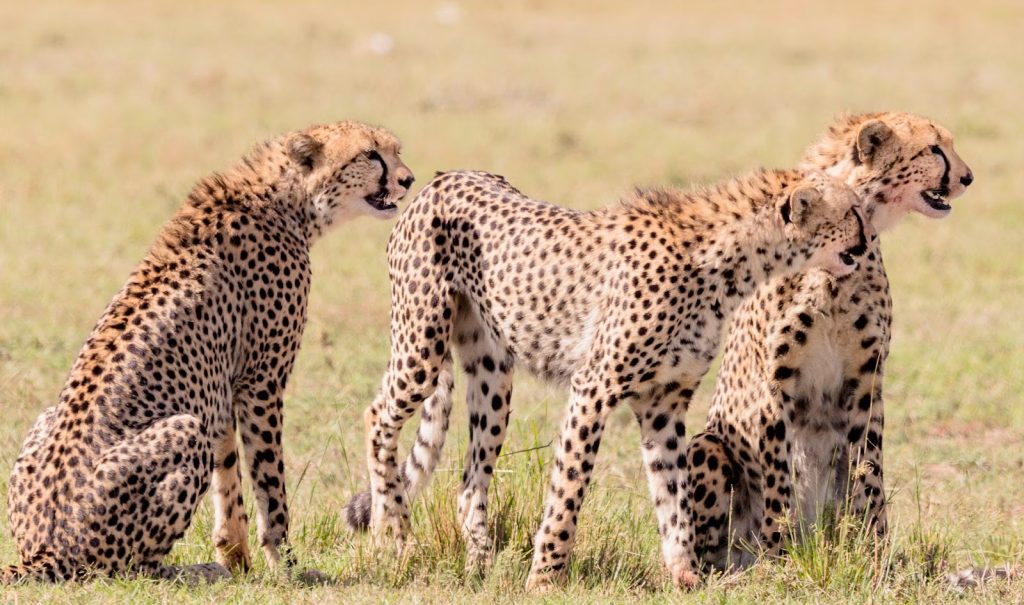
Masai Mara cheetah safari sightings are among the most reliable in Africa — the reserve’s short-grass plains are custom-built for the world’s fastest land animal. While lions dominate the headlines, it is the cheetah that gives the Mara its most cinematic moments: a female scanning from a termite mound, a sudden 100 km/h sprint, dust and gazelle scattering. Unlike leopards, cheetahs hunt in daylight, so you actually watch the chase unfold from your vehicle. Sense of Adventure guides track the Mara’s known cheetah families season after season, which is why our guests so often come home with the photo everyone wants.
See Cheetahs on the Hunt in the Mara
Our guides know the resident cheetah families and the plains they favour. Tell us your dates and we’ll build your cheetah-focused game plan.
Why the Masai Mara Is Kenya’s Cheetah Capital
The Masai Mara’s 1,510 km² of open savannah holds one of East Africa’s healthiest cheetah populations, with researchers monitoring dozens of named individuals across the reserve and its conservancies. Cheetahs here made global fame through the Tano Bora — a coalition of five males that hunted together for years, overturning the textbook image of the solitary cheetah. Because cheetahs hunt by day and favour open ground, the Mara offers sighting rates most parks cannot match: many guests see a cheetah within their first two game drives.
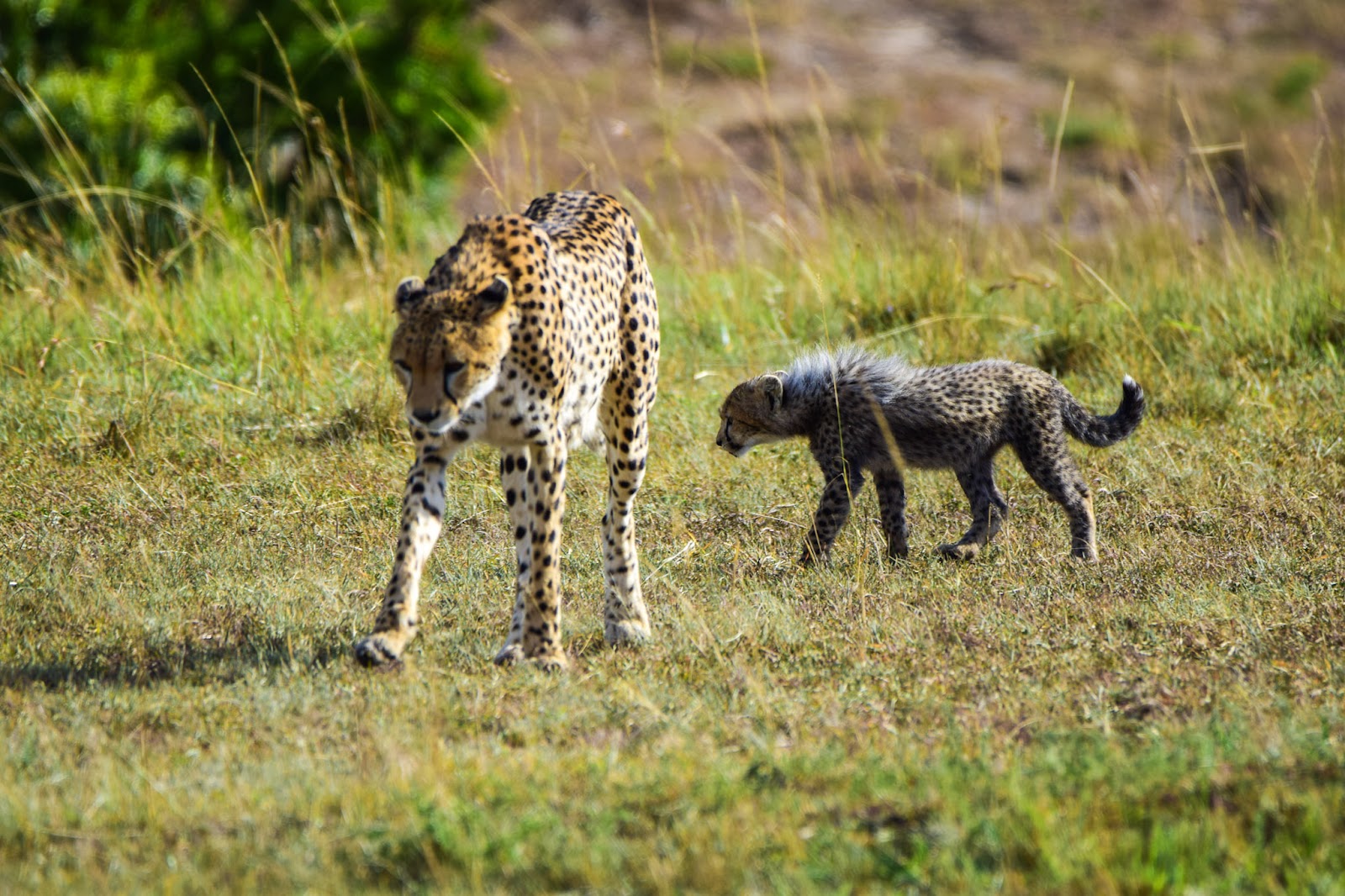
We found a cheetah mother with two cubs on our second morning, and an hour later watched her take down a Thomson’s gazelle in front of us. Our guide predicted the hunt before it happened. Nothing on TV prepares you for the real thing.
— Recent Sense of Adventure guest, Masai Mara photographic safari
The 5 Essential Cheetah Experiences in the Masai Mara
A Daylight Hunt — the fastest show on earth
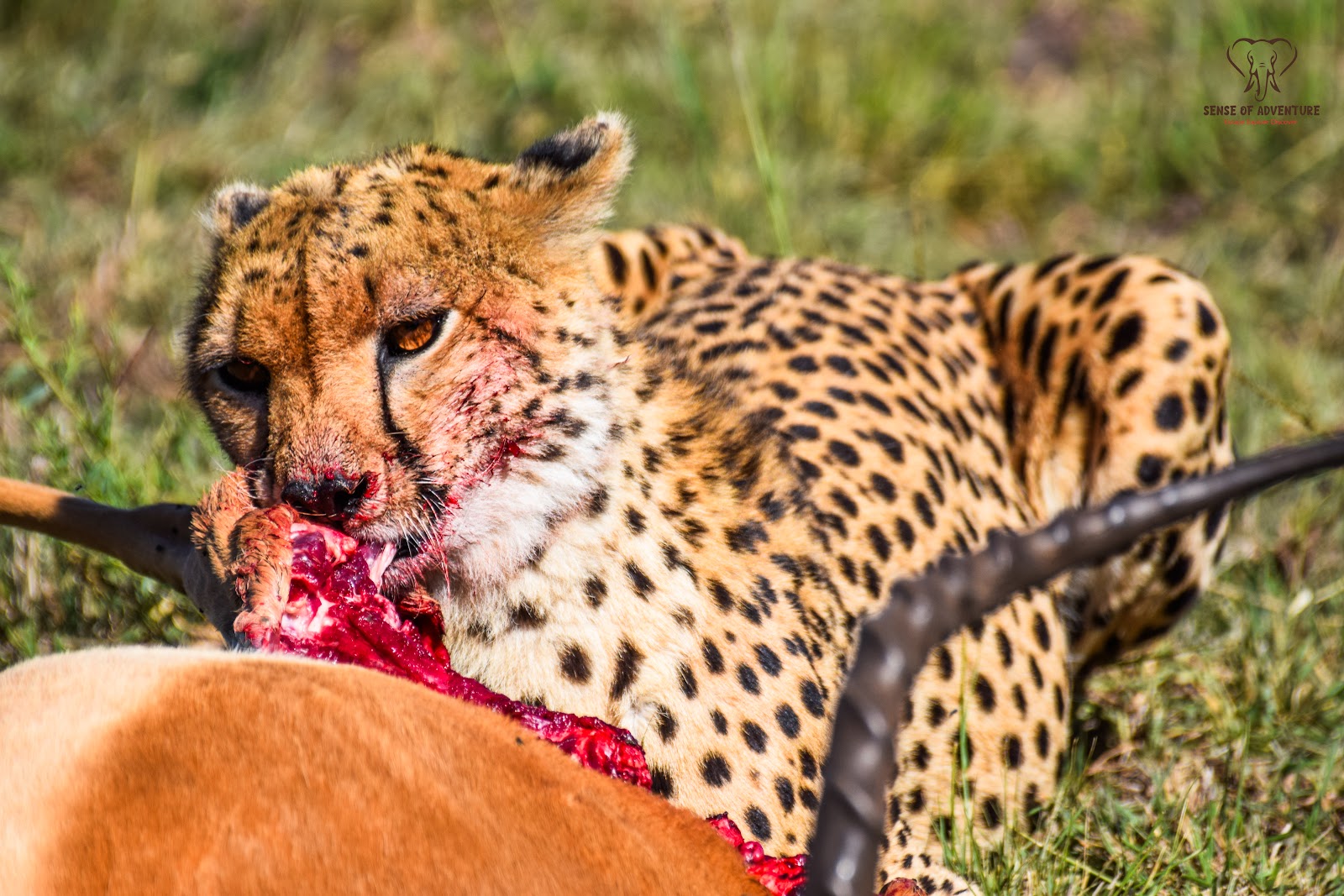
Cheetahs hunt in the morning and late afternoon, exactly when you are out on a game drive. Guides position quietly downwind of a hunting female, and when she commits, the whole plain erupts — a 100 km/h sprint that is over in under twenty seconds. It is the single most requested sighting we deliver, and the Mara’s short grass gives you an unobstructed view from start to finish.
Cubs at Play — the Mara’s best family viewing
Cheetah mothers raise litters of three to five cubs alone, and the Mara’s plains make them unusually visible. Cubs wrestle, chase each other and practise stalks while mum scans for danger — hours of behaviour you can watch from one parked vehicle. Our guides keep a respectful distance that keeps the family relaxed, which is exactly what long, natural sightings need.
Coalition Males — brotherhoods that changed the science
The famous Tano Bora (“Magnificent Five”) coalition proved male cheetahs can live and hunt in groups of up to five, taking prey as large as adult wildebeest. Coalitions still patrol the reserve today, scent-marking termite mounds and covering huge territories. Seeing several adult cheetahs move as one unit is a sighting most safari-goers never forget.
The Termite-Mound Lookout — the classic Mara photograph
Cheetahs use termite mounds, fallen trees and even patient safari vehicles’ shade as vantage points to scan for gazelle. The lookout pose — head high, spotted coat against golden grass — is the defining cheetah image, and it happens daily across the Mara. We time photographic stops for low morning light when the coats glow.
Green-Season Cheetah Photography — emerald grass, empty plains
From November to May the crowds thin and the plains turn green, making cheetah coats pop for photographers. Mothers with young cubs are commonly found near Rhino Ridge and the Talek plains in these months. Fewer vehicles means you often have a sighting entirely to yourself — a luxury in today’s Mara.
Ready for Your Cheetah Moment?
Join a small-group or private Mara safari timed for peak predator activity. We’ll put you in the right place when the sprint happens.
Masai Mara Cheetah Facts Worth Knowing
- Speed: a cheetah reaches 100 km/h in about 3 seconds — but can hold a sprint for barely 300 metres, which is why the stalk matters more than the chase.
- Population: the greater Mara ecosystem supports one of East Africa’s densest cheetah populations across its 1,510 km² reserve plus surrounding conservancies.
- Daylight hunters: unlike lions and leopards, cheetahs make most kills between 7-10 am and 4-6 pm — prime game-drive hours.
- Success rate: roughly every second hunt succeeds — about double a lion’s strike rate.
- Telling them apart: look for the black “tear marks” running eye to mouth; leopards have rosettes, cheetahs solid spots.
- Best months: cheetahs are resident year-round; July-October adds the migration’s gazelle bounty, November-May adds green backdrops and quiet plains.
How a Cheetah Safari Fits Your Mara Itinerary
Cheetah viewing slots naturally into any Mara trip. Photographers should look at our dedicated Big Cats Photographic Safari (6 days), which builds whole mornings around predator behaviour. For first-timers, the classic 3-day Masai Mara safari covers the core cheetah country, while our Great Migration safaris (July-October) combine river crossings with predators in action. See also our guide to the lions of the Masai Mara to complete your big-cat checklist.
The Plains Are Waiting
Dates fill fast for migration season and the green-season photography window. Message us today and we’ll hold your cheetah-country camp.
Frequently Asked Questions
Are cheetahs easy to see in the Masai Mara?
Yes — the Masai Mara is one of the most reliable places in Africa for cheetah sightings. Its short-grass plains suit their daylight hunting style, and resident females and coalitions are tracked daily by guides. Most guests on a 3-day Mara safari see at least one cheetah, often more.
What was the Tano Bora cheetah coalition?
The Tano Bora (“Magnificent Five” in Maa) was a famous Masai Mara coalition of five male cheetahs that hunted together from around 2016, taking prey as large as adult wildebeest. They proved cheetahs can form large, stable male alliances and became the most photographed cheetahs on earth.
What time of day do cheetahs hunt in the Masai Mara?
Cheetahs in the Masai Mara hunt mainly in daylight — early morning between 7 and 10 am and again in the late afternoon. They avoid competing with night-hunting lions and hyenas, which is why morning and evening game drives give you the best chance of watching a full chase.
When is the best time for a cheetah safari in the Masai Mara?
Cheetahs live in the Masai Mara year-round, so every month works. July to October adds huge gazelle and wildebeest numbers during the migration, while the quieter green season from November to May offers beautiful backdrops, newborn cubs and far fewer vehicles at each sighting.
How fast can a Masai Mara cheetah run?
Cheetahs in the Masai Mara can sprint at over 100 km/h, reaching that speed from standstill in about three seconds. The sprint only lasts around 20-30 seconds, so a successful hunt depends on stalking within 50-100 metres of prey before launching the chase.