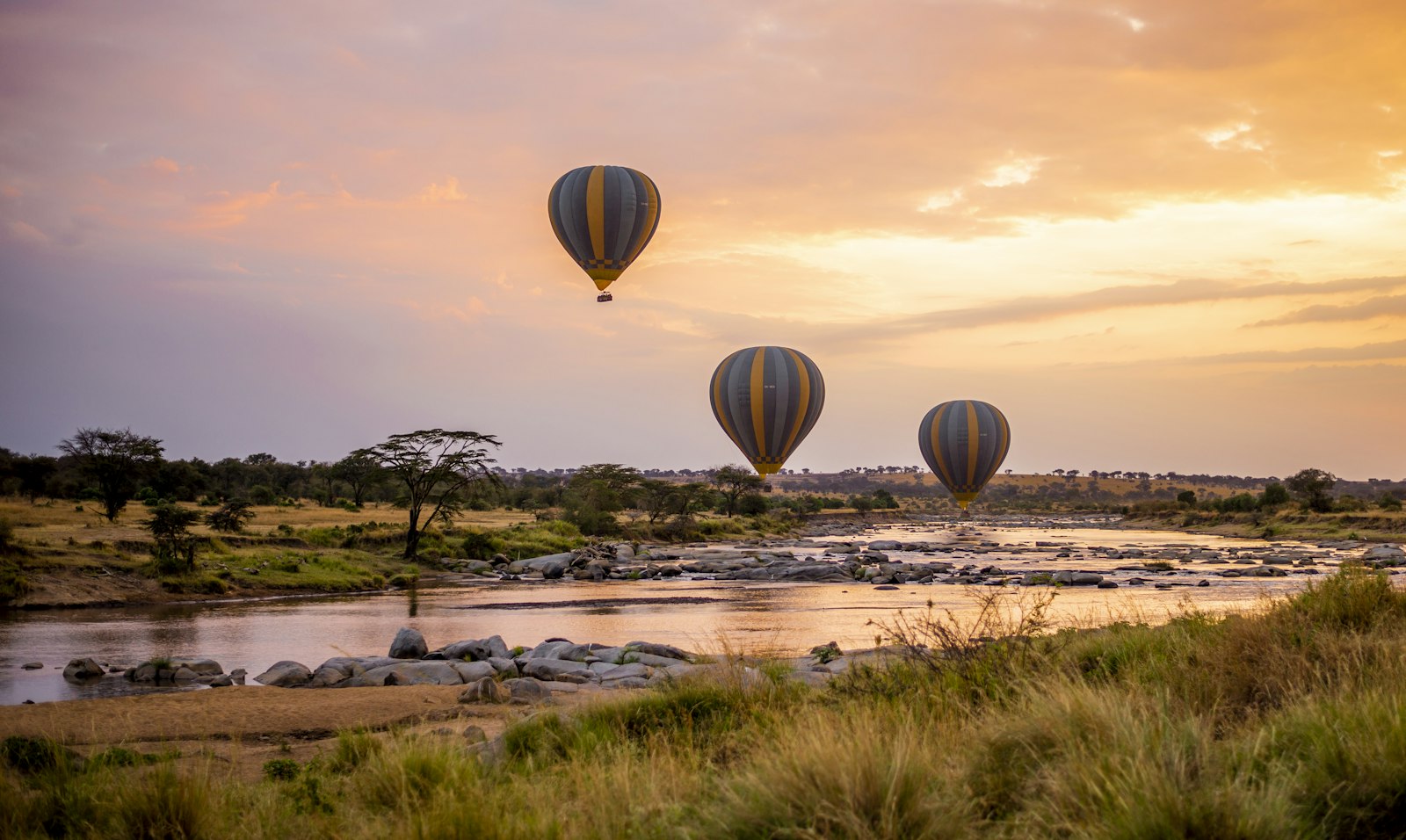
Serengeti balloon safari flights deliver the one perspective a game drive can never match: silent, floating, 1,000 feet above the endless plains as the sun breaks the horizon and shadows stretch for kilometres across grass and acacia. Wildebeest herds resolve into moving rivers from above; a pride of lions becomes six dots crossing a golden field; giraffes cast shadows longer than they are tall.
Balloons launch before dawn from sites across the Serengeti, drift with the wind for about an hour, and land to a champagne bush breakfast laid out on the plains. It is expensive, weather-dependent and utterly unforgettable — Sense of Adventure books it as the signature splurge for guests wanting their Serengeti trip to peak twice. This Serengeti balloon safari guide explains how a flight works, where and when to fly, costs, safety rules, what to wear and our best tips.
✅ Serengeti Balloon Safari Quick Answer
- What it is: a dawn hot-air balloon flight of about an hour over the Serengeti, ending with a bush breakfast.
- Where: year-round from the central Seronera area, with seasonal launch sites that follow the migration.
- Best time: December to March for calving herds in the south; June to October for dry-season views and the north.
- Book: several months ahead in peak season, as baskets are limited.
- Combine with: our 12-day Great Migration Safari Kenya & Tanzania, from USD 4,600.
See the Serengeti From the Sky
Dawn launch, silent drift over the herds, champagne breakfast on landing. Ask us to add a balloon flight to your safari.
How a Serengeti Balloon Safari Actually Works
Pilots wake guests in full darkness — typically around 4:30-5:00 am — for a briefing and inflation demonstration as the enormous envelope fills by firelight, a spectacle in itself. Baskets lift as the sky begins to lighten, rising to around 1,000 feet, occasionally dropping to just above the grass tips to skim over herds, then climbing again for panoramic views.
The 45-60 minute drift goes wherever the morning wind carries you; pilots steer only by changing height to ride different wind layers. Landings are usually gentle, followed by a champagne toast and a hot breakfast laid out on the open plain by a ground crew who tracked the flight by vehicle. Wind occasionally cancels flights entirely — a risk worth knowing about, not just an asterisk.
The 5 Essential Serengeti Balloon Moments
The Pre-Dawn Inflation — fire, fabric and anticipation
Watching a balloon fill from a flat pile of fabric to a towering envelope, lit orange by the roaring burner against a still-dark sky, is genuinely magical before you even leave the ground. Pilots explain the process and safety briefing while the crew works — the whole scene sets the tone for what follows.
Silent Sunrise Over the Herds — the migration from directly above
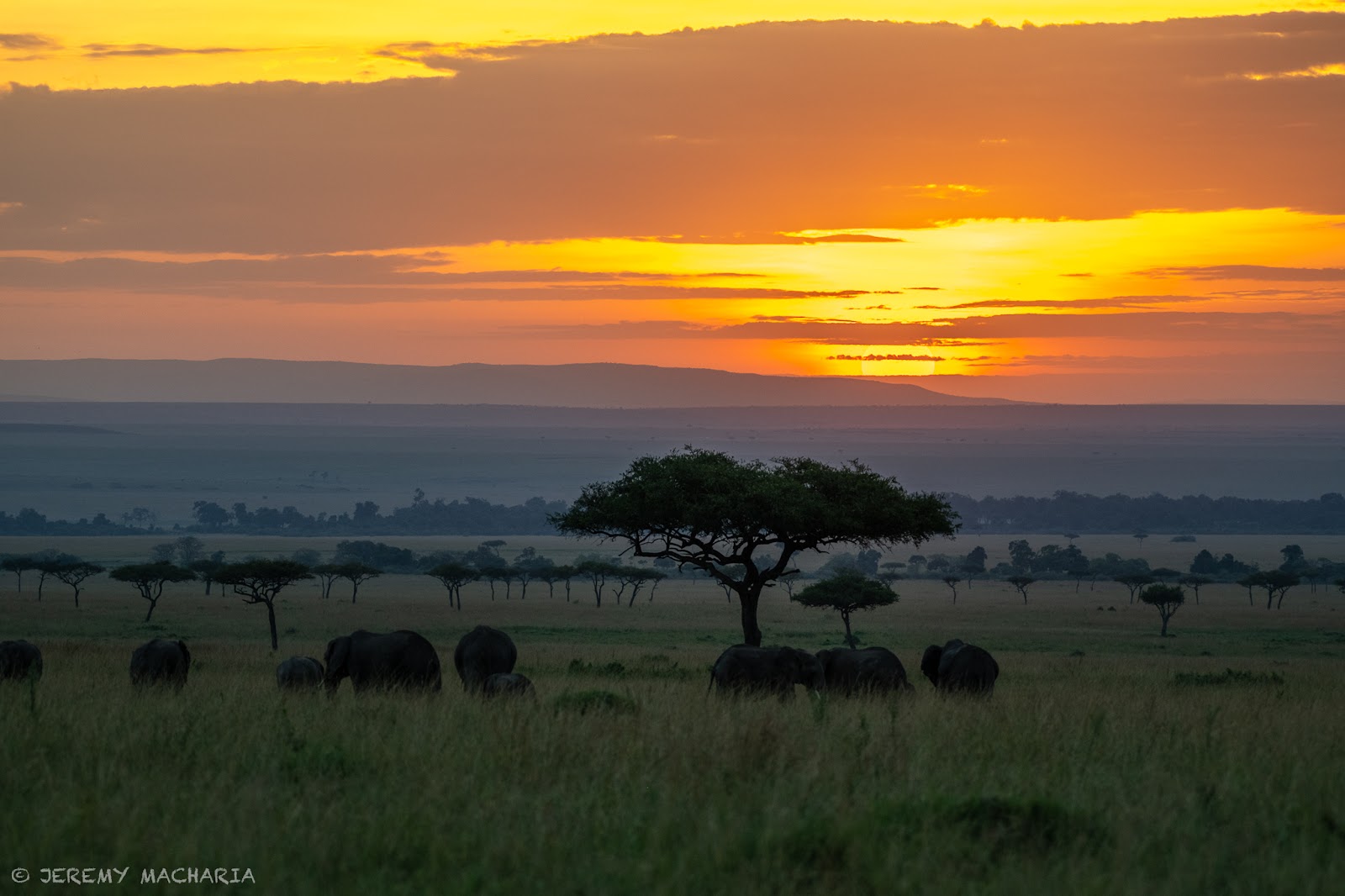
Depending on season, drifting silently over thousands of wildebeest and zebra as the first sun catches their dust is the flight’s emotional peak. Predators, invisible from ground level in tall grass, are often spotted clearly from above — a genuine advantage over a standard game drive.
Skimming the Treetops — pilots’ signature move
Good pilots drop the balloon low enough to nearly brush acacia crowns and startle a giraffe or two into a head-turn, then climb rapidly for a wide panoramic view — the contrast between intimate and epic within minutes is part of what makes ballooning so different from any vehicle-based safari.
The Champagne Bush Breakfast — landing in style
Touching down (sometimes with a gentle basket-drag-and-tip landing) leads straight into a full breakfast — eggs, sausages, pastries, fruit — laid on white-clothed tables in the middle of the plain, with a traditional champagne toast. It is theatre as much as meal, and cameras come out again immediately.
The Flight Certificate & Photos — proof for the mantelpiece
Most operators issue a signed flight certificate, and some offer photos or video of your flight as an add-on purchase. Between the aerial photographs, the breakfast spread and the certificate, guests leave with more tangible mementoes from this one activity than from most full safari days.
Book Ahead — Balloons Sell Out
Limited daily capacity and high demand mean early booking matters. Ask us to reserve your Serengeti flight.

Where a Serengeti Balloon Safari Launches
The Serengeti is huge, so where you fly depends on where you stay and when you travel. Balloon companies keep a year-round base in the central Seronera area and move to seasonal launch sites that follow the wildebeest. Your camp will normally be chosen with the flight in mind, as pick-ups are long before dawn.
Central Serengeti (Seronera)
The central Seronera valley has flights in every month. Rivers lined with trees, kopjes and resident lions, leopards and cheetahs make it rewarding even when the migration is elsewhere. This is the most reliable Serengeti balloon safari for travellers whose dates are fixed.
Southern plains, Western Corridor and the north
From roughly December to March, seasonal flights in the south can take you over the calving herds on the short-grass plains. Around May to July, launches in the Western Corridor follow the herds towards the Grumeti River. From about July to October, flights in the northern Serengeti sit close to the Mara River crossings. Exact months shift with the rains, so we confirm the operating sites when we book.
Best Time for a Serengeti Balloon Safari
Flights run all year, weather permitting, so the best time depends on what you want to see beneath the basket.
| Months | Where the herds usually are | Flight highlights |
|---|---|---|
| December–March | Southern plains | Calving herds, green plains, predators |
| April–May | Moving north and west | Green season, fewer visitors; some rain delays |
| June–July | Western Corridor and centre | Long columns of wildebeest; clear mornings |
| August–October | Northern Serengeti and Masai Mara | Dry, golden plains; river country in the north |
| November | Heading south again | Short rains, fresh grass and good value |
The migration never follows the calendar exactly, so treat this as a guide. Our Great Migration 2027 guide explains typical timing in more detail.
A Serengeti Balloon Safari Morning, Hour by Hour
| Time (approx.) | What happens |
|---|---|
| 4:30–5:00 am | Wake-up call, tea or coffee, and pick-up from your camp in the dark |
| 5:15–6:00 am | Safety briefing at the launch site while the crew inflates the balloon |
| 6:00–7:15 am | Lift-off at first light and around an hour drifting over the plains |
| 7:15–8:30 am | Landing, champagne toast and a cooked bush breakfast |
| 8:30–10:00 am | Game drive back to camp, often meeting your own guide and vehicle |
Times shift a little with the season and the distance to the launch site. Because you land wherever the wind takes you, the drive back doubles as a morning game drive, so keep your binoculars handy. Most guests are back at camp by mid-morning with time for a rest before the afternoon drive.
If your flight is cancelled for weather, the crew will usually tell you at the launch site, after checking the wind. It is disappointing, but it is the right call, and a reason to schedule the Serengeti balloon safari on your first full morning so another day is available.
Serengeti Balloon Safari Cost
A Serengeti balloon safari is priced per person, separately from your lodge and game drives, and usually includes pick-up from nearby camps, the flight, a champagne toast, a full breakfast and a certificate. Prices change each year and vary by operator and launch site, so we quote the current rate when you book rather than publish a figure that may be out of date.
For comparison, our Masai Mara balloon safari guide puts a Kenyan flight at about USD 450–520 per person. Remember that Serengeti park fees are charged separately per 24 hours; current rates are on the Tanzania National Parks website.
Trips on our site that pair well with a flight include:
- Great Migration Safari Kenya & Tanzania – Masai Mara & Serengeti (12 Days) — from USD 4,600.
- Kenya & Tanzania Classic Safari – Masai Mara & Serengeti (10 Days) — from USD 3,500.
We can add a balloon flight to either, or to a private Kenya safari that continues into Tanzania. For a more lavish route, see our luxury Kenya safari options.
Serengeti Balloon Safari Safety and Rules
Licensed operators fly with experienced pilots and will only launch in suitable wind and weather. Before take-off you will learn the landing position: seated or crouched low in your compartment, holding the rope handles, with your back to the direction of travel. Listen closely and follow the pilot’s instructions.
- Age: most operators set a minimum age for children; confirm the current limit when booking.
- Health: flights are usually not recommended in pregnancy or with serious back, neck or heart conditions; ask your doctor if unsure.
- Weight: some operators apply weight limits or ask for weights in advance for balancing the basket.
- Cancellations: if wind or rain stops a flight, operators normally offer another morning or a refund; check the terms.
For general travel safety in the country, read the latest GOV.UK travel advice for Tanzania.
9 Tips for the Best Serengeti Balloon Safari
- Book early: baskets are limited, especially from July to October and over Christmas.
- Fly early in your stay: if wind cancels the first morning, you still have a back-up day.
- Stay close to the launch site: a short pick-up means more sleep and less chance of delay.
- Dress in layers: pre-dawn is cold, but it warms up fast once the sun rises.
- Wear a cap: the burners above your head give out real heat.
- Bring one camera, not three: a 24–70 mm or 24–105 mm zoom covers most shots; keep a strap on it at all times.
- Use a fast shutter speed: the basket moves gently, so aim for 1/500 s or faster.
- Look straight down: some of the best views are directly below the basket.
- Put the camera away for a minute: the silence is the part guests remember most.
Serengeti Balloon Safari vs Masai Mara Balloon
Both flights cross the same ecosystem, so the experience feels similar: dawn launch, an hour over the plains and breakfast in the bush. The Serengeti offers more launch sites and the chance to fly over calving herds in the south, while the Masai Mara is easier to reach from Nairobi and usually costs a little less. If you are visiting both countries, choose the flight that matches where the herds will be during your dates. Our Serengeti vs Masai Mara comparison and the Masai Mara safari packages page help you decide.
Our Verdict on the Serengeti Balloon Safari
A Serengeti balloon safari is not cheap, and it means a very early start, but few guests regret it. The hour in the air gives you the scale of the plains in a way no vehicle can, and the bush breakfast turns it into a celebration. It is especially worth it for honeymoons, milestone birthdays and first-time visitors who may never return.
Fly early in your stay, keep your expectations open about which animals appear below and enjoy the quiet. Tell us your dates and we will match your camp, launch site and flight morning to where the herds are likely to be.
Serengeti Balloon Facts
- History: commercial balloon flights have run in the Serengeti for decades and remain one of Tanzania’s signature luxury activities.
- Timing: launches happen daily around dawn, weather permitting; flights can be cancelled or delayed for wind.
- Duration: roughly 45-60 minutes airborne, plus 3-4 hours in total including pick-up, briefing and breakfast.
- Weight & age limits: operators enforce weight limits and minimum ages for safety — confirm when booking.
- Best season: flights run year-round; migration months add moving-herd views depending on where the herds are.
- Cost note: balloon safaris are priced separately from standard game drives — a premium add-on worth budgeting for specifically.
Adding a Balloon Flight to Your Serengeti Trip
Balloon safaris pair naturally with our migration photographic safaris and any Tanzania Northern Circuit itinerary. Read our Serengeti National Park guide for the wider park, and the migration river-crossing guide to time your visit around herd movement.
Float Above the Greatest Show on Earth
One dawn flight, memories for a lifetime. Message us to reserve your Serengeti balloon safari.
Frequently Asked Questions
What is a Serengeti balloon safari?
A Serengeti balloon safari is a dawn hot-air balloon flight over the plains, typically cruising around 1,000 feet for 45-60 minutes before landing to a champagne bush breakfast. It gives an aerial view of wildlife, including migration herds, that you cannot get from a vehicle.
How much does a Serengeti hot air balloon cost?
A Serengeti balloon safari is priced per person as a premium add-on, separate from lodge and park fees, and usually includes pick-up, the flight, champagne, breakfast and a certificate. Rates vary by operator, year and launch site, so ask us for the current price when planning your trip.
What time do Serengeti balloon flights launch?
Serengeti balloon flights launch just before dawn, with a wake-up call around 4:30-5:00 am, inflation and briefing around 5:30 am, and lift-off timed to catch first light over the plains. The whole experience, including breakfast, usually finishes by mid-morning, in time for a game drive.
Can balloon flights see the wildebeest migration?
Yes, when your flight is timed to where the herds are. Seasonal launch sites in the south (around December to March), the Western Corridor and the north let a Serengeti balloon safari pass over wildebeest and zebra, and often reveal predators hidden from ground level.
Are Serengeti balloon safaris safe?
Serengeti balloon safaris are run by licensed operators with experienced pilots and strict safety procedures. Flights depend on the weather and can be delayed or cancelled for wind or rain. Follow the landing briefing carefully, and book with an established company that puts safety before schedules.
Is a Serengeti balloon safari worth it?
For most guests, yes. A Serengeti balloon safari shows the scale of the plains in a way no vehicle can, and the silence at sunrise is unforgettable. It is a costly add-on, so it suits special occasions or first visits best; families on tight budgets may prefer an extra game-drive day.
What should I wear on a balloon safari?
Wear warm layers you can remove, as pre-dawn is cold and mornings warm quickly. Add a cap or hat to protect against burner heat, closed walking shoes for uneven landing sites and sunglasses. Leave large bags behind; carry only a camera with a strap and a light jacket.