
Malindi Kenya holidays often get treated as an afterthought to Watamu and Diani, a stop on the way rather than a destination in its own right, and that undersells one of East Africa’s oldest Swahili trading towns. A Portuguese pillar linked to Vasco da Gama’s 1498 visit still stands on the shoreline. A short drive south, an entire abandoned Swahili town sits in the forest at Gede, its coral walls still standing.
The beach itself is pale sand backed by palms, but it is the layered history underneath that makes Malindi worth its own two or three nights rather than a passing glance. Sense of Adventure, a TRA-licensed safari operator based in Nairobi, builds its north-coast itineraries around exactly this mix of reef, ruins and relaxed seafront evenings. This guide covers what to do in Malindi, Kenya, where to base yourself, how to get there, the best time to go and how to add it to a safari.
✅ Malindi Kenya: Quick Answer
- Where: Kilifi County on Kenya’s north coast, about 120 km north of Mombasa.
- Known for: the Vasco da Gama Pillar, the Gede Ruins, Malindi Marine National Park and an Italian-influenced food scene.
- How long: two to three nights, or four with Watamu.
- Getting there: domestic flights from Nairobi to Malindi Airport, or a 2 to 3-hour drive from Mombasa.
- Best time: the drier months, roughly December to March and July to October.
- With a safari: pairs well with Tsavo East or as a beach finale after the Masai Mara.
Thinking of a few nights on the north coast? Tell us your dates and we will shape a Malindi stay around them.
Shape My Malindi StayMalindi Kenya: A Coastal Town Built on Centuries of Trade
Malindi sits roughly 120 km north of Mombasa on Kenya’s Indian Ocean coast, and its trading history reaches back many centuries before Vasco da Gama’s ships anchored offshore in 1498 on their way to India. The Sultan of Malindi welcomed the Portuguese and supplied a pilot for the crossing to India, and the coral-stone Vasco da Gama Pillar on the seafront is counted among the oldest European monuments in Africa.
Malindi was also part of the Indian Ocean trade network that linked the Swahili coast with Arabia, Persia, India and China. Add a marine park created in 1968 and a UNESCO-listed ruin nearby, and Malindi Kenya carries more visible history than almost anywhere else on the coast outside Lamu and Mombasa. For the wider story of the region, see our Lamu Island guide and Mombasa travel guide.
12 Best Things to Do in Malindi Kenya
Most visitors to Malindi, Kenya come for the beach and leave talking about the history. These are the experiences that make a Malindi Kenya trip worth planning properly, starting with the five our guests rate highest.
The Vasco da Gama Pillar: a 500-year-old monument on the seafront
This coral-stone pillar topped with a cross stands on a small headland at the southern end of Malindi’s bay. It marks one of the earliest recorded points of contact between Portugal and East Africa, and is now protected by the National Museums of Kenya. Go late in the afternoon for softer light and views across the bay; it is the classic Malindi Kenya photograph.
The Gede Ruins: a whole Swahili town abandoned in the forest
About 16 km south of Malindi, near Watamu, Gede is a walled Swahili town that flourished for several centuries before being abandoned around the early 1600s, for reasons historians still debate. A palace, mosques, houses and pillar tombs stand under the forest canopy, watched by Sykes’ monkeys. It was inscribed on the UNESCO World Heritage List in July 2024.
Malindi Marine National Park: one of Africa’s first protected reefs
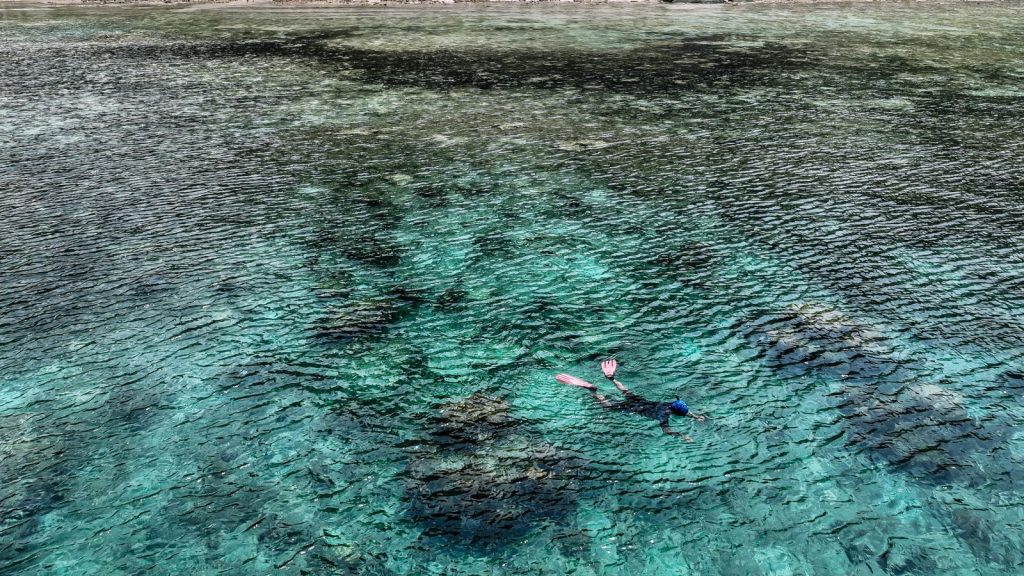
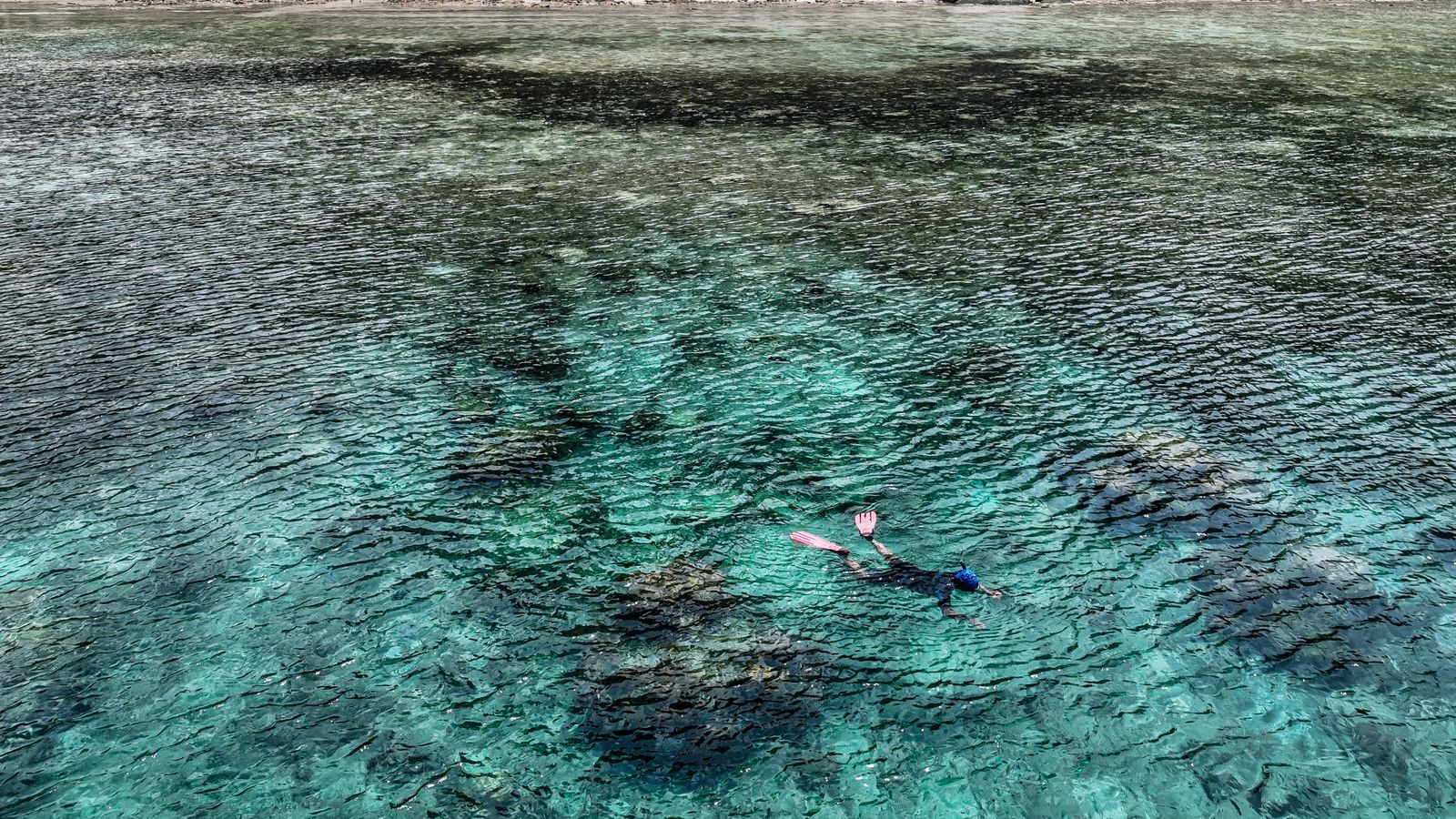
Created in 1968, at the same time as Watamu’s, this was among the first marine parks on the continent. Its coral gardens shelter angelfish, butterflyfish, parrotfish and sometimes turtles, all within easy reach by glass-bottom boat or snorkel at low tide. Our Malindi Marine National Park guide covers the reef in detail.
Malindi Old Town: coral-stone streets and a working Swahili market
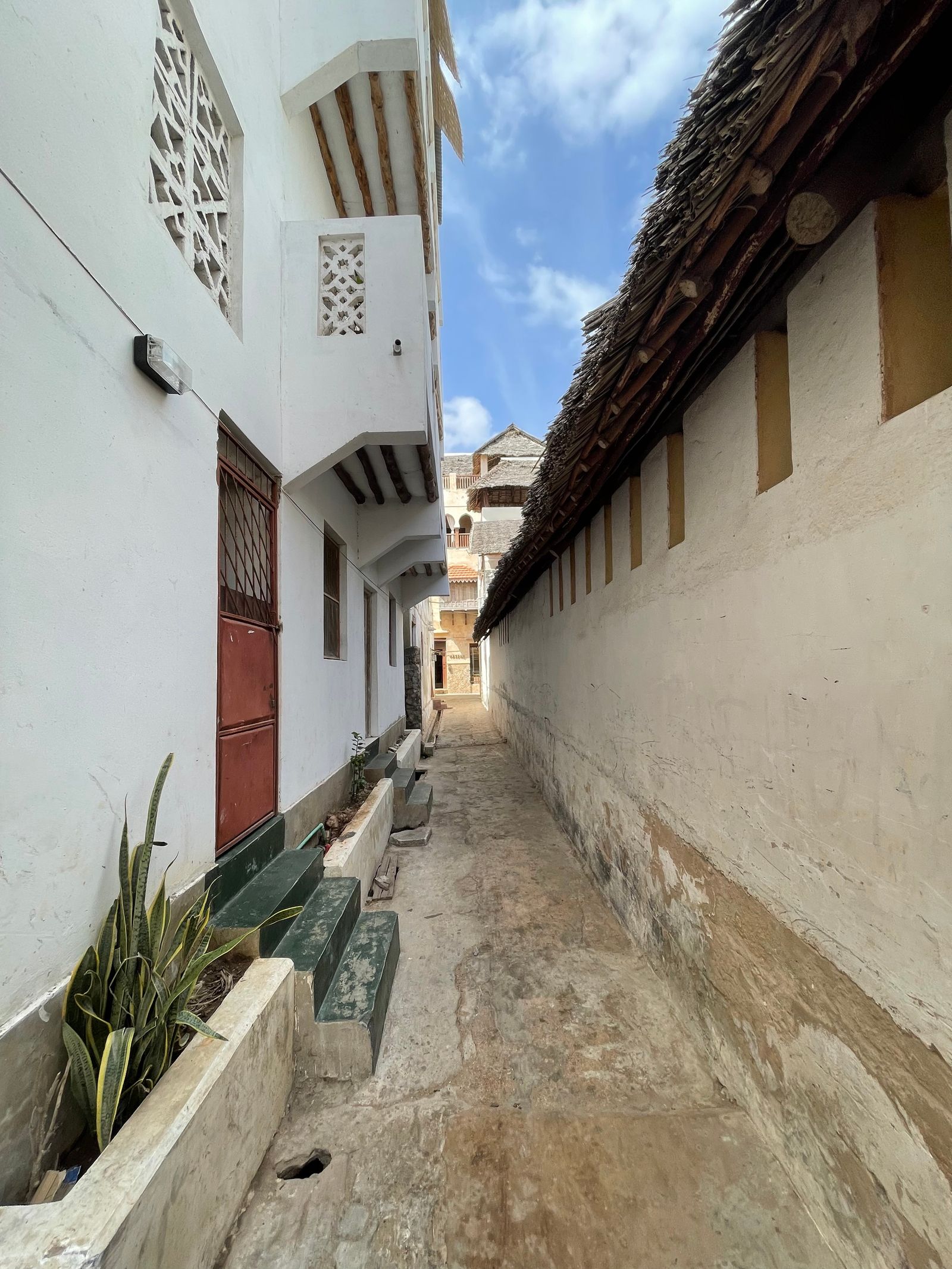
Narrow lanes lined with coral-block houses lead to the Malindi Museum on the seafront and to the small Portuguese Chapel, one of the oldest Christian sites in East Africa. Both fit into a relaxed half day on any Malindi Kenya itinerary. Tuk-tuks are cheap and plentiful, so the Old Town is easy to explore without a car; agree the fare before you set off.
The beach itself: pale sand and Italian-influenced seafront dining
Malindi’s long, palm-fringed beaches sit alongside a good restaurant scene, a legacy of the town’s long-standing Italian community, so fresh seafood pasta or a wood-fired pizza by the water is as much a part of a Malindi evening as the sunset. Gelato shops and espresso bars are part of daily life here too.
6. Walk in Arabuko-Sokoke Forest
For nature lovers, this is the standout Malindi Kenya day trip. Between Malindi and Watamu lies Arabuko-Sokoke, the largest surviving block of coastal forest in East Africa. It is a birding hotspot, home to rarities such as the Sokoke scops owl and the golden-rumped sengi, a long-nosed elephant shrew found almost nowhere else. Morning walks with a local guide are best. Read more in our Arabuko-Sokoke guide.
7. Watch the tide turn at Mida Creek
Mida Creek is one of the most peaceful Malindi Kenya experiences. It is a tidal inlet lined with mangroves, just south of Gede. A community-run boardwalk and suspension bridge lead out over the mangroves, and at low tide the mudflats fill with waders such as crab plovers and sandpipers. A sunset canoe trip on the creek is one of the quietest, loveliest things to do on this coast.
8. See Marafa’s “Hell’s Kitchen”
Inland from Malindi, Kenya’s most surprising landscape awaits. The Marafa Depression is a canyon of eroded sandstone in shades of pink, orange and white. Local legend explains the name; geology explains the shapes. Go in the late afternoon, when the colours glow and the heat eases, and use the community guides at the site.
9. Sail on a dhow at sunset
Few Malindi Kenya evenings beat this one, and few experiences feel more Swahili than a dhow cruise as the sun drops. Trips leave from Malindi and nearby Watamu, often with fresh seafood on board. Our sunset dhow cruise guide explains what to expect.
10. Snorkel and dive in Watamu
Watamu Marine National Park is a 30-minute drive south and has some of Kenya’s best snorkelling, plus turtle conservation work on the beach. Our Watamu Marine Park safari guide has the details.
11. Go deep-sea fishing
Malindi has long been known for sport fishing, with sailfish, marlin and tuna among the prized catches in season. Most operators now practise tag-and-release for billfish. Ask us for an honest view on the season before you book.
12. Watch birds at the Sabaki River mouth
Just north of town, the Sabaki estuary attracts gulls, terns, herons and migrant waders, particularly from about October to April. It is an easy, peaceful outing for keen birders.
Book Your Watamu & Malindi Escape
Our 4-day Watamu & Malindi Marine Escape pairs both marine parks with the Gede Ruins in one easy trip. Ask us which activities fit your days.
Check My Coast Dates
Where to Stay in Malindi Kenya
Malindi Kenya accommodation covers most budgets, from simple guesthouses to beachfront resorts and private villas. The real choice is about location, and it shapes how you spend your Malindi Kenya days.
Choosing your base
- Malindi town seafront: best for history, restaurants and the Old Town on foot.
- South of town, near the marine park: quieter beaches and quick access to the reef and the Vasco da Gama Pillar.
- Watamu: a smaller, calmer village 30 minutes south, with clearer water much of the year and easy access to Gede, Mida Creek and Arabuko-Sokoke.
- A villa: good value for families or groups who want space and a private cook.
Many guests split their stay: one or two nights in Malindi for the town and food, then two in Watamu for the reef. We will recommend specific properties that suit your budget once we know your dates, since availability and rates change through the year.
Malindi, Watamu or Both?
Tell us your travel style and budget, and we will suggest the right base, or the right split, for your nights on the north coast.
Pick My Coast BaseHow to Get to Malindi Kenya
Malindi Kenya is straightforward to reach, which is part of its appeal as a beach extension. Here are the main routes.
By air
Malindi Airport has regular domestic flights from Nairobi, taking roughly an hour. This is the easiest option if you are coming straight from a safari, since many itineraries fly from the Masai Mara to Nairobi and connect onward to the coast the same day.
By road and rail
From Mombasa, the coastal road north to Malindi takes about 2 to 3 hours depending on traffic, passing Kilifi Creek on the way. Travellers coming from Nairobi can take the SGR train to Mombasa and transfer by road; our Nairobi to Mombasa guide compares train, flight and road. From Diani on the south coast, allow most of a day.
Getting around
Getting around Malindi Kenya is easy. Tuk-tuks and taxis cover short trips in town, while a private driver makes day trips to Gede, Mida Creek and Marafa simpler. On our coastal packages, transfers are included.
Best Time to Visit Malindi Kenya
Malindi Kenya weather is warm all year, with daytime temperatures usually around the high 20s to low 30s °C. The drier months, roughly December to March and July to October, are the most popular. The long rains usually fall from about April to June, and shorter rains around November.
Sea conditions matter for snorkelling. The calmer north-east monsoon months, roughly December to March, often bring the clearest water, while the south-east monsoon from about June to September can make the sea choppier. After heavy rain, silt from the Sabaki River can cloud the water close to Malindi, which is one reason many snorkellers head to Watamu. For month-by-month detail, see our Kenya weather by month guide.
| Months | Conditions | Good for |
|---|---|---|
| Dec to Mar | Hot, dry, calmer seas | Snorkelling, beach, diving |
| Apr to Jun | Long rains, humid | Quiet beaches, lower demand |
| Jul to Oct | Drier, breezy, cooler | Safari and beach combinations |
| Nov | Short rains | Birding, green landscapes |
Malindi Kenya Trip Costs and Packages
Malindi Kenya trip costs depend on season, where you stay and how many activities you add. To give you a starting point, these packages are currently on our site:
- Gede Ruins & Mida Creek Day Trip from Watamu & Malindi, from USD 110 per person.
- Watamu & Malindi Marine Escape (4 Days), from USD 700 per person.
- Tsavo East Day Safari from Mombasa & Diani, from USD 230 per person, if you want a taste of the bush from the coast.
Marine park entry is paid to the Kenya Wildlife Service, so check the current rate on the KWS website if you are planning independently. On our packages, park fees and transfers are included, and we always confirm a written quote for your exact dates.
Get a Written Malindi Quote
Send your dates, group size and budget, and we will reply with one clear price for your Malindi and Watamu stay, transfers and activities included.
Malindi Quick Reference
- Location: roughly 120 km north of Mombasa on Kenya’s Indian Ocean coast.
- Historic landmark: the Vasco da Gama Pillar, linked to the Portuguese visit of 1498.
- Gede Ruins: an abandoned Swahili town near Watamu, UNESCO-listed since July 2024.
- Marine park: created in 1968, one of the first protected reef areas in Africa.
- Best time to visit: roughly December to March and July to October.
- Getting around: tuk-tuks and taxis in town; a private driver for day trips.
Combining Malindi With the Rest of the Kenyan Coast
Most guests pair Malindi Kenya with Watamu rather than visiting it alone, since the two marine parks and the Gede Ruins sit within a short drive of each other. Read our full Watamu Marine Park safari guide for the reef and turtle details, or our Diani Beach guide if you are deciding between the north and south coast. Our own Watamu & Malindi Marine Escape (4 Days) and Diani Beach Getaway (4 Days) both extend easily onto the back of any Kenya safari itinerary.
Adding a safari to Malindi Kenya
A Malindi Kenya beach stay and a safari fit together neatly. Tsavo East is the closest big park, and its Sala Gate side can be reached by road from Malindi, making a short safari easy to combine with the coast. For the classic bush-and-beach route, guests fly from the Masai Mara to Nairobi and on to Malindi. See our guides to combining a safari with a beach holiday, Kenya safari and beach holidays and Masai Mara safari packages, or start with a private Kenya safari.
Expert tip from our Nairobi team
Look up the tide table before you fix your north-coast days. Book the marine park and Mida Creek for mornings near low tide, and keep Gede, the Old Town and the Vasco da Gama Pillar for high-tide hours or late afternoons. Planned this way, three nights cover what most visitors try to squeeze into five.
Practical Tips for Malindi Kenya
A few local customs and habits will make your Malindi Kenya stay smoother.
- Dress modestly in town: Malindi is a largely Muslim Swahili town, so cover shoulders and knees away from the beach.
- Plan around tides: snorkelling and glass-bottom boat trips are best near low tide.
- Carry small notes or M-Pesa: handy for tuk-tuks, markets and tips.
- Use reef-safe sun protection: the equatorial sun is strong even on cloudy days.
- Respect Ramadan: during the holy month, avoid eating or drinking in public in the Old Town during daylight.
- Check official advice: read the GOV.UK travel advice for Kenya and Magical Kenya before you travel.
Malindi Kenya FAQs
Is Malindi Kenya worth visiting or should I just stay in Watamu?
Malindi is worth its own time rather than a quick detour from Watamu, mainly for the Old Town, the Vasco da Gama Pillar and its food scene. Watamu has calmer water and is closer to Gede. Most travellers combine both towns in one three or four-night coastal stay rather than choosing between them.
How far is Malindi from Mombasa?
Malindi sits roughly 120 km north of Mombasa, about a 2 to 3-hour drive along the coastal road depending on traffic. If you are coming from Nairobi or a safari, the quickest route is a domestic flight to Malindi Airport, which takes roughly an hour from Nairobi.
What are the Gede Ruins near Malindi?
The Gede Ruins are the remains of a walled Swahili stone town about 16 km south of Malindi, near Watamu. It flourished for several centuries before being abandoned around the early 1600s. Inscribed on the UNESCO World Heritage List in July 2024, the site includes a palace, mosques and pillar tombs under forest canopy.
When is the best time to visit Malindi?
The best time to visit Malindi is during the drier months, roughly December to March and July to October. December to March usually brings the calmest seas for snorkelling. The long rains from about April to June are wetter and quieter, though the coast stays warm all year round.
Can I combine Malindi with a Kenya safari?
Yes. Malindi works well as a beach finale after a Masai Mara or Amboseli safari, usually by flying via Nairobi to Malindi Airport. For a shorter trip, Tsavo East can be reached by road from the coast, so you can add a one or two-day safari without flying at all.
Is Malindi safe for tourists?
Malindi is a popular, established resort town, and most visits are trouble-free. Use normal precautions: avoid walking alone on empty beaches after dark, keep valuables out of sight and use registered taxis or your driver at night. Always check the latest GOV.UK travel advice for Kenya before you travel.
How many days do I need in Malindi?
Two to three nights covers Malindi’s Old Town, the marine park and a trip to Gede and Mida Creek. With four nights you can add Watamu’s reef, Arabuko-Sokoke Forest or Marafa without rushing. If you are combining Malindi with a safari, three nights is a good balance.
Give Malindi the Days It Deserves
From the Vasco da Gama Pillar to sunset on Mida Creek, our team will plan your Malindi and Watamu days around the tides, the seasons and your safari.
Kenya-based experts. Real local knowledge. Transparent pricing.