Bush safari Kenya is a phrase almost every itinerary uses without ever quite defining it, usually to separate the wildlife part of a trip from the beach days that follow. In practice it means game drives across open plains, breakfasts served under an acacia tree, and evenings that end with a sundowner rather than a hotel bar.
There is no beach and no city noise, just vehicle tracks, dust and animals moving across the horizon. Sense of Adventure, a TRA-licensed safari operator based in Nairobi, treats the bush safari as the heart of a Kenya trip, then lets guests add a coast extension on top rather than the other way round. This guide explains what a bush safari Kenya trip includes, where to go, how long to stay, what it costs and how to plan it.
✅ Bush Safari Kenya: Quick Answer
- What it is: the wildlife part of a Kenya trip, built around game drives, bush meals and camps close to the animals.
- Where: the Masai Mara, Amboseli, Samburu, Tsavo and the Laikipia conservancies.
- How long: 4 to 10 days across two or three areas; 7 days is a popular balance.
- Daily rhythm: early morning and late afternoon drives, with rest in the heat of the day.
- Extras: guided walks and night drives in private conservancies, not inside national reserves.
- Cost: our trips start from USD 590 per person for a 4-day Masai Mara camping safari.
Dreaming of dusty tracks and campfire evenings? Tell us your dates and we will sketch your bush days.
Sketch My Bush DaysWhat Bush Safari Kenya Actually Includes
A bush safari Kenya trip centres entirely on wildlife days: morning and afternoon game drives, meals taken outdoors rather than in a dining room, and lodges or tented camps placed to put you close to the animals rather than beside a pool. Most bush safari Kenya itineraries run 4 to 10 days across two or three parks, commonly the Masai Mara paired with Amboseli, Samburu or Tsavo.
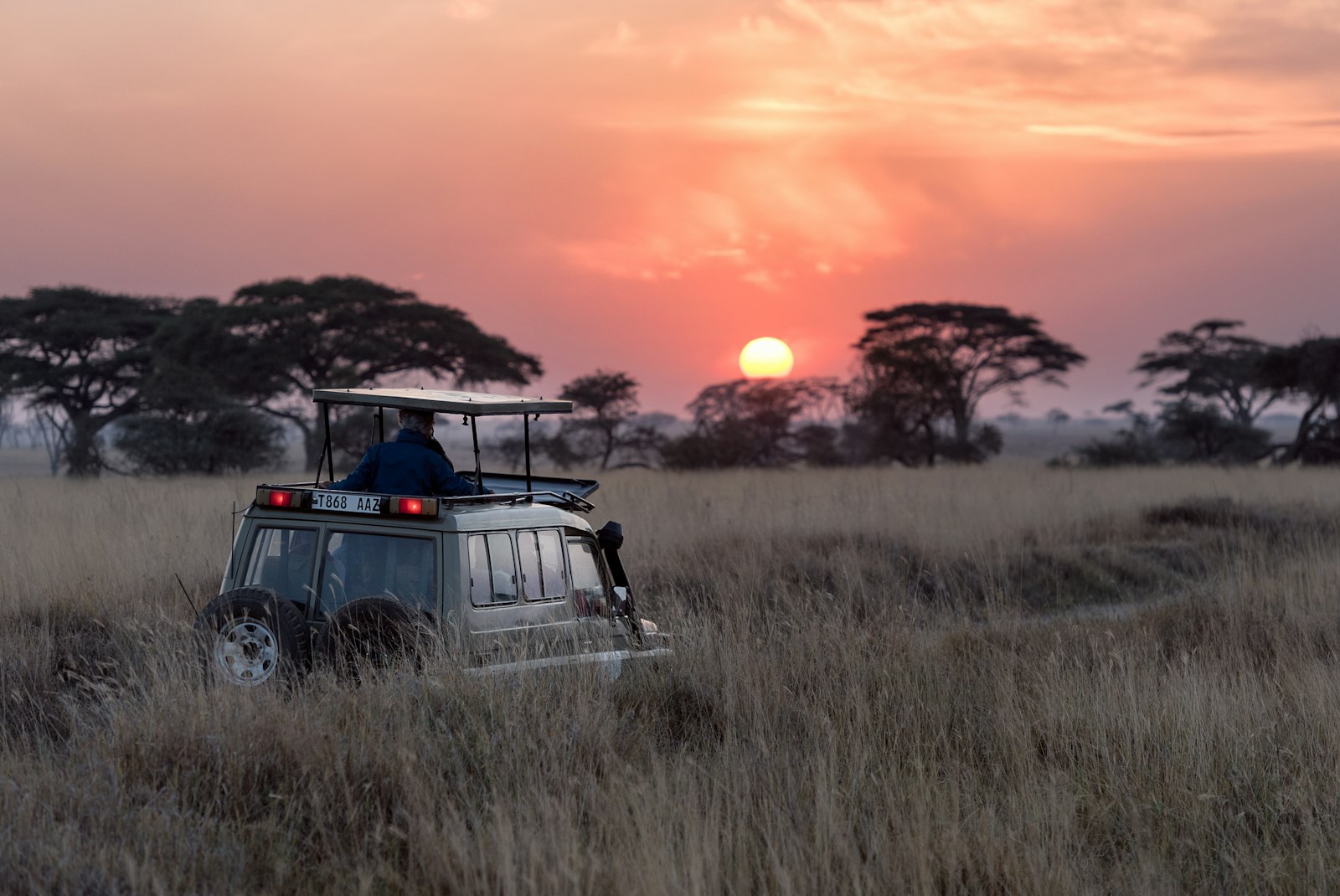
It is the part of a Kenya trip that happens before anyone mentions a beach. You travel with a professional driver-guide in a 4×4 with a pop-up roof, sleep in the bush and spend most daylight hours looking for animals. The rest of the day is simple: good food, a shower, a nap in the heat and stories around the fire.
What a bush safari Kenya day looks like
- Around dawn: tea or coffee, then an early game drive when predators are active.
- Mid-morning: breakfast back at camp or a bush breakfast on the plains.
- Midday: lunch and rest while animals shelter from the heat.
- Afternoon: a second game drive into the golden evening light.
- Sunset: a sundowner stop, then dinner and the sounds of the night.
5 Things That Define a Bush Safari
1. Morning and Afternoon Game Drives: the backbone of every bush day
Two game drives a day, timed around dawn and late afternoon when animals are most active, form the structure of every bush safari. Everything else on the itinerary is scheduled around these two windows. On some days you will take a full-day drive with a picnic lunch instead, especially in the Masai Mara during the migration.
2. Bush Meals and Sundowners: eating where you actually are
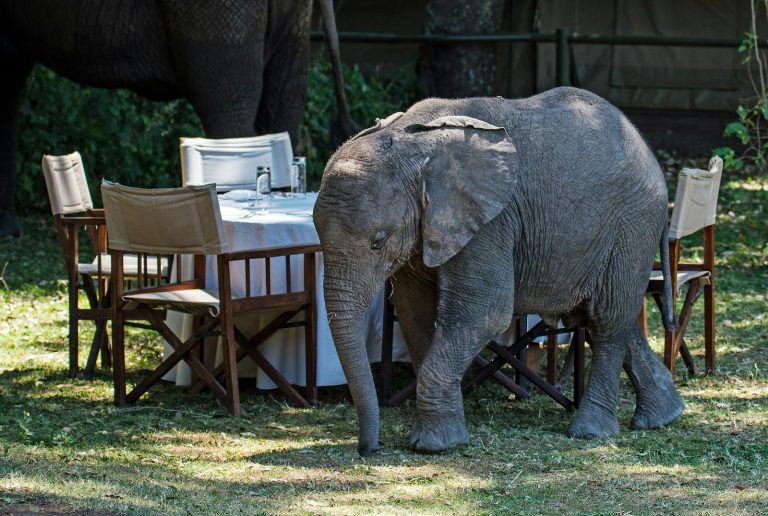
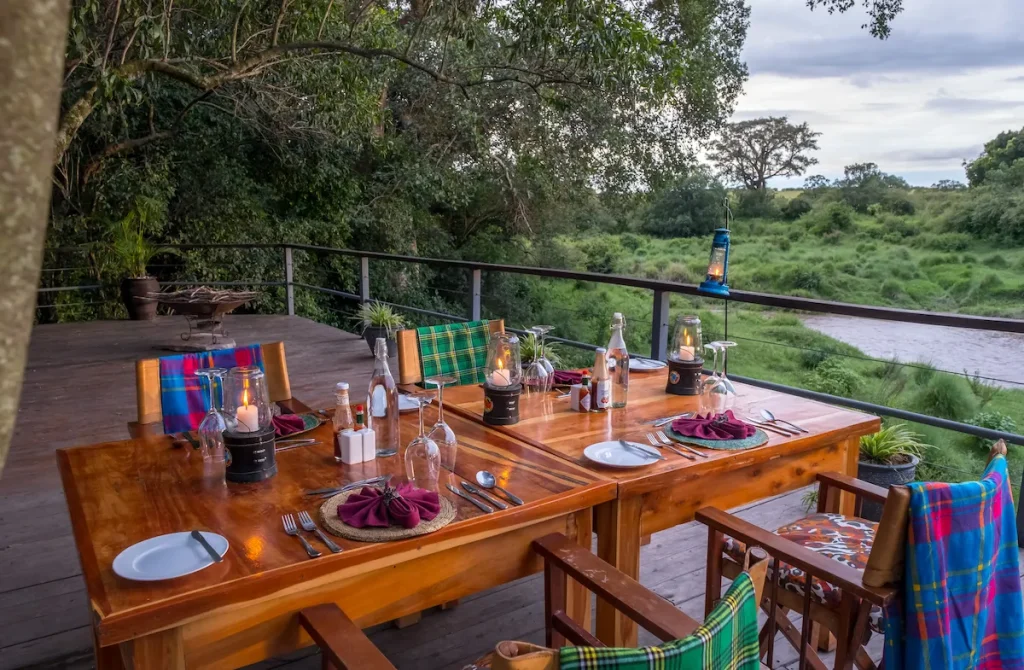
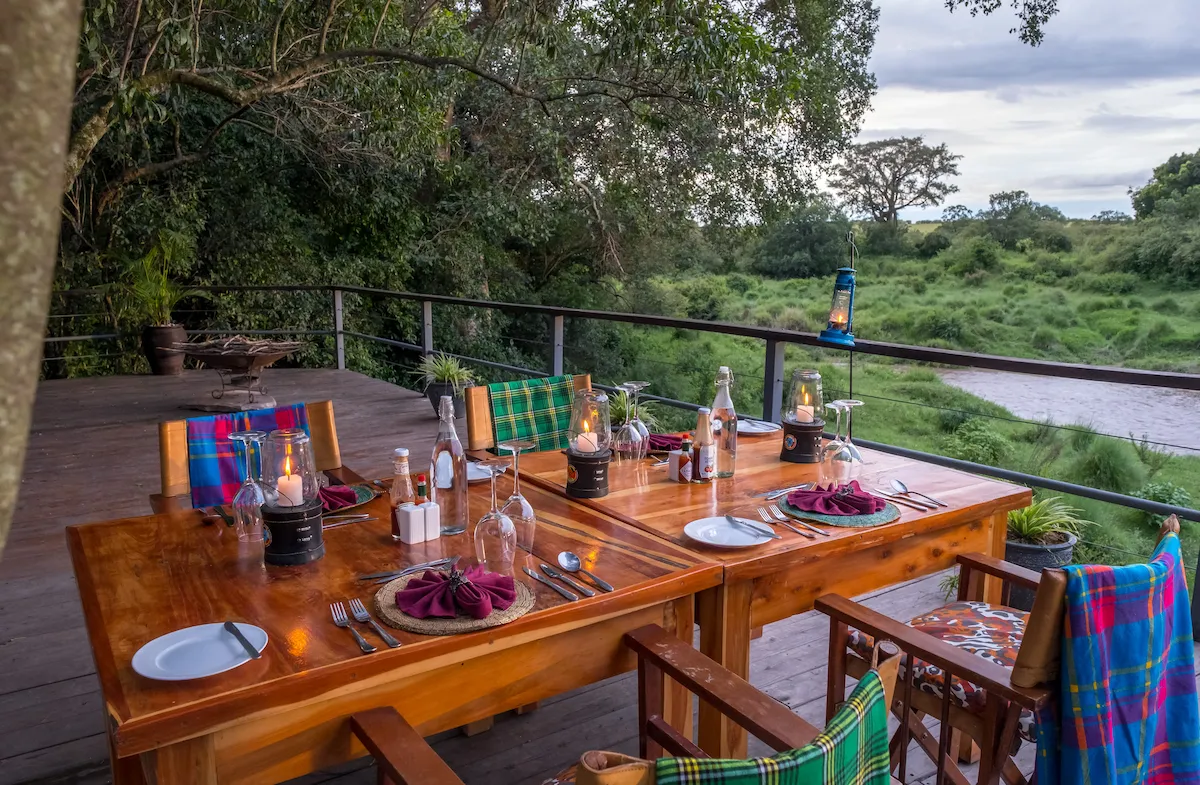
Breakfasts under an acacia, lunches beside a river and sundowners on a ridge as the light drops are as much a bush safari signature as the game drives themselves. Many camps arrange them on request, and they are among the moments guests remember longest.
3. Guided Walks: where conservancies allow them
Some bush destinations, particularly Laikipia and the Mara conservancies, add guided walks to the vehicle-based routine, reading tracks on foot with an armed ranger or a trained walking guide. Walks are not allowed inside the Masai Mara National Reserve itself, so where you stay decides what you can do.
4. The Classic Bush Parks: Mara, Amboseli, Samburu, Tsavo
These four areas anchor most Kenya bush itineraries, each contributing something different: the Mara’s predators, Amboseli’s elephants and Kilimanjaro views, Samburu’s rare dry-country species, and Tsavo’s sheer scale and red-dust elephants.
5. Bush Plus Beach: the most requested combination
Most guests who love the bush eventually add a coast finish, which is exactly what our Kenya Bush & Beach Honeymoon package builds in, pairing a Masai Mara bush safari directly with Diani time rather than treating them as separate trips.
Where to Go on a Bush Safari Kenya Trip
Kenya has more than enough wild country for a lifetime of safaris, but a handful of areas suit a first or second bush safari Kenya itinerary best. Our park-by-park guide to Kenya’s national parks covers them all; here is the short version.
Masai Mara: the classic bush safari Kenya destination
The Mara is Kenya’s classic bush country: rolling grassland, big prides of lions, cheetahs on the open plains and, from about July to October, the wildebeest migration. The private conservancies on its borders limit vehicle numbers and allow walks and night drives. See our Masai Mara safari packages and the Mara North Conservancy guide.
Amboseli
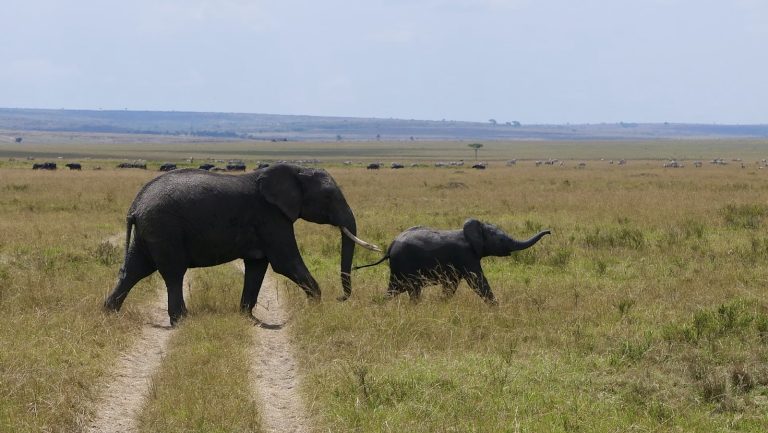
Amboseli is famous for large elephant herds walking beneath Mount Kilimanjaro, which rises just across the border in Tanzania. Swamps fed by underground water keep the park green even in dry months, drawing elephants, buffalo, hippos and birds. Mornings often bring the clearest mountain views.
Samburu and the north
Samburu’s dry, rugged landscape along the Ewaso Nyiro River is home to species rarely seen further south, often called the Samburu Special Five: Grevy’s zebra, reticulated giraffe, Somali ostrich, beisa oryx and gerenuk. It feels wilder and quieter than the Mara and pairs well with Laikipia.
Tsavo East and Tsavo West
Together the Tsavo parks cover a vast area of bush, with red-dust elephants, lava flows and the clear pools of Mzima Springs. Tsavo is easy to combine with the coast, so it suits a bush-and-beach trip. Fees apply per park; see our Tsavo entrance fees guide.
Laikipia
Laikipia’s private and community conservancies, north of Mount Kenya, are some of the best places in the country for walking, riding and rhino viewing. Ol Pejeta is the best-known. Our Il Ngwesi Conservancy guide shows what a community-run bush stay looks like.
Which Bush Areas Suit You Best?
Big cats, elephants under Kilimanjaro, rare northern species or walking safaris? Tell us your wish list and we will pair the right two or three areas.

Where You Sleep on a Bush Safari Kenya Trip
Bush safari Kenya accommodation ranges from simple campsites to luxurious tented suites. Tented camps are the classic choice: proper beds, en-suite bathrooms and canvas walls that let you hear lions calling at night. Lodges are built of stone or wood and usually have more facilities. Mobile camps move with the season and suit adventurous travellers.
Where your camp sits matters as much as how smart it is. A camp inside the reserve saves driving time, while a conservancy camp offers walks, night drives and fewer vehicles. Browse our Kenya safari lodges and camps, including &Beyond Kichwa Tembo on the Mara’s western edge.
How Long Should a Bush Safari Kenya Trip Be?
For a bush safari Kenya trip, three days is the minimum for one area, giving you two full days of game drives. Five to seven days lets you combine two or three areas without rushing, and ten days or more opens up the north or a walking safari. As a rule, allow at least two nights in each place, because the first afternoon is often spent arriving.
Sample 7-day bush safari Kenya itinerary
- Days 1 to 2: Nairobi to Amboseli for elephants and Kilimanjaro views.
- Day 3: drive to Lake Naivasha for a boat trip among hippos.
- Days 4 to 6: three nights in the Masai Mara or a Mara conservancy.
- Day 7: return to Nairobi by road, or fly back from a Mara airstrip.
Styles of Bush Safari Kenya Travellers Choose
There is no single way to do a bush safari Kenya trip. The style you choose shapes your budget, your comfort and how much time you spend in the wild.
Road safari
Travelling by 4×4 between parks is the best-value bush safari Kenya option. You see the countryside, villages and the Great Rift Valley along the way, and your guide stays with you throughout, which builds a real rapport.
Fly-in safari
Light aircraft link Nairobi’s Wilson Airport with airstrips in the Mara, Amboseli, Samburu and Laikipia. Flying saves long drives and suits shorter trips or older travellers, but adds cost and a soft-bag luggage limit.
Camping and mobile safaris
For the most immersive bush safari Kenya experience, sleep under canvas at a campsite or a mobile camp set up just for your group. Our camping safaris include tents, a cook and freshly prepared meals, so you only need to bring your sense of adventure.
Private safari
A private vehicle and guide let you set the pace: stay longer at a sighting, start earlier or take a full-day drive. Our private Kenya safari options suit families, photographers and honeymooners.
Bush Safari Kenya Costs and Packages
The price of a bush safari Kenya trip depends on the season, the number of days, the type of camp, park and conservancy fees, and whether you drive or fly. Under the KWS tariff introduced in October 2025, non-resident adults pay about USD 70 to USD 90 per person per day in the main national parks (for example USD 80 in Nairobi National Park and Tsavo, USD 90 in Amboseli and Lake Nakuru), while the Masai Mara, run by Narok County, charges USD 100 from January to June and USD 200 from July to December. That KWS tariff was challenged in the High Court soon after it was introduced, so rates can change; see our Kenya national parks entrance fees guide and check current tariffs on the Kenya Wildlife Service website.
Our bush safari Kenya packages include park fees, so there are no surprises at the gate. Examples include the Masai Mara and Lake Nakuru camping safari from USD 590 per person, the 3-day Masai Mara safari from USD 650, the Tsavo East and West safari from USD 600, and the Laikipia and Masai Mara walking safari (7 days) from USD 4,200.
Request a Written Bush Safari Quote
Send your dates, group size and budget, and we will reply with a written bush safari itinerary and price, with park fees and your guide included.
Best Time for a Bush Safari in Kenya
You can enjoy a bush safari Kenya trip all year, but the seasons change the experience. The long dry season, roughly June to October, brings thinner grass, animals gathered near water and the Mara migration. January and February are also dry, warm and excellent for predators. The green seasons, around April to May and November, bring fresh grass, newborn animals, fewer vehicles and lower rates at many camps.
Some camps close during the long rains, and a few tracks become muddy, but the landscapes are at their most beautiful. Our Kenya weather by month guide breaks down each month for the parks.
Expert tip from our Nairobi team
Plan your bush days around the light, not the clock. The first two hours after dawn and the last two before dusk are when predators move and photographs glow. Build your itinerary so you never arrive at a new camp in the middle of an afternoon drive window, and ask for packed breakfasts on at least one morning so you can stay out with a sighting.
What to Pack for a Bush Safari Kenya Trip
- Neutral clothing in khaki, olive or tan; avoid camouflage.
- Warm layers for cold early mornings and evenings.
- A soft duffel bag, as bush flights usually limit you to about 15 kg.
- Binoculars and a camera with a zoom lens.
- Sun protection: hat, sunglasses and high-factor sunscreen.
- Insect repellent and any antimalarials your doctor advises.
Bush Safari Kenya: Quick Reference
- Meaning: safari means journey in Swahili; a bush safari is the wildlife-viewing part of a trip.
- Signature areas: Masai Mara, Amboseli, Samburu, Tsavo and Laikipia.
- Core activities: two game drives daily, bush meals, sundowners, and guided walks where permitted.
- Typical length: 4 to 10 days for a dedicated bush itinerary.
- Common add-on: a beach extension, often Diani, after the bush days.
- Accommodation: tented camps or lodges placed for wildlife rather than resort facilities.
Combining Bush With a Beach Finish
Bush safari Kenya trips and beach stays are usually planned together rather than as competing choices. Browse our bush safari packages for a wildlife-only itinerary, or our bush and beach combo packages if you already know you want both. Our Kenya Bush & Beach Honeymoon (7 Days), from USD 2,800 per person, is the itinerary many couples book when they want both without the planning work.
Families often choose our Family Safari and Beach: Tsavo, Amboseli and Diani (8 Days), from USD 1,950 per person. For ideas on the coast itself, read our Kenya beach holiday guide, and for official tourism inspiration see Magical Kenya.
Bush Safari Kenya Etiquette and Safety
- Stay in the vehicle unless your guide says it is safe to get out.
- Keep your voice low near animals and never call or whistle to them.
- Follow your guide’s instructions on walks; they are there for your safety.
- Never feed wildlife, including monkeys at camp.
- Respect local communities and ask before photographing people.
- Read official advice, such as the GOV.UK travel advice for Kenya, before you go.
Bush Safari Kenya FAQs
What does bush safari mean in Kenya?
A bush safari in Kenya is the wildlife-viewing part of a trip, centred on game drives, bush meals and camps placed close to the animals, as distinct from beach or city days on the same itinerary. Safari means journey in Swahili, and the bush is the wild country where the animals live.
How many days should a Kenya bush safari be?
A dedicated bush safari Kenya trip usually runs 4 to 10 days across two or three areas, most often combining the Masai Mara with Amboseli, Samburu or Tsavo. Three days suits one area; seven days is a popular balance. Allow at least two nights in each place for the best wildlife viewing.
Which parks are best for a classic bush safari?
The Masai Mara, Amboseli, Samburu and Tsavo are the four areas most associated with a classic Kenya bush safari, each offering different landscapes and signature wildlife. The Laikipia conservancies add walking safaris and rhino viewing, and suit travellers who want quieter game drives with fewer vehicles.
Can I combine a bush safari with a beach holiday?
Yes. Combining bush and beach is one of the most popular Kenya itineraries, usually pairing a Masai Mara, Amboseli or Tsavo safari with a few days in Diani or Watamu. You can fly or drive to the coast, and our bush-and-beach packages include every transfer in one booking.
Do bush safaris include guided walks?
Some do, depending on location. Guided walks are allowed in private conservancies such as those in Laikipia and around the Mara, but not inside the Masai Mara National Reserve itself. If walking matters to you, choose a conservancy camp and check with your operator which activities that camp offers.
How much does a bush safari Kenya trip cost?
Costs depend on the season, the number of days, the camp style and park fees. Our bush safaris start from USD 590 per person for a 4-day Masai Mara camping safari and USD 650 for a 3-day road safari, rising for luxury conservancy camps and fly-in trips. Park fees are included.
Is a bush safari suitable for children?
Yes, with the right planning. Many camps welcome families and offer family tents, shorter drives and child-friendly activities, though some set minimum ages for walks. A private vehicle lets you set your own pace. Tell us your children’s ages and we will suggest suitable camps and areas.
Your Kenya Bush Safari, Planned by Locals
From dawn game drives in the Mara to campfire nights in Samburu, our Nairobi team plans every bush day, and any beach days after them, around you.
Kenya-based experts. Real local knowledge. Transparent pricing.