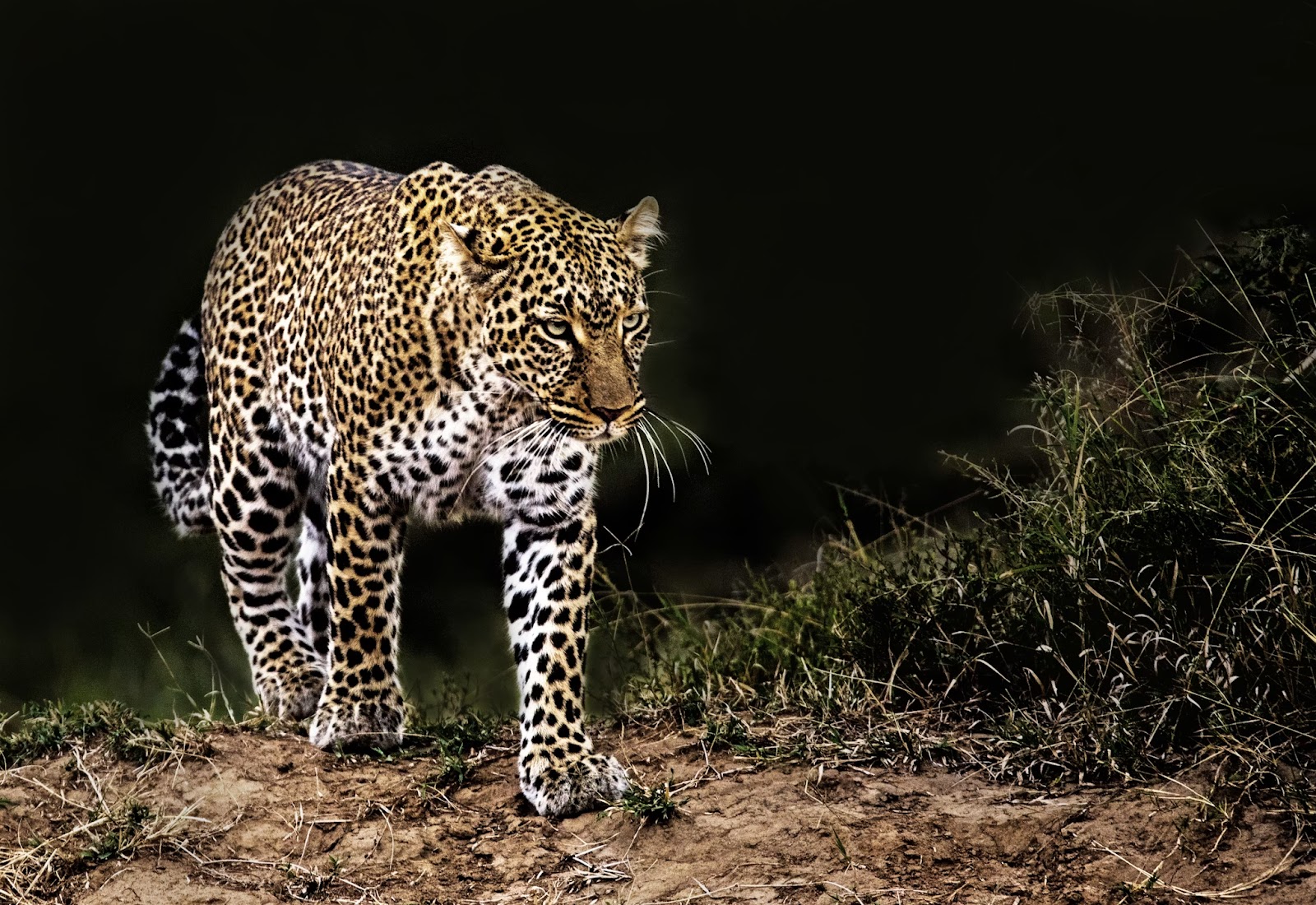
The spotlight sweeps slowly across the grass, softened by a red filter. Your guide lets the vehicle roll to a stop, switches off the engine and points. At the edge of the beam, a leopard lifts her head from the base of a croton bush, eyes glowing amber, entirely unbothered. There is no other vehicle in sight. Somewhere behind you a hyena whoops, the Milky Way spills across the sky, and you realise you are holding your breath.
Mara North Conservancy is a private wildlife conservancy of about 29,000 hectares (roughly 73,000 acres) on the north-western edge of the Masai Mara National Reserve, leased from more than 1,000 Maasai landowners. Founded in January 2009, it limits camp numbers and allows night drives, walks and off-road viewing.
Sense of Adventure is a Nairobi-based safari company at Mountain Mall on Thika Road, licensed by Kenya’s Tourism Regulatory Authority (TRA1/47/C01/77087). We plan conservancy safaris in the Mara all year round. This guide covers what you need to know about Mara North Conservancy: how it works, the Maasai landowners behind it, wildlife and honest odds, what you can do that you cannot do in the reserve, getting there, fees, rules, the best months, where to stay and a sample itinerary. To see how it compares with its neighbours, read Mara North vs Naboisho vs Olare Motorogi.
✅ Mara North Conservancy: The Quick Answer
- Where: the north-western Mara, bordering the Masai Mara National Reserve in Narok County, with the Mara River on its edge.
- Best for: big cats with few vehicles, night drives, guided walks, photography and couples or families who want privacy.
- Best time: July to October for the migration; January to March and June for quiet, excellent resident game.
- Entry fee: a daily conservancy fee per guest is collected by your camp and passed to the conservancy to pay landowners. It is not published centrally; we show it in your quote.
- How long to stay: three nights, or four if you also want a day trip into the reserve for the river.
- Getting there: scheduled flights from Wilson Airport to Mara North airstrip, or about five to six hours by road via Narok.
🌍 Planning a Safari to Mara North Conservancy?
Tell us your dates and we will check which Mara North camps still have space, with night drives and walks built in.
🌙 Book a Night-Drive SafariPrefer to talk? 💬 WhatsApp Us Now or call +254 799 160 081
What Is Mara North Conservancy?
Mara North Conservancy is a not-for-profit wildlife area made up of land leased from individual Maasai landowners and managed for wildlife, low-density tourism and controlled grazing.
The conservancy’s own story page describes it as more than 29,000 hectares, about 73,000 acres, forming the north-western zone of the Mara and bordering the Masai Mara National Reserve. Its conservation page gives a conservation area of 28,486 hectares, so expect slightly different figures depending on what is counted. Either way, it is one of the largest conservancies in the Mara.
The landscape is a mix of open plains, acacia woodland, rocky ridges and riverine forest. The Mara River runs along its edge, and gorges and lugga valleys give leopards plenty of cover. Leopard Gorge, inside the conservancy, became famous through BBC and National Geographic filming.
How Mara North Conservancy differs from the reserve
Inside the national reserve, vehicles stay on tracks, drives end at dusk and walking is not allowed. In Mara North Conservancy, member camps can run night drives in designated areas, guided walks and limited off-road driving to view the Big Five. Only guests of member camps drive here, so sightings are calmer. For the full comparison, read our guide to the Masai Mara reserve vs the conservancies.
The History of Mara North Conservancy
Mara North Conservancy was set up in January 2009, when Maasai landowners and safari camps agreed to pool land for wildlife in return for guaranteed lease payments.
Before the conservancy, the land north-west of the reserve was a patchwork of individually owned plots. Many families faced pressure to fence, farm or sell, which would have cut wildlife corridors. The conservancy model gave landowners a regular income from keeping their land open, while letting them graze livestock under an agreed plan.
The Mara conservancy model
Mara North was one of the early conservancies in a model that has since spread right around the reserve. Today the Maasai Mara Wildlife Conservancies Association brings these conservancies together. Our conservancy fees in Kenya guide explains how the money flows from your bed night to the landowner.
The People of Mara North Conservancy
The heart of Mara North Conservancy is its Maasai landowners, more than 1,000 of them according to the conservancy, alongside rangers, guides and camp teams.
The conservancy says it leases parcels from individual landowners and that conservancy fees, collected by member camps, are passed on to support monthly lease payments and professional land management. That means your daily fee goes directly into a steady income for families who keep their land open to wildlife.
Living with lions and elephants
Sharing land with predators has a cost. Mara North runs a predator compensation programme for livestock losses and promotes predator-proof bomas. It works with the Mara Elephant Project to reduce crop raiding, and with research partners including the Mara Lion Project, the Mara Cheetah Project and Living with Lions. A mobile veterinary unit treats injured wildlife.
Rangers and guides
Mara North Conservancy rangers patrol the land, enforce the rules and work with the Kenya Wildlife Service and partners on anti-poaching. Many guides at member camps are Maasai from the surrounding area, and their knowledge of the land is a big part of why conservancy safaris feel so personal.
Expert tip from our Nairobi team: ask your guide whether his own family leases land to the conservancy. It is a natural way into a conversation about how conservancies work, and you will learn more in ten minutes than from any brochure.
Wildlife in Mara North Conservancy: What You Will See
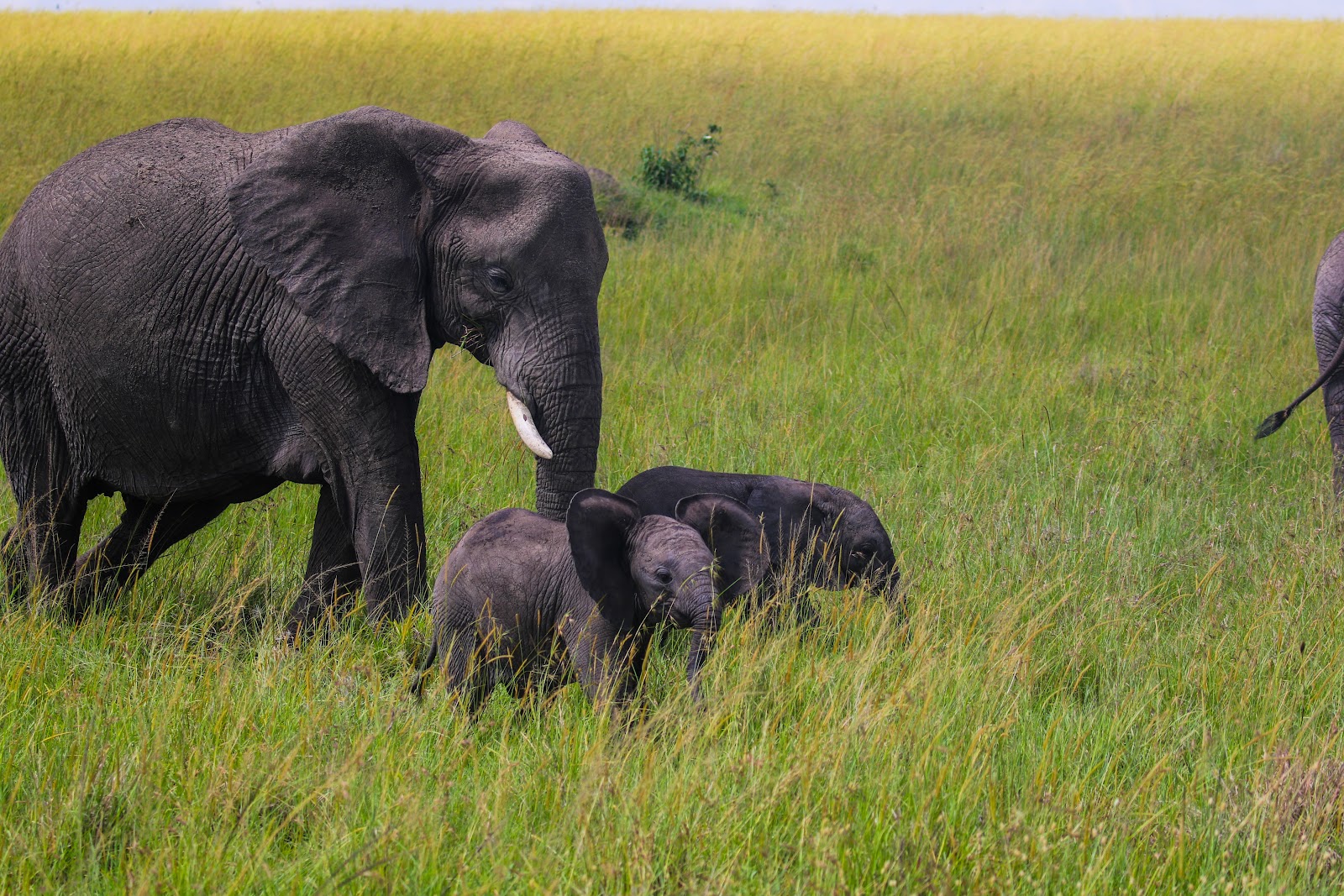
Mara North Conservancy is excellent for big cats, elephants and plains game all year, with the migration herds arriving in the dry season.
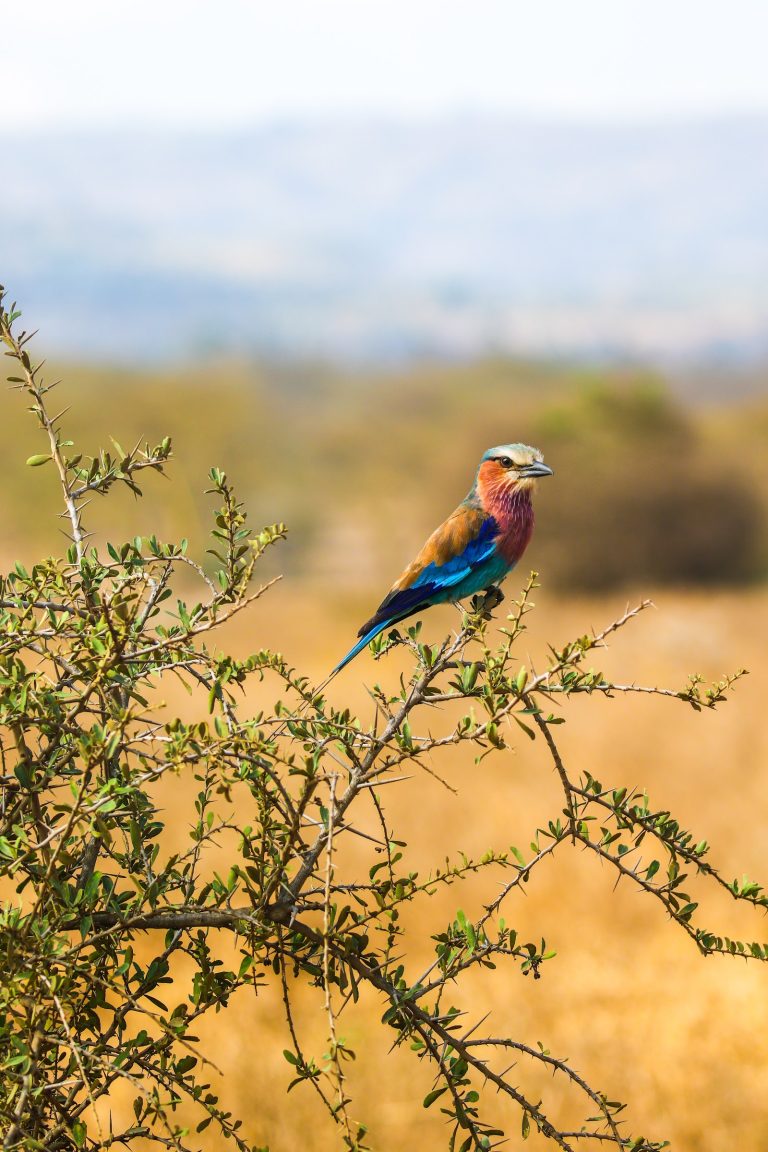
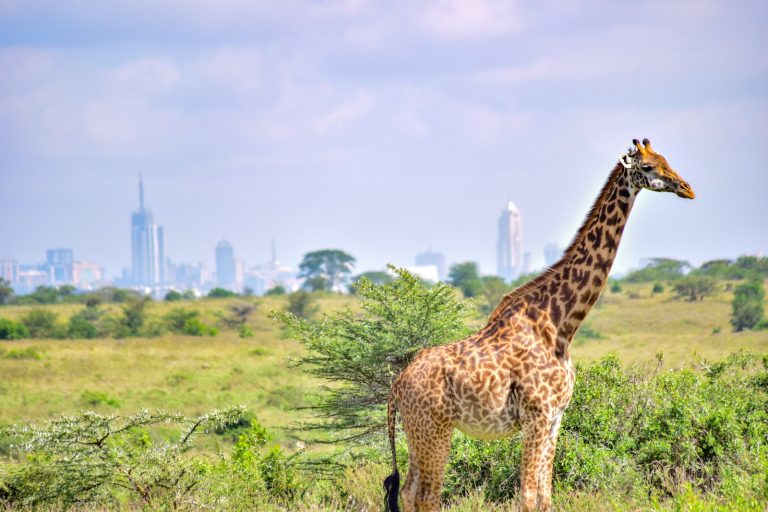
The conservancy lists its valued species as the resident wildebeest herds and the Great Migration, lions, leopards and cheetahs, African elephant, black rhino and several vulture species, plus buffalo, zebra, hippo, crocodile, Maasai giraffe, eland, spotted hyena, topi and warthog. Birding is superb, with the conservancy recording between 550 and 570 bird species, depending on the page.
Your honest sighting odds in Mara North Conservancy
| Species | Chance on a 3-night stay | Notes |
|---|---|---|
| Lion | Very high | Resident prides across the conservancy; often seen on morning drives. |
| Leopard | Good | The gorges and riverine thickets are classic leopard country; night drives help. |
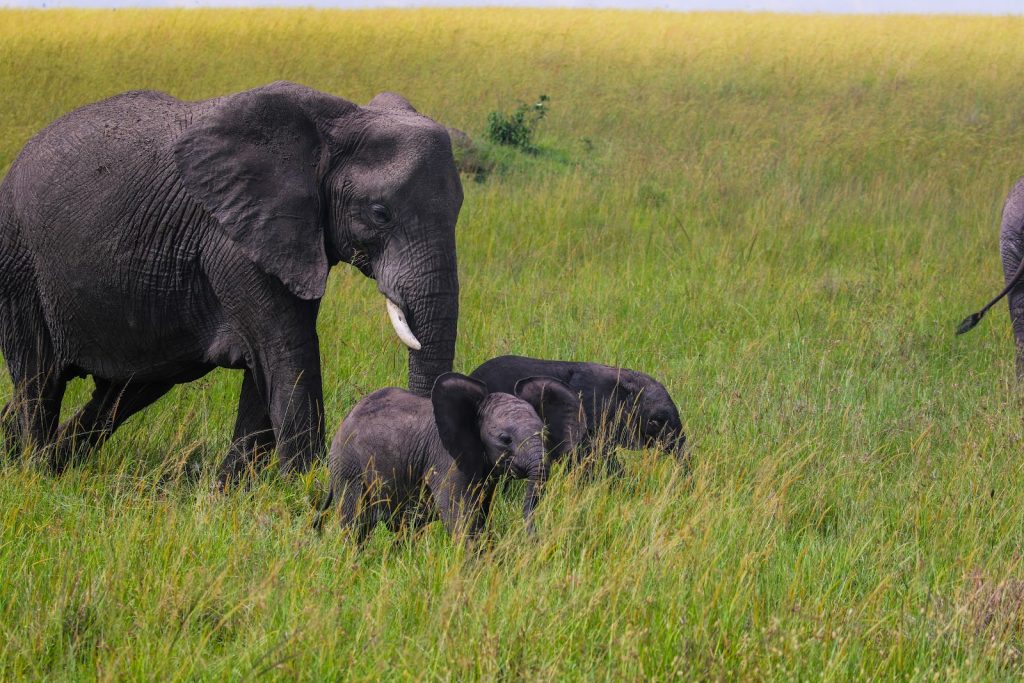
| Elephant | Very high | Families move between the conservancy and the reserve. |
| Cheetah | Fair to good | Open plains suit them; numbers vary by season. |
| Spotted hyena | Very high | Often seen at dens and on night drives. |
| Wildebeest migration | Seasonal | Herds usually present from about July to October. |
| Black rhino | Very low | Listed as a valued species, but rarely seen here. |
| Nocturnal species | Good on night drives | Look for genets, bushbabies and other small nocturnal animals. |
Things to Do in Mara North Conservancy
In Mara North Conservancy you can combine game drives with night drives, walks, horse riding and balloon flights, depending on your camp.
Game drives with fewer vehicles
Morning and afternoon drives are the core of every day. Because only member camps drive here, and the conservancy caps vehicles at sightings, you usually share a lion with only one or two other vehicles. Many camps offer private vehicles for families and photographers.
Night drives
Night drives are a highlight. The conservancy’s guidelines allow them in designated areas, with red filters on spotlights to protect animals’ eyes, and vehicles must be back in camp by 10 pm. This is your best chance of seeing leopard, hyena and smaller nocturnal animals.
Guided walks and horse riding
Walks with Maasai guides let you read tracks and learn about plants and birds. Mara North is also home to riding safari outfits, including Offbeat Riding Safaris and Safaris Unlimited, for experienced riders who want to see the Mara from the saddle.
Balloons, bush meals and day trips to the reserve
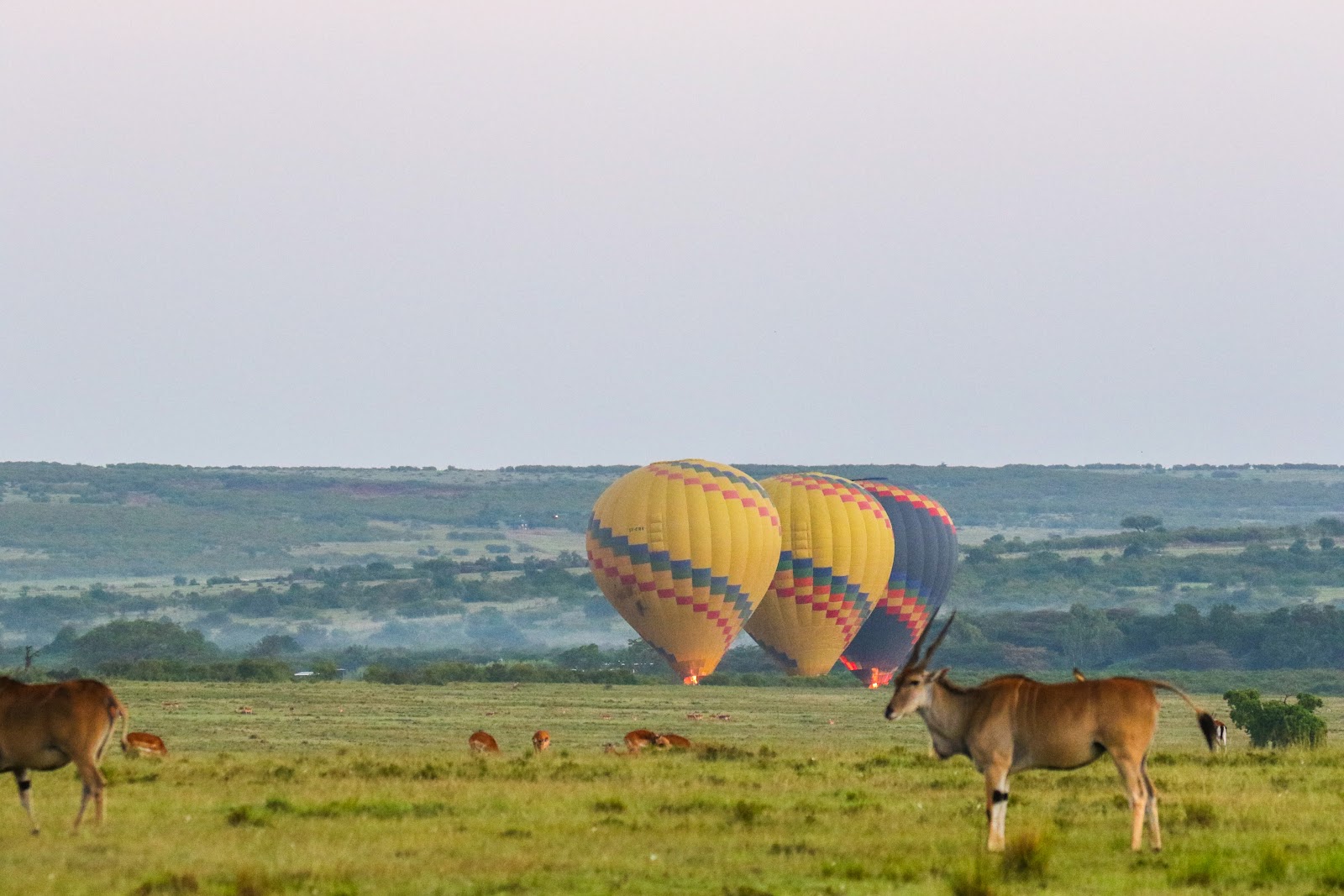
Hot-air balloon flights can be arranged over the Mara, and camps set up bush breakfasts and sundowners at designated sites. In migration season, many guests take a full-day trip into the national reserve for the Mara River crossings, paying the reserve fee for that day.
🐎 Walk, Ride or Drive by Night?
Each Mara North camp offers a slightly different mix. Tell us your group’s interests and we will match you with the camp that does them best.
🧭 Match Me to ActivitiesGetting to Mara North Conservancy
You can reach Mara North Conservancy by a scheduled light-aircraft flight from Wilson Airport to Mara North airstrip, or by road from Nairobi in about five to six hours.
By air
The conservancy says Safarilink and AirKenya fly to Mara North airstrip from Nairobi’s Wilson Airport, with connections from Laikipia, Samburu and Amboseli depending on routing. Private charters can fly from anywhere in Kenya. Your camp meets you at the airstrip, and the game drive often starts on the way. Read our safari luggage weight limits guide before you pack.
By road
The conservancy gives about two to two and a half hours from Nairobi to Narok, where there are fuel and food stops, with the full journey to the Mara taking about five to six hours. The final stretch is on rural roads that can be slow after rain. Our Nairobi to Masai Mara distance guide compares road and air.
| Route | Time | Notes |
|---|---|---|
| Wilson Airport to Mara North airstrip | Short scheduled flight | Safarilink and AirKenya; camp transfer on arrival |
| Nairobi to Narok | About 2 to 2.5 hours | Tarmac; fuel and food stops |
| Nairobi to Mara North by road | About 5 to 6 hours | Final stretch on rural roads |
| Laikipia, Samburu or Amboseli by air | Depends on routing | Seasonal Safarilink connections |
Mara North Conservancy Fees
Mara North Conservancy fees are charged per guest per night by your camp and forwarded to the conservancy, mainly to fund landowner lease payments.
The conservancy does not publish a central fee schedule, and camps usually include the fee in their rate or list it as a separate line. Because it can change each year, we show the exact conservancy fee in your written quote. If you visit the national reserve for a day, you pay the reserve fee for that day; see our Masai Mara National Reserve guide and Kenya national parks entrance fees 2026.
| Cost item | Who charges it | What to expect |
|---|---|---|
| Mara North conservancy fee | Your member camp, for the conservancy | Per guest per night; included in or added to your camp rate |
| Camp rate | The camp | Usually full board with game drives; check what is included |
| Reserve day trip (optional) | Narok County or Mara Conservancy | Daily reserve entry fee for each day you enter |
| Balloon flight, riding (optional) | Operator | Extra cost, booked in advance |
Expert tip from our Nairobi team: compare camps on the total of camp rate plus conservancy fee, not the headline rate alone. A camp that looks cheaper may list the fee separately, and the difference can be significant on a long stay.
Mara North Conservancy Rules
Mara North Conservancy has clear game-drive rules that keep sightings calm, protect wildlife and make the conservancy experience special.
- Vehicles at sightings: no more than five vehicles at a sighting; others wait 100 metres away.
- Time limits: each vehicle has 10 minutes at a sighting, except the vehicle that found it.
- Engines: only one vehicle may move with its engine running at a stationary sighting.
- Distance: stay at least 20 metres from animals.
- Off-road: stay on tracks, except to view the Big Five, taking the shortest route.
- Speed limit: 40 km/h.
- Stay in the vehicle: only get out at picnic and sundowner sites; never sit on the roof at predator sightings.
- Night drives: designated areas only, with red filters, back in camp by 10 pm; cubs may only be viewed at night once they are four months old.
Check the UK Foreign Office travel advice for Kenya before travelling and consider emergency evacuation cover.
Best Time to Visit Mara North Conservancy
The best time to visit Mara North Conservancy is July to October for the migration, or January to March and June for quieter, excellent resident game viewing.
Resident lions, leopards and elephants mean there is no bad month here. The long rains in April and May turn the land green and some camps close; November brings short rains and fresh grass. See our Kenya weather by month guide and our Great Migration 2027 planner.
| Month | Weather | What to expect in Mara North |
|---|---|---|
| January to February | Warm, mostly dry | Superb resident game, young animals, good value |
| March | Warm, first showers | Green and quiet |
| April to May | Long rains | Lush; some camps close, best rates |
| June | Cool, drying | Excellent cats before peak season |
| July to August | Cool, dry | Migration herds arrive; peak demand |
| September to October | Dry, warming | Herds and big-cat action; peak season |
| November | Short rains | Herds moving south; green again |
| December | Showers, warm | Resident game; festive demand |
📅 Get a Free, No-Obligation Safari Quote
Mara North limits beds, so its camps fill early for July to October and the festive season. Send us your dates for a written quote with the conservancy fee shown clearly.
✉ Send Us Your Dates on WhatsAppHow Many Days Do You Need?
Plan three nights in Mara North Conservancy, or four if you want a full day in the national reserve for the river crossings.
Three nights gives you two full days of drives, a night drive and a walk. Add a fourth night in migration season so you can spend a day at the river without giving up conservancy time. Our guide to how many days you need on a Kenya safari helps with the whole trip.
Where to Stay in Mara North Conservancy
Mara North Conservancy has a small number of member camps and lodges, from intimate tented camps to riding outfits, all with access to the conservancy’s private land.
The conservancy lists twelve tourism partners: Basecamp (Mara Bush Houses), Elephant Pepper Camp, Karen Blixen Camp, Kicheche Mara Camp, Mara Expedition Camp, Offbeat Mara Camp, Offbeat Riding Safaris, Hemingways River Camp, Royal Mara Safari Lodge, Safaris Unlimited, Saruni Basecamp and Alex Walker’s Serian. It reports a bed density of about 336 acres per bed. For our honest comparison of the best of them, read our Mara North Conservancy camps guide, and for more stays that pay landowners see community conservancy lodges in Kenya.
🛖 Which Mara North Camp Is Right for You?
Riverside tents, family houses or a riding camp? Tell us your style and budget and we will recommend two or three honest options.
🏕 Shortlist My Mara North CampsWhat to Pack for a Mara Conservancy Safari
Pack warm layers for cold mornings and night drives, neutral clothes and sturdy shoes for walks.
- A warm fleece or down jacket for dawn and night drives.
- Khaki, olive or sand-coloured clothing; avoid bright white and dark blue.
- Closed walking shoes and long trousers for bush walks.
- A hat, sunglasses, sunscreen and insect repellent.
- Binoculars and a camera with a zoom lens; a headtorch for camp.
- A soft duffel bag within the light-aircraft limit.
See our full what to pack for an African safari list.
Combining Mara North Conservancy With Other Areas
Mara North Conservancy pairs well with a stay in the reserve for the river, other Mara conservancies, and Laikipia by air.
- The Mara Triangle: two nights by the river for crossings. See our Mara Triangle guide.
- Other conservancies: compare Ol Kinyei, Lemek and Enonkishu in our Ol Kinyei, Lemek and Enonkishu guide.
- Laikipia: fly north for rhinos at Ol Pejeta or walking with Maasai guides at Il Ngwesi Conservancy.
- Lake Naivasha: an easy stop on the road from Nairobi.
Sample 3-Day Mara North Conservancy Itinerary
This three-day plan shows how a short stay in Mara North Conservancy flows, mixing day drives, a night drive and a walk.
- Day 1, Nairobi to Mara North: fly from Wilson to Mara North airstrip, settle into camp, then an afternoon drive and your first night drive.
- Day 2, the conservancy in depth: a dawn drive for cats, brunch, a guided walk with a Maasai guide in the afternoon and sundowners at a viewpoint.
- Day 3, balloon or river: an optional balloon flight, or in migration season a full day in the reserve for the Mara River, then fly on to Nairobi, Laikipia or the coast.
Prefer a ready-made trip? Our Celebration Safari in a Masai Mara Conservancy (5 days), Laikipia and Masai Mara Walking Safari (7 days) and Big Cats Photographic Safari (6 days) can be tailored to Mara North. Message us for a quote, browse our Masai Mara safari packages, or ask for a luxury Kenya safari or private Kenya safari.
Mara North Conservancy FAQs
Where is Mara North Conservancy?
Mara North Conservancy lies on the north-western side of the Masai Mara ecosystem in Narok County, Kenya, bordering the Masai Mara National Reserve. The Mara River runs along its edge. Guests usually fly from Nairobi’s Wilson Airport to Mara North airstrip, or drive via Narok in about five to six hours.
How big is Mara North Conservancy?
The conservancy describes itself as more than 29,000 hectares, about 73,000 acres, and its conservation page gives a conservation area of 28,486 hectares. It was established in January 2009 on land leased from more than 1,000 Maasai landowners, making it one of the largest conservancies in the Mara.
Can you do night drives in Mara North Conservancy?
Yes. Mara North allows night drives in designated areas, using red filters on spotlights to protect wildlife, and vehicles must be back in camp by 10 pm. Night drives are not allowed in the national reserve, so they are one of the main reasons to stay in a conservancy.
How much is the Mara North Conservancy fee?
Mara North does not publish a central fee schedule. A daily conservancy fee per guest is collected by your camp and forwarded to the conservancy to fund landowner lease payments and management. Camps include it in their rate or list it separately, so we confirm the exact amount in your quote.
Is Mara North better than the Masai Mara reserve?
They offer different things. Mara North has fewer vehicles, night drives, walks and off-road viewing for the Big Five, while the reserve has the main Mara River crossing points and more open plains. Many guests combine both: a conservancy for privacy and a reserve day or two for crossings.
Does the Great Migration reach Mara North Conservancy?
Yes. Migration herds usually spread into Mara North from about July to October, alongside resident wildebeest that live in the area year-round. The biggest river crossings happen in the national reserve, so in peak season many guests add a full day trip to the Mara River.
Which camps are in Mara North Conservancy?
The conservancy lists twelve tourism partners, including Elephant Pepper Camp, Karen Blixen Camp, Kicheche Mara Camp, Offbeat Mara Camp, Hemingways River Camp, Saruni Basecamp, Alex Walker’s Serian and Royal Mara Safari Lodge, plus riding outfits such as Offbeat Riding Safaris and Safaris Unlimited.
Can you walk in Mara North Conservancy?
Yes. Guided walks with Maasai guides are offered by member camps, usually in the cooler morning or late afternoon. Walking is not allowed in the national reserve itself. Walks focus on tracks, plants, birds and smaller wildlife, and age limits may apply, so ask us first.
🏕 Plan Your Mara North Conservancy Safari With Sense of Adventure
Kenya-based experts. Real local knowledge. Transparent pricing.
We know the Mara conservancies well. Tell us your dates and wish list, and we will plan your Mara North stay around the right camp, night drives, walks and, in season, a day at the river.
💬 Plan My Mara North Stay✉ Email Our Conservancy TeamCall or WhatsApp: +254 799 160 081 · Email: info@senseofadventure.co.ke
💬 WhatsApp Us — Start Planning Today
Related Safari Guides
- › Mara North Conservancy Camps
- › Mara North vs Naboisho vs Olare Motorogi
- › Masai Mara Reserve vs Conservancies
- › Mara Triangle Guide
- › Conservancy Fees in Kenya
Official travel & park resource: Kenya Wildlife Service ↗ · Conservancy: Mara North Conservancy ↗ · Tourism: Magical Kenya ↗