Safari with infants, toddlers or during pregnancy is possible in Kenya with the right planning. Book a private vehicle so you set the pace, choose family-friendly camps that accept young children, keep transfers short and take medical advice early, because most safari areas carry a malaria risk that matters more for babies and pregnant travellers.
Sense of Adventure is a TRA-licensed private safari company based at Mountain Mall on Thika Road, Nairobi. We plan family trips privately, so naps, feeds and early nights fit naturally into the day. This guide covers age rules, health questions, the best areas and camps, and practical tips for a safari with infants, toddlers or a bump. It is general guidance, not medical advice.
Safari with infants or while pregnant: the quick answer
- Vehicle: a private vehicle avoids most age limits on shared drives.
- Camps: many camps set minimum ages; choose ones that welcome young children.
- Health: discuss malaria and vaccines with a travel clinic well before booking.
- Pregnancy: the middle months are usually most comfortable; airlines set late-pregnancy limits.
- Pace: short drives, fewer camp changes and flights instead of long roads.
Travelling with a little one or a bump? Tell us their age or your due date and we will suggest camps.
Get a baby-friendly planIs a Safari With Infants Realistic?
Yes, a safari with infants and toddlers is realistic if you plan around their routine rather than a fixed schedule.
Young children often love the animals, the open air and the time with parents. The challenges are practical: long drives, early starts, heat, dust and access to medical care. A private safari solves many of these, because you decide when to go out and when to come back. Many families find that a shorter safari with infants, with fewer moves, works far better than an ambitious circuit.

Age Rules at Camps and on Game Drives
Age rules vary by camp and activity, so check them before you book a safari with infants or toddlers.
| Activity | Typical approach | What it means for you |
|---|---|---|
| Staying at the camp | Some camps welcome all ages; some set a minimum age | Choose family-friendly camps |
| Shared game drives | Many camps set minimum ages, often around 6 to 8 | Book a private vehicle instead |
| Private game drives | Usually any age | You control timing and stops |
| Walking safaris | Commonly 12 years or older, sometimes higher | Not for infants or toddlers |
| Balloon flights | Minimum ages and heights apply | Usually not possible for small children; often restricted in pregnancy |
| Night drives | Camp-dependent; conservancies only | Ask in advance |
For a safari with infants, family tents, interconnecting rooms, cots, high chairs and babysitting matter, but they are available at some camps and not all. Always ask before booking. Our family safari Kenya 2027 guide covers older children and child park fees.
Questions to Ask Before You Book a Camp
A good family camp answers these quickly and honestly, and the answers tell you more than the brochure photos. We ask them on your behalf and confirm the replies in writing.
- Do you accept children under five, and is there a minimum age for game drives or for the main area?
- Do you have family tents or connecting rooms, so parents and children can sleep close together?
- Is the camp fenced or unfenced, and do staff escort guests to their tents after dark?
- Can you provide a cot, a high chair and a baby bath, and can the kitchen prepare simple food at odd times?
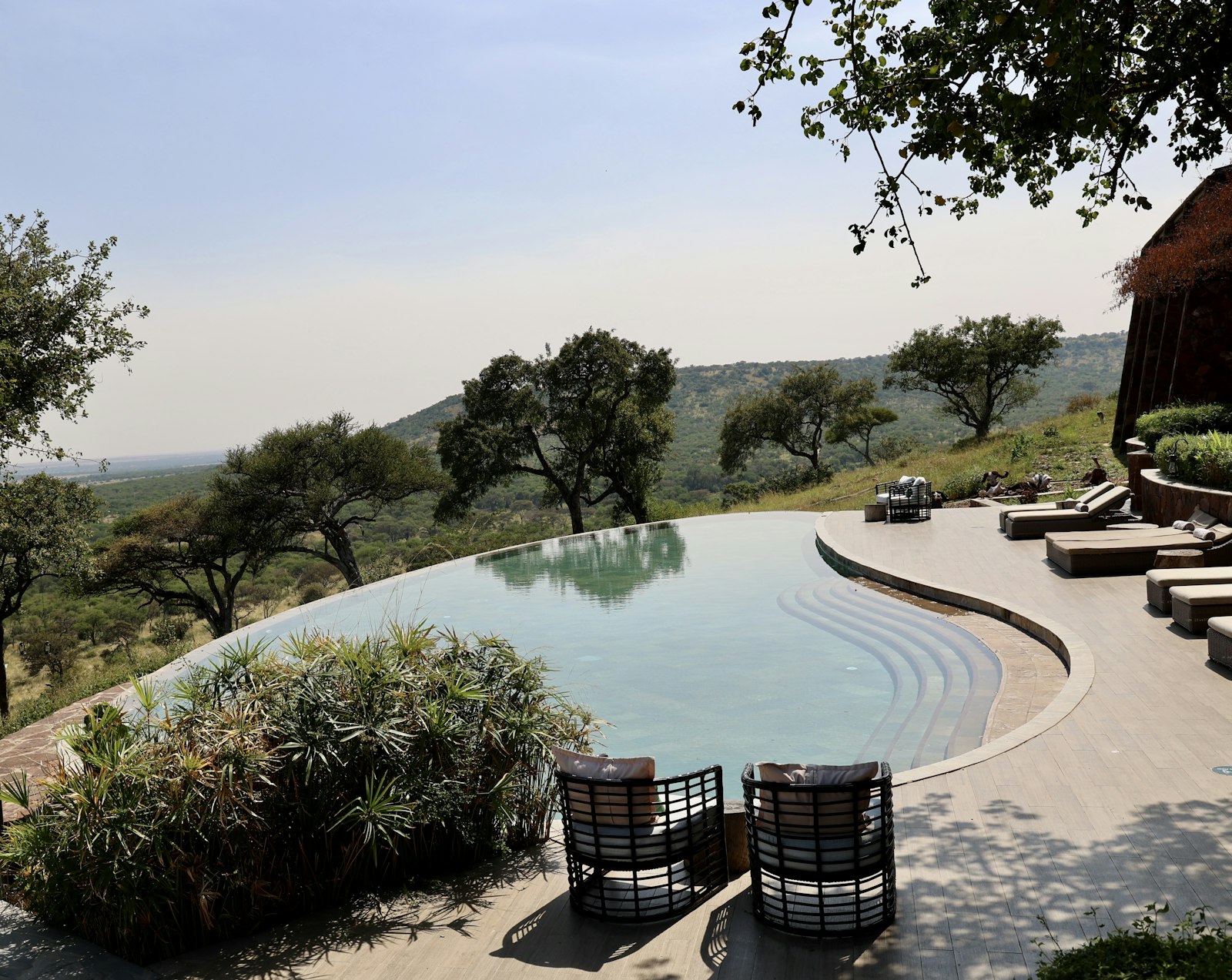
- Is the pool fenced or covered?
- Is babysitting or a children’s programme available while parents go on a longer drive?
Health Advice for Babies and Toddlers
Talk to your doctor or a travel clinic about a safari with infants before you book, ideally at least six to eight weeks ahead.
Malaria is present in most of Kenya’s safari areas and on the coast. Risk is lower at higher altitudes and in Nairobi, but it is rarely zero. Babies and young children can become seriously ill quickly, so bite prevention matters: nets, long sleeves at dusk and age-appropriate repellents. Your clinic can advise on antimalarial tablets for your child’s weight and age, and on routine and travel vaccines. Check up-to-date guidance on NHS Fit for Travel.
- Sun and heat: keep babies shaded, use sun hats and offer plenty of fluids.
- Food and water: use bottled or filtered water for drinks and formula.
- Yellow fever: certificate rules depend on the countries you travel from or through, so ask your clinic early about timing for each child.
- Medicines: pack a child’s thermometer, rehydration salts and your usual remedies.
- Insurance: cover every family member, including medical evacuation. See our emergency evacuation cover.
Expert tip from our Nairobi team
On a safari with infants, plan game drives of two to three hours around nap times, and keep a small bag in the vehicle with snacks, wipes, a change of clothes and a favourite toy. A happy toddler makes for a happy vehicle, and your guide will gladly stop for feeds.
Going on Safari While Pregnant
Many pregnant travellers enjoy a safari, but medical advice comes first, especially about malaria.
Malaria can be more severe in pregnancy and can harm both mother and baby, so health services such as the NHS and the US CDC generally advise pregnant women to avoid malarious areas where possible. Some antimalarials and vaccines are not suitable in pregnancy. If you still decide to travel after medical advice, the middle months of pregnancy are usually the most comfortable. Airlines set their own limits for late pregnancy, often asking for a doctor’s letter later on, so check with every airline, including light-aircraft operators.
| Stage | Things to consider |
|---|---|
| Early pregnancy | Nausea and tiredness; take advice before any vaccines or tablets |
| Middle months | Often the most comfortable time to travel |
| Late pregnancy | Airline limits, longer journeys and distance from hospitals |
| Every stage | Malaria prevention, insurance that covers pregnancy and a gentle pace |
Bumpy roads can be uncomfortable, so short drives and flights help. Some activities, such as balloon flights, are often not allowed in pregnancy. Ask about pregnancy cover when you buy travel insurance.
When a Different Trip Is the Wiser Choice
If your doctor advises against travel to malarious areas, take that advice seriously. You might postpone the safari until after the birth, or until your baby is older and can take suitable antimalarials. Our separate guide to a safari while pregnant looks at the health questions in more depth, and our Kenya safari malaria risk guide explains where the risk is highest and how to prevent bites.
Which camps welcome little ones?
We will shortlist camps with family tents, cots and short transfers, and check every age rule in writing.
Best Areas for a Safari With Infants
The best areas for a safari with infants combine short transfers, family-friendly stays and easy wildlife viewing.
| Area | Why it works | Good to know |
|---|---|---|
| Nairobi | Nairobi National Park, baby elephants and giraffes, city comforts | Easy half-day outings |
| Lake Naivasha | About two hours from Nairobi; boat rides and gentle walks | A soft first stop |
| Laikipia and Ol Pejeta | Higher altitude, family camps, rhinos | Road via Nanyuki or a short flight |
| Masai Mara | Superb wildlife close to camp | Fly in to avoid the long drive |
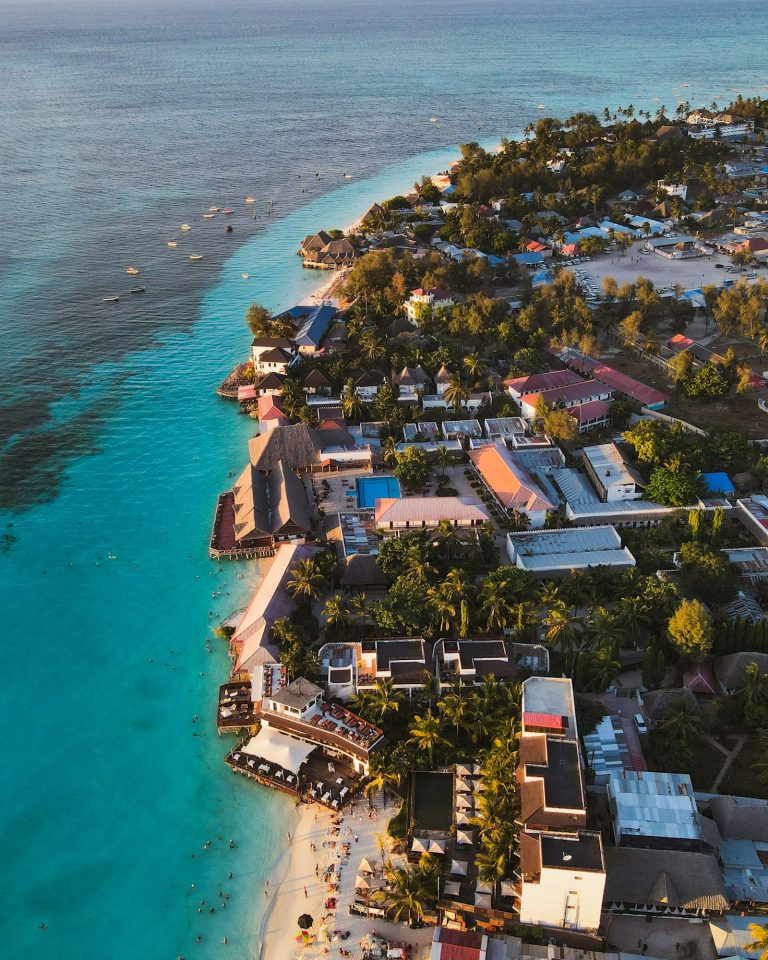
| The coast | Beach rest after the bush | Malaria risk remains; use nets and repellent |
Our Kenya Family Safari (5 days), Lake Naivasha Family Safari and Multigenerational Family Fly-in Safari can all be adapted for very young children.
Why Amboseli and Lake Naivasha Suit Very Young Children
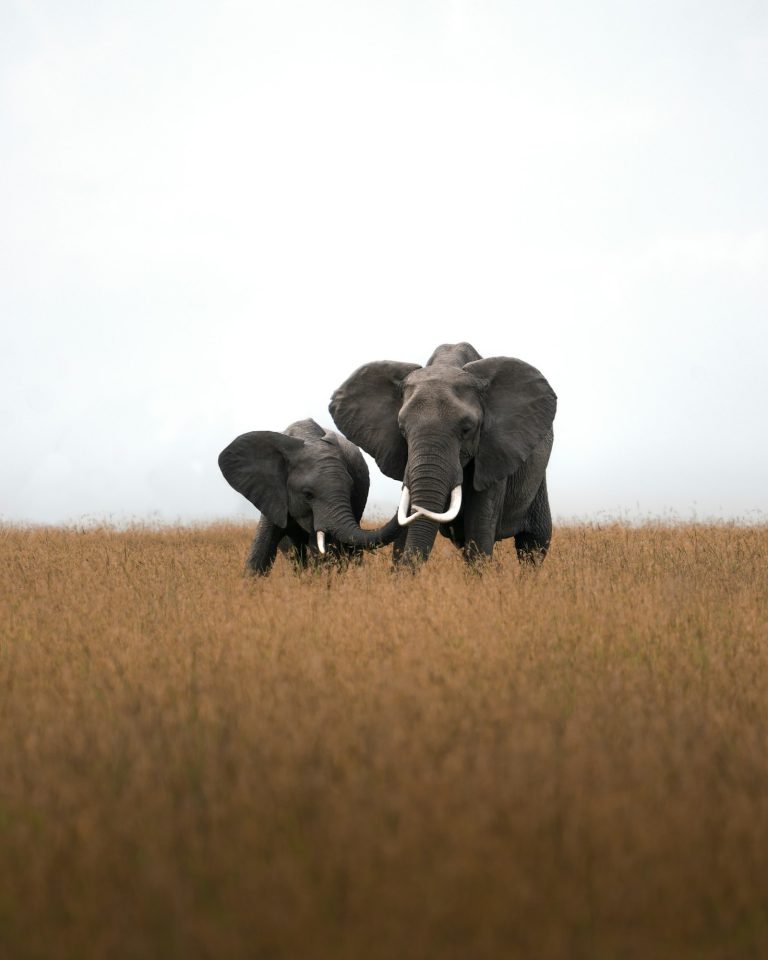
Amboseli is our first suggestion for the youngest travellers. The landscape is open, so wildlife is easy to see without long searches, large elephant herds visit the swamps on most days, and drives can stay short and flexible around feeds and naps. Kilimanjaro on the horizon needs no explanation for a small child. Night drives are not allowed inside the national park, which suits early bedtimes. Our Amboseli safari 2027 guide explains the park in more detail.
Lake Naivasha sits at roughly 1,880 metres, where malaria risk is generally lower than in the hot lowland parks, although no part of Kenya should be treated as risk-free. A hippo boat ride and a gentle walk among giraffe and zebra on Crescent Island keep toddlers engaged at an easy pace. Read our Lake Naivasha safari guide to plan a visit.
The Masai Mara also works for children of about two and over when you travel in a private vehicle, ideally with a conservancy camp where vehicle numbers are limited and a pool gives midday energy release. Fly in to avoid the long road. See our Masai Mara safari packages for road and fly-in options.
The Best Season for a Safari With Infants
The drier months, roughly late June to October and January to February, are usually easiest for a safari with infants. Mosquitoes are generally fewer when it is dry, roads are firmer and wildlife is easier to find on shorter drives. The long rains around April and May bring more insects and muddy tracks. School holidays fill family tents quickly, so book early if you need one.
Getting Around With a Baby or Toddler
Shorter journeys make a safari with infants much more relaxed, for you and for them.
- Fly between parks: a short flight replaces hours on rough roads.
- Bring a car seat: safari vehicles do not always carry child seats, so ask in advance or bring your own.
- Use a soft carrier: easier than a pushchair on uneven paths and in camps.
- Pack light: light aircraft usually allow about 15 kg in soft bags per person; ask about allowances for infants.
- Stay longer: three nights or more per camp means fewer packing days.
Read our safari luggage weight limits guide for bush flights. Every child on a safari with infants needs their own entry authorisation too; apply on the official eTA Kenya site and check its current requirements for every family member. Kenya also requires mandatory travel health insurance at USD 44 per traveller; each child needs their own policy, and a home policy cannot be used instead.
A Typical Day on Safari With Infants and Toddlers
A good day on a safari with infants follows your child’s rhythm, not the usual dawn-to-dusk safari timetable.
- Early morning: a short drive of two to three hours while it is cool and animals are active, with snacks and milk in the vehicle.
- Late morning: back to camp for breakfast or brunch, then a nap in the shade of the tent.
- Midday: pool time, a story or a nature activity in camp while the heat passes.
- Afternoon: a second short drive, or a gentle game-viewing session from the camp deck.
- Rainy spells: pack a few small books, crayons and a favourite toy, as afternoon showers often pass quickly.
- Any time: your guide will head back early if your child is tired; on a private safari with infants there is no group to keep up with.
- Evening: an early children’s supper, bath and bed, so parents can enjoy dinner, with a babysitter where the camp offers one.
Nairobi Stops That Suit Little Ones
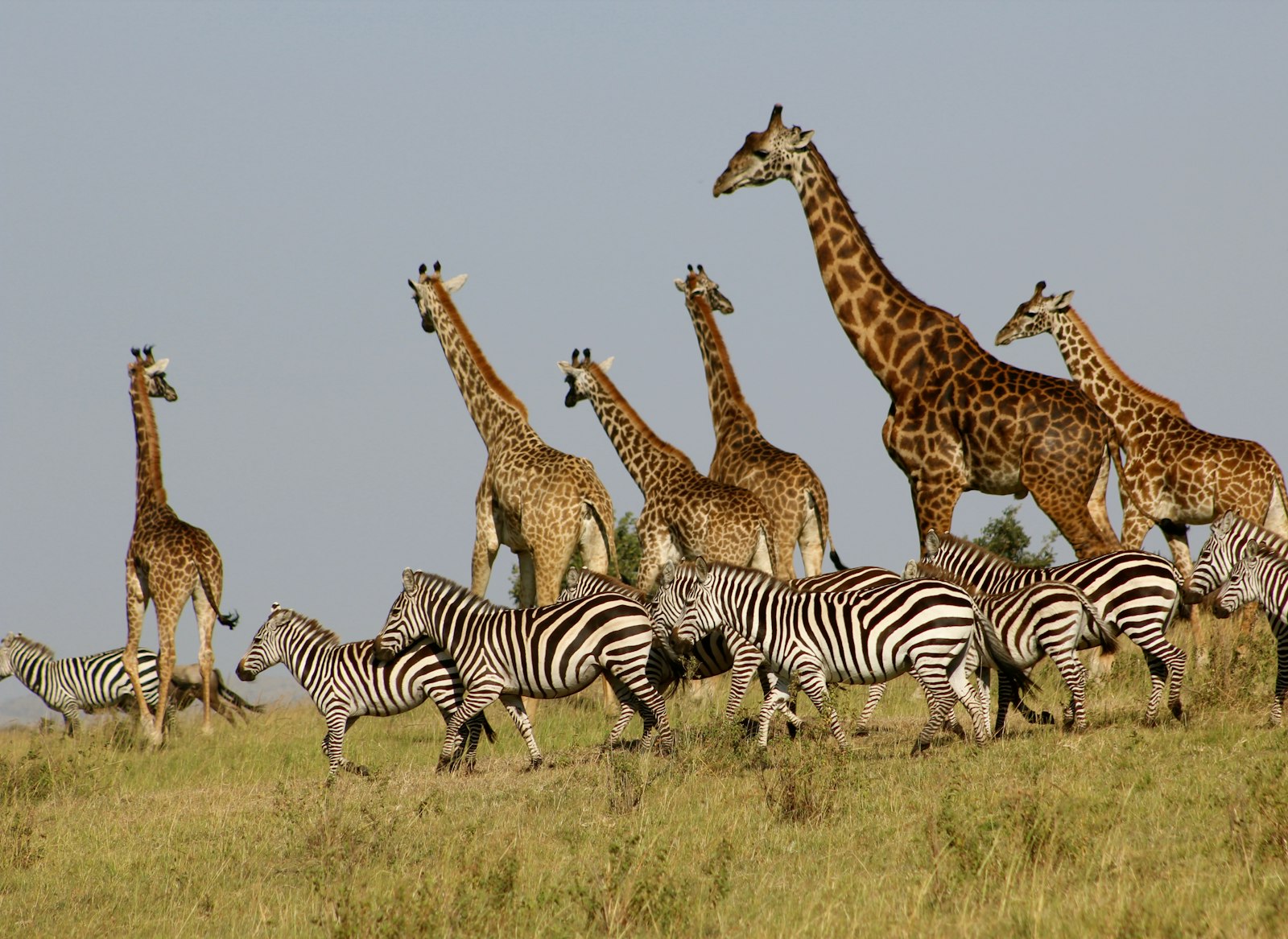
Nairobi is an easy place to begin. Nairobi National Park sits on the edge of the city, so a short game drive is possible without a long transfer. The Giraffe Centre lets children feed Rothschild’s giraffes from a raised platform, and the elephant orphanage run by the Sheldrick Wildlife Trust has a short late-morning public visit that should be booked in advance. Our Nairobi layover with kids guide has more ideas.
Feeding, Sterilising and Nappies in Camp
Ask each camp whether it can provide boiled water, fridge space for milk and a kettle in the main area or your tent. Bring sterilising tablets or a compact steriliser as a backup, plus enough bottles for a full day out. Remote camps have limited waste facilities, so you may be asked to bag used nappies for disposal; pack nappy sacks for this. These small details make a safari with infants far smoother.
Medical Care While You Travel
Nairobi has well-equipped private hospitals with paediatric care, but remote camps can be several hours from a doctor. Camps keep first-aid kits, and serious cases are flown out by air ambulance, which is why evacuation cover matters. Keep your child’s medical notes, allergy details and vaccination record in your hand luggage, and save your clinic’s phone number. Choosing camps a short flight from Nairobi keeps a safari with infants closer to help if you ever need it.
Keeping Small Children Safe Around Wildlife
Many camps are unfenced, and animals walk through them, especially at night. Keep toddlers within arm’s reach at all times, never let them wander between tents, and wait for a staff escort after dark. In the vehicle, children stay seated and inside, with arms and toys kept in. Your guide will explain the rules on day one, and they apply to every family member.
What to Pack for a Safari With Infants
For a safari with infants, pack the essentials you cannot easily buy in the bush, and leave the rest.
- Formula, favourite snacks and a spare supply in case of delays.
- Nappies and wipes for the whole stay, as remote camps rarely sell them.
- A travel cot sheet, a familiar blanket and a portable night light.
- Long, light clothing, sun hats and a warm layer for cool evenings.
- A small first-aid kit and any medicines your doctor recommends.
Our guides to bathroom facilities on safari and power and Wi-Fi at safari camps help you plan bath time and bottle warmers.
Plan your family dates early
Family tents are limited and book early in school holidays. Share your dates for a written quote with every age rule checked.
What Affects the Cost of a Safari With Infants
Costs depend on the camps, the season and whether you travel by road or air. Many camps give reduced rates for young children sharing with parents, and some let infants stay free, but policies differ from camp to camp, so we check each one and show child rates line by line in your written quote. A private vehicle costs more than a shared one, but with a baby or toddler it is the most valuable upgrade you can make, because the whole day runs on your child’s rhythm. Park fees for children are lower than adult fees; our family safari Kenya 2027 guide lists current child fees for the Masai Mara, Amboseli and Lake Nakuru.
Planning Your Family Safari With Us
We plan every safari with infants as a private, flexible trip built around your family.
Start with a private Kenya safari or a luxury Kenya safari, where family suites are more common. You might add a beach finish with our Family Safari and Beach trip. Park fees, including child rates, are explained in our Kenya national parks entrance fees 2026 guide. For entry information, see the UK government’s Kenya travel advice.
A Sample Safari With Infants: 5 Gentle Days
Day 1 in Nairobi with the giraffes and the orphaned baby elephants at the nursery. Days 2 to 3 at Lake Naivasha with a boat ride and short drives. Days 4 to 5 in a family camp in Laikipia or the Mara, reached by a short flight, with morning drives and quiet afternoons by the tent.
Safari With Infants and Pregnancy FAQs
Can I take a baby on safari in Kenya?
Yes. Many families take babies on safari in Kenya. Book a private vehicle, choose camps that welcome young children and keep transfers short. Talk to a travel clinic early about malaria prevention and vaccines, and make sure your travel insurance covers every family member, including medical evacuation from remote areas.
What is the minimum age for a safari game drive?
It depends on the camp. Many set minimum ages for shared game drives, often around 6 to 8 years, while walking safaris usually start at 12 or older. Private game drives are normally open to any age, which is why families with babies and toddlers almost always book their own vehicle.
Is it safe to go on safari while pregnant?
Take medical advice first. Malaria can be more serious in pregnancy, and health services generally advise pregnant women to avoid malarious areas where possible. Some tablets and vaccines are unsuitable in pregnancy. If you travel after advice, the middle months are usually most comfortable, and airlines set their own late-pregnancy limits.
Is there malaria in Kenya’s safari areas?
Yes, malaria is present in most safari areas and on the coast. Risk is lower in Nairobi and at higher altitudes, but rarely zero. Use nets, long sleeves in the evening and suitable repellents, and ask a travel clinic about antimalarial tablets for each family member, especially babies and pregnant travellers.
Do safari camps have cots and high chairs?
Some do, especially family-friendly lodges and camps, which may also offer family tents and babysitting. Remote camps may have little baby equipment and cannot easily source it at short notice. Ask in advance and confirm in writing, and bring essentials such as nappies, formula and a travel cot sheet.
Which Kenya safari is best for toddlers?
A short, gentle trip works best. Many families start with Nairobi National Park and the baby elephants, then visit Lake Naivasha, and finish with a family camp in Laikipia or the Masai Mara reached by a short flight. Three nights or more per camp keeps packing and transfers to a minimum.
Do toddlers get bored on game drives?
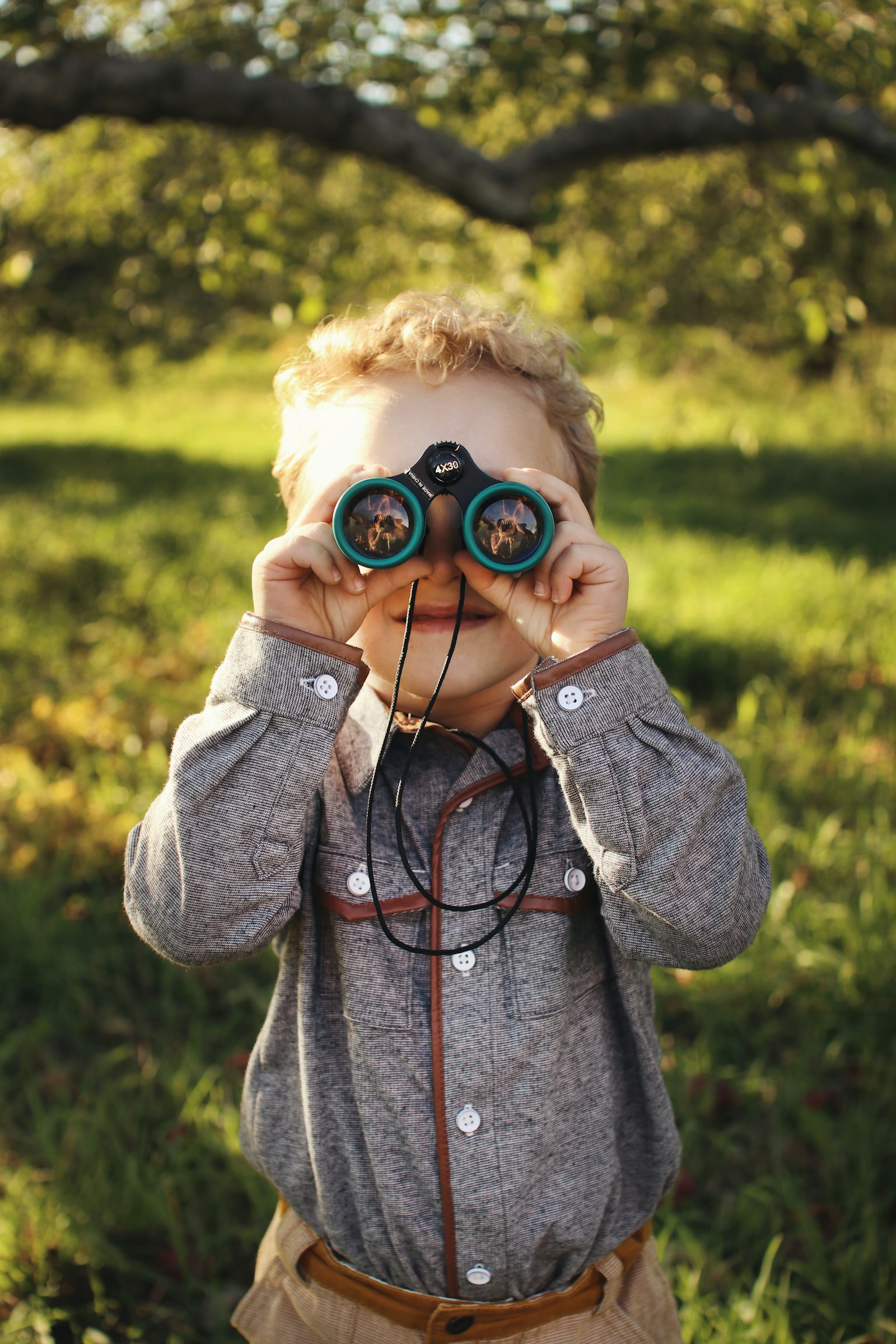
They can, which is why drives should be short. Most toddlers stay happy for one to three hours, especially with snacks, binoculars and an animal book. A private vehicle lets you return to camp whenever your child has had enough, without spoiling the day for other guests.
What is the best age for a first safari with a toddler?
There is no perfect age. Babies under one often travel easily because they sleep a lot, while from about two years old many children enjoy spotting animals and joining in. The stage in between can be trickiest because toddlers want to move, so keep drives very short and rest often.
Does a baby need an eTA and insurance for Kenya?
Yes. Every traveller, infants included, needs their own passport and an approved Kenya eTA unless exempt, applied for only on the official portal etakenya.go.ke. Kenya’s mandatory travel health insurance costs USD 44 per traveller, each child needs their own policy, and a home policy cannot be used instead. Keep your own travel insurance for cancellation and wider cover.
First safari memories, gently planned
Private vehicles, family camps and a pace that suits your youngest traveller. Sense of Adventure is a TRA-licensed Nairobi safari company.
Kenya-based experts. Real local knowledge. Transparent pricing.