

Lake Naivasha boat safari mornings deliver the Rift Valley from its most beautiful angle — water level. Gliding out from the papyrus shore, the game drive rules invert: hippos become the big game, their pink-eyed periscope heads surfacing around the boat; fish eagles become the predators, stooping from dead acacias to snatch tilapia in a spray of silver. Pelicans taxi past like flying boats and the Mau escarpment stacks blue behind it all. Kenya’s only major freshwater Rift lake earns its safari stripes in a single hour afloat. Sense of Adventure folds a boat session into every Naivasha itinerary — usually first thing, when the water is glass.
Trade the Land Cruiser for a Launch
Glass-calm mornings, hippo pods and diving eagles — we book the good boats with the good captains.
How the Boat Safari Works
Boats depart from jetties along the southern shore — most lodges have their own — with licensed captains who read the lake daily. The classic hour-long circuit hugs the papyrus fringe where hippo pods raft up (Naivasha holds hundreds), detours past drowned acacia woodlands standing skeletal in the shallows since the lake rose, and pauses beneath resident African fish eagle pairs. Captains whistle, toss a fish, and the eagle’s stoop — talons out, wings flared, hitting the water at speed — happens close enough to hear. Morning trips (7-10 am) get the calmest water and best light; longer combinations add Crescent Island drop-offs.

The fish eagle hit the water maybe fifteen metres from the boat — I got the whole strike sequence, spray and all. Then we idled past a pod of thirty hippos yawning at the sunrise. My camera hasn’t worked that hard in years.
— Sense of Adventure guest, Naivasha morning boat
The 5 Essential Boat Safari Moments
The Fish Eagle Strike — Africa’s greatest airshow, on cue
Naivasha’s fish eagle pairs know the game: captain whistles, fish arcs onto the water, and the eagle leaves its snag in a long, accelerating glide to strike talons-first in front of the boat. Purists debate the baiting; photographers set 1/2500s and thank the captain. Either way, the spectacle is breathtaking.
Hippo Pods at Eye Level — respectful close encounters
From the water, hippos stop being distant grey humps and become architecture — huge heads rising, ears flicking, jaws gaping in territorial yawns. Good captains hold a safe, legal distance and angle for light, letting the pod relax back into its snorting routine around you. It is the lake’s heavyweight highlight.
The Drowned Forest — Naivasha’s haunting skyline
When the lake rose dramatically after 2010, shoreline acacia woodland drowned where it stood — leaving silver skeleton trees rising from open water, each one crowned with cormorants, herons or a fish eagle. The effect is eerie and gorgeous, especially in dawn mist. Photographers should request a slow pass.
Papyrus Edge Birding — the 400-species fringe
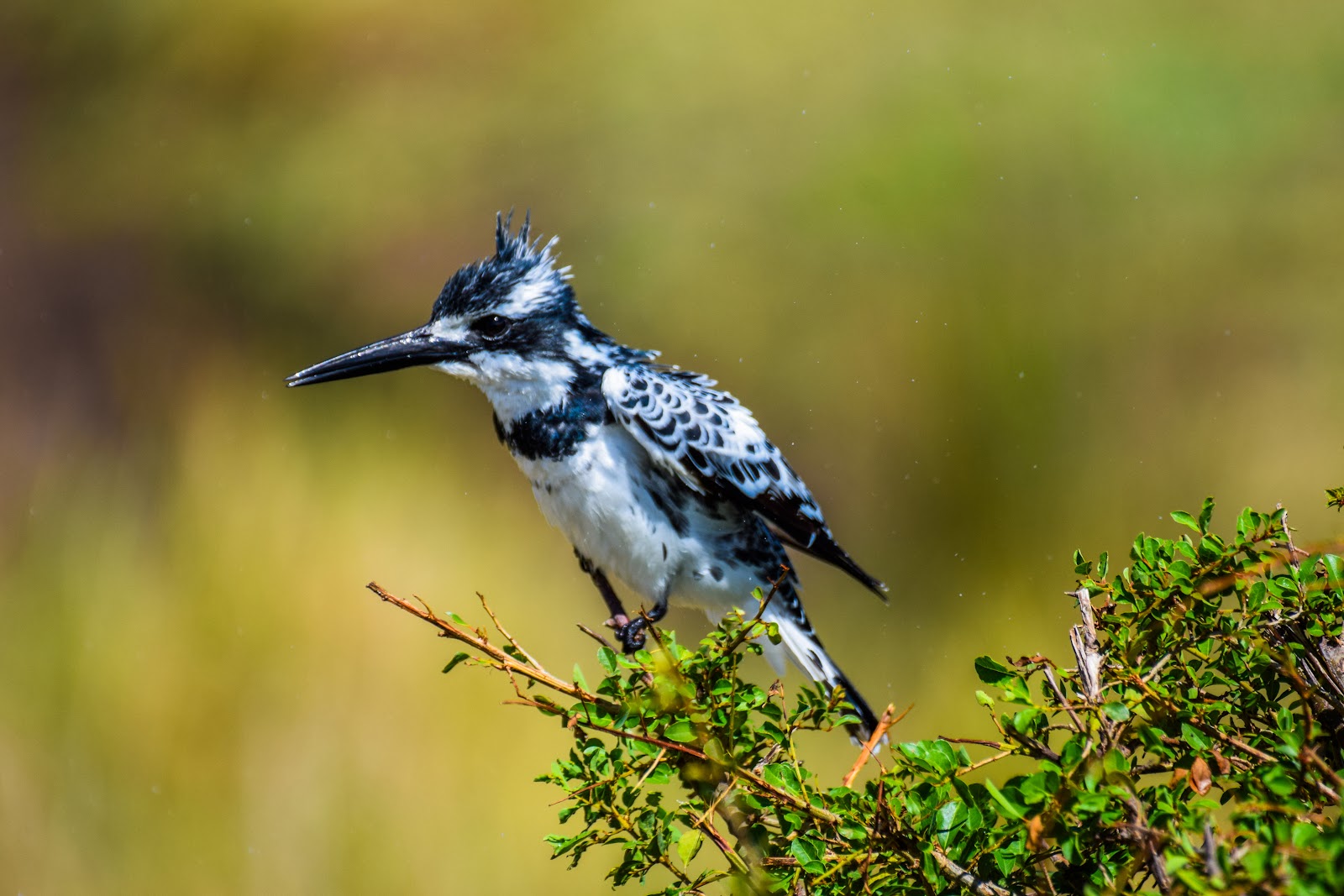
The papyrus margin hums with specialists: jacanas trotting the lilies, malachite kingfishers like flying jewels, herons and pelicans working the shallows, weavers in constant colonial argument. An hour’s slow cruise fills bird lists faster than most parks manage by road.
Sunset Cruise & Colobus Shores — the golden-hour alternative
Evening trips trade glassy calm for colour — the Mau ridge silhouetting, pelicans flighting home, hippos growing bold as dusk approaches. Some shorelines add black-and-white colobus monkeys leaping through waterside acacias. Pair with a jetty-side dinner and Naivasha ends the day like a film.
Morning Glass or Golden Hour?
We schedule your boat for the conditions you care about — photography calm or sundowner colour. Just say which.
Boat Safari Facts & Tips
- Timing: 7-10 am gives glass-calm water and feeding birds; 4-6 pm gives sunset colour.
- Duration: the standard circuit runs about an hour; Crescent Island combos extend to a half day.
- Hippo rules: licensed captains hold mandated distances — the pods stay relaxed and so do you.
- Safety kit: life jackets are provided and worn; the lake is calm but equatorial sun is not — hat and sunscreen.
- Camera: a 200-400 mm zoom covers eagles and hippos; keep shutter at 1/2000s+ for the strike.
- The lake: freshwater (unusual for the Rift), 139 km² at 1,884 m altitude — cool mornings, bring a layer.
Making a Full Naivasha Day of It
The boat pairs naturally with a walk — see the Crescent Island walking safari guide — and both feature in our Crescent Island & Hell’s Gate day trip. For the land-based view of the lake, read the full Lake Naivasha safari guide, and cyclists should check Hell’s Gate cycling next door.
The Lake Is Calmest at Dawn
Hippos, eagles and glass water are an early alarm away. Message us to book tomorrow’s boat.
Frequently Asked Questions
What do you see on a Lake Naivasha boat safari?
A Lake Naivasha boat safari delivers hippo pods at close (safe) range, African fish eagles diving for fish, drowned acacia forests full of cormorants and herons, pelicans, kingfishers and a papyrus shoreline holding over 400 bird species — all against Rift Valley escarpment views.
How long is a boat ride on Lake Naivasha?
The classic Lake Naivasha boat safari lasts about one hour, circuiting the hippo pods, drowned forest and fish eagle territories. Combination trips extend to a half day by adding a Crescent Island walking safari drop-off — the lake’s best-value pairing.
Is a Lake Naivasha boat ride safe with hippos?
Yes — licensed Naivasha captains follow strict distance rules around hippo pods, and incidents involving tour boats are extremely rare. Life jackets are standard, waters are calm, and the pods, viewed respectfully, carry on resting and yawning as boats idle past.
When is the best time for a Lake Naivasha boat safari?
Early morning (7-10 am) is best for a Lake Naivasha boat safari — the water is glass-calm, fish eagles are actively feeding and the light is superb for photography. Late-afternoon cruises trade calm for golden sunset colour behind the Mau escarpment.
Do fish eagles really dive next to the boats at Naivasha?
Yes — Lake Naivasha’s resident fish eagle pairs respond to captains’ whistles and tossed fish, stooping from shoreline snags to strike the water within metres of the boat. It gives photographers Africa’s most accessible fish eagle action shot, morning after morning.