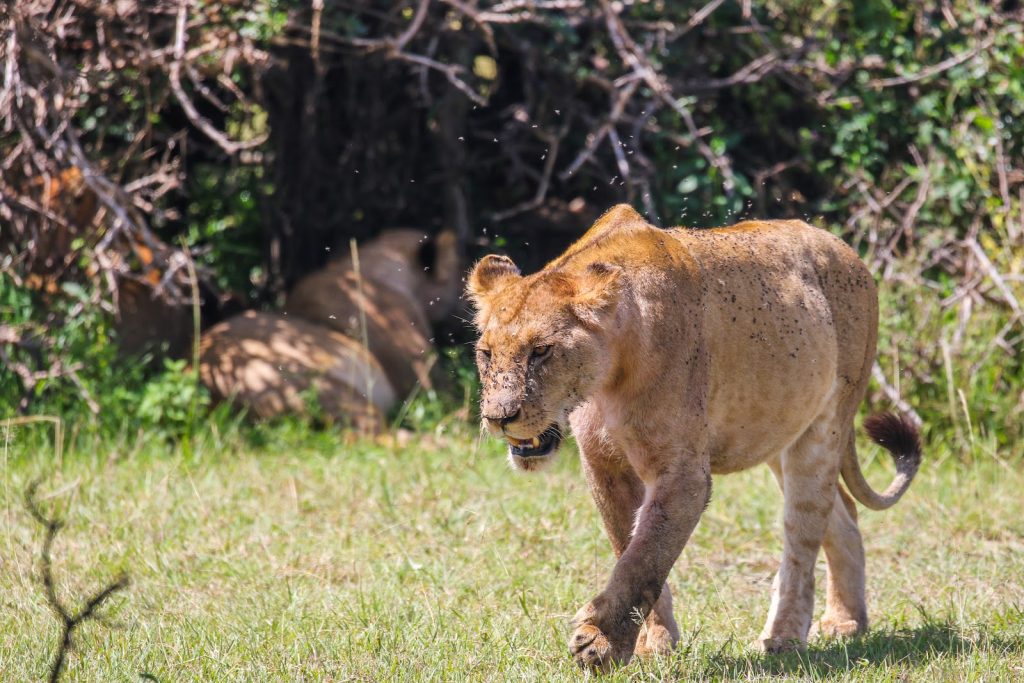
You set off on foot just after sunrise, single file behind a Maasai guide in a red shuka. Dew soaks your boots. He stops, crouches and points at a print the size of your palm, still crisp at the edges. A lioness passed here less than an hour ago. Somewhere ahead an oxpecker hisses, a herd of impala lifts its heads as one, and your heart beats a little faster. This is the Mara at walking pace.
Naboisho Conservancy, officially Mara Naboisho Conservancy, is a community conservancy on the north-eastern edge of the Masai Mara National Reserve, formed in 2010 on land leased from Maasai families. Its name means coming together in Maa. It caps tourism at about 150 beds, allows walking safaris and night drives, and has one of the Mara’s highest lion densities.
Sense of Adventure is a Nairobi-based safari company at Mountain Mall on Thika Road, licensed by Kenya’s Tourism Regulatory Authority (TRA1/47/C01/77087). We plan Mara conservancy safaris all year. This guide is about the place: how Naboisho Conservancy was born, the landowners, guides and rangers who run it, wildlife and honest odds, walking and night drives, getting there, fees, rules, the best months and a sample itinerary. To see how it compares with its neighbours, read Mara North vs Naboisho vs Olare Motorogi.
✅ Naboisho Conservancy: The Quick Answer
- Where: the north-eastern Masai Mara in Narok County, Kenya, bordering the national reserve and Olare Motorogi Conservancy.
- Best for: walking safaris, night drives, big lion prides, fly camping and travellers who want to understand how the Maasai and wildlife share land.
- Best time: July to October for migration herds; January to March for green plains, newborns and quiet camps.
- Entry fee: a daily conservancy fee per guest is collected by your camp; it is not published centrally, so we show it in your quote.
- How long to stay: three nights for drives and walks; four or more if you add fly camping or a reserve day.
- Getting there: roughly an hour by light aircraft from Wilson Airport to a nearby Mara airstrip, or five to six hours by road.
🌍 Planning a Safari to Naboisho Conservancy?
Walking is the reason many guests choose Naboisho. Tell us your dates and fitness level and we will plan the right walks around your drives.
🥾 Plan My Walking SafariPrefer to talk? 💬 WhatsApp Us Now or call +254 799 160 081
What Is Naboisho Conservancy?
Naboisho Conservancy is a community-owned wildlife area where Maasai landowners lease their land to the conservancy, which is managed for wildlife, controlled grazing and low-density tourism.
The size you will see quoted varies. The founding partners described about 20,000 hectares, and the conservancy’s own website now describes 60,000 acres, roughly 24,000 hectares. The land is a mix of open grassland, rocky hills, acacia and croton woodland and seasonal river valleys, with long views towards the Loita Hills.
It shares an open boundary with the Masai Mara National Reserve and with Olare Motorogi Conservancy, so lions, elephants and migrating herds move freely across it. There are no fences, only agreed rules and a lot of trust.
How Naboisho Conservancy differs from the reserve
In the national reserve you stay on tracks, drives end at dusk and walking is not allowed. In Naboisho Conservancy, guests of member camps can walk with trained guides, go on night drives and enjoy bush meals and fly camping. Read our guide to the Masai Mara reserve vs the conservancies for the full comparison.
The History of Naboisho Conservancy
Naboisho Conservancy was established in 2010, when about 500 Maasai landowners signed lease agreements that were finalised in March that year.
Before then, the land was owned in individual plots after the old group ranches were subdivided. Many families faced the choice of fencing, farming or selling. The Basecamp Explorer group helped start the conservancy, with Basecamp Foundation Kenya helping to set up the model in its early stage, and other safari operators soon joined.
Coming together: a name with meaning
Naboisho means coming together in Maa, the Maasai language. It describes the deal at the heart of the conservancy: hundreds of separate plots joined into one open landscape, and landowners and tourism partners sharing decisions. A representative board of Maasai landowners and tourism partners sets policy.
How the lease model works
Each landowner receives a regular lease payment for keeping land open to wildlife, rather than depending on how many guests come. In its early years, founding partner Asilia reported an annual lease of USD 35 per hectare with a yearly increase. Our conservancy fees in Kenya guide explains how your bed night pays for this.
The People of Naboisho Conservancy
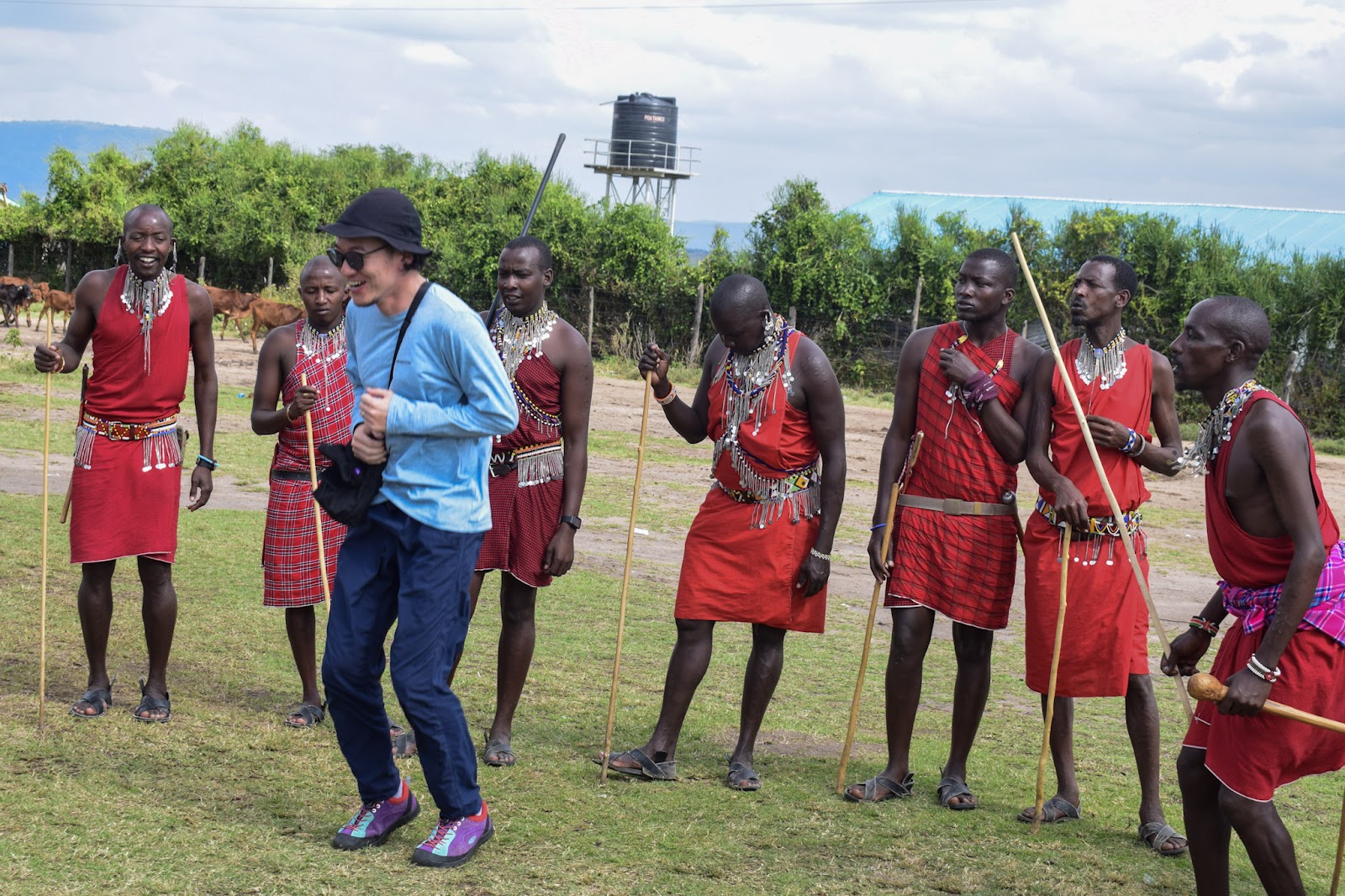
The people of Naboisho Conservancy are its owners: today the conservancy describes more than 700 Maasai landowners, alongside rangers, guides and camp teams drawn largely from local families.
The conservancy says around 90% of conservancy jobs are held by local people. Landowners keep their livestock, grazing them on a carefully managed rotational plan so that cattle and wildlife share the grass rather than compete for it. That balance is what keeps the land open.
The Koiyaki Guiding School
Many of the guides who will lead your walks trained at the Koiyaki Guiding School, which teaches young people from the Mara to become professional safari guides. Asilia reported that more than 30 Maasai women had graduated as guides, a real change in a profession that was once almost entirely male. Ask your camp whether a woman guide is available.
Education, beadwork and conservation jobs
The conservancy says it supports over 2,400 students, with more than 75% of bursary support coming from landowners themselves. Women’s beadwork groups sell their work in camp shops, and rangers run joint patrols with the Kenya Wildlife Service. Your fees are part of every one of these programmes.
Expert tip from our Nairobi team: plan at least one walk with a Maasai guide rather than only drives. Ask about medicinal plants, cattle and how families live alongside lions. It turns a wildlife holiday into a real cultural exchange, with no staged performance needed.
Wildlife in Naboisho Conservancy: What You Will See
Naboisho Conservancy is famous for lions, with the founders describing one of the highest lion densities in the Mara ecosystem, and it offers strong viewing of cheetah, leopard, elephant and plains game.
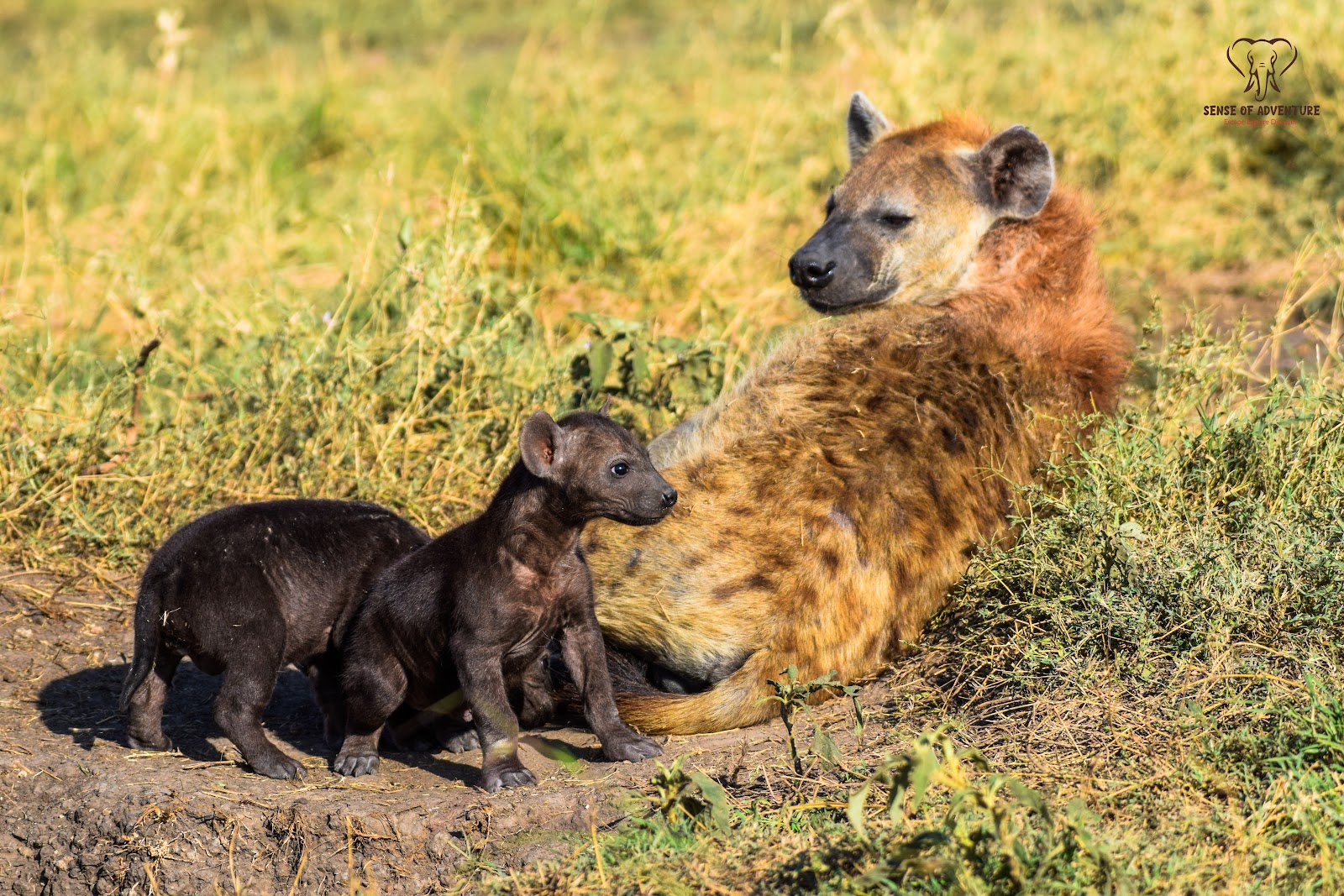
Expect topi, eland, impala, Thomson’s and Grant’s gazelle, Masai giraffe, zebra, buffalo, warthog and spotted hyena, along with jackals, bat-eared foxes and, on night drives, smaller nocturnal animals. The conservancy has worked on GPS collaring of giraffes and, in September 2026, released two rehabilitated vultures fitted with satellite trackers.
Migration herds and the Loita wildebeest
From about July to October, Serengeti migration herds spread into the Mara, and many graze in the conservancies. Naboisho’s Pardamat area forms part of the corridor used by the Loita wildebeest and by elephants, so herds can pass through at other times too. The main river crossings happen in the reserve.
Your honest sighting odds in Naboisho Conservancy
| Species | Chance on a 3-night stay | Notes |
|---|---|---|
| Lion | Very high | Large prides; often seen several times a day. |
| Spotted hyena | Very high | Dens are common; very active at night. |
| Elephant | High | Families move through the hills and the Pardamat corridor. |
| Cheetah | Fair to good | Open plains suit them; sightings vary by season. |
| Leopard | Fair | Rocky hills and thickets; night drives improve your odds. |
| Wildebeest migration | Seasonal | Usually July to October, depending on rains. |
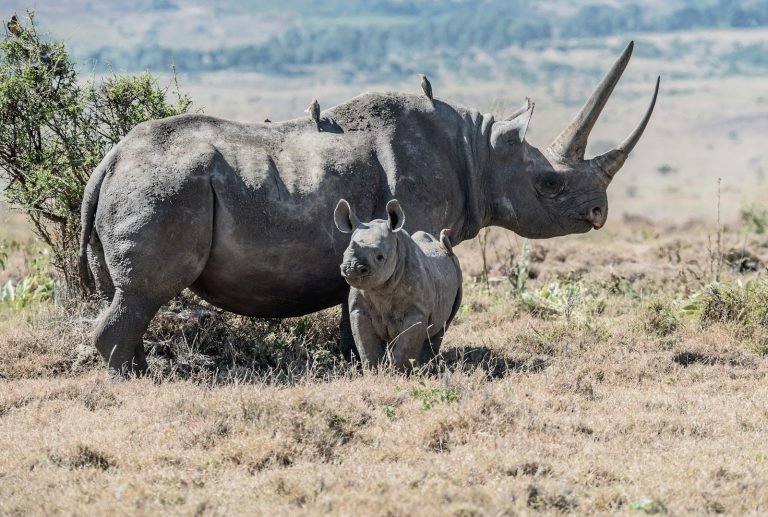
| Black rhino | Very low | Not a realistic target here. |
| Wild dog | Very low | Rare visitors only. |
Things to Do in Naboisho Conservancy
In Naboisho Conservancy you can walk, drive by day and night, eat in the bush and sleep out under the stars, depending on your camp.
Naboisho walking safari
A Naboisho walking safari is the experience most guests remember. Walks usually run in the cool morning or late afternoon, led by trained guides and, where needed, rangers. You will read tracks, learn about plants and insects, and approach plains game with care. Walks are about understanding the land, not chasing predators.
Night drives
The conservancy allows night game drives for member camps. With a red-filtered spotlight, you may find hyenas on the move, genets, bushbabies, servals and, with luck, a leopard. Our guide to night drives on safari explains how they work.
Fly camping and bush meals
Some camps offer fly camping, a night in a simple tent or under a mosquito net in the bush, with a campfire and guides close by. Bush breakfasts, lunches and sundowners at scenic spots are standard. Balloon flights over the Mara can be arranged for an extra cost.
🔥 Fly Camp, Night Drive or Both?
Not every Naboisho camp runs every activity. Tell us your must-dos and we will match you with the camp that offers them.
🌙 Match My Must-Do ActivitiesGetting to Naboisho Conservancy
You can fly to Naboisho Conservancy from Wilson Airport in about an hour, or drive from Nairobi in roughly five to six hours via Narok.
By air
Safarilink and Airkenya fly scheduled light-aircraft services from Wilson to the Mara airstrips, and Naboisho camps meet guests at the nearest one, such as Ol Seki, depending on the camp. Charters can fly direct. Keep to the soft-bag limit; see our safari luggage weight limits guide.
By road
The drive goes down the Rift Valley escarpment to Narok, then on rural roads to the conservancy. It suits families, longer trips and anyone adding Lake Naivasha or Lake Nakuru. Our Nairobi to Masai Mara distance guide compares road and air in detail.
| Route | Typical time | Notes |
|---|---|---|
| Wilson Airport to a Mara airstrip | About 1 hour | Scheduled flights; airstrip depends on your camp |
| Nairobi to Narok by road | About 2 to 2.5 hours | Tarmac; fuel and food stops |
| Nairobi to Naboisho by road | About 5 to 6 hours | Last stretch on rural roads, slower after rain |
| Laikipia or Samburu by air | Depends on routing | Scheduled connections or charter |
Naboisho Conservancy Fees
Naboisho Conservancy fees are paid per guest per night through your camp, and they fund landowner leases, rangers and management.
The conservancy does not publish a central visitor fee. Camps include it in their rate or show it as a separate line, and it can change each year, so we always show the exact figure in your quote. If you take a day trip into the national reserve, you pay the reserve fee for that day; see our Masai Mara National Reserve guide and Kenya national parks entrance fees 2026.
| Cost item | Who charges it | What to expect |
|---|---|---|
| Conservancy fee | Your camp, for the conservancy | Per guest per night; included in or added to the rate |
| Camp rate | The camp | Usually full board with drives and walks; check extras |
| Fly camp night | The camp | Sometimes included, sometimes a supplement |
| Reserve day trip (optional) | Narok County | Daily reserve entry for each day you enter |
| Balloon flight (optional) | Balloon operator | Extra cost; book ahead in peak season |
Expert tip from our Nairobi team: ask every camp the same three questions: is the conservancy fee included, are walks and night drives included, and is a private vehicle extra. The answers change the real price more than the headline rate does.
Naboisho Conservancy Rules and Safety
Naboisho Conservancy rules protect wildlife, landowners and guests, and your guide will brief you before every activity.
- Walk only with guides: never leave camp on foot alone, and follow your guide’s instructions at all times.
- Low density: tourism is limited to a maximum of about 150 beds, so expect few vehicles at sightings.
- Night drives: for member camps only, using red filters to protect animals’ eyes.
- Respect livestock and homes: herders graze cattle on agreed plans; give herds space and ask before photographing people.
- No drones: do not fly a drone without written permission from the conservancy and the relevant authorities.
- Health: take malaria advice from your doctor, carry a refillable bottle and consider evacuation cover.
Read the UK Foreign Office travel advice for Kenya before you travel and see our guide to emergency evacuation cover.
Best Time to Visit Naboisho Conservancy
The best time to visit Naboisho Conservancy is July to October for the migration herds, or January to March for green plains, newborn animals and some of the best walking.
Resident lions mean the game is strong all year. The long rains in April and May make walking muddy and some camps close. November usually brings short rains and fresh grass. For more detail, see Kenya weather by month.
| Month | Weather | What to expect in Naboisho |
|---|---|---|
| January to February | Warm, mostly dry | Great walking, young animals, quieter camps |
| March | Warm, first showers | Green and peaceful, good value |
| April to May | Long rains | Lush; some camps closed, lowest rates |
| June | Cool, drying | Excellent lions before peak season |
| July to August | Cool, dry | Migration herds; peak demand |
| September to October | Dry, warming | Herds and predator action; peak season |
| November | Short rains | Green again, fewer visitors |
| December | Showers, warm | Resident game; festive demand |
📅 Get a Free, No-Obligation Safari Quote
With only around 150 beds across the conservancy, the best Naboisho camps fill early for the migration and festive season. Send your dates and we will reply with a clear written quote.
✉ Send Us Your Dates on WhatsAppHow Many Days Do You Need?
Plan three nights in Naboisho Conservancy, or four to five if you want fly camping or a full reserve day in migration season.
Three nights gives you a mix of walks, day drives and a night drive without rushing. Families and photographers often prefer four. Our guide to how many days you need on a Kenya safari helps you shape the full trip.
Where to Stay in Naboisho Conservancy
Naboisho Conservancy has a small group of member camps, each with its own character, and only their guests can drive and walk in the conservancy.
The conservancy lists nine places to stay: Asilia Naboisho Camp, Asilia Encounter Mara, Basecamp Wilderness, Hemingways Ol Seki Mara, Kicheche Valley Naboisho, Mara Nyika Camp, Porini Mara Camp, Saruni Eagle View and Saruni Leopard Hill. We compare the best of them for walking, families and couples in our Naboisho Conservancy camps guide, and you will find more stays that pay landowners in community conservancy lodges in Kenya.
🛖 Help Choosing Your Naboisho Camp?
Walking-focused, family-friendly or a hilltop view for two? Share your style and budget and we will send two or three honest suggestions.
🏕 Shortlist My Naboisho CampsWhat to Pack for Walking in the Masai Mara Conservancies
Pack neutral clothes, broken-in walking shoes and warm layers, and keep it all within the light-aircraft limit.
- Broken-in walking shoes or light boots, plus long socks and trousers for grass and thorns.
- Khaki, olive or brown clothing; avoid white, bright colours and dark blue.
- A warm fleece or jacket for dawn walks and night drives.
- A wide-brimmed hat, sunglasses, sunscreen and insect repellent.
- Binoculars, a small daypack and a refillable water bottle.
- A camera with a zoom lens and a headtorch for camp.
See our full what to pack for an African safari list.
Combining Naboisho Conservancy With Other Areas
Naboisho Conservancy works beautifully with a river camp in the reserve, a second conservancy, or a flight north to Laikipia.
- Olare Motorogi: its neighbour, with only five camps; read our Olare Motorogi Conservancy guide.
- Mara Triangle: two nights by the river for crossings; see our Mara Triangle guide.
- Mara North: leopard country and riding safaris; see our Mara North Conservancy guide.
- Laikipia: rhinos at Ol Pejeta or Maasai-led walking at Il Ngwesi Conservancy.
Sample 3-Day Naboisho Conservancy Itinerary
This three-day plan shows how a stay in Naboisho Conservancy balances walking, drives and time with the community.
- Day 1, Nairobi to Naboisho: fly from Wilson, settle into camp, then an afternoon drive with the lion prides and your first night drive after dinner.
- Day 2, on foot: a morning walk with a Maasai guide, brunch, rest in the heat, then a sundowner drive. Optional night in a fly camp.
- Day 3, cats or the river: a final dawn drive, or in migration season a full reserve day for the Mara River, then fly on to Nairobi, Laikipia or the coast.
Prefer a ready-made trip? Our Laikipia and Masai Mara Walking Safari (7 days), Maasai Cultural and Wildlife Safari (4 days) and Celebration Safari in a Masai Mara Conservancy (5 days) can be built around Naboisho. Message us for a quote, browse our Masai Mara safari packages, or ask about a private Kenya safari or luxury Kenya safari.
Naboisho Conservancy FAQs
Where is Naboisho Conservancy?
Naboisho Conservancy, officially Mara Naboisho Conservancy, lies on the north-eastern edge of the Masai Mara National Reserve in Narok County, Kenya, next to Olare Motorogi Conservancy. Guests fly from Wilson Airport in about an hour to a nearby airstrip, or drive in five to six hours via Narok.
What does Naboisho mean?
Naboisho means coming together in Maa, the Maasai language. The name reflects how hundreds of individual Maasai landowners joined their plots into one open conservancy in 2010, sharing decisions with tourism partners through a representative board and earning regular lease payments for keeping land open to wildlife.
How big is Naboisho Conservancy?
Figures vary. The founding partners described about 20,000 hectares, while the conservancy’s own website now describes 60,000 acres, roughly 24,000 hectares. It borders the national reserve and Olare Motorogi Conservancy, so wildlife moves freely across the wider Mara ecosystem without fences.
Can you do walking safaris in Naboisho Conservancy?
Yes. Guided walks with trained Maasai guides are a highlight of Naboisho, usually in the cool early morning or late afternoon. Walking is not allowed inside the national reserve. Some camps also offer fly camping. Age limits and fitness guidelines may apply, so tell us who is travelling.
Are night drives allowed in Naboisho Conservancy?
Yes. The conservancy allows night game drives for guests of its member camps, using red-filtered spotlights to protect wildlife. Night drives are not permitted in the national reserve, so they are one of the main reasons travellers choose a Mara conservancy for part of their safari.
How much is the Naboisho Conservancy fee?
Naboisho does not publish a central visitor fee. A daily conservancy fee per guest is collected by your camp, included in the rate or listed separately, and it funds landowner leases and management. Because it can change each year, we show the exact amount in your written quote.
Which camps are in Naboisho Conservancy?
The conservancy lists nine places to stay: Asilia Naboisho Camp, Asilia Encounter Mara, Basecamp Wilderness, Hemingways Ol Seki Mara, Kicheche Valley Naboisho, Mara Nyika Camp, Porini Mara Camp, Saruni Eagle View and Saruni Leopard Hill. Tourism is capped at about 150 beds.
When is the best time to visit Naboisho Conservancy?
July to October brings the migration herds and peak demand. January to March is green, quieter and excellent for walking, with young animals. Lions are resident, so game viewing is good all year, although April and May are wet and some camps close.
🏕 Plan Your Naboisho Conservancy Safari With Sense of Adventure
Kenya-based experts. Real local knowledge. Transparent pricing.
We plan walking and conservancy safaris in the Mara every month of the year. Tell us your dates and wishes, and we will build your Naboisho stay around the right camp, walks, night drives and, in season, a day at the river.
💬 Plan My Naboisho Safari✉ Email Our Walking Safari TeamCall or WhatsApp: +254 799 160 081 · Email: info@senseofadventure.co.ke
💬 WhatsApp Us — Start Planning Today
Related Safari Guides
- › Naboisho Conservancy Camps
- › Olare Motorogi Conservancy Guide
- › Mara North vs Naboisho vs Olare Motorogi
- › Masai Mara Reserve vs Conservancies
- › Night Drives on Safari
Official travel & park resource: Kenya Wildlife Service ↗ · Conservancy: Mara Naboisho Conservancy ↗ · Tourism: Magical Kenya ↗