Kenya safari vs Indian tiger safari comes down to this: India gives you dense forest and the thrill of tracking one star cat in short, fixed safari slots, while Kenya gives you open savanna, the Big Five and long game drives in your own vehicle. Kenya’s peak season also arrives when Indian core zones close for the monsoon.
Sense of Adventure is a Nairobi-based safari operator licensed by Kenya’s Tourism Regulatory Authority (licence TRA1/47/C01/77087). We plan private safaris across Kenya, Tanzania, Uganda and Rwanda for travellers from India, and every trip runs in our own pop-up roof 4×4 Land Cruisers with an English-speaking driver-guide. If you have already enjoyed Ranthambore, Tadoba or Kanha, this guide explains what will feel familiar in Kenya and what will feel completely new.
Kenya Safari vs Indian Tiger Safari: The Quick Answer
- Wildlife: India centres on tigers in forest; Kenya offers lions, leopards, cheetahs, elephants, buffalo, rhinos and huge herds on open plains, but no tigers.
- Game drives: Indian reserves run fixed morning and afternoon slots in allotted zones; in Kenya your private vehicle can stay out far longer, with picnic lunches in the bush.
- Seasons: most Indian core zones close from about 1 July to 30 September; Kenya’s Great Migration in the Masai Mara usually runs from July to October.
- Flights: nonstop from Mumbai to Nairobi in roughly six hours, and Kenya is only two and a half hours behind India.
- Paperwork: a Kenya eTA, Kenya’s mandatory inbound travel health insurance and, for your return, India’s yellow fever certificate rule.
- Food: vegetarian and Jain meals can be arranged at lodges and camps when we request them in advance.
Done Ranthambore or Tadoba and ready for something new? Tell us which reserves you have visited, and we will suggest the Kenya route that feels most different.
Swap Tigers for the Mara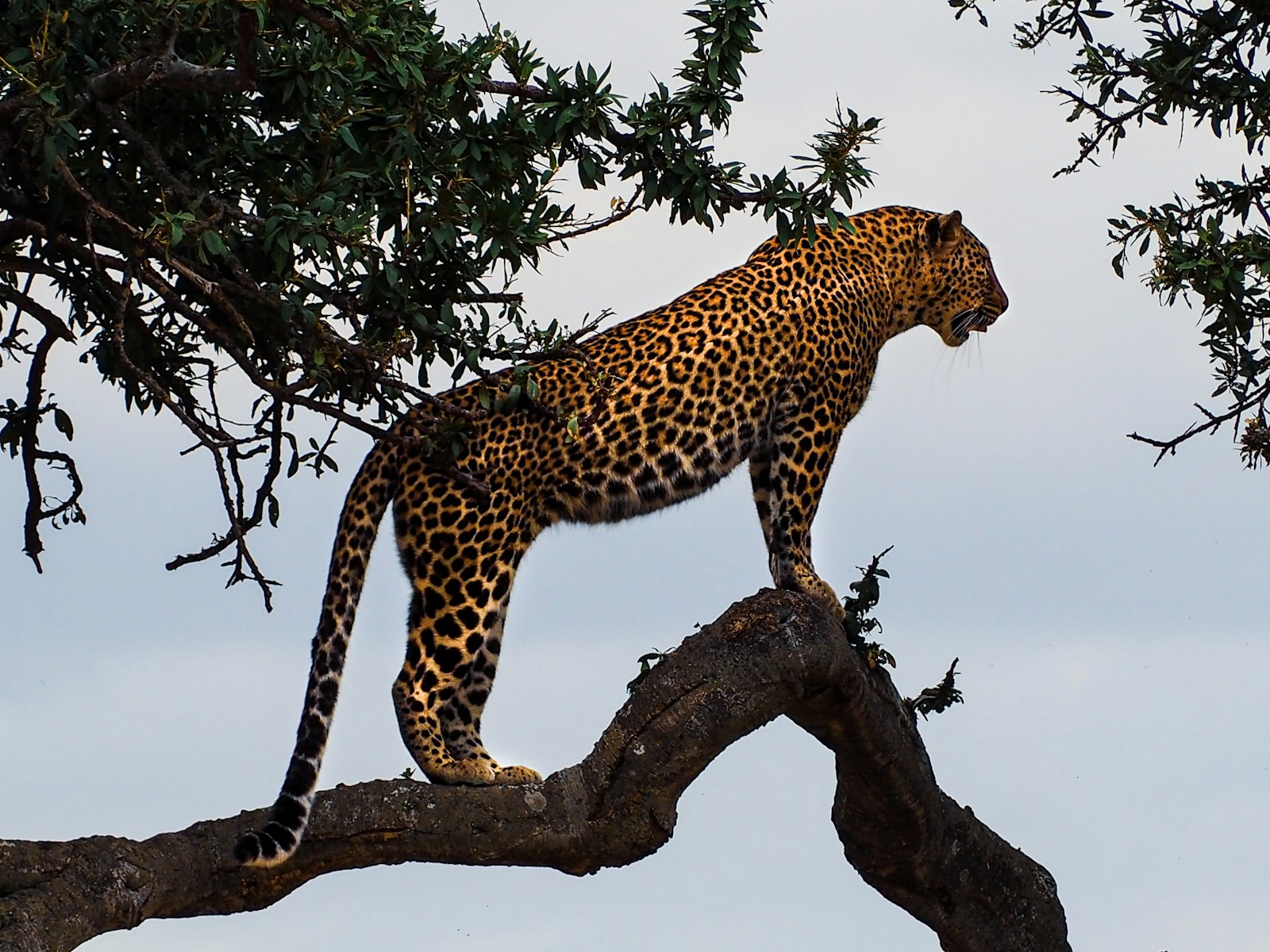
Kenya Safari vs Indian Tiger Safari: The Big Picture
The short version of the Kenya safari vs Indian tiger safari question is that they are two different kinds of wildlife trip. An Indian tiger safari is a focused hunt for one elusive cat in thick forest. A Kenya safari is a wide-open experience where many large animals are visible at once across grassland that stretches to the horizon.
Neither side of the Kenya safari vs Indian tiger safari choice is better in every way. Many Indian travellers love both, and the best choice depends on what you want this year: the suspense of an alarm call in the sal forest, or the scale of the African plains. This guide compares the two side by side so you can decide with clear eyes.
What an Indian tiger safari is built around
Tiger reserves in India divide their tourism areas into zones, and each vehicle is allotted a zone and a time slot. You go out early in the morning and again in the afternoon, usually in an open Gypsy jeep or a larger canter, and your guide reads pugmarks and alarm calls from deer and langurs. A sighting can be brief and unforgettable, or it may not happen at all on a given drive, which is the first big contrast in any Kenya safari vs Indian tiger safari plan.
What a Kenya safari is built around
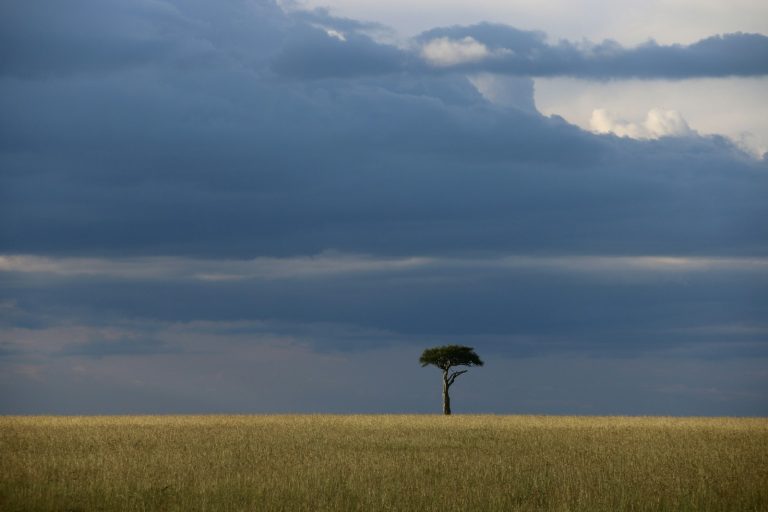
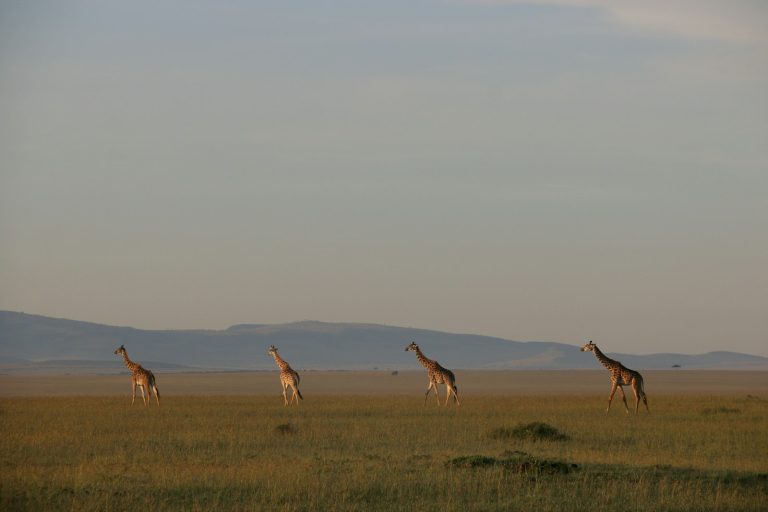
A Kenya safari is built around variety and space. In the Masai Mara, Amboseli or Samburu you look across open country, so animals are often visible from a distance and you can watch behaviour for a long time: a lioness stalking, elephants crossing a swamp or zebras drinking nervously at a river. Your private guide plans each day around where the action is, and that flexibility is what most travellers notice first in a Kenya safari vs Indian tiger safari comparison.
Difference 1: One Star Cat or the Big Five?
The first difference in any Kenya safari vs Indian tiger safari comparison is the cast of animals. India’s reserves are home to the tiger, plus leopards, sloth bears, gaur, wild dogs and many deer. Kenya has no wild tigers at all, but it offers the Big Five, the big cats of the savanna and some of the largest herds of grazing animals on Earth.
| What you are looking for | Indian tiger safari | Kenya safari |
|---|---|---|
| Headline animal | Bengal tiger | Lion, leopard and cheetah, plus the Big Five |
| Large herbivores | Spotted deer, sambar, gaur, nilgai | Elephants, giraffes, buffalo, zebras, wildebeest, antelope |
| Other highlights | Sloth bears, wild dogs, leopards, rich birdlife | Rhinos, hippos, crocodiles, hyenas, rich birdlife |
| How animals are seen | Often briefly, through forest and along tracks | Often at length, across open grassland |
| Seasonal spectacle | Dry-season gatherings at waterholes | The Great Migration in the Masai Mara, roughly July to October |
If you are curious which animals people expect in Kenya but will not find, our guide to animals you won’t see on a Kenya safari explains it clearly. For the cats themselves, read Kenya’s big cats compared.
Kenya safari vs Indian tiger safari: why Kenya still delights tiger lovers
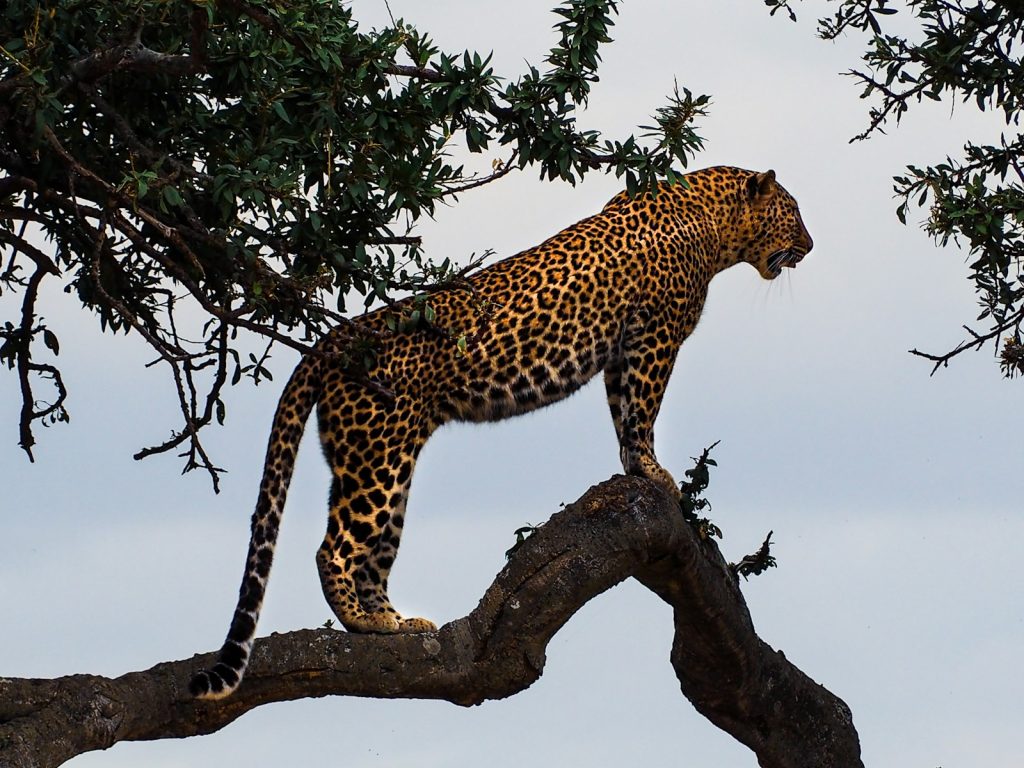
Travellers who have spent years chasing tigers often tell us they enjoy Kenya because the pressure of one sighting disappears. Weigh a Kenya safari vs Indian tiger safari morning side by side: in central India you may wait hours for one cat, while in the Mara a single morning can bring lions on a kill, a family of elephants and a cheetah on a termite mound. Leopards remain the cat that demands patience, which gives the Kenya safari vs Indian tiger safari contrast a shared thread of suspense.
Difference 2: Forest Versus Open Savanna
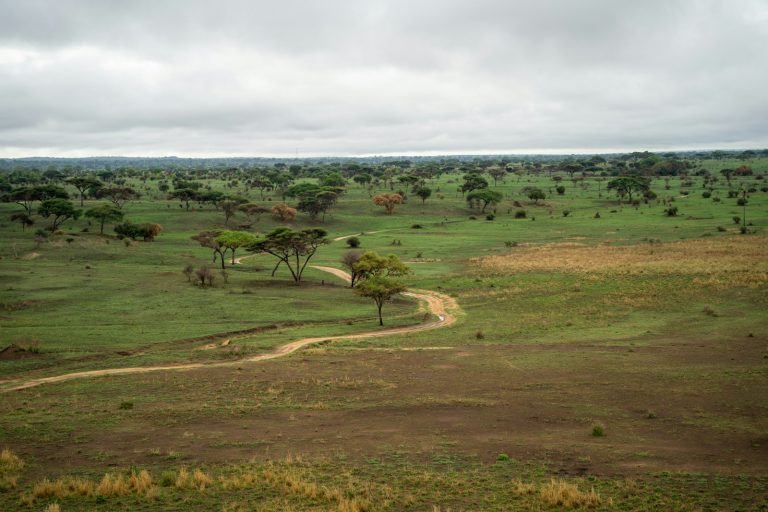
Landscape shapes every other part of the Kenya safari vs Indian tiger safari experience. Central Indian reserves are mostly dry deciduous forest of sal, teak and bamboo, with lakes, ruins and rocky outcrops in places like Ranthambore. Kenya’s classic parks are open grassland and acacia country, with volcanic hills, swamps and the great Rift Valley lakes.
In forest, sound matters as much as sight, and a sighting may last a few seconds as a tiger crosses the track. On the savanna you see far more, but animals also see you, and your guide works with distance and light. Photographers weighing a Kenya safari vs Indian tiger safari trip usually enjoy the cleaner backgrounds and soft morning light of the Mara.
Kilimanjaro, the Rift Valley and big skies
In a Kenya safari vs Indian tiger safari comparison, Kenya also adds scenery that has no Indian equivalent: elephants walking beneath Kilimanjaro in Amboseli, flamingo-fringed soda lakes in the Rift Valley and the endless Mara plains. It is therefore partly a choice between intimate forest and huge horizons. Official park information is available from the Kenya Wildlife Service.
Difference 3: How Game Drives Work
Game drives work very differently in a Kenya safari vs Indian tiger safari plan. Indian reserves run strictly timed morning and afternoon slots of a few hours in an allotted zone, and permits are booked through official state forest portals, often well in advance. In Kenya, a private vehicle and guide can stay out from early morning, with a picnic lunch, wherever the animals are.
| Game-drive detail | Indian tiger safari | Kenya safari with Sense of Adventure |
|---|---|---|
| Vehicle | Open Gypsy jeep or larger canter, often shared | Private pop-up roof 4×4 Land Cruiser for your party |
| Timing | Fixed morning and afternoon slots | Flexible, from early morning drives to full days with a picnic |
| Where you drive | One allotted zone per safari | Across the reserve or conservancy, within park rules |
| Booking | Zone permits through state forest portals | Park entry arranged by us as part of your safari |
| Guide | Park guide plus driver for each slot | The same English-speaking driver-guide for your whole trip |
Nairobi team tip: plan at least one full day in the Mara
Indian travellers used to three-hour slots often underestimate how good a full day out can be. With a packed lunch on board, your guide can follow a hunting cheetah or wait at a river crossing without watching the clock. We build at least one full day into every Masai Mara stay of three nights or more.
Conservancies: walks, night drives and fewer vehicles
Kenya also has private and community conservancies bordering the national reserves. Many limit the number of vehicles, and several allow guided walks and night drives, which most Indian core zones do not, another point in the Kenya safari vs Indian tiger safari balance. For leopard fans, our guide to Masai Mara leopard sightings shows where conservancy time pays off.
Difference 4: Seasons That Fit Together Perfectly
Seasons are where a Kenya safari vs Indian tiger safari calendar fits together neatly. Under National Tiger Conservation Authority guidelines, core zones of Indian tiger reserves usually close from 1 July to 30 September, with dates varying by state. Kenya’s dry season and the Great Migration in the Masai Mara usually run from July to October.
| Months | Indian tiger reserves | Kenya safari |
|---|---|---|
| October to February | Core zones open; cool, green forest | Short rains in November, then a dry, green January and February |
| March to June | Hot, dry season; animals gather at water | Long rains in April and May, then dry season begins in June |
| July to September | Most core zones closed for the monsoon; some buffer zones open | Peak dry season and the Great Migration in the Masai Mara |
| Late September to October | Core zones reopen from about 1 October | Migration continues; excellent predator viewing |
For any Kenya safari vs Indian tiger safari plan, remember closure dates are set by each state forest department every year, so always check the official notice before you book an Indian safari. The National Tiger Conservation Authority publishes national guidance. For the Kenyan side of the calendar, see our Great Migration safari page.
Using Indian school and festival holidays
For families, the Kenya safari vs Indian tiger safari timing question often starts with school breaks. Indian summer holidays in May and June fall at the end of Kenya’s long rains and the start of the dry season, so June is often the better month for families. The Diwali break in October or November lines up with the end of the migration or the green short-rains period. A Kenya safari vs Indian tiger safari plan can therefore use the year well: forests in winter, Kenya in the monsoon months.
Your favourite tiger reserve closes for the monsoon?
Send us your July, August or September travel dates and group size. We will check camp availability in the Mara for those exact nights and send a written quote within 24 hours.
Hold My Monsoon-Break DatesDifference 5: Privacy and Comfort on the Road
Privacy is a real dividing line in the Kenya safari vs Indian tiger safari debate. In many Indian reserves you share a canter or join a line of jeeps at a sighting. On our Kenya safaris your family or group has its own pop-up roof 4×4 Land Cruiser, with reclining seats, charging ports and a window seat for everyone.
Accommodation differs too. Indian tiger lodges usually sit outside the park gates. In Kenya you can sleep inside or right beside the reserve in tented camps and lodges, often hearing lions at night. For a fair Kenya safari vs Indian tiger safari cost comparison, every quote we send compares a Midrange 3* option with a Standard Luxury 4* option, so you can see the difference in comfort and price clearly.
Difference 6: Getting There From India
Reaching Kenya is easier than many people expect, which removes one of the biggest hesitations in the Kenya safari vs Indian tiger safari decision. Nonstop flights link Mumbai and Nairobi in roughly six hours, and travellers from Delhi, Bengaluru, Chennai or Hyderabad usually connect through Mumbai or a Gulf hub. Kenya is two and a half hours behind Indian Standard Time, so there is almost no jet lag.
Entry paperwork for Indian passport holders
Paperwork is one area where a Kenya safari vs Indian tiger safari trip clearly differs. Every traveller needs a Kenya Electronic Travel Authorisation from the official Kenya eTA portal, from about USD 30. Since October 2026, visitors also need the Kenyan Government inbound travel health insurance, bought within the eTA application; your own policy does not replace it. Our Kenya mandatory travel insurance guide explains how the two fit together.
India’s yellow fever rule for your return
India requires travellers arriving from Kenya to hold a valid yellow fever vaccination certificate issued by an authorised centre. The certificate becomes valid ten days after vaccination, so plan it early. Check the current list and rules on the Health Ministry’s port health vaccination page. Before you book, we talk you through your route and current travel conditions.
Difference 7: Food, Pace and Family Comfort
Food is a common worry when Indian families weigh a Kenya safari vs Indian tiger safari holiday. At home, every lodge understands vegetarian and Jain needs. In Kenya, lodges and camps can prepare vegetarian, vegan and Jain meals when we request them in advance, and Nairobi has a long-established Indian community with many vegetarian restaurants.
Food should never decide a Kenya safari vs Indian tiger safari choice for you. We pass your dietary list to every camp by name, and picnic boxes on full-day drives follow the same instructions. Our vegetarian safari Kenya guide covers Jain requests, what to pack and how menus work in remote camps.
Pace for grandparents and children
Indian safaris often mean 5:30 starts for two slots a day. In Kenya your private guide sets the pace with you, so grandparents can rest at camp after a morning drive while children swim or join a Maasai village visit. Flying back from the Mara instead of driving saves several hours on the road, a comfort that often tips a family’s Kenya safari vs Indian tiger safari choice.
Nairobi team tip: share your full dietary list early
Remote camps order supplies days in advance. Send us each traveller’s needs, such as no onion and garlic, no root vegetables or no eggs, when you confirm. We then brief every camp in writing so the kitchen is ready on the night you arrive.
Difference 8: How Costs and Payments Work
Costs are structured differently in a Kenya safari vs Indian tiger safari budget. In India you usually pay separately for each safari permit, vehicle and lodge night in rupees. Kenyan safaris are normally priced as one package in US dollars, covering the private vehicle, guide, lodges or camps, meals on safari and park entry fees.
When you compare a Kenya safari vs Indian tiger safari budget, remember that international flights, the eTA, the mandatory insurance, tips and drinks are extra. When you pay a safari abroad from India, your bank may apply tax collected at source on overseas tour packages; please check with your bank or chartered accountant before you pay a deposit. Our Kenya safari packages from India page shows the trips Indian travellers choose most.
Which Safari Suits You This Year?
The right answer to Kenya safari vs Indian tiger safari depends on your priorities and your calendar. In short, choose India if a tiger is the one animal you must see and you can travel between October and June. Choose Kenya if you want variety, open landscapes, private game drives and a trip that works best in July to October.
- Pick Kenya if: you want the Big Five, the Great Migration, a private vehicle and a first trip to Africa that still feels easy.
- Pick India if: tigers are your single goal and you enjoy the tension of tracking one cat in forest.
- Do both: the smartest Kenya safari vs Indian tiger safari answer is often tiger reserves in the cool season and Kenya in the monsoon months when core zones close.
- Travelling as a large family: Kenya’s private vehicles keep everyone together, with separate vehicles for bigger groups.
For many Indian wildlife lovers, the Kenya safari vs Indian tiger safari decision is not either-or. It is about which trip comes next, and Kenya is the natural second chapter after years of forest safaris at home.
Still weighing tigers against the Big Five?
Tell us the reserves you have already visited, the animals you most want to see and your travel month. We will tell you honestly whether Kenya is the right next trip and which route fits.
Match My Tiger-Lover RouteKenya Trips for Tiger Safari Regulars
These two private trips suit travellers coming from a Kenya safari vs Indian tiger safari comparison, because they mix big cats with the landscapes India cannot offer. Prices are the starting figures shown on each trip page, per adult sharing, in US dollars; the final price depends on season, camp level and group size.
| Trip | Length | Why tiger fans like it | From (per adult) |
|---|---|---|---|
| Kenya Family Safari: Nairobi, Lake Naivasha and the Masai Mara | 5 days | Baby elephants and giraffes in Nairobi, a hippo boat ride, then big cats in the Mara | USD 1,290 |
| Kenya Classic: Amboseli, Lake Naivasha and the Masai Mara | 7 days | Elephants under Kilimanjaro, a Rift Valley lake and three Mara nights with a full-day drive | USD 1,650 |
After a Kenya safari vs Indian tiger safari decision, both trips can be extended to Tanzania and Zanzibar, or to gorilla trekking in Uganda or Rwanda. Every safari with us includes complimentary AMREF Flying Doctors emergency evacuation cover, which is an evacuation service and not travel insurance. Travel agents in India can read our Kenya DMC guide for Indian travel agents.
Kenya Safari vs Indian Tiger Safari FAQs
Are there tigers in Kenya?
No. Wild tigers live only in Asia, so you will not see them on a Kenya safari. Kenya offers lions, leopards and cheetahs instead, along with elephants, buffalo, rhinos, giraffes and large herds of zebras and wildebeest across open savanna in parks such as the Masai Mara.
Is a Kenya safari better than an Indian tiger safari?
Neither is better in every way. India suits travellers who want to track tigers in forest. Kenya suits those who want variety, open views, the Big Five and private game drives. Many Indian wildlife lovers do tiger reserves in winter and Kenya during the monsoon months.
When should Indian travellers visit Kenya instead of a tiger reserve?
July to October works best, because most Indian core zones close from about 1 July to 30 September while Kenya enjoys its dry season and the Great Migration in the Masai Mara. January, February and June are also good, quieter months for a Kenya safari.
How long is the flight from India to Kenya?
Nonstop flights from Mumbai to Nairobi take roughly six hours. Travellers from other Indian cities usually connect through Mumbai or a Gulf hub. Kenya is two and a half hours behind Indian Standard Time, so jet lag is mild and the first game drive can start soon after arrival.
Do Indian passport holders need a visa for Kenya?
Indian passport holders need a Kenya Electronic Travel Authorisation from etakenya.go.ke, from about USD 30, plus Kenya’s mandatory inbound travel health insurance bought within the application. On return, India requires a valid yellow fever vaccination certificate from travellers arriving from Kenya, so plan it early.
Can we get vegetarian and Jain food on a Kenya safari?
Yes. Lodges and camps prepare vegetarian, vegan and Jain meals when requested in advance. We send each camp a written dietary list for every traveller, and picnic lunches on full-day drives follow the same instructions. Nairobi also has many Indian vegetarian restaurants for your first or last evening.
How are game drives in Kenya different from Indian safari slots?
Indian reserves use fixed morning and afternoon slots in allotted zones. On our Kenya safaris you have a private Land Cruiser and guide, so drives can start early and continue with a picnic lunch for a full day, following the wildlife within park rules.
From Tiger Trails to the Masai Mara
Tell our Nairobi team your travel month, who is coming and any dietary needs. Your Kenya safari vs Indian tiger safari questions get honest answers, plus a day-by-day plan with two comfort levels and a clear written price within 24 hours.
Begin My Big Five Escape Call +254 799 160 081
Prefer email? Write to reservations@senseofadventure.co.ke or use our Plan My Safari form.
Escape. Explore. Discover.
Still researching your Kenya safari vs Indian tiger safari options? For inspiration on Kenya’s parks, coast and culture, browse Magical Kenya, the official tourism site.