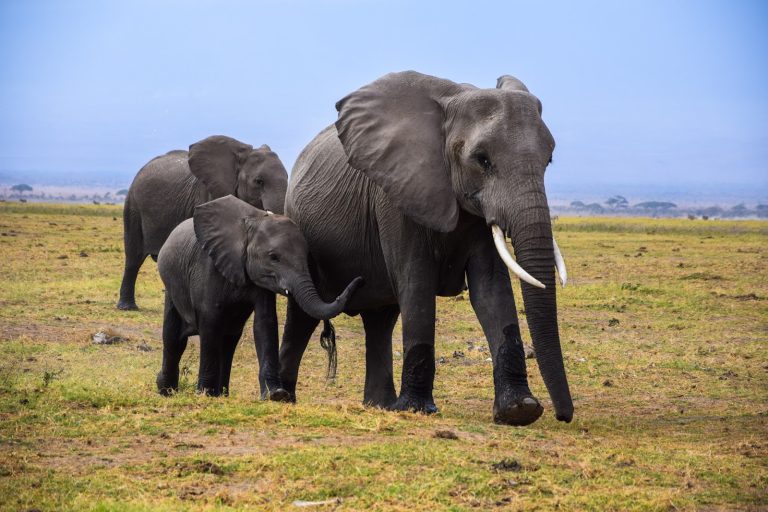
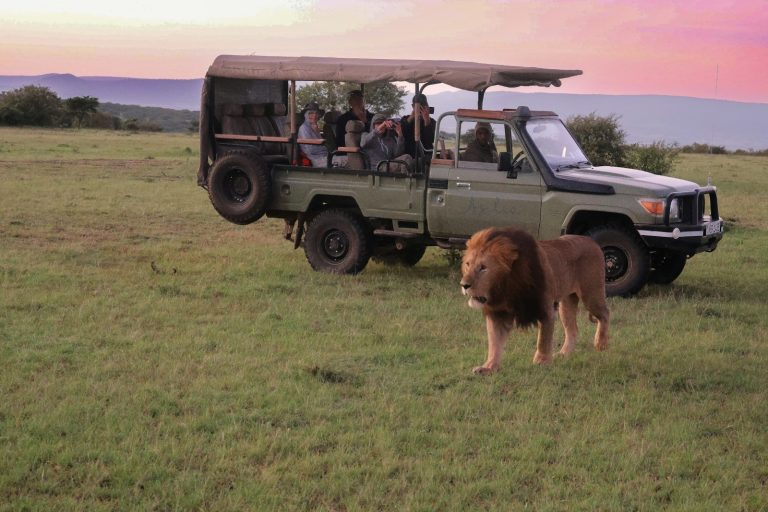
Samburu elephant encounters Kenya travellers talk about for years happen on the banks of the Ewaso Nyiro River, where relaxed breeding herds walk past your vehicle as if you were simply part of the landscape.
Elephants are everywhere in Kenya — from the giant tuskers of Tsavo to the swamp herds of Amboseli, from the forest elephants of Mount Kenya’s bamboo belt to the river-bathing families of the Masai Mara. But nowhere in Kenya — perhaps nowhere on earth — do you get closer to wild elephants, on their terms and in their own time, than in Samburu National Reserve. This guide to Samburu elephant encounters Kenya is entirely dedicated to Samburu’s extraordinary elephant population and what makes an encounter with them so uniquely, memorably profound.
✅ Samburu Elephant Encounters Kenya: The Quick Answer
- Where: Samburu National Reserve and neighbouring Buffalo Springs, in semi-arid northern Kenya, about 330 kilometres north of Nairobi.
- Why it is special: decades of research by Save the Elephants have produced some of the most relaxed, best-known wild elephant families in Africa.
- Best time: the dry months, roughly June to October and late December to March, when herds gather along the Ewaso Nyiro River.
- Time needed: at least two nights; three nights gives you several river drives and time to recognise individual families.
- Getting there: 4–5 hours by road via Nanyuki or Isiolo, or a short scheduled flight from Wilson Airport.
- Cost from: our 3-day Samburu safari starts from USD 850 per person (season, lodge and group size change the final price).
🌎 Thinking About a Kenya Safari?
Our team is on WhatsApp right now — ask us anything about destinations, dates, or prices. No obligation.
💬 WhatsApp Us Now or call +254 799 160 081
Why Samburu Elephant Encounters Kenya Are So Special
Most parks offer good elephant sightings. What sets Samburu elephant encounters Kenya apart is the behaviour of the elephants themselves. Here they are calm, unhurried and used to vehicles, so you see natural family life rather than animals moving away from you.
The reserve is also small and the river keeps the herds close to the main tracks. That means less driving, more watching, and a real chance to sit quietly with one family for an hour as calves play, adults dust-bathe and the matriarch leads everyone down to the water.
What a typical Samburu elephant encounter looks like
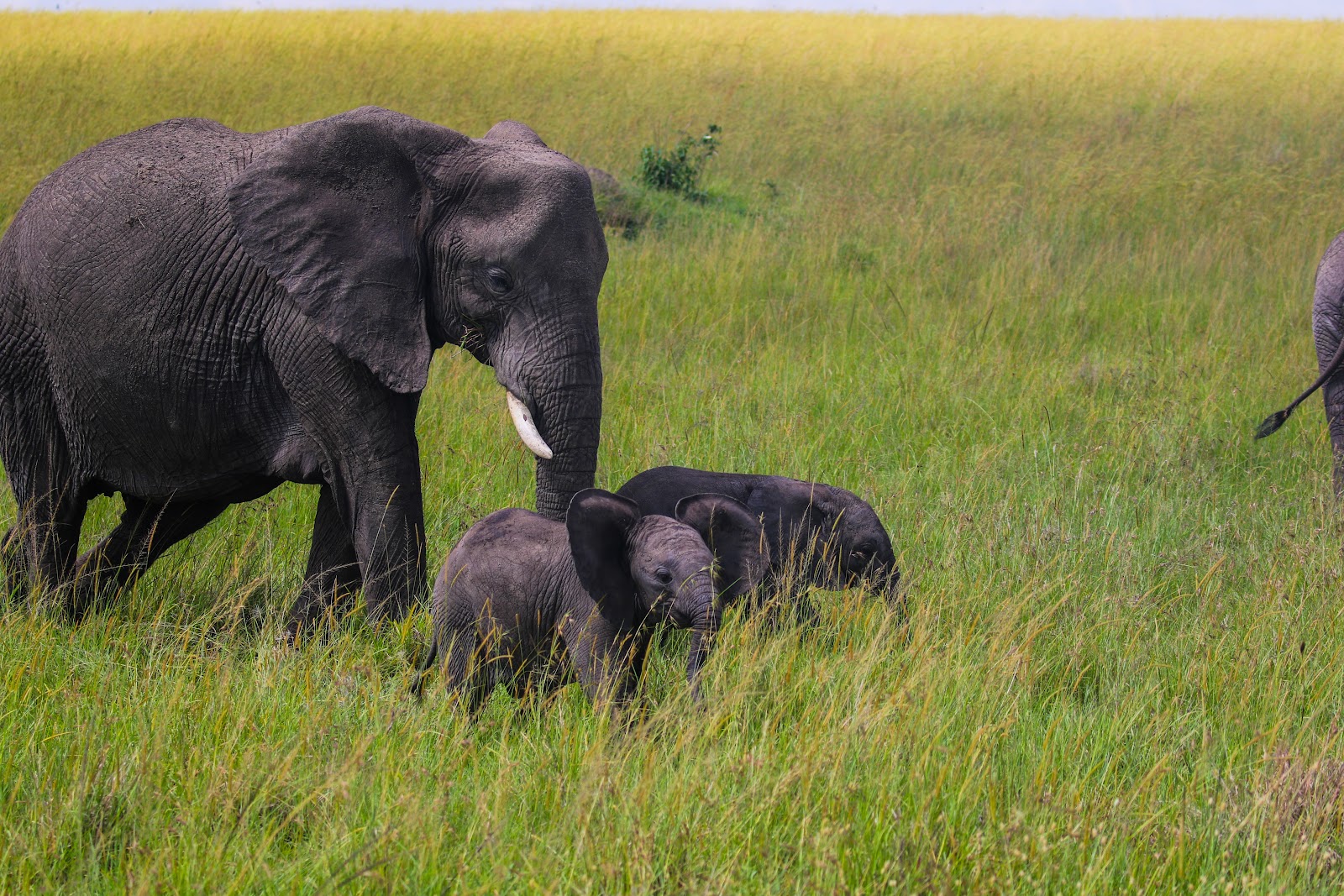
A morning drive often starts with a family crossing the track ahead of you, heading for the river. Your guide switches off the engine, and the herd flows around the vehicle: mothers with tiny calves tucked under their bellies, young males testing each other, older females feeding on doum palm fronds. These quiet moments are the heart of Samburu elephant encounters Kenya visitors remember most.
Save the Elephants: Science That Changed Everything
The depth of Samburu elephant encounters Kenya visitors enjoy today is not accidental. It is the direct result of over 25 years of dedicated research by Save the Elephants, the internationally renowned conservation organisation founded by Dr Iain Douglas-Hamilton in 1993 and based at Samburu’s research camp on the Ewaso Nyiro River.
Since 1997, Save the Elephants researchers have been monitoring, photographing, and studying every individual elephant in the Samburu-Buffalo Springs ecosystem — tracking their movements via GPS collars, documenting family structures, and building the world’s most comprehensive individual-level database of wild elephant behaviour. You can read about their work on the Save the Elephants website.
This long-term research has produced extraordinary results. First and most importantly for safari visitors: the Samburu elephants are among the most deeply habituated wild elephants on earth. Decades of non-threatening human presence — researchers in vehicles, safari guides who follow the Save the Elephants protocols of patient, non-intrusive observation — have produced elephants that regard a game vehicle with complete, genuine indifference.
You do not simply observe these elephants from a respectful distance. You sit in the middle of a breeding herd of forty or fifty individuals as they move around, past, and sometimes directly beneath you, entirely on their own terms.
The scientific knowledge generated by this research has also transformed how our guides interpret what you are seeing. When a vehicle from a Samburu camp approaches a breeding herd, the guide knows the matriarch’s name, her age, the names of her daughters and granddaughters, and the family history spanning decades.
The elephant that pauses to watch your vehicle with calm, dark eyes is not an anonymous individual — she is Kulalu, daughter of Kadogo, granddaughter of the matriarch Khadija, a known member of a family group that has been visiting this stretch of the Ewaso Nyiro River for as long as living memory reaches. That context transforms observation into understanding.
The Ewaso Nyiro River: Where the Elephants Come to You
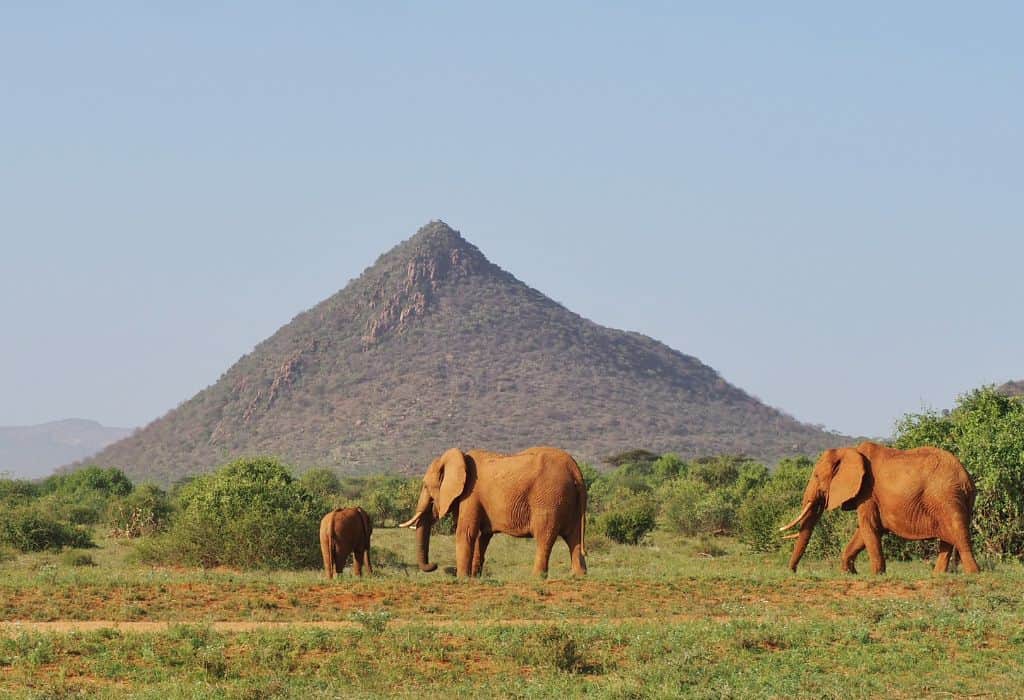
The Ewaso Nyiro River — the lifeblood of the Samburu National Reserve — creates the conditions for the most reliable and intimate Samburu elephant encounters Kenya can offer. As a permanent water source in a semi-arid landscape, the river draws elephants throughout the day for drinking, bathing, and the complex social interactions that happen at water.
The Samburu camps on the river bank are positioned to observe this directly — from some properties, elephants drink at the river within fifty metres of the guest tents.
Morning drives along the river consistently produce Samburu elephant encounters Kenya guests describe as close and unhurried. In the dry season (June–October), when the surrounding bush has dried out completely, entire family groups converge on the water in a daily rhythm that our guides can predict with impressive accuracy.
Afternoons at the river — when the temperature peaks and elephants seek the shade and coolness of the water — often produce extraordinary bathing scenes: young calves learning to use their trunks, teenagers engaging in the boisterous water-play that seems designed purely for joy, old matriarchs standing in the shallows with a patience that feels contemplative.
Reading the river day: a simple timetable for Samburu elephant encounters Kenya
- Dawn to mid-morning: herds leave the thicker bush and walk towards the river. Good light and cool air make this the best time for photography.
- Midday: elephants drink, bathe and rest in the shade of palms and acacias near the water. Many guests watch from the camp deck.
- Late afternoon: families cross the river or dig in the sand for clean water, then drift back into the scrub as the light turns gold.
📅 Get Your Free Safari Proposal
Share your travel dates and interests — we will send you a tailored, fully itemised itinerary within 24 hours.
Bull Elephants: Samburu’s Ancient Giants
Samburu’s bull elephants deserve special mention. Because poaching pressure in the Laikipia-Samburu landscape has been controlled more effectively than in many other Kenya regions, the reserve retains a population of genuinely old bulls — elephants in their forties and fifties with tusks that speak of decades of growth.
Among all Samburu elephant encounters Kenya offers, seeing a large bull at close range — his bulk filling your field of vision, his tusks curving heavy and yellow in the afternoon light — is a confrontation with deep time that never loses its power no matter how many times you experience it.
Save the Elephants’ GPS collar research has shown that Samburu’s bulls have remarkable ranging behaviour — some individuals travel hundreds of kilometres between the reserve, the Laikipia Plateau, and the Mount Kenya forest on seasonal circuits that follow ancient elephant migration routes.
The river is their anchor point, the place they return to from the wider landscape. When you encounter a Samburu bull at the water, you are meeting an animal that has walked more of northern Kenya’s wild landscape than any safari vehicle ever could.
Musth: when to give a bull extra space
Adult bulls periodically come into musth, a condition linked to breeding when they become more restless and assertive. Signs include a dark, wet streak running from the temple glands and a constant dribble of urine. A good guide will recognise these signs at once and keep a sensible distance. It is one of many reasons why a professional guide makes Samburu elephant encounters Kenya both safer and richer.
Elephant Behaviour to Watch For on Samburu Elephant Encounters Kenya Drives
Knowing what to look for turns a pleasant sighting into a fascinating one. Ask your guide to explain what is happening, and watch for these behaviours during your Samburu elephant encounters Kenya safari.
- Greeting ceremonies: when two related families meet, they rumble, flap their ears and touch trunks. These reunions can be loud and emotional.
- Dust and mud bathing: red Samburu soil protects the skin from sun and insects, which is why the elephants here often look rusty-coloured.
- Sand digging: in the driest weeks, elephants dig holes in the riverbed to reach filtered water, and other animals use the holes after them.
- Calf play: young calves chase egrets, wave their trunks and tumble over each other while the adults keep watch.
- Warning signals: a raised head, spread ears and a shake of the head mean “move back”. Your guide will respond calmly.
Best Time for Samburu Elephant Encounters Kenya
The best time for Samburu elephant encounters Kenya is the dry season, roughly June to October, followed by late December to March. With little water elsewhere, herds rely on the Ewaso Nyiro River, and sightings become frequent and predictable. The thinner vegetation also makes it easier to see and photograph the animals.
The long rains usually fall around April and May, with shorter rains around November. The bush turns green and beautiful, and lodges often offer lower rates, but elephants spread out into the wider landscape. You will still enjoy Samburu elephant encounters Kenya-style in the green season, though sightings are less concentrated. For month-by-month detail, see our Kenya weather by month guide.
How to Get to Samburu
For Samburu elephant encounters Kenya travellers usually start in Nairobi, around 330 kilometres to the south. By road the journey takes 4–5 hours via Nanyuki or Isiolo, mostly on tarmac, with views of Mount Kenya on a clear morning. A road safari in your own vehicle with a guide is usually the better-value option for families and small groups.
Scheduled light aircraft fly from Wilson Airport in Nairobi to airstrips near the reserve in under an hour. Flying saves time, suits shorter trips and links easily with the Masai Mara. Remember that light aircraft have strict soft-bag luggage limits.
Where to Stay for the Best Elephant Viewing
For Samburu elephant encounters Kenya guests rave about, choose a camp or lodge on the Ewaso Nyiro River. From a riverside tent you can watch elephants drink and bathe between game drives, which adds hours of extra viewing at no extra cost.
Options range from comfortable lodges to luxury tented camps, both inside the reserve and in the neighbouring community conservancies, where guided walks are often allowed. For a riverside luxury choice, read our review of Samburu Intrepids Camp. Our wider Samburu National Reserve safari guide covers gates, routes and camp areas in more detail.
What Samburu Elephant Encounters Kenya Safaris Cost
Your budget depends on the season, the length of stay, whether you fly or drive and the level of accommodation. These are the current “from” prices per person on our own packages that include Samburu:
- Samburu Cultural & Wildlife Experience (3 Days): from USD 850.
- Northern Kenya Cultural Safari – Samburu & Laikipia (5 Days): from USD 1,500.
- Kenya Highlights Safari – Samburu, Ol Pejeta, Lake Nakuru & Masai Mara (9 Days): from USD 2,350.
Reserve entry fees are set by the local authorities and change from time to time; on our packages they are included. Tips, drinks and personal extras are usually extra. If you prefer your own vehicle and guide, see our private Kenya safari options, and for top-end camps our luxury Kenya safari page.
Responsible Elephant Watching: Etiquette That Matters
The calm behaviour of Samburu’s elephants is a gift that depends on every visitor behaving well. Follow these simple rules and you help keep Samburu elephant encounters Kenya as special for the next traveller as they were for you.
- Stay seated and keep your voice low; sudden movements and noise unsettle a herd.
- Never ask your guide to drive closer or to block an elephant’s path to water.
- Switch off the engine when the herd is near, and let the elephants decide the distance.
- Do not feed wildlife or throw anything from the vehicle.
- Avoid flash photography, especially around calves at dusk.
- Respect the rules of the reserve and the guidance of the Kenya Wildlife Service and the local county authorities.
Photography Tips for Samburu Elephants
Samburu elephant encounters Kenya photographers dream of are easy to find because the elephants are so relaxed and the scenery so varied. A zoom lens of around 100–400mm covers most situations, while a wide-angle lens lets you capture a whole herd with doum palms and red hills behind.
Shoot early and late when the light is soft. Use a bean bag on the window frame instead of a tripod, and ask your guide to position the vehicle with the sun behind you. Try to capture behaviour — a calf’s trunk curling round its mother’s leg, water spraying in the river — rather than simply portraits.
Combining Samburu in a Kenya Safari
The magic of Samburu elephant encounters Kenya is best experienced over a minimum of three nights — enough time to develop familiarity with individual animals and to follow the river’s rhythms across multiple morning and afternoon drives.
Samburu combines naturally with the Masai Mara on a north-south Kenya circuit (fly between them in under an hour), with Lewa Wildlife Conservancy for rhino and wild dog, or with Mount Kenya for a highland wilderness contrast. See our East Africa safari itinerary guide for circuit options that include Samburu. For budget planning, our Kenya safari cost guide covers Samburu accommodation at every price level.
Samburu elephant encounters Kenya and the Special Five
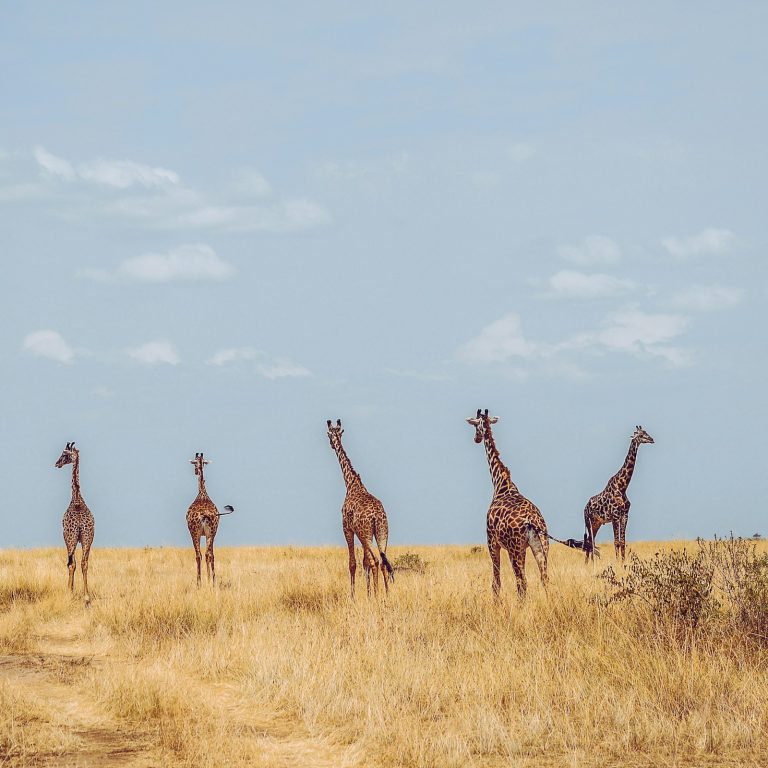
While the elephants are the headline, the reserve is also home to the Samburu Special Five: reticulated giraffe, Grevy’s zebra, beisa oryx, Somali ostrich and gerenuk. Rhino are not found in the reserve itself, so most travellers add Ol Pejeta, Lewa or Lake Nakuru for rhino. Our Samburu National Reserve guide covers the full wildlife picture.
Samburu Elephant Encounters Kenya: Frequently Asked Questions
Why are Samburu elephants so relaxed around vehicles?
Samburu’s elephants have been studied by Save the Elephants researchers since 1997, and guides follow patient, non-intrusive viewing habits. Over generations the herds have learnt that vehicles pose no threat. The result is natural behaviour at close range, with families feeding, bathing and playing calmly beside you.
How close do you get to elephants in Samburu?
Often very close. It is normal for a relaxed herd to walk past within a few metres of your vehicle. The elephants choose the distance, not the guide. Good guides switch off the engine, keep the vehicle still and move back at once if an elephant shows signs of stress or a bull is in musth.
When is the best month to see elephants in Samburu?
The dry months from June to October are the most reliable, because herds gather along the Ewaso Nyiro River for water. Late December to March is also very good. In the rains of April, May and November elephants spread out, so sightings are less concentrated, although the green scenery is beautiful.
Is it safe to see elephants so close?
Yes, when you stay inside the vehicle and follow your guide. Samburu guides are experienced at reading elephant body language and keep a sensible distance from nervous mothers and musth bulls. Never get out of the vehicle, stay quiet, and check the latest UK travel advice for Kenya before you go.
How many days do I need for Samburu elephant encounters?
Plan at least two nights, and ideally three. Two nights gives you around three game drives, which is usually enough for close Samburu elephant encounters Kenya visitors hope for, especially in the dry season. A third night lets you follow the same families at the river on different days, explore Buffalo Springs and look for the Special Five without rushing.
Ready to plan your own Samburu elephant encounters Kenya safari? Tell us your dates, group size and budget and we will suggest the right camp and route. You can also explore Kenya’s wider attractions on Magical Kenya, the official tourism board website.
🏑 Ready to Book Your Kenya Safari?
Sense of Adventure — Kenya-based experts with real local knowledge. Transparent pricing. Personalised itineraries. Guests who return year after year.
Call or WhatsApp: +254 799 160 081