
A school trip to Kenya can do more for students than a term of textbooks. Standing on the floor of the Great Rift Valley, walking through a geothermal gorge, watching rangers protect rhinos and meeting young Kenyans of their own age turns geography, biology and global citizenship into lived experience. It is a trip students talk about for the rest of their lives.
We are a Nairobi-based safari company, and we work with schools, colleges and universities from the UK and Europe to plan educational group trips. This guide sets out nine essential steps for teachers planning a school trip to Kenya, covering learning outcomes, safeguarding, itineraries, costs and paperwork.

✅ School Trip to Kenya: The Quick Answer
- Ideal length: 8–12 days, combining Nairobi, the Rift Valley lakes, a conservancy and the Masai Mara.
- Curriculum links: tectonics, volcanoes, ecosystems, conservation, development studies, languages and culture.
- Safety: private vehicles, experienced guides, vetted accommodation and 24/7 support from our Nairobi office.
- Plan ahead: 9–12 months, to allow for school approvals, fundraising and parent meetings.
🎒 Planning a School Trip to Kenya?
Tell us your student numbers, ages, subject focus and preferred dates, and we will reply on WhatsApp with a draft itinerary.💬 WhatsApp Us Nowor call +254 799 160 081
9 Steps to Plan a School Trip to Kenya
1. Set clear learning outcomes
Decide what students should learn before choosing places. Kenya offers outstanding material for many subjects:
| Subject | Where to study it |
|---|---|
| Tectonics and volcanoes | Great Rift Valley, Mount Longonot, Hell’s Gate geothermal area |
| Ecosystems and biology | Masai Mara grasslands, Lake Nakuru, Lake Naivasha |
| Conservation | Rhino sanctuaries, elephant orphanage, community conservancies |
| Development and economics | Nairobi, tea and coffee farms, community projects |
| Culture and languages | Maasai communities, Swahili lessons, school exchanges |
2. Choose the right season
European school holidays fit Kenya well. Easter and October half-term offer good value, and July and August coincide with the Great Migration but are the busiest and most expensive months. Our group booking timeline shows how far ahead to confirm.
3. Build a balanced itinerary
Mix learning, wildlife, culture and downtime. A typical school trip to Kenya looks like this:
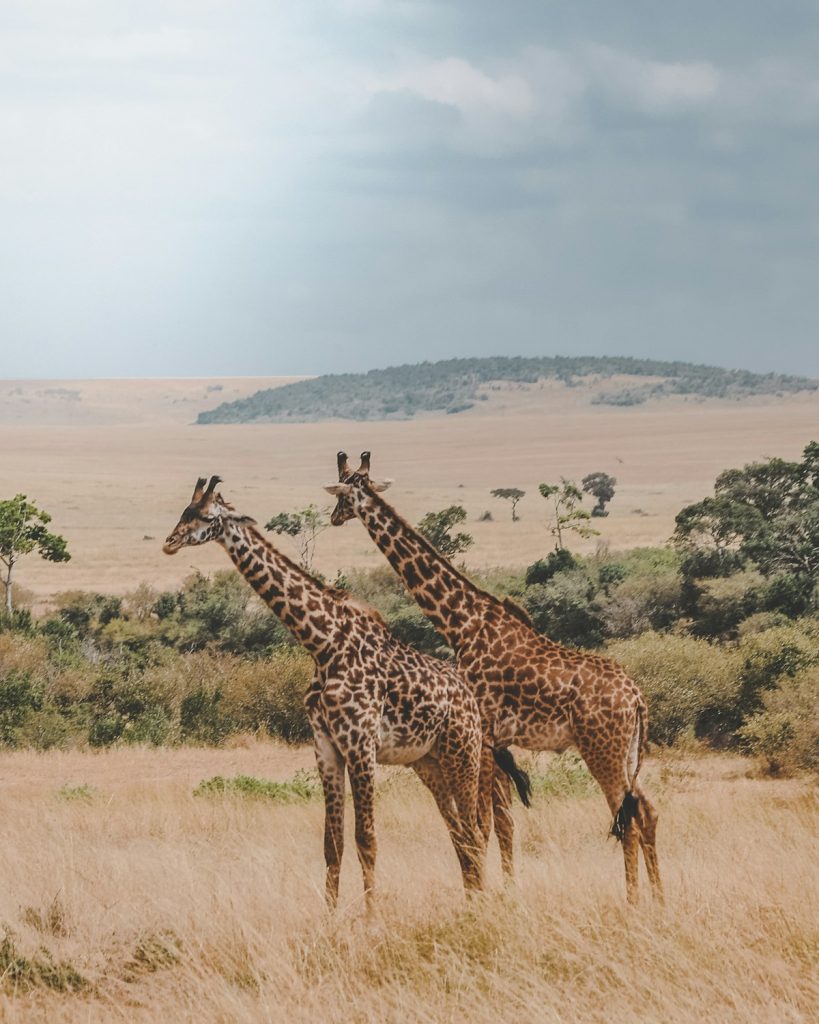
- Days 1–2, Nairobi: Nairobi National Park, the elephant orphanage and the Giraffe Centre’s conservation education programme. See our Nairobi city and wildlife day tour.
- Days 3–4, Rift Valley: hike Mount Longonot or cycle through Hell’s Gate, then a boat trip on Lake Naivasha. See our Mount Longonot guide.
- Day 5, Lake Nakuru: rhinos, flamingos and the science of soda lakes. Read Kenya’s Rift Valley lakes ranked.
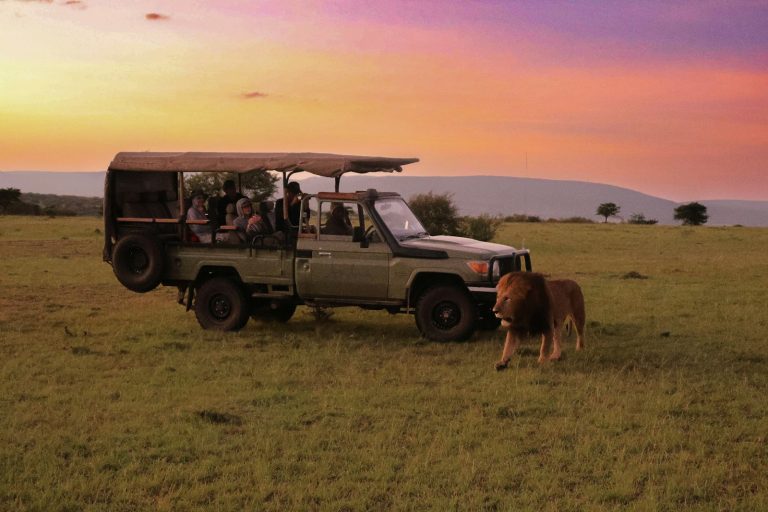
- Days 6–8, Masai Mara: game drives, a ranger talk and a respectful community visit.
- Days 9–10: return to Nairobi for reflection and departure, or add the coast.
4. Put safeguarding first
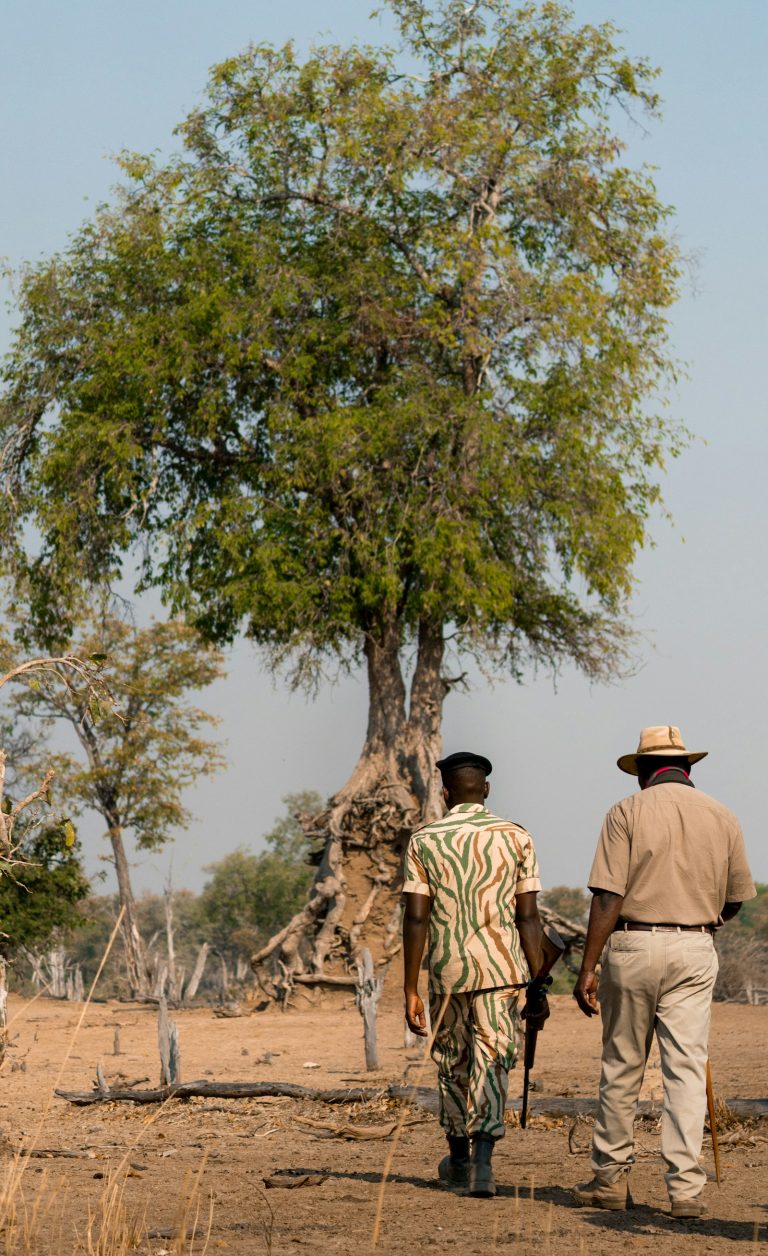
Follow your school’s policies and your country’s guidance on educational visits. We provide written itineraries, accommodation details, emergency procedures and contact numbers to support your risk assessment, and our team in Nairobi is available around the clock. Students always travel in private vehicles with professional guides, and we can arrange medical evacuation cover. Read about our emergency evacuation cover.
5. Choose responsible community visits
Meaningful exchanges, such as joint lessons, sports matches or conservation projects run by local organisations, are far better than short “voluntourism” visits. Ask us about respectful options that benefit local communities.

6. Budget carefully
Costs depend on group size, accommodation level and season. Many Kenyan parks charge lower entry fees for children and students, and simpler camps and shared rooms keep costs down. Flights from Europe often cost €400–€1,000 per person. We provide a clear per-student price with free places for staff where possible. See our 2026 park fees guide and budget safari camps guide.
7. Sort paperwork and health
Every student and staff member needs a valid passport and a Kenya eTA from the official Kenya eTA portal. Students under 18 may need parental consent letters. Ask parents to arrange vaccinations and malaria tablets with their doctor 6–8 weeks before departure, and check your government’s travel advice, such as the UK government’s Kenya page. See our Kenya entry requirements guide.
8. Hold a parents’ meeting
Share the itinerary, safety measures, kit list and payment schedule. Our Kenya safari packing list is a useful handout.
9. Confirm and prepare students
A deposit secures accommodation, vehicles and guides, with staged payments to suit fundraising. Before departure, run lessons on Kenyan culture, basic Swahili and wildlife etiquette so students arrive ready to learn.
📅 Get a Free School Trip Proposal
Send us your student numbers, ages, subject focus and dates, and we will build an educational itinerary with a clear per-student price. No obligation.✉ Send Us Your School Details on WhatsApp
Why Choose Kenya for a School Trip?
Kenya combines world-class wildlife with remarkable geology, a dynamic capital city, diverse cultures and widespread English, which makes it easy for students to engage. Flights from Europe are short by long-haul standards, and the time difference is only one to three hours, so students settle quickly. Explore more on Magical Kenya, the official tourism website.
School Trip to Kenya FAQs
Is a school trip to Kenya safe?
With proper planning, yes. Students travel in private vehicles with professional guides, stay in vetted accommodation and have 24/7 local support.
How long should a school trip to Kenya be?
Eight to twelve days is ideal, allowing time for Nairobi, the Rift Valley, a national park and reflection.
What subjects does a Kenya trip support?
Geography, biology, environmental science, development studies, history, languages and global citizenship all benefit.
Do students need a visa for Kenya?
Every student needs a Kenya Electronic Travel Authorisation (eTA), applied for online before departure.
Can university groups book too?
Yes. We plan field trips for university departments, including research-focused visits to conservancies and lakes.
🏕 Plan Your School Trip to Kenya With Sense of Adventure
Kenya-based experts. Real local knowledge. Transparent pricing. Safe, educational trips built around your curriculum.💬 WhatsApp Us — Plan Your School Trip Today
Call or WhatsApp: +254 799 160 081
Related Safari Guides
- ›Kenya Rift Valley Lakes Ranked
- ›Mount Longonot National Park Guide
- ›Wangari Maathai and the Green Belt Movement
- ›How Many Elephants Are in Kenya?
- ›Kenya Group Safari Packages Compared
Official travel & park resource: Kenya Wildlife Service ↗