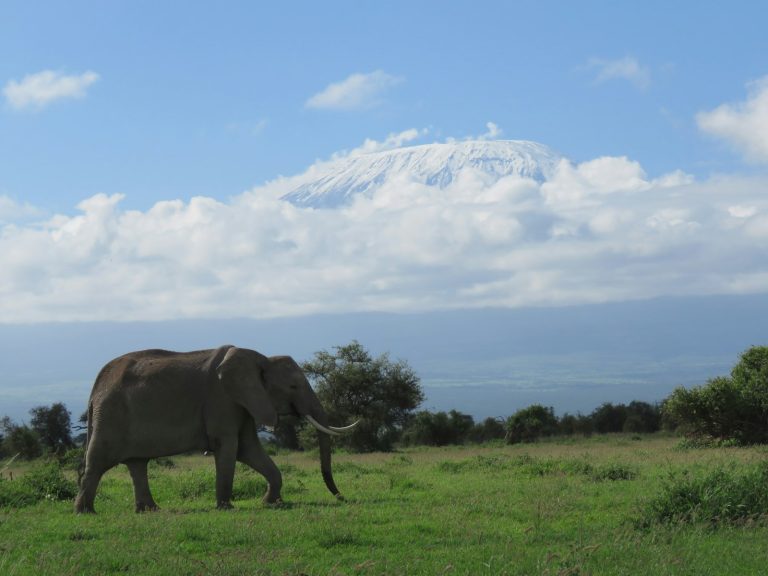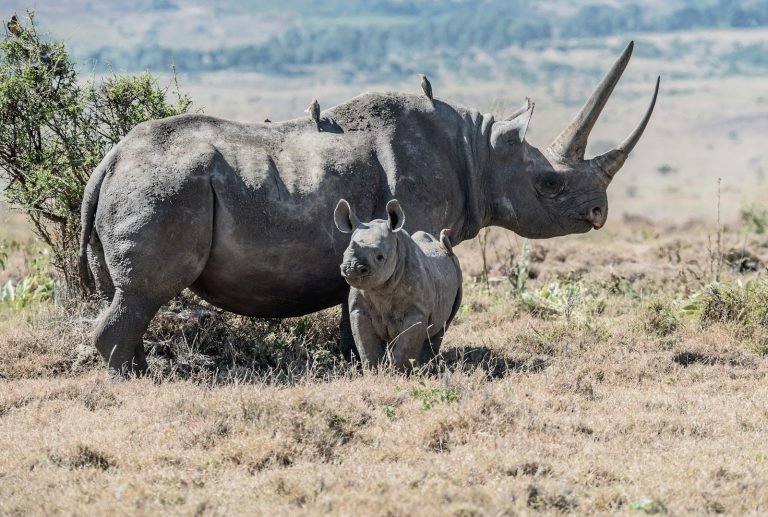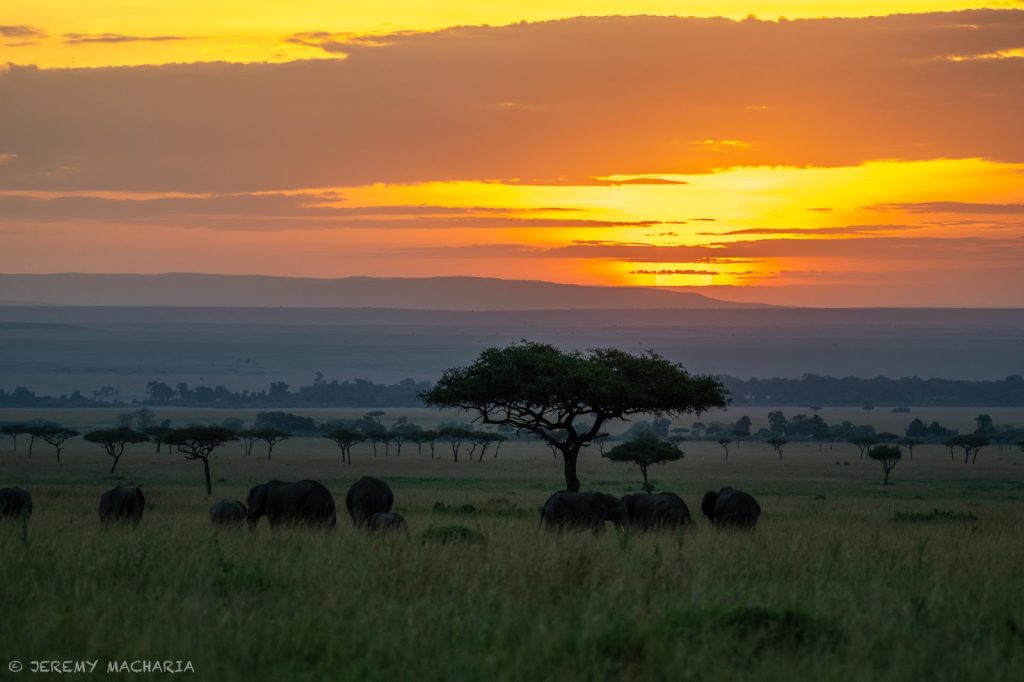
Elephants in Kenya numbered 36,280 in the first national wildlife census in 2021, more than double the low of about 16,000 reported in 1989. The second national census, released in December 2025, reported roughly 4% further growth. Most herds live in Tsavo, Laikipia-Samburu, the Mara and Amboseli.
Sense of Adventure is a TRA-licensed private safari company based at Mountain Mall on Thika Road, Nairobi. Elephants are on almost every trip we plan. This guide explains where the numbers come from, how Kenya’s elephants recovered, which ecosystems hold the most, and how to see them well and responsibly on safari.
How many elephants in Kenya? The quick answer
- 2021 census: 36,280 elephants, Kenya’s first national count.
- 2025 census: about 4% growth in elephants since 2021.
- Low point: roughly 16,000 in 1989, at the height of ivory poaching.
- Largest population: the Tsavo ecosystem.
- Status: the African savanna elephant is Endangered on the IUCN Red List.
Want an elephant-focused safari? Tell us your dates and we will suggest the best parks for big herds and tuskers.
Find my elephant parksHow Many Elephants in Kenya Today?
The best recent answer comes from Kenya’s national wildlife censuses: 36,280 elephants in 2021, with modest growth reported in 2025.
The 2021 National Wildlife Census was Kenya’s first country-wide count of large wildlife, run by the Kenya Wildlife Service with the Wildlife Research and Training Institute. It counted 36,280 elephants. A second national census, led by the Institute and released in December 2025, used more than 1,500 hours of aerial surveys and reported about 4% growth in elephants and black rhinos since 2021.
Treat any single figure as a careful estimate. Herds move between parks, ranches and community land, and forest elephants in the Aberdares and on Mount Kenya are hard to count from the air. The trend matters more than the exact number: elephants in Kenya are recovering, slowly and unevenly.
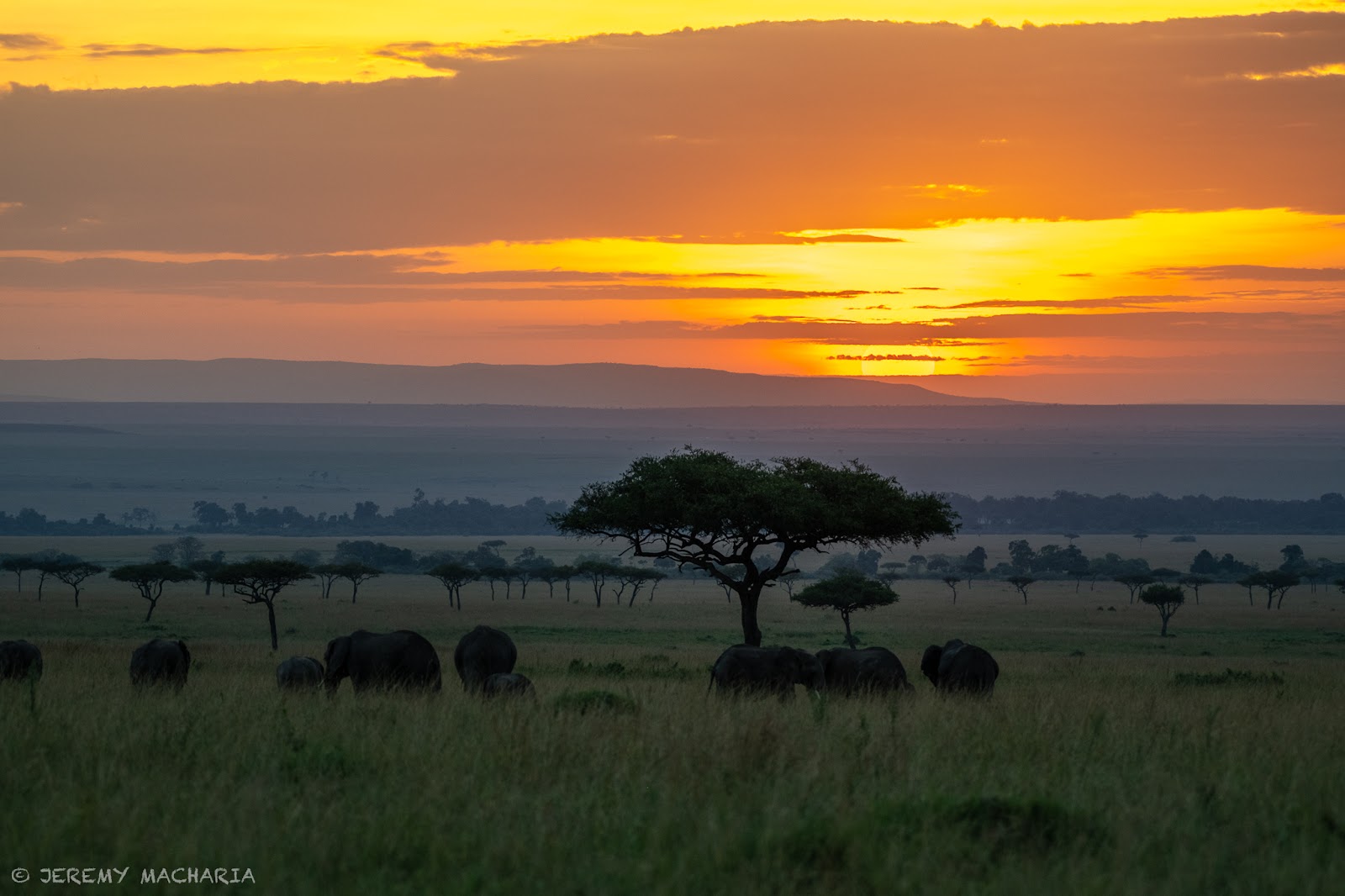
How the Census Counts Elephants in Kenya
In open ecosystems such as Tsavo and Laikipia, observers fly light aircraft along fixed lines and count every elephant they see. In forests and small areas, teams use ground counts, dung surveys and local records. Results are then combined into a national estimate. Each method has a margin of error, which is why figures from different sources can vary.
How Elephants in Kenya Recovered: A Short Timeline
Elephants in Kenya fell steeply during the poaching crisis of the 1970s and 1980s, then recovered after the ivory trade ban and stronger protection.
| Year | What happened |
|---|---|
| 1970s | Ivory poaching spreads rapidly; numbers begin to fall sharply |
| 1989 | A low of about 16,000 is widely reported; Kenya burns 12 tonnes of ivory in Nairobi National Park |
| 1990 | The CITES ban on the international ivory trade takes effect |
| 2016 | Kenya burns around 105 tonnes of seized ivory in Nairobi National Park |
| 2021 | First national wildlife census counts 36,280 elephants |
| 2025 | Second national census reports about 4% growth since 2021 |
The recovery came from several things working together: anti-poaching patrols and intelligence work, community and private conservancies, and Kenya’s very public stand against ivory. Our Nairobi National Park history article tells the story of the famous ivory burns.
Where Do Elephants in Kenya Live?
Most elephants in Kenya live in a handful of large ecosystems, many of them partly outside national parks.
| Ecosystem | Elephant population | What stands out |
|---|---|---|
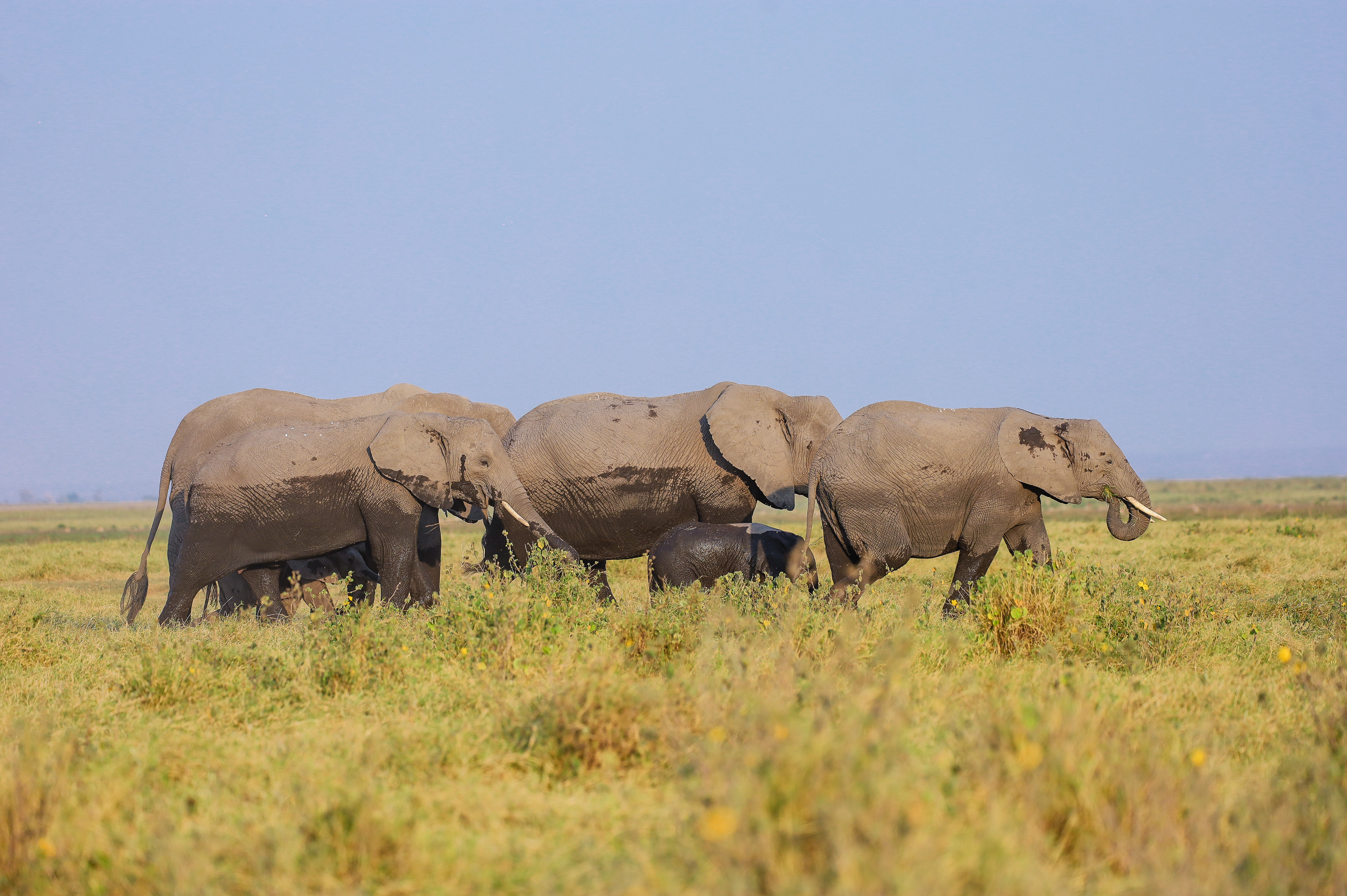
| Tsavo (East, West and surrounding land) | Kenya’s largest, roughly 14,000 to 15,000 in recent counts | Red-dust elephants and huge wilderness |
| Laikipia and Samburu | Kenya’s second-largest population | Herds moving between conservancies and reserves |
| Masai Mara ecosystem | A few thousand | Elephants alongside big cats and the migration |
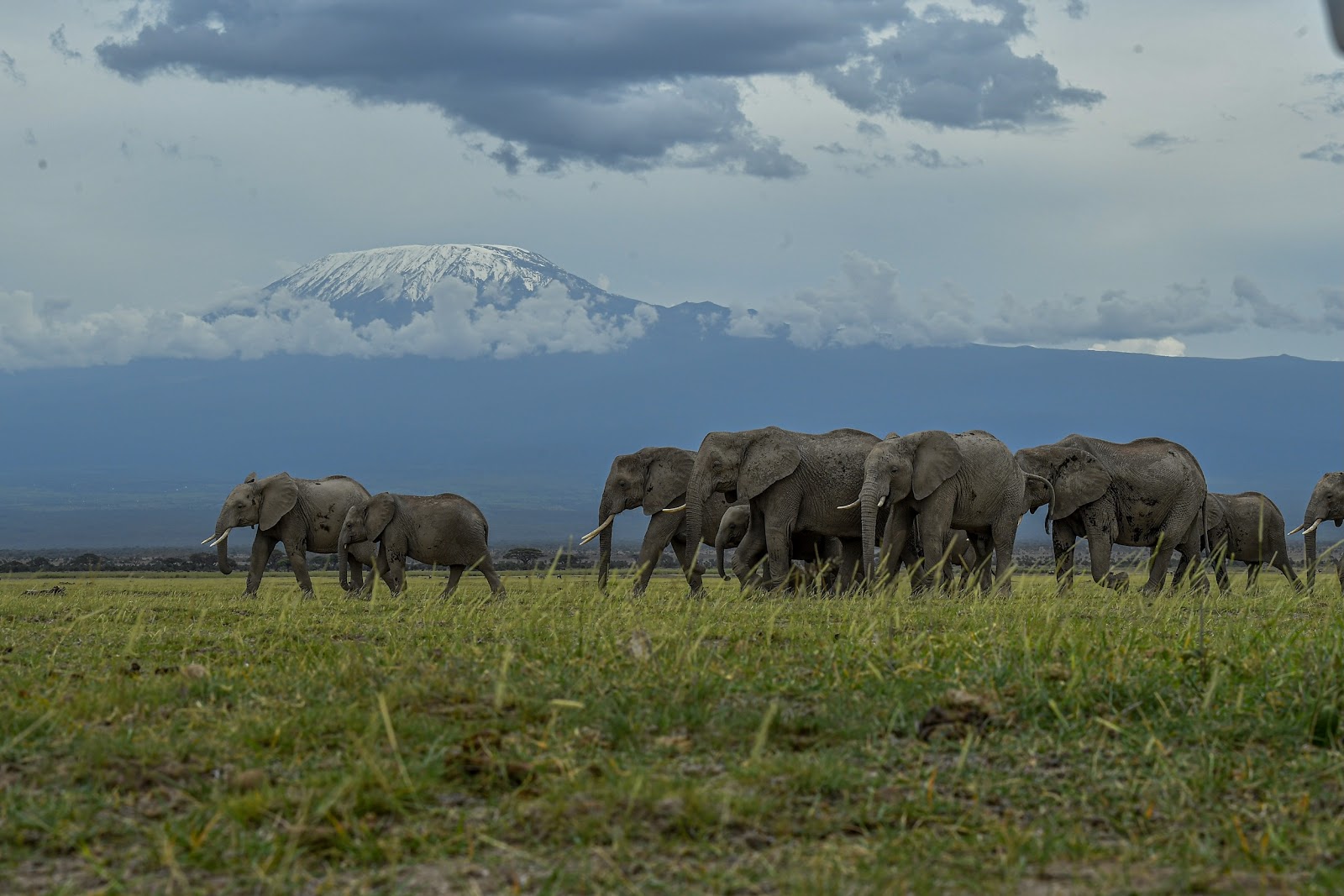
| Amboseli ecosystem | Well over a thousand | Big tuskers and Kilimanjaro views |
| Mountain forests (Aberdares, Mount Kenya) | Smaller, hard to count | Forest herds at tree-lodge waterholes |
Many elephants in Kenya spend much of their lives on community and private land. That is why wildlife corridors, such as the route linking Amboseli and Kilimanjaro, matter so much. Read our article on the Amboseli-Kilimanjaro elephant corridor.
Tsavo, Amboseli or Samburu?
Tell us whether you dream of big tuskers, red-dust herds or desert elephants, and we will suggest the park and route that suit your trip.
5 Best Places to See Elephants in Kenya
The best places to see elephants in Kenya are Amboseli, Tsavo, Samburu, the Masai Mara and the Laikipia conservancies.
1. Amboseli: Big Tuskers Beneath Kilimanjaro
Amboseli’s swamps draw family herds daily, and the park is home to some of Africa’s last big tuskers. The Amboseli elephant research project, begun in 1972, is one of the longest-running wildlife studies anywhere. See our Amboseli safari 2027 planning guide.
2. Tsavo: Kenya’s Largest Population
Tsavo East and West, with surrounding ranches, hold more elephants than any other Kenyan ecosystem. Dust from the iron-rich soil turns them red. Read about the red elephants of Tsavo and compare Tsavo vs Amboseli.
3. Samburu: Elephants of the Dry North
Samburu’s breeding herds gather along the Ewaso Nyiro River, part of the wider Laikipia and Samburu population. The dry landscape makes for striking photographs. Our Samburu safari 2027 guide explains timing and routes.
4. Masai Mara and 5. Laikipia
In the Mara, elephants share the plains with lions, cheetahs and, from about July to October, the Great Migration; wooded river courses are the best places to look. In Laikipia, conservancies such as Lewa and Ol Pejeta host elephants that move seasonally along corridors linking Mount Kenya and Samburu.
Threats Facing Elephants in Kenya
Poaching is no longer the only threat; space, water and conflict with people now shape the future of elephants in Kenya.
- Habitat loss: farms, fences, roads and settlements break up migration routes.
- Human-elephant conflict: crop raiding and loss of life on both sides near park edges.
- Drought: severe dry years can kill calves and older elephants.
- Poaching: much reduced from its peak, but still a risk rangers work to contain.
Kenya’s elephants are African savanna elephants, assessed as Endangered on the IUCN Red List in 2021. The Kenya Wildlife Service leads protection in national parks, while conservancies protect large areas of range outside them. Orphaned calves are raised by the Sheldrick Wildlife Trust; see our guide to Sheldrick elephant orphans in Tsavo.
Quick Facts About Elephants in Kenya
A few facts make every elephant sighting richer, whether you are watching a family at a swamp or a lone bull on the plains.
- Family groups: herds are led by the matriarch, usually the oldest female, with her daughters and their calves.
- Bulls: young males leave the family in their teens and often join loose bachelor groups.
- Pregnancy: about 22 months, the longest of any land mammal.
- Lifespan: wild elephants can live for 60 years or more.
- Appetite: an adult can spend most of the day feeding, which is why herds need so much space.
- Big tuskers: only a small number of bulls carry tusks reaching close to the ground, mostly in Amboseli and Tsavo.
These traits explain why protecting elephants in Kenya is really about protecting land. A herd that needs dozens of square kilometres to feed, and decades to raise its young, cannot survive in small, isolated parks alone.
Seeing Elephants in Kenya on Safari: Timing and Etiquette
Elephants in Kenya are easiest to see in the dry seasons, from roughly June to October and in January and February, when herds gather near water.
In the green seasons, fresh grass spreads herds out, so daily sightings can drop even though the population has not changed. Two nights in Amboseli or Tsavo usually gives several game drives with close, unhurried encounters. Combining Amboseli and Tsavo in one week shows you two of Kenya’s great elephant populations. Our Kenya weather by month guide shows what each month brings.
- Give space: especially when calves are present.
- Read the signs: spread ears, a raised trunk or a mock charge mean back off.
- Engine off: at calm sightings, so the herd carries on as normal.
- Never block a path: elephants follow set routes to water.
Expert tip from our Nairobi team
Ask your guide to park downwind near a waterhole or swamp edge in the late morning and simply wait. Families often arrive in a steady procession to drink and bathe, and you will see far more natural behaviour than by chasing herds across the plains. Our article on elephant social structure helps you read what you see.
We build elephant trips as a private Kenya safari or luxury Kenya safari, often alongside our Masai Mara safari packages. Short options include our 2-Day Amboseli Safari from Nairobi and Tsavo East and West Safari (3 days). Starting in the capital? See our Kenya safari from Nairobi options, and check our Kenya national parks entrance fees 2026 guide.

Request your elephant safari quote
Amboseli’s best camps and Tsavo’s waterhole lodges book early in the dry season. Send your dates and we will reply with a written quote and a day-by-day route.
Elephants in Kenya FAQs
How many elephants are in Kenya?
Kenya’s first national wildlife census in 2021 counted 36,280 elephants. The second national census, released in December 2025, reported about 4% growth in elephant numbers since then. That is more than double the widely reported low of around 16,000 in 1989, at the height of the ivory poaching crisis.
Where is the best place to see elephants in Kenya?
Amboseli is the classic choice, with big tuskers and Kilimanjaro views. The Tsavo ecosystem holds Kenya’s largest population, famous for red-dust herds. Samburu offers breeding herds along the Ewaso Nyiro River, and the Masai Mara combines elephants with big cats. Many travellers pair Amboseli with Tsavo.
Why did elephant numbers fall in Kenya?
Ivory poaching drove the decline. Through the 1970s and 1980s, demand for ivory fuelled large-scale killing, and numbers fell to about 16,000 by 1989. The global ivory trade ban in 1990, stronger anti-poaching work and community conservancies helped elephant numbers in Kenya recover over the following decades.
Are elephants in Kenya endangered?
Kenya’s elephants are African savanna elephants, which the IUCN Red List assessed as Endangered in 2021. The separate African forest elephant of Central and West Africa is Critically Endangered. Kenya’s own population has grown, but the species is still under pressure across much of Africa, so protection continues.
Is Kenya’s elephant population still growing?
Yes, overall. The 2025 national census reported about 4% growth since 2021. Growth is uneven, though: drought, habitat loss and conflict with farmers still put pressure on some populations, so protecting land and wildlife corridors matters as much as anti-poaching work.
Can I see orphaned elephants in Kenya?
Yes. The Sheldrick Wildlife Trust runs an elephant nursery on the edge of Nairobi National Park, where visitors can watch orphaned calves at set times. Many orphans later move to reintegration units in Tsavo and return to the wild. It fits well into a Nairobi layover or the first day of a safari.
When is the best time to see elephants in Kenya?
The dry seasons, from roughly June to October and in January and February, are best because herds gather around rivers, swamps and waterholes and vegetation is thinner. In the green seasons elephants spread out, so sightings can be less concentrated, though the parks are quieter and greener.
See Kenya’s elephants with local experts
From Amboseli’s tuskers to Tsavo’s red herds, our Nairobi team plans elephant safaris around the parks, seasons and pace that suit you. Sense of Adventure is a TRA-licensed private safari company.
Kenya-based experts. Real local knowledge. Transparent pricing.
Email: info@senseofadventure.co.ke